
What Happens in Expired Food Donation Chains: Risks, Regulations, and Safe Practices
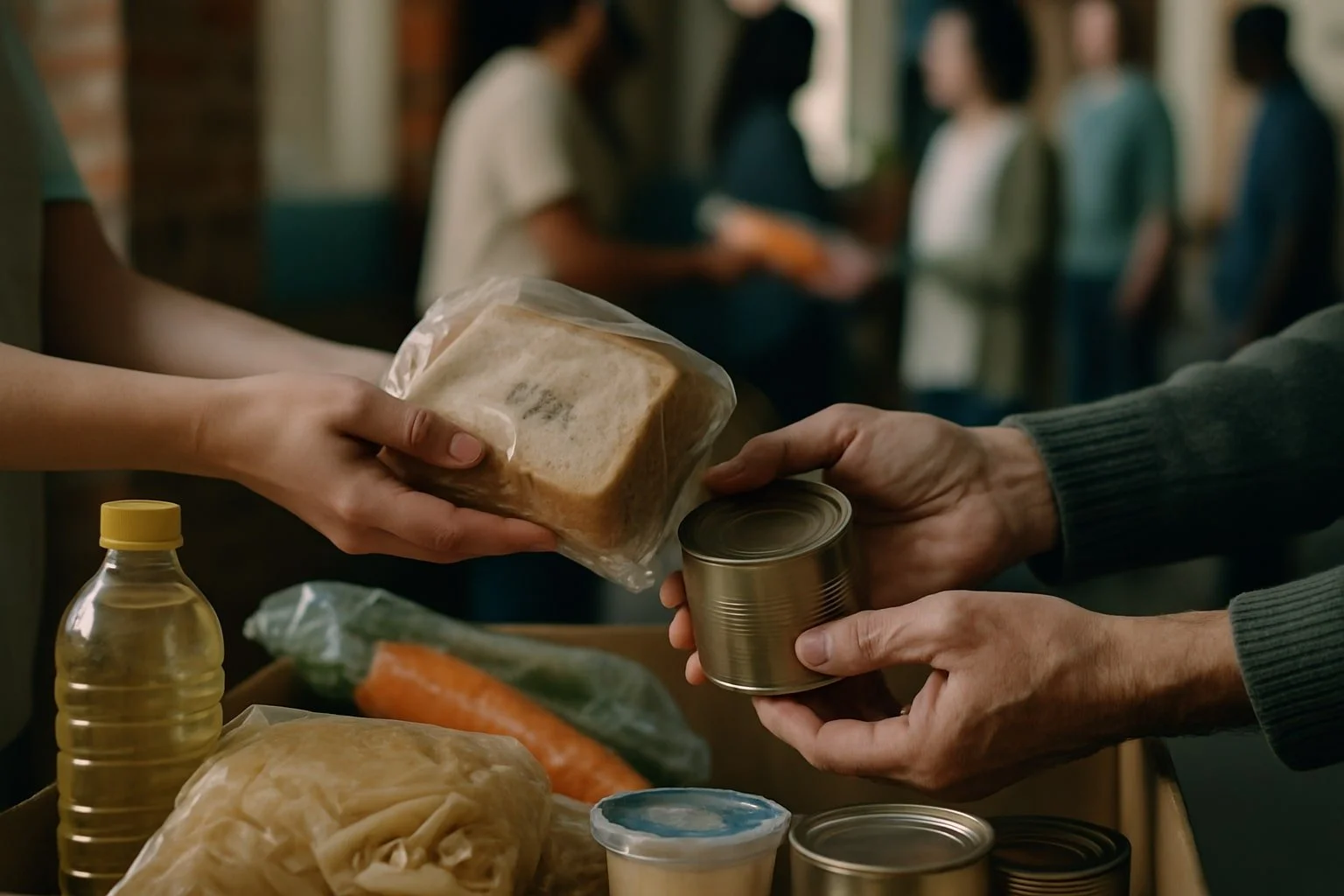
Most grocery stores handle expired or about-to-expire food by sorting, donating, discounting, or composting it, with a strong focus on reducing waste and supporting local communities. Many major supermarket chains have adopted established routines for pulling items near their expiration dates and set them aside for food banks or donation partners. This process allows edible food that can't be sold but is still safe to eat to reach people in need.
Donation chains often involve careful inspection and sorting, as food safety guidelines and regulations must be met before anything is distributed. Retailers may also receive tax incentives and generate goodwill by participating in these donation programs, while also contributing to efforts to cut food waste.
How Expired Food Donation Chains Work
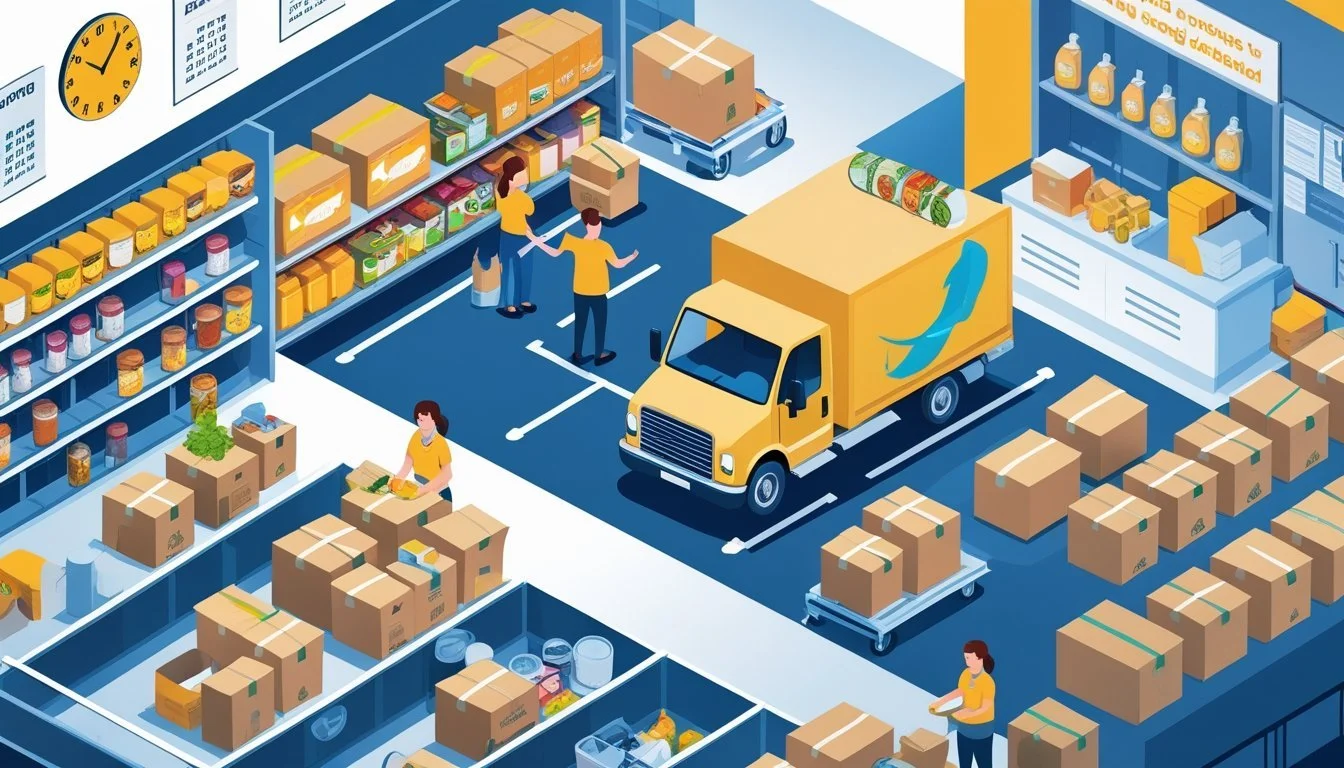
Expired food donation chains involve a coordinated process that includes multiple parties, regulatory considerations, and careful decision-making. Each link in the chain—from initial donor to final recipient—plays a distinct role in determining what happens to food items that have passed their expiration date.
The Path from Donor to Recipient
The process of expired food donation usually begins with grocery stores, food manufacturers, or individuals separating expired or soon-to-expire products from their regular inventory.
Items may include both perishable and non-perishable foods. Perishable items—such as dairy, produce, and meats—are rarely accepted past their expiration due to food safety concerns. Non-perishable items are sometimes considered if they are only slightly past their "best by" or "sell by" dates.
Once collected, expired donations are transported to food banks or charities. Staff and volunteers inspect, sort, and determine the safety and usability of each product. Food banks only distribute items that are deemed safe to eat, often guided by national and local food safety regulations.
Key Stakeholders in the Donation Process
Several organizations and individuals have key roles in expired food donation chains:
Donors: Grocery stores, wholesalers, manufacturers, and individuals provide surplus or expired food.
Intermediaries: Food banks, pantries, and shelters sort and assess donated items, sometimes discarding products that fail safety checks.
Regulatory Agencies: Health departments and food safety authorities set and enforce guidelines on what foods can be safely distributed.
Recipients: Individuals or families in need receive usable donations, typically through food pantries or community centers.
These stakeholders work together to minimize food waste while ensuring that distributed items are safe for consumption.
Logistics of Handling Expired Food
Handling expired food donations requires strict protocols to manage quality and safety. Upon arrival at food banks, items are categorized and checked for visible spoilage, damage, or contamination.
A standardized checklist or table is often used to quickly evaluate items:
Food Type Checked For Action Perishable Date, appearance Usually discarded if expired Non-perishable Date, packaging Evaluated & sorted Canned goods Rust, swelling Discarded if compromised
Non-perishable goods that pass inspection are shelved for distribution. Items failing quality standards are disposed of according to local waste guidelines. Detailed tracking and documentation help ensure accountability and compliance throughout the process.
Regulations and Guidelines for Expired Food Donations
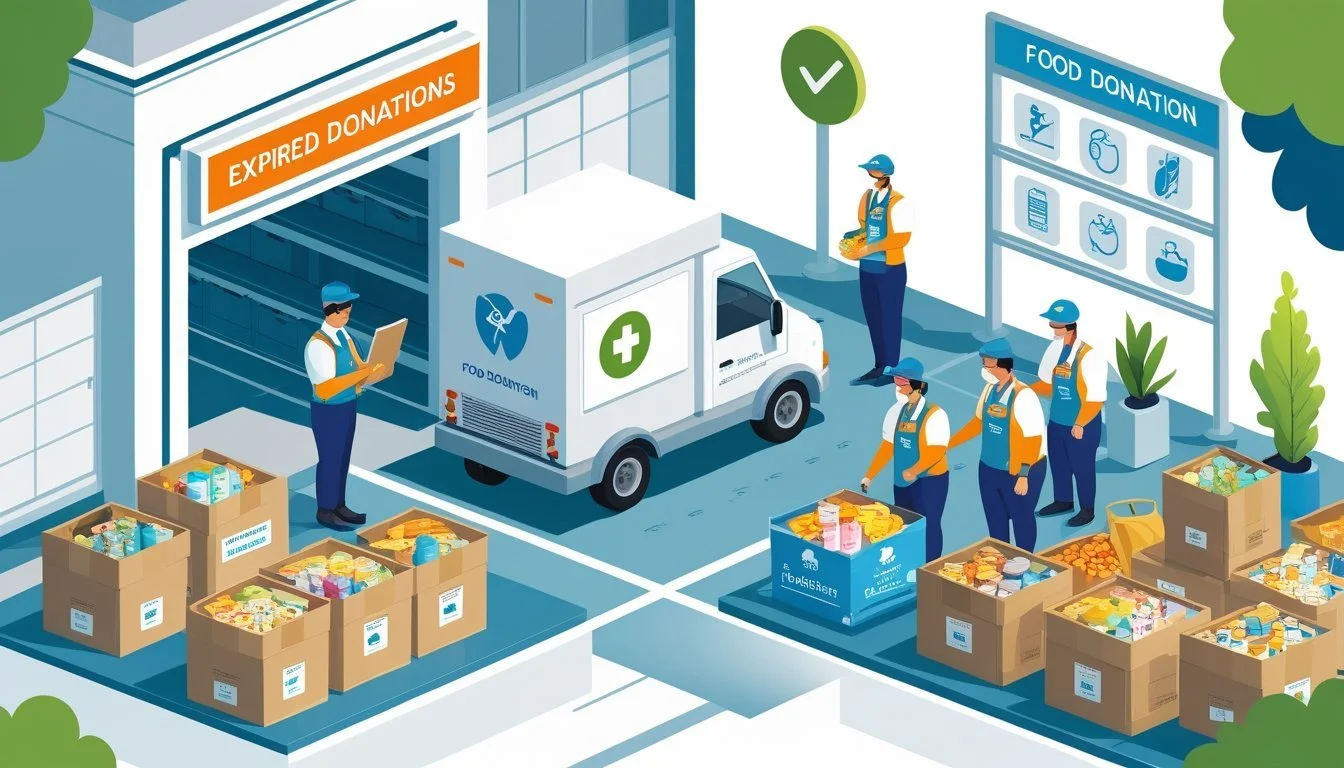
Expired food donations are governed by specific policies and agencies. The focus is on ensuring food safety, preventing unnecessary waste, and clarifying date labeling for both donors and recipients.
USDA and Federal Food Donation Policies
The United States Department of Agriculture (USDA) sets and enforces standards for food safety, quality, and labeling in the donation process. Federal law, primarily through the Good Samaritan Food Donation Act, protects donors who give food in good faith from liability, as long as the food is safe to eat. Regulations require that donated foods meet all quality and labeling criteria set by federal, state, and local authorities.
Food banks and charitable organizations follow these guidelines closely. They must ensure that expired food, if accepted, is safe for consumption. Perishable foods that have passed their expiration are rarely accepted due to safety risks. Non-perishable items may be evaluated for safety even after expiration, but each organization has its own policies based on USDA guidance and local health department standards.
EPA’s Role in Food Waste Prevention
The Environmental Protection Agency (EPA) plays a different but complementary role. It focuses on the reduction of food waste through responsible redistribution and supports programs that divert edible food from landfills. The EPA collaborates with other agencies on initiatives that encourage the donation of surplus food, including items close to or just past their best-by dates, to combat waste and environmental impact.
The EPA provides resources and data to help organizations optimize food recovery and adjust donation practices. They also help businesses establish processes for food donations, with an emphasis on ensuring food safety. The agency promotes collaboration among food businesses, non-profits, and government to maximize the benefits of food donation while minimizing waste.
Expiration Dates vs. Best-By Dates
There is often confusion over what different date labels mean. Expiration dates generally indicate the last day a food should be consumed for health and safety reasons. In contrast, best-by or use-by dates are typically about quality, not safety. Many foods remain safe after their best-by date if properly stored.
Policies regarding the donation of foods past these dates differ. Most food banks refuse products past expiration dates due to safety risks but may accept those past their best-by date after assessing the condition. Clear distinctions and consistent education about these labels help donors and organizations make informed decisions, reducing unnecessary food waste and ensuring safe distribution.
Food Safety Considerations in Expired Food Chains
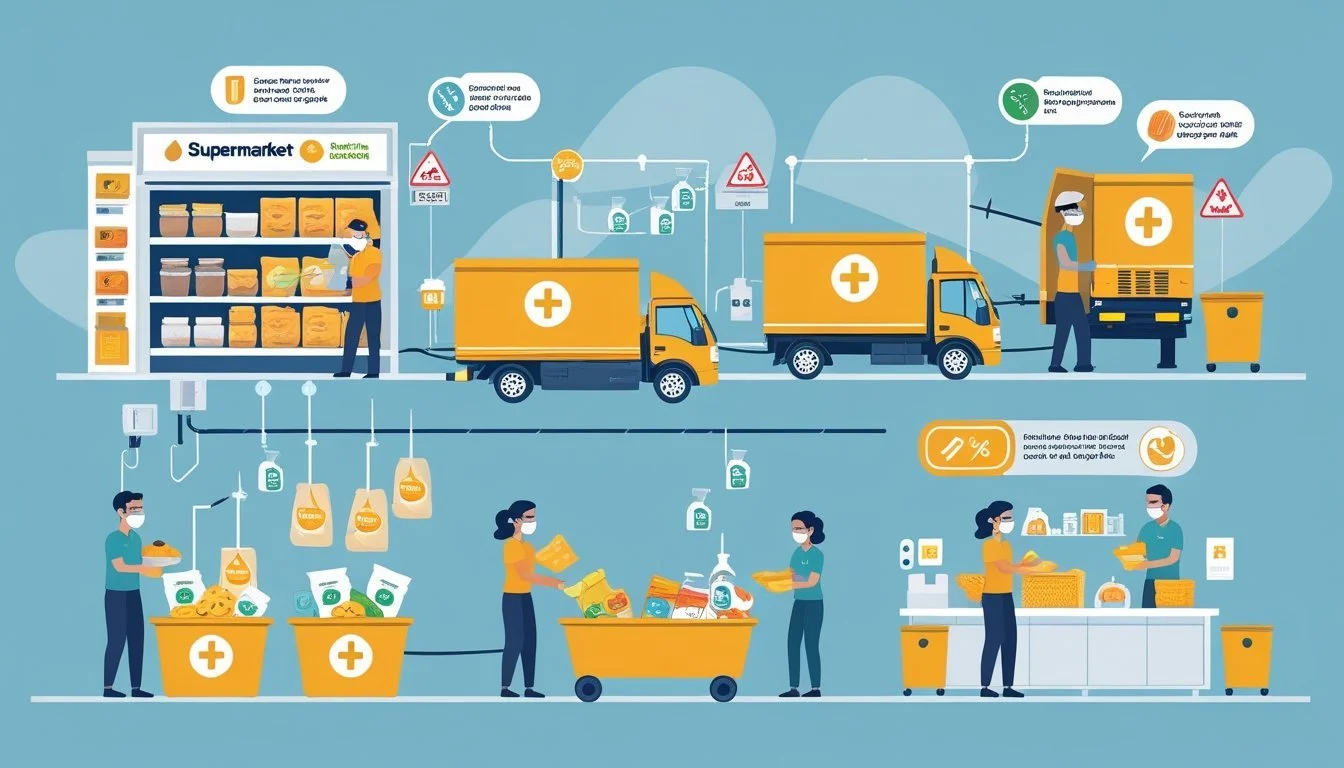
Expired food donation involves complex safety and inspection steps. Each stage must address potential health risks and ensure only safe products are distributed to those in need.
Assessing Health Risks of Expired Food
Health risks from expired food depend on multiple factors, including the type of product, how it was stored, and the specific expiration label such as "best by" or "use by." Most non-perishable packaged items do not become unsafe immediately after their expiration date, but perishable products like dairy, meat, and prepared foods can present higher risks if consumed past their date.
Microbiological hazards are a primary concern, especially with foods that require refrigeration or have been opened. Consumption of expired products can result in foodborne illnesses such as salmonella or listeria infections. It is critical to evaluate whether packaging remains intact and to note any changes in odor, color, or texture, as these often indicate spoilage.
Legal considerations also play a role. In the U.S., it is generally legal to donate food past its expiration date unless state laws or local food pantries specify otherwise. Food pantries should rely on guidelines provided by the FDA and USDA to determine what can be safely offered.
Inspection and Sorting Procedures
Inspection and sorting are crucial to minimize health risks in expired food donation chains. Food banks and pantries often use systematic checklists to evaluate donations before distribution. Key inspection steps include:
Checking for damaged, bulging, or leaking packaging
Verifying expiration, "sell by," and "best by" dates
Removing foods with visible spoilage, off odors, or discoloration
Sorting involves separating foods that are still safe for consumption from those that are unfit. Non-perishable items usually have a longer window for donation if undamaged, while perishables require more stringent scrutiny. Trained volunteers or staff conduct these assessments, sometimes using temperature logs or additional screening tools.
A sample inspection checklist might look like this:
Inspection Item Safe to Distribute? Action Required Canned beans, no rust Yes Distribute Yogurt, past "use by" No Discard Pasta, box unopened Yes Distribute Torn packaging No Discard
Proper sorting ensures food recipients are not put at unnecessary risk and helps organizations comply with safety regulations.
Types of Food Commonly Donated After Expiration
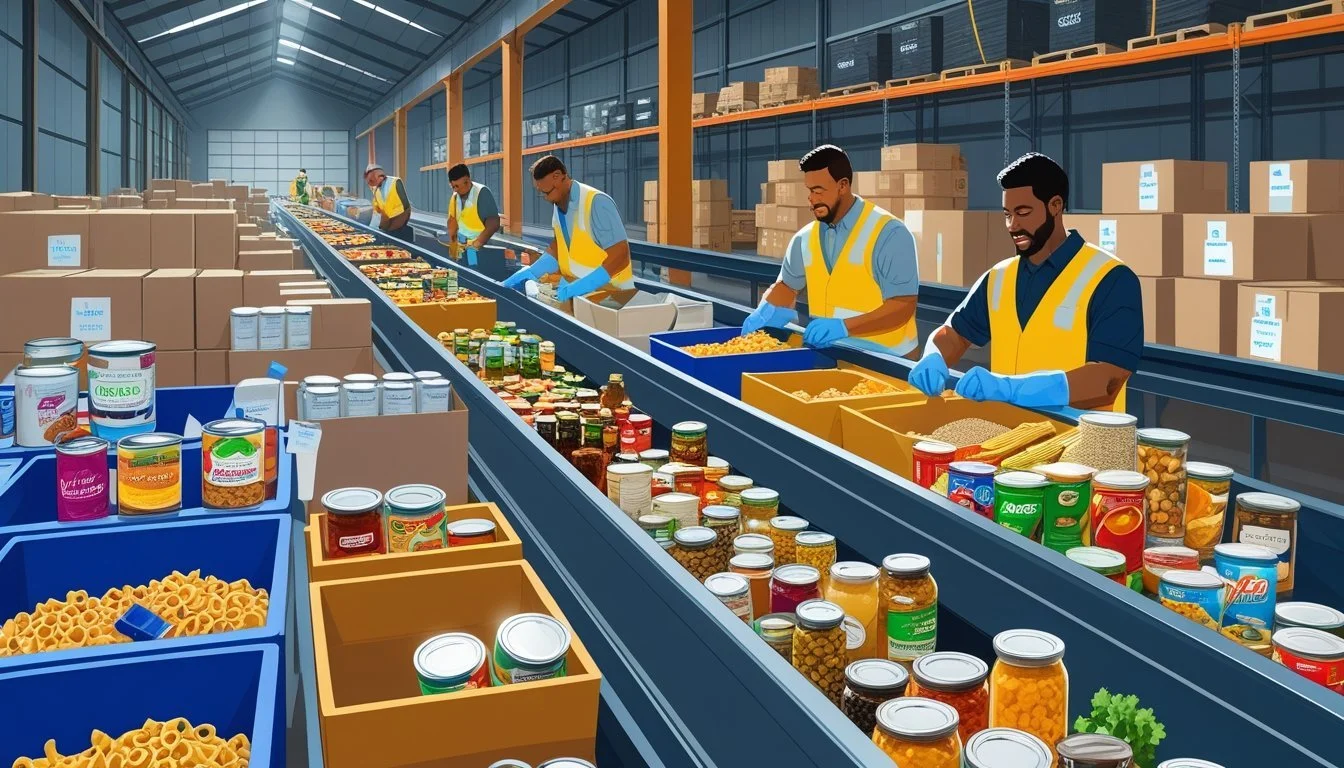
Expired food donations include a range of items, with some categories accepted more often than others. Food banks and charities use guidelines to ensure safety and match items with community needs.
Perishable vs. Non-Perishable Items
Non-perishable items such as canned goods, boxed grains, and dried pasta are frequently donated after their expiration date. These foods often remain safe well beyond the date on the package, provided they are unopened and undamaged. Common examples include:
Canned vegetables and beans
Boxed cereals
Dried rice and pasta
Shelf-stable milk
Most food banks will examine these items for dents, rust, or swelling before accepting them. Federal law requires expiration dates only for infant formula, baby food, and some medicines, making other items eligible for extended use evaluation.
Perishable items, like dairy, meats, and prepared meals, are rarely accepted after expiration due to spoilage risks. These foods can develop harmful bacteria quickly, making them unsuitable for distribution. Strict policies guide food banks in immediately discarding perishable foods past their expiration.
Fresh Produce Management
Fresh produce has a short shelf life and usually does not have an expiration date. Food banks often receive fruits and vegetables that are blemished, nearing spoilage, or just past peak ripeness. These are sorted upon arrival for safety and quality.
Donated produce is inspected for mold, wilt, and bruises. Safe items are distributed quickly to prevent waste. Some organizations may use slightly overripe produce in prepared meals or food recovery programs, maximizing use while minimizing health risks.
Commonly donated examples include bananas with brown spots, slightly soft tomatoes, and greens that may be wilted but still edible. Food banks emphasize rapid turnover to get produce to families before further decline. Proper storage and prompt distribution are key parts of fresh produce management in the expired food donation chain.
Major Organizations and Retailers in Expired Food Donation
Expired food donation involves collaboration among non-profits and grocery retailers to recover safe, edible products that are near or past their expiration date. Multiple organizations and national chains have developed efficient systems to ensure food is distributed to those in need instead of going to waste.
Role of Food Banks and Feeding America
Food banks are the primary coordinators for collecting, storing, and redistributing expired or near-expired foods. Feeding America, the largest hunger-relief organization in the United States, operates a network of over 200 food banks and 60,000 pantries. They follow strict safety guidelines to determine which products can be safely distributed past the "best by" or "sell by" dates.
Feeding America partners with supermarkets and food manufacturers to secure surplus and short-dated products. Donations can include canned goods, bakery items, dairy, and sometimes fresh produce—provided they pass quality checks. The organization uses refrigerated transportation and warehouses to extend shelf life and reduce spoilage risk.
Quality control remains critical; expired food is examined for packaging integrity, temperature abuse, and overall safety. Food banks also train staff and volunteers on labeling and sorting incoming donations, ensuring that recipients receive only safe-to-eat food.
Grocery Store Partnerships: Whole Foods, Costco, and ALDI
Major grocery chains like Whole Foods, Costco, and ALDI have developed structured donation programs for food approaching or just past its expiration date. These retailers remove items from shelves as they near their expiration, then coordinate regular pickups or deliveries to local food banks.
Whole Foods emphasizes fresh produce and bakery items, monitoring inventory and working to donate items before spoilage. Costco donates a broad range of products, including refrigerated and frozen goods, leveraging its large distribution network for efficiency. ALDI, with its streamlined business model, focuses on donating unsold pantry items and baked goods while ensuring compliance with food safety standards.
These partnerships often include written agreements, scheduled donation pickups, and training for store employees. This organized system limits food waste, helps feed local populations, and ensures the safe handling of donations according to federal and retailer-specific guidelines.
Challenges in the Expired Food Donation Chain
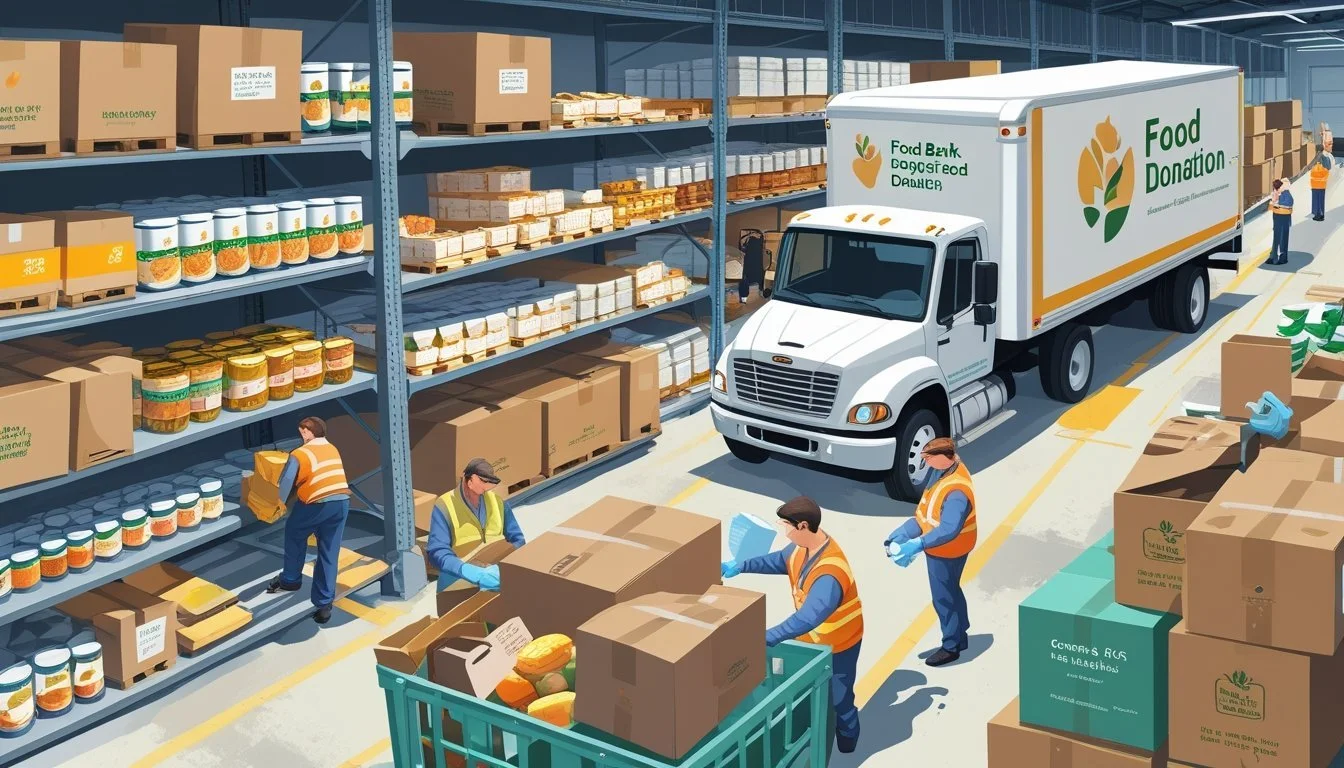
Donation of expired food involves many practical and regulatory hurdles. Both logistical barriers and legal risks play a major role in shaping the policies of organizations involved in food redistribution.
Barriers to Food Donation Acceptance
Food banks often have strict policies regarding the acceptance of expired food. Some organizations refuse all expired items, while others make case-by-case decisions based on the type of product, how far past the date it is, and the item’s condition.
Perishable goods present the greatest challenge. Even if slightly expired, these foods can pose health risks due to rapid spoilage. Non-perishable foods like canned goods may be considered if they are only slightly past their dates and packaging is intact.
List of considerations food banks use:
Type of expiration label (“best by,” “sell by,” etc.)
Food type (perishable vs. non-perishable)
Packaging integrity
Time elapsed since expiration
Resources are needed to inspect, sort, and assess expired items, adding strain to already stretched operations.
Liability and Legal Issues
Concerns about liability are widespread among grocers and food banks. If a recipient falls ill from an expired donation, the donor and distributing organization could face legal action.
In many regions, laws offer some protection. For example, the U.S. Good Samaritan Food Donation Act limits donor liability as long as food is donated in good faith. These protections, however, do not entirely remove legal risk, leading many organizations to adopt conservative policies.
Insurance requirements and public perceptions can also affect donation decisions. Legal departments may advise against accepting or distributing expired food, forcing organizations to err on the side of caution.
Impact on Reducing Food Waste and Environmental Sustainability
Expired food donation chains are a key part of tackling food waste at scale and promoting sustainable practices in the food industry. As food inevitably reaches expiration, organizations handle the surplus in ways that directly impact landfills, greenhouse gas emissions, and resource conservation.
Contributions to Food Waste Reduction
Donating expired yet still safe food offers significant environmental and social benefits. Supermarkets and retailers often partner with food banks and charities to redistribute products that are past the sell-by date but still consumable.
This redistribution reduces the overall proportion of food that would otherwise be sent to landfills. In the United States, food donations help to offset the 30–40% food waste rate reported annually, according to multiple sources.
By making use of surplus items, the system helps conserve natural resources such as land and water otherwise used to produce more food. Supporting community needs and minimizing unnecessary disposal also reduces greenhouse gas emissions associated with decaying food in landfills, a priority highlighted by agencies like the EPA.
Efficient donation logistics require careful sorting, inventory management, and coordination with local organizations to ensure food reaches recipients while still safe. This model forms a critical pillar in addressing both hunger and the broader environmental aims of food waste reduction.
Composting and Safe Disposal of Non-Donatable Food
Not all expired food is suitable for donation due to safety or quality concerns. For these items, alternative disposal methods become necessary to limit their environmental footprint.
Composting is one widely adopted solution, converting organic waste into a nutrient-rich material for agriculture and landscaping. When food cannot be safely reused, many retailers and organizations work with municipal composting sites or private waste processors to ensure organic material is recycled, rather than ending up in a landfill.
Some stores and food recovery organizations also repurpose expired products for animal feed when possible or use innovative recycling programs for non-edible goods. The Environmental Protection Agency (EPA) encourages use of the food recovery hierarchy, ranking composting above landfill disposal due to lower emissions and future resource benefits.
Effective composting and safe disposal strategies help further close the loop on food waste, preventing additional harm to the environment caused by outdated landfilling technologies and ensuring sustainability within donation chains.

