
Should Expiration Dates Be Personalized?
Examining the Benefits and Challenges
Expiration dates are a regular concern for consumers, yet the meaning behind "sell by," "best by," and "use by" labels is often misunderstood. These dates are typically set for inventory and quality management, not necessarily safety, and don't account for individual storage habits or variations in home environments.
Personalizing expiration dates could offer a more accurate measure of food quality and safety, reflecting real-life conditions instead of a single, inflexible timeline. Many people discard food prematurely, adding to unnecessary waste and expenses, simply because they rely on generalized dates rather than assessing actual freshness.
Exploring personalized expiration dates raises important questions about how technology, packaging, and consumer education might make food use safer, more efficient, and less wasteful. This article examines whether it's time for a shift in how expiration dates are determined and what that could mean for everyday eating habits.
Understanding Expiration Dates
Expiration dates guide both consumers and retailers in making informed decisions about food safety, freshness, and quality. These dates are based on a combination of science, regulation, and manufacturing standards.
Types of Food Date Labels
Food packaging dates come in several forms, each serving a distinct purpose. The most common food date labels include expiration date, best before, use by, and sell by.
Expiration Date: Indicates the last day a product should be consumed for safety reasons.
Best By/Best Before: Suggests when a product is expected to retain optimal flavor or quality, but is not necessarily unsafe after this date.
Use By: Typically found on highly perishable items; signals the last recommended day for use at peak quality.
Sell By/Sell-By Dates: Primarily for retailers, indicating how long a product should remain on shelves.
A quick reference table:
Label Type Purpose Safety Concern Expiration Date Last safe consumption date High Best By/Before Best quality until this date Low Use By Last recommended use for quality Medium Sell By Retailer guideline for selling Low
Understanding these terms helps in evaluating whether a food product is still good to eat or should be discarded.
How Expiration Dates Are Determined
Expiration dates and other food product dating methods are set using scientific testing and regulatory guidelines. Manufacturers consider the ingredients, preservation methods, packaging, and expected shelf life in typical storage conditions.
They often use tests that measure how long a product retains taste, texture, nutritional value, and safety at various temperatures. For example, highly perishable foods like dairy receive shorter use-by dates, while canned items may have a much longer best-before date.
Date labeling is not uniform across all foods or regions. In some countries, only baby formula requires a true expiration date, while other foods may simply have a best-by or sell-by date set by the producer. This variance can lead to confusion, but most labels are based on laboratory and shelf-life studies.
Common Misconceptions
Many people mistake best-by, use-by, and sell-by dates as hard cutoffs for food safety. In reality, most foods are safe past their best-before date if they show no signs of spoilage like mold, off smell, or changes in texture.
Sell-by dates are especially misunderstood, as these are intended for store management and not for consumers’ safety decisions. Foods are often still fresh and usable after this date.
Another misconception is that all foods are equally risky to eat after any date has passed. In fact, the safety risk depends on the food type, storage method, and specific date label. Rigid adherence to date labeling contributes to unnecessary food waste, so it is important to understand the meaning and purpose behind each type of date on food packaging.
The Case for Personalized Expiration Dates
Standard expiration dates treat all consumers the same, but people store and use food differently. Personalized expiration dates may address food safety, nutrition, and food waste by reflecting individual habits and conditions.
Individual Variability in Consumption Habits
People have unique habits regarding how they buy, store, and consume food. Factors such as refrigerator temperature, frequency of shopping, and portion sizes lead to different spoilage timelines for similar products.
For example, a household that frequently opens and closes the fridge may have faster spoilage than one with strict temperature control. Some individuals consume food quickly after purchase, while others spread it over several weeks.
Personalized expiration dates could consider these differences. This approach can minimize unnecessary food disposal and improve nutrition by letting people use food at its peak quality.
Factors Influencing Shelf Life
Shelf life depends on storage conditions, packaging type, and food type. Temperature, humidity, and light exposure can all affect how quickly food spoils. For instance, dairy products kept at a consistent low temperature remain fresh longer than those exposed to fluctuating temperatures.
A table summarizing shelf life factors:
Factor Impact on Shelf Life Temperature Lower temperatures slow spoilage Humidity Excess can accelerate mold Packaging Airtight seals extend freshness Light Some foods degrade in sunlight
Personalized expiration dates could be adjusted based on these variables, reflecting real-time changes and offering more accurate guidance on food consumption and safety.
Potential Benefits and Challenges
Personalization could lead to less food waste, better nutrition, and improved sustainability. By matching shelf life to actual storage and handling, consumers may throw away less food while maintaining health and safety.
However, implementing personalized expiration dates presents challenges. Technology would need to monitor household conditions for thousands of products, and not all consumers have the same access to technology or willingness to change habits.
There is also the potential for confusion if guidelines differ widely across products or households. Clear labeling, education, and user-friendly systems would be needed to ensure the approach supports public health and reduces waste.
Food Safety and Quality Considerations
Expiration dates influence both consumer perceptions and actual risks associated with food. The reliability of these dates impacts how people assess safety, quality, freshness, and nutrition.
Risks of Food Spoilage
Food spoilage presents a significant risk to food safety. When food passes its peak quality, it may develop spoilage organisms such as bacteria, molds, and yeasts. These can cause changes in taste, odor, texture, and appearance, making the product unpalatable or even unsafe.
The USDA notes that most dates on food packaging, including "best by" and "sell by," indicate quality rather than safety. Products may still be safe to eat beyond these dates, but consumers should evaluate for signs of spoilage like off smells, discoloration, or visible mold.
If food is stored improperly or exposed to temperature fluctuations, it can spoil faster, even before the expiration date. Personalized expiration dates might better reflect individual handling practices and reduce risks related to foodborne illnesses.
Maintaining Freshness and Nutrition
Freshness affects both the flavor and nutritional value of food. As products age, vitamins such as vitamin C and certain B vitamins can degrade, leading to reduced nutritional quality. Maintaining optimal storage conditions helps preserve both taste and nutrient content.
Personalized expiration dates could take into account storage environment and usage habits. For example, consistently refrigerating items at the recommended temperature can help maintain freshness longer. The food’s quality can outlast the printed date if kept in ideal conditions, preventing unnecessary waste.
Consumers rely on expiration dates to judge when food is at its peak, but those dates often signal quality rather than an absolute threshold for safety or nutrition. Using sensory cues and proper food handling practices can help ensure both safety and maximum nutritional benefit.
Personalization Techniques and Technology

Individualized expiration dates rely on new solutions that connect food storage, food handling, and environmental monitoring. Advances in digital tools and connected devices make it possible to move beyond static printed dates on packaged foods.
Smart Packaging and Sensors
Smart packaging uses embedded sensors to detect factors like temperature, humidity, and gas emissions inside food packaging. This technology monitors storage conditions in real time and can estimate food freshness more accurately than printed expiration dates.
Key Features:
Sensors: Track temperature changes that affect spoiling.
Indicators: Visual or digital indicators reflect actual food quality.
QR Codes: Enable consumers to access shelf-life data with a scan.
For foods prone to rapid spoilage after handling or partial use, smart packaging adjusts the remaining shelf life based on how the product has been stored or opened. In freezing food, sensors can detect thawing events and update safety information to match actual conditions.
Consumer Apps and Tracking
Consumer apps allow users to record the purchase dates, storage methods, and even track when packaged foods are opened. These platforms can analyze data from smart packaging or manual entries to deliver personalized reminders or alerts for using products before spoilage.
Key Features:
Barcode Scanning: Quickly logs product details and best-by dates.
Cloud Storage: Syncs information across multiple devices for household tracking.
Alerts: Sends notifications when food handling or storage conditions put products at risk.
Integration with home appliances lets connected apps monitor refrigerators or freezers, further tailoring reminders based on actual food storage. This approach helps reduce waste and increases food safety by adjusting guidance as conditions change.
Product Categories Well-Suited for Personalization

Personalized expiration dates have the potential to address safety, reduce waste, and improve customer trust. Different product categories present distinct challenges and opportunities for implementing personalized shelf life information.
Dairy and Yogurt
Dairy products are highly perishable, and their quality can be affected by factors like production date, handling, and storage temperatures. Milk, cheese, yogurt, and similar items often have a generic expiration date that does not account for variations in freshness caused by supply chain conditions.
Personalization in this category could use data from cold storage, transport, and even in-home storage to predict the actual shelf life more accurately. Smart packaging with RFID or QR code technology could give consumers real-time updates about product safety.
Key challenges:
Temperature abuse during transport
Diverse product types (e.g., low-fat vs. whole milk)
Consumer storage habits
A tailored approach may allow consumers to make better decisions and avoid discarding safe, consumable dairy products prematurely.
Meats and Eggs
Meat and eggs are both protein-rich foods with strict safety requirements. Their shelf life is closely linked to time and temperature exposure throughout the supply chain. Traditional fixed expiration dates assume worst-case scenarios to minimize food poisoning, but this can lead to unnecessary food waste.
Personalized expiration dates could rely on sensors embedded in packaging to track the actual temperature history of each product unit. For meats, spoilage bacteria growth rates differ by product type (beef, poultry, pork, etc.) and packaging (vacuum-sealed, gas-flushed). Eggs are affected primarily by temperature and duration since packing.
Potential benefits:
Improved food safety monitoring
Accurate guidance for consumers based on product history
Reduction in excessive disposal of still-edible products
This approach is especially relevant for households that prioritize both food safety and sustainability.
Canned Goods and Shelf-Stable Foods
Canned foods and other shelf-stable products like dried beans or pasta are low-risk for rapid spoilage. However, their standard “best by” dates are usually conservative and may not fully account for the product’s actual integrity over time.
Personalization for these goods could involve tracking storage conditions, such as humidity or accidental dents in the can, which may compromise shelf life. For instance, a can stored in a cool, stable environment generally remains edible long past the printed date, while a damaged or rusted can should be flagged sooner.
A table can help illustrate shelf life factors:
Product Main Risk Factor Personalization Variable Canned soup Can integrity Physical condition, storage Dried pasta Humidity Environment, packaging quality Canned beans Rust, dents Handling record, damage reports
This can empower both retailers and consumers to safely extend the use of pantry staples and minimize unnecessary discards.
Infant Formula and Sensitive Products
Infant formula, baby food, and certain medical nutrition products require clear, accurate expiration dating by law due to the vulnerability of their consumers. Unlike many other foods, even slight spoilage or degradation can pose health risks to infants and medically fragile individuals.
Personalization in this category would need to maintain a high safety margin but could account for precise production batches and storage tracking. RFID tags or digital product traceability could give caregivers more confidence when using formula close to its expiration.
Some sensitive products also have additional handling requirements, like mixing instructions or single-use packaging, which could be communicated through personalized smart labeling.
Maintaining regulatory compliance and consumer trust remains essential while exploring the benefits of more accurate and individualized shelf life estimates for these critical products.
Regulatory and Industry Implications

Expiration dates affect regulatory compliance, public health, and industry practices. Moving toward personalized expiration dates would challenge current oversight structures and standardization processes.
Legislation and Standardization
In the United States, expiration date practices are heavily influenced by federal agencies such as the FDA and USDA. These agencies rely on scientific studies to set uniform guidelines for shelf life and storage of packaged foods.
Under current laws, manufacturers must substantiate expiration dates with stability data. This requirement supports consistency in labeling and helps maintain a reliable food supply. Regulations also aim to prevent misleading claims about product safety or freshness.
Personalizing expiration dates would complicate standardization. The need for individualized data would likely increase compliance burdens. It could also create inconsistencies in how products are labeled and interpreted by consumers or inspectors.
The Food Date Labeling Act
The Food Date Labeling Act seeks to reduce confusion over food expiration dates in the U.S. food supply. It proposes a nationwide approach to simplify “best by” and “use by” terms, making food packaging labels more uniform.
This legislation encourages clear distinction between food quality and safety dates. If expiration dates became personalized, the act's goals might be harder to achieve. Uniform definitions and requirements would have to adapt, affecting manufacturers, retailers, and regulatory agencies.
Adopting personalized labels could require technology investments for tracking and displaying custom shelf-life information. It would also raise new questions about how to regulate and enforce accurate labeling across a wide range of products and consumer behaviors.
Practical Guidance for Consumers

Understanding food labels, storing food correctly, and knowing the signs of spoilage helps reduce waste and keep food safe. Proper food handling, storage, and attention to expiration information can help prevent potential health risks and maintain food quality.
Interpreting Food Labels at Home
Shoppers should pay close attention to the different types of date markings found on products, such as best before, expiration, and packaged on dates. Best before dates typically indicate quality, not safety, while expiration dates should be followed strictly since they signal when a food may no longer be safe to eat.
Labels may also include storage advice, like refrigerate after opening or keep frozen, which helps maintain freshness and safety. Reading and understanding these instructions helps minimize the risk of spoilage or foodborne illness. For foods with a freeze by date, freezing can extend durability, but freezing does not make spoiled food safe.
Create a simple checklist when unpacking groceries:
Check all dates and prioritize items nearing the end of their labeled shelf life.
Store foods according to the instructions provided.
Discard products that are past their expiration date.
Best Practices for Food Storage and Freezing
Proper refrigeration is crucial for slowing bacterial growth. Perishable items, such as meat, dairy, and leftovers, should be stored at or below 4°C (40°F). Raw foods should be separated from ready-to-eat items to prevent cross-contamination.
Freezing can extend the usability of many foods. It is best to use airtight packaging, label items with the freeze by date, and consume them within recommended timeframes to avoid loss of quality. Even in the freezer, foods can deteriorate in quality with time due to freezer burn, which appears as grayish-white dry spots and affects taste and texture.
Key storage tips include:
Refrigerate leftovers within two hours after cooking.
Rotate foods regularly, placing newer items behind older ones.
Avoid refreezing items that have fully thawed, as this can compromise safety.
Identifying Signs of Spoilage
Even if a food item has not reached its expiration or best before date, physical signs of spoilage must be checked. Spoilage signs include unusual odors, changes in color, slimy textures, bubbling in liquids, or mold growth.
A change in packaging integrity, such as bulging or leaking, can also mean the product is unsafe. For frozen foods, freezer burn causes dry patches or discoloration but does not necessarily make the food unsafe; however, it significantly reduces palatability.
When in doubt, it is safest to discard questionable foods instead of tasting them. Always handle food with clean hands, and sanitize surfaces to help prevent cross-contamination and keep food safe for consumption.
The Future of Expiration Date Personalization
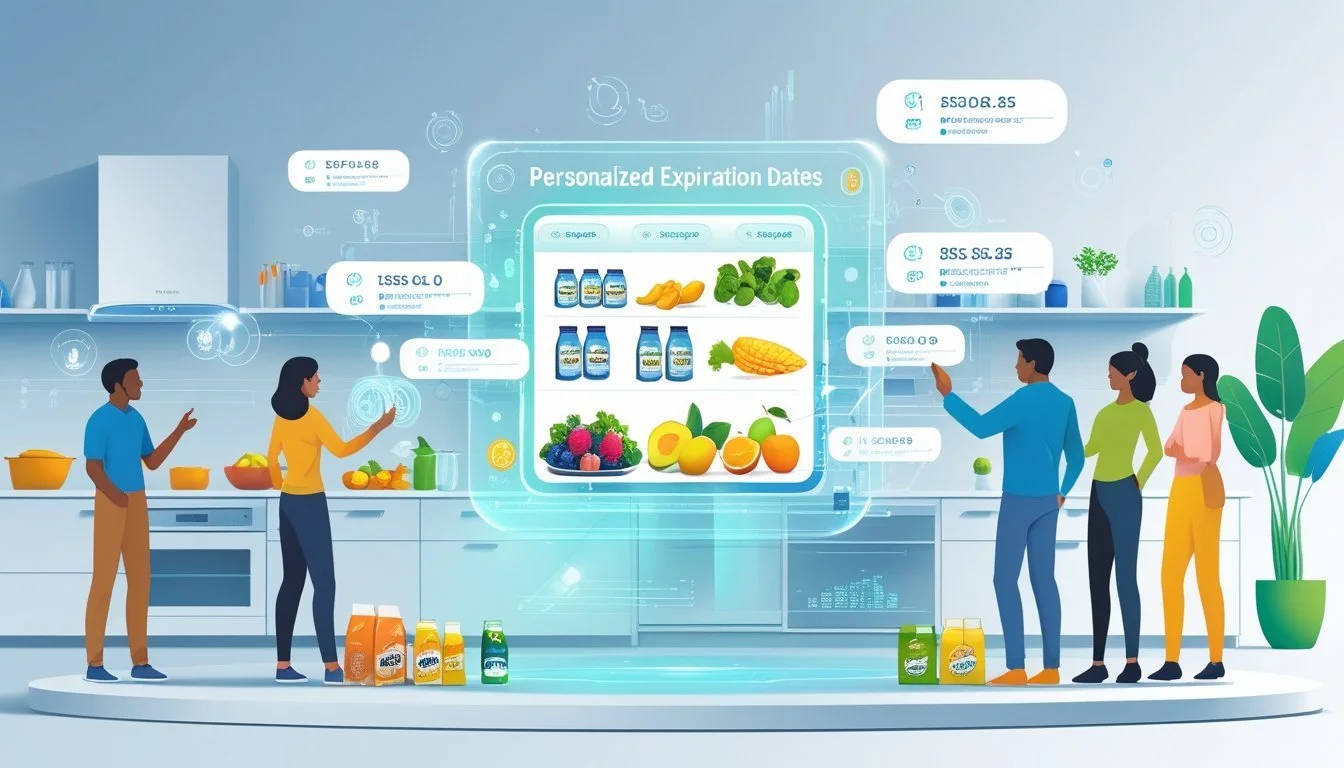
New advances in food labeling and packaging are shaping how expiration dates are determined and communicated. These changes are closely tied to sustainability goals, waste reduction, and smarter consumption.
Trends in Food Label Innovation
Food labels are starting to include more precise indicators rather than just generic "use by" or "best before" dates. This includes sensor-based packaging that can detect spoilage, temperature history, or real-time freshness of the food inside.
Smart labels are being tested that use digital sensors or color-changing technology to inform consumers of actual product quality. For example, certain meat or dairy packages now integrate freshness indicators that respond to conditions like storage temperature.
Companies are also exploring individualized reminders or alerts, sent via apps, based on when a product was actually purchased and opened. This move towards personalization supports safer consumption and reduces premature disposal.
Innovations in this space are pushing manufacturers to adapt packaging designs, and may lead to common standards for these digital or sensor-enhanced labels in the future.
Implications for Sustainability
Personalized expiration dates have the potential to significantly reduce food waste. With more accurate or real-time data, consumers are less likely to throw away food that is still safe and edible.
Food waste currently leads to unnecessary environmental impacts, including wasted water and greenhouse gas emissions. More dynamic labeling empowers people to make informed decisions, supporting broader sustainability initiatives.
Implementing smarter labels requires rethinking material choices for food packaging. Materials must be compatible with sensors and data transmission technologies, while remaining recyclable or biodegradable to maintain progress toward sustainable packaging goals.
On a larger scale, reducing avoidable waste also decreases the volume of food sent to landfills, helping retailers and consumers contribute to a more efficient food system.
Conclusion
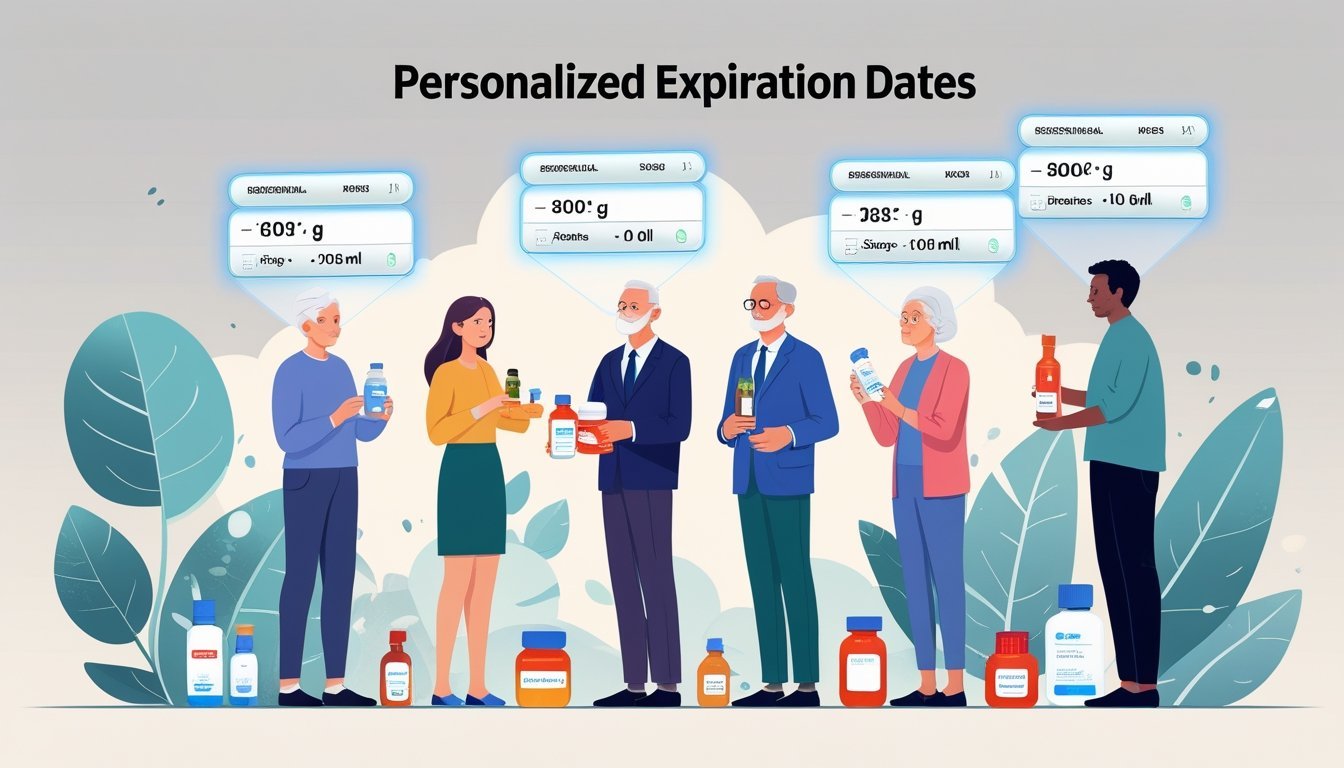
Personalized expiration dates could address individual differences in storage habits, consumption rates, and climate. This approach may help consumers make better decisions about product safety and reduce unnecessary waste.
Potential Benefits:
Less food and product waste
Improved consumer safety
More accurate product usage
However, implementing personalized dates would require extensive data collection, effective communication, and possibly new technologies. Businesses and consumers would need support to adapt.
Some products—such as medications or highly perishable foods—may benefit most due to their safety implications. Others might see only minimal advantage.
Clear labeling, education, and robust management practices remain important no matter which approach is used. Straightforward, reliable information helps everyone make smarter and safer choices.

