
How Smell Fails as a Shelf Life Indicator
Understanding Its Limitations in Food Safety

Relying on smell alone is not a reliable way to judge the shelf life, product quality, or safety of most foods. Many types of harmful bacteria can grow without producing any noticeable odor, leaving spoiled or unsafe food seemingly fresh to the senses. This means consumers may unknowingly eat food that poses a health risk, even if it smells fine.
Shelf life depends on multiple factors such as how a product was processed, stored, and packaged, not just how it smells. While an off-putting or sour odor can signal spoilage, the absence of an odor doesn't guarantee the food's safety or quality. Food safety guidelines stress that sight, packaging, and dates should also play a role in evaluating food, since dangerous pathogens often leave no scent at all.
Why Smell Is Not a Reliable Shelf Life Indicator
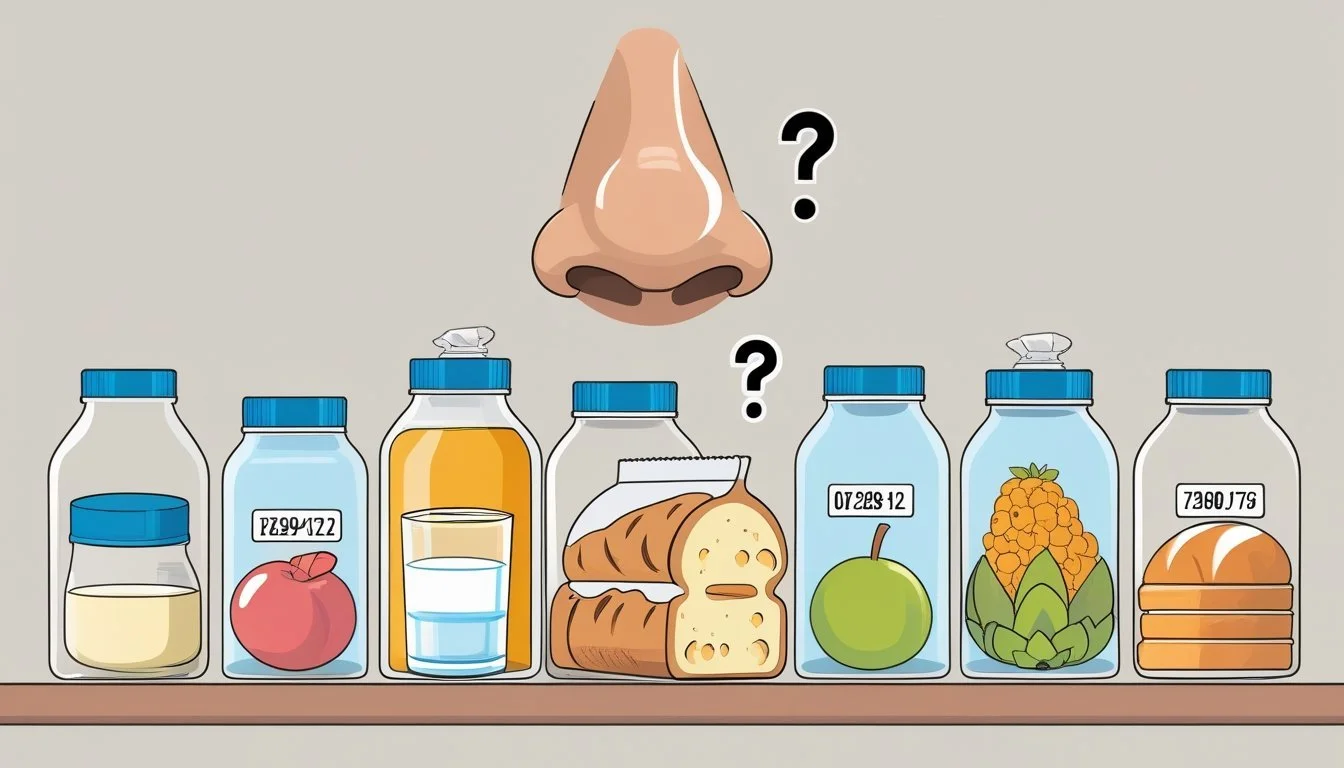
Smell alone often fails to provide accurate information about food's freshness or safety. Many foods show signs of spoilage before any off-putting odors are noticeable, and individual differences in odor detection make sensory evaluation unpredictable.
Limitations of Sensory Evaluation
Sensory evaluation, such as smelling food, is subjective and inconsistent. Not everyone can detect early odour signals associated with spoilage, especially if unfamiliar with the expected scent of a fresh product.
Some bacteria responsible for foodborne illness do not create any noticeable odours, making contaminated food appear safe. Traditional tasks like the “smell test” cannot identify invisible or odourless spoilage agents such as certain pathogenic bacteria or toxins.
Environmental factors, such as refrigeration, may mask or delay changes in odour. Relying solely on sensory evaluation can cause both false alarms and a failure to detect true hazards.
Delayed Off-Putting Odors in Spoilage
Many foods develop off-putting odors only in the advanced stages of spoilage. In the early phases of microbial activity, the product may look and smell normal despite containing dangerous levels of bacteria or toxins.
For instance, dairy and meat might not produce noticeable unpleasant scents until spoilage is well underway. This lag creates a risk for consumers who rely on odour as the only sign of spoilage.
Chemical and microbial spoilage processes often occur before the human nose can detect anything. Table 1 highlights common foods and the typical delay between spoilage onset and detectable odor:
Food Type Spoilage Onset Detectable Odor Fresh Poultry 1-2 days 3-5 days Soft Cheese 2-3 days 4-6 days Leafy Greens 1 day 2-4 days
Variation in Scent Perception Among Individuals
There is significant variation in how people perceive and interpret odors. Factors like age, genetics, health conditions, and even past exposure can influence what someone smells or fails to smell.
Studies show that anosmia (loss of smell) and hyposmia (reduced smell sensitivity) are common and may go unnoticed by individuals. This creates inconsistency in consumer perception of spoilage.
Not everyone recognizes the same scent as unpleasant, and cultural backgrounds also affect interpretation. This limits the reliability of odour as a universal shelf life indicator and increases the risk of unsafe consumption.
Understanding Shelf Life Determinants
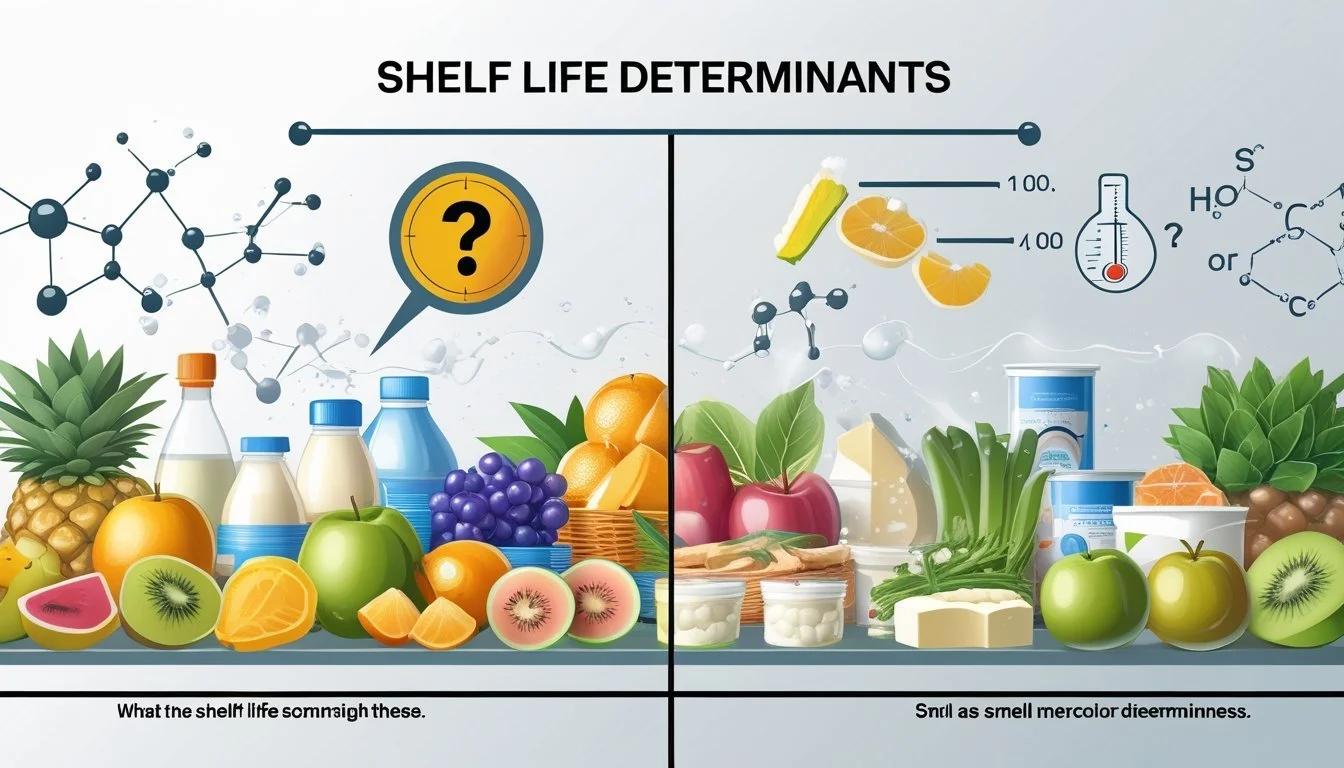
Shelf life is affected by a complex set of factors, not just what can be detected by smell. These factors include chemical reactions, microbial growth, and environmental storage conditions, all of which influence the quality and safety of food items.
Role of Chemical Reactions
Chemical reactions, especially oxidation, can drive significant changes in food quality and shelf stability. Oxidation leads to the development of off-flavors, color fading, and nutrient loss. Lipid oxidation produces compounds like aldehydes and acids, increasing peroxide value (PV) — a key indicator of rancidity.
Certain reactions remain undetectable by smell until advanced stages, meaning spoilage may occur before any odor is noticeable. Foods rich in fats and oils, such as nuts and dairy, are particularly vulnerable to oxidative spoilage. Chemical changes also include the breakdown or interaction of preservatives, impacting food preservation effectiveness over time.
Influence of Microbial Growth
Microbial growth is a primary driver of food spoilage and can occur even when there is no detectable odor. Bacteria, yeast, and fungi multiply when conditions are favorable, leading to changes in texture, appearance, and safety before smell becomes apparent.
Spoilage bacteria often produce acids and gases as metabolic byproducts, but these may not always be immediately noticeable. Lower water activity and appropriate storage temperatures slow microbial activity, but do not fully eliminate risk. Some pathogens may not cause obvious spoilage characteristics, making visual or sensory cues unreliable for safety.
Impact of Storage Conditions
Storage conditions strongly influence shelf life by affecting both chemical reactions and microbial proliferation. Temperature fluctuations can speed up oxidation, increase bacterial and fungal growth rates, and accelerate chemical change in sensitive foods.
High humidity encourages the growth of yeast and molds, while low temperatures slow enzymatic and microbial activity, extending shelf stability. Poor packaging may allow oxygen and moisture ingress, undermining preservation techniques and facilitating spoilage. Manufacturers monitor these factors using specific shelf life tests rather than relying on smell as a primary indicator.
Physical Signs of Product Deterioration

Shelf life can often be better assessed through observable physical changes rather than relying on smell alone. Key signs such as discoloration, texture shifts, or altered packaging can signal food spoilage and product deterioration.
Color Changes and Discoloration
Color serves as a rapid, visible cue for changes in food quality. For instance, the browning of cut fruit or graying of ground meat often points to oxidation or microbial growth. Discoloration can result from a range of physicochemical changes, such as enzymatic reactions or chemical spoilage, impacting both appearance and perceived freshness.
Dairy products may take on a yellowish or bluish tint as they spoil, while mold growth on bread or cheese causes unmistakable spotting. Color changes do not always indicate danger but can signal that a product is past its best quality stage. Consumers should look for any unexpected or uneven color patterns developing over time.
Changes in Texture
Texture is one of the earliest indicators that a product is deteriorating. Vegetables and fruits that become slimy, mushy, or overly soft usually show clear evidence of microbial spoilage or enzymatic breakdown. These changes can be detected by touch and are often a warning that the food is no longer suitable for consumption.
For meat and fish, a sticky or tacky surface can indicate bacterial growth, while dairy products like yogurt might become watery or gritty. Hard cheeses may develop a dry or crumbly texture instead of their expected firmness. Significant texture changes, especially increased softness or the presence of slime, should be regarded as strong spoilage signals.
Swelling, Separation, and Other Visible Alterations
Swelling of packaging is a critical warning sign, particularly for vacuum-sealed or canned foods. This occurs when gases produced by bacteria accumulate, pushing the container outward. Separation, such as liquid pooling on top of yogurts or sauces, can point to product breakdown or yeast activity.
Other visible alterations include bubbling or froth in liquids and irregular shapes in solid products. Mold, in the form of fuzzy or powdery patches, is often visible on the surface of breads, cheeses, and preserves. Each of these signs provides clear evidence that a food's shelf life has ended, regardless of the product's odor.
Microbial Activity and Food Safety
Microbial growth in food is not always visible, nor does it consistently produce noticeable odors. The failure to detect microbial spoilage by smell alone can compromise food safety, elevate the risk of foodborne illnesses, and lead to the consumption of contaminated products.
Hidden Growth of Pathogens
Many harmful microorganisms—including certain bacteria and viruses—can grow and multiply on food without producing obvious changes in smell, taste, or appearance. Listeria monocytogenes, Salmonella spp., and Escherichia coli are examples of pathogens that may be present in significant numbers before any spoilage odor is detectable.
Refrigeration slows microbial activity but does not eliminate all risks. Even in cold environments, pathogens can multiply, especially in ready-to-eat or perishable foods. Some bacteria, like psychrotrophs, actually thrive at refrigerator temperatures.
Table: Examples of Pathogens with Minimal Odor Impact
Pathogen Odor Produced Common Foods Listeria monocytogenes None/Minimal Deli meats, cheeses Salmonella spp. None/Minimal Eggs, poultry E. coli O157 None/Minimal Ground beef, produce
Risk of Foodborne Illnesses
Foodborne illnesses can arise even when a food’s appearance and smell seem normal. Millions of cases globally each year result from consumers being unable to detect contamination by sensory cues alone.
Spoilage organisms—like some bacteria and fungi—may produce strong odors, but many pathogens do not. This makes them difficult to detect without laboratory testing. Ingesting contaminated food can cause symptoms such as nausea, diarrhea, and fever.
Specific groups, including young children, the elderly, and those with weakened immune systems, face higher risk from such unseen threats. Food safety practices such as strict temperature control, proper cooking, and good hygiene remain essential.
Indicators Missed by Odor Alone
Not all microbial growth is associated with a change in odor. Some spoilage bacteria and fungi can remain undetected until food is already unsafe to consume.
Physical signs like slime formation or color changes are sometimes more reliable, yet even these can lag behind dangerous microbial activity. Odor does not always correlate with bacterial growth or toxin production.
Key Indicator Types Missed by Smell:
Toxins from Staphylococcus aureus
Viruses such as norovirus
Chemical changes leading to food degradation
Relying only on the sense of smell for assessing food quality and safety can give a false sense of security. Implementing standardized food storage, handling, and expiration monitoring is necessary to minimize risks associated with undetected microbial activity.
Chemical Markers Over Smell for Shelf-Life Estimation
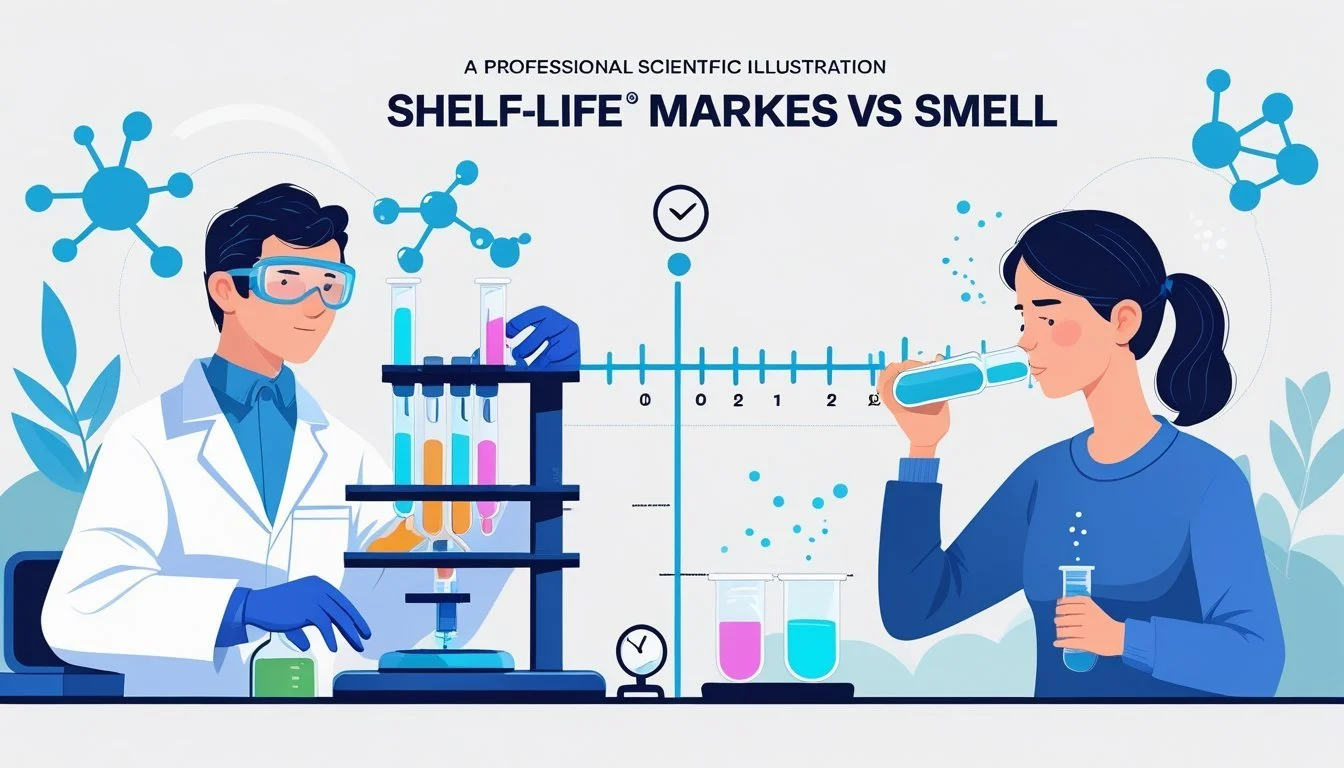
Shelf-life estimation based on chemical changes offers a more objective and reliable measurement compared to relying on human perception of smell. By analyzing specific markers such as oxidation products, peroxide value, and the presence of antioxidants, food scientists gain more accurate data about food freshness and stability.
Role of Oxidation Products
Oxidation is a common chemical reaction that occurs in many foods, particularly in those containing fats and oils. The primary products of oxidation include peroxides, hydroperoxides, and various aldehydes. These compounds serve as direct evidence of chemical deterioration.
Peroxides and aldehydes form when lipids react with oxygen and can be measured long before spoilage odors develop. This makes chemical markers more sensitive and timely for identifying decreased shelf-life compared to sensory methods.
Detecting these oxidation products is crucial for foods where off-odors only become noticeable late in the spoilage process. Instrumental measurements can track even minor increases, helping producers manage quality and safety with greater precision.
Understanding Peroxide Value (PV) and Aldehydes
The peroxide value (PV) quantifies the concentration of peroxides that appear during the initial stages of lipid oxidation. Measuring PV acts as a standard indicator of the early onset of rancidity in foods such as fresh milk, oils, and processed meats.
Elevated PV is typically an early sign that the shelf-life of the product is declining, even when no smells are detectable by consumers. PV measurements are routinely performed in laboratories due to their reliability and ease of use.
Aldehydes, including compounds like hexanal and malondialdehyde, form as secondary oxidation products and are responsible for off-flavors and chemical changes in taste. Analytical methods such as gas chromatography are employed to precisely measure these compounds for shelf-life estimation.
Importance of Antioxidants in Preservation
Antioxidants play a key role in protecting foods from oxidative damage, preserving both freshness and safety. These compounds neutralize free radicals and slow down the formation of peroxides and aldehydes.
Examples of natural antioxidants include vitamin E, ascorbic acid (vitamin C), and plant phenolics. Many processed foods are fortified with antioxidants to extend their shelf-life by reducing the speed of oxidation reactions.
When assessing shelf-life, the presence and effectiveness of antioxidants should be quantified alongside chemical markers. This approach allows producers to predict product stability and optimize formulations for longer preservation without relying on changing sensory properties.
Sensory Methods Versus Scientific Approaches

Sensory methods play a key role in the assessment of food shelf life but face notable limitations. Scientific advances have introduced more precise tools, while consumer acceptability remains a decisive factor in defining the real-world value of these methods.
Limitations of Traditional Sensory Characteristics
Sensory evaluation often relies on trained panels to assess qualities like odor, appearance, flavor, and texture. While thorough, this method introduces subjectivity, since perceptions can vary among individuals and cultural backgrounds.
The criteria chosen for passing or failing a product are frequently arbitrary. For example, odor might fade or change before other spoilage indicators are noticeable, leading to premature rejection or unnecessary waste.
Panel-based evaluations may not detect low-level changes detected instrumentally. Additionally, subtle chemical changes that affect food safety rarely produce strong sensory signals early enough for practical intervention.
Common Sensory Characteristics in Food Shelf Life Assessment
Sensory Characteristic Potential Limitation Odor Can diminish before spoilage Appearance May not reflect safety Flavor Changes may occur late Texture Subjective, gradual shifts
Advancement in Analytical Techniques
Scientific approaches now complement or surpass traditional sensory tests in reliability. Analytical technologies like gas chromatography-mass spectrometry (GC-MS) measure specific volatile compounds connected to spoilage with high sensitivity.
Instrumental techniques provide quantifiable, reproducible results. Microbiological tests and chemical assays can identify spoilage organisms or indicators, such as peroxides or amines, before detectable sensory changes occur.
With technological developments, predictive models use data from these instruments to estimate shelf life based on measurable trends. This minimizes reliance on human panels and reduces inconsistencies rejected by sensory evaluation.
Consumer Acceptability and Perception
Ultimately, consumer acceptance drives product success regardless of technical shelf life. Shelf life defined by scientific tests may differ from what consumers are willing to accept based on sensory qualities.
Some products may remain microbiologically safe but are rejected by consumers for minor odor or flavor changes. Packaging, brand expectations, and regional preferences also play roles in perceived acceptability.
To address this, some shelf life studies use acceptability limits based on large-scale consumer panels, aiming to define thresholds for widespread acceptance. This approach aligns laboratory findings with real purchasing and consumption behavior, providing a more practical assessment of shelf life.
Proper Handling and Storage to Extend Shelf Life
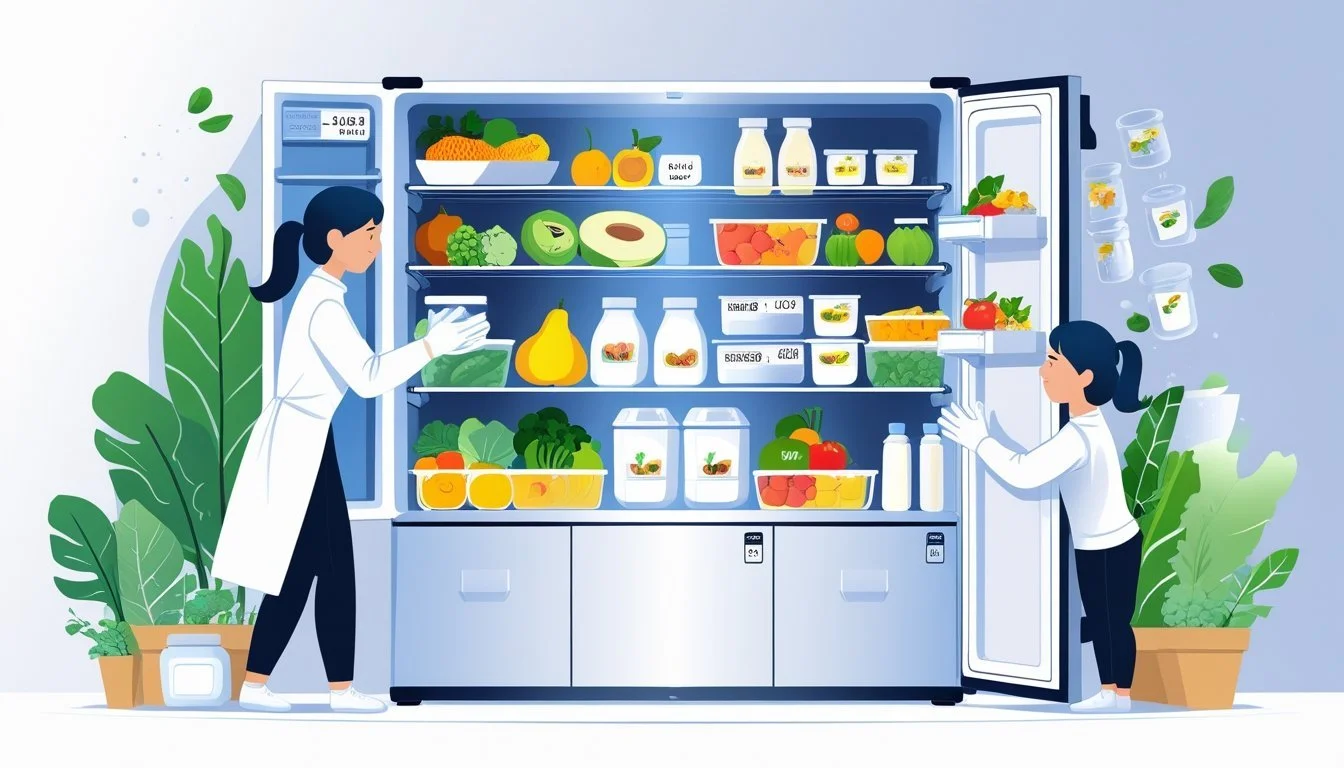
The shelf life of food products relies heavily on managing storage conditions, appropriate packaging, and careful handling. Each factor can slow spoilage, reduce waste, and protect product quality over time.
Optimal Temperature and Freezing
Temperature control is critical for extending shelf life, especially for perishable foods. Refrigeration slows bacterial growth, keeping foods like dairy, meats, and fresh produce safe for longer. Most refrigerators should be kept at or below 40°F (4°C).
Freezing is effective for longer storage times. Freezing at 0°F (-18°C) stops most bacteria and mold, preserving flavor and texture. However, proper sealing before freezing is essential; air exposure causes freezer burn and quality loss.
Non-perishable foods—such as canned goods—should be kept in cool, dry environments. Temperature fluctuations can accelerate spoilage, even for shelf-stable foods. Avoid storing food near heat sources, direct sunlight, or damp areas to prevent rapid deterioration.
Packaging Materials and Their Role
Packaging is more than just a container; it directly affects shelf life. Airtight materials slow moisture loss and oxygen exposure, which helps maintain texture and prevents the growth of bacteria and mold. Vacuum-sealed bags and resealable containers are useful options for extending storage times.
Transparent packaging can allow in light, which may degrade some foods like oils, nuts, and dairy. Opaque packaging blocks light, preserving certain nutrients and preventing rancidity. Use materials that are food-safe and designed for the specific item, such as wax-coated wrappers for cheese or breathable bags for produce.
See below for common packaging materials and their benefits:
Packaging Type Benefit Vacuum-sealed bags Reduces oxygen, prevents spoilage Opaque containers Blocks light, maintains quality Resealable bags Controls moisture, convenient use
Proper Storage and Handling Practices
Proper handling reduces the risk of contamination and spoilage. Always wash hands before touching foods and use clean utensils and surfaces. Store raw and cooked foods separately to avoid cross-contamination.
Organize storage areas using the “first in, first out” method to rotate stock and prevent forgotten expiration dates. For fresh produce, keep fruits and vegetables in separate drawers, as some fruits emit ethylene gas that can hasten spoilage in nearby vegetables.
Do not overload refrigerators or freezers; air circulation is important for consistent cooling. Clearly label and date all stored foods so that storage times can be tracked easily. Regularly inspect and clean storage areas to ensure optimal food safety and freshness.
Expiration and Date Labeling Systems
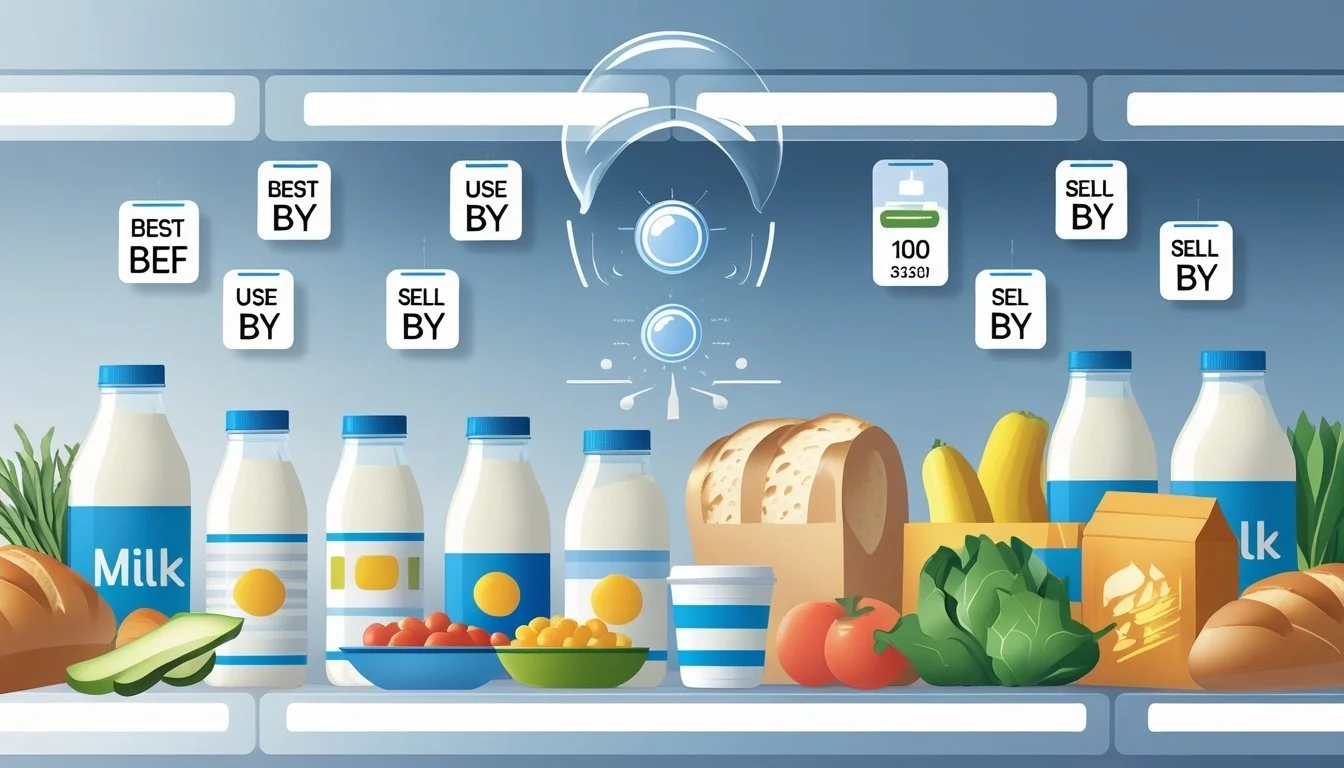
Date labeling helps shoppers and retailers manage food quality and safety. Labels like use-by, best-by, and expiration dates serve distinct purposes, guiding decisions on when to buy, sell, or consume products.
Use-By and Best-By Dates Explained
Use-by dates indicate the last date recommended for the product’s peak safety and quality. After this date, the manufacturer cannot guarantee the same safety level, especially for perishable items like dairy and meat.
Best-by or best-before dates focus on quality rather than safety. They mark the period when the product should taste or look its best, but foods can often be safe to eat beyond this point if stored properly.
Expiration dates are less common but typically appear on products like infant formula. Eating items past these dates is not recommended due to safety concerns.
Label Type Purpose Implication After Date Use-by Peak safety & quality Not guaranteed safe Best-by Maximum quality Quality may decline Expiration Legal safety limit Not recommended to use
Consumers should note that state regulations and label wording can differ by product and region.
How Date Labels Support Food Safety
Date labels offer a standardized system to help consumers identify when food may start to deteriorate. Most labels are not direct safety indicators; instead, they reflect manufacturer recommendations based on product testing and storage conditions.
Products stored within recommended temperature ranges generally maintain quality up until the listed date. For example, low temperatures slow spoilage, potentially extending a food’s shelf life within safe limits. However, at higher temperatures or if the product has been opened, spoilage can occur sooner—even if the date label has not yet passed.
Clear date labeling can help reduce confusion and unnecessary food waste. Studies show many people throw out food prematurely due to misunderstood labels. Using date labels as a guide, along with proper storage, supports both safety and efficient food use.
Impact on Food Waste and Consumer Behavior

Smell is often used as a quick judgment tool for food safety, but relying on it alone has drawbacks. Misconceptions about spoilage and shelf life can lead to wasteful practices and missed opportunities to extend product use.
Misconceptions Leading to Food Waste
Many consumers believe that if food looks and smells fine, it must be safe and good to eat. This perception is misleading, as pathogenic bacteria may multiply without producing noticeable odors. Some foods will spoil and develop off-odors before they are actually unsafe, while others become unsafe before any smell emerges.
Research highlights that consumers frequently discard food after the “best before” or “use by” date, even if sensory signs are absent. Lack of understanding about what these dates actually mean directly impacts food waste. Packaging attributes, such as clear expiry dates and preservation details, can help, but are often overlooked in daily decision-making.
A table summarizing key points:
Consumer Belief Actual Shelf-life Risk Smell = safety Pathogens often undetectable by smell Expiry = spoilage Shelf life indicators may not match safety
Educating Consumers About Shelf Life
Effective education about shelf life and preservation methods helps reduce unnecessary waste. Informing people about the limitations of smell as a spoilage indicator changes behavior over time. Shoppers who know that foods can be unsafe without visible or olfactory changes are less likely to rely on smell alone.
Programs that clarify “best before” vs. “use by” dates can improve product quality perception and prevent premature disposal. Studies show that when remaining shelf life is communicated clearly, consumers make more informed decisions and waste less.
Education combined with transparent packaging and product information increases trust and encourages responsible food handling. This supports efforts to reduce food waste throughout the supply chain and at home.

