
Shelf Life Mislabeling: Uncovering Risks in Modern Supply Chains
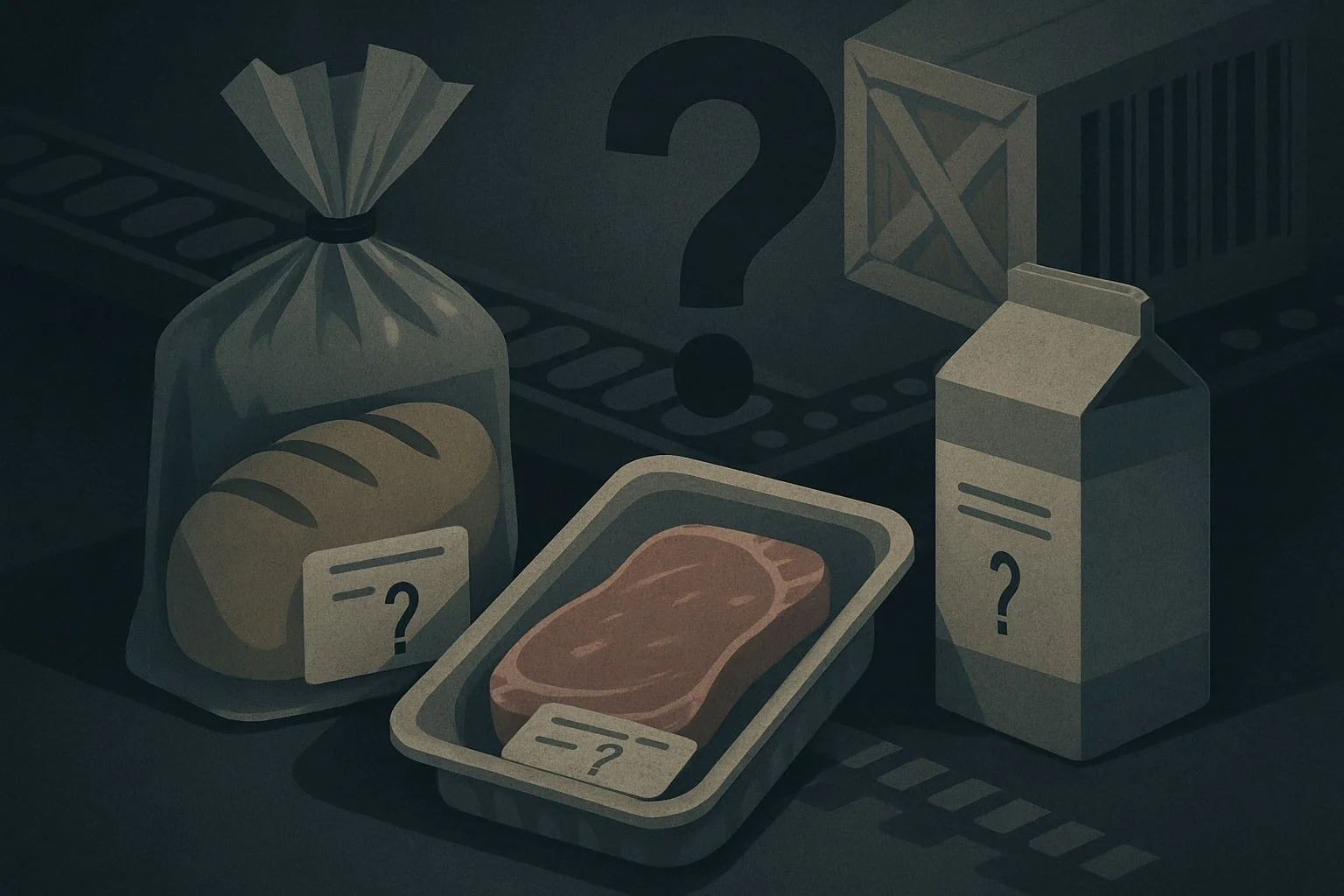
Shelf life mislabeling is a critical supply chain issue that can lead to significant health risks, food waste, and financial losses across the industry. When products are labeled with incorrect expiration dates, consumers can unknowingly consume items past their safe period or discard food that is still good, undermining trust and increasing costs for retailers and manufacturers alike.
Many labeling errors stem from human mistakes, outdated processes, or gaps in automated systems, and their impact often extends beyond simple inventory concerns. This type of mislabeling can result in product recalls, regulatory scrutiny, and disruptions throughout the entire supply chain.
Addressing shelf life mislabeling requires a thorough understanding of its causes, as well as the adoption of effective preventative measures at every stage of production and distribution. Only with accurate labeling practices can companies ensure product quality, safety, and customer confidence.
Understanding Shelf Life Mislabeling
Shelf life mislabeling is a frequent yet under-discussed issue in the food industry. It can undermine consumer safety, regulatory compliance, and brand reputation by causing confusion or misuse of products. Accurate food labeling is crucial to protect both consumers and businesses from the risks created by errors.
What Is Shelf Life Mislabeling?
Shelf life mislabeling happens when incorrect information about how long a product remains safe and effective is printed on a food label. This can mean an expired product is sold as fresh, or a safe product is discarded prematurely.
Labeling errors such as wrong best-before or use-by dates can occur at many points in the supply chain. Consumers rely on this information to avoid health risks, especially when products can spoil or become unsafe after a certain date.
In some cases, shelf life mislabeling is accidental. In others, it may be intentional to extend a product's selling period. Both situations compromise trust and may expose consumers to foodborne illnesses.
Common Sources of Error
Labeling errors can result from several causes. These include data entry mistakes, miscommunication between suppliers and manufacturers, and outdated information in digital inventory systems.
Manual processes, such as printing or labeling, are especially vulnerable to human error. Changes to recipes, packaging, or lot numbers can also increase the chance of mislabeling or mislabelling shelf life data.
Regulatory requirements differ by region, so imported or exported goods are at higher risk for product mislabeling. Inconsistent food labeling standards make it difficult to communicate accurate shelf-life information across borders.
Difference Between Shelf Life and Expiry Date
Shelf life and expiry date are often used interchangeably, but they refer to different things. Shelf life is the period during which a food product remains safe to consume and retains its expected quality.
An expiry date, usually labeled as "use by," indicates the last date the product should be consumed for safety reasons. After this date, the risk of food poisoning increases.
In contrast, "best before" dates refer to quality rather than safety. Consuming food after its best-before date might not pose health risks, but the product may not taste or look as intended. Understanding these distinctions can help reduce confusion and avoid unnecessary food waste stemming from labeling errors.
Supply Chain Vulnerabilities

Shelf life mislabeling often stems from weak spots in the supply chain and errors at multiple stages. Identifying and addressing these vulnerabilities is vital for maintaining product quality and regulatory compliance.
Critical Control Points
Key stages in manufacturing and distribution act as critical control points where shelf life information must be accurately recorded and transferred. Labeling activities, storage environment monitoring, and transport hand-offs are primary points where mistakes can occur.
Inaccurate tracking or a breakdown in communication between departments can result in products being mislabeled or distributed with incorrect shelf life dates. Automated systems and real-time monitoring technologies help reduce manual errors, but not all organizations have implemented these solutions.
Regular supply chain audits are necessary to catch discrepancies at these critical points. Investing in reliable tracking software and enforcing stringent protocols can help mitigate these risks and improve overall supply chain management.
Complex Supply Chains and Human Error
Modern supply chains often involve multiple partners, subcontractors, and third-party logistics providers. The more complex a supply chain, the higher the risk of miscommunication and inconsistent handling of shelf life data.
Human error remains a significant factor. Mistakes in data entry, failure to update inventory systems, or using outdated labels can all lead to shelf life mislabeling. Training programs and clear standard operating procedures are tools to reduce such errors.
Data silos and lack of integration between supply chain systems increase vulnerability. By creating a unified data flow and conducting periodic supply chain efficiency reviews, organizations can identify and correct weaknesses before they escalate.
Impact on Food Safety and Quality
Shelf life mislabeling has significant consequences for food safety, product quality, and accurate consumer information. Inaccurate labels can result in unnecessary recalls, hidden health risks, and loss of consumer trust.
Food Safety Risks
Incorrect shelf life dates can increase the risk of foodborne illness. Products may remain on shelves past the point when they are safe to eat, allowing harmful bacteria or pathogens to grow. Spoiled products can lead to incidents of food poisoning, especially in ready-to-eat or refrigerated items.
Shelf life mislabeling often triggers product recalls. Such recalls are costly and disrupt supply chains. Consumers lose confidence in food safety standards, especially when incidents are widely reported. Vulnerable groups such as children, elderly people, and those with weakened immune systems are particularly at risk from expired or improperly labeled food.
Food businesses may also face regulatory actions and penalties for failing to follow labeling requirements. That can further damage reputations and lead to significant financial loss.
Quality Control Failures
Quality control depends on correct labeling to ensure food maintains its intended taste, texture, and nutritional value until the indicated date. An incorrect shelf life may mean consumers experience products that are stale, rancid, or otherwise compromised.
Manufacturers may receive complaints or negative reviews if customers buy products that spoil sooner than expected. Loss of shelf appeal and freshness can result in reduced repeat purchases. Major retailers sometimes remove products with quality concerns linked to label errors.
Consistent quality control is impossible without precise tracking of production and expiry dates. Supply chain complexity can make it difficult to identify the root cause of mislabeling, leading to ongoing issues in distribution and inventory management.
Undeclared Allergens and Nutritional Information
Shelf life mislabeling can coincide with inaccurate or missing allergy and nutrition information. When storage instructions or ingredient lists are incorrect or incomplete, consumers with allergies are exposed to greater risk.
Undeclared allergens prompt frequent recalls and pose severe health threats, including anaphylaxis. Accurate nutritional labeling is also critical for those monitoring salt, sugar, or other dietary elements for health reasons. Mislabeling can lead to consumers unintentionally eating spoiled or hazardous foods, or failing to meet dietary needs.
Providing clear, consistent labeling helps prevent health risks and supports informed consumer choices. Foods that require refrigeration or special handling are particularly sensitive to both shelf life and allergen mislabeling, raising the potential for compound safety concerns.
Regulatory Compliance and Standards
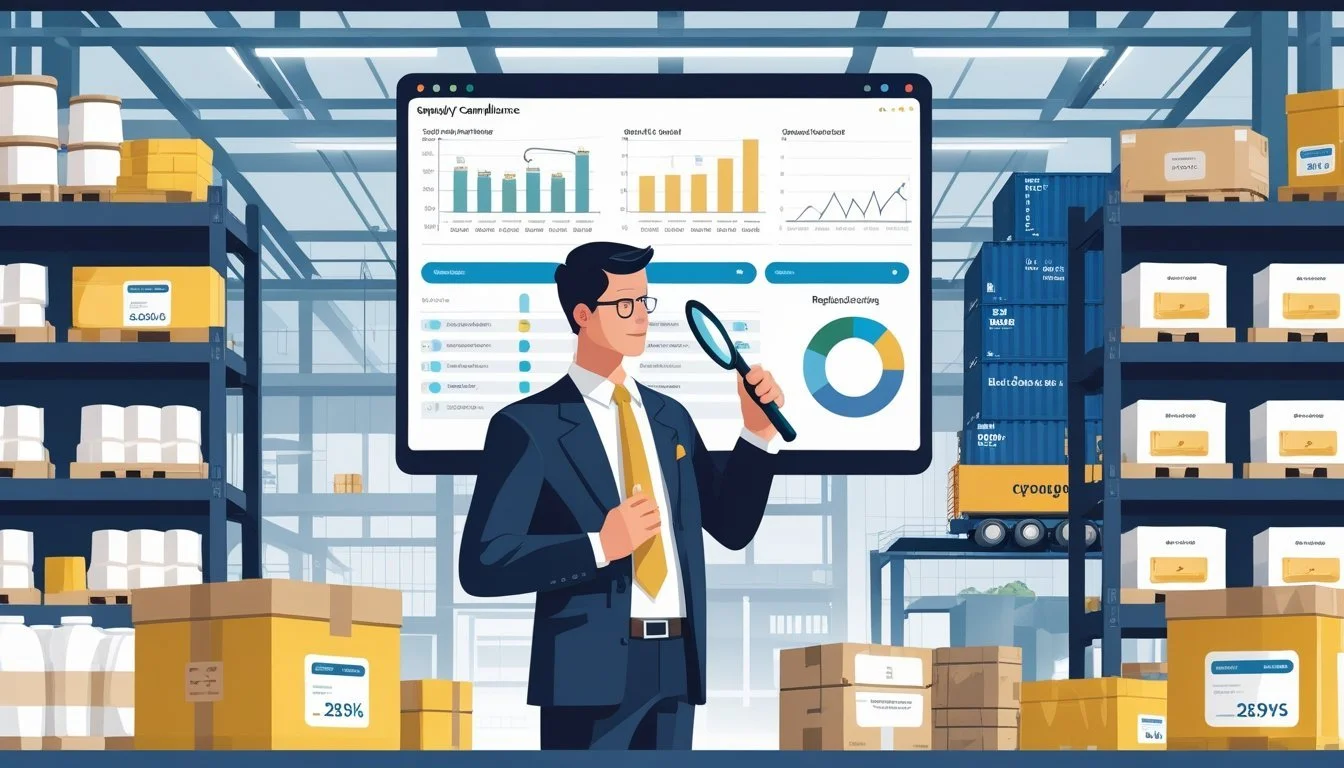
Adhering to regulatory compliance in food labeling is critical for food manufacturers and distributors. Shelf life mislabeling can lead to both safety and legal risks, requiring oversight at each supply chain stage.
Government Oversight and Codex Alimentarius
Governments play a central role in setting and enforcing food labeling regulations through agencies like the FDA (United States), EFSA (European Union), and others. These agencies develop standards for how shelf life dates must appear on products, including use-by, sell-by, and best-before dates.
The Codex Alimentarius, established by the Food and Agriculture Organization (FAO) and World Health Organization (WHO), provides internationally recognized food standards and guidelines. Its standards influence national regulations and set minimum benchmarks for safety, labeling, and shelf life, supporting international trade and food safety. Compliance with Codex is often a requirement for organic certification, as products must meet rigorous traceability and labeling rules to maintain the integrity of the certification.
In many countries, regular audits and inspections ensure that businesses comply with both national and Codex standards. Accurate record-keeping and transparent processes are required for verification during these checks.
Labeling Laws and Penalties
Food labeling laws specify detailed requirements for shelf life, including clarity, language, placement, and accuracy of expiration and best-before dates. These regulations are designed to protect consumers from unsafe or spoiled food while also guiding retailers in inventory management.
Penalties for mislabeling shelf life information can be severe. Regulatory authorities may impose fines, mandatory recalls, or even suspend production licenses for repeated or serious violations. For organic products, incorrectly labeled shelf life data can lead to revocation of organic certification, reducing market access and damaging consumer trust.
Strict enforcement is supported by random market sampling, consumer complaints, and spot inspections. The risk of financial penalties and reputational harm pushes businesses to maintain up-to-date knowledge of labeling requirements and invest in compliance systems.
Labeling Process and Common Errors

Shelf life mislabeling often happens due to flaws in both the creation and the placement of product labels. These errors may originate at the label design and printing stage, or during distribution and packaging when products pass through several hands and systems.
Label Design and Printing Errors
Mistakes in label design and printing are a major cause of shelf life mislabeling. Frequent issues include incorrect expiration dates, typos, and outdated label templates. Inconsistencies can result from manual data entry errors, lack of proper data validation, or miscommunication between departments.
Table: Examples of Label Printing Errors
Error Type Impact Wrong expiration date Risk to consumer safety Typographical errors Consumer confusion Outdated templates Regulatory compliance failures
A lack of up-to-date information and inflexible printing systems may also prevent corrections before mass printing occurs. Automated data validation and adopting digital label management systems help minimize these mistakes by ensuring consistent, accurate data transfer to final labels.
Packaging Errors in Distribution
Packaging errors often appear as labels being applied to the wrong product during distribution. Workers may select the incorrect shelf life label due to high-speed production lines, human fatigue, or inadequate training. International and complex supply chains increase risks, especially when batches are repackaged or re-labeled at different locations.
List of Common Packaging Mistakes:
Misapplied or swapped shelf life stickers
Partial label application leading to unreadability
Multiple conflicting labels on one package
Errors during transit and warehousing, like storage temperature mix-ups or mixing up products with similar packaging, worsen the problem. Implementing barcode verification and regular audits on distribution lines can significantly decrease the incidence of these labeling failures.
Technological Solutions for Traceability
New tools in supply chains are raising the standards for shelf life labeling and product quality. These technologies help prevent mislabeling by providing precise and timely information at every stage of distribution.
Role of RFID Tags
Radio-frequency identification (RFID) tags are small chips attached to packaging or pallets. They enable automated data capture every time a product moves through the supply chain. With RFID, real-time tracking of product location, temperature, and shelf life data becomes possible.
Retailers and manufacturers rely on RFID to verify manufacturing dates and storage conditions. This reduces the risk of mislabeled expiration dates and helps maintain product quality. Unlike manual systems, RFID can track thousands of items instantly, ensuring data accuracy.
RFID tags also help identify products that are nearing their expiration date. This minimizes waste and keeps expired goods off store shelves. The data collected from RFID systems can be integrated with inventory management to support timely recalls and improve overall traceability.
Digital Tracking and Traceability
Digital tracking combines barcodes, QR codes, and blockchain technologies to create an unbroken record of a product’s life cycle. Each product is given a unique digital identifier, which is scanned at each point in the journey from production to retail.
By using digital records, supply chain partners can check and confirm shelf life details instantly. Blockchain can further secure this data by making it tamper-evident and accessible only to authorized parties. This builds trust and helps meet regulatory demands for transparency.
Benefits include:
Instant verification of shelf life at all supply chain stages
Easier identification and removal of mislabeled or expired items
Reliable audit trails for compliance and quality assurance
Digital tracking tools enable better decision-making, reduce human error, and support efforts to maintain product quality across complex logistics networks.
Brand Reputation and Consumer Trust

Shelf life mislabeling can directly impact how a brand is viewed by its customers and partners. Problems with inaccurate or deceptive expiration dates not only create food safety risks but also threaten long-term loyalty from consumers.
Consequences for Branding
A single incident of shelf life mislabeling can damage brand reputation, triggering recalls or negative media coverage. When companies claim their products are “all natural” or fresh but sell items past their safe date, the brand's integrity is questioned.
Loss of trust may result in reduced sales and even long-term harm to a company's market share. Publicized cases, such as recalls or labeling failures, make it harder for brands to market themselves as reliable or trustworthy. Competitors may also use these failures as leverage, highlighting their own commitment to transparency and safety.
Effective branding relies on consistent quality and honest communication. Even one misstep with labeling can overshadow years of positive messaging and investment in consumer confidence.
Consumer Awareness and Trust
Consumers increasingly check labels for shelf life and authenticity claims. Awareness of past mislabeling incidents means buyers may scrutinize "all natural" or date-stamped products more carefully, and they may become skeptical of brands involved in any shelf life fraud.
Once consumer trust is lost, it is difficult to regain. Customers may feel misled or put at risk, especially when supply chain issues result in products that are not what they appear to be.
A transparent approach, with clear labeling and public accountability, can help rebuild trust after incidents. Brands that prioritize consumer safety, admit mistakes, and make improvements are more likely to recover positive standing than those that ignore consumer concerns.

