
Why Some Foods Age Better Than Others
Exploring the Science Behind Food Longevity
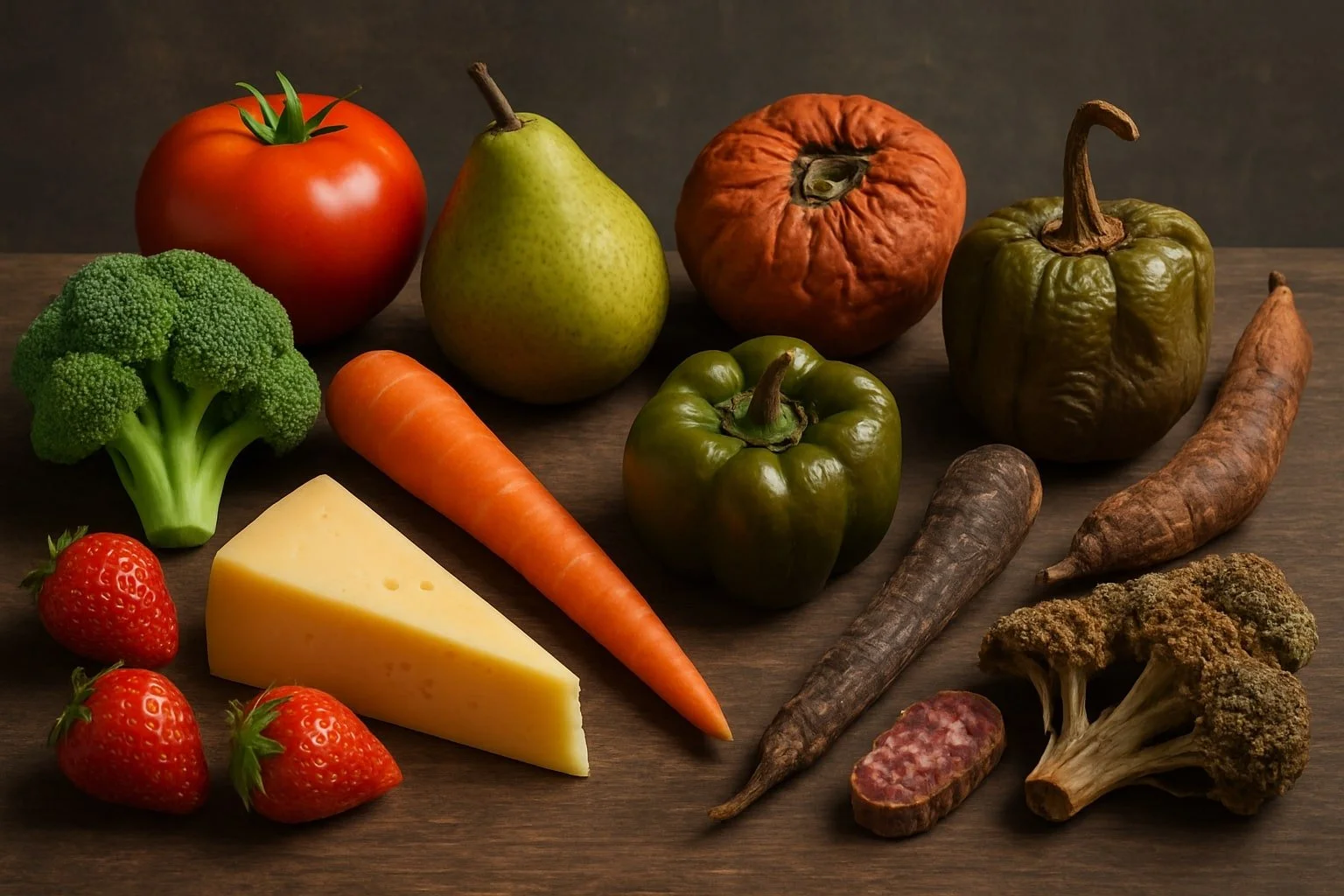
Some foods actually improve with time, developing deeper flavors, smoother textures, and an overall richer taste. Cheeses, wines, cured meats, and even certain soups benefit from aging as their components interact and break down, creating balanced and enhanced flavors. The reason some foods age better than others comes down to their chemical makeup and how aging processes like fermentation, enzyme activity, and microbial action transform them in controlled environments.
Other foods, especially highly processed or fatty items, don’t fare as well with age and can quickly lose freshness or develop off flavors. The distinction between foods that improve with time versus those that degrade is a result of both the food’s composition and how it is stored, prepared, or cooked. Understanding why this happens can help people enjoy the best flavors possible while minimizing waste.
What Does It Mean For Foods To Age Well?
Some foods can become safer, tastier, or more nutritious as they age, while others deteriorate rapidly. The way a food changes over time depends on factors like its composition, how it is processed, and the methods used to store it.
Defining Food Aging
Food aging refers to the natural or intentional process where foods undergo chemical and physical changes over time. This can happen because of exposure to air, light, temperature, or through methods like fermentation and curing.
Certain foods, such as cheese or cured meats, are intentionally aged to improve flavor and texture. This process encourages the breakdown of proteins and fats in controlled conditions, which can result in a richer product.
Other foods, like fresh fruits or bread, simply break down and spoil as they age. In these cases, aging can lead to undesirable results such as mold growth, loss of nutrients, or changes in texture. Whether aging is good or bad for a food depends on the type of food and the intended outcome.
Aged Foods Versus Fresh Foods
Aged foods are intentionally stored or processed for specific periods to enhance characteristics like flavor and complexity. Examples include aged cheeses, dry-aged beef, and fermented products like sauerkraut or kimchi.
These foods often develop unique aromas, deeper flavors, and sometimes increased digestibility. The aging process, when controlled, can also reduce certain harmful bacteria and enhance safety.
Fresh foods, on the other hand, are valued for their crisp texture, bright flavors, and high nutrient content but are prone to spoilage. While freshness is important for fruits, vegetables, and many dairy products, some foods only reach their peak after controlled aging. The distinction affects how foods are marketed, stored, and consumed.
Shelf Life And Longevity
Shelf life refers to the period a food remains safe and high-quality under specific storage conditions. Certain foods naturally have a longer shelf life because of low moisture, acidity, or the presence of preservatives. Examples include dried beans, honey, and some grains.
Aging can sometimes extend shelf life, as with fermented products where the process creates an environment hostile to spoilage microorganisms. Conversely, foods like unprocessed dairy or meat will spoil quickly unless properly stored or aged.
Manufacturers often use packaging methods (like vacuum sealing or canning) to extend the safe period. Understanding a food's shelf life helps consumers minimize waste and avoid foodborne illness. Tables on product labels usually indicate how long an item can safely be stored and consumed.
Core Factors That Affect How Foods Age
Foods age differently due to variations in their composition, how they interact with environmental conditions, and the ways in which they are stored or processed. Factors such as moisture, exposure to oxygen, and microbial activity play direct roles in determining shelf life and quality over time.
Moisture Content And Water Activity
Moisture content and water activity are critical because they directly impact texture, taste, and the ability of bacteria or mold to grow. High-moisture foods like fresh bread, fruits, or soft cheeses spoil quickly, as the available water supports rapid microbial growth.
Dry foods, such as crackers, grains, or dried meat, last longer because their low water activity prevents most spoilage organisms from thriving. Water activity (aw) is measured on a scale from 0 (completely dry) to 1 (pure water). Foods with aw below 0.6 are rarely subject to bacterial spoilage.
Producers often lower water content through drying, salt-curing, or adding preservatives. Stirring, cooking, and packaging methods also affect moisture distribution and help prolong shelf life.
Oxidation And Spoilage
Oxidation changes the color, flavor, and nutritional value of foods, especially those rich in fats, oils, or pigments. When foods are exposed to air, oxygen molecules can interact with lipids, causing rancidity in items like nuts, seeds, and fatty meats.
Common signs of oxidation include:
Rancid smells in oils or nuts
Browned, wilted produce
Loss of vitamins, especially vitamin C and E
Vacuum sealing and packaging with inert gases slow oxidation by limiting oxygen contact. Proper storage away from light and heat can delay the process, helping foods like olive oil or cured meats maintain flavor and nutrients longer.
Microbial Activity And Safety
Microbial growth is one of the main reasons foods spoil or become unsafe to eat. Bacteria, yeasts, and molds multiply rapidly in moist, warm environments, leading to off-odors, changes in texture, and sometimes the production of toxins.
Cool storage, lowering pH (as in pickling), and reducing oxygen limit microbial threats. Pasteurization, fermentation, and proper hygiene during processing reduce initial contamination risks.
Table: Common Preservation Methods and Their Effects on Microbial Growth
Method Effect on Microbes Refrigeration Slows growth Drying Inhibits activity Fermentation Produces acids, kills Canning Destroys pathogens
The Role Of Fermentation And Preservation
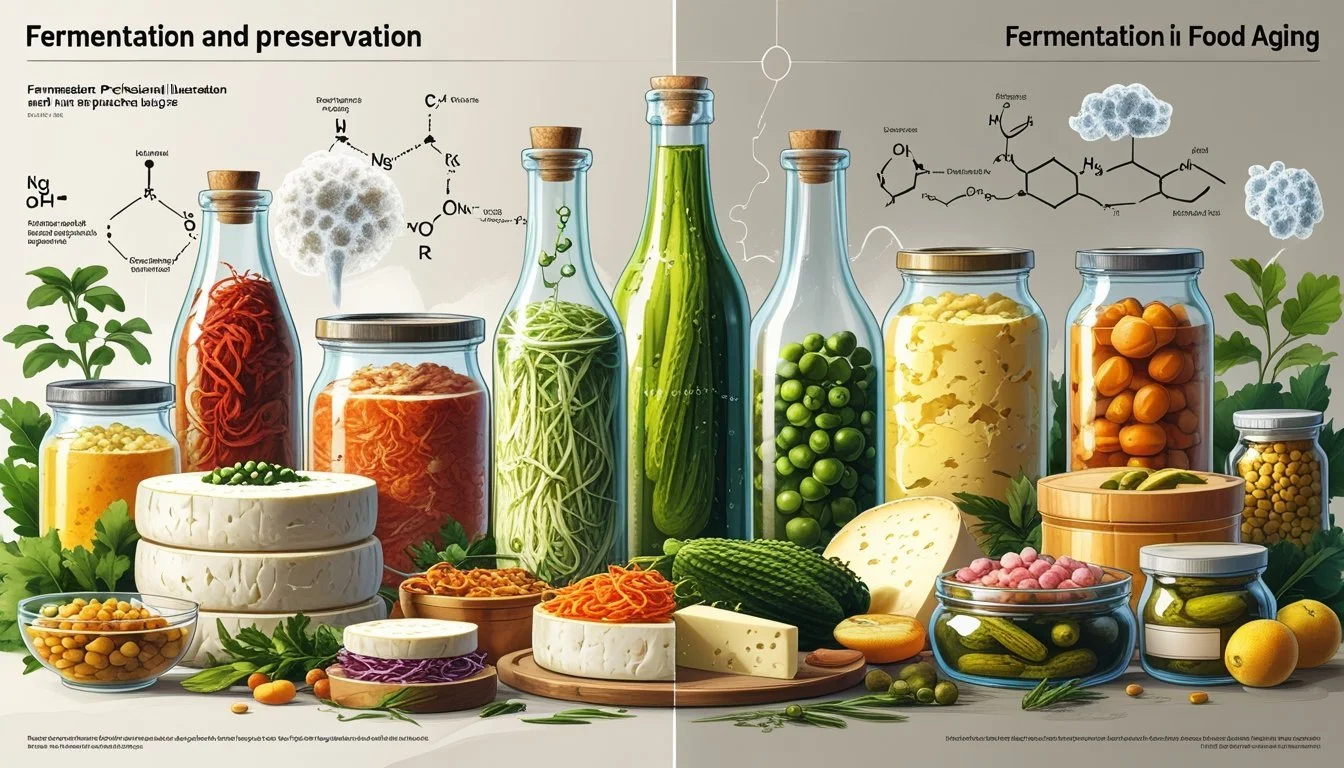
Fermentation and preservation techniques can determine how well certain foods withstand time, retaining both their safety and flavor. These processes change the chemical composition of foods, often increasing their shelf life and nutritional value.
Fermented Foods: Kimchi, Sauerkraut, And Pickles
Fermentation uses microorganisms—mainly bacteria and yeast—to break down sugars and other components in food. This results in the production of acids, primarily lactic acid in the case of vegetables, which lowers pH and helps prevent spoilage.
Kimchi and sauerkraut are traditional examples. Both are produced by lactic acid bacteria acting on cabbage and other vegetables. This process not only extends shelf life but also enhances flavors and increases the availability of certain nutrients.
Pickles made through fermentation differ from those stored in vinegar. Fermented pickles develop their sour taste from microbial activity rather than just the addition of acid. For many people, these foods are easier to digest as fermentation breaks down complex compounds.
The nutritional content of fermented foods may also increase, especially in terms of B vitamins and antioxidants. This makes fermented foods not just long-lasting, but also beneficial in a dietary context.
Preserves And Pickling Methods
Preservation methods like pickling and creating preserves use salt, sugar, or vinegar to control bacterial growth in foods. Pickling typically involves submerging food in vinegar or brine, which rapidly acidifies the environment and prevents the growth of most microbes.
Unlike natural fermentation, vinegar-based pickling creates a stable food product mainly by acidification rather than biological transformation. This approach is especially common for cucumbers and other vegetables, yielding crisp, flavorful results with a tart profile.
Preserves—such as jams and jellies—use high sugar concentrations to reduce water activity. This hampers microbial growth and extends shelf life. While the nutritional impact is often less pronounced than with fermentation, preserves maintain fruit flavor and texture for months.
The table below summarizes the key preservation factors:
Method Main Agent Impact Fermentation Microbes Increases nutrients, flavor Vinegar Pickling Vinegar Quick acidification, crispness Sugar Preservation Sugar Retains sweetness, prevents spoilage
Examples Of Foods That Improve With Age
Some foods undergo transformations with time that enhance their taste, texture, and aroma. This improvement happens due to aging, fermentation, or curing processes that develop complex flavors and make certain foods more enjoyable.
Cheese And Flavor Development
Cheese is known for developing richer and deeper flavors as it ages. Hard cheeses such as cheddar and Parmigiano-Reggiano are notable examples where time allows for the breakdown of proteins and fats, resulting in a stronger umami taste and crumbly texture. Aged cheeses often feature sharp, nutty, or even caramel notes not present in younger versions.
Aging cheese also alters its texture. For instance, cheddar becomes firmer and more crystalline after 12–24 months. Parmigiano-Reggiano, often aged for 24–36 months, gains a granular structure and intense savory flavor.
Moisture content decreases with age, concentrating flavors. The development of natural rinds or crystals in some cheeses signals maturity and the presence of complex compounds like tyrosine and glutamate, which contribute to umami.
Wine, Tannins, And Maturation
Wine is valued for the way its qualities change over years or even decades. The key to this transformation lies in the presence of tannins—compounds naturally found in grape skins, seeds, and stems. With time, tannins polymerize, making the wine smoother and less astringent.
In red wines, aging enhances aroma complexity and flavor. Notes of fruit may evolve into dried fruit, leather, tobacco, or earthy characteristics. Oak barrel aging can add vanilla, spice, or toast notes.
White wines may also benefit, though typically over shorter periods. Certain white wines like Riesling or Chardonnay gain depth, sometimes revealing honeyed or nutty flavors. Proper storage is crucial—a consistent cool temperature, absence of light, and humidity maintain wine quality through the aging process.
Cured Meats: Salami And Prosciutto
Cured meats such as salami and prosciutto depend on extended aging to develop their distinctive flavors and textures. The curing process reduces moisture, preserves the meat, and allows beneficial molds and enzymes to break down proteins.
With time, salami develops a balance of salty, savory, and tangy notes. The bacterial activity during fermentation enhances umami flavors, while spices and fat distribution contribute to a complex bite.
Prosciutto, typically aged from 12 to 36 months, becomes tender and develops sweet, nutty, and subtly earthy flavors. Thin slices reveal marbled fat, which melts on the palate, adding richness. The controlled aging process ensures both safety and depth of flavor.
Dry-Aged Steak And Tenderness
Dry-aged steak is prized for both its tenderness and rich, concentrated taste. During the aging period, which can last from a few weeks to several months, natural enzymes break down muscle tissue, resulting in a more tender texture.
Moisture evaporation from the beef intensifies the beefy, umami flavor. The texture becomes buttery, and flavors often include nutty or subtly funky notes. A dark crust forms on the outside, which is trimmed before cooking, leaving behind the best portion.
Not all cuts are suitable; typically, ribeye or sirloin are chosen due to their fat content. Proper dry-aging requires controlled humidity and temperature to prevent spoilage and support the development of the steak’s characteristic flavors.
Foods That Age Poorly Or Lose Quality
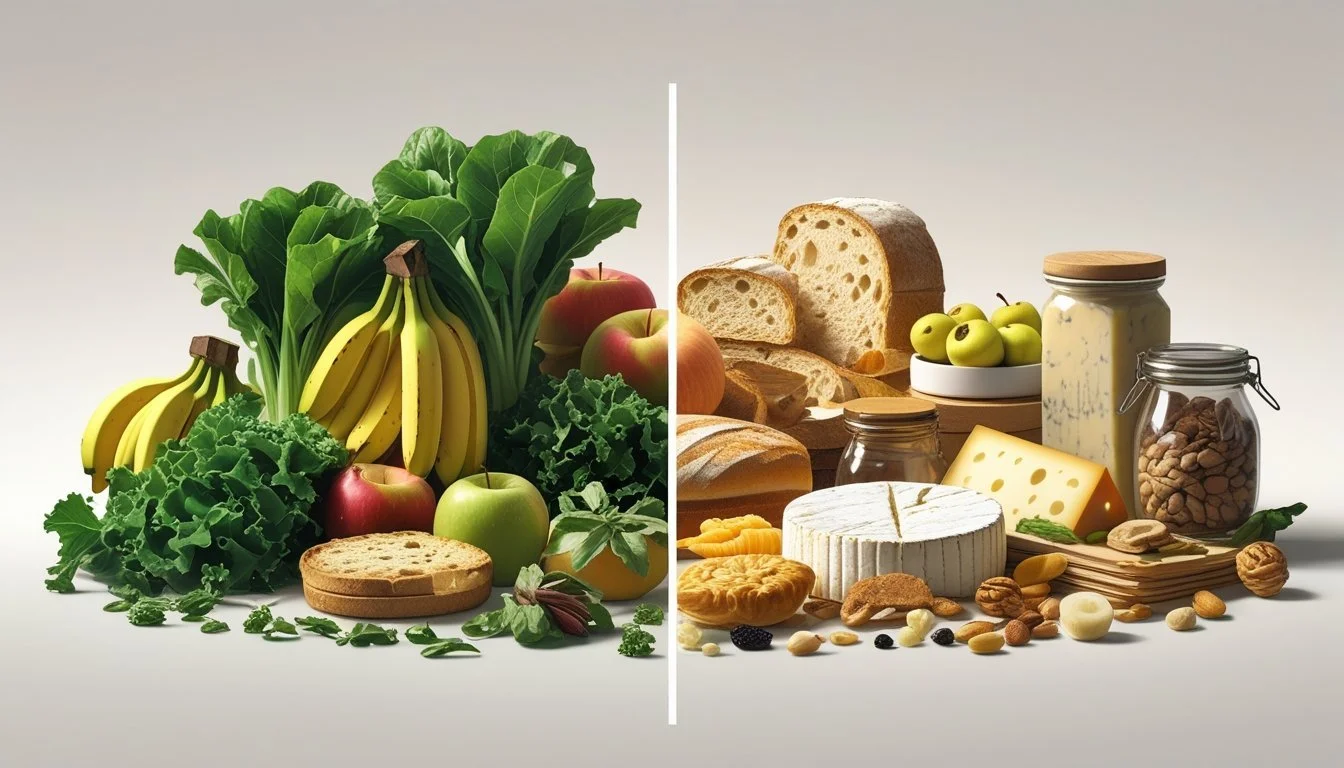
Certain foods are especially vulnerable to spoilage, staleness, or loss of nutrition over time. Understanding why these products lose quality helps prevent waste and maintain food safety.
Fresh Fruits And Vegetables
Fresh produce is highly perishable due to its high water content and delicate cell structure. Fruits like strawberries, raspberries, and bananas can quickly soften, develop mold, or start to ferment as natural sugars break down.
Leafy greens such as lettuce and spinach wilt and lose crispness as moisture evaporates. Exposure to air and ethylene gas—often produced by other ripening fruits—can accelerate spoilage in items such as apples and tomatoes.
Nutrient loss is another concern. Some vitamins, especially vitamin C in citrus fruits or bell peppers, degrade rapidly once picked. Proper storage (like refrigeration or controlled atmosphere packaging) delays these processes but cannot halt them indefinitely.
Whole Grains And Spoiling Factors
Whole grains contain the germ and bran, which make them nutritious but also more prone to spoilage. The healthy oils in grains like whole wheat or brown rice oxidize over time, causing rancid odors and off flavors.
Oats and quinoa are similarly at risk; storing them in airtight containers can help but will not completely prevent staleness. Mold can also develop if grains are kept in humid conditions.
Unlike refined grains, whole versions are not stripped of perishable parts, so shelf life is shorter. Refrigeration or freezing can extend it somewhat, but eventual loss of flavor and nutrients is inevitable as oils and enzymes degrade.
Fast Food And Processed Products
Many types of fast food and processed items degrade rapidly after preparation. French fries lose crispness and become soggy. Burgers and sandwiches can become stale, tough, or soggy as components sit together.
Packaged foods with artificial preservatives keep longer, but quality suffers in other ways. Snacks like chips often go stale when exposed to air. Highly processed meats, such as hot dogs, lose moisture and flavor, especially if not stored correctly.
Fast food and processed meals also contain high amounts of fat and salt, which can go rancid over time. While some items are edible for weeks, taste, texture, and nutritional value diminish with age.
The Impact Of Cooking Methods On Food Aging
Cooking methods influence how foods change with time, including the development of flavors, textures, and even potentially harmful compounds. Moist-heat and dry-heat techniques each produce distinct results that can affect how well a food keeps and how its taste matures or deteriorates.
Steaming, Boiling, And Poaching
Steaming, boiling, and poaching are moist-heat cooking methods that generally preserve the freshness and structure of many foods. These methods help to minimize the formation of Advanced Glycation End Products (AGEs), compounds that can accelerate the breaking down of flavor and nutritional quality during storage. They are considered gentler on food surfaces.
Because the temperatures used are lower than those in dry-heat methods, proteins and sugars undergo fewer aggressive chemical reactions. Vegetables and lean meats often retain color, flavor, and nutrient density better after being steamed or boiled than after being fried or roasted. Moisture helps prevent drying and toughening.
Key facts:
Moist-heat techniques slow down undesirable aging changes.
Foods tend to reheat and store better after steaming or boiling.
Most soups start with boiling or poaching, maximizing longevity.
Grilling, Roasting, And Frying
Grilling, roasting, and frying involve higher temperatures and dry heat. These cooking methods create browned, crisp textures through the Maillard reaction and caramelization, which enhance immediate flavor but also produce AGEs. Over time, foods cooked in this way tend to lose moisture more quickly and become harder with storage.
Meats, for example, can develop distinct crusts and deeper flavors, but reheating often leads to further drying or toughening. Frying in oil can cause oxidation, accelerating loss of taste and freshness.
Comparison Table:
Cooking Method AGE Formation Texture Change Storage Outcome Grilling High Crusty/tougher Dries, tougher Roasting High Roast flavor Less moist Frying High Crisp, greasy Oxidizes fast
Foods prepared using these methods may initially taste more complex but are less likely to age well after cooking.
Soups And Their Changing Flavors
Soups undergo unique transformations as they age. When prepared by simmering or boiling, soups benefit from gentle heat that allows flavors to meld and develop complexity over time. Ingredients like vegetables, grains, and meats release nutrients and aromatics gradually, enhancing the overall taste after a day or two.
Certain soups, such as stews or broths, are known to taste better after sitting in the refrigerator overnight because of this flavor integration. However, the aging process can depend on the soup's ingredients. Cream-based or seafood soups may spoil quickly, while vegetable and legume soups hold up longer.
Batch cooking soups via boiling, poaching, or simmering results in dishes that tend to reheat well and stay palatable for several days, making them a staple for meal prep and long-term storage.
The Science Of Refrigeration And Storage
Refrigeration is a key method for preserving food and maintaining quality for longer periods. The way foods are stored and the temperatures used can greatly influence how quickly spoilage occurs and how well freshness is maintained.
Extending Shelf Life Safely
Refrigeration lowers the temperature of food to slow down bacterial growth. Most bacteria that spoil food multiply rapidly between 40°F (4°C) and 140°F (60°C), which is known as the danger zone.
Storing items at or below 40°F (4°C) dramatically reduces the speed at which bacteria and molds develop. This extends the safe shelf life of perishable items like dairy, meats, and many fruits.
Proper storage practices such as using airtight containers, not overcrowding shelves, and separating raw and cooked foods further limit contamination. Efficient refrigeration not only keeps food safe but also helps retain its nutritional value and texture.
Freezing is another method that adds months to shelf life by halting microbial growth almost completely. However, not all foods maintain their original texture or flavor after thawing.
Temperature Fluctuations And Quality
Food stored in refrigerators may still suffer if temperatures are not consistent. Fluctuations above the recommended range can speed up spoilage and reduce freshness, even if only for a short time.
When the refrigerator door is frequently opened, warm air enters and can cause uneven cooling. Overcrowding the refrigerator also blocks airflow, leading to areas that are colder or warmer than intended.
Temperature-sensitive foods like leafy greens, berries, and seafood are especially affected. Even short periods in the danger zone can cause faster deterioration, loss of crunch, or an increase in spoilage bacteria.
Consistent refrigeration with stable, low temperatures is essential for keeping foods fresher and safer for as long as possible. Regularly monitoring and adjusting the settings can help reduce waste and maintain food quality.
Diet, Health, And The Consumption Of Aged Foods
The impact of aged foods on health depends on the specific type of food, how it was processed, and how it fits into one's broader diet and lifestyle. Aged foods can provide unique flavors and nutrients but may also carry certain health risks if consumed improperly or excessively.
Potential Health Risks And Benefits
Aged foods include products like cheese, cured meats, fermented vegetables, soy sauce, and some types of fish. Proper aging can enhance flavors and increase nutrient availability, such as probiotics in yogurt and kimchi or vitamin K2 in aged cheeses.
However, many aged foods are high in sodium, which can increase blood pressure and the risk of cardiovascular disease when eaten in excess. Some cured meats and cheeses contain nitrites or other preservatives that may be linked to health concerns when consumed frequently.
Table: Examples of Aged Foods and Their Notable Nutrients
Food Type Benefit Risk Aged Cheese Vitamin K2, Protein High Sodium, Saturated Fat Fermented Vegetables Probiotics, Fiber Excess Sodium Cured Meats Protein Nitrites, Saturated Fat
The overall effect of aged foods on health varies depending on the specific food and the rest of the individual's diet.
Inflammation, Cancer, And Chronic Disease
Some aged foods, especially those high in preservatives or salt, can contribute to inflammation if eaten frequently and in large quantities. Chronic inflammation is linked to a higher risk of conditions such as heart disease and some cancers.
Research has shown that frequent consumption of processed, aged meats such as salami or bacon may be associated with increased colorectal cancer risk. Nitrites and advanced glycation end products (AGEs), which can form during aging and curing, are factors in cancer risk and inflammation.
On the other hand, aged foods like fermented vegetables and yogurt contain probiotics. These may help reduce markers of inflammation, support the immune system, and promote gut health, which may lower the risk of some chronic diseases.
Diabetes And Metabolic Impacts
Aged foods can affect blood sugar and metabolic health in different ways. Most cheese and fermented vegetables have a low glycemic index and are unlikely to cause major spikes in blood sugar. This makes them suitable in moderation for people with or at risk for type 2 diabetes.
Processed, aged meats often contain saturated fat and may be linked to insulin resistance when eaten regularly. High sodium intake, which is common with many aged foods, can negatively impact cardiovascular health—a concern often shared by individuals with diabetes.
Some fermented foods can have a positive influence on gut microbiota, potentially improving metabolic health and glucose control. This benefit is tied to variety and moderation rather than relying on any single type of aged food.
Moderation And Lifestyle Balance
Including aged foods in the diet is best approached with moderation and variety in mind. Pairing aged foods with fresh fruits, vegetables, whole grains, and lean proteins helps provide nutritional balance and limits excess salt, fat, and preservatives.
Maintaining an active lifestyle with regular exercise supports cardiovascular and metabolic health, which can offset some risks associated with higher sodium or saturated fat intake. For individuals with specific health conditions such as hypertension or diabetes, adjusting portion sizes or frequency of consumption is important.
Tip: Reading food labels for sodium, saturated fat, and preservatives can help in making choices that fit personal health needs. Regular check-ups and discussions with healthcare professionals support long-term health when including aged foods in the diet.

