Should We Abandon Expiration Dates Altogether?
Exploring the Pros and Cons for Consumers

Many people assume expiration dates are strict cut-offs for food safety, but most labels are not actually tied to health risks. The reality is that many expiration dates are based on quality, not safety, which means perfectly good food often gets thrown away unnecessarily. This confusion has led to widespread waste and uncertainty about what those dates really mean.
Consumers are beginning to question if expiration dates do more harm than good, especially as evidence grows that some foods remain safe well past their printed dates. At the same time, certain items—like baby formula—do require more caution. Rethinking expiration dates could help reduce waste and empower people to make smarter choices about what they eat.
What Are Expiration Dates?
Expiration dates are printed on food packages to guide consumers and retailers about a product’s quality and shelf life. These labels affect buying, consumption, and waste habits, shaping decisions throughout the food supply chain.
Definitions And Key Terms
Expiration dates refer to markings that communicate information about food freshness and safety. They are often confused with similar terms, but each has a specific meaning:
Expiration Date/Use-By Date: Indicates the last date a product is expected to be at its peak quality. It is not always tied directly to safety, except for infant formula in the U.S., which is the only item legally required to have an expiration date.
Best By/Best Before/Best If Used By: Suggest when a product will be at its best flavor or quality, not when it becomes dangerous to eat.
Sell-By Date: Used mostly by retailers to manage inventory, indicating how long a product should remain on the shelf for sale.
Freshness Date: Used on items like bakery products to communicate optimal freshness.
Understanding these terms helps avoid unnecessary food waste and clarifies what is meant by “expired.”
Types Of Date Labels
Food packaging uses several types of date labels, each serving a distinct function. The table below outlines common ones:
Label Type Primary Purpose Example Product Use-By/Expiration Peak quality/safety Infant formula Best By/Best Before Optimal taste/quality Cereal, crackers Sell-By Store inventory rotation Dairy, meat Freshness Date Immediate freshness Bread, pastries
Most foods are still safe to eat after the “best by” or “sell by” date if stored correctly. However, the perception of these dates often leads to premature disposal, contributing to unnecessary food waste and higher grocery bills.
History Of Food Dating Systems
The introduction of food dating started in the mid-20th century, as packaged and processed foods became more common. Early labeling was intended mainly for stock control and quality assurance by manufacturers and retailers.
By the 1970s, increasing consumer demand for transparency led to the adoption of coded dates on products. Over time, these codes evolved into more standardized labels like “use by,” “best before,” and “sell by.”
Regulations around food-dating systems differ by country. In the U.S., except for infant formula, federal laws do not require expiration dates on most foods. Other countries, such as those in the European Union, have stricter guidelines with widespread use of both “use by” and “best before” dates on products.
The Purpose Of Expiration Dates
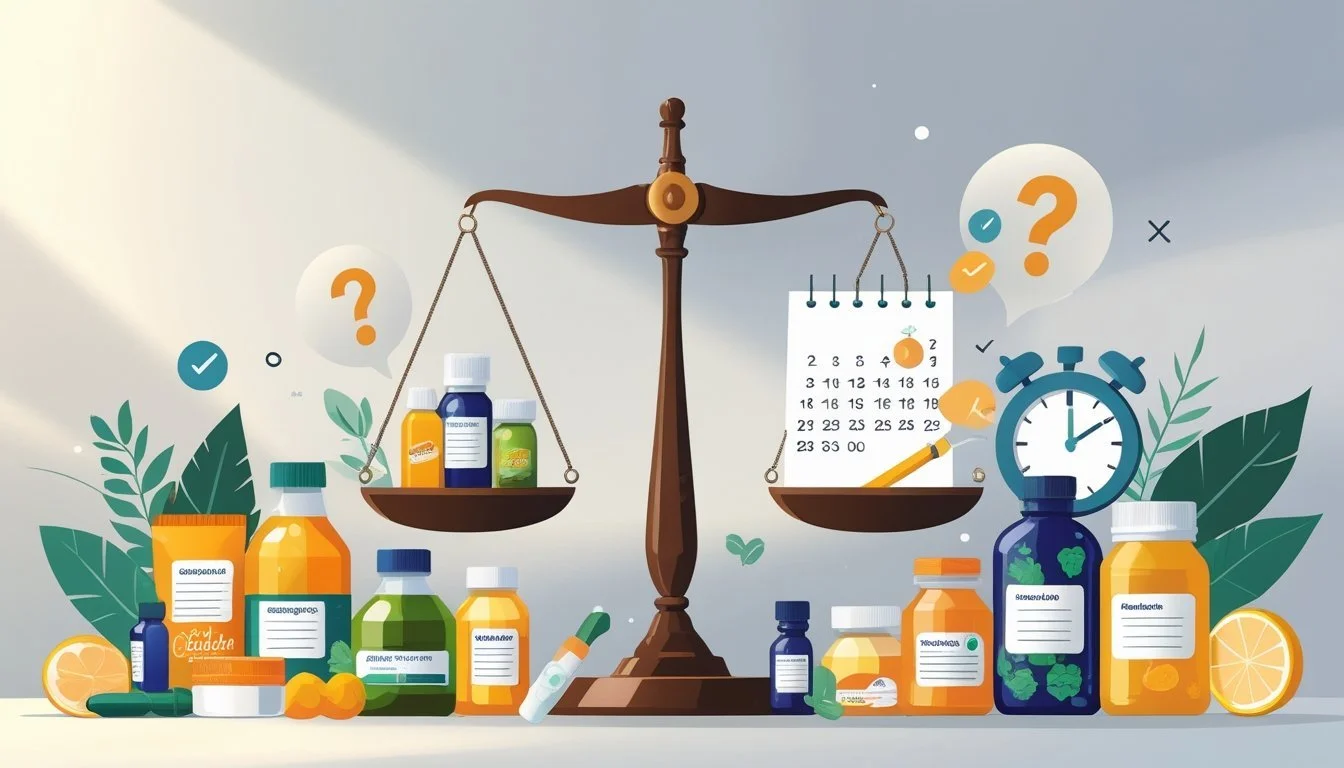
Expiration dates are printed on food packaging to inform consumers about the safety and quality of perishable goods. These dates also serve regulatory, logistic, and communication roles that impact consumers, retailers, and manufacturers.
Ensuring Food Safety
One of the main reasons for including expiration dates is to protect public health. Perishable items like dairy, meat, and prepared foods can harbor harmful bacteria as they age. The FDA and other agencies advise manufacturers to use dates to limit the risk of foodborne illness.
Expiration dates act as a guide, especially for foods that can spoil quickly. Most safety concerns are tied to items that must be refrigerated or handled carefully. For these foods, a clear date indicates when the risk of consuming unsafe products rises.
Manufacturers establish expiration dates after running stability tests. These tests estimate how long food remains safe and edible under common storage conditions. Still, the presence of a date does not guarantee food is unsafe immediately afterward; it only signals a period of highest safety.
Communicating Freshness
Beyond safety, expiration dates help signal when a product is expected to deliver its best flavor, texture, or nutritional value. For packaged snacks, cereals, and canned goods, the "best by" or "use by" dates reflect the manufacturer’s quality standards.
Quality declines over time due to chemical and physical changes, even if the product is still safe to eat. For example, crackers may become stale, and juices may lose vitamins as they age. These changes do not typically make food dangerous, but they can affect enjoyment.
By informing consumers about optimal freshness, expiration dates reduce complaints, returns, and dissatisfaction. Many shoppers use these dates to compare products on store shelves, seeking the item likely to taste the freshest.
Guiding Retail Practices
Expiration dates are a central part of inventory management for grocery stores and food distributors. Retailers use these dates to organize stock, prioritize selling items closest to expiration, and remove unsellable goods.
This approach helps prevent the sale of old or spoiled food, reducing liability and maintaining food safety standards. It also enables efficient turnover of perishable goods, which is critical for fresh foods like produce, dairy, and bakery items.
Some stores adjust pricing or highlight products nearing their expiration to reduce waste. Industry regulations, sometimes guided by the FDA, require stores to manage certain items according to their printed expiration dates, ensuring consumers receive products within a safe or optimal window.
Limitations And Misconceptions
Not all food expiration dates are created equal, and consumers often misinterpret what date labels actually mean. Misunderstandings about these labels can lead to unnecessary food waste or safety concerns.
Understanding Label Inconsistencies
Multiple types of date labels are used, including "best before," "sell by," and "use by." Each serves a different purpose, but they are often confused. Best before dates suggest when a product will be at peak quality—not when it becomes unsafe.
Use by dates are generally about food safety for perishable items. Sell by dates guide retailers on stock management and don’t indicate when food is no longer safe. There is often a grace period after these dates during which most foods are still edible, particularly staple items like canned goods or dry pasta.
Manufacturers set dates based on own testing, not regulatory standards, leading to variability between brands and products. This inconsistency makes it hard for consumers to judge what "expired food" means in practice.
The Myth Of Accurate Spoilage Indicators
Many people believe that food expiration dates are precise cutoffs for when food becomes unsafe. In reality, most date labels are rough guidelines. Food can still be safe days or even weeks after the printed date, depending on the type and storage conditions.
There is no scientific standard behind most "best before" dates. Spoilage is influenced by temperature, packaging, and handling—not just time. For example, yogurt might still be safe shortly after its date if it remains unopened and refrigerated.
Consumers often throw away perfectly good food because they trust the date label over their own senses. This misconception drives significant food waste in homes and stores. Instead, checking for obvious signs—like odor, color, or texture changes—is often a more reliable indicator than just relying on the date.
Food Waste Driven By Expiration Dates
Expiration date confusion is a significant factor leading to unnecessary food waste in the United States. Misinterpretation of these dates affects the choices consumers and businesses make about discarding food, impacting both households and the food supply chain.
Estimating The Scale
In the U.S., the Natural Resources Defense Council (NRDC) estimates that around 30–40% of the food supply is wasted annually. A large share of this waste stems from misunderstanding date labels such as "sell by," "best by," and "use by." Many people throw away food as soon as it reaches one of these dates, even if the food is still safe and edible.
This misunderstanding leads to billions of pounds of food ending up in landfills each year. Healthy foods, in particular, are often discarded early due to the assumption they spoil faster near expiration. Perceived freshness rather than actual safety drives much of this waste.
Impacts On The Food Supply Chain
Unclear expiration date labeling disrupts every level of the food supply chain. Retailers discard products once they near or pass these dates, resulting in direct financial and inventory losses. Manufacturers and distributors face increased costs related to returns or unsold goods.
For households, stricter adherence to these dates increases waste and drives up grocery spending. On a larger scale, premature disposal leads to squandered resources such as water, energy, and labor needed to produce, transport, and store the food. More consistent labels could help reduce confusion and lower waste throughout the chain.
Health Risks Of Consuming Expired Foods
Eating expired foods can increase the risk of foodborne illness. The risks depend on the product, with perishable items like meat, seafood, and dairy most likely to harbor dangerous bacteria.
Common Pathogens
Expired foods can support the growth of harmful microorganisms. Bacteria such as Salmonella, Listeria monocytogenes, and Escherichia coli are frequently linked to food poisoning outbreaks.
Salmonella is commonly found in eggs, poultry, and dairy. It can cause symptoms like diarrhea, fever, and stomach cramps.
Listeria poses a particular threat in ready-to-eat refrigerated foods. Unlike many bacteria, it can multiply at low temperatures, increasing the risk in products past their expiration date.
E. coli is a concern in undercooked beef and some fresh produce. Expired foods that have been improperly stored are susceptible to contamination.
Symptoms of foodborne illnesses range from mild stomach discomfort to severe dehydration or hospitalization, especially for sensitive groups.
Special Considerations For Infant Formula
Infant formula requires strict attention to expiration dates. Using expired formula can put infants at risk of serious health hazards due to possible nutritional deficiencies and bacterial contamination.
Unlike many foods, formula may no longer provide essential nutrients after its expiration date. There is also a risk of pathogens growing in formula powder, as it is not sterile.
Regulations require manufacturers to include clear expiration dates on formula packaging. Parents and caregivers are strongly advised against using expired formula for infants due to the severity of potential health consequences, which may include acute food poisoning or inadequate nutrition.
Regulation And Oversight

Monitoring product safety and informing consumers are key priorities for governments and industry. Policies can differ significantly, leading to confusion for businesses and shoppers.
Role Of The FDA
The Food and Drug Administration (FDA) regulates expiration dates mainly for medications, not for most foods. For drugs, expiration dates are legally required to indicate safety and effectiveness up to a certain point. After the date, potency may decline, and risks can increase.
When it comes to food, the FDA generally does not require expiration dates except for infant formula. Instead, manufacturers often use terms like "best by" or "sell by," which are determined by the food industry itself based on quality rather than safety.
Harvard Law School has noted the lack of federal standardization in food labeling, which leads to inconsistent messaging. This has prompted calls for reform to streamline date labeling, reduce food waste, and inform consumers more effectively.
Policies By Country
Expiration date policies are not uniform across nations. In the United States, federal oversight is limited, allowing states to create their own food date regulations. California, for example, passed a law to standardize label language, reducing confusion and food waste.
In the European Union, regulations are stricter. The EU mandates "use by" dates for products that may pose safety risks if consumed after the date. Other countries like Canada use a mix of "best before" dates and require "expiration" dates for specific perishable goods.
The food industry often adapts to meet local requirements, creating different labels for different markets. This patchwork approach can challenge multinational companies and contribute to misunderstanding among consumers.
Alternatives To Traditional Date Labeling
New technologies and methods are making it possible to improve food safety and reduce waste, moving beyond simple printed expiration dates. These approaches focus on real-time food quality assessment and better transparency for consumers and retailers.
Smart Packaging Technologies
Smart packaging uses materials and embedded sensors to monitor food freshness, safety, and shelf-life conditions. For example, time-temperature indicators and freshness sensors can detect changes in temperature or pH that signal spoilage. These indicators often change color, giving a visual cue about the product’s real-time state.
Companies are developing packaging that can measure gases like ethylene or ammonia released during spoilage. This data can be shown directly on the packaging or tracked digitally through mobile apps.
A key benefit is immediate feedback about quality, rather than relying on static dates. This can help reduce unnecessary food waste by showing when food is safe to eat despite surpassing the original expiration date.
Technology What it Measures Visual Indicator Time-Temperature Tag Thermal exposure Color change Gas Sensor Spoilage gases Digital/app alert pH Sensor Acidity changes Label display
Dynamic Shelf-Life Monitoring
Dynamic shelf-life monitoring tailors the usable life of a product based on actual storage and handling conditions. Instead of a fixed printed date, these systems adjust the projected shelf-life depending on factors like temperature fluctuations, humidity, and handling during transport and storage.
This method often relies on barcodes or RFID tags embedded in the food packaging. Data from these tags can be updated as the product moves through the supply chain, allowing stores and consumers to receive up-to-date information about food quality.
Dynamic monitoring can help reduce unnecessary food disposal, especially in cases where products have been stored under optimal conditions and remain safe past their typical expiration date. It also allows for more efficient stock rotation, helping retailers minimize waste and save costs.
Reducing Food Waste Without Expiration Dates
Reducing food waste after removing expiration dates relies on practical skills and increased awareness. People can keep food safer for longer through proper education and preservation techniques.
Enhancing Consumer Education
A key issue is the widespread confusion about date labels, which organizations like ReFED have identified as a leading cause of household food waste. Teaching consumers to use their senses—sight, smell, and touch—can help them identify spoiled food more reliably than relying on vague printed dates.
Offering clear guidelines, such as how long to store foods in the fridge, freezer, or pantry, would provide practical direction. Educational campaigns can explain the difference between spoilage indicators and food that is simply past peak quality. Including visual guides or checklists helps, for instance:
Food Type Safe Storage Tips Signs of Spoilage Milk Refrigerate below 40°F Sour smell, curdling Canned Goods Store in cool, dry place Bulging can, rust, off odor Bread Keep sealed, freeze excess Mold, unusual texture
Promoting active learning about food safety empowers individuals to make informed choices and decreases reliance on arbitrary dates.
Freezing And Preserving Foods
Freezing food is one of the most effective ways to reduce waste, as it dramatically slows spoilage and extends shelf life. Individuals can freeze perishables like meat, bread, and vegetables to keep them safe for months. This preservation method works especially well for leftovers and bulk purchases.
Canning and preserving techniques provide another solution, making foods shelf-stable and less likely to be wasted. Proper storage and rotation of canned goods, as well as recycling tins after use, maximizes both longevity and sustainability.
Storing food properly—using airtight containers and labeling with freeze or store dates—gives consumers control over food quality. Accessible resources on safe freezing and canning methods, supported by organizations such as ReFED, are vital for widespread adoption.
The Case For And Against Abandoning Expiration Dates
Expiration dates have been standard in the food industry for decades, but their true value is under scrutiny. There are strong cases to be made both for discarding these labels and for keeping them, particularly when considering food waste, safety, and public trust.
Arguments For Change
The food industry often uses "best used by" dates based on estimates of peak quality, not clear safety standards. This leads many consumers to discard food that is still safe and nutritious, contributing to unnecessary waste.
According to reports, global food waste is a major environmental concern, with expiration dates driving a significant portion of it. In addition to the environmental impact, consumers collectively lose substantial amounts of money each year by discarding edible products.
Key arguments for change:
Many products remain safe well past their dates.
The terms "sell by", "use by", and "best used by" are confusing and not standardized.
Removing or reforming these dates could help reduce costs and food waste.
Some advocate for smarter labeling, such as clearer guidance on food safety and signs of spoilage, or even technology that can help assess freshness.
Potential Risks And Drawbacks
Abandoning expiration dates brings up important safety concerns. Not all foodborne pathogens cause changes that are visible or detectable by smell and taste, especially in perishable items like dairy, meat, and ready-to-eat foods.
For manufacturers, expiration dates provide legal protection and set clear quality benchmarks. Retailers use these labels to ensure turnover and reduce liability. Eliminating them could shift responsibility to consumers, who may lack the knowledge or equipment needed to accurately judge food safety.
Key risks include:
Increased risk of foodborne illnesses from improperly stored foods.
Loss of consumer confidence in the food industry.
Potential litigation and costs to manufacturers if people become ill.
While some non-perishable foods could be safely used longer, perishable items would require alternative safeguards. Public education and better safety standards would be needed to replace the safety net expiration dates currently provide.
Conclusion

The discussion about abandoning expiration dates reveals both potential benefits and key concerns.
On one hand, removing expiration dates could help reduce unnecessary food waste. Many consumers throw away food based only on labels, rather than using sensory assessment or considering guidelines for safety and quality.
However, expiration dates currently provide a basic level of assurance related to food safety and freshness. Not everyone has the knowledge or confidence to assess food quality without some guidance.
Some experts suggest that educating consumers about signs of spoilage—appearance, smell, feel, and taste—may be more effective than relying solely on printed dates.
Key considerations include:
Food safety: Clear standards remain necessary, especially for vulnerable populations
Waste reduction: Less reliance on strict dates can mean less food discarded unnecessarily
Consumer knowledge: Guidance and education are critical if any changes are made
A potential path forward could involve rethinking how products are labeled and prioritizing consumer education. This approach may address confusion and promote more responsible habits without sacrificing safety.