
The Difference Between Shelf Life and Food Safety
What Consumers Need to Know
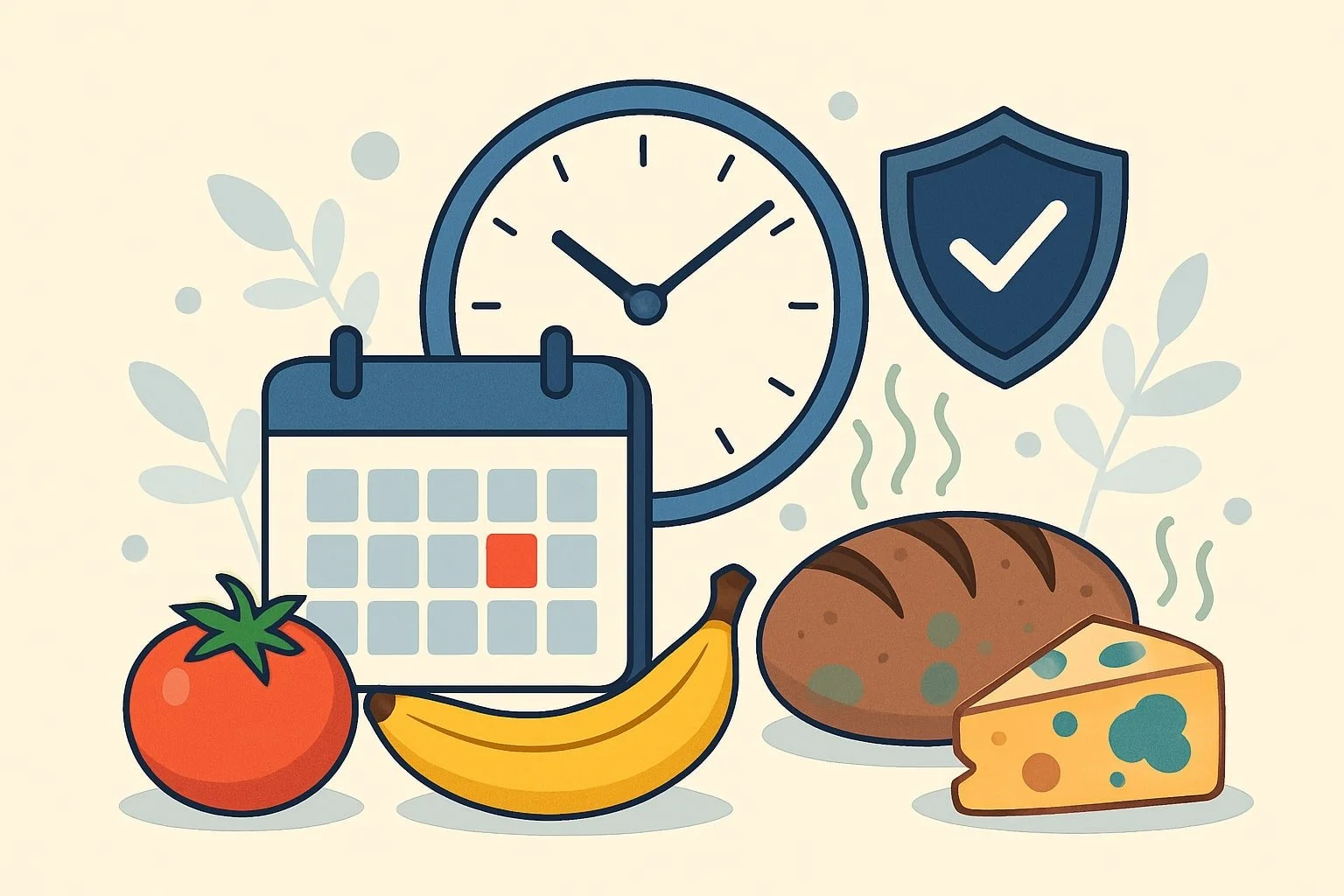
Many people confuse shelf life with food safety, but these terms serve different purposes and have direct impacts on how food should be handled. Shelf life describes how long a product maintains its best quality, while food safety refers to whether a product is still safe to eat, regardless of how fresh it tastes or looks.
Understanding this distinction is essential for making informed decisions at the grocery store and at home. Misinterpreting these terms can lead to unnecessary food waste or, more seriously, increased risk of foodborne illness.
When reading food labels or deciding whether to eat something past its best-before date, knowing the difference between shelf life and actual safety helps ensure both quality and health at every meal.
Understanding Shelf Life Versus Food Safety
Shelf life usually addresses the expected period for peak quality in a food product, while food safety is about whether the product is safe to eat. Consumers often confuse these concepts, leading to unnecessary food waste or, in some cases, increased risk of illness.
Defining Shelf Life
Shelf life is the length of time a food product maintains its best taste, texture, or nutritional value under specific storage conditions. Manufacturers often determine shelf life using laboratory tests and set dates such as "best before," "use-by," or "best if used by" to guide consumers.
Shelf life is primarily about food quality, not safety, unless noted otherwise. After the date, food may lose its freshness, but it is frequently still safe to eat if it shows no signs of spoilage. Factors that affect shelf life include:
Ingredients and preservatives
Packaging and sealing
Storage temperature
Exposure to air or moisture
These dates are not guarantees of food spoilage or safety failure exactly at the marked day.
Explaining Food Safety
Food safety refers to the practices and conditions that prevent foodborne illnesses, such as food poisoning, when preparing, storing, and consuming food. It is monitored and regulated by agencies like the USDA and the Food Safety and Inspection Service.
Food safety standards address risks like contamination by bacteria, mold, or pathogens. Unlike shelf life, food safety is not always tied to the date printed on packaging. Perishable foods can become unsafe before the expiration date if not stored correctly, and some products can remain safe after the date if kept under proper conditions.
Food poisoning risks depend on handling and storage, regardless of the listed expiration or use-by dates. Visual checks, odor, and other sensory evaluations are often more reliable indicators of safety than printed dates alone.
Key Differences Between Shelf Life and Food Safety
The main distinction is that shelf life focuses on food quality, such as taste and appearance, while food safety centers on the risk of illness. Expiry, use-by, and best before dates typically relate to quality rather than when a product becomes harmful.
It is possible for food past its shelf life to remain safe if there is no evidence of spoilage. Conversely, even within the indicated shelf life, improper storage (like leaving perishable goods unrefrigerated) can cause food to become unsafe.
Understanding these differences helps prevent unnecessary food waste and reduces the risk of consuming spoiled or contaminated food. Being aware of both concepts allows consumers to make more informed choices based on actual safety risks, not just date labels.
Food Product Dating and Label Interpretation
Food product dating is a tool manufacturers use to communicate product quality and shelf life. These labels help consumers make decisions about when to use products and how long they remain at peak quality.
Types of Dates on Food Labels
Food labels often display a variety of date formats, including use-by date, best before date, and expiration date. Each type serves a different purpose and is set by food manufacturers based on expected product quality.
Best if Used By or Best Before: This date suggests when the food will be at its best flavor or quality. It is not a food safety date.
Use-By Date: Indicates the last date recommended for the use of the product while at top quality.
Sell-By Date: Used by retailers to indicate how long to display the product for sale. It is not meant for consumer safety.
Expiration Date: Found less commonly. When present, it signals when a product should no longer be consumed.
Federal law does not require quality or safety-based date labeling on most products, except for certain items like infant formula. It’s important to note that most foods are still safe to eat after these dates if stored properly.
How to Read and Understand Food Packaging Information
Food packaging includes other information beyond product dating, such as ingredient lists, storage instructions, and nutritional facts. Reading all this information helps consumers make informed choices and avoid misinterpreting labels like expiration dates or use-by dates.
Paying attention to how storage instructions relate to the label date is essential. For example, perishable foods kept refrigerated may last beyond their best before date if handled safely.
Tables sometimes summarize labeling guidance. For instance:
Label Term Purpose Safety Indicator Best if Used By Quality/Flavor peak No Use-By Date Last recommended quality date Sometimes Sell-By Date Retail display No Expiration Date Hard cutoff (rare) Yes (if present)
Consumers should rely on their senses and storage practices alongside food product dating before discarding foods. Recognizing the difference between dates related to freshness and those related to safety can help reduce food waste and improve food choices.
Factors That Influence Shelf Life and Food Safety
Shelf life and food safety are shaped by characteristics like storage methods and the natural features of different foods. Key variables such as temperature, humidity, pH, and ingredient makeup play decisive roles in how long food stays fresh, safe, and enjoyable.
Role of Storage Conditions
Storage conditions directly impact both shelf life and safety for all food products. Temperature control is crucial—refrigeration slows bacterial growth in perishable foods, including dairy, meat, poultry, and seafood. Freezing food halts most microbial activity, allowing products like frozen meats and vegetables to last for months.
Proper storage also requires careful management of humidity and airflow. High humidity can promote mold growth on produce, while low humidity may cause some foods to dry out or lose quality. Many non-perishable items such as canned goods or dry grains need to be stored in cool, dry places to maintain quality and prevent spoilage.
The table below highlights recommended storage for common categories:
Food Type Ideal Storage Notes Dairy Products Refrigeration (≤4°C/40°F) Keep sealed to avoid contamination Fresh Produce Refrigeration; Cool, moist Store separately from strong odors Meat/Poultry Refrigeration/Freezing Freeze if not consumed in 1-2 days Canned Food Cool, dry place Discard if dented or bulging
Impact of Food Type and Composition
Different foods have unique qualities that affect shelf life and food safety. Perishable items like fresh produce, dairy, and ready-to-eat meats are more susceptible to spoilage and bacterial growth due to higher moisture and nutrient content. Non-perishable items, such as canned or dried goods, are processed or treated to withstand longer storage without rapid quality loss.
Water activity, pH level, and presence of preservatives or packaging methods can extend longevity. For example, acidic foods like certain canned fruits generally have longer shelf lives because lower pH inhibits bacterial growth. On the other hand, foods with high protein and moisture content, such as seafood and poultry, require strict temperature management to prevent rapid spoilage.
Complex products containing multiple ingredients—like prepared frozen meals—must be processed and packed to protect against cross-contamination and reduce risk. Recognizing these differences helps ensure both safety and extended shelf life.
Recognizing Spoilage and Maintaining Food Quality
Visible changes, unusual odors, and shifts in texture often indicate when food is no longer safe or pleasant to consume. Identifying spoilage and understanding how preservation methods protect food quality help people make better decisions about food safety and storage.
Signs of Food Spoilage
Food spoilage occurs when microorganisms, such as bacteria and molds, break down the components of food. Common signs of spoilage include off-odors, discoloration, slimy textures, visible mold, and gas production that can cause bloating in packaging.
For example, bread may display mold spots from species like Rhizopus or Penicillium, while meat may develop a foul odor or greenish tinge due to bacterial putrefaction. The sniff test is a common method to check for bad smells, but it is not foolproof. Some pathogens do not produce noticeable odors, so relying only on smell is risky.
Loss of firmness, excessive softening in fruits and vegetables, and sour or bitter flavors in dairy products are also typical indications. Being aware of these changes is important for preventing the consumption of spoiled food.
Detecting Changes in Food Quality
Food quality refers to the sensory, nutritional, and physical properties that make food desirable and safe. Fresh foods typically have a natural color, crisp texture, and a pleasant aroma.
Changes in food quality can result from chemical reactions, exposure to air, or temperature abuse. This may lead to staling, rancidity, or loss of vitamins and minerals. For example, oxidation causes fats in nuts and oils to turn rancid, while light exposure can make leafy greens wilt and lose nutrients.
To assess food quality:
Check for changes in appearance, such as browning or dull coloration.
Inspect texture by gently pressing or breaking the food surface.
Taste a small sample if it appears and smells normal, but avoid if there is any doubt. Monitoring these factors helps ensure food remains both fresh and safe for consumption.
Effects of Preservation Techniques and Preservatives
Preservation techniques such as refrigeration, freezing, canning, drying, and pickling slow or halt microbial growth and chemical spoilage. Lower temperatures slow enzyme activity and the growth of spoilage organisms, while heat treatments like pasteurization kill many bacteria.
Preservatives, such as salt, sugar, or food-grade chemicals, inhibit spoilage by creating inhospitable conditions for microbes. For instance, salt in cured meats draws out moisture, making it harder for bacteria to survive. Vacuum packaging and modified atmosphere packaging also reduce oxygen, further reducing the risk of spoilage.
Different foods require specific preservation approaches based on their composition and shelf stability. Proper food storage and the use of suitable preservation methods can significantly extend food shelf life and help maintain overall food quality and safety.
Practical Strategies for Reducing Food Waste
Effective approaches to reducing food waste focus on planning and managing meals carefully, as well as ensuring the safe storage and use of leftovers. Smart food management not only helps prevent waste but also supports food safety at home.
Meal Planning and Food Management
Proper meal planning is one of the most reliable ways to reduce food waste. By creating a shopping list based on a weekly menu, individuals can avoid purchasing items that are unlikely to be used before their shelf life expires.
Arranging the refrigerator and pantry so that older items are used first—a method often called First In, First Out (FIFO)—helps ensure that foods do not spoil before being eaten. Monitoring expiration dates and regularly checking for unused ingredients also reduces waste and can save money.
Using portable food storage containers and labeling leftovers with dates helps track what needs to be eaten soon. Freezing items that won’t be consumed right away can extend their shelf life and maintain food quality for weeks or even months.
Safe Handling of Leftovers
Handling leftovers safely is essential for both food safety and waste reduction. Perishable foods should be refrigerated within two hours of cooking, and leftovers should be stored in airtight containers to keep them fresh.
Reheating leftovers to an internal temperature of at least 74°C (165°F) ensures harmful bacteria are destroyed, making the food safe to eat. Observing maximum storage recommendations—generally three to four days for most leftovers—helps prevent spoilage.
When in doubt, it’s always safer to discard questionable leftovers rather than risk consuming unsafe food. Adopting these safe storage and reheating practices reduces risk and helps households confidently use food that might otherwise be wasted.

