
What Happens Chemically When Food Goes Bad
Understanding Spoilage Reactions and Processes
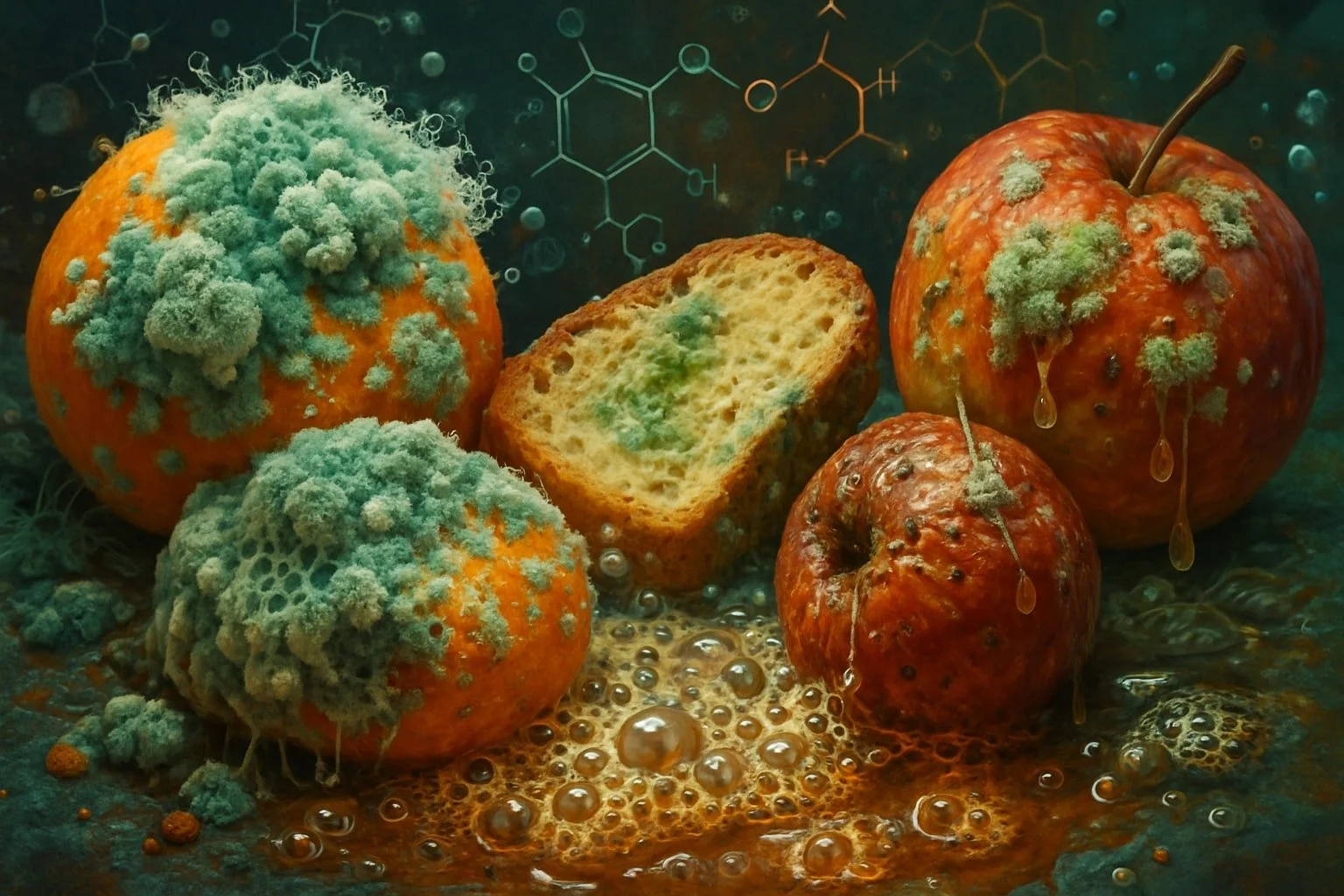
When food goes bad, a series of chemical changes occur—such as fats turning rancid, proteins breaking down, and natural enzymes causing discoloration and off-odors—which are often accelerated by bacteria and fungi. These processes not only change the taste, smell, and texture of food but also impact its safety for consumption. Food spoilage can make meals unappetizing and sometimes even dangerous due to the growth of harmful microbes or the formation of toxic compounds.
Understanding what happens on a molecular level helps explain why food doesn't stay fresh forever and highlights the importance of proper food storage. The browning of apples, souring of milk, and development of odd smells are all visible signs that specific chemical and biological reactions are taking place. These reactions are a natural part of the aging process but can present real concerns for food safety and waste reduction.
What Food Spoilage Means Chemically
When food spoils, its molecules and natural compounds are altered by a variety of chemical reactions. Microorganisms, enzymes, and non-living chemical processes each contribute to these changes, negatively affecting the food’s safety, taste, and appearance.
Definition of Chemical Changes
A chemical change in food spoilage refers to a shift in the molecular structure or composition. Oxidation is a common example, where fats and oils react with oxygen, leading to rancidity. Proteins and carbohydrates in food can also undergo changes, breaking down into smaller, sometimes harmful molecules.
Microbial activity is another driver of chemical change. Bacteria, yeasts, and molds secrete substances that either break down food components or generate new compounds, such as acids or gases. These reactions frequently produce unpleasant flavors, odors, or toxic byproducts.
Table:
Food Component Major Chemical Change Example Effect Fats Oxidation Rancid odors, flavors Proteins Proteolysis Off-smells, slime Carbohydrates Fermentation Sourness, gas
Difference Between Chemical and Physical Changes
Chemical changes transform the internal chemistry of food, making them irreversible by ordinary physical means. This distinguishes them from physical changes, which alter appearance or texture without changing the molecular makeup.
A physical change may include freezing, melting, or drying, which change water content or structure but leave the food’s chemical identity intact. For example, cutting bread or fruit changes only the shape; it does not create new chemical substances.
Chemical changes in spoilage can result in the formation of substances not originally present in the fresh food. This can impact safety, flavor, texture, and nutritional value more fundamentally than physical changes. Preventing spoilage requires targeting these underlying chemical reactions rather than just physical properties.
Role of Enzymes in Spoilage
Enzymes are natural proteins found in food and produced by microorganisms. They speed up specific chemical reactions during spoilage by breaking down complex molecules into simpler ones. For instance, lipases target fats while proteases target proteins.
Enzymatic browning is one familiar example, as seen when an apple turns brown after being cut. Here, enzymes like polyphenol oxidase catalyze reactions between oxygen and phenolic compounds, altering both color and taste.
Enzyme activity is influenced by temperature, pH, and the presence of water. In some foods, controlling these factors through cooking, freezing, or irradiation slows down spoilage. Enzymatic reactions can proceed even without microorganisms, making them a critical driver of chemical change in many spoiled foods.
Key Chemical Processes Leading to Food Spoilage
Food spoilage often results from specific chemical and biological reactions. These include oxidative processes, microbial activity, and the action of natural food enzymes, each contributing to quality loss in distinctive ways.
Oxidation and Role of Oxygen
Oxidation is a primary chemical process affecting fats, vitamins, and pigments in food. When oxygen comes into contact with unsaturated fatty acids, lipid oxidation occurs. This produces off-flavors and rancidity, making food taste and smell unpleasant.
Vitamin C and some B vitamins are particularly sensitive to oxygen. They degrade quickly, leading to nutritional loss in fruits and vegetables. Oxidation also impacts the color of foods, such as when green vegetables turn dull or meats turn brown.
The table below highlights key effects of oxidation:
Compound Affected Visible Effect Result Fatty acids Rancid odor/flavor Spoilage Vitamins C/B Nutrient loss Lowered quality Pigments Color changes Unappealing food
Proper packaging and reduced oxygen exposure can slow these changes.
Microbial Metabolism by Bacteria, Mold, and Yeast
Microorganisms such as bacteria, molds, and yeasts are often responsible for the chemical changes in spoiled food. As microbes consume sugars, proteins, and fats, they release metabolic byproducts, including acids, gases, and other compounds.
Lactic acid bacteria ferment lactose in dairy, leading to sour flavors and curdling. Yeasts in bread and fruit juice produce alcohol and carbon dioxide, causing texture and flavor changes. Molds grow on bread, cheese, and fruit, breaking down carbohydrates and proteins with their enzymes and often leaving visible growth and musty odors.
Some spoilage microbes also produce toxins or other compounds that make food unsafe. Refrigeration, preservatives, and good hygiene help limit these microbial chemical changes.
Enzymatic Browning and Other Reactions
Enzymes naturally present in food can trigger spoilage reactions shortly after harvest or slaughter. Polyphenol oxidase, an enzyme in fruits and vegetables, causes browning when tissue is damaged and oxygen is available. This process alters the food’s appearance and affects taste.
Enzymatic reactions can also degrade texture by breaking down pectins in fruit and connective tissue in meat. Hydrolytic enzymes, such as lipases and proteases, split fats and proteins, leading to flavor spoilage and off-odors.
Heating, blanching, or acidification are common ways to slow or stop these reactions. Proper storage and handling help reduce unwanted enzyme activity and maintain food quality.
Microbial Growth and Its Impact
Food spoilage is often the result of microbial activity, especially from bacteria, molds, and yeasts. These microorganisms cause distinct chemical and physical changes that degrade food quality and safety.
Bacterial Spoilage Pathways
Bacteria are widespread in nature and quickly colonize food surfaces. When conditions such as moisture, temperature, and nutrients are favorable, bacteria multiply rapidly. Spoilage bacteria break down proteins, fats, and carbohydrates, generating by-products like ammonia, sulfur compounds, and organic acids.
The breakdown of proteins by proteolytic bacteria can lead to foul odors and the slimy texture found in spoiled meat and seafood. Lipolytic bacteria attack fats, sometimes making dairy products taste rancid. Acid-forming bacteria ferment sugars in fruits and vegetables, causing souring or gas production. Most bacterial spoilage occurs between 4°C and 60°C, highlighting the importance of proper refrigeration.
Fungi: Mold and Yeast in Food Rot
Fungal spoilage is most often due to molds and yeasts. Molds are filamentous fungi that appear as fuzzy or colored growth on foods like bread, cheese, and fruit. They thrive in moist, slightly acidic environments and use enzymes to digest complex molecules, which leads to visible rot and softening.
Yeasts cause spoilage mainly in sugary or acidic foods such as juices, jams, and soft drinks. By fermenting sugars, yeasts produce alcohol and carbon dioxide. While some molds and yeasts are harmless, certain species can produce mycotoxins, toxic compounds that pose health risks. Unlike most bacteria, molds can grow at lower temperatures, making refrigeration less effective at completely preventing this type of spoilage.
Production of Harmful By-products
Microbial spoilage often produces harmful or unpleasant by-products. Bacterial decomposition can release amines, hydrogen sulfide, and volatile fatty acids, resulting in strong odors and off-flavors in proteins and dairy. Some spoilage microorganisms generate gases, causing packaging to bloat or food texture to degrade.
A comparison of by-products from different spoilage agents:
Microorganism Key By-products Major Food Types Affected Bacteria Ammonia, sulfur gases Meat, fish, dairy Mold Mycotoxins, organic acids Bread, fruit, cheese Yeast Alcohol, CO₂ Juices, syrups, jams
Mycotoxins from molds and some metabolic by-products of bacteria can make spoiled food unsafe, not just unpalatable. Reducing microbial growth with proper storage, hygiene, and processing is critical to preventing these chemical changes.
Environmental Factors Affecting Spoilage
Chemical changes that lead to spoilage are triggered or accelerated by specific environmental factors. Temperature, moisture, and light exposure are the main contributors, each affecting food safety and longevity in different ways.
Temperature and Its Influence
Temperature plays a central role in the rate of food spoilage. High temperatures can speed up chemical reactions, such as oxidation and enzymatic activity, which degrade nutrients and create off-flavors. Many bacteria and molds grow quickly between 4°C and 60°C (the "danger zone"), producing spoilage compounds and sometimes toxins.
Low temperatures, achieved through refrigeration or freezing, slow these chemical processes and microbial growth. However, not all spoilage stops at lower temperatures—psychrotrophic bacteria, for instance, can still multiply in the refrigerator, but at a much slower rate. Proper temperature control is a principal method for extending shelf life and preserving food safety.
Foods stored unrefrigerated at room temperature are more likely to experience rapid chemical changes and support microbial activity. This underscores the importance of timely and correct refrigeration in food preservation.
Moisture and Water Activity
Moisture and water activity are distinct but closely related. Moisture refers to the total water in food, while water activity measures the availability of water for chemical reactions and microbial use.
Higher water activity in foods like fruits, meats, and dairy supports both microbial growth and chemical spoilage. Microbes need available water to multiply, and many chemical changes—such as hydrolysis—proceed faster in moist environments. Drying, salting, or adding sugar reduces water activity and is a proven method of extending shelf life.
Packaged foods are typically sealed to limit moisture exchange with the environment. Improper packaging can result in water absorption, leading to accelerated spoilage or even the growth of mold and bacteria.
Light Exposure and Shelf Life
Exposure to light, especially ultraviolet (UV) rays, can trigger or accelerate spoilage in foods. Light promotes oxidation, breaking down fats and certain vitamins, which results in rancid flavors and nutrient loss.
Many oils, dairy products, and some packaged goods are particularly sensitive to light. Clear packaging may allow more light exposure, making contents deteriorate faster than those in opaque or colored containers. For example, milk packaged in transparent bottles loses vitamin B2 and A more rapidly under light.
Minimizing light exposure by storing foods in dark places or using UV-blocking packaging can slow chemical changes. This practice helps maintain both safety and nutritional quality throughout the food’s shelf life.
Signs and Effects of Chemical Deterioration
Chemical deterioration in food leads to a range of noticeable changes, from cosmetic alterations and off-flavors to losses in nutrients and flavors. Identifying these effects can help prevent foodborne illness and reduce waste.
Physical and Sensory Changes in Spoiled Food
Spoiled food often displays visible signs such as discoloration, unusual textures, and the formation of slime or foam. These changes result from chemical reactions, such as enzymatic browning in fruits or protein breakdown in meats.
Other sensory changes include off-odors and the release of gases, causing rising air bubbles or leaking in packaged foods. The scent and appearance of food frequently shift before texture or taste is heavily affected.
Significant color changes, including spots of pink, green, blue, or black, may indicate mold or chemical alteration. Staling in bread and softness or thinning in sauces are also common outcomes of chemical spoilage.
Loss of Flavors and Vitamins
Chemical spoilage often destroys natural flavors and degrades vitamins, such as when ascorbic acid (vitamin C) and B vitamins oxidize and break down. This process can be accelerated by exposure to heat, light, or air.
Oxidation not only causes loss of key vitamins but also diminishes the natural freshness and aroma of food. For instance, citrus juice loses its tang and color as vitamin C breaks down, while leafy greens may appear dull or faded.
Table: Common Chemical Losses in Spoiled Foods
Food Type Flavor Loss Vitamin Loss Citrus Sourness degrades Vitamin C Leafy greens Bitterness rises Vitamins C & B Bread Stale, bland taste Minimal
Indicators of Rancidity and Decay
Rancidity occurs when fats in foods react with oxygen, causing unpleasant odors and flavors. This is especially noticeable in oils, nuts, and fatty snacks.
Products with high fat content may develop a waxy, bitter, or even “soapy” taste as triglycerides break down. The chemical process generates compounds such as aldehydes and ketones, which further alter the smell and taste of food.
Signs of decay—such as foul odors, sliminess, and the presence of unnatural colors or mold—are also results of chemical and microbial activity. List of Common Decay Indicators:
Foul or sour odor
Oily or sticky surface
Mold spots
Discoloration
Ethylene Gas and the Ripening Process
Ethylene gas is a natural plant hormone released by many fruits and vegetables that accelerates the ripening process. Chemically, it promotes the breakdown of chlorophyll, starches, and acids within plant tissues.
This leads to softening, sweetening, and color changes in foods like bananas, tomatoes, and avocados. However, excess ethylene or prolonged exposure can cause overripening and spoilage.
A buildup of ethylene in enclosed spaces increases the speed of chemical deterioration, causing fruits to rot faster. Managing ethylene exposure and storage conditions can significantly slow spoilage and preserve flavor and nutrient content.
Consequences of Spoiled and Rotten Food
Spoiled food affects more than just taste and appearance. Key consequences include threats to health and significant impacts on the environment, as well as potential benefits and risks in waste management practices.
Health Risks and Foodborne Illness
Spoiled food is a leading cause of foodborne illnesses such as salmonellosis, E. coli infections, and listeriosis. These illnesses often arise when pathogenic bacteria, viruses, or parasites grow in food due to improper storage or handling.
Symptoms of foodborne illness can include nausea, vomiting, diarrhea, stomach cramps, and fever. In severe cases, such illnesses may lead to hospitalization, long-term health complications, or in rare instances, death.
Microbial growth accelerates when food is exposed to improper temperatures or moisture. Chemical changes, such as oxidation or fermentation, can also produce toxins or harmful byproducts, making spoiled food hazardous to consume.
Environmental Impact and Food Waste
Food spoilage is a major cause of food waste globally. According to data from environmental organizations, about one-third of all food produced for human consumption is lost or wasted due to spoilage.
When food waste accumulates in landfills, it leads to resource loss and increases the carbon footprint of food production. The disposal process wastes water, energy, and nutrients used in growing, transporting, and storing food.
Reducing food waste can help minimize both direct and indirect environmental impacts. Methods include better storage techniques, improved supply chain management, and consumer education on food expiration and spoilage.
Composting and Methane Production
Composting offers a way to manage spoiled food by allowing controlled decomposition, transforming organic waste into nutrient-rich compost for agriculture or gardens. This process is facilitated by microorganisms breaking down food under aerobic (oxygen-rich) conditions.
However, when food waste decomposes in anaerobic (oxygen-poor) environments such as landfills, it produces methane—a potent greenhouse gas. Methane's impact on climate change is about 25 times greater than carbon dioxide over a 100-year period.
Choosing composting over landfill disposal reduces methane emissions and returns valuable nutrients to the soil, making it an environmentally responsible option for managing spoiled food. Proper composting relies on maintaining the right balance of materials, moisture, and air to support safe decomposition.
Preservation Methods and Extending Shelf Life
Slowing the chemical and microbial processes responsible for food spoilage relies on scientific preservation techniques. Methods such as temperature control, the use of chemical preservatives, food-safe packaging, fermentation, and contamination prevention are essential for extending shelf life safely and effectively.
Refrigeration and Freezing Food
Lowering temperature is one of the most reliable ways to slow down spoilage. Refrigeration typically keeps food between 0°C and 5°C. This reduces the activity of spoilage bacteria and mold by slowing down their metabolism and reproduction rates.
Freezing food, usually at -18°C or lower, halts most microbial activity entirely and significantly slows down chemical reactions such as lipid oxidation and enzymatic browning. The lower temperature also causes water in the food to crystallize, making it unavailable for microbes.
However, freezing can cause texture changes due to ice crystal formation, especially in high-water-content foods. To maintain quality, it is important to freeze foods quickly and avoid thaw-refreeze cycles, which can lead to moisture loss and increased risk of spoilage upon thawing.
Role of Preservatives and Food Packaging
Chemical preservatives such as salt, sugar, acids (like vinegar and citric acid), sulfites, benzoates, and sorbates inhibit microbial growth and slow spoilage reactions.
Salt and Sugar: Create environments of low water activity, which inhibits bacterial and fungal growth.
Acids: Lower pH, making conditions unsuitable for most spoilage microbes.
Modern Preservatives: Sulfites, benzoates, and sorbic acid are widely used in foods like dried fruits, beverages, and meats.
Food packaging protects against external contamination and environmental factors. Modified atmosphere packaging, vacuum sealing, and airtight containers all help reduce exposure to oxygen and moisture that would otherwise promote spoilage. Proper packaging also acts as a barrier to pests and limits physical damage.
Fermentation and Controlled Microbial Action
Fermentation uses specific microorganisms to alter the chemical environment of food. Lactic acid bacteria are commonly used to ferment vegetables, dairy, and meat products. These bacteria convert sugars into lactic acid, which lowers pH and creates conditions that inhibit spoilage organisms.
Yeasts are involved in fermenting bread and alcoholic beverages. Acetic acid bacteria are essential for vinegar production. Fermentation not only preserves food but can also enhance flavor, nutritional value, and digestibility.
Control of temperature, salt concentration, and hygiene during fermentation is critical to ensure that only desirable microbes thrive, while harmful ones are suppressed.
Preventing Contamination and Physical Damage
Contamination from pathogens, spores, or toxins can quickly render food unsafe. Thorough washing, proper handling, and cooking reduce the risk of introducing harmful microorganisms.
Physical damage, such as bruising or cutting fruits and vegetables, can break protective outer layers, providing entry points for bacteria and fungi. Packaging must be sturdy enough to protect food from impacts during transport and storage.
Pest control measures, such as sealed containers and storage in clean, dry environments, are necessary to prevent infestations. Consistent inspection and rotation of stock can help avoid the buildup of spoiled or contaminated products.

