
The Shelf Life of Food in Power Outages: How Long Your Groceries Stay Safe

Power outages can happen with little warning, disrupting daily routines and bringing concerns about food safety to the forefront. Refrigerators and freezers lose their ability to keep food cold, and the clock starts ticking on how long items remain safe to eat. Perishable food in a refrigerator generally stays safe for up to four hours without power, as long as the door remains closed.
Understanding the shelf life of food during a blackout is crucial to avoid illness and unnecessary waste. Overestimating how long food lasts can lead to spoiled meals and health risks, while knowing the facts ensures confident, safe decisions when the lights go out. Readers can rely on tested guidelines to protect both their health and their pantry.
Understanding Food Shelf Life During Power Outages
Proper food safety during a power outage depends on how quickly refrigerated foods move into unsafe temperature ranges and how bacteria react to those changes. Spoiled food can lead to food poisoning if not managed correctly, so it’s important to know the risks and protective measures.
What Happens to Perishable Foods Without Power
Perishable foods such as meat, poultry, fish, dairy, and leftovers require cold storage at or below 40°F (4°C). When a power outage occurs, refrigerators typically maintain this temperature for up to 4 hours if left closed.
After the 4-hour mark, items like milk, eggs, and cooked dishes become unsafe as temperatures rise. Perishable foods exposed to temperatures above 40°F for over 2 hours should be discarded.
Some foods, including hard cheeses and condiments, last longer than others but most perishable items are at risk quickly. The greatest threat is foods that spoil rapidly, which can contribute to food poisoning if consumed.
Table: Common Perishable Foods and Safe Times Without Power
Food Item Safe Without Power (≤40°F) Discard After Meat/Poultry 4 hours >4 hours Dairy Products 4 hours >4 hours Eggs 4 hours >4 hours Leftovers 4 hours >4 hours
The Role of Temperature in Food Safety
Temperature control is critical for slowing bacterial growth and preventing food spoilage during power outages. The danger zone—between 40°F and 140°F (4°C to 60°C)—is the range where bacteria multiply most rapidly.
Keeping refrigerator and freezer doors closed helps maintain safe temperatures for as long as possible. A refrigerator can keep foods safe for 4 hours, while a full freezer will usually last about 48 hours if unopened.
If perishable food sits above 40°F for more than 2 hours, it should not be consumed. Monitoring internal temperatures with a food thermometer provides the most accurate way to assess risk.
Bacterial Growth and Food Spoilage
Bacterial growth is the primary cause of food spoilage and food poisoning during outages. Pathogenic bacteria such as salmonella and E. coli thrive at room temperature, multiplying quickly once food enters the danger zone.
Spoiled food may not always look or smell off, but it can still harbor dangerous levels of bacteria. Common symptoms of food poisoning include nausea, vomiting, and diarrhea.
The risk increases the longer food stays warm. Promptly discarding perishable foods that have been above 40°F for over 2 hours minimizes the risk of illness.
To reduce spoilage and bacterial growth:
Keep refrigerators and freezers closed.
Use thermometers to check temperatures.
Move food to coolers with ice if outages will last longer than 4 hours.
Key Factors Affecting Food Longevity
To maintain food safety during a power outage, several critical factors must be considered. The nature of the food, the length of time without power, and how food is stored all play major roles in determining shelf life and risk.
Type of Food and Its Sensitivity
Different foods have different tolerances for changes in temperature. Perishable items such as dairy, meat, fish, poultry, and cooked leftovers are especially vulnerable. These should be monitored closely, as they can become unsafe to eat in just 2–4 hours if the internal temperature rises above 40°F (4°C).
Raw vegetables, fruits, and some condiments (like vinegar-based dressings or pickles) are typically less sensitive to short outages. Deli meats, soft cheeses, and prepared salads spoil quicker than hard cheeses or unopened juice boxes. Using a food thermometer helps verify the internal temperature of high-risk foods.
Table: Food Sensitivity to Power Outages
Food Type Risk of Spoilage Time Until Unsafe (approx) Milk, yogurt, soft cheese High 2–4 hours above 40°F Raw fruits/vegetables Low 8+ hours Cooked leftovers High 2–4 hours above 40°F Hard cheese, butter Medium 6–8 hours Eggs, meat, poultry High 2–4 hours above 40°F
Duration of the Power Outage
The length of the outage has a direct impact on food safety. In a refrigerator, perishable foods can usually remain safe for up to 4 hours if the door is kept closed. If temperatures rise above 40°F (4°C) for longer than this, bacteria multiply quickly.
Freezers keep food safe much longer. A full freezer can maintain temperatures for about 48 hours, while a half-full freezer will hold safe temperatures for about 24 hours if unopened. Appliance thermometers placed in both the refrigerator and freezer can give clear readings and help decide when to discard food.
It's important to avoid opening the doors often, as this lets cold air escape and reduces the safe time window. Using a checklist or written log of outage start times can help track safety.
Starting Temperature and Storage Practices
The initial temperature of food and the appliance matters. Foods stored at or below 40°F (4°C) in the refrigerator and at or below 0°F (-18°C) in the freezer start at a safer baseline. Consistently cold storage slows bacterial growth.
Proper storage practices are crucial. Keeping foods grouped together in the freezer helps items stay colder longer. An appliance thermometer in both compartments ensures accurate temperature readings even after the power returns. Ensure all perishable foods are stored away from the door where temperatures fluctuate most.
Moving sensitive items to the back of the fridge or into a well-packed freezer can also preserve their safety for longer periods. Using sealed containers prevents cross-contamination in case some items begin to spoil during the outage.
Shelf Life of Refrigerated Foods Without Power
During a power outage, refrigerated foods have a limited window before they become unsafe. The safety and shelf life of specific items depend on the type of food and how long the refrigerator stays above 40°F (4°C).
Meat, Poultry, and Seafood
Raw meat, poultry, and seafood are among the most sensitive to temperature changes. These items should not be kept above 40°F (4°C) for more than 4 hours. After this time, bacteria can multiply rapidly, increasing the risk of foodborne illness.
Items such as ground beef, chicken breasts, sausages, deli meats, hot dogs, and cooked seafood should be discarded if the power is out for more than 4 hours and the fridge temperature rises above safe limits.
Frozen meats stored in the fridge compartment should also follow this 4-hour guideline. Whole cuts of beef or pork are no exception. To minimize spoilage, keep refrigerator doors closed. Do not taste or smell to judge safety.
A quick reference table for these items:
Food Item Safe at >40°F for up to 4 hours? Raw Meat Yes Poultry Yes Seafood Yes Hot Dogs Yes Deli Meat Yes
After 4 hours, all should be discarded.
Dairy Products and Eggs
Milk, cream, sour cream, yogurt, and soft cheeses can spoil quickly if kept above 40°F for longer than four hours. These perishable dairy items should be thrown out after this time. Babies’ formula should be discarded even sooner if there’s any doubt about temperature safety.
Eggs are also highly perishable. If eggs have been in a refrigerator above 40°F for more than 2 hours, they are best discarded. Some harder cheeses, such as cheddar or Swiss, will last longer than softer varieties, but monitor for any changes in texture or odor.
Butter and margarine are more tolerant but should still be inspected if the outage extends well beyond four hours. Shredded and processed cheeses spoil faster than block or hard cheeses.
A few items and their typical shelf life in a power outage:
Milk, yogurt, soft cheeses: Discard after 4 hours above 40°F
Hard cheeses, butter: Can last, but check if unusual
Eggs, baby formula: Discard if above 40°F for 2-4 hours
Fruits, Vegetables, and Salads
Whole fruits and vegetables are generally safe for longer periods because most are not as sensitive to temperature changes. Uncut produce like apples, oranges, and carrots will last several hours and sometimes days if kept cool.
Pre-cut fruit, leafy greens, and prepared salads should be discarded if left above 40°F for more than 4 hours. Salad dressings, especially those containing dairy or eggs like mayonnaise-based coleslaw or ranch, are more likely to spoil and should also be discarded after this time.
Coleslaw, fruit salads, and vegetable trays spoil more quickly due to their moisture content and cut surfaces. Always check for off-odors, slimy textures, or other signs of spoilage, but when in doubt, throw the item out.
Item Discard After Outage? Whole Vegetables/Fruits Usually safe Cut Fruits/Salads Yes, after 4 hours Leafy Greens Yes, after 4 hours Dressings (Dairy/Egg) Yes, after 4 hours
Prepared Foods and Leftovers
Prepared foods, casseroles, soups, stews, pasta dishes, and spaghetti sauce are at higher risk after a power outage. Most cooked foods should not be consumed if they have been above 40°F for more than 4 hours. This includes items like lasagna, chicken soup, and meat-based sauces.
Leftovers containing perishable items like dairy, eggs, or meat must be discarded after 4 hours without refrigeration. Processed foods such as hot dogs and processed cheeses, if opened, also follow this rule. Pasta or rice dishes with vegetables are only safe if they contain no meat or dairy and show no signs of spoilage.
Mayonnaise, relish, and salad dressings with egg or dairy are particularly prone to rapid spoilage. Never taste pre-cooked or leftover foods to determine safety; if unsure, it is safer to discard.
Safe practice:
Discard all cooked foods after 4 hours above 40°F
Keep the refrigerator door closed to retain cold air as long as possible
Freezer Foods: What Lasts and What Doesn’t
When a power outage occurs, the safety and shelf life of frozen food depend on several key factors. A freezer’s internal temperature, the types of foods inside, and whether items thaw and refreeze all play a critical role in food quality and safety.
Impact of Freezer Temperature Rise
When electricity fails, the rate at which a freezer warms up depends on how full it is and how often the door is opened.
A full freezer typically keeps food cold for about 48 hours if the door stays closed. A half-full freezer usually lasts around 24 hours. Block ice or frozen gel packs added to the freezer or a cooler can help extend this period, keeping items solid a little longer.
Freezer temperature must stay at or below 0°F (-18°C) to keep food safe. Once food rises above 40°F (4°C) for more than two hours, bacteria can begin to grow rapidly on perishable foods like meat, poultry, or seafood.
Frozen Foods and Their Shelf Life
Certain frozen foods hold up better than others during and after power outages.
Raw meats (beef, pork, poultry, fish) and sturdy vegetables recover best if still icy or only partially thawed. Prepared foods, dairy products, and ice cream spoil faster if they thaw completely, as bacteria multiply quickly in these items. Meats that still contain ice crystals or are at cold refrigerator temperatures (below 40°F) after the outage can usually be refrozen safely.
Below is a simple table for shelf life guidance in a powerless freezer:
Food Type Safe Post-Outage If... Discard If... Raw Meat/Poultry Still has ice crystals or below 40°F Thawed and above 40°F for >2 hours Ice Cream Still fully frozen Soft/melted Cooked Foods Still has ice crystals or below 40°F Thawed and above 40°F for >2 hours Vegetables/Fruits Still has ice crystals or below 40°F Thawed and above 40°F for >2 hours
Identifying Thawed and Refrozen Food
Visual checks and texture changes are important when examining frozen foods after a power loss.
If packaging is intact and food still has visible ice crystals, it is generally safe to cook or refreeze. Foods that are completely thawed and have been stored above 40°F for over two hours should be discarded, especially meats, seafood, or dairy.
Signs of spoilage can include off-odors, discoloration, or a mushy texture. Avoid tasting to check for safety, as pathogens may not change appearance or smell. When in doubt, it is safest to discard questionable items rather than risk illness.
Coolers with ice packs can temporarily store some essentials during outages. Transfer only food that still feels cold to the touch or partially frozen, and consume these items soon after. Properly labeling food with the time and date of transfer can help track safety.
Non-Perishable and Shelf-Stable Foods During Outages
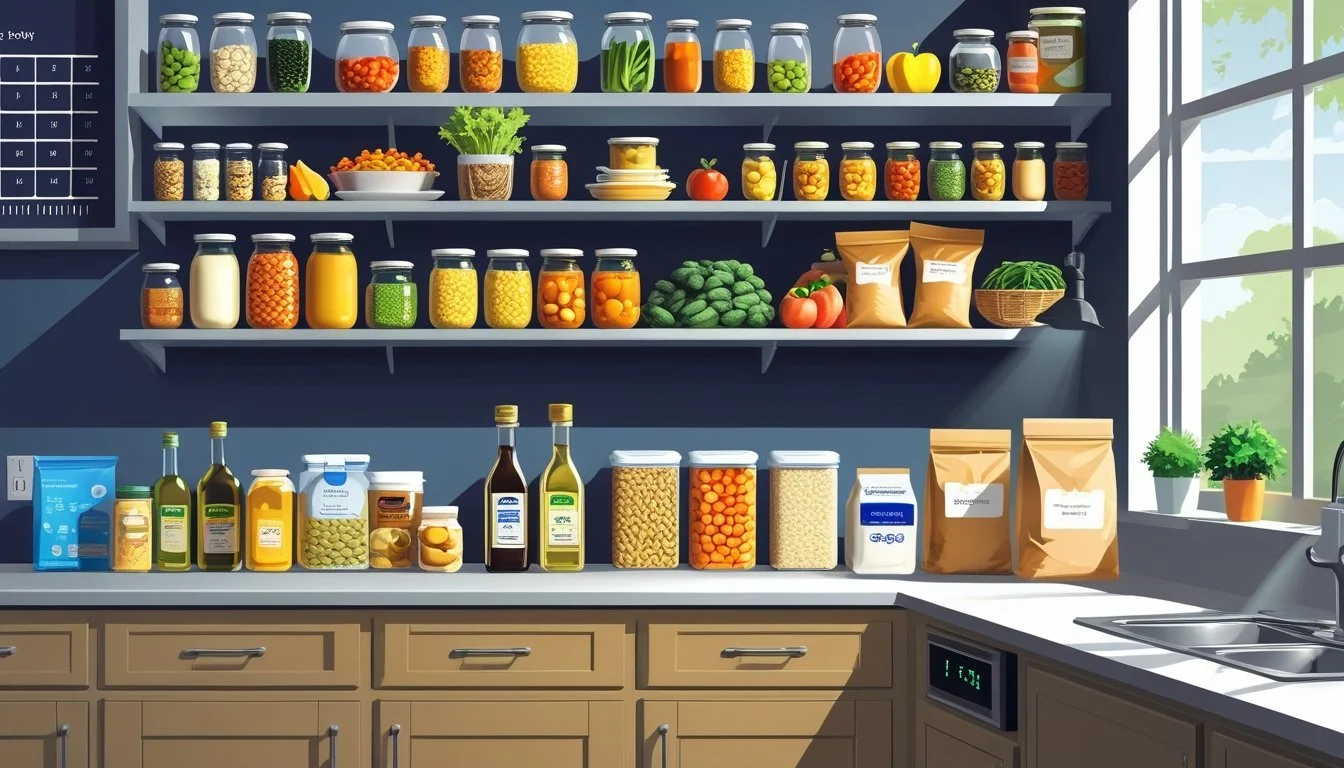
During power outages, foods that do not require refrigeration are the safest and most practical choices. Many staple items remain safe and edible at room temperature, allowing households to maintain their nutrition and energy needs without relying on electricity.
Canned Goods and Dried Foods
Canned goods, such as canned fruit, vegetables, beans, and meats, are designed to last for extended periods without refrigeration. Once opened, most should be consumed promptly or kept in a cool place. Cans should be inspected for damage or swelling before use.
Dried foods—like dried fruit, nuts, grains, and pasta—are also safe at room temperature. These items have low moisture content, which prevents bacteria and mold from growing. Keeping them in airtight containers helps preserve freshness and flavor.
Packing a pantry with a mix of canned fruits, vegetable juice, fruit juices, dried fruits, and shelf-stable proteins provides a varied and sustaining diet during emergencies. See the table below for common options:
Type Examples Storage Life Canned Goods Beans, fruit, meats, veggies 1-5 years Dried Foods Fruit, pasta, rice, nuts 6-12 months+
Breads, Grains, and Baked Goods
Bread, muffins, cakes, and pies do not require refrigeration for short periods (typically up to several days, depending on humidity and ingredients). Whole grain breads and crackers offer long-lasting carbohydrates, while tortillas and pita breads are less perishable than soft sandwich loaves.
Dry grains such as rice, oats, and quinoa are excellent staples. They can be cooked with any available heat source, including portable camp stoves. Breakfast cereals can be eaten dry or with shelf-stable milk alternatives like soy milk.
In power outages, it's best to avoid baked goods with perishable fillings or frostings, as these can spoil quickly. Storing items in sealed bags or containers slows down staleness and helps prevent mold growth.
Condiments and Spreads
Many condiments and spreads remain safe without refrigeration, especially those high in sugar, salt, or acidity. Shelf-stable options include peanut butter, most jams and jellies, honey, mustard, pickles, olives, hoisin sauce, taco sauce, and vinegar-based dressings.
Spreads like peanut butter and some nut butters can provide protein and fat without needing refrigeration.
Herbs and spices, kept in airtight containers, don’t spoil and add flavor to simple meals. Opened sauces with vinegar or soy sauce bases typically stay usable at room temperature if tightly sealed.
It's important to check product labels for specific storage guidance, as some condiments may require refrigeration after opening while others do not.
Safety Tips for Managing Food During Power Outages
Power outages can rapidly compromise the safety of perishable foods in your refrigerator and freezer. Taking the right steps with storage, checking food safety, handling practices, and illness prevention helps reduce health risks.
Using Ice, Coolers, and Dry Ice Effectively
During a power outage, keeping refrigerator and freezer doors closed is the best initial move. Refrigerators maintain safe temperatures (40°F or lower) for about 4 hours without power. After that, it's essential to use ice, dry ice, or coolers if the outage continues.
Coolers should be stocked with plenty of ice or frozen gel packs. Arrange perishable food, like meat, poultry, and salads, at the bottom where it’s coldest. Dry ice is a useful option for keeping food frozen longer, but it should be handled with gloves and not placed directly on food.
A helpful table:
Ice Type Use Duration Safety Tip Regular Ice 1-2 days in cooler Keep food temperature at 40°F or less Dry Ice 24-48 hours in freezer Do not touch with bare hands
Consider grouping foods together to help items stay colder longer. Always keep an appliance thermometer in each cooler.
How to Check if Food is Safe to Eat
Assessing the safety of food after an outage requires attention to time and temperature. Perishable foods left above 40°F for more than 2 hours are risky.
Use an appliance thermometer to check the temperature of your fridge and freezer. If the fridge is above 40°F for over 4 hours, discard perishable items like eggs, cooked leftovers, fish, and dairy. If you are unsure, “when in doubt, throw it out” is a safe rule.
Check the appearance and smell of food, but do not rely solely on them. Food may look or smell normal but still harbor harmful bacteria.
Unsafe foods after 4+ hours above 40°F:
Cooked meats
Cut fruits
Dairy products
Prepared salads
Frozen food that still has ice crystals or is at 40°F or below can be refrozen or cooked safely.
Cleaning and Handling Food After Extended Outages
Once power is restored, cleaning is crucial. Discard any spoiled food and anything with an unusual odor, color, or texture. Containers that held spoiled or partially thawed food should be washed with hot, soapy water, then sanitized.
Wipe down all refrigerator, freezer, and cooler surfaces, including seals where bacteria can collect. Use a disinfectant following manufacturer instructions.
Wash hands thoroughly before and after handling food. Avoid cross-contamination by using separate utensils and cutting boards for raw and ready-to-eat items.
Cleaning up promptly helps prevent the spread of harmful microorganisms onto safe food. It also protects other household surfaces from contamination.
Preventing Foodborne Illnesses
Power outages increase the risk of foodborne illness due to spoiled perishable foods. Discard any food that has been at unsafe temperatures. The CDC and Foodsafety.gov recommend never tasting food to check for safety.
When preparing food after an outage, cook items to recommended internal temperatures using a food thermometer. Always wash hands, containers, and surfaces before and after handling any food.
Avoid using questionable items in salads or uncooked dishes. Do not refreeze thawed food that has exceeded safe temperatures.
Stay alert for symptoms of foodborne illness, such as nausea, vomiting, or diarrhea, and seek medical advice if needed. Using these food safety steps can reduce risk and help manage food during unpredictable power failures.
Special Considerations for Vulnerable Groups
During a power outage, individuals such as infants and those with weakened immune systems face greater risk from spoiled or unsafe food. Strict attention to food handling and storage is essential to reduce health risks in these populations.
Infants and Baby Formula
Infants are highly susceptible to foodborne illness, so extra caution must be taken with baby formula and breast milk. Prepared infant formula should be discarded if left at room temperature for more than 2 hours. If refrigeration is unavailable for more than 4 hours, unused formula must be thrown away.
Pre-mixed liquid formula is more stable than powder mixed with water, but it should still be stored in a cool place or on ice if possible. Ready-to-feed single-serving containers eliminate the need for refrigeration before opening and are preferable during outages.
Breast milk can only be kept for up to 4 hours at room temperature. If stored in a cooler, it needs to be surrounded by ice. Always use clean water to prepare powdered formula, and avoid using tap water if safety is in doubt.
Immune-Compromised Individuals
People with compromised immune systems—including the elderly, those undergoing chemotherapy, or living with chronic illnesses—must avoid foods that may have been exposed to unsafe temperatures. Even brief periods above 40°F (4°C) can allow bacteria to multiply in perishable food.
Discard any food in the refrigerator that has been above 40°F for more than 4 hours, including leftovers, dairy, eggs, and cooked meats. When in doubt, throw it out to prevent illness.
Use foods that are shelf-stable and do not require refrigeration, such as canned vegetables, dry cereals, and shelf-stable milk. Always check product labels and packaging for damage or swelling before use, as this may indicate spoilage.
Restocking and Recovery After an Outage
Once power is restored, families face important decisions about what foods to keep, what to toss, and how to clean and restock kitchen spaces. Careful assessment and cleaning help ensure food safety and prevent illness.
How to Assess and Discard Spoiled Food
Food in the refrigerator is generally safe for up to 4 hours during a power outage if the door remained closed. For freezers, a full freezer will usually keep food safe for about 48 hours, or 24 hours if half full.
Check the internal temperature of perishable items—if they have been above 40°F (4°C) for 2 hours or more, discard them. Look for signs of spoilage, such as unusual odors, colors, or textures.
Use this simple table for items to discard if kept above 40°F for more than 2 hours:
Food Type Safe? Action Milk, soft cheeses No Discard Cooked meat, poultry No Discard Hard cheeses Usually, if unopened Keep Fruits, vegetables If cut/peeled, discard Discard Ice cream No Discard
Throw away any food with doubt about its safety. Never taste food to check for spoilage.
Sanitizing Appliances and Storage Spaces
Once spoiled food has been removed, it's important to clean and sanitize both the refrigerator and freezer before restocking. Wipe down all interior surfaces with hot, soapy water first.
Prepare a sanitizing solution with 1 tablespoon of unscented liquid bleach in 1 gallon of water. Apply this to shelves, walls, and bins, letting it air dry or remaining wet for at least two minutes.
Remove drawers and shelves for separate cleaning if possible. Wash reusable containers, trays, and bins with hot water and soap. Allow everything to completely dry before use to reduce the chance of mold or cross-contamination.
Restocking Perishables and Shelf-Stable Foods
When restocking, prioritize purchasing perishable foods in smaller amounts to reduce future losses in case of another outage. Start with basics like milk, eggs, cheese, and fresh produce. Restock meats and frozen items last to minimize the time they spend at room temperature.
Check expiration dates on shelf-stable foods before returning them to cleaned pantries. Rotate supplies, placing newer items at the back and older products in front for first use.
Restore ice packs and bottled water to the freezer for emergency preparedness. Maintain an updated inventory of perishable and shelf-stable foods to track what is available and needed.
Preventive Strategies for Future Power Outages
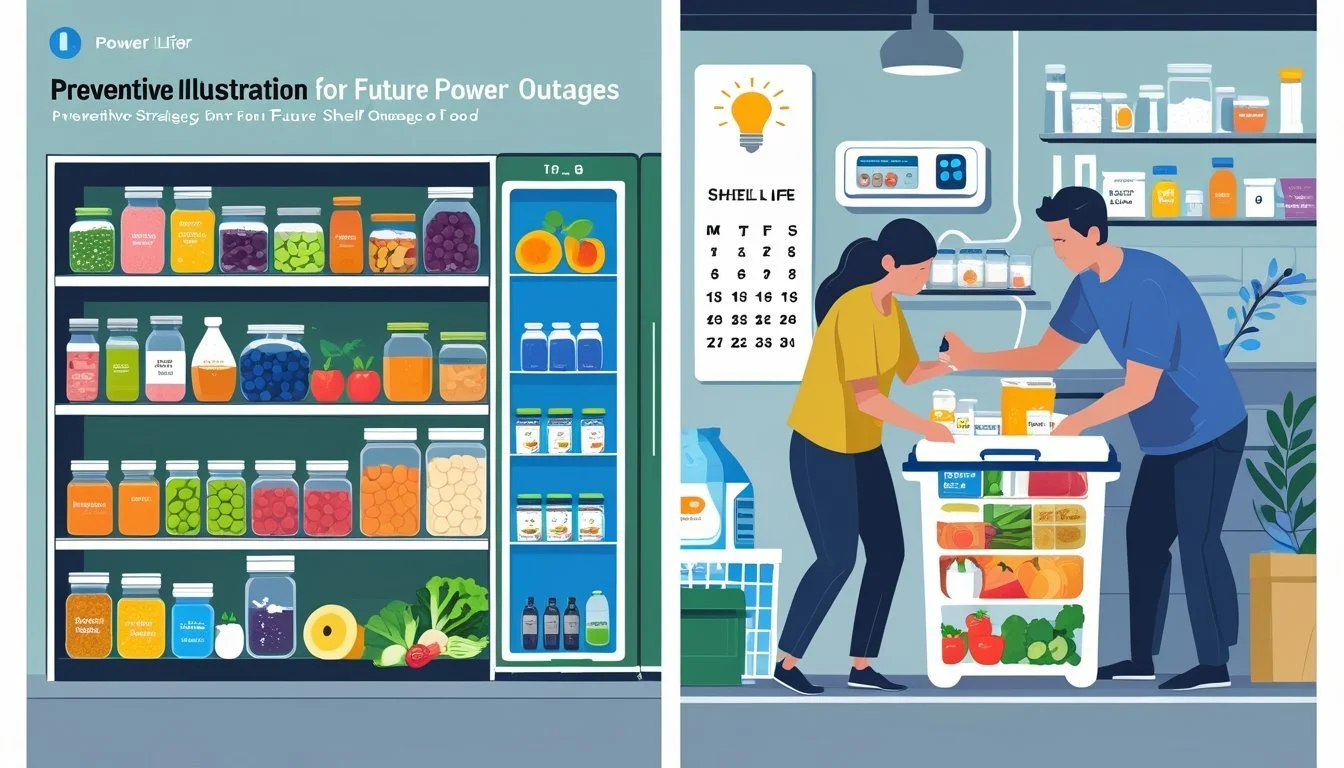
Preparing for power outages requires proactive food storage, reliable backup equipment, and a clear emergency plan to minimize food loss and health risks. Essential tools and methods can keep food safe longer and support smarter decision-making during unexpected outages.
Improving Food Storage Practices
Proper food storage starts with knowing optimal temperatures. Refrigerators should be set at or below 40°F (4°C), while freezers should be at 0°F (-18°C) or lower. Appliance thermometers provide a reliable way to monitor internal temperatures even when power is out.
Organizing food helps prioritize what to use first. Place perishable items like dairy, eggs, and meats in the coldest sections and move them to a freezer if an outage is expected. Store ready-to-eat, shelf-stable items (such as canned or dried food) for emergency use.
Block ice and frozen gel packs are effective for extending cooling times in both refrigerators and coolers. Keeping a supply of these items in the freezer ensures quick access. Limit opening refrigerator and freezer doors to retain cold air—each opening reduces the time food stays safe.
Investing in Back-Up Solutions
Backup solutions like portable generators or battery-powered coolers can be critical during extended outages. These alternatives keep refrigerators and freezers running, preserving food longer and reducing waste.
Freezers that are packed tightly stay cold longer. If space allows, add containers of water to fill gaps—once frozen, they act as additional cold sources. Some households keep a supply of block ice or frozen gel packs specifically for emergencies.
A chart outlining backup options:
Solution Benefit Consideration Portable generator Powers large appliances Requires safe operation, fuel Battery-powered cooler Keeps items cold for hours Limited capacity, recharge need Extra ice packs/blocks Extends internal cold time Needs freezer space ahead of time Regularly maintain backup devices and check manufacturer guidance to ensure reliability when needed.
Developing a Food Safety Emergency Plan
Having a food safety emergency plan helps reduce panic and prevent waste. A plan should include a current list of foods stored, backup supplies, and instructions on what to discard after outages, especially if foods have been above 40°F for more than four hours.
Simple checklists make it easier to verify which foods remain safe after a power loss. Include emergency contacts for local utilities and food safety authorities for up-to-date guidance.
Store instructions for using appliance thermometers and safe handling practices in an accessible place. Teach household members how to recognize signs of spoilage and respond appropriately to prolonged refrigeration outages. Regular practice and review can help ensure the plan is effective in a real outage.

