
The Impact of Light Exposure on Food Stability
Key Factors Affecting Shelf Life and Quality
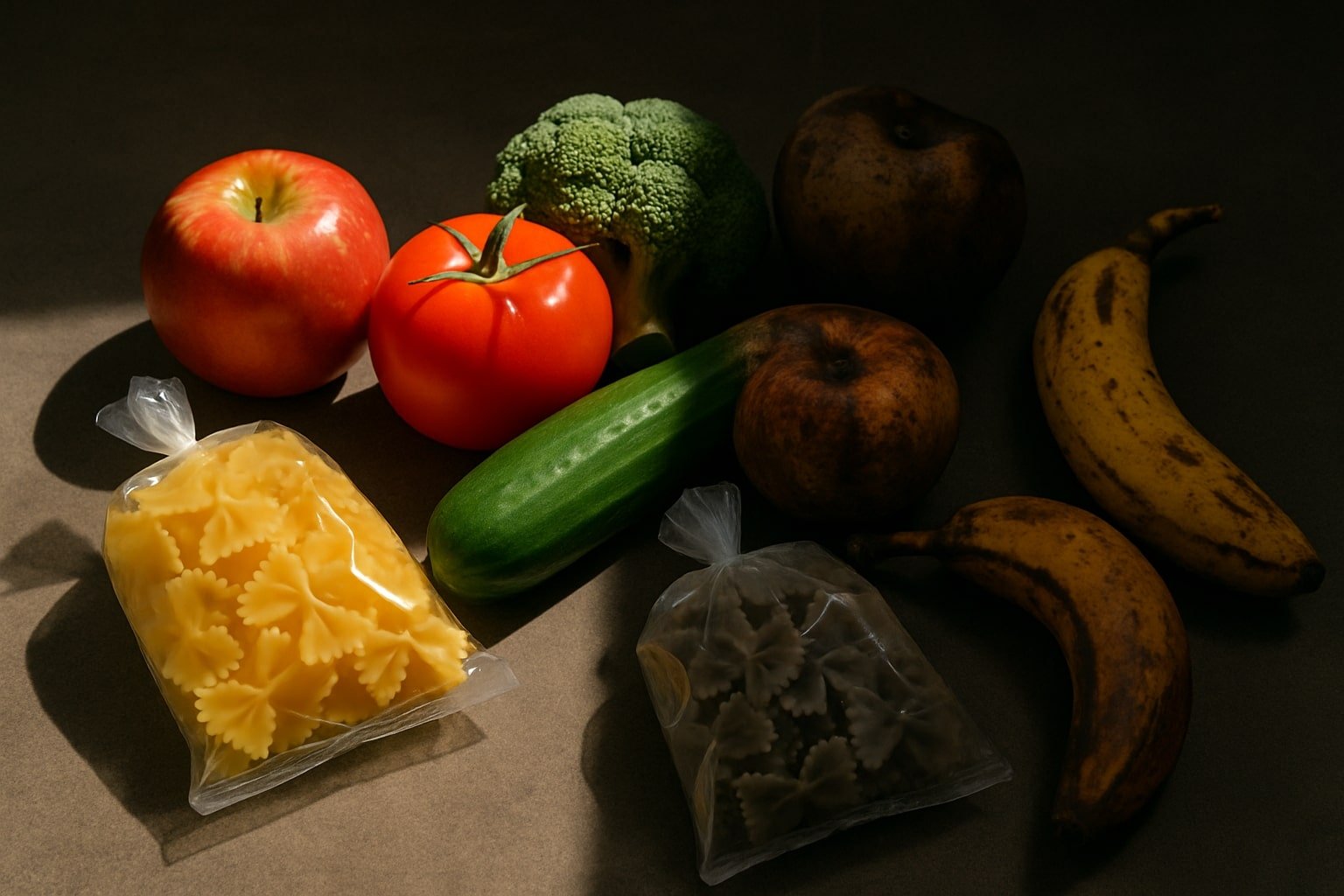
Light exposure is a major factor that influences how long foods stay fresh and safe to eat. When foods are exposed to light—especially ultraviolet and visible light—they are more likely to undergo oxidation, vitamin loss, flavor changes, and color deterioration. Common issues include the breakdown of fats and oils, loss of vitamins like A, B, and C, and discoloration of pigments such as myoglobin in meats.
These changes do not just affect the nutritional value but also impact the taste, appearance, and overall quality of food products. Understanding how light interacts with food can help consumers and industry professionals make better decisions about storage, packaging, and shelf life, ultimately reducing waste and maintaining food quality.
Understanding Light Exposure and Food Stability
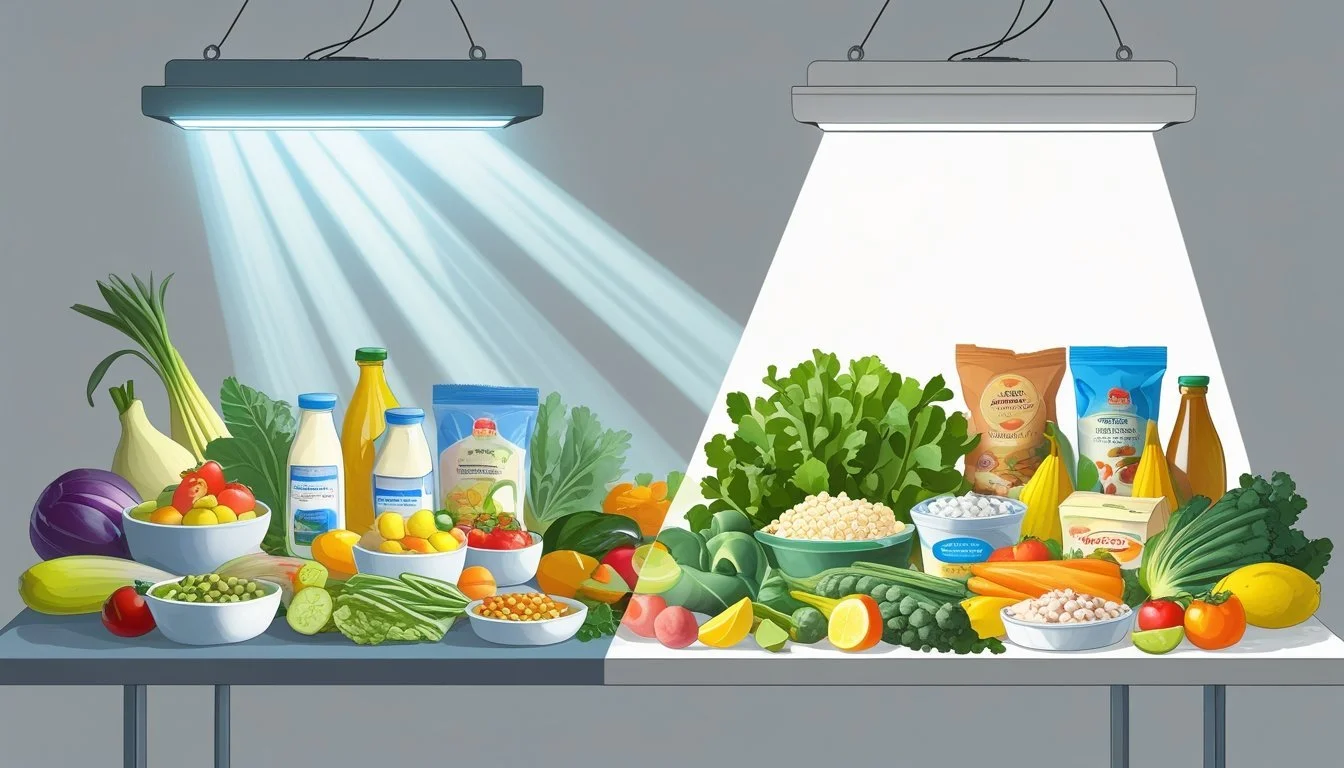
Light exposure plays a major role in how food quality changes over time. Different types of light and energy can alter nutrients, flavors, and even safety, depending on the nature of the food and the environment in which it is stored.
Types of Light and Their Interactions with Food
Light falls within different regions of the electromagnetic spectrum. Foods are most affected by ultraviolet (UV), visible, and sometimes infrared (IR) light.
Ultraviolet (UV) light: Causes the most rapid degradation in many foods, particularly by initiating chemical reactions that destroy sensitive vitamins and fats.
Visible light: Still impacts food stability, though the effects are usually slower than with UV. Light in this range can contribute to color and flavor changes in dairy, oils, and packaged goods.
Infrared (IR) light: Raises temperature and can speed up spoilage, though it is less commonly an issue outside of direct sunlight or heat lamps.
The type of packaging used can influence how much and which types of light reach the food. Opaque and colored materials often offer better protection versus clear or translucent packaging.
Electromagnetic Radiation and Light Energy
Electromagnetic radiation describes the transfer of energy by waves, including light. When food is exposed to these wavelengths, energy is absorbed by molecules inside the food, causing reactions.
UV light contains higher energy and can break chemical bonds, especially in vitamins, pigments, and unsaturated fats.
Visible light has less energy but can still trigger oxidation and other breakdown processes with long-term exposure.
Light energy is measured in terms of wavelength and intensity. Shorter wavelengths like UV have more energy and cause more potential harm, while longer wavelengths have less impact on most foods.
Key Terminology: Photodegradation, Photooxidation, and Photostability
Photodegradation refers to the breakdown of food molecules when exposed to light, often leading to loss of nutrients, off-flavors, and color changes.
Photooxidation is a specific process where light exposure starts oxidation, particularly of fats and oils. This process is a leading cause of rancidity and flavor deterioration in products like dairy and nuts.
Photostability is the ability of a food or nutrient to resist these light-induced changes. Products with high photostability, such as some dried grains, retain quality longer even under light. Packaging and additives are sometimes used to improve photostability and protect sensitive components.
Mechanisms of Light-Induced Food Degradation

Light exposure affects food stability through specific chemical changes that harm flavor, color, and nutritional value. These changes are often driven by oxidation reactions and are influenced by storage duration, packaging, and wavelength of light.
Oxidation and Chemical Reactions
Foods exposed to light may undergo photo-oxidation—a process that starts when light energy interacts with photosensitizers present in the food. Ultraviolet (UV) and blue/green visible light are especially reactive, causing singlet oxygen and free radical production.
These highly reactive species attack food molecules, damaging proteins, vitamins, and other sensitive components. The resulting degradation lowers nutritional value and promotes the formation of off-odors and flavors.
The speed and extent of these reactions depend on light intensity, exposure time, and the type of food. Packaging that blocks or filters light significantly slows such damage.
Lipid Oxidation and Peroxidation
Lipid oxidation is a major concern for foods with high fat content. When exposed to light, especially in the presence of oxygen, unsaturated fatty acids in foods are prone to peroxidation. This is often measured by thiobarbituric acid reactive substances (TBARS), which increase as oxidation progresses.
Key consequences of lipid peroxidation include:
Rancid or stale flavors
Reduced shelf life
Loss of nutritional quality
The rate of lipid oxidation rises with prolonged storage and higher temperatures, but even at low temperatures, light accelerates the process without adequate packaging. Oils, dairy products, and meats are particularly susceptible and often show perceptible changes after only a few days of direct light exposure.
Discoloration and Color Changes
Light exposure can cause unwanted discoloration in many foods, affecting both natural and added pigments. Chlorophyll, carotenoids, and anthocyanins can fade, leading to visual quality loss in vegetables, fruits, and beverages.
Color changes often signal chemical changes related to oxidation and nutrient breakdown. For example:
Milk stored in clear containers under light becomes yellow due to riboflavin and chlorophyll breakdown
Red meats lose their bright color as myoglobin is oxidized
Consumers often use color to judge freshness, so even minor alterations can impact acceptance. Light-protective packaging is a key method to preserve color and appearance over storage duration.
Impact of Light on Nutritional and Sensory Quality
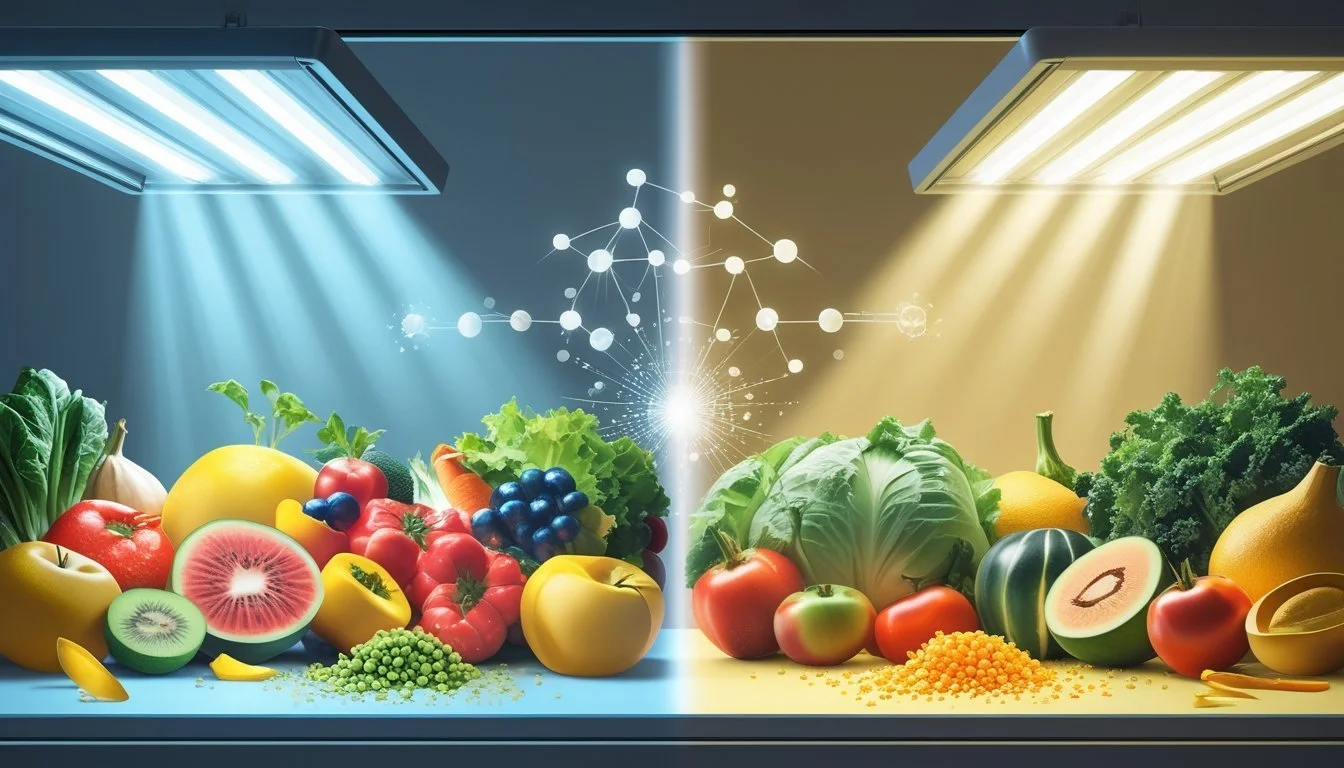
Exposure to light can have significant effects on food, reducing essential nutrients and changing its taste and smell. Both visible and ultraviolet light influence how food looks, tastes, and nourishes the body.
Nutrient Loss and Degradation
Light exposure accelerates the degradation of sensitive nutrients, with vitamin C, vitamin A, and vitamin D being especially vulnerable. Ultraviolet and fluorescent light can break down these vitamins and diminish the overall nutritional value of foods such as milk, juices, and oils.
Bioactive compounds like carotenoids and flavonoids, important for health benefits, also degrade when exposed to light. The loss of these nutrients may not be visible but can lead to a reduction in the food’s health-promoting properties. Food packaging often uses light-blocking materials to help limit these effects and preserve nutrients.
Nutrient Effect of Light Exposure Vitamin C Rapid degradation Vitamin A Loss in potency Vitamin D Decreases in fortified foods Carotenoids Fading and loss of antioxidant role Flavonoids Breakdown and reduced efficacy
Changes in Flavors and Off Odors
Light can cause chemical reactions in fats and proteins, leading to the development of off odors and undesirable flavors. For example, dairy products like milk and cheese may develop a “sunlight flavor,” described as stale or burnt, when exposed to fluorescent lighting during storage or display.
Lipids undergo oxidation under light, which produces rancid notes and reduces palatability. Meat and fish are particularly susceptible to this process. Preventing light exposure in store shelves and packaging is essential for retaining the desired sensory quality and consumer acceptance.
Bioavailability and Health Benefits
Degradation of vitamins and bioactive compounds by light can decrease their bioavailability, meaning the body absorbs less of these substances. For instance, the breakdown of vitamin D in milk or the loss of carotenoids in vegetables directly affects their ability to support normal physiological functions.
Reduced nutrient levels translate to a diminished capacity to provide specific health benefits such as supporting immune function or preventing deficiencies. Accounting for light exposure during processing, storage, and packaging is important to preserve these qualities and maximize the nutritional value of foods.
Light-Induced Changes in Food Appearance and Freshness
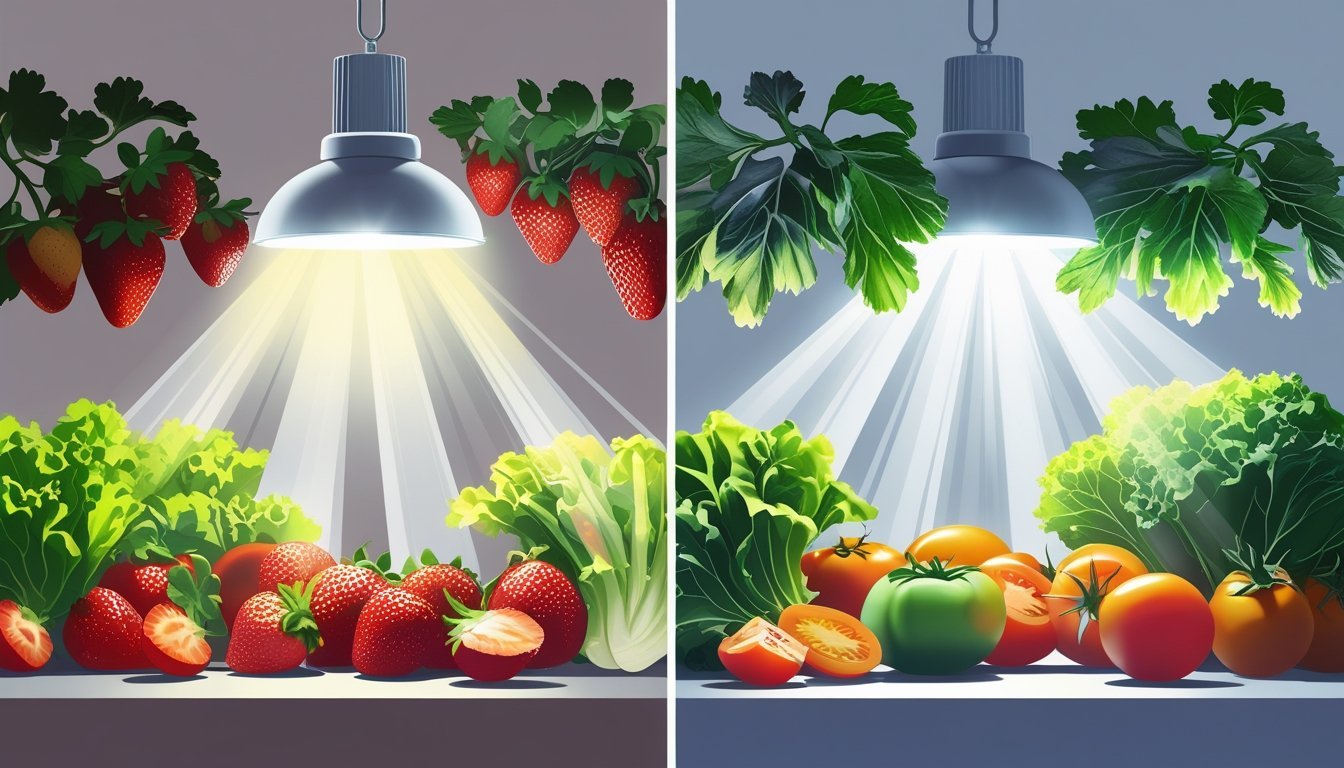
Light exposure alters key aspects of food quality by affecting visible characteristics and accelerating spoilage. Specific wavelengths, intensity, and duration of light contact play direct roles in these processes.
Food Discoloration and Visual Clarity
Exposure to light often leads to rapid color changes in many foods. Chlorophyll in green vegetables fades, causing a dull or bleached appearance. Meat may turn brown or gray as pigments break down. Milk’s riboflavin can degrade, contributing to a faded or unnatural hue.
Changes in visual clarity are also common. Some packaged foods may appear cloudy due to pigment breakdown or oxidation. Oils and beverages develop off-colors when carotenoids and vitamins are altered by light. These visual cues can signal quality loss even before flavor changes are detected.
Consumers frequently judge freshness and edibility based on appearance. Discoloration and loss of clarity may lower consumer confidence and affect purchasing decisions, especially for products displayed under retail lighting.
Impact on Freshness and Shelf Life
Light exposure can speed up staling, nutrient loss, and oxidation. Vitamin C, riboflavin, and carotenoids degrade more quickly under light, resulting in reduced nutritional value. Fats and oils are also sensitive; oxidation leads to rancidity and unpleasant odors.
Fruit and vegetable shelf life is shortened when light accelerates water loss and pigment destruction. In meats, exposure increases oxidation, resulting in off-flavors, discoloration, and a decline in overall freshness. Retail products under intense lighting often have a noticeably shorter shelf life.
Unprotected display or storage in clear packaging subjects foods to these rapid changes. Using opaque or UV-blocking packaging is a common measure to extend shelf life and maintain freshness.
Vulnerability of Specific Foods to Light Exposure
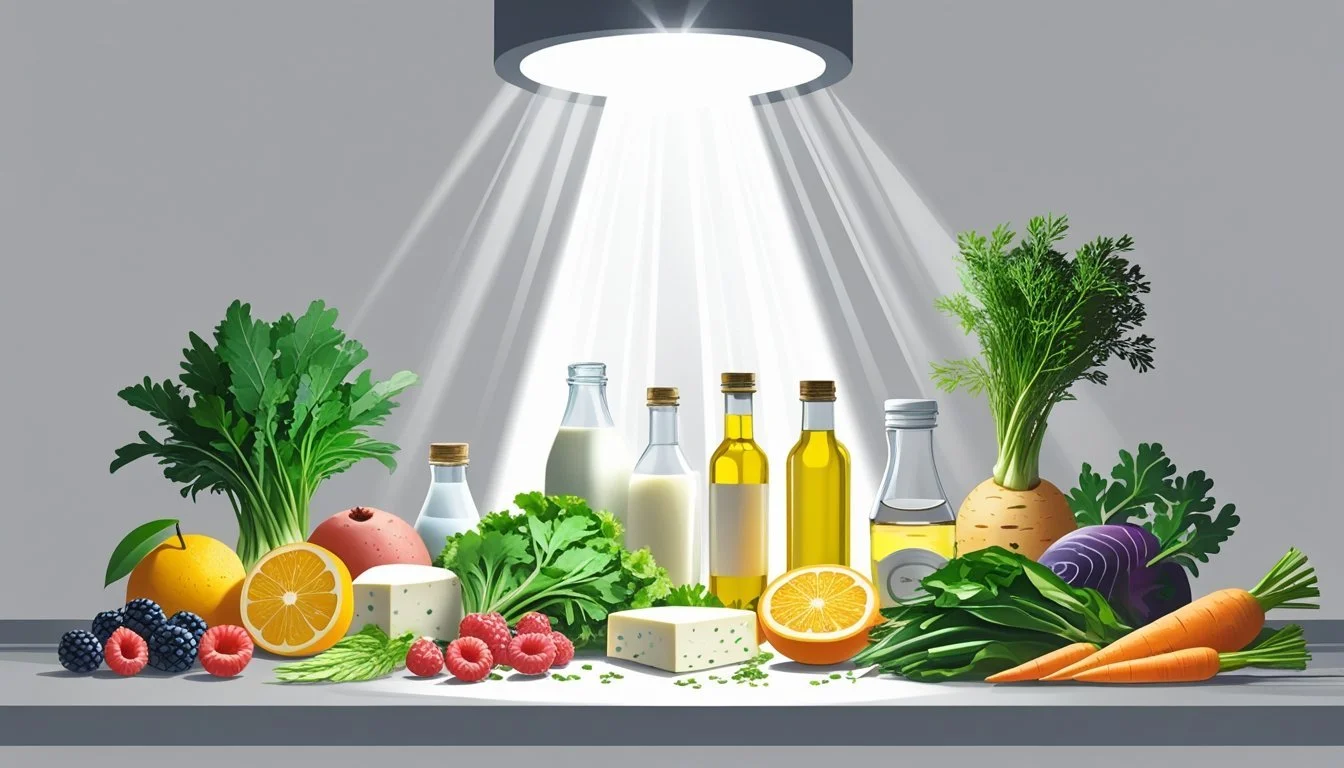
Light can trigger nutrient loss, color changes, and off-flavors in foods. Susceptibility varies by food type, depending on the chemical makeup and specific compounds present.
Dairy Products and Riboflavin Sensitivity
Dairy products, especially milk, are highly sensitive to light because of the presence of riboflavin (vitamin B2). When exposed to light, riboflavin degrades quickly, resulting in the breakdown of other important nutrients, such as vitamins A and D.
This reaction can also produce unpleasant flavors and odors in milk and other dairy goods. Clear or translucent packaging accelerates these effects under store lighting or sunlight.
A summary of light-related effects on dairy products:
Compound Key Impact Common Result Riboflavin Rapid degradation Nutrient losses Vitamins A/D Secondary breakdown Nutrient losses Proteins Photo-oxidation Off-flavors
Using opaque packaging is one method to reduce quality loss in dairy foods.
Fruits, Vegetables, and Pigment Stability
Fruits and vegetables contain several pigments—such as chlorophyll, anthocyanins, and carotenoids—that are sensitive to light. When exposed to either visible or ultraviolet light, these pigments can degrade, leading to fading colors and reduced visual appeal.
Carotenoids, found in carrots and tomatoes, lose intensity, while anthocyanins in berries and red cabbage can break down and cause browning. Chlorophyll, the green pigment, undergoes photodegradation, often resulting in yellowing or loss of freshness.
Table summarizing pigment changes:
Pigment Food Example Effect of Light Exposure Chlorophyll Spinach, lettuce Yellowing, fading Anthocyanins Berries Browning, color loss Carotenoids Carrots, tomatoes Dulling of orange/red color
Low-light storage can help preserve both nutrient content and appearance.
Polyunsaturated Fatty Acids and Lipid-Rich Foods
Foods rich in polyunsaturated fatty acids (PUFAs), such as fish, nuts, and certain oils, are particularly prone to light-induced oxidation. Photodegradation of these lipids results in rancidity and off-flavors, as light exposure accelerates the formation of peroxides and other degradation products.
Lipid oxidation not only alters flavor but also destroys essential fatty acids and reduces nutritional value. In addition to oils and fatty fish, products like mayonnaise and salad dressings are at risk when stored in transparent containers.
Key susceptibility factors:
Type of fat: PUFAs are more reactive than saturated fats.
Packaging: Clear glass or plastic speeds up oxidation.
Storage time and environment: Longer exposure and warmer temperatures increase risk.
Using dark bottles or opaque packaging can markedly decrease these negative effects.
Effects of Storage Conditions on Light-Induced Food Stability
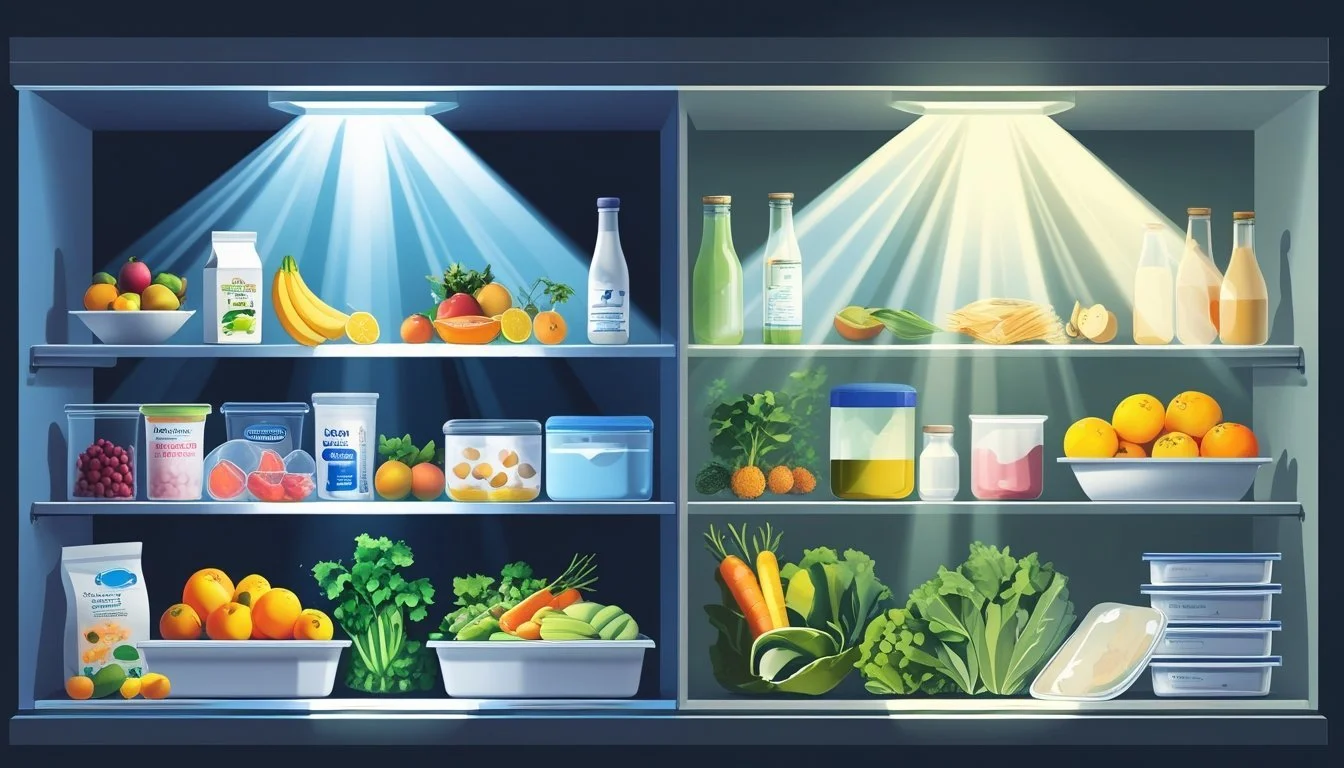
Light exposure often interacts with storage variables, directly affecting food stability and shelf life. Key factors include the temperature of storage, the length of storage time, and environmental parameters like humidity and oxygen levels.
Temperature and Storage Duration
Temperature plays a significant role in how food reacts to light exposure. Higher storage temperatures combined with light speed up oxidation and deterioration processes, especially for nutrient-rich or highly perishable foods.
Cooked meats, like ham, show faster discoloration and protein degradation when kept under light at room temperature compared to cold storage. Short-term storage under proper refrigeration can slow the impact, but extended durations, even at low temperatures, still lead to some quality loss if light exposure persists.
Table: Effect of storage temperature on light-induced changes
Temperature Duration Main Effect Low (0–4°C) Short Slow color and nutrient loss Low (0–4°C) Long Gradual but persistent degradation Room (20–25°C) Short/Long Rapid oxidative and quality loss
Storage Time and Environmental Factors
The length of storage and the environment together influence how much light degrades food. Longer storage times increase exposure risk, especially in conditions with high humidity or fluctuating oxygen.
Foods left in retail or home lighting for several days can experience significant changes in taste, color, and nutrient content. Packaging can lessen some damage, but transparent or poorly-barrier materials allow more light in, worsening the effects over time.
Factors such as humidity and oxygen, when uncontrolled, accelerate reactions triggered by light. For sensitive foods, limiting both light exposure and storage duration is essential to maintain stability and freshness.
Role of Packaging in Protecting Food from Light
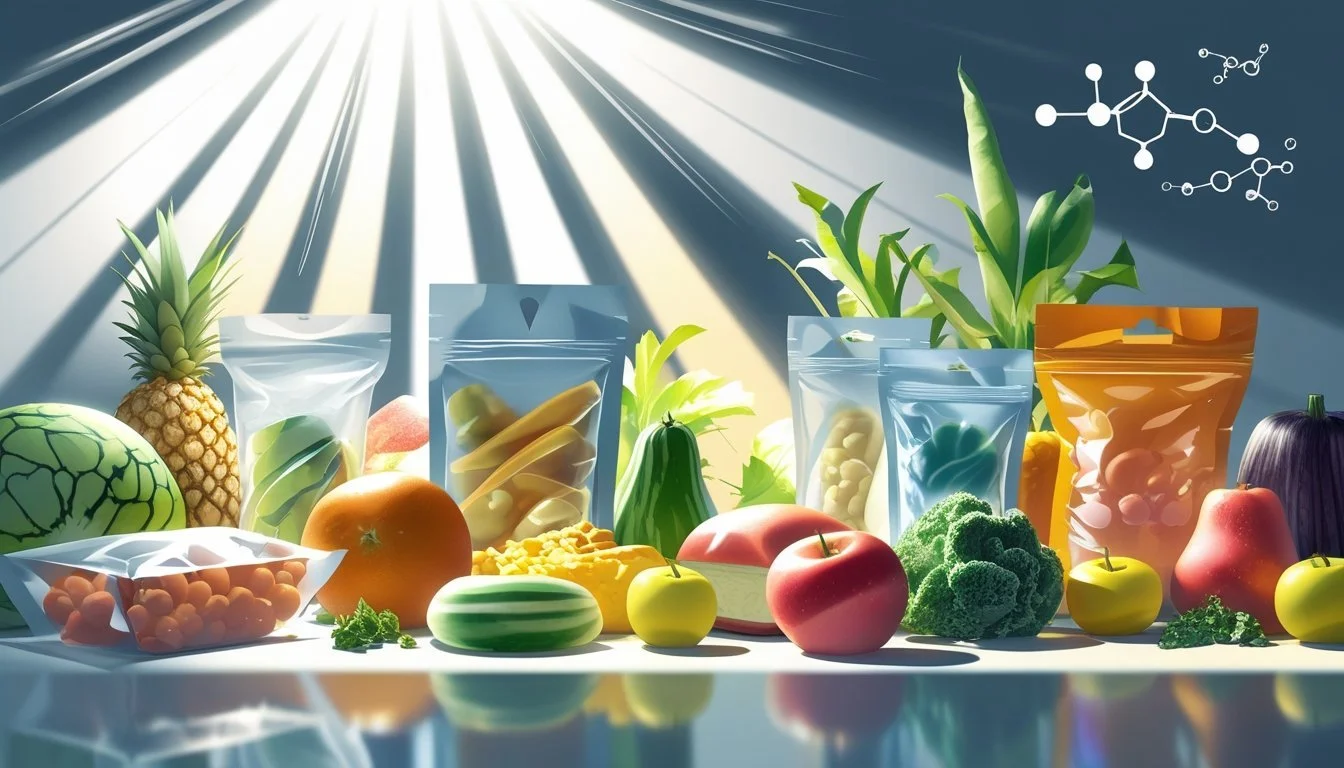
Packaging shields food from harmful light, preserving nutrients, color, and sensory qualities. The materials chosen and the packaging methods used directly influence the extent of protection offered.
Packaging Materials and Light Transmission
Food packaging materials vary widely in their ability to block or transmit light. Opaque materials like metal cans, multi-layer laminates, and paperboard offer complete light protection, making them effective for products sensitive to both UV and visible light.
Plastic and glass packaging is often clear or translucent, increasing the risk of light-induced degradation. However, manufacturers can add light-blocking additives or apply coatings that absorb or reflect ultraviolet rays in the 200-400 nm range, helping to reduce nutrient loss and oxidation.
The degree of protection depends on material thickness, color, and additives used. For example, amber-colored glass blocks more UV light than clear glass. Food products prone to color loss, vitamin breakdown, or rancidity benefit from packaging materials specifically engineered for reduced light transmission.
Food Packaging Methods and Innovations
Advances in food packaging include multilayer films, vacuum sealing, and modified atmosphere packaging. These innovations extend shelf life not only by reducing oxygen exposure but also by enhancing barriers against light.
Multilayer laminates combine different materials, such as aluminum foil and plastic, to deliver both strength and substantial light protection. UV-blocking films can now be incorporated into traditional packaging, offering targeted protection for dairy, oils, and beverages susceptible to light damage.
Some packaging methods, such as shrink wraps with UV absorbers and active packaging technologies, actively neutralize photo-oxidation processes. Manufacturers are increasingly selecting packaging methods based on the specific light sensitivity of the food product, striking a balance between protection and cost-efficiency.
Visual Clarity versus Protection
Clear and translucent packaging allows consumers to inspect food before purchase, driving demand for see-through containers in retail. However, this visual appeal often increases the risk of nutrient loss, color fading, and the development of off-flavors due to light exposure.
To address this, producers sometimes use selective barriers—such as tinted containers, partial wraps, or printed labels—that provide partial shielding without fully obscuring the product. Others add UV absorbers or reflective coatings to maintain clarity while reducing harmful light transmission.
Ultimately, choices must weigh consumer preferences for product visibility against the need to maintain food quality. The selection of packaging solutions is guided by the product's sensitivity to light and its intended shelf life, ensuring that safety and quality are not compromised.
Health and Safety Implications of Light-Induced Food Degradation
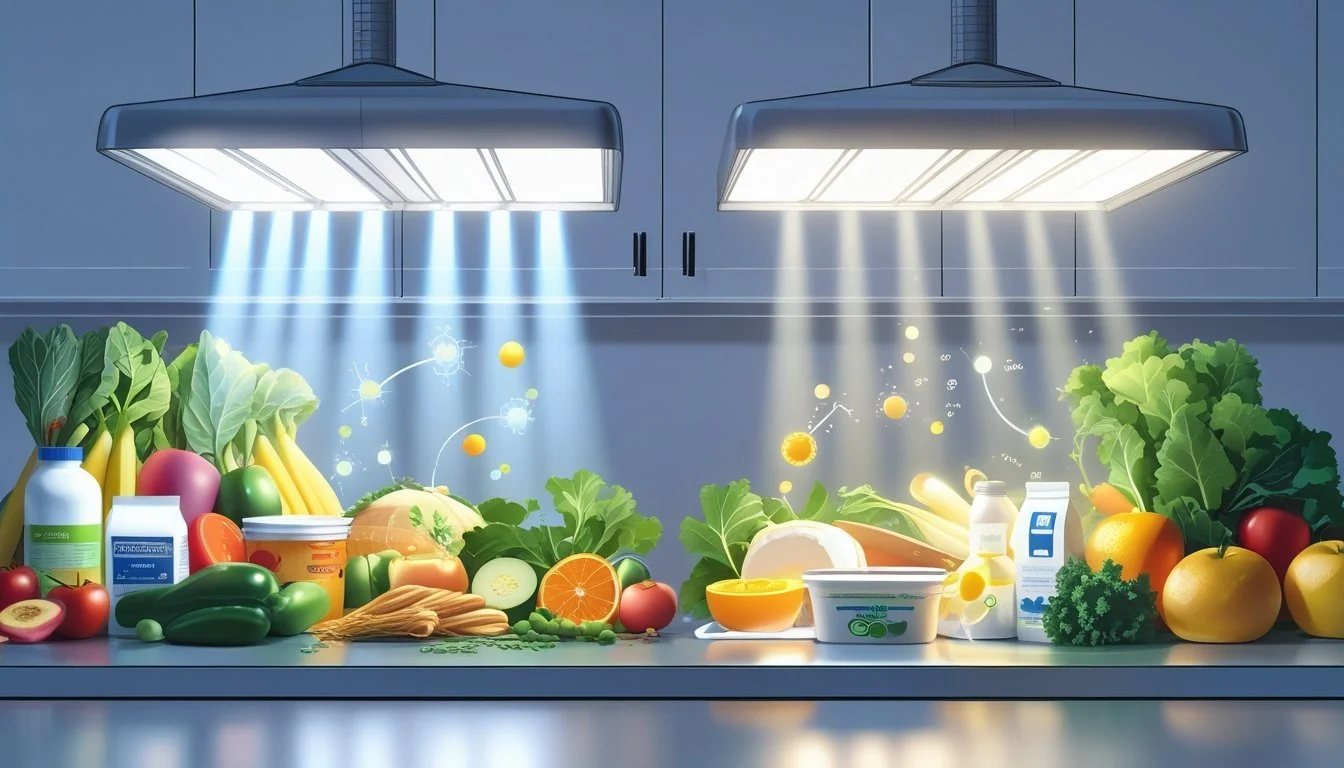
Light exposure can lead to chemical and biological changes in food that compromise its quality. These changes can result in the formation of harmful compounds and increased risks to food safety.
Formation of Toxic Substances
When food is exposed to light, especially ultraviolet (UV) and blue-violet wavelengths, specific chemical reactions can take place. These reactions may lead to the breakdown of nutrients like vitamins A and C, and promote oxidation of fats and oils. As a result, toxic substances such as peroxides and aldehydes can form.
Certain packaging materials, such as clear plastics or glass, do not block all damaging wavelengths. This allows harmful reactions to be triggered within the product. For example, milk stored in clear containers can develop off-flavors and potential toxins due to photooxidation.
In some foods, photosensitizers are present that absorb light and further drive these degradation reactions. Common examples include riboflavin in dairy products and chlorophyll in vegetables. The presence of these compounds accelerates the generation of unwanted and sometimes hazardous byproducts.
Microbial Growth and Mold Development
Light, particularly at higher intensities, can indirectly promote microbial growth by raising the surface temperature of the food or degrading its natural preservatives. Over time, this can create an environment where bacteria, yeast, and mold are more likely to thrive.
Foods exposed to prolonged light are also at greater risk of losing their protective barriers, such as packaging integrity. When foods like bread, cheese, or fruits lose moisture or nutrients due to light-driven processes, they become more conducive to mold and bacterial contamination.
An increase in microbial activity not only affects taste and appearance but also poses health risks. Certain molds, like Aspergillus or Penicillium species, can produce mycotoxins that are harmful when ingested.
Impacts on Food Safety
The decline in food safety due to light exposure is a result of both chemical and microbiological hazards. Toxic degradation products and increased microbial load both threaten consumer health.
Unsafe foods may not always show visible signs of spoilage. Some toxins formed by light exposure are odorless and tasteless, making them difficult to detect without proper testing.
Proper food packaging plays a crucial role in mitigating these risks. Opaque or UV-blocking materials help preserve food integrity and limit light-induced hazards. Adopting recommended storage practices can reduce the potential for toxin formation and pathogen growth, supporting safer consumption.
Strategies to Mitigate Light-Induced Deterioration
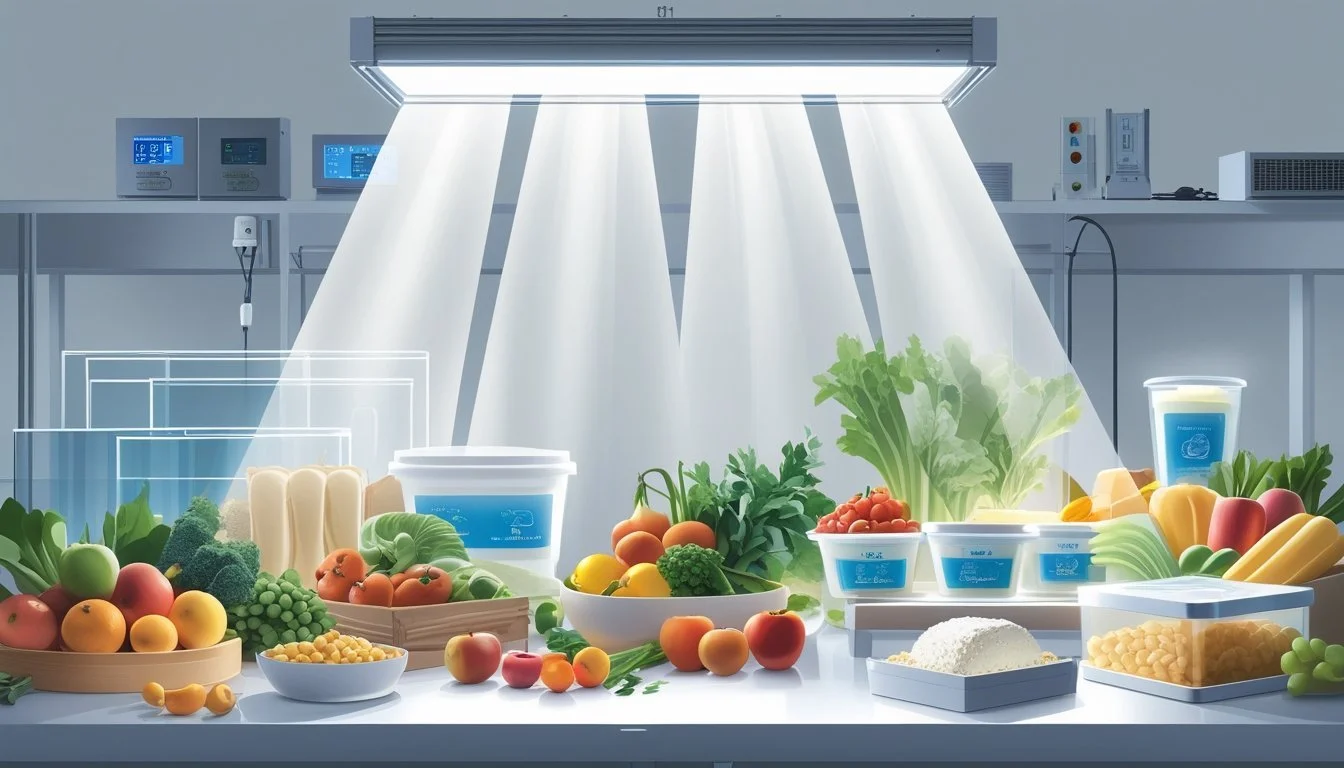
Minimizing food degradation from light exposure requires addressing specific causes such as oxidative reactions, packaging weaknesses, and unmanaged lighting conditions. Effective solutions include chemical, material, and operational strategies tailored to product types and storage environments.
Use of Antioxidants
Antioxidants help limit oxidative changes in foods caused by exposure to light, especially in products containing fats, oils, and vitamins sensitive to photo-oxidation. Common antioxidants include ascorbic acid (vitamin C), tocopherols (vitamin E), and synthetic options like BHA and BHT.
These additives are integrated into formulations during processing. They work by scavenging free radicals formed by light, reducing rancidity, off-flavors, and nutrient loss. Both natural and synthetic antioxidants are used based on regulatory approval and product requirements.
Some antioxidants, such as ascorbic acid, may also help maintain color in light-sensitive foods like dairy or juices. When selecting an antioxidant, manufacturers must consider potential interactions with other ingredients and required dosage for permissible limits.
Optimizing Packaging Design
Food packaging plays a key role in shielding products from light-induced damage. Materials such as opaque plastics, aluminum foil laminates, and tinted glass can block or reduce the passage of ultraviolet and visible light.
A table of common packaging materials and their light-blocking abilities:
Material UV Protection Visible Light Protection Clear PET Low Low Opaque HDPE High High Aluminum Foil Complete Complete Amber Glass High Moderate
Clear packaging is often preferred for marketing, but this choice increases risk of photo-deterioration. Manufacturers must balance visibility and protection by using inner wraps, secondary outer packaging, or light-resistant coatings when possible.
Control of Light Wavelengths and Intensity
Light-induced food spoilage depends heavily on both the intensity and specific wavelengths present. Ultraviolet (UV) and blue light (~400–500 nm) are particularly damaging for sensitive nutrients and pigments.
Storage and display areas often use filtered lighting or UV-blocking films to reduce harmful exposure. Light levels are kept as low as operationally feasible, and products are stored in lightproof containers or turned so labels, not product, face display lights.
Facilities may automate light controls, switching off lights in storage areas when unoccupied. For particularly sensitive products, storage in completely dark environments or under red or amber illumination is common.
Regulations and Industry Best Practices
Regulatory agencies such as the FDA, EFSA, and national food safety organizations have outlined acceptable packaging materials and additives for managed light exposure. Food industry standards, such as ISO guidelines, specify light testing procedures and label requirements for shelf-life claims.
Best practices involve routine light exposure tests, documentation of storage conditions, and validation of packaging performance against specified light spectra. Companies often conduct accelerated shelf-life testing by simulating worst-case lighting scenarios to ensure product stability.
Protocols may also require regular staff training on the importance of minimizing unnecessary light exposure during handling and storage. The use of light-tight storage boxes and adherence to specific display durations is a common industry precaution.

