
Understanding the Science Behind Expiration Dates: How Shelf Life is Determined
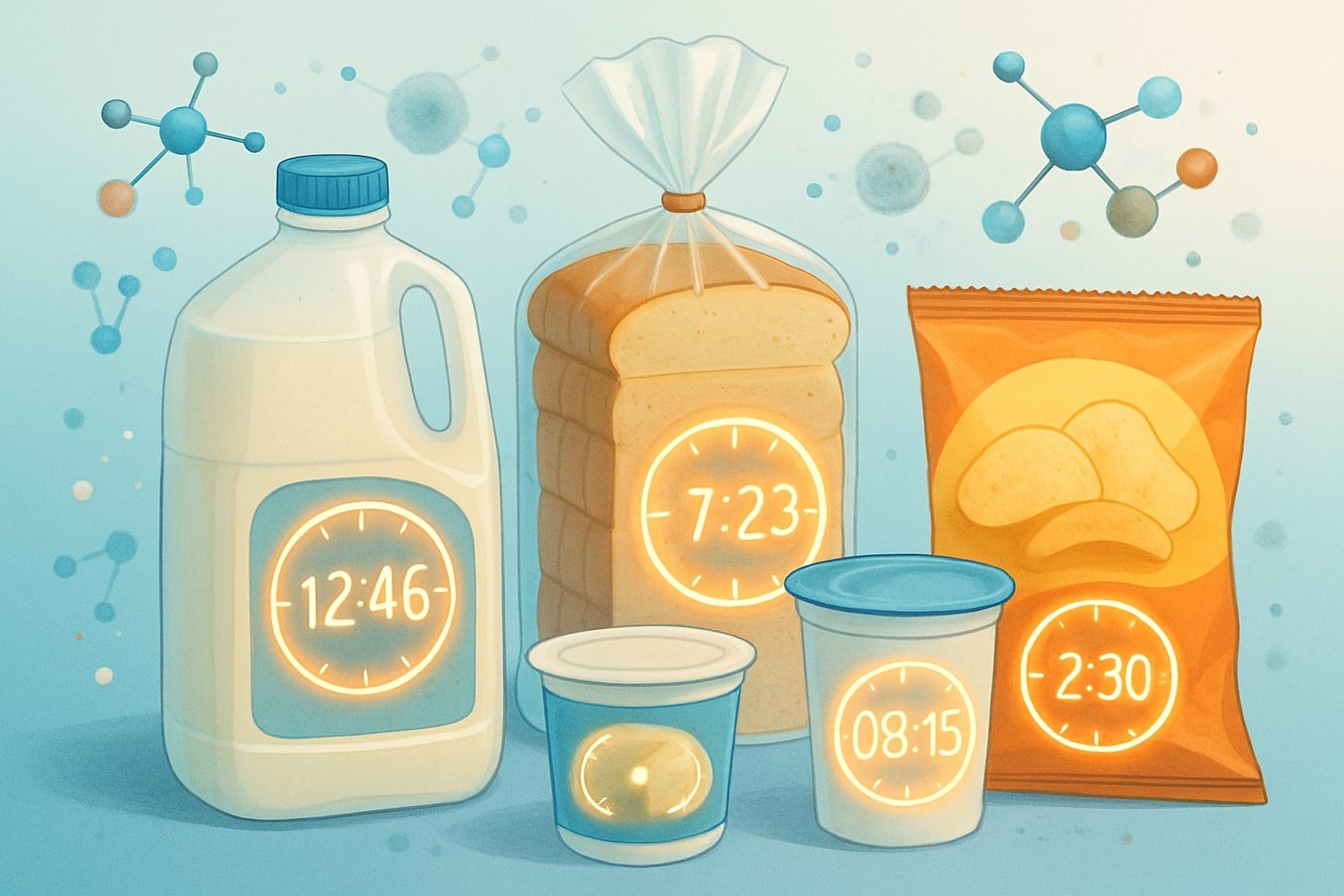
Expiration dates appear on almost every packaged item in the store, but their actual meaning is not always straightforward. Many people wonder if food expiration dates are strict cutoffs or simply guidelines, and how these dates are determined in the first place. Expiration dates are set based on scientific assessments of how long a product can maintain its safety and quality under specific storage conditions.
Understanding expiration dates involves recognizing the role of factors like temperature, light, moisture, packaging, and the natural breakdown processes caused by bacteria and chemical reactions. Manufacturers rely on both laboratory testing and predictive models to evaluate shelf life, considering everything from ingredient stability to how products are handled during transport.
With so much information—and misinformation—circulating about food expiration dates, gaining a clear perspective helps consumers make informed choices and reduce unnecessary food waste. A closer look at the science behind expiration dates reveals why these labels exist and how they truly affect food safety and quality.
What Are Expiration Dates?
Expiration dates are printed on packaged foods and products to indicate specific periods for optimal quality or safety. These dates can have different meanings depending on the terminology used and the regulations that guide food labeling.
Difference Between Expiration, Use-By, Best-Before, and Sell-By Dates
Different terms on packaging signal various guidelines for consumers and retailers. Expiration date ("EXP" or "expiry date") generally marks the last date the manufacturer guarantees product safety. After this date, the food may pose health risks, especially with perishable items like dairy or meat.
Use-by date is often the final recommended day to use the product at peak quality. For some goods, such as infant formula, it can also serve as a safety limit. Best before date (or "best-before") labels indicate when a product will be at its freshest or highest quality. Food past this point is usually still safe to eat, though quality may decline.
Sell-by date is used by retailers for inventory control. It tells stores how long to display a product for sale, not when it becomes unsafe. Consumers should check the specific meaning of each label as guidelines differ by product and country.
Key Terms and Labeling Practices
Food labeling practices regarding expiry dates vary widely across countries and industries. The most common terms include:
Expiration Date (Expiry Date): Linked to safety for sensitive products.
Use-By Date: Indicates last recommended day for use at best quality; sometimes includes safety consideration.
Best Before Date: Focuses on quality rather than safety.
Sell-By Date: Aims at inventory management rather than direct consumer guidance.
Manufacturers may also use codes, such as "closed dating," where a numeric code represents the production date. Understanding these distinctions helps consumers reduce food waste and shop more efficiently. Reading dates in context and knowing their specific intent is essential for informed decisions.
Purpose of Expiry Dates
The main purpose of expiry dates is to protect consumers and ensure product quality. For perishable foods, such as refrigerated or prepared meals, expiration and use-by dates help prevent the consumption of spoiled or unsafe items. These dates also serve regulatory, legal, and quality assurance roles for manufacturers.
For non-perishable items, such as canned goods or dry pasta, best-before dates help signal when peak flavor or texture may wane, though safety issues are unlikely immediately after the date. Sell-by dates help stores rotate stock to maintain freshness. Accurate labeling supports public health, reduces unnecessary food waste, and increases consumer trust in food labeling practices.
The Science of Shelf Life
Shelf life is determined by a range of physical, chemical, and biological factors. It involves predicting how long a product will maintain quality and safety by examining stability, rates of spoilage, and environmental influences.
Factors Influencing Shelf Life
Shelf life is shaped by a product’s formulation, packaging, and storage environment. Ingredients such as fats, sugars, and preservatives play major roles in determining how long food stays fresh. Moisture content is also crucial—higher moisture foods are generally more perishable.
Temperature and light exposure can speed up degradation. For example, many foods spoil faster at higher temperatures due to increased reaction rates and microbial activity. Packaging materials and technologies like vacuum sealing, modified atmosphere packaging, and opaque containers help limit oxygen and light, thereby slowing spoilage.
Table: Examples of Factors and Their Effects
Factor Role in Shelf Life Temperature Accelerates or slows spoilage Packaging Controls oxygen/light exposure Moisture Influences microbial activity Preservatives Inhibit microbial growth
Controlled storage and careful packaging design are essential for extending shelf longevity.
Chemical Reactions and Oxidation
Chemical stability is central to food shelf life. Many foods undergo chemical reactions that can lead to nutrient loss, flavor changes, or rancidity. One of the most significant processes is oxidation, especially in products containing fats or oils.
Oxygen exposure can cause molecules in fats to react, resulting in unpleasant off-flavors and odors. Vitamins, particularly vitamin C and E, also degrade through oxidation. Food scientists use methods like accelerated stability testing, often relying on principles such as the Arrhenius equation, to predict these reaction rates under different conditions.
Antioxidants are frequently added to foods to slow down oxidative reactions. Proper storage—such as keeping oils in dark, cool places—also minimizes oxidation.
Microbial Growth and Bacteria
Microbial growth is a primary cause of food spoilage. Bacteria, yeasts, and molds thrive under certain conditions, particularly in high-moisture and nutrient-rich foods. Growth rates increase dramatically with higher temperatures and inadequate storage.
Pathogenic bacteria can cause foodborne illnesses, making microbial stability a safety as well as a quality concern. Freezing, refrigeration, and proper heat processing control bacterial activity. Preservatives and acidity levels are also manipulated to create environments unsuitable for unwanted microbes.
Stability testing includes monitoring microbial counts over time to ensure products remain safe through their labeled shelf life. Foods low in water activity, such as dry grains, resist spoilage longer because bacteria struggle to grow without available moisture.
Spoilage and Food Safety
Food spoilage is a gradual process caused by microbial growth, physical changes, and chemical reactions. Understanding how to spot spoilage and the risks tied to consuming expired items can help prevent foodborne illnesses and protect health.
Common Signs of Spoilage
Obvious signs of spoilage include changes in odor, color, texture, and the presence of visible mold. Foods like milk may sour and emit a strong, unpleasant smell when spoiled. Meat and poultry can develop a slimy surface, gray or green spots, and off odors. The presence of bubbles, gas, or swelling in packaging, especially for canned or vacuum-sealed products, can indicate bacterial activity or spoilage.
Sometimes, spoilage is less visible. For example, dry goods such as crackers may turn stale, while oils may become rancid with a distinct off flavor. Always inspect both the appearance and smell of foods before consuming, and note that some pathogens may not produce obvious signs.
Food Type Spoilage Indicators Dairy Sour smell, curdling Meat/Poultry Color change, sliminess Bread Mold growth, stale texture Canned Goods Bulging can, foul odor
Health Risks of Consuming Expired Products
Consuming expired food can lead to a range of health risks, especially if spoilage is present. The most immediate threat is food poisoning, which often results from bacteria, molds, or toxins that develop after the expiration date. Typical symptoms include nausea, vomiting, diarrhea, and abdominal cramps.
Expired foods can also have reduced levels of nutrients, as vitamin content can degrade over time. While minor spoilage may sometimes pose little risk, eating food far past its expiration date can increase the chance of exposure to harmful microorganisms or toxins such as aflatoxins from mold.
Populations like infants, elderly individuals, and those with weakened immune systems are especially susceptible to the effects of spoiled or expired foods. For these groups, even minor contamination can result in more serious health implications.
Foodborne Illnesses and Pathogens
Dangerous bacteria and pathogens are often the primary cause of foodborne illnesses linked to spoiled or expired foods. Notable examples include Salmonella, E. coli, Listeria, and Campylobacter. These microorganisms may not always cause visual spoilage, making contaminated food appear or smell normal.
Symptoms of foodborne illness can vary from mild gastrointestinal upset to severe dehydration, kidney problems, or worse. Foods commonly associated with these pathogens include undercooked meat, raw produce, unpasteurized dairy, and improperly stored leftovers.
To reduce the risk of foodborne illnesses, follow proper storage guidelines and observe expiration dates closely. When in doubt, it is safer to discard questionable items than risk exposure to dangerous bacteria.
Food Quality and Freshness Over Time
Food quality and freshness change gradually after production, influenced by factors such as storage conditions, packaging, and ingredient stability. Nutritional content and sensory properties can decline, with some changes affecting safety and others simply changing the food’s appeal.
Impact on Nutritional Value
Nutritional value can decrease as food moves past its production date. Vitamins, such as vitamin C and some B vitamins, are particularly sensitive to light, heat, and air. Over time, these nutrients may degrade, sometimes well before obvious spoilage is visible.
Minerals are generally stable, but protein and fat can oxidize. For example, fats in oils, nuts, and dairy products may break down and lose their effectiveness. Foods like infant formula are tightly regulated for nutrition, and should not be used past their “use by” date because efficacy cannot be guaranteed.
Packaging design and proper storage can slow nutrient loss but cannot prevent it completely. Freezing or refrigeration can help maintain nutritional quality for a longer period.
Changes in Taste, Texture, and Appearance
Food often loses its freshness as sensory qualities begin to decline. The following changes are commonly noticed:
Taste: Flavors can become dull or develop off-notes due to chemical changes or spoilage microbes. Stale or rancid tastes often signal that a product is past its peak quality.
Texture: Products like bread may become dry or tough, while dairy and produce can turn mushy or grainy.
Appearance: Color may fade or change, such as browning in fruits and vegetables or separation in sauces and dressings.
Consuming foods after quality has declined is generally not unsafe except in cases where spoilage creates toxins or pathogens. However, the overall eating experience and satisfaction decrease as these sensory attributes worsen.
Expiration Dates and Different Food Categories
Shelf life and safety depend heavily on the type of food product. Perishable foods often require close attention to dates, but many non-perishables offer more flexibility while still demanding proper storage.
Perishable Foods: Dairy, Meat, and Poultry
Perishable foods like dairy products, meat, and poultry come with strict expiration dates because of their high risk for bacterial growth. These foods should always be stored at safe temperatures—typically below 40°F (4°C)—to minimize spoilage and foodborne illness. Most dairy products will show “sell by” or “use by” dates, which indicate peak freshness and safety.
Meat and poultry are especially sensitive to time and temperature. Consuming these items past their expiration or “use by” date—even if they appear fine—can increase the risk of pathogens like Salmonella or E. coli. Freezing these products can extend shelf life, but it does not eliminate the risk once thawed.
Spoilage in perishable foods is often noticeable. Look for changes in color, odor, or texture as clear signals that these foods should be discarded, regardless of the listed date.
Canned Goods and Dry Goods
Canned goods and dry goods—such as beans, pasta, and rice—are much less perishable due to their low moisture content or airtight packaging. Manufacturers often label these items with “best by” or “best if used by” dates, which are indicators of optimal quality, not safety.
Unlike perishables, canned and dry products often remain safe and edible for months or years after these dates if stored properly. Signs of spoilage in canned goods include swelling, leaks, or rust. Dry goods can lose flavor and texture over time, but they rarely become unsafe unless contaminated by pests or moisture.
Proper storage—cool, dry, and away from sunlight—can maximize the shelf life of these ingredients and reduce waste.
Eggs and Other Specific Items
Eggs have unique labeling and storage requirements compared to many other foods. In the United States, eggs are typically dated with either a “sell by” or “expiration” date. When stored in the refrigerator, eggs can remain safe to eat for several weeks after the date on the carton.
To assess egg freshness, the float test can be used—eggs that sink in cold water are usually still good, while floating eggs should be discarded. Hard cheeses, yogurt, and certain condiments may also have longer shelf lives, even beyond their printed dates, if stored correctly.
Always check both the date and the condition of the product before use to avoid potential food safety issues.
Influence of Packaging and Storage Conditions
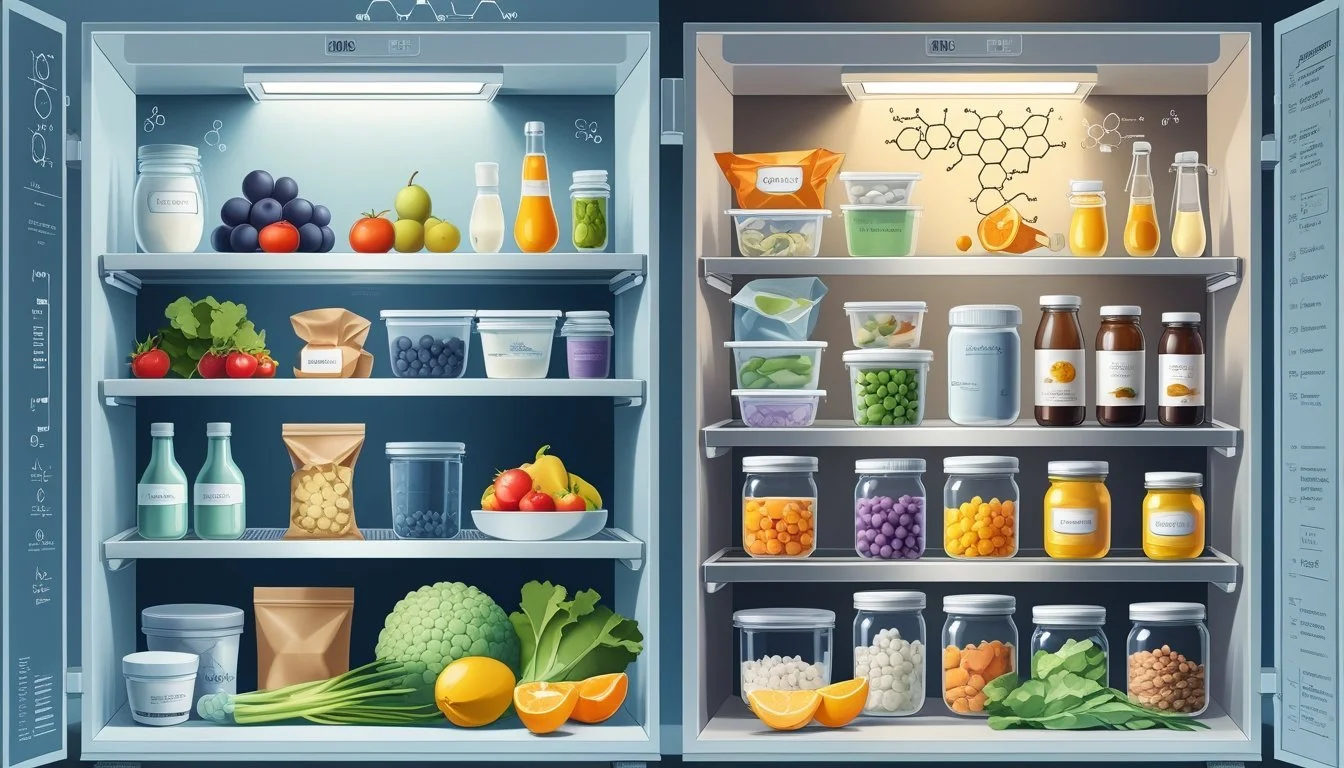
Food packaging methods and proper storage have a direct effect on product shelf life, nutrient retention, and food safety. Both factors determine how quickly spoilage occurs and influence the usefulness of expiration dates.
Role of Food Packaging
Food packaging acts as a barrier against contaminants, oxygen, light, and moisture. Common packaging types include vacuum-sealed bags, cans, and resealable plastic containers. Each method protects food differently based on its contents.
Materials like glass, metal, and particular types of plastic help slow microbial growth and nutrient degradation by minimizing heat and humidity transfer. Modified atmosphere packaging (MAP), for example, removes oxygen and adds gases such as nitrogen to reduce spoilage.
Packaging also supports proper food handling practices by providing tamper-evident features and resealable designs that help reduce waste and prolong shelf life after opening. The specific material and packaging technology used depends on the food type and how quickly it might spoil under normal conditions.
Proper Storage Techniques
Storing food at the correct temperature and humidity level preserves quality and slows spoilage. For example, most perishable foods benefit from refrigeration at or below 4°C (39°F). Freezing is necessary for meats and some prepared meals to prevent bacteria growth.
Key techniques include:
Using airtight containers to reduce exposure to air
Keeping dry foods in cool, dark, dry places
Labeling and organizing to ensure older products are used first
Storage conditions must match the manufacturer's recommendations on the label. Improper food storage and mishandling, such as leaving refrigerated foods at room temperature, can lead to rapid microbial growth or faster nutrient loss even before the printed expiration date.
Impact of Oxygen Exposure and Moisture Loss
Both oxygen exposure and moisture loss can cause many foods to deteriorate faster than expected. Oxygen encourages oxidation, resulting in changes to color, flavor, and nutritional value. For instance, snacks and nuts often become rancid when packaging is damaged or improperly sealed.
Moisture loss dries out baked goods, pasta, and other products, making them stale or leading to texture changes. Conversely, excess moisture in packaging may encourage mold growth, especially for bread or grains.
Tables below show typical results of exposure:
Factor Possible Effects Oxygen Exposure Oxidation, rancidity, color loss Moisture Loss Staling, texture changes Excess Moisture Mold growth, spoilage
Minimizing both oxygen and unwanted moisture is essential in food packaging and storage to prolong freshness and reduce food waste.
Expiration Dates Beyond Food: Pharmaceuticals
Pharmaceutical expiration dates are not just indicators of timing—they impact how effective and safe a medication remains while in storage. Manufacturers and regulatory agencies use scientific methods and strict guidelines to determine these dates.
Shelf Life and Efficacy of Medicines
Pharmaceutical shelf life refers to the period during which a drug is expected to retain its original strength, quality, and purity.
Companies test medicines for stability by exposing them to varied temperatures and humidity to assess degradation rates. Most medications follow predictable chemical kinetics for breakdown, often modeled as first-order or zero-order reactions.
The expiration date listed is the last date the manufacturer guarantees full potency of the active ingredient when the product is stored as instructed. Studies have shown that many drugs retain significant potency even years beyond this date. For example, federal tests have found that about 90% of tested medicines remained effective long after expiration, although minor loss of strength may occur.
Safety Implications of Expired Pharmaceuticals
Expired pharmaceuticals may undergo chemical changes over time, potentially forming degradation products.
Most drugs do not suddenly become dangerous after their expiration date, but certain medications, especially those for critical conditions like heart disease or infections, may lose effectiveness more rapidly, resulting in treatment failures.
It is important to note that the U.S. Food and Drug Administration (FDA) does not recommend using expired medicines, as stability cannot be guaranteed beyond the expiration date. Some drugs, like nitroglycerin, insulin, and liquid antibiotics, are particularly sensitive and should not be used past their listed date due to possible reduced effectiveness.
Drug Type Post-Expiration Risks Solid tablets Gradual loss of potency Liquid medications Bacterial growth, separation Injectable drugs Reduced sterility, potency
Food Management and Reducing Waste
Effective food management helps prevent unnecessary food waste and ensures safer consumption. Implementing better shopping, storage, and preservation habits extends product life and reduces the amount of food discarded at home.
Smart Shopping and Inventory Practices
Planning meals before shopping helps buyers avoid excess purchases. Making a detailed list, checking pantry stock, and understanding expiration dates allows shoppers to buy only what they will use.
It’s helpful to use a “first in, first out” (FIFO) system at home: place newer groceries behind older items so older foods get used first. Grouping similar foods together in cupboards and refrigerators makes it easier to monitor use-by dates and reduce spoilage.
Buying perishable items in smaller quantities or when sales are available, rather than in bulk, also prevents spoilage. Storing items properly, based on packaging instructions, keeps them fresher for longer.
Tips for Freezing and Extending Shelf Life
Freezing food is an effective way to extend shelf life and minimize waste. Divide larger portions into smaller, meal-sized containers before freezing to make defrosting easier. Label containers with contents and the freeze date.
Bread, meat, vegetables, and even dairy products like cheese can often be frozen safely. Blanching vegetables before freezing helps preserve flavor and nutrients. For best quality, freeze food while it is still fresh and avoid refreezing thawed food.
Most frozen foods keep their best quality for several months. Use airtight packaging or freezer-specific bags to prevent freezer burn and maintain taste and texture. Following these steps allows households to significantly reduce food waste.
Minimizing Food Waste at Home
Organizing the refrigerator and pantry helps identify foods that need to be used soon. Regularly check for items nearing their use-by or expiration date. Create meals that use up perishable ingredients first, such as soups, stews, or stir-fries.
Consider composting food scraps instead of throwing them out, especially items like fruit and vegetable peels. Understand the difference between “best before” and “expiration” dates: many foods are safe to eat after the “best before” date if they show no signs of spoilage.
Keeping portion sizes realistic and saving leftovers for future meals also reduces household food waste. Small habit changes in storage and meal planning can lead to meaningful reductions in discarded food.

