
Nutrient-Packed Ideas for Easy Eating
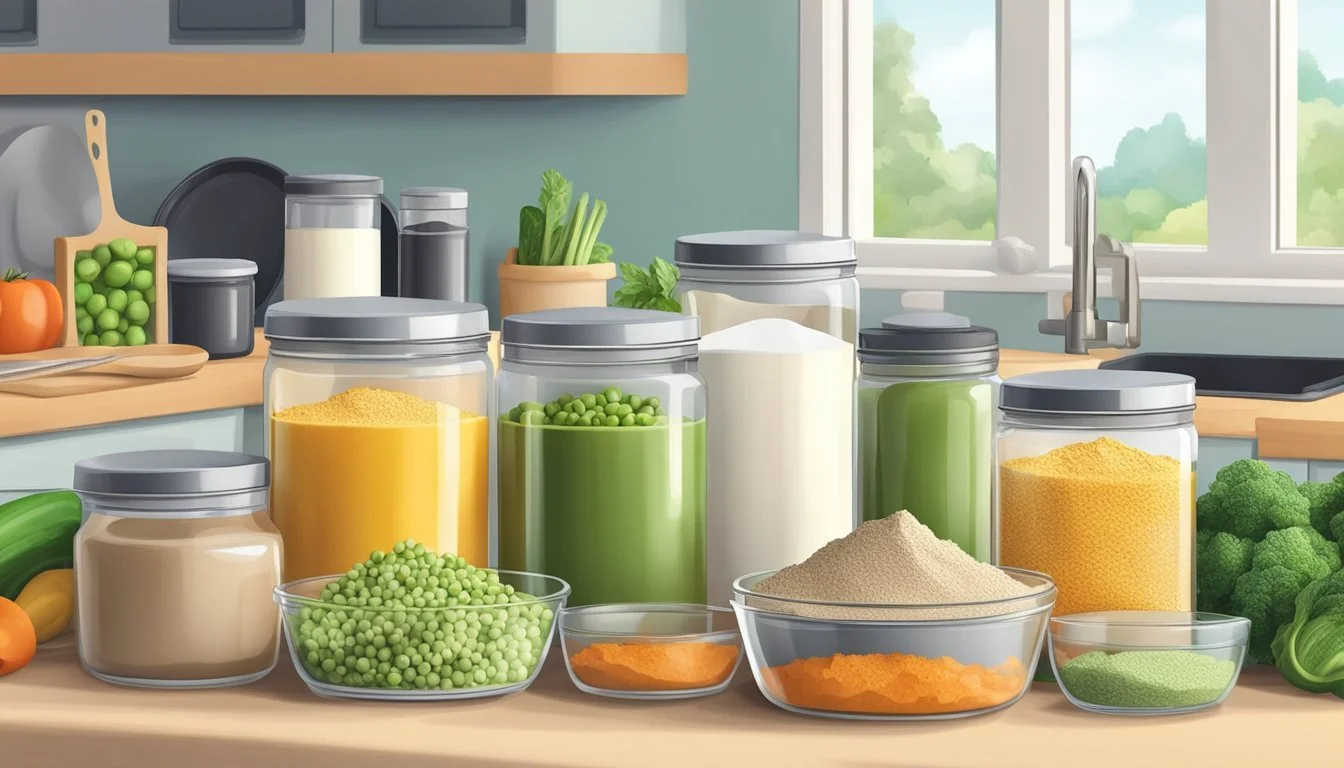
Incorporating pea protein powder into meal prep can revolutionize one's weekly food planning while ensuring adequate protein intake. Pea protein powder is a versatile vegan protein supplement that easily melds with various recipes. It serves as an excellent alternative for those seeking non-dairy and plant-based protein sources. By utilizing this nutrient-rich ingredient, individuals can create meals that are not only rich in protein but also align with specific dietary preferences.
Meal prep is practical for those with busy lifestyles who still prioritize health and nutrition. With pea protein powder, it becomes simple to boost protein content in meals without compromising on taste or texture. Whether one is looking to maintain muscle, lose weight, or simply support an active lifestyle, integrating pea protein into meal prep can be a game-changer.
Crafting recipes that leverage the nutritional benefits of pea protein powder can cater to a multitude of palates. From sweet to savory, pea protein powder's mild flavor and smooth consistency can be adapted into recipes ranging from smoothies and pancakes to hearty oatmeal and savory sauces. These recipes not only save time during a hectic week but also provide a sustained source of protein to fuel the day.
Understanding Pea Protein
Pea protein has emerged as a significant contender in the world of plant-based supplements, appealing to fitness enthusiasts and dietary experts alike for its robust amino acid profile and ease of digestion.
Benefits of Pea Protein
Pea protein is a high-quality plant-based protein that offers several health benefits. It is a good source of essential amino acids, making it comparable to the best animal-based proteins. Notably, pea protein is rich in branched-chain amino acids (BCAAs), such as arginine, which are crucial for muscle building and overall body health. Furthermore, it's considered hypoallergenic, meaning it's typically easy to digest and less likely to cause allergies, a desirable trait for individuals with food sensitivities.
Pea Protein vs. Other Protein Powders
When comparing pea protein to other protein powders, one finds that pea protein holds its own quite well. Unlike some plant proteins, pea protein is often nearly a complete protein, which means it contains nearly all nine essential amino acids that the human body cannot synthesize on its own. However, it is slightly lower in methionine than animal proteins. Pea protein stands out for those looking for vegan options, as it's directly extracted from the yellow split pea, making it a fully plant-based protein source.
Nutritional Profile
The nutritional profile of pea protein is impressive. On average, a serving provides about 15-25 grams of protein. A typical protein isolate made from peas has the following approximate nutritional breakdown per 30-gram serving:
Calories: 100-120
Protein: 15-25g
Carbohydrates: 1-2g
Fat: 1.5-3g
Fiber: 1-2g
Pea protein is also low in sugar and free from cholesterol and lactose. It often contains added minerals and can be a beneficial part of a balanced diet, providing individuals with a substantial amount of protein in a plant-based form. The amino acid profile of pea protein includes high levels of BCAAs, which are essential for muscle repair and growth, making it popular among athletes and bodybuilders.
Prepping the Basics
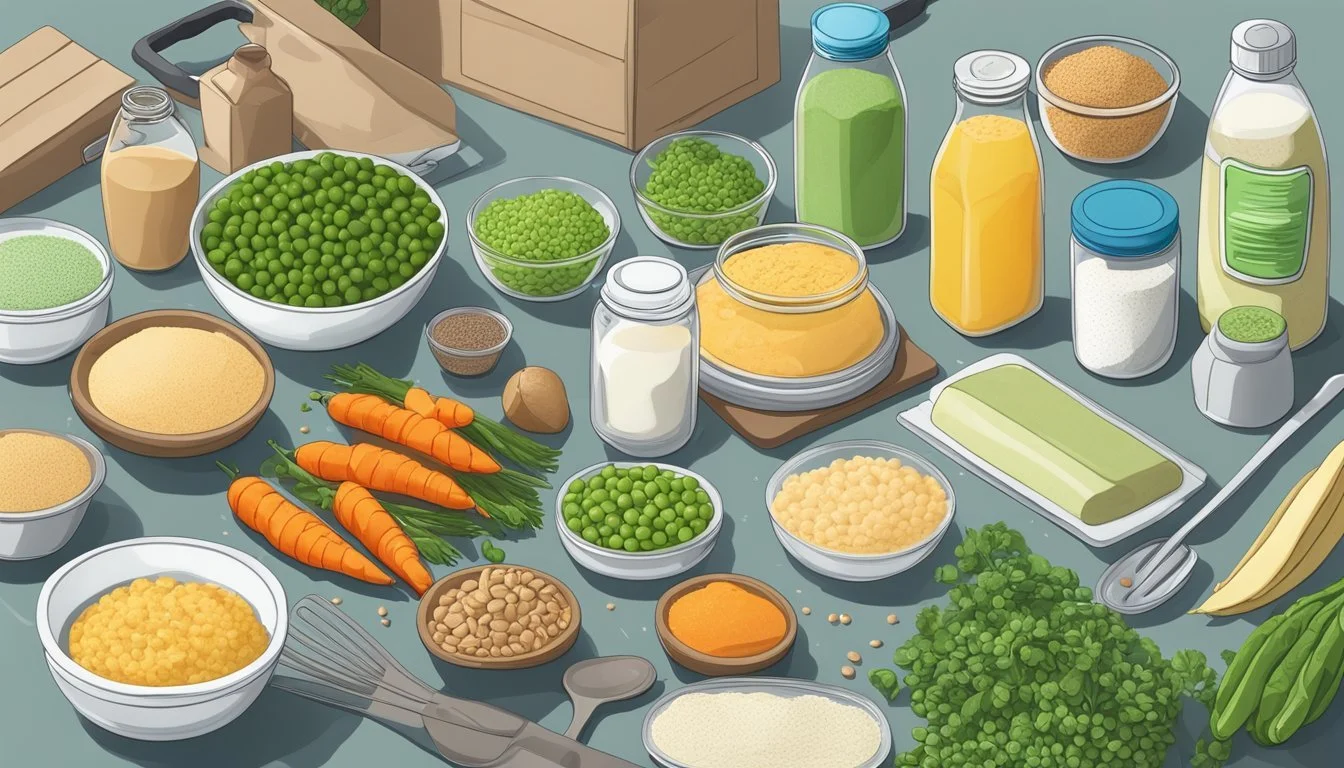
Optimal meal prep with pea protein powder begins with selecting a high-quality protein powder and having the right kitchen tools at hand. The foundation of great recipes starts here, ensuring that each dish is not only nutritious but also delicious.
Choosing the Right Pea Protein Powder
When homing in on the ideal pea protein powder, they should consider its purity and taste. A powder that is non-GMO, gluten-free, and solely contains pea protein isolate will often provide the cleanest form of plant-based protein. One may check for powders with minimal additives and fillers. Additionally, flavors should complement their meal prep recipes—unflavored powders offer versatility, whereas vanilla or chocolate may enhance the taste of certain dishes.
Essential Kitchen Tools
To integrate pea protein powder seamlessly into meal prep, a few kitchen tools are indispensable. A high-powered blender is crucial for smooth shaking and even mixing. They'll appreciate a blender that can handle myriad textures from thick smoothies to more liquid concoctions without leaving clumps. Here's a basic list of tools they might need:
Blender: For smooth blending of powders into liquids.
Measuring Cups and Spoons: Precision ensures consistent taste and nutritional content.
Mixing Bowls: A variety of sizes for different components of meal prep.
Whisk or Hand Mixer: To avoid lumps in batters and sauces.
Air-tight Storage Containers: For keeping prepped meals fresh throughout the week.
Armed with the right protein powder and kitchen tools, one is well-prepared to craft a range of high-protein meals with efficiency and ease.
Pea Protein-Powered Breakfasts
Starting the day with a protein-rich breakfast can help maintain energy levels and curb mid-morning hunger pangs. Using pea protein powder, individuals can easily incorporate a plant-based protein boost into their morning routine.
Pancakes and Waffles
Pea protein powder can transform the simple act of making pancakes or waffles into a more nutritious breakfast option. By adding pea protein powder into the batter, one not only increases the protein content but also adds a subtle, nutty flavor that pairs well with a variety of toppings.
Combine 1 mashed banana, 2 eggs, 1/8 tsp baking powder, and 2 Tbsp pea protein powder.
Cook on a preheated griddle until golden brown.
Protein Waffles:
Use a similar batter as for pancakes but prepare in a waffle iron until crisp.
Serve with a side of fresh berries or a drizzle of maple syrup.
Oatmeal and Overnight Oats
Oats are a breakfast staple that can benefit from the addition of pea protein powder. Whether one prefers a warm bowl of oatmeal or a chilled serving of overnight oats, incorporating pea protein powder not only amplifies the protein content but also provides sustained energy throughout the morning.
Stir a scoop of pea protein powder into cooked oatmeal.
Add cinnamon, nuts, and a touch of honey for extra flavor.
Overnight Oats:
Mix rolled oats, pea protein powder, almond milk, and chia seeds.
Let the mixture sit overnight in the refrigerator and top with fresh fruit in the morning.
Smoothie Bowls and Protein Shakes
For those looking for a quick and customizable breakfast, smoothie bowls and protein shakes with pea protein powder offer endless possibilities. These options not only provide high protein content but are also perfect for an on-the-go lifestyle or a post-workout recharge.
Blend frozen fruit, a scoop of pea protein powder, and a small amount of liquid until thick.
Pour into a bowl and garnish with sliced fruit, nuts, and seeds.
Protein Shakes:
Shake or blend together pea protein powder with your choice of milk or water, adding fruits or vegetables for extra nutrients.
Variations such as a matcha vanilla protein shake provide a refreshing and energizing flavor profile.
Savory Meal Ideas Using Pea Protein
Pea protein powder is a versatile ingredient that can be incorporated into a variety of savory dishes to boost protein content. This plant-based protein source is particularly beneficial for those on a vegan diet or for anyone looking to add a protein punch to their meals.
Protein-Enriched Pasta Dishes
One can easily enhance the nutritional value of pasta dishes by incorporating pea protein powder. For a simple upgrade, add a scoop of pea protein to your pasta sauce, allowing it to dissolve completely. This works exceptionally well in sauces with a robust flavor profile, such as marinara or pesto, where garlic and olive oil are dominant. For a gluten-free and high-protein option, consider using pasta made from quinoa or chickpeas, which complement the nutty flavor of pea protein.
Vegan Protein Bowls
A well-balanced vegan protein bowl might feature a base of quinoa, a complete protein grain, with additional protein coming from a generous sprinkle of pea protein powder. Assemble the bowl with layers of roasted vegetables like sweet potatoes and zucchini, fresh greens, and seasoned chickpeas for a satisfying and nutritious meal. Dress the bowl with a tahini and garlic dressing with a hint of lemon, blending in pea protein powder until smooth.
Creative Soups and Stews
Soups and stews provide an excellent canvas for pea protein, which can be stirred into broths to increase their protein content without altering their taste significantly. Begin by sautéing aromatic vegetables such as onions, garlic, and carrots in olive oil. Add your choice of vegetables, legumes such as chickpeas, and a helping of pea protein powder to the pot. Simmer until all the flavors meld together into a hearty and healthy stew, perfect for meal prepping.
Homemade Snacks and Energy Bites

Incorporating pea protein powder into homemade snacks is a resourceful way to add a protein boost to one's diet. Energy balls and bars offer convenient and portable options, making them ideal for meal prep.
Protein Balls and Energy Balls
Protein balls, otherwise known as energy balls, are a compact and nutrient-dense snack that can be easily made using pea protein powder. To create peanut butter energy balls, one needs to combine oats, peanut butter, and pea protein powder, along with additional ingredients such as chocolate chips and honey for sweetness. After mixing, the batter is chilled to set before being rolled into bite-sized balls. These snacks can be stored in the fridge, with a typical shelf life of up to two weeks.
Baked Bars and Cookies
Pea protein powder can also be integrated into baked snacks, like protein bars and cookies. An exemplary homemade option might include a recipe for chocolate peanut butter protein bars. These bars could be created by blending pea protein powder with ingredients like oats, peanut butter, cocoa powder, and a natural sweetener. The mixture would then be pressed into a pan, baked, and cut into bars. Cookies utilizing pea protein powder follow a similar process but are portioned and baked to achieve a crisp texture.
Healthy Handheld Treats
Alongside energy balls and baked goods, there are a variety of handheld treats that can be made using pea protein powder. Snacks like these often require minimal preparation. A recipe could involve mixing pea protein powder with ingredients such as almond flour or rolled oats, forming the mix into shapes that are either ready to eat or require a brief bake. The resulting snacks are perfect for grabbing on-the-go and are adaptable to various dietary needs and flavor preferences.
Indulgent Yet Healthy Desserts
Pea protein powder lends itself to creating desserts that satisfy sweet cravings while incorporating a nutritious profile. These recipes transform traditional treats into healthier versions—rich in protein and compatible with various dietary preferences.
Cakes and Donuts
Cakes made with pea protein powder are not only moist and fluffy, but they also offer a significant protein boost. One can bake a Vanilla Pea Protein Cake that is low in sugar yet high in flavor, using naturally sweet ingredients like ripe bananas and a touch of honey or maple syrup for sweetness. Incorporating pea protein into the batter ensures that each slice is both satiating and muscle-nourishing.
As for Donuts, opting for a baked version made with pea protein allows one to enjoy this typically fried delicacy without an excess of fat. A delectable recipe to try is the Cinnamon Spice Protein Donut, which utilizes a blend of pea protein powder, almond flour, and warming spices such as cinnamon and nutmeg. These donuts can be topped with a light glaze or a dusting of sweetener to enhance their appeal.
Muffins and Banana Bread
Muffins harness the versatility of pea protein powder to become a hearty, on-the-go snack. A prime example is a batch of Blueberry Protein Muffins, packed with juicy berries and using oat flour and pea protein powder as the base, resulting in a substantial snack with no compromise on taste.
Banana bread transforms into a high-protein treat with the addition of pea protein. An optimized recipe could include mashed ripe bananas, pea protein, almond flour, and a mix of spices. The result is a Protein-Enriched Banana Bread that is both tender and rich in nutrients, ideal for a post-workout snack or a nutritious breakfast option.
Customizing Your Protein Powder Recipes
Customizing recipes allows individuals to cater to their dietary preferences and enhance flavors while maintaining the nutritional benefits of pea protein powder.
Natural Sweeteners and Flavor Enhancers
One can elevate the taste of pea protein recipes without sacrificing health by integrating natural sweeteners and flavor enhancers. Chocolate and cinnamon are popular for their rich flavor profiles, while maple syrup adds a subtle sweetness without the spike in blood sugar characteristic of refined sugars. Utilizing cocoa powder can deepen chocolatey tastes, and almond butter or other nut butters provide a creamy texture alongside additional protein. These ingredients are suitable for a variety of diets including dairy-free and gluten-free preferences.
Natural Sweeteners: Maple syrup, dates
Flavor Enhancers: Chocolate, cinnamon, cocoa powder, vanilla extract
Allergy-Friendly Alternatives
For those with dietary restrictions, pea protein recipes can be adapted to be allergy-friendly. Substituting ingredients like traditional dairy with vegan yogurt ensures recipes remain dairy-free while still providing a creamy consistency. Similarly, choosing gluten-free oats and baking mixes can make recipes like pancakes and waffles safe for those with gluten sensitivities. These alternatives not only improve inclusivity but also maintain the integrity of the nutritional content.
Key Ingredients for Allergy-Friendly Alternatives:
Dairy Substitutes: Vegan yogurt, dairy-free milk (almond, soy, coconut)
Gluten-Free Options: Gluten-free oats, gluten-free flour blends
Pea Protein in Liquid Recipes
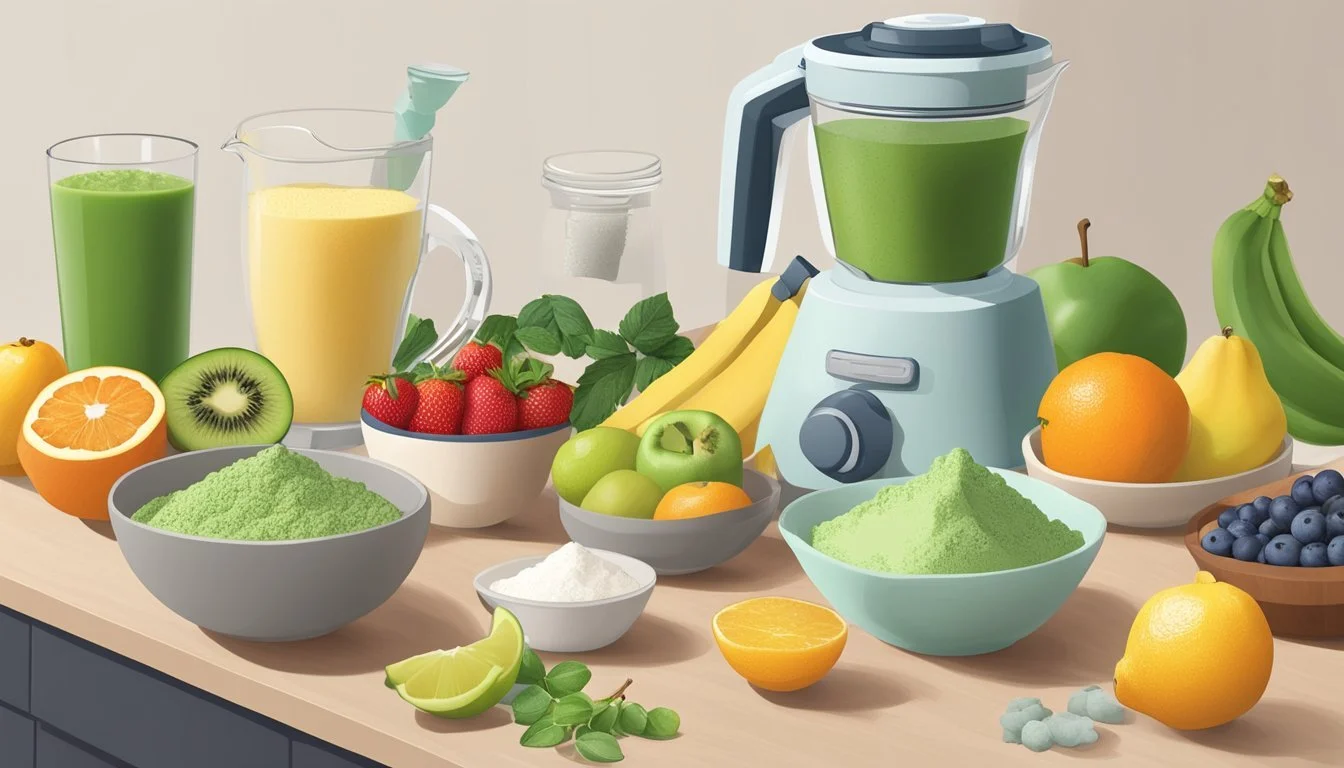
Pea protein powder is a versatile ingredient ideal for boosting protein intake in liquid recipes. It seamlessly blends into a variety of liquids, offering a neutral taste that complements both sweet and savory flavors.
Smoothies and Shakes
Smoothies and shakes stand as the go-to options for incorporating pea protein into a meal prep routine. For a basic smoothie, one could combine:
1 scoop of vanilla pea protein powder
1 cup of almond milk or other milk alternatives like coconut milk
A selection of fruits, such as bananas or berries
To ensure a smooth texture, start by blending the liquid with the protein powder before adding other ingredients.
A protein shake might be even simpler, focusing primarily on protein intake:
1 scoop of pea protein powder
1 cup of water or almond milk
Optional sweetener to taste
Shake or blend until the powder is fully dissolved. This shake serves as an excellent post-workout recovery drink or a quick meal replacement.
Creative Beverages
Beyond traditional smoothies and shakes, pea protein can enhance a range of innovative beverages. For instance, a coffee-infused protein drink may involve blending a scoop of protein powder with:
1 cup of cold coffee
1/2 cup of almond milk or water
Ice cubes for a chilled effect
The addition of pea protein can transform an everyday beverage into a nourishing snack. One can also experiment with teas or dairy-free milk to create unique flavor combinations, ensuring that meal prep never becomes dull.
Baking with Pea Protein
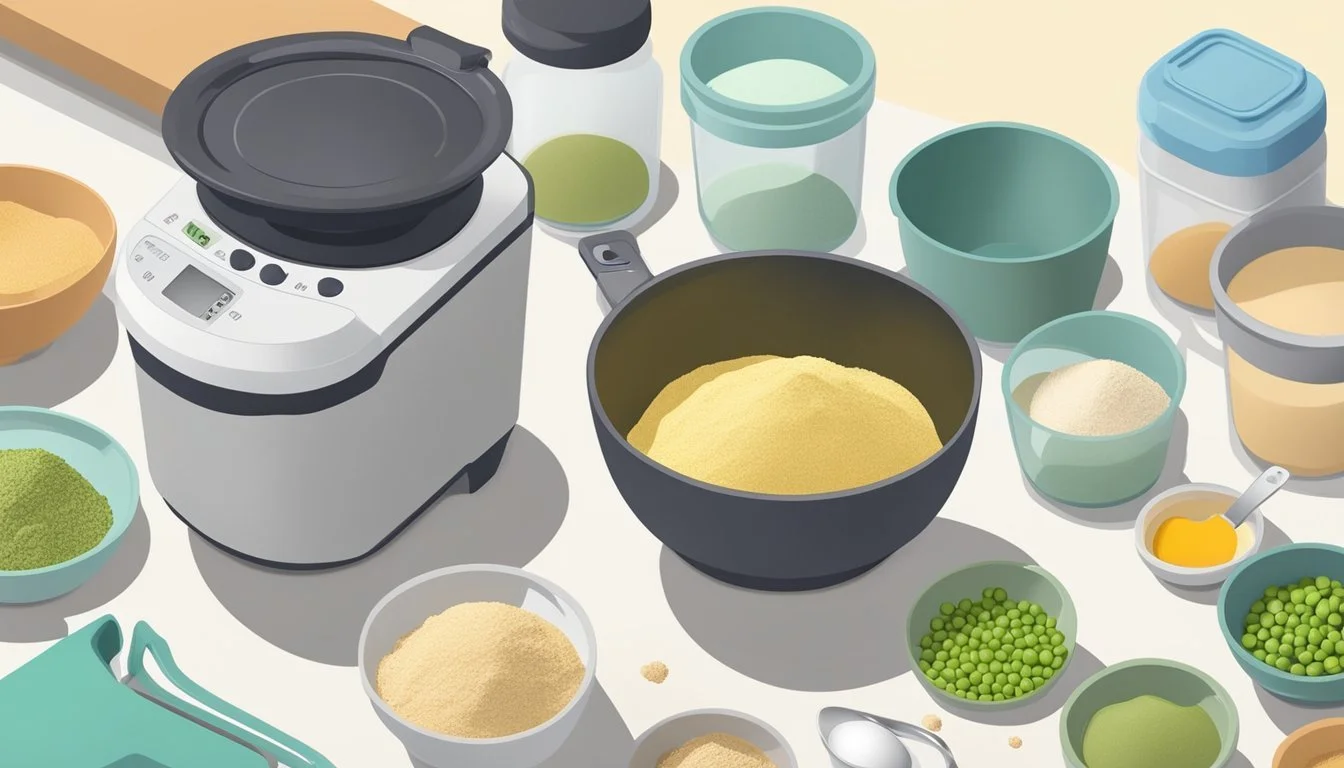
Incorporating pea protein into baking can enhance the nutritional profile of breads and pastries, allowing these often carb-heavy foods to support better balanced diets. By using pea protein powder, bakers can create gluten-free and protein-rich versions of traditional baked goods, catering to dietary preferences and restrictions.
Gluten-Free Breads and Pastries
When preparing gluten-free breads and pastries, pea protein serves as a nutritious alternative to wheat flour. Here's a simple approach to creating a basic gluten-free bread with pea protein:
Ingredients:
1 cup pea protein powder
1 cup almond flour
1 tablespoon baking powder
2 tablespoons ground flaxseed
1/4 teaspoon salt
1 1/2 cups water
Instructions:
Preheat the oven to 350°F (175°C).
In a large bowl, mix all the dry ingredients until well combined.
Gradually add water, stirring until a dough forms.
Pour into a prepared loaf pan and bake for 30-40 minutes.
For pastries like muffins or scones, a blend of pea protein powder and almond flour can create a delicate, moist texture while still being gluten-free.
Specialty Protein-Enriched Baking
Pea protein not only benefits gluten-free baking but also enhances the protein content in cookies, brownies, and other treats for fitness enthusiasts or those needing higher protein intake.
One can make protein-enriched cookies by following these guidelines:
Ingredients:
2 cups pea protein powder
1/2 cup almond flour
1 tsp baking powder
1/2 cup brown sugar
2 eggs
1/2 cup melted coconut oil or butter
Instructions:
Preheat the oven to 375°F (190°C).
Blend the dry ingredients in a mixing bowl.
Add eggs and melted coconut oil to form a cookie dough.
Shape into balls, place on a baking sheet, and flatten slightly.
Bake for 10-12 minutes until edges are golden brown.
When working with pea protein powder, it's essential to remember that it has different baking properties than traditional flours. It's often necessary to combine pea protein with other flours like almond to achieve the desired consistency. Additionally, moisture levels may need adjusting as pea protein can absorb more liquid.
Storing and Preserving Your Prepped Meals
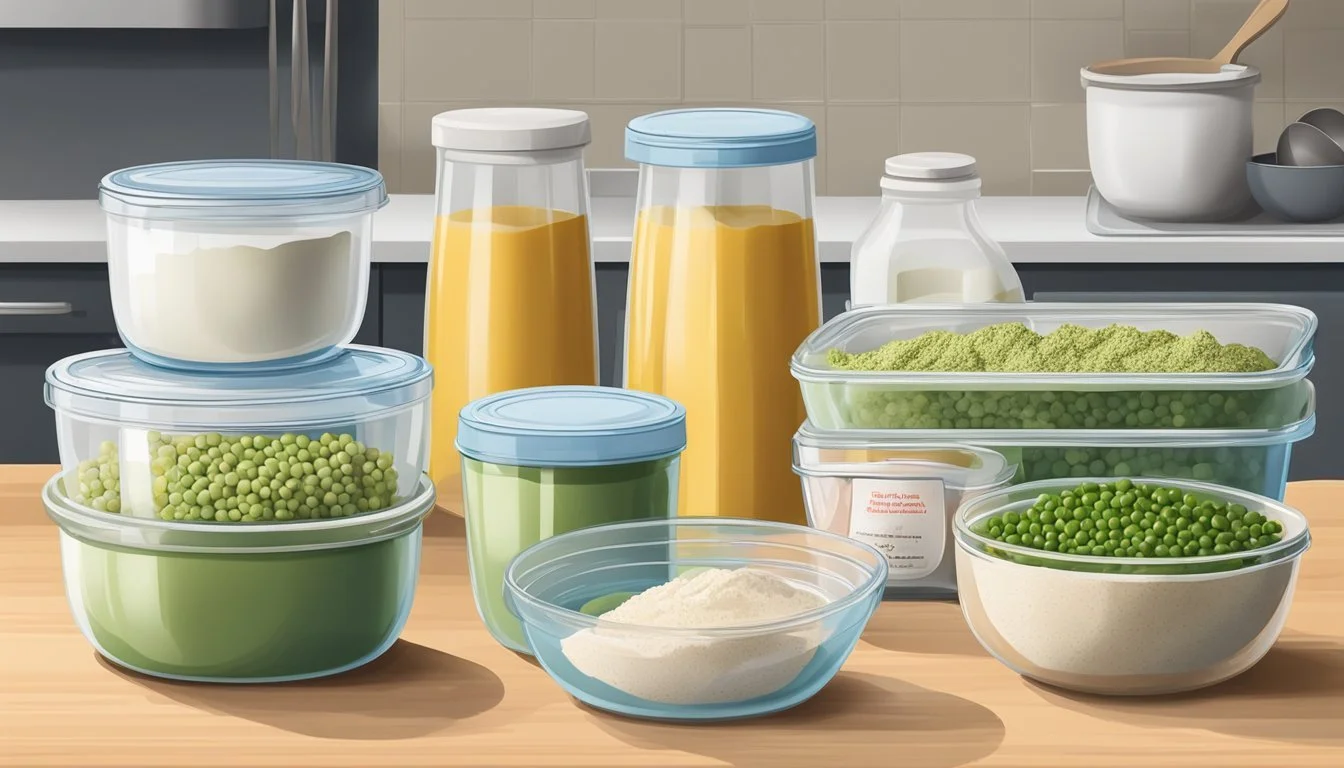
Proper storage extends the shelf life of food, ensuring that meals made with pea protein powder, such as a healthy snack, quick breakfast, or hummus, remain fresh and nutritious.
Best Practices for Storage
When storing prepped meals with pea protein, one should always use airtight containers to prevent exposure to air and moisture, which can degrade food quality. For example:
Healthy Snack: They can store homemade pea protein bars in airtight containers, separating layers with parchment paper to avoid sticking.
Quick Breakfast: A pea protein smoothie can be prepped in advance, but they should store it in a shaker bottle and only add liquid when ready to consume.
Hummus: To maintain freshness, store pea protein-infused hummus in a container with a tight seal and refrigerate.
Freezing and Reheating Tips
Freezing is an excellent way for them to extend the preservation of meal preps. They should cool down cooked meals before freezing to prevent the buildup of ice crystals. Follow these tips for optimal results:
Label and Date: Always label containers with contents and freeze date.
Portion Control: They should freeze meals in individual portions for convenient reheating.
Reheating: Reheat meals thoroughly to an internal temperature of 165°F. For pea protein dishes, they must take care not to overcook and dry out the protein-rich components.
By utilizing these storage methods, prepped meals with pea protein will maintain their nutritional value and taste, whenever they are ready to enjoy them.
Meal Prep Strategy and Tips
When focusing on meal prep, especially with pea protein powder, one wants to ensure that the meals are not only high in protein but also well-balanced and convenient to prepare.
Planning Your Protein Meals
Efficient meal preparation starts with a well-thought-out plan. Individuals should first calculate their daily protein needs based on factors such as activity level, weight loss goals, and dietary requirements. When planning meals around pea protein powder, it’s crucial to incorporate a variety of other protein sources to maintain a diverse and nutritious diet.
Determine Protein Requirements: An average person typically needs between 0.8 to 1 gram of protein per kilogram of body weight. For those focusing on weight loss or muscle gain, this requirement can increase to 1.2 to 2 grams per kilogram.
Select Recipes: Choose recipes that can conveniently integrate pea protein powder, such as smoothies, oatmeal, or baked goods.
Create a Grocery List: Include ingredients that complement the pea protein with fiber, healthy fats, and other essential nutrients for a rounded meal profile.
Schedule Prep Time: Set aside a consistent block of time each week for meal prep to ensure a routine.
By sticking to these planning principles, one can streamline their meal prep process, ensuring they meet their protein intake targets with delicious homemade meals.
Efficient Cooking Techniques
Maximizing time in the kitchen is pivotal for sustaining a meal prep routine. Users of pea protein powder can benefit from cooking techniques that save time while preserving the nutritional integrity of their meals.
Batch Cooking: Prepare large quantities of staple dishes that incorporate pea protein, such as pancakes or veggie burgers, and freeze for later use.
Multitask: Utilize different cooking apparatus simultaneously—like the oven, stovetop, and blender—to prepare multiple components of the meal prep.
Instant Pot/Slow Cooker: These appliances are excellent for cooking legumes, grains, and stews to pair with your pea protein powder, requiring minimal hands-on time.
Pre-chopped Vegetables: Save time by purchasing pre-chopped vegetables to add to meals, ensuring you’re getting essential nutrients without the extra prep work.
Implementing these strategies will ensure efficient use of time in the kitchen and help maintain a consistent meal prep routine that is supportive of one’s protein intake and weight loss goals.
Conclusion
Incorporating pea protein powder into meal prep is both a practical and health-conscious choice. It offers a clean, lean source of protein, essential for muscle repair and maintenance. These recipes are an excellent option for individuals seeking high-protein, low-carb meal options that support a balanced diet and fitness goals.
The versatility of pea protein extends beyond simple shakes and can enrich various foods from healthy breakfasts to satisfying main courses. Waffles, smoothies, and pancakes enhanced with pea protein make energizing starts to the day, while savory dishes like cheese sauce for pasta add nutritional value to comfort foods.
Rich in fiber and other essential nutrients, meals prepared with pea protein powder support digestive health and can contribute to a feeling of fullness, aiding in weight management. They also cater to a range of dietary preferences, suitable for vegans and those with lactose intolerance or gluten sensitivities.
Those seeking to build or maintain muscle mass can benefit from the inclusion of these meal prep recipes in their diet. Pea protein's high-quality amino acid profile is conducive to muscle growth and recovery, especially when combined with regular exercise and proper hydration.
In summary, pea protein powder is an adaptable and nourishing addition to meal preps that align with healthy eating habits and lifestyle choices.
Appendix
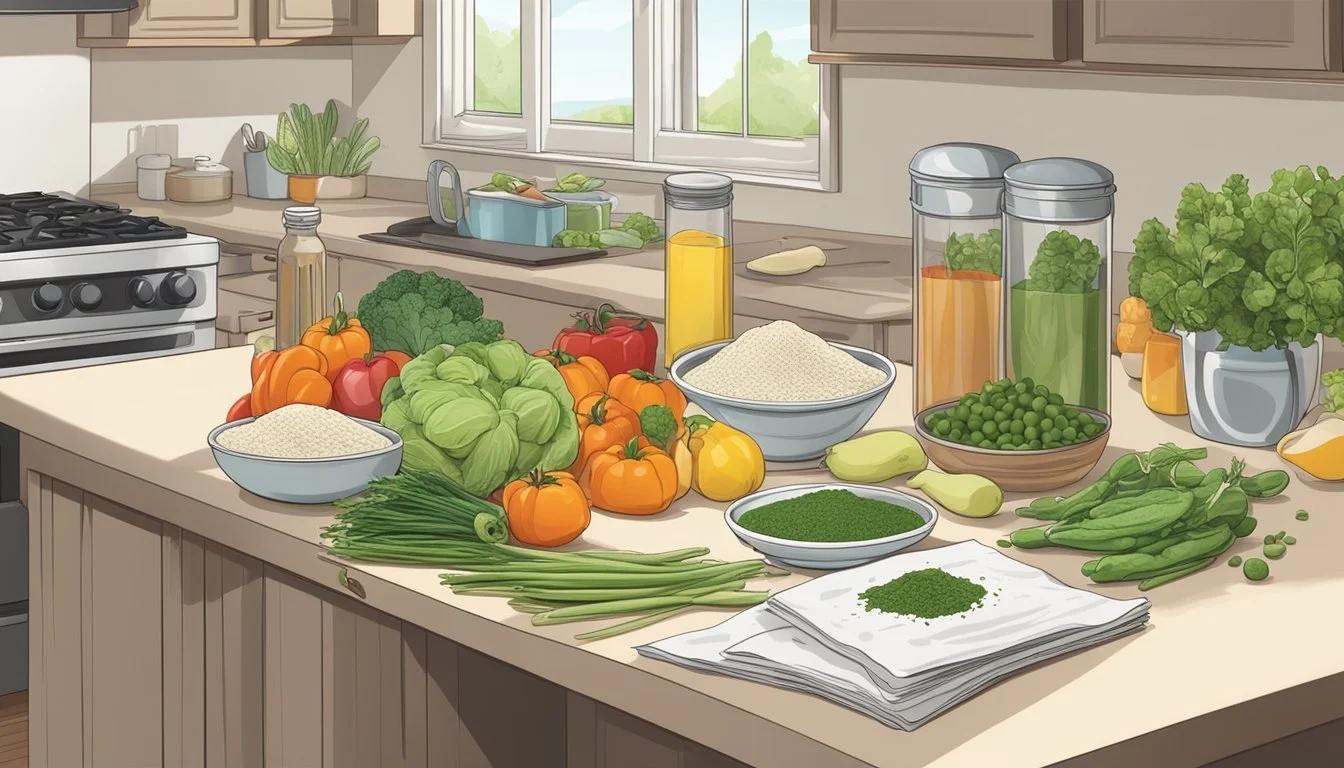
This Appendix serves as a quick reference guide and informational hub for readers seeking further details on the meal prep recipes utilizing pea protein powder.
Recipe Index
Vanilla Pea Protein Waffles: A low carb and dairy-free breakfast option.
Pea Protein Pancakes: Fortified with banana and optionally baking powder for fluffiness.
Protein Balls with Pumpkin Puree: Uses pea protein alongside rolled oats and chia seeds for a nutritious snack.
Blueberry Vegan Protein Muffins: Incorporates pea protein and blueberries, perfect for a sweet, protein-rich treat.
Dark Chocolate Chip Protein Cookies: Combines the benefits of pea protein with the indulgence of dark chocolate chips.
Nutritional Information
Each recipe contains a high level of plant-based protein primarily from pea protein powder, which is an excellent alternative for those adhering to a vegan diet and seeking to avoid whey protein. Coconut oil is often used as a healthy fat source, and ingredients like rolled oats and chia seeds add fiber and additional nutritional value. An emphasis on whole foods like blueberries provides antioxidants, while dark chocolate chips offer a rich, satisfying flavor. Below is a nutritional snapshot for the Protein Balls with Pumpkin Puree recipe:
Ingredient Amount Calories Protein Fat Carbohydrates Pea Protein 2 Tbsp 60 12g 1.5g 1g Rolled Oats 1/2 cup 154 5.5g 2.5g 27g Pumpkin Puree 1/3 cup 40 1g 0g 10g Chia Seeds 1 Tbsp 60 3g 4g 5g Coconut Oil 1 Tbsp 121 0g 14g 0g Total per batch - 435 21.5g 22g 43g
FAQs
What benefits does pea protein offer over whey protein?
Pea protein provides a plant-based, hypoallergenic protein source suitable for vegans and those with dairy intolerances.
Can these pea protein recipes be customized?
Absolutely. Ingredients like pumpkin puree, coconut oil, and rolled oats can be swapped for other similar ingredients based on dietary needs or preferences.
Are these recipes considered nutritious?
Yes, they're crafted to be both rich in protein and balanced with other nutrients, featuring wholesome ingredients like chia seeds and blueberries.
How do I store protein balls or baked goods made with pea protein?
Items should be stored in an airtight container and can often be refrigerated or frozen to extend their freshness.

