
The Ultimate Guide to Meal Prepping with a Convection Oven
Efficient Cooking Strategies
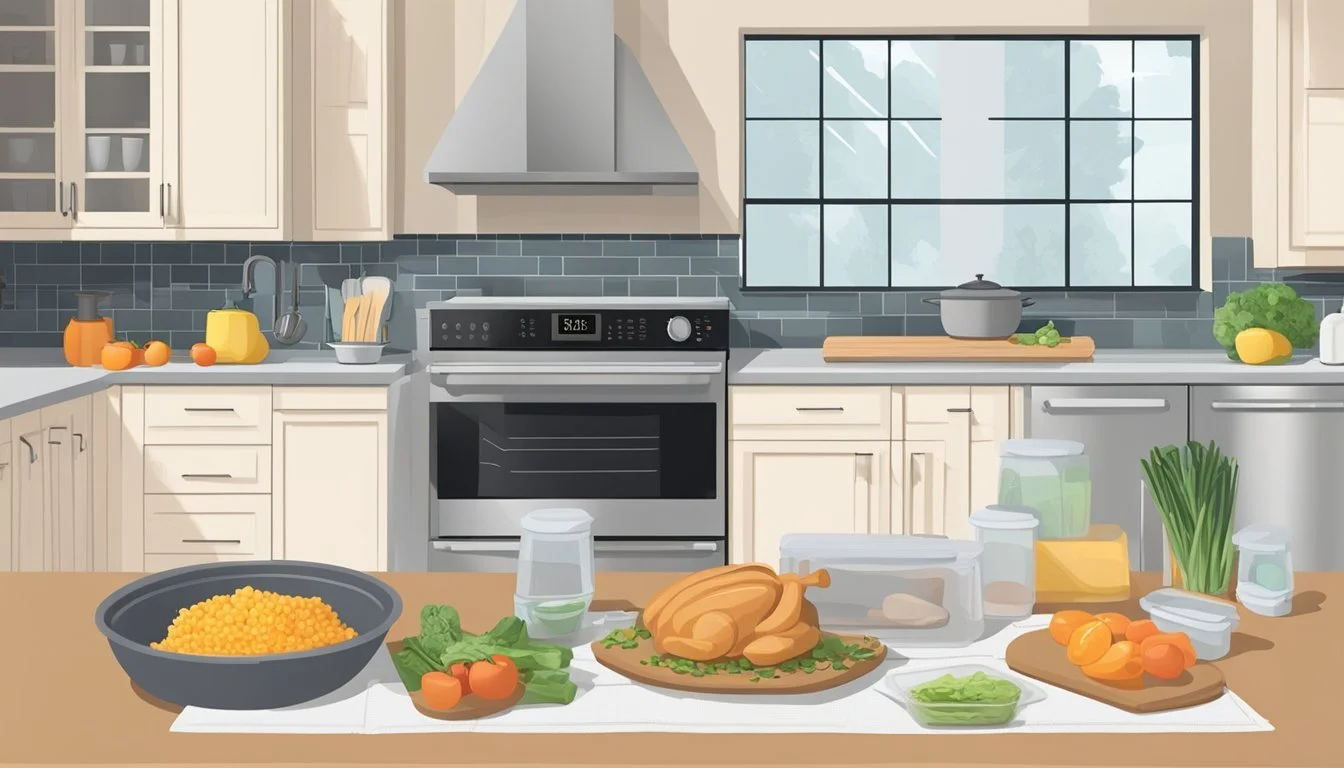
Meal prepping is an efficient approach to managing nutrition and saving time in the kitchen. With the rise of convection ovens, which cook food faster and more evenly than traditional ovens, home cooks can optimize the meal prep process even further. A convection oven uses a fan and exhaust system to circulate hot air around the food, leading to quicker cooking times and consistent results. Adjusting recipes for convection cooking typically involves lowering the oven temperature by 25 degrees or shortening the cook time by 25-30%, ensuring that meals are prepared efficiently without compromising on taste or quality.
Understanding the mechanics of a convection oven can transform the meal prep experience. When prepping multiple meals at once, the even distribution of heat helps in cooking each dish uniformly. Convection oven users can bypass the intricacies of rotating dishes to avoid cold spots, common in traditional ovens, and can enjoy a hassle-free cooking experience. Furthermore, when using convection bake, baking sheets become the vessel of choice, allowing air to circulate freely and promote even browning and crisping, enhancing the overall quality of the prepared meals.
In integrating convection ovens into meal prep routines, individuals can see significant time savings and energy efficiency. Cuts of meat roast to perfection in less time, vegetables achieve a delectable caramelization swiftly, and baked goods rise beautifully with a reduced risk of uneven textures. This guide aims to arm cooks with the knowledge to harness the full potential of their convection ovens, turning meal prep into an art form that yields delicious and nutritious results with minimal effort.
Understanding Convection Ovens
A convection oven distinguishes itself by its ability to circulate hot air for a more uniform and quicker cooking process. This section explores the advantages of utilizing a convection oven for meal prep and explains the mechanics of convection cooking.
Advantages of Using a Convection Oven for Meal Prep
Convenience: Convection ovens offer a seamless cooking experience. With the inclusion of a fan and exhaust system, hot air is circulated evenly throughout the oven, effectively reducing the need for rotation of food mid-cooking, which is an advantage over a conventional oven.
Time-Saving: When meal prepping, a convection oven can cook food up to 25% faster than a traditional oven. This efficiency is largely due to the continuous circulation of heated air, which reduces cook times and thus can save valuable time during food preparation.
Energy Efficiency: Convection ovens are often more energy-efficient than their conventional counterparts. The uniform distribution of heat and faster cooking times mean that less energy is consumed, making it a cost-effective tool for frequent meal prepping.
How Convection Cooking Works
In a convection oven, a fan and an exhaust system work together to circulate hot air around the food. This achieves two outcomes:
Even Cooking: The hot air blown by the fan ensures the same temperature is reached throughout the oven, resulting in evenly cooked meals without the colder and hotter spots often found in conventional ovens.
Enhanced Browning: The exhaust system helps in venting out moisture, which is particularly beneficial in achieving a more desirable browning on the exterior of foods, while retaining internal moisture. This is ideal for meats and pastries that benefit from a crispy exterior.
Getting Started with Meal Prepping
Embarking on meal prepping with a convection oven requires understanding the foundational steps and ensuring the kitchen is equipped with the necessary tools. These initial preparations streamline the process, ensuring efficient and effective meal preparation.
The Basics of Meal Prepping
Meal prepping begins with planning. A well-thought-out schedule and a meal plan are the cornerstones of successful meal prepping. Beginners should start by determining how many meals they need for the week and which ingredients will be required. It is advisable to select a variety of proteins, vegetables, and grains to ensure nutritional balance and variety in flavors. Batch-cooking components like rice or chicken can maximize efficiency, especially when using a convection oven's even cooking capabilities.
Plan Ahead: Spend some time to plan your meals for the week. Select recipes that will hold up well when cooked in advance.
Grocery List: Create a comprehensive list of ingredients needed for your weekly meals.
The key here is to avoid food waste and repetitive meals, promoting both budget-friendliness and meal enjoyment.
Essential Tools for Efficient Meal Prepping
The right kitchen tools can make meal prepping with a convection oven both a breeze and a pleasure. For beginners, stocking the kitchen with a few fundamental tools is essential:
Convection Oven: An obvious must-have for baking, roasting, and reheating meals efficiently.
Cutting Board & Knives: A durable cutting board and a set of sharp knives make prep work quicker and safer.
Measuring Cups & Spoons: Precision in measuring ensures that recipes turn out as intended.
Mixing Bowls: Various sizes for mixing ingredients and storing prepped food.
Baking Sheets & Oven-Safe Containers: Essential for cooking and reheating meals in the convection oven.
Storage Containers: Airtight containers keep prepped meals fresh and make portioning out servings for the week easier.
Remember, a convection oven's fan-assisted cooking not only cooks food more evenly but can reduce cooking times, so they should adjust their usual cooking times and temperatures accordingly. They should also ensure all kitchen tools and storage containers are convection oven-safe to avoid any mishaps.
Selecting the Right Ingredients
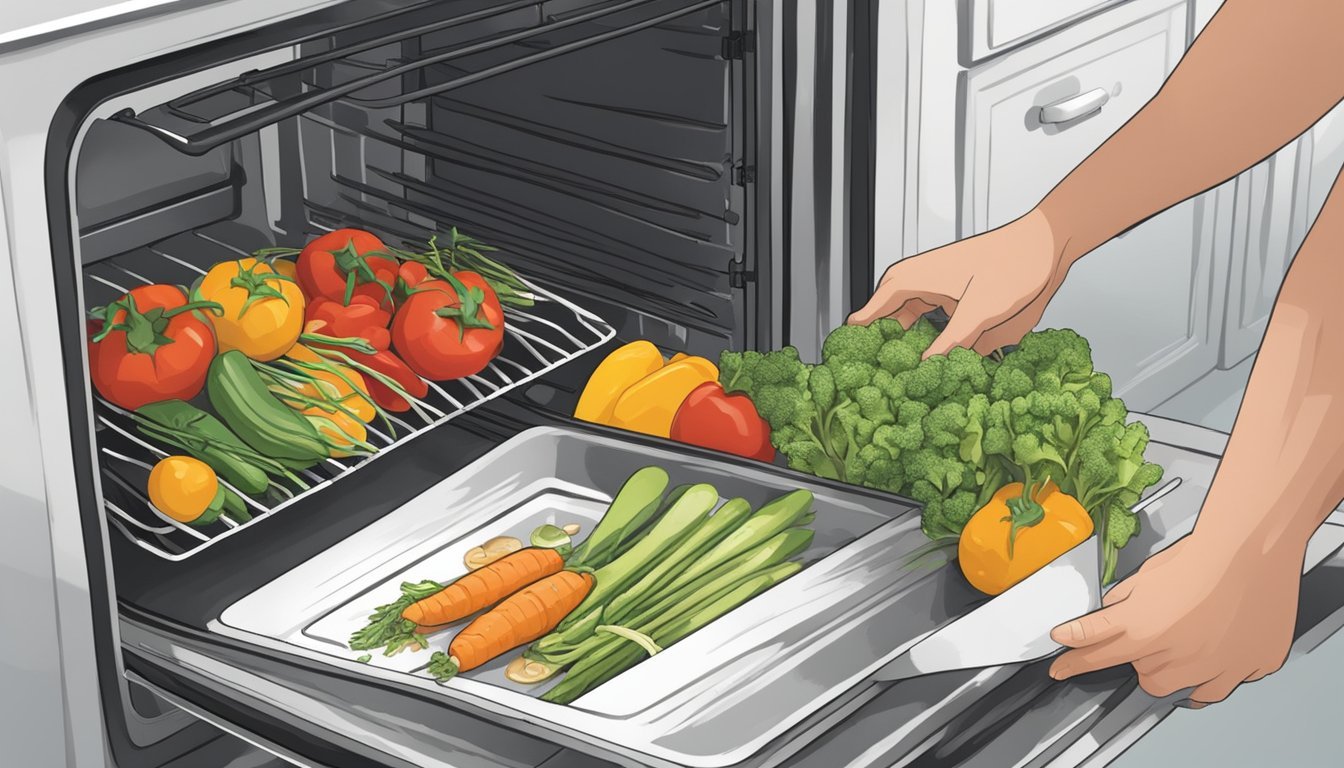
Selecting the right ingredients is central to successful meal prepping with a convection oven. Precision in choosing quality proteins, whole grains, and fresh vegetables will ensure nutritious and satisfying meals.
Choosing Quality Proteins
When selecting proteins, one should opt for lean cuts such as chicken breast, turkey, and fish to maximize the health benefits while reducing cooking time. Convection ovens circulate hot air for even cooking, making them ideal for preparing proteins in bulk. Portion protein into 4 or 6 oz servings before cooking to simplify meal assembly later.
Incorporating Whole Grains
Grains serve as a foundation for many meal prep dishes. Whole grains like quinoa, brown rice, and oats not only offer essential nutrients but also have a longer shelf-life, making them perfect for weekly meal planning. Utilizing a convection oven can reduce the cooking time for grains, so always check for doneness earlier than you would with a conventional oven.
Selecting Fresh Vegetables
For vegetables, freshness is key. Select a variety of colors and textures to ensure a wide range of nutrients. Root vegetables like carrots and sweet potatoes roast beautifully in a convection oven, often developing a caramelized exterior. Tender vegetables, such as broccoli and zucchini, should be added later in the cooking process to prevent overcooking. Pre-cut and wash vegetables to expedite meal preparation.
Optimizing Your Meal Plan
To effectively optimize meal planning with a convection oven, one must strike a balance between nutrition and variety and apply strategic portion control. These components help maintain a diet that is both enjoyable and healthy.
Balancing Nutrition and Variety
Meal planning should prioritize providing all essential nutrients while keeping meals interesting. Using a convection oven allows for a wide range of flavorful and nutritious recipes. For example:
Proteins: Bake a variety of lean meats or tofu to perfection with a convection oven’s even heat distribution.
Vegetables: Roast an assortment of colorful vegetables drizzled with heart-healthy oils like olive or avocado oil.
Complex Carbs: Prepare batches of whole grains like brown rice or quinoa, which gain a unique toasted flavor when cooked in a convection oven.
By mixing and matching these components, one ensures both the nutritional quality of the meals and the enjoyment of diverse flavors.
Portion Control Strategies
With a convection oven, portion control becomes more manageable, allowing individuals to cook precise amounts. Here are strategic approaches:
Pre-measure Ingredients: Before cooking, measure ingredients to fit dietary needs and avoid overeating.
Visual Guides: Use cupcake tins or silicone molds for consistent portion sizing, especially for items like egg bites or mini casseroles.
Batch Cooking: Prepare meals in bulk but divide them into single-serving containers immediately after cooking.
Adhering to portion control is crucial for maintaining a balanced diet, and it helps to ensure nutritious meals are consumed in the correct amounts to support overall health and wellness.
Recipe Development and Adaptation

When adapting recipes for convection ovens and meal prepping, one must consider the uniqueness of convection cooking and the requirements for batch preparation. Precise adjustments can transform conventional recipes into efficient, convection-friendly meal components.
Creating Convection Oven-Friendly Recipes
In a convection oven, the hot air circulates around the food, which can cook dishes more evenly and often more quickly than a standard oven. To develop convection oven-friendly recipes, a chef should:
Reduce Cooking Temperature: Typically, convection ovens require a temperature reduction of about 25 degrees compared to standard ovens.
Monitor Cooking Time: Convection cooking may decrease the time needed. It's prudent to check the dish periodically, especially when experimenting with new recipes.
With these adjustments, recipes for a variety of dishes, such as casseroles, stews, and chili, can be adapted. Convection ovens excel with recipes that benefit from even heat distribution, making them ideal for creating crispy vegetable sides or perfectly roasted meats (What wine goes well with roasted meats?).
Adjusting Recipes for Meal Prepping
Meal prepping involves preparing larger quantities of food that will be consumed over a period of time. Adjustments to recipes include:
Scaling Quantities: Increase recipe quantities systematically to ensure that batch cooking yields the desired amount of servings without compromising the flavor or texture.
Considering Storage: Some ingredients in salads or sauces may not store well. Adjust these recipes to add certain components, like dressings or delicate greens, just before serving.
Simplifying Processes: Choose recipes that can be easily multiplied and that use common ingredients to streamline the shopping and prep process.
In conclusion, by making thoughtful adjustments to recipes for convection cooking and meal prepping, chefs can ensure flavorful results while saving time and energy.
Strategies for Efficient Prepping
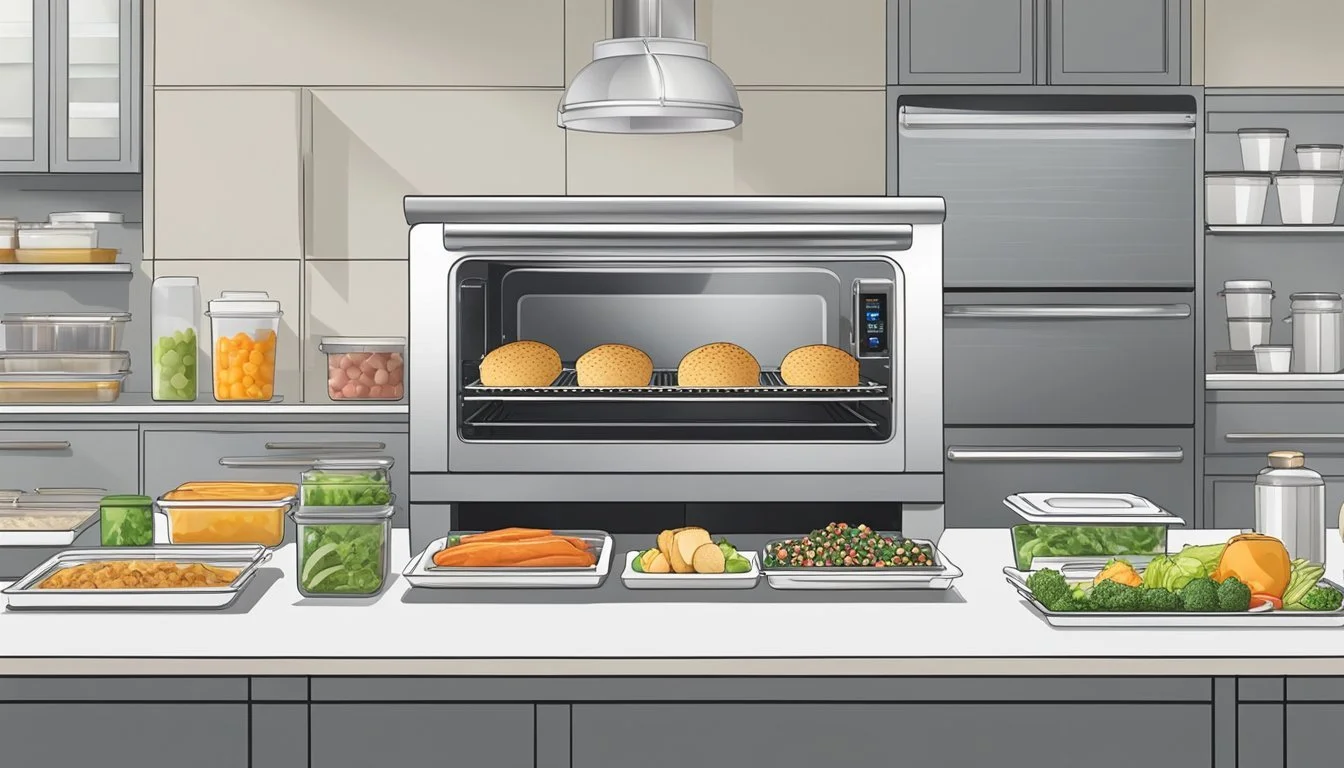
Mastering the strategies for efficient meal prepping with a convection oven involves employing key batch cooking techniques and understanding the nuances of ingredient prep with proper storage. These methods enable cooks to streamline their cooking process, reduce waste, and ensure that their meals are both nutritious and delicious.
Batch Cooking Techniques
Convection ovens excel at cooking large quantities of food uniformly and quickly, making them ideal for batch cooking. Here's how one can make the most out of this appliance:
Multiple Trays: Utilize multiple racks to cook several batches at once, taking advantage of the convection oven's ability to circulate hot air for even cooking.
Uniform Size: Cut ingredients into consistent sizes to ensure they cook at the same rate, allowing for a uniform batch.
Preheat Your Oven: Always preheat the convection oven to achieve consistent cooking temperatures from the start.
Adjust Cooking Times: Generally, cooking times can be reduced by about 25% with a convection oven; keep this in mind to avoid overcooking.
Ingredient Prep and Storage Tips
Efficient meal prepping on Sunday, or any chosen day, begins with thorough preparation and organization. Here are critical steps in the process:
Grocery Shopping: Create a comprehensive shopping list organized by food categories to streamline the shopping experience.
Ingredient Prep: Wash, chop, marinate, and portion out ingredients immediately after shopping to save time during the week.
Food Storage: Invest in good-quality, airtight containers to keep prepped ingredients fresh. Label them with the date to track how long they've been stored.
By executing these batch cooking techniques and adhering to ingredient prep and storage tips, meal preppers can optimize their cooking practice, leading to a week of stress-free meals.
Container Selection and Use
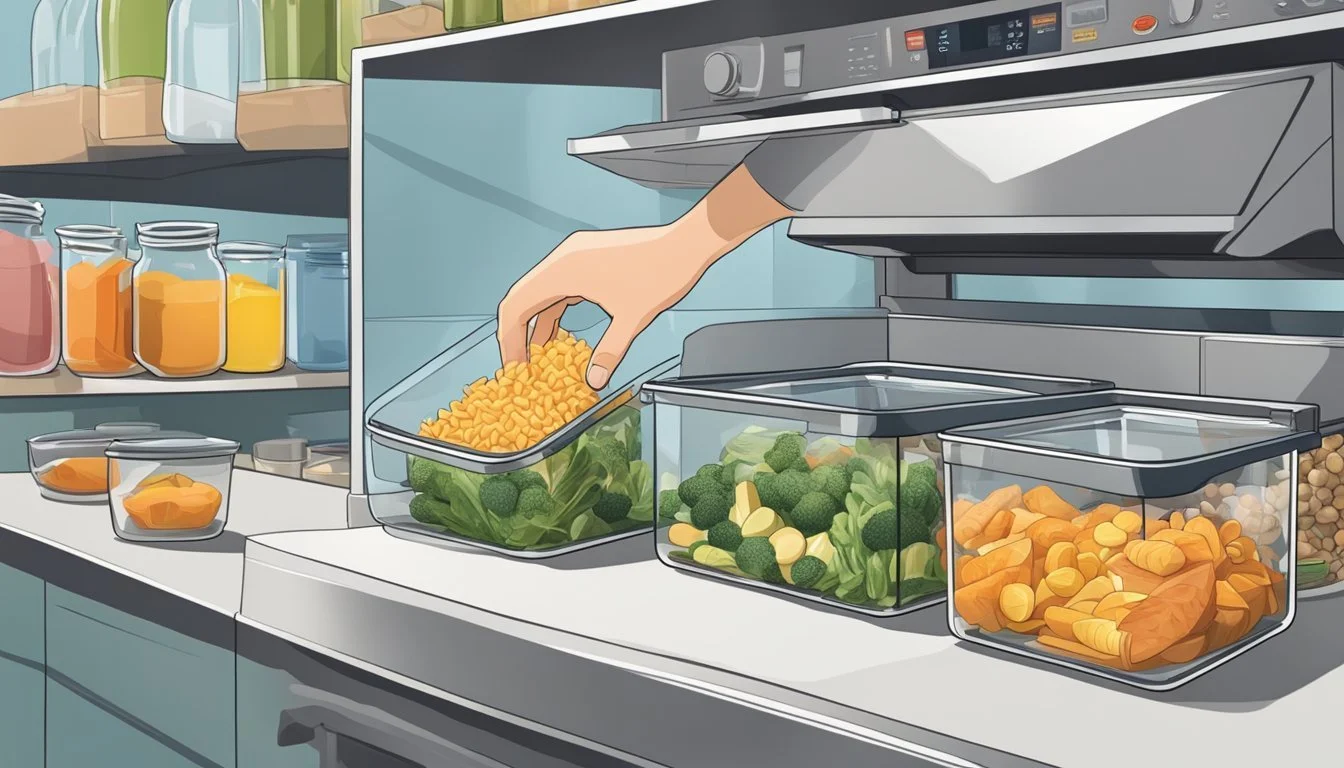
When selecting containers for meal prepping with a convection oven, consumers should prioritize materials that can withstand high temperatures and retain airtight seals. Airtightness ensures food freshness and quality post-cooking.
Choosing the Best Containers
For convection oven use, glass containers such as Pyrex are a preferred option due to their heat resistance and durability. Many of these containers are sold with airtight lids, which can help to maintain freshness and prevent spills. One should look for options that are labeled as BPA-free to ensure that no harmful chemicals can contaminate the food when heated. Mason jars can also be utilized for certain types of meal prep, especially for salads and overnight oats, though they are not typically suitable for direct cooking in a convection oven.
Heat Resistance: Must withstand typical convection oven temperatures.
Airtight Seal: Prevents food from drying out or getting freezer burn.
BPA-Free: No harmful chemical leaching.
Materials: Glass preferred for its non-reactive nature.
Tips for Using Airtight Containers
When using airtight containers, it's essential that they are sealed properly after the meals have cooled to room temperature. Sealing food while it is still hot can create a vacuum effect that may lead to contamination or spoilage. Always check the manufacturer’s instructions to confirm whether the containers' lids are dishwasher safe to maintain the integrity of the seal. Additionally, one should ensure that storage containers have ample space for food expansion, particularly for items that will be frozen, as this prevents cracking or breaking.
Allow Cooling: Cool food to room temperature before sealing.
Dishwasher Safe: Verify lid care to uphold airtight quality.
Space for Expansion: Provide extra room for freezing to avoid container damage.
By choosing the appropriate containers and using them correctly, cooks can ensure that their meal-prepped food remains fresh and flavorful.
Advanced Meal Prepping Techniques

Maximizing the potential of a convection oven for meal prepping involves the strategic use of additional appliances and incorporating a wide range of foods to maintain dietary balance and interest.
Using Additional Appliances
To enhance the convenience and efficiency of meal prepping with a convection oven, one should consider incorporating a slow cooker and other kitchen tools. The slow cooker excels in tenderizing meats and developing flavors over extended periods with minimal supervision. One could prepare grains in a rice cooker while the oven is occupied with roasting vegetables. Additionally, using these appliances concurrently enables one to cook large quantities of various make-ahead meals simultaneously.
Slow Cooker: Ideal for stews, soups, and tender meats.
Rice Cooker: Efficient for cooking a variety of grains to perfection.
Creative Ideas for Meal Variety
To avoid monotony in meal prepping, creativity is key. A convection oven allows for the versatility of preparing numerous healthy meals that appeal to a range of taste preferences. One should explore different seasoning blends for roasted vegetables to pair with cooked grains, ensuring a colorful and nutritious plate. Furthermore, one can marinate and cook different types of cooked meat in the oven, offering protein variety throughout the week. It’s crucial to rotate these elements to maintain excitement in the daily diet.
Roasted Vegetables: Experiment with root vegetables, squashes, and greens.
Cooked Grains: Quinoa, brown rice, and bulgur offer wholesome alternatives.
Cooked Meat: Batch-cook chicken, beef, or fish for protein versatility.
Maintaining Food Safety
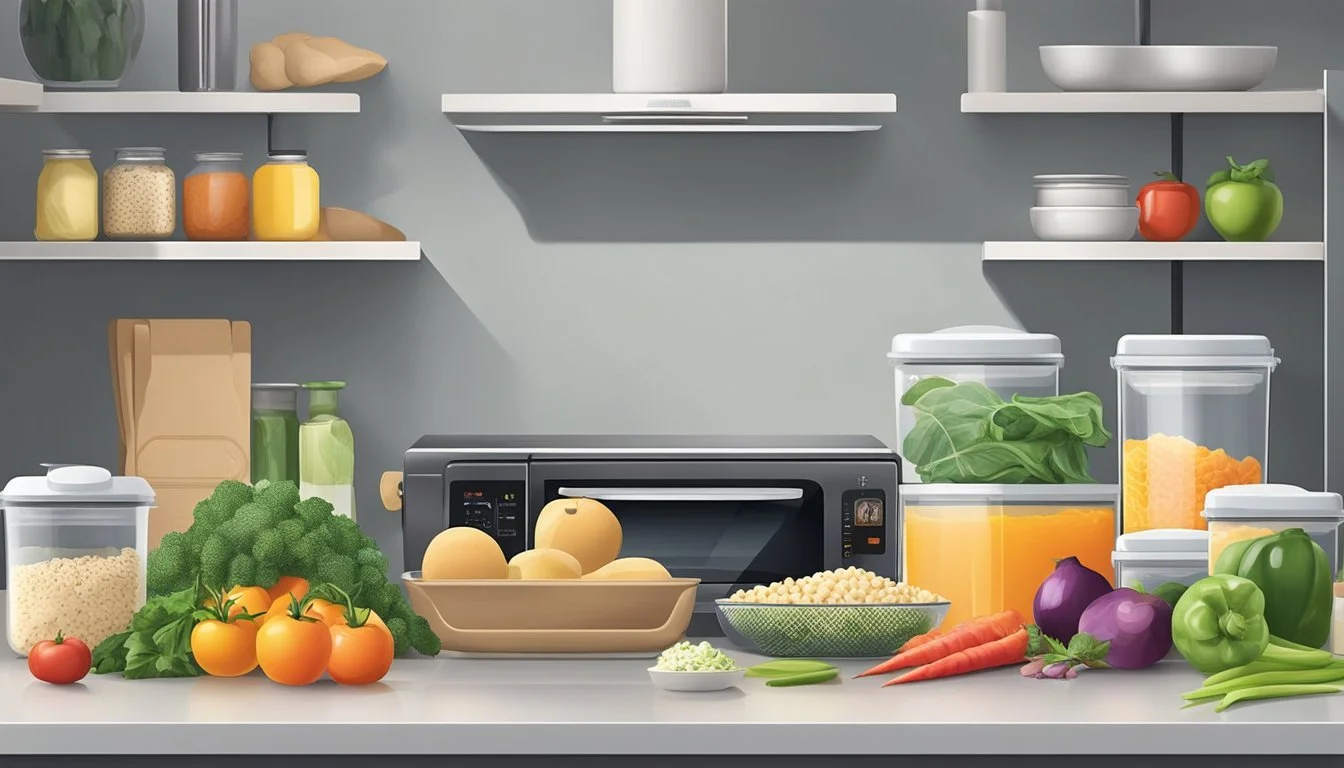
When it comes to meal prepping with a convection oven, ensuring food safety is paramount. This includes preventing contamination of foods during preparation and storing meals in a manner that mitigates the risk of foodborne illnesses.
Preventing Food Contamination
One must strictly adhere to clean cooking practices to safeguard against the admixture of harmful bacteria with food items. Cut fruit or boiled eggs, for example, should be handled with clean utensils and kept separate from raw meats to prevent cross-contamination. Surfaces and tools must be sanitized thoroughly before and after engaging with different food types, especially when dealing with potentially hazardous foods like poultry or seafood.
Key Steps to Prevent Contamination:
Use separate cutting boards for raw meats and ready-to-eat foods.
Wash hands with soap and water before and after handling different foods.
Clean all cooking surfaces and utensils with hot soapy water or a disinfectant.
Storing Prepped Meals Safely
Effective storage prolongs the freshness of meals and lessens food waste. Cooked meals, such as those involving a convection oven, should be cooled rapidly to prevent bacterial growth and stored in airtight containers to maintain quality. Labeling these containers with the date of cooking facilitates the consumption of older meals first and reduces the risk of using spoiled food. The temperature of the refrigerator should ideally be set below 40°F (4°C) to preserve leftovers and other prepped meals safely.
Guidelines for Safe Storage:
Store meals in shallow containers to reduce cooling time.
Keep the fridge at a consistent temperature to avoid spoiling.
Consume or freeze leftovers within 3-4 days.
By meticulously following these procedures, individuals can enjoy the convenience of meal prepping without compromising on food safety.
Making Meal Prepping Sustainable
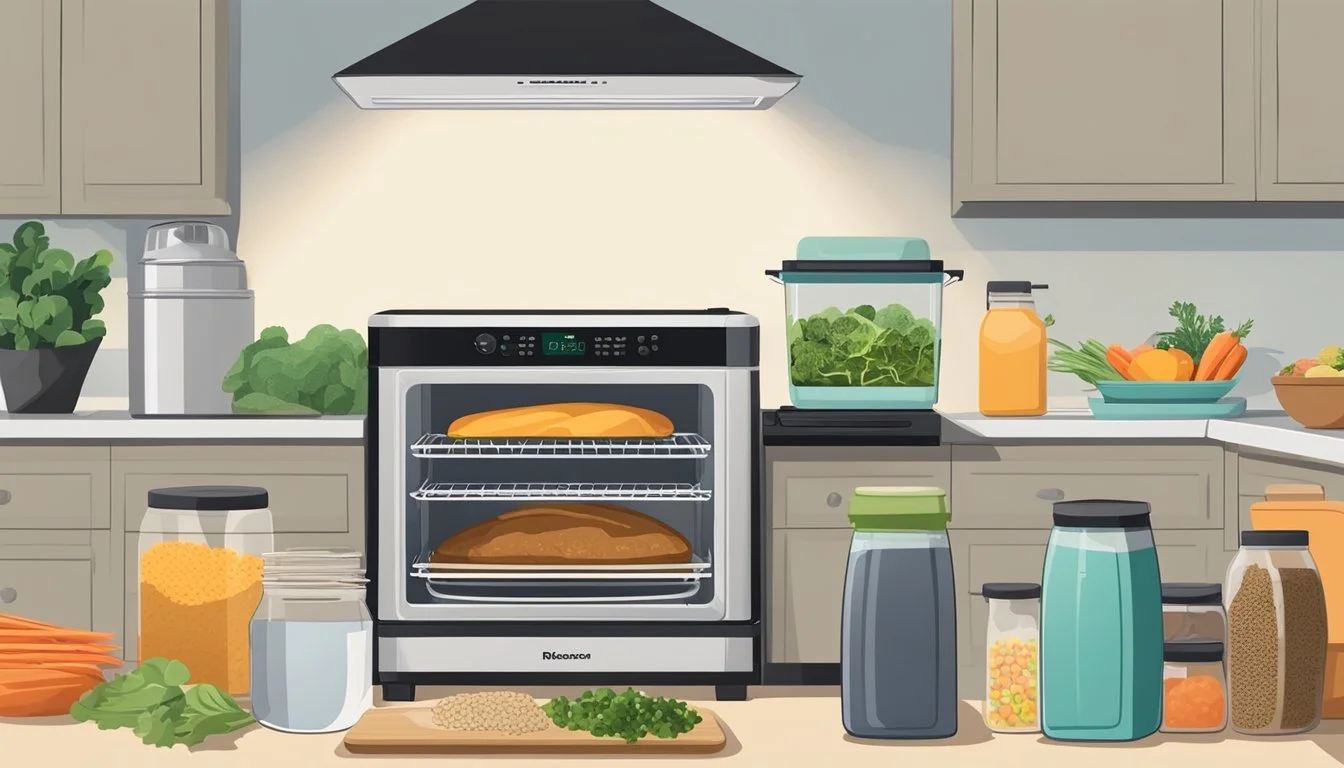
Sustainability in meal prepping with a convection oven involves strategizing to reduce food waste and aligning meals with a healthy lifestyle. By focusing on these principles, one can ensure their meal prepping is both eco-friendly and conducive to their health goals.
Reducing Food Waste
To minimize food waste, they should plan portions accurately, leveraging the convection oven's efficient cooking to prepare the right amount. Ingredients with approaching expiry dates can be prioritized in meal planning. Batch cooking with a convection oven is also advantageous, as it allows for multiple meals to be cooked simultaneously, reducing energy usage.
Inventory Management: Keep a checklist of perishable items to use first.
Composting: For unavoidable waste, consider composting peels and scraps.
Proper Storage: Using airtight containers extends the life of meals and ingredients.
Aligning Meal Prep with a Healthy Lifestyle
Incorporating a healthy lifestyle into meal prepping means balancing nutrient intake and calorie consumption to match individual health objectives. The convection oven aids in this by cooking food evenly and allowing for healthier cooking methods, like roasting instead of frying.
Nutrient-Dense Meal Planning: Include a mix of proteins, fats, and carbohydrates.
Proteins: chicken, fish, tofu
Fats: olive oil, avocados
Carbs: whole grains, sweet potatoes
By controlling portions and cooking methods, one can ensure their calorie intake is consistent with a healthy lifestyle.
Practical Tips and Tricks
In this section, we delve into the practicalities of using a convection oven for meal prep that save time and money while accommodating busy lifestyles.
Meal Prepping on a Budget
Budget-conscious individuals can reap the benefits of meal prepping with a convection oven through mindful planning and smart shopping. One should consider purchasing ingredients in bulk and looking for seasonal produce to cut down on costs. Using a convection oven efficiently involves batch cooking, where one can cook multiple trays of food at once due to the even heat distribution, saving energy and time.
Compare Prices: Research local stores to find the best deals.
Buy in Bulk: Select non-perishable items or freezable goods.
Making use of a convection oven means meals come out perfectly cooked with minimal oversight, allowing a person to multitask or prepare other meal components while the oven does its work.
Adapting Meal Prep to Busy Schedules
Those with limited time can optimize their meal prepping process by incorporating their convection oven's unique features. The fast cooking times due to the fan-assisted technology are a clear advantage for quick meal preparation. It's advisable to start small, with one or two simple recipes, to integrate meal prepping into one's routine without feeling overwhelmed.
Prep Cookware: Have trays and containers ready for efficient use of oven space.
Schedule Prep Time: Dedicate a specific day and time weekly for meal prepping.
A convection oven's versatility also allows for reheating meals without sacrificing food quality, ensuring enjoyable meals throughout the week.
Meal Prep for Every Meal

Meal prepping with a convection oven can revolutionize the way one approaches each meal of the day. By leveraging the even heating and efficient cooking capabilities, individuals can prepare a wide range of meals from quick breakfasts to convenient work lunches (What wine goes well with lunch?) and satisfying dinners.
Breakfasts on the Go
For those who rush in the mornings, breakfasts can be a challenge. A convection oven allows for baking multiple breakfast items at once, ensuring consistency and saving time. A classic option is egg muffins, which can be filled with a variety of vegetables, cheese, and meats, then baked in batches. These grab-and-go meals are not only tasty but also high in protein:
Egg Muffins
Bake at 350°F for 15-20 minutes.
Store individually for quick access during busy mornings.
Another option is homemade granola bars or oatmeal cups, which can be custom-made with favorite nuts, fruits, and seeds, creating a nutritious and portable breakfast choice.
Practical Work Lunches
When it comes to work lunches, the goal is typically to strike a balance between flavor, nutrition, and convenience. The convection oven is ideal for roasting large batches of vegetables and proteins, creating individually portioned meals that are both satisfying and practical. For example, one might prepare:
Chicken and Roasted Veggie Bowls
Roast at 375°F until chicken is cooked through and vegetables are tender.
Divide into containers for a week's worth of lunches.
By preparing components like marinated chicken thighs (What wine goes well with chicken thighs?) and a selection of colorful, seasonal vegetables, one can avoid the monotony of daily takeout and enjoy home-cooked lunches that are ready to reheat and eat.
Dinner Solutions
Dinner often requires more thought, particularly for those aiming to gather family or housemates around the table. Utilizing a convection oven for meal prepping can lead to efficient evenings with ready-to-cook ingredients. Sheet pan meals are an excellent option, combining protein, starch, and vegetables on a single tray for a complete meal with minimal cleanup:
Sheet Pan Shrimp Fajitas
Cook at 400°F for 8-10 minutes for the shrimp and veggies to be perfectly done.
By prepping and marinating the ingredients beforehand, one need only spread them on a pan and bake, simplifying dinner into an almost effortless task. Utilizing these tactics ensures that every meal is accounted for, reducing the reliance on less healthy food options and making the most of the convection oven's capabilities.
Final Thoughts
Meal prepping with a convection oven offers numerous benefits. One can save time, reduce food waste, and enjoy the convenience of having ready-to-eat meals at their fingertips. The convection oven circulates hot air around the food, which results in evenly cooked dishes and can enhance flavor profiles. Users should adjust recipes and cooking times to accommodate the faster, more uniform cooking style of a convection oven.
In the age of smart kitchen appliances, meal prepping has never been easier. The integration of convection ovens into meal prep routines can streamline the cooking process, allowing busy individuals to enjoy healthy, home-cooked meals without the daily time investment. The following points encapsulate the advantages of using a convection oven for meal prep:
Time Efficiency: Meals prepared in batches ensure that less time is spent cooking throughout the week.
Consistent Results: Convection ovens provide even cooking, reducing the chance of undercooked areas.
Nutrition Retention: Cooking at home allows for better control over ingredients, promoting a healthier diet.
Cost Effectiveness: Buying groceries in bulk for meal prep can lead to cost savings in the long run.
Embracing the use of a convection oven for meal prepping necessitates a small learning curve, especially when adapting recipes and cooking times. However, the benefits one reaps from this method can have a significant impact on both their culinary experience and lifestyle.

