Exploring the Texas Shrub Cocktail Trend
A Refreshing Rise in Popularity
The Lone Star State, known for its bold flavors and rich culinary traditions, has recently seen a resurgence of interest in an old-fashioned ingredient with a modern twist—the shrub. Shrub cocktails, recognized for their unique blend of fruit, sugar, and vinegar, have started trending in Texas's vibrant bar scene. This sharp increase in popularity is a nod to the state's innovative spirit and its willingness to embrace and reinvent historic beverage trends for contemporary palates.
In Texas, the shrub cocktail trend marries local produce with time-honored preservation methods, resulting in a tangy and refreshing concoction that's as versatile as it is delicious. The beverage's hallmark acidity and complexity of flavor have captured the attention of mixologists and patrons alike, leading to a creative explosion of shrub-based cocktails across renowned Texan cities. While traditionally non-alcoholic, these shrubs are now commonly spiked with spirits to create an array of sophisticated and layered drinks.
From sophisticated urban bars in Dallas to laid-back establishments in Austin, the shrub cocktail trend is a testament to Texas's dynamic and evolving cocktail culture. This movement encompasses a spectrum of tastes and preferences, offering something for everyone—from classic shrub cocktails that celebrate the simplicity of their ingredients to innovative drinks that push the boundaries of mixology. The trend also reflects a broader shift towards craft cocktails, with a growing emphasis on locally sourced and artisanal components.
The History and Revival of Shrubs
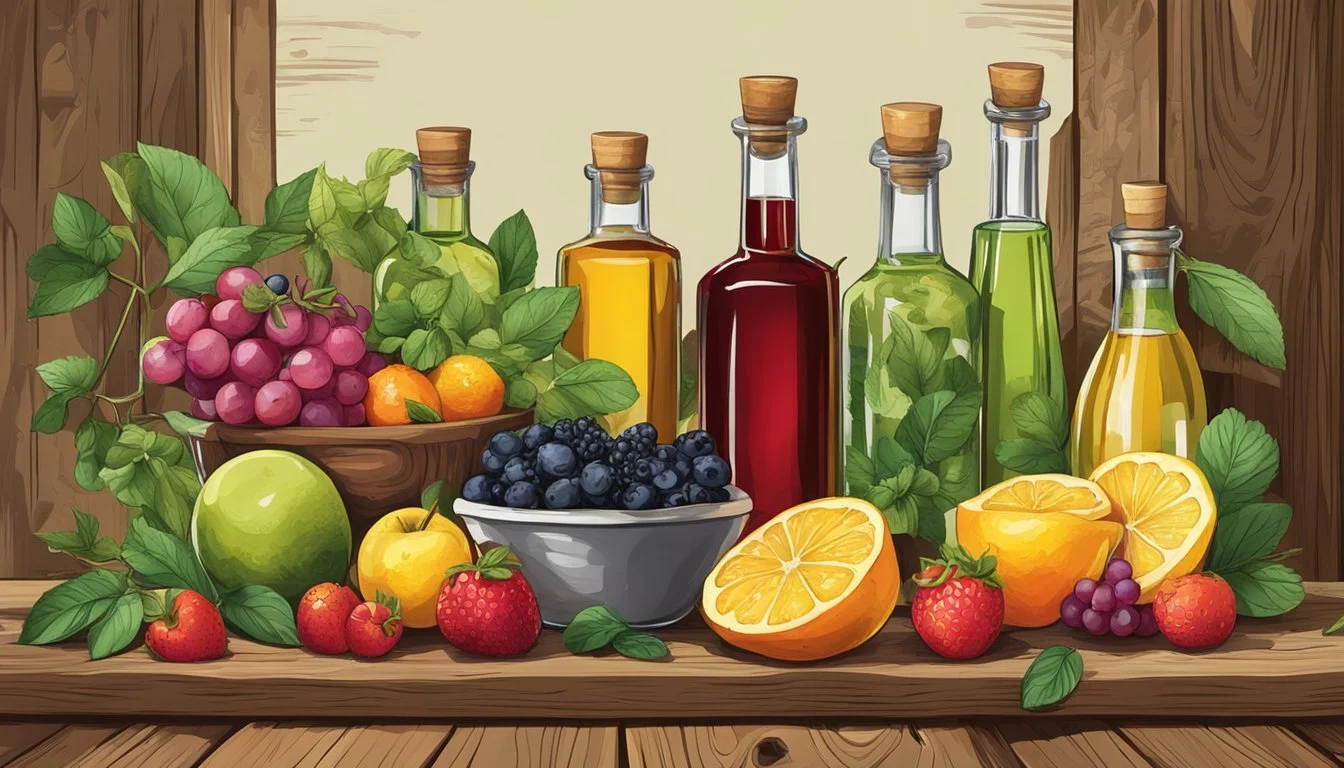
Shrubs, often known as drinking vinegars, have re-emerged as a popular ingredient in craft cocktails. Their combination of fruit, sugar, and vinegar creates a balance of sweet, tart, and tangy flavors, which is being embraced in modern mixology, especially within Texas.
Origins of Drinking Vinegars
Drinking vinegars trace back to ancient civilizations where they served as a preservation method for fruits. Apple cider vinegar, a common base, mixed with sugar and fruit, acted as a health tonic and a way to enjoy preserved fruit flavors year-round. The concept of mixing vinegar with water to create a refreshing drink is documented in many regions around the world, being particularly prevalent during the American colonial era.
Modern-Day Popularity
In the 21st century, the health-conscious movement and the rise of craft mixology brought shrubs back into the limelight. They offer a complex flavor profile and potential health benefits, making them a favored addition in contemporary cocktails. The versatility of drinking vinegars allows for endless combinations of fruits, sugars, and vinegars, leading to unique, bold flavor creations.
Cultural Resurgence in Texas
Texas has seen a cultural resurgence of shrubs in line with its robust cocktail scene and emphasis on local ingredients. Bartenders across the state are incorporating regional fruits into shrubs to create innovative drinks that reflect Texan flavors. Locally-sourced ingredients like Texas peaches and pecans often make their way into these concoctions, embracing a farm-to-glass ethos that resonates with Texan pride in local agriculture.
Basics of a Shrub Cocktail
A shrub cocktail is a beverage that uniquely balances sweetness and acidity, primarily using a mixture of fruit, sugar, and vinegar.
Defining the Shrub
A shrub is a vinegar-based syrup that originated from methods of fruit preservation dating back to the 17th century. The shrub forms the foundational element in these cocktails, providing a concentrated, sweet, and tart flavor profile that is both refreshing and complex. It is made by combining fruit, sugar, and vinegar and allowing the mixture to ferment and infuse.
Varieties of Shrubs
Shrubs can be crafted from a vast array of fruits, ranging from berries to citrus to stone fruits. The variety of fruit used can significantly alter the taste and character of the shrub. For instance, berries will offer a deep, jammy richness, while citrus fruits impart a brighter, cleaner tartness.
Berry Shrub: Rich and jammy
Citrus Shrub: Bright and tangy
Additionally, the type of vinegar used—such as apple cider, balsamic, or champagne vinegar—can complement the fruit's flavor and enhance the cocktail's overall depth.
Essential Components
The essential components of a shrub are:
Fruit: The starring ingredient, often mashed or chopped, and macerated with sugar to bring out its juices.
Sugar: Balances the tartness of the vinegar and brings out the natural sweetness of the fruit.
Vinegar: Adds the vital acidic component, creating a tart and tangy edge that defines a shrub's profile.
These ingredients combine to create a vinegar-based syrup that offers a harmonious blend of sweet and tart notes. The resulting syrup is mixed with spirits, soda water, or other mixers to create a shrub cocktail, appealing to those who appreciate nuanced and layered flavors.
Crafting the Perfect Shrub
In the vibrant cocktail scene of Texas, the shrub syrup is a cornerstone ingredient known for its acidity and depth of flavor. To craft the perfect shrub, one must take care in the preparation of the syrup, ensure the flavors are well-balanced, and employ proper techniques when integrating the shrub into cocktails.
Creating the Shrub Syrup
The foundation of a shrub is the syrup, which is crafted through maceration or through heat. For the cold method, one typically macerates berries and sugar in refrigeration, which can take 24-48 hours. This process gently coaxes the juices out of the fruit while dissolving the sugar to create a rich base. Here is a basic recipe outline:
Combine 1 cup of berries with 1 cup of sugar.
Mix thoroughly and cover.
Refrigerate and stir occasionally to ensure sugar dissolves completely.
Alternatively, the hot method involves boiling fruits, spices or herbs in water to extract their flavors swiftly, then combining this with sugar and allowing it to reduce. The process is as follows:
Boil 1 cup of water with chosen fruits or herbs.
Simmer for 15 minutes until the liquid is halved.
Strain and add equal parts sugar, stirring until dissolved.
Balancing Flavors
Balancing the sweetness with acidity is crucial. The addition of vinegar, such as balsamic for a deeper note or apple cider for a brighter note, creates a complex, multi-dimensional flavor profile. The balance between the syrup, sugar, and vinegar should be adjusted to taste, but a general guideline is to add vinegar just shy of the volume of sugar used in maceration.
Cocktail Crafting Techniques
When integrating the shrub syrup into cocktails, it's imperative to choose a spirit that complements the shrub's profile. Neutral spirits like vodka allow the shrub to shine, while something more robust, like whiskey, can create a bolder drink. Incorporating additional elements such as simple syrup, fresh herbs, spices, or ginger can further enhance the cocktail. Here's a succinct way to mix a shrub cocktail:
Measure 2 ounces of spirit, such as vodka or gin.
Add 3/4 ounce shrub syrup.
Combine with ice, shake or stir well.
Strain into a glass and garnish with a complementary herb or citrus peel.
By focusing on the quality of ingredients and taking the time to properly blend the flavors, one can harness the uniqueness of the shrub and contribute to the growing trend of refreshingly acidic, yet deeply flavorful shrub-based cocktails in Texas.
Popular Shrub Cocktails and Ingredients
The Texas shrub cocktail scene embraces both old and new, with classic recipes that celebrate regional flavors and innovative concoctions that offer a contemporary twist. From the zesty tang of fruit-infused vinegars to the depth and warmth of various spirits, these drinks showcase a rich palette of ingredients.
Classic Texas Shrub Recipes
Strawberry Shrub: A simple yet delightful mixture often involving a strawberry shrub syrup combined with a spirit like vodka or gin. The syrup itself is made from fresh strawberries, sugar, and vinegar – typically apple cider vinegar for its fruity complement.
Ingredients Quantity
Strawberry shrub syrup 2 oz
Gin or Vodka 1.5 oz
Soda water to top
Ice as needed
Bourbon Apple Cider Shrub: This heartwarming cocktail is a fall favorite, featuring a shrub made from tart apples, cider vinegar, and a hint of cinnamon. Mixed with bourbon, it offers a harmonious blend of sweetness and spice.
Ingredients Quantity
Bourbon 2 oz
Apple cider shrub syrup 1 oz
Bitters 2 dashes
Innovative Shrub Concoctions
Peach & Pineau Shrub: An inventive drink merging the sweetness of peach shrub with the subtlety of Pineau des Charentes, a fortified wine. The peach shrub is prepared by macerating peaches with sugar and vinegar.
Ingredients Quantity
Peach shrub syrup 1 oz
Pineau des Charentes 2 oz
Lemon juice 0.5 oz
Blood Orange Shrub Cocktail: This vibrant cocktail stands out with its citrus notes and ruby hue, inviting an interplay between the sweet blood orange shrub and the chosen spirit, often rum or whiskey for their robust characters.
Ingredients Quantity
Blood orange shrub syrup 2 oz
Rum or Whiskey 1.5 oz
Sparkling water to top
Ice as needed
Each shrub cocktail balances the acidic bite of vinegar with the sweetness of fruit and the complex notes of spirits, creating a drink that is both refreshing and satisfying. With the use of bitters and liqueurs, these cocktails can be fine-tuned to achieve a layered drink experience. Whether one prefers the simplicity of a classic or the intrigue of a new twist, Texas shrub cocktails offer an array of flavors to explore.
Non-Alcoholic Variations
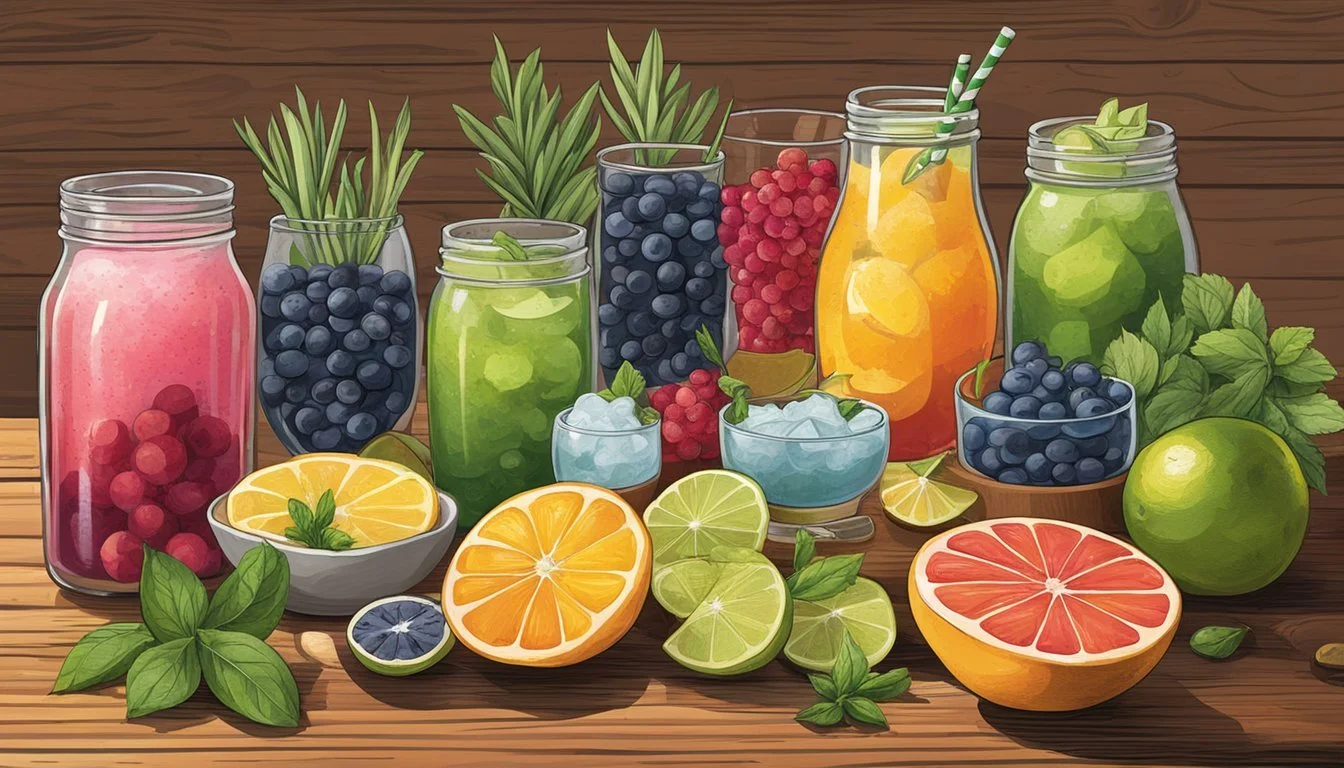
Texans are embracing a new wave of cocktail culture with a focus on non-alcoholic variations that do not compromise on complexity or flavor. These variations often feature shrubs, which are acidic syrups made from vinegar, fruit, and sugar, offering a tart and tangy base for a range of refreshing drinks.
Mocktails Featuring Shrubs
Mocktails have risen in popularity, providing sophisticated, non-alcoholic alternatives that utilize a diverse array of ingredients. In Texas, bartenders are masterfully combining shrubs with various juices and non-alcoholic components to craft drinks with depth and nuance. A popular choice is the no-groni, a twist on the classic Negroni, using a citrus-based shrub instead of gin for its signature bitter kick. Another crowd-pleaser is the no-jito, a minty concoction that replaces rum with a shrub, typically lime or mint-flavored, mixed with soda water to emulate the traditional Mojito's refreshing zest.
Example Mocktail Recipe:
2 oz Citrus Shrub
4 oz Sparkling Water
Ice Cubes
Garnish: Lime Wheel and Fresh Mint
Shake the shrub and ice in a mixer, pour into a glass, top with sparkling water, and garnish with a lime wheel and fresh mint.
Shrub Sodas and Refreshers
Shrub sodas offer a simple yet delightful drink option for those looking for non-alcoholic beverages. Bartenders often combine homemade or artisanal shrubs with soda water or sparkling water to craft light and bubbly refreshers. The versatility of shrubs shines here, with flavors ranging from Meyer lemon to orange and mango. Such drinks are not only limited to being enjoyed on their own; they can be paired with meals, or even used as a base for other non-alcoholic creations. Due to the shrub's concentrated flavor, only a small amount is needed when mixed with soda, creating a drink that's as thirst-quenching as it is flavorful.
Example Shrub Soda Recipe:
1 oz Meyer Lemon Shrub
6 oz Club Soda or Tonic
Ice Cubes
Optional Garnish: Lemon Twist
Fill a glass with ice, add shrub, top with club soda or tonic, and stir gently to combine. Add a lemon twist for an extra zesty note.
Pairing Foods with Shrub Cocktails
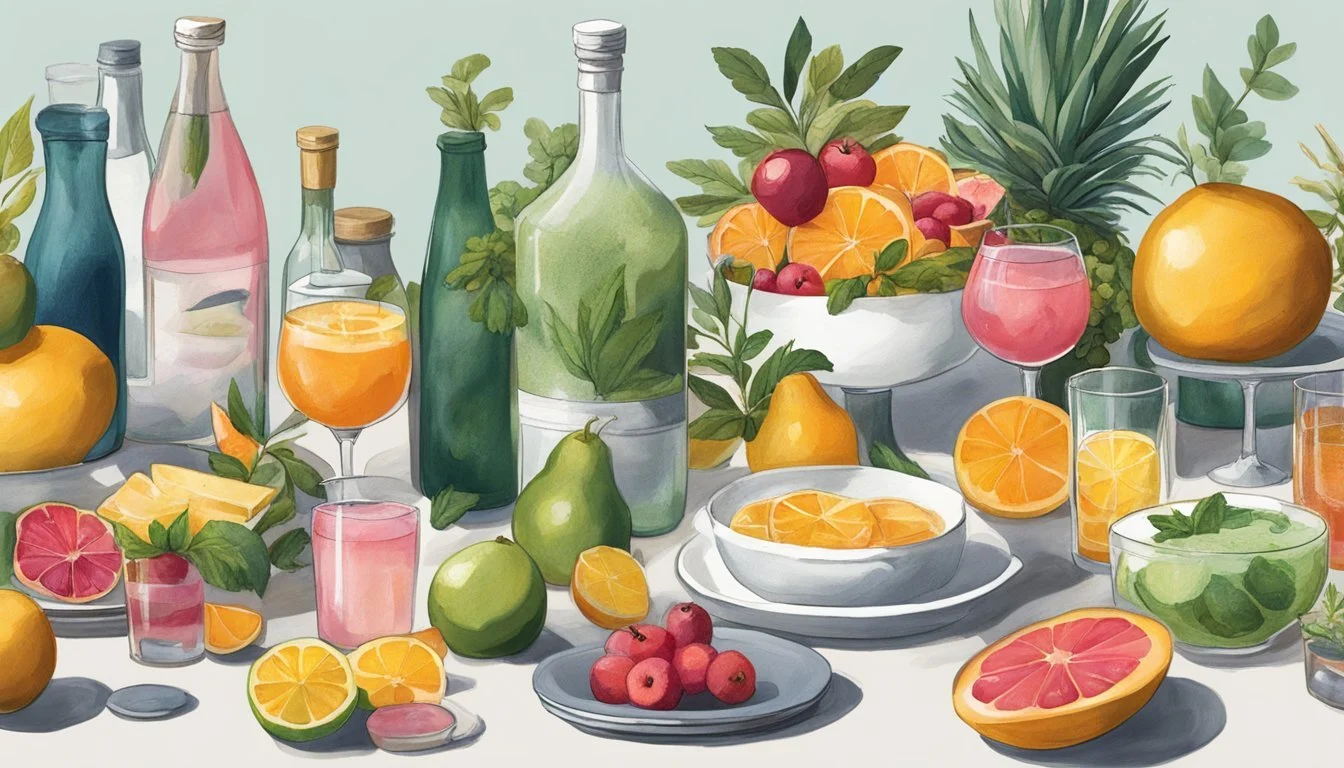
The versatility of shrub cocktails allows them to pair exquisitely with a variety of foods, enhancing the dining experience through complementary flavors. The right combination can accentuate the taste profile of both the drink and the dish.
Savory Combinations
For appetizers, one can consider grilled shrimp seasoned with herbs, which aligns nicely with the tartness of a citrus-based shrub cocktail. The acidity from the shrub can cut through the richness of cream-based main courses, such as fettuccine Alfredo, offering a refreshing palate cleanse. Grilled meats or barbecue, with their smoky and savory flavors, also benefit from the sharp contrast a shrub cocktail may provide—think pulled pork sliders with a blackberry shrub.
Sweet Pairings
Desserts (What wine goes well with desserts?) often call for a beverage that complements their sweetness without overwhelming the palate. A peach shrub cocktail with hints of vanilla may pair well with lighter desserts like a lemon pound cake. On the other hand, the combination of a berry shrub and dark chocolate mousse creates a balance between tart and bittersweet flavors that's both elegant and indulgent. When thinking of fruit juices as a base for the shrub, they should harmonize with the dessert's main ingredients to prevent the flavors from clashing.
The Role of Shrubs in Mixology
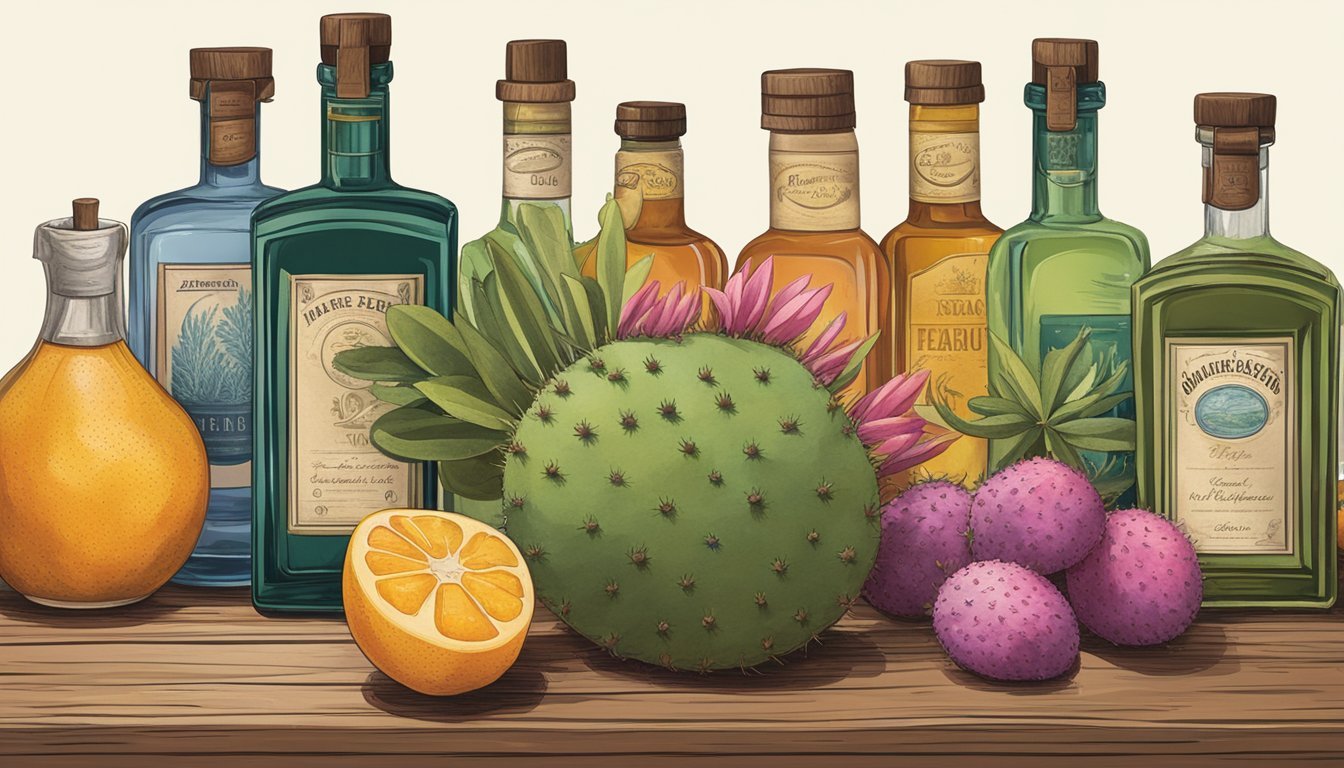
The integration of shrubs into mixology showcases a blend of traditional preservation methods and modern cocktail craft, elevating the role of vinegar-based syrups in the bartending community.
Bartender Creativity and Expertise
Mixologists are at the forefront of the cocktail renaissance, utilizing their expertise and creativity to blend different flavors and textures. Shrubs, which are concentrated syrups combining fruit, sugar, and vinegar, offer them a novel ingredient with which to experiment. This creativity not only revives historical preservation techniques but also enhances the flavor profile of contemporary cocktails. The use of shrubs requires a nuanced understanding of how the acidity and sweetness interact with spirits and other mixers, showcasing the bartender's skill in balancing complex flavors.
Incorporating Shrubs into Classic Drinks
With their versatility, shrubs allow bartenders to reimagine classic drinks with a modern twist. Here's an example of how shrubs can alter a familiar cocktail:
Old Fashioned: Substitute simple syrup with a cherry or berry shrub to introduce tangy notes.
The incorporation of shrubs into classic cocktails not only refreshes well-known recipes but also provides a diversified experience for patrons. By adding the tartness and depth of shrubs, mixologists can elevate a standard cocktail into an unexpected and memorable beverage. This technique underscores the adaptability of traditional mixology methods within the current trend-driven landscape.
Shrubs Beyond Cocktails

While shrubs are commonly featured in cocktails for their unique blend of tart and sweet, their versatility extends into culinary creations and wellness applications.
Culinary Uses
Cooking: Chefs are incorporating shrubs into their dishes to add a burst of flavor. A splash of shrub can bring a bright, acidic note to sauces or glazes. For example, a fig and balsamic shrub might complement the savoriness of roasted meats, creating a balance between tangy and umami notes.
Salad Dressings: Homemakers and chefs alike are finding that shrubs make excellent vinaigrettes. A simple formula is:
1 part shrub
1 part oil
Salt and pepper to taste This combination can elevate a garden salad or a cold pasta dish with its complex layers of flavor.
Marinades: Shrubs can serve as a base for marinades, imparting both tenderizing acidity and distinctive flavors to proteins. A shrub with apple cider vinegar could be the foundation of a marinade that leaves chicken succulent and infused with subtle sweetness.
Health and Wellness Applications
Health Benefits: The components of shrubs, specifically the fruit and vinegar, are associated with various health benefits. Vinegar has been studied for its potential in aiding digestion and stabilizing blood sugar levels.
Digestion: The acetic acid in shrubs can help with digestive issues by stimulating enzymes that break down food. Individuals may consume a small amount of shrub before meals to promote digestion.
Shrubs offer a wide array of applications beyond their role in mixology, with their culinary versatility and healthful properties making them a valuable addition to both kitchen pantries and wellness routines.
Future Trends and Predictions

The Texas shrub cocktail scene is poised for exciting advancements, with innovation and new markets playing a pivotal role in shaping its future.
Innovations in Shrub Making
In the world of shrub cocktails—a beverage made with a combination of vinegar, fruit, and sugar—creativity is blooming. Bartenders and mixologists are venturing beyond traditional recipes, incorporating exotic fruits and herbal infusions to cater to a sophisticated palate. Infusions with smoked herbs and spiced vinegar reductions are setting the bar for complexity and depth of flavor. There's a noticeable tilt towards sustainability, with an emphasis on using local and seasonal ingredients. This trend aligns closely with consumer preferences that increasingly lean towards products that are not just delicious but also responsibly sourced.
Emerging Shrub Markets
As the Texas shrub cocktail continues to gain popularity, its market extends beyond the Lone Star State. Trend analysis indicates a growing demand for high-quality, artisanal shrub cocktails in other states, especially in metropolitan areas that are cultural and culinary hubs. Cities such as New York, San Francisco, and Chicago are seeing a rise in specialty cocktail bars spotlighting shrubs. Additionally, there is significant potential in the non-alcoholic beverage market with mock-shrub cocktails that cater to health-conscious consumers looking for complexity without the alcohol.
This trend showcases an adaptability to market trends, as the shrub cocktail manages to find its niche not only among traditional spirit enthusiasts but also within a burgeoning community interested in innovative drinking experiences minus the alcohol.
Conclusion

In the beverage landscape of Texas, the shrub cocktail trend showcases an innovative fusion of flavors that captures both tradition and creativity. Bartenders across the state have enthusiastically adopted the use of shrub syrups, creating a spectrum of drinks that promise to delight the palate. A combination of fruit, sugar, and vinegar, shrubs offer a balance of sweet, tart, and tangy notes, providing a refreshing twist to cocktails.
Recommendations for enthusiasts seeking to partake in this trend include:
Experimenting with local Texan ingredients for an authentic taste
Exploring various combinations of fruits and vinegars to find a personalized preference
Sourcing high-quality spirits to complement the robust profiles of shrubs
While shrub cocktails are currently enjoying popularity, the future outlook suggests a continual evolution. The adaptability of shrubs to suit non-alcoholic beverages also points towards a broader appeal, catering to a wider audience seeking unique drinking experiences.
Whether incorporated into a classic bourbon cocktail or served as a vibrant, non-alcoholic soda, shrubs are a testament to the dynamic and ever-changing world of mixology. Their presence on menus is more than a trend; it is a reflection of the enduring spirit of innovation that Texas mixologists bring to the American cocktail culture. It's anticipated that shrubs will remain a staple at bars and in homes long into the future, offering an endless canvas for experimentation and enjoyment.