
The Rise of Texas-Made Pisco
Embracing South American Traditions

Pisco, a traditional spirit distilled from grapes, is steadily carving its niche in the Texas beverage market. Originating from South America, pisco has long been cherished in Peru and Chile, with both nations claiming its heritage. The spirit's versatility and unique flavor profile have captured the attention of American consumers, leading to a significant increase in pisco imports into the United States over recent years.
As the interest in pisco grows, Texas has emerged as a focal point for its expansion. The rich cultural tapestry of Texas, combined with its size and economic strength, provides an ideal platform for pisco producers to introduce this South American spirit to a broader audience. Local entrepreneurs, inspired by pisco's potential, have begun to explore the craft of pisco production, signaling the commencement of a new chapter in the American craft spirits movement.
In response to this interest, Peru has expressed enthusiasm in promoting pisco in Texas, viewing it as another candidate for the state's already diverse array of favored drinks. This interest from Peruvian producers indicates the prospect of a cultural exchange that could enrich the variety of spirits available in the Texas market while fostering a greater appreciation for pisco's unique qualities among American consumers.
The Heritage of Texas Spirits
The spirit industry in Texas reflects the state's rich and storied past, interweaving the independent spirit of the Lone Star State with its enterprising approach to craftsmanship. Texas distilleries have garnered attention for their dedication to creating high-quality products, which embody the rugged charm and innovative ethos of the region.
In the Texas Hill Country, a hotbed for whiskey-making, distilleries like Garrison Brothers and Treaty Oak Distilling lead the charge. With an appreciation for traditional techniques yet an eye for innovation, these distilleries have pioneered the production of Texas Bourbon. Garrison Brothers Distillery, in particular, prides itself on being the first legal whiskey distillery in Texas, crafting small-batch bourbon with local ingredients.
Texas Distilleries Notable Products
Garrison Brothers Small Batch Bourbon
Treaty Oak Distilling Ghost Hill Bourbon
Balcones BLUE CORN Whiskey
Western Son Distillery Vodka and range of spirits
Still Austin Whiskey Co. Range of Texas Bourbons
Yellow Rose Craft whiskeys
Spirit of Texas Pfluger Single Malt Whiskey
These distilleries emphasize the use of local ingredients, like the blue corn used by Balcones, crafting a distinctly Texas product. The commitment to a sense of place extends to Ranger Creek, which not only distills but also operates as a brewery, further entrenching itself in the local terroir. Republic of Texas products draw their identity from the state's history, adding depth to the story these spirits tell.
The drive for high-quality product and small batch bourbon resonates through the spirit of Texas, assuring that when one enjoys a glass of Texas bourbon, they are partaking in a legacy rooted in authenticity and pride. Texas continues to stand out in the distillery scene for its bold flavors and steadfast commitment to quality, claiming a prestigious spot in the pantheon of American spirits.
Exploring the Distillation Process
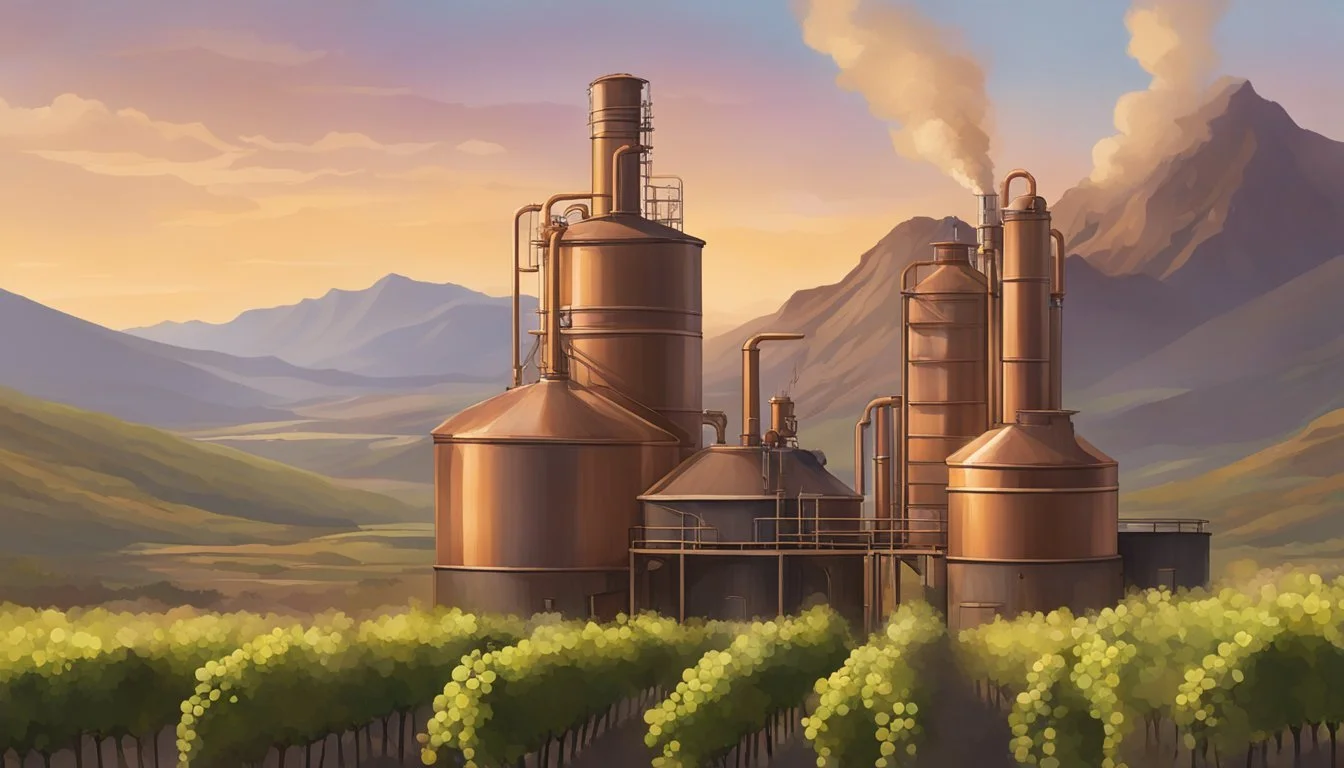
The distillation process for Texas-made Pisco involves precise temperature control and leverages the unique climate and terroir of Texas. This finely tuned method ensures the character of the spirit is shaped from grain selection to the maturation endpoint.
From Grain to Glass
The first step in the distillation process is the careful selection of grains. Texas distillers use local crops, emphasizing sustainable farming practices, where the grain's quality sets the foundation for Pisco. The grains are then fermented, creating a mash that's ready for distillation. Distillation takes place in a copper still, often handcrafted, to meet the specific needs of the legal distillery. As the fermented mash is heated, the release of heat triggers a separation of alcohol from the mixture, capturing the essence of the spirit.
Effects of Climate and Terroir
In Texas, climate and terroir play a crucial role in the distillation and maturation process. The state’s diverse climate regions, ranging from arid deserts to humid coastlines, impact the evaporation and flavor profile of Pisco. The soil composition, altitude, and temperature fluctuations unique to each terroir contribute distinct nuances, influencing the Pisco’s character.
The Maturation Journey
Post-distillation, Pisco embarks on its maturation journey. As it is aged, factors like temperature variance and environmental conditions affect the rate of evaporation and intensity of the flavors. Texas’s variable climate can accelerate the maturation process, allowing the spirit to develop complexity in a shorter period. The spirit's maturation is meticulously monitored until it achieves the desired profile indicative of Texas-made Pisco.
Signature Flavors and Aromas
In the burgeoning Texas pisco market, the spirit is defined by its distinctive flavor profiles, which capture the essence of the locally-sourced botanicals and the meticulous art of flavor profiling by Texan distillers.
Local Botanicals and Additions
The Texas terroir lends a unique flavor to its pisco, often incorporating Texas grapefruit, pecans, and lavender into their aromatic profiles. Grapefruit, especially, imparts a zesty citrus note, while pecans offer a subtle nuttiness. Lavender contributes a floral aroma, which can complement the vibrant notes of grapefruit. Meanwhile, pink peppercorn adds a nuanced spice and lemongrass delivers a refreshing, herbal quality to the spirit.
Botanicals commonly found in Texas-made pisco:
Citrus: Texas grapefruit
Nuts: Pecans
Florals: Lavender
Herbs: Lemongrass
Spice: Pink peppercorn
The Art of Flavor Profiling
Distillers pay close attention to the flavor profiles of their pisco, carefully balancing the intensity of each note. Unlike vodka, which is often neutral in taste, Texas pisco boasts a complex array of flavors such as caramel, coffee, and anise.
Notable flavor and aroma notes in Texas pisco:
Sweetness: Caramel, Maple
Earthy: Coffee, Licorice
Spicy: Anise, Juniper
Refreshing: Mint
The crafting of pisco flavor profiles in Texas is an intricate process, matching and contrasting different notes to create a smooth, sophisticated spirit. Each of these flavors doesn't stand alone; rather, they mingle to produce a pisco that is rich in character and complexity.
The Cultural Impact of Texas Distilling
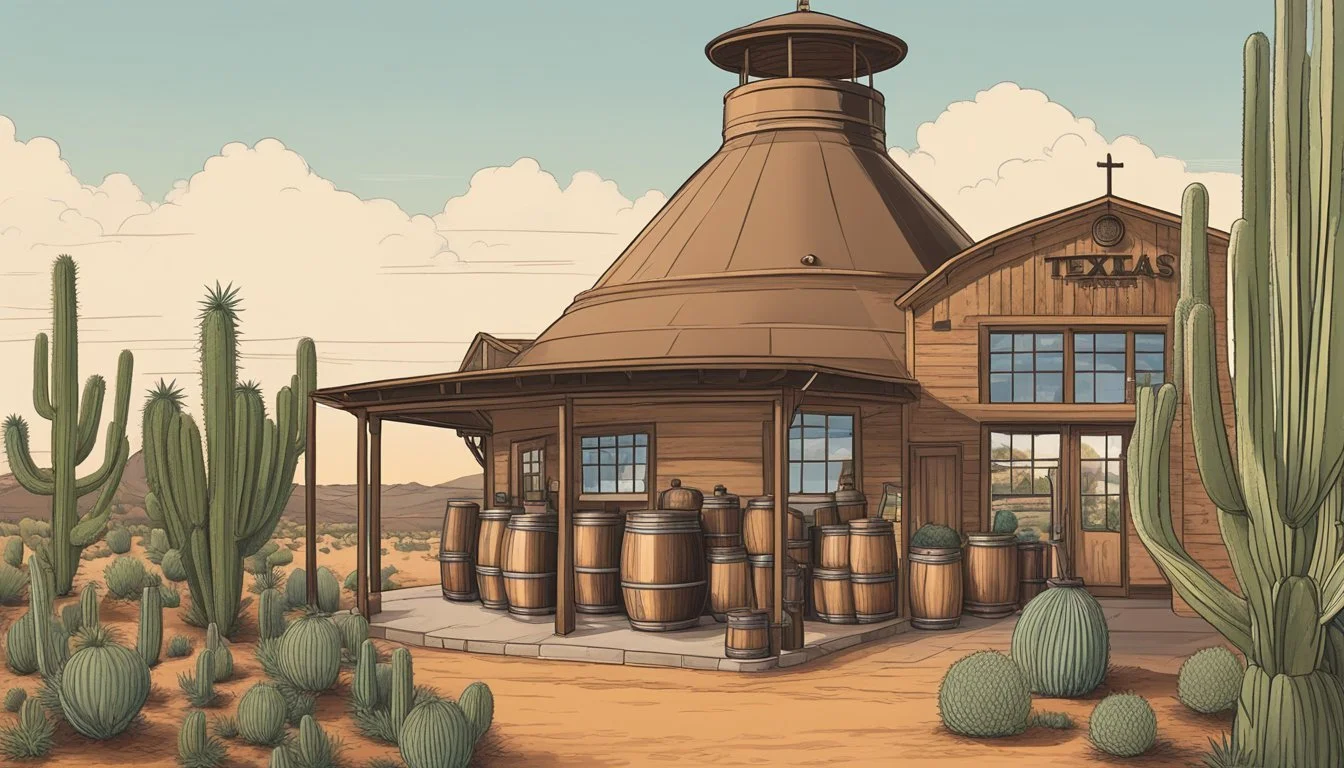
The Texan distilling movement has had a profound effect on local culture and economy, intertwining with the iconic image of the state that includes cowboy boots and wide-open spaces.
Texan Identity and Spirits
Texas distilleries have woven craft spirits into the fabric of Texan identity. As they champion local ingredients and traditional methods, these establishments foster a sense of pride among Texans. This connection is seen vividly in the attire of choice at distillery tours and local spirit events, where cowboy boots and Stetson hats are not uncommon. Moreover, organizations like the American Distilling Institute support this burgeoning identity by recognizing craft distilleries for their unique contributions to American spirits.
Influence on Local Economy
Craft distilleries in Texas have become significant contributors to the local economy. They have created jobs, driven tourism, and supported ancillary industries, such as local agriculture and glassware. Economic studies, like one conducted by the UTSA Institute for Economic Development, highlight how even during challenging times, Texas distilleries have generated billions in economic impact. The growth of craft spirits has also dovetailed with movements that aim to modify lingering Prohibition-era laws, further strengthening the economic potential of this sector for Texans.
Innovations and Trends in Texas-Made Pisco
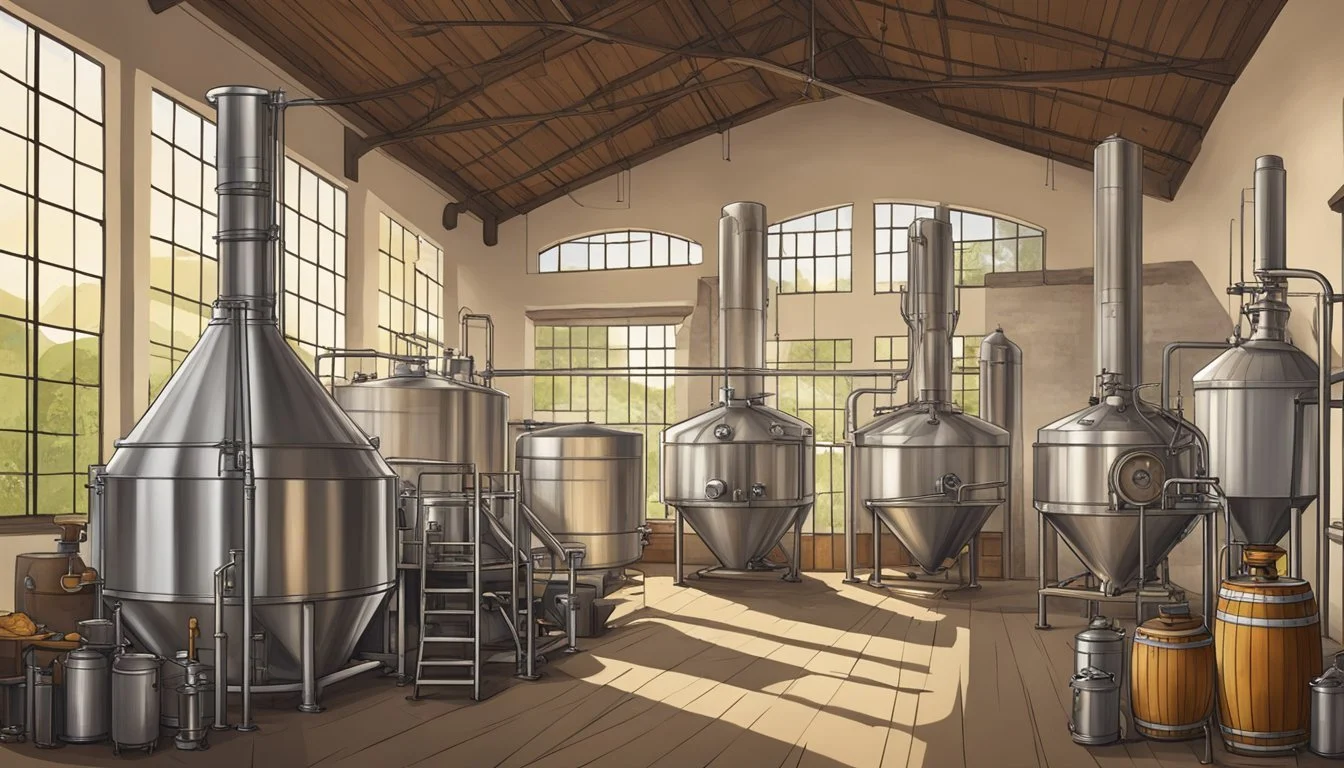
The Texas spirits scene is witnessing a notable shift with the rise of Texas-made pisco, characterized by technological advancements and a commitment to sustainability.
Emerging Technologies
Revolution Spirits, known for its innovative approach to liqueurs like Austin Reserve Gin, has also turned its attention to pisco. They are utilizing precision distillation techniques to enhance the flavor profile of this grape-based spirit. Additionally, digital fermentation monitoring comes into play, enabling precise control over the fermentation process, which is key to crafting high-quality pisco.
Sustainability in Production
Sustainability is firmly on the radar of distilleries like Balcones Distilling. They embody the grain-to-glass ethos by sourcing local produce and emphasizing the importance of community and eco-friendly operations. For Texas pisco production, this means a sustainable supply chain, with practices in place to manage water usage and energy efficiency—vital components to the state's pledge for a greener future. Proof that sustainability is more than a buzzword, Texas-made pisco offers a tangible way for consumers to support sustainable practices while enjoying fine spirits.
The Business of Distilling in Texas
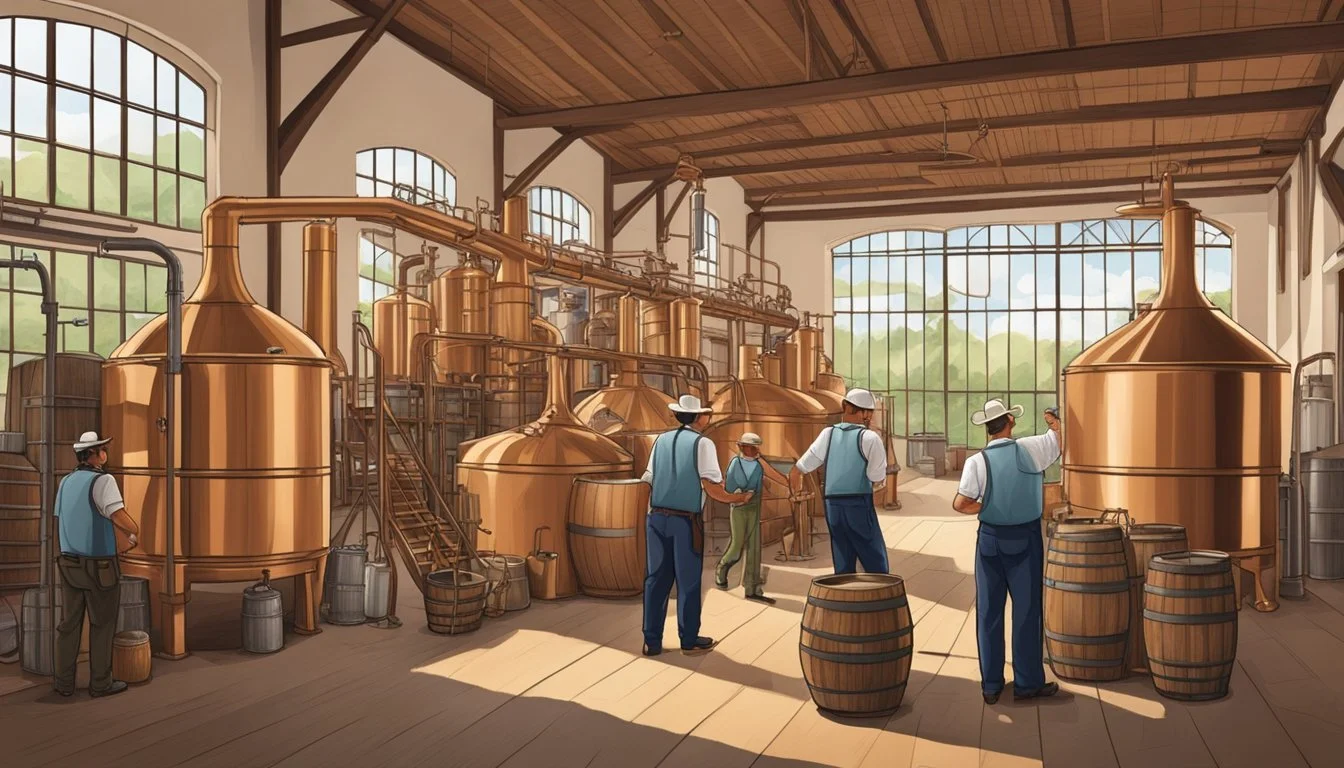
The Texas distilling industry has experienced a significant transformation, marked by an evolving legal framework and an increase in the number of craft distilleries.
Legal and Regulatory Landscape
In Texas, the distilling business is governed by a combination of state and federal regulations that aspiring entrepreneurs must navigate. Starting a legal distillery involves obtaining the necessary permits and adhering to strict guidelines on production, labeling, and sales. Historically, complexities in the liquor law landscape posed challenges for smaller producers. However, recent legislative changes have started to pave the way for a more conducive business environment. Distilleries now have the ability to sell their products on-site and in-house, a critical factor for business sustainability, especially in densely populated areas like cities or downtown districts.
The Rise of Craft Distilleries
The craft distilling movement in Texas has gained momentum, with distillers like Jared Himstedt at Balcones Distilling championing the production of unique spirits such as Baby Blue, a blue corn whisky. Craft distilleries like his capitalize on Texas's diverse climate, leveraging the intense humidity to influence the maturation process of the spirits. This regional character extends to Houston Farris and Dennis Rylander of Firestone & Robertson Distilling Co., who have homed in on creating distinctively Texan whiskey with creative ingenuity. In places like downtown Houston, craft distilleries contribute to a burgeoning local industry, giving rise to a new culture of spirited craftsmanship that attracts both residents and tourists alike.
Exploration of Texas Spirit Varietals
The "Exploration of Texas Spirit Varietals" focuses on the innovative approaches Texan distilleries take in crafting unique versions of classic spirits, particularly emphasizing the ingenuity behind bourbon and gin production within the state.
From Bourbon to Gin
Texas distillers have been redefining the craft of bourbon, expanding from traditional kentucky-style recipes to small batch bourbons and other unique blends. Garrison Brothers Distillery, established in the Texas Hill Country, claims the title of the first legal whiskey distillery in the state. Their offer includes Garrison Brothers’ Small Batch Bourbon, which showcases bold flavors derived from Texas corn and the distinctive terroir. Another noteworthy example is Still Austin Whiskey Co. in Austin, which prioritizes sourcing local heirloom grains to create their signature Ghost Hill Bourbon—a testament to the grain-to-glass movement they champion.
Treaty Oak Distilling also contributes to the Texas bourbon narrative with its craft Ghost Hill Bourbon, distilled from a specific blend of Texas corn, wheat, and barley, aged in charred American oak barrels. Despite bourbon’s dominance, the Lone Star State has witnessed an uptick in gin production. Austin Reserve Gin, distilled by Revolution Spirits, encapsulates the botanical diversity of the region, blending juniper with local flavors.
Unique Takes on Classic Spirits
Apart from bourbon and gin, Texas distilleries produce a wide array of spirits, continually experimenting with recipes that break away from the norm. Balcones Distilling in Waco is celebrated for their innovation, specifically their Baby Blue Whiskey crafted from blue corn, an homage to Texas’ agricultural richness. It stands out among Texas whiskeys for incorporating this unique grain.
In terms of vodka, Western Son Distillery stands out with their products that spotlight Texas’s versatility, offering flavors infused with Texas-grown fruits. Similarly, Yellow Rose Distilling in Houston takes pride in offering a range of spirits, showcasing Texas bourbons which they ensure are prepared from 100% Texas corn. Moreover, Ranger Creek in San Antonio has earned accolades for both its bourbon and gin, crafted meticulously to represent Texan tradition and ingenuity.
Meanwhile, Republic of Texas and Spirit of Texas distilleries manifest a growing appreciation for local products, with both small-scale operations focusing on celebrating the distinctive qualities that make up the United States’ bourbons and vodkas. Through these expressions, Texas spirits are gaining a reputation for distinct and high-quality products within the state and beyond its borders.
The Impact of Geography on Texas Distilleries
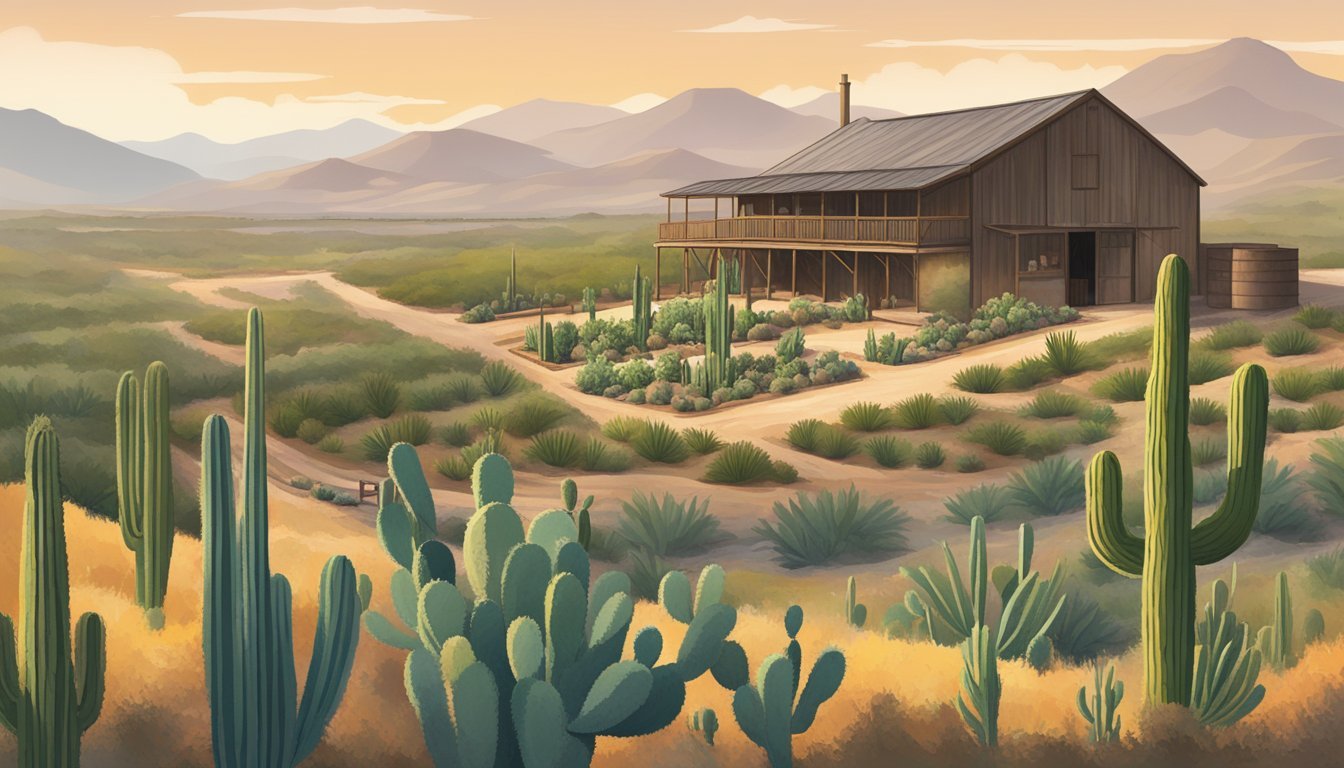
Texas distilleries benefit significantly from the state's diverse geography, which offers varying climates and terroir, influencing the flavors and qualities of locally produced spirits such as Pisco.
The Role of Texas Hill Country
The Texas Hill Country is central to the state's burgeoning distillery scene. With a climate that varies from humid to semi-arid, this region presents an ideal environment for growing a variety of crops, including the heart of the Pisco grape. The warm days and cool nights of the Hill Country are reminiscent of the traditional Pisco-producing regions, allowing for a balanced ripening process that is crucial for the development of nuanced flavors.
Climate: The unique diurnal temperature swings
Terroir: Well-drained soils, enriched by historic volcanic activity
Crops: Supports grape varietals suited to Pisco production
Variations Across the Lone Star State
The Lone Star State is vast with microclimates that differ from the humid subtropical areas of East Texas to the arid deserts of West Texas. This variety in temperature and moisture significantly impacts the cultivation of different crops, including Texas corn, which can be used in spirit production. Each region's unique conditions contribute to the distinct profiles of Texas-made spirits. For instance, Waco, which lies along the line demarcating the humid East Texas and the drier Central Texas, can see more robust crop growth, affecting the quality and flavor of local Pisco.
Regional Climates: Influences from Mexico and the Gulf of Mexico create varied conditions
Historical Influence: The legacy of the Texas Revolution and the rich cultural influences of Mexico
Texas Corn: High-quality grains used for grain-based spirits, contrasting with grape-based Pisco
Throughout these regions, distillers leverage the geography to craft spirits that speak to the rich cultural tapestry and the history of innovation and quality that has defined Texas since its inception.