Texas Bartenders' Tips
Mastering Low-ABV Cocktail Creations

Amidst the burgeoning cocktail culture, Texas bartenders are embracing the rising trend of low-alcohol by volume (ABV) cocktails. These beverages, characterized by their modest alcohol content, cater to patrons seeking to enjoy the social aspects of a cocktail experience with a more moderate approach to alcohol consumption. As aficionados and casual drinkers alike become more health-conscious, the demand for such libations has grown, positioning low-ABV cocktails as both a responsible and creative expression within the bar scene.
Texas mixologists are at the forefront of this movement, using their expertise to craft cocktails that are rich in flavor without the high alcohol content. They are redefining indulgence with a lighter touch, keeping the essence of traditional mixology alive while appealing to a wider audience. By leveraging fresh ingredients, herbal infusions, and a spectrum of bitters and amari, they create layers of complexity that challenge the palate and showcase the versatility of low-ABV recipes.
This guide offers insight into the methods and mindsets of Texas bartenders who have honed the art of low-ABV cocktail creation. Each concoction is a testament to the balance and subtlety achievable in a glass, providing an inviting alternative that aligns with the shift towards moderation in drinking habits. Whether for a brunch, a lengthy soirée, or a casual evening out, these cocktails promise satisfaction without compromise—serving as a testament to the innovation pervading Texas' spirited landscape.
Understanding Low-ABV Cocktails
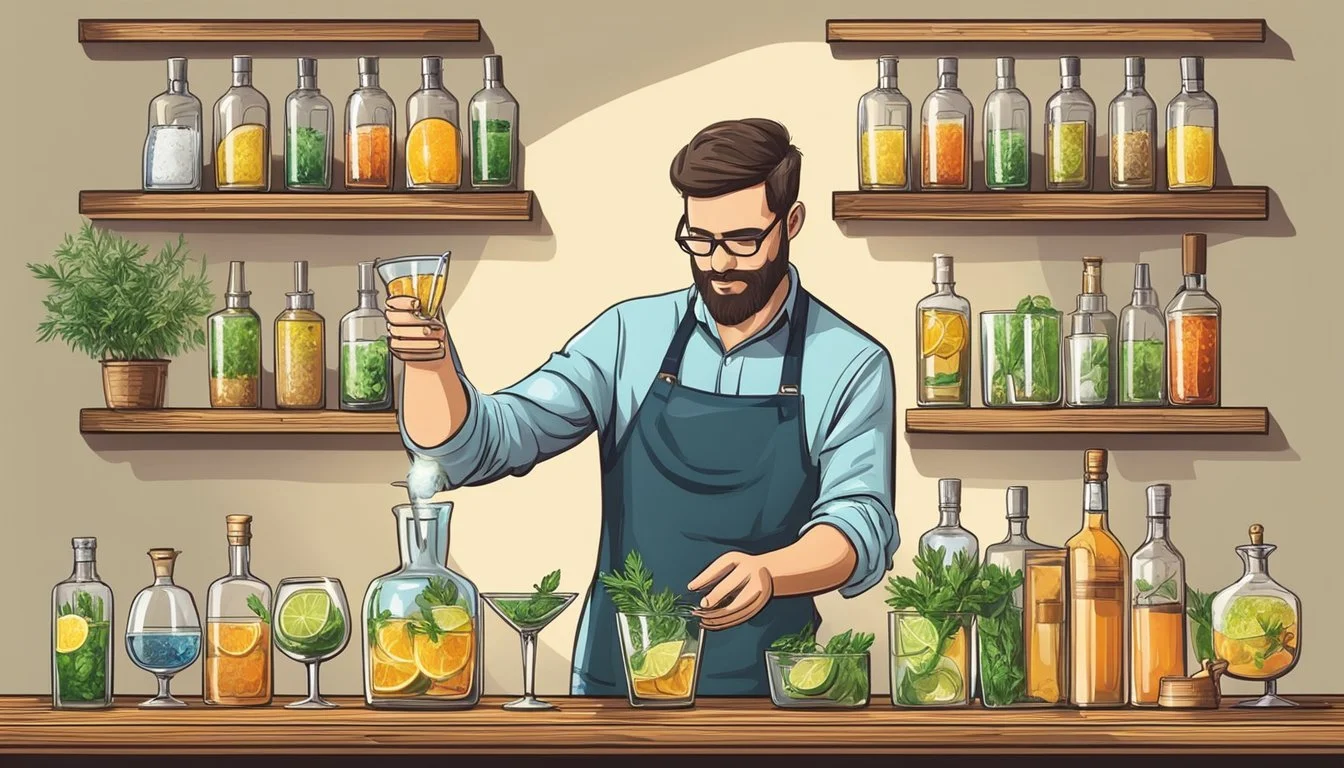
Low-ABV cocktails are mixed drinks containing lower amounts of alcohol by volume (ABV) compared to traditional cocktails. They typically focus on flavor and craft, appealing to a health-conscious audience and those seeking balance in social settings.
These cocktails incorporate a variety of ingredients like:
Amaro
Aperitifs
Vermouth
Sherry
Texas bartenders emphasize the importance of careful ingredient selection to maintain the integrity of the drink while ensuring it remains low in alcohol content.
Cultural Relevance
Low-ABV drinks are gaining traction in Texas bar culture, reflecting a growing desire for more moderate alcohol consumption without sacrificing the social experience of cocktail hour.
Health Considerations
By containing less alcohol, these cocktails are a go-to for patrons who are health-conscious but want to enjoy a crafted beverage.
Balance in Flavor
A key characteristic is the balance between bitterness, sweetness, and acidity—achieved without relying heavily on high-proof spirits.
Table 1: Common Low-ABV Spirits
Spirit ABV Range (%)
Amaro 16-35
Aperitifs 15-25
Vermouth 15-18
Sherry 15-20
They aim to deliver a satisfying experience where the enjoyment of the drink is not dependent on its alcohol strength. Texas bartenders use their expertise to craft these cocktails with a focus on subtlety and sophistication.
The Role of the Bartender
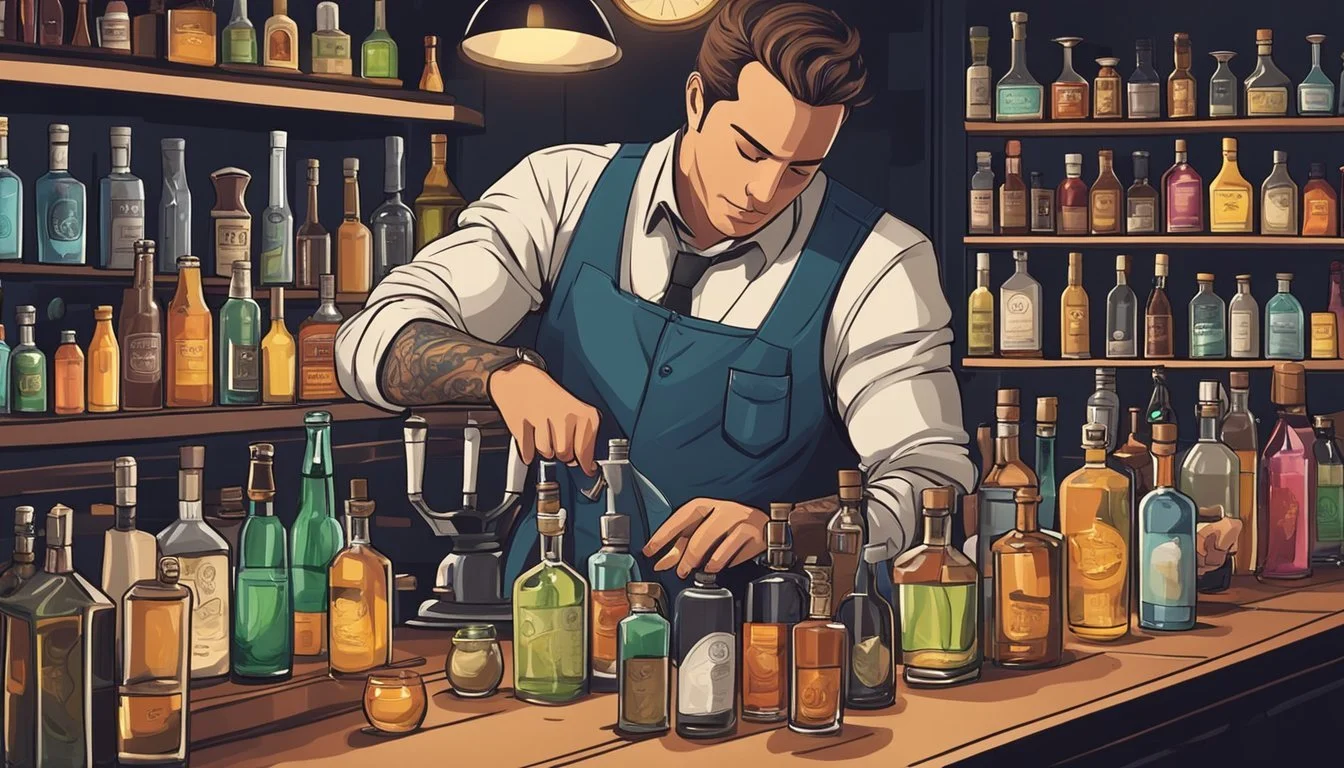
In the realm of crafting low-ABV cocktails, Texas bartenders distinguish themselves as both guides and innovators. They are knowledgeable artisans who understand the subtleties of flavor and the importance of balance in a well-crafted drink.
Guides: Experienced bartenders educate consumers on low-ABV selections, promoting a responsible yet enjoyable drinking experience.
Knowledgeable Curators: A bartender's depth of knowledge is essential for recommending the perfect cocktail that aligns with a patron's taste preferences and desired alcohol content.
Texas bartenders prioritize innovation in their craft. With a penchant for experimentation, they explore a vast array of ingredients to develop novel low-ABV cocktails that don't compromise on taste.
Innovation in Ingredients: The use of fresh, local ingredients to create unique flavor profiles.
Experimentation with Techniques: Implementing new mixing methods to enhance the sensory experience of the cocktail without increasing alcohol content.
The bartender's role is fundamentally about hospitality, delivering an experience that guests cherish. They balance education and innovation with the timeless tradition of good service, ensuring the social atmosphere of their establishment remains vibrant and welcoming.
Hospitable Atmosphere: Crafting beverages that contribute to a convivial environment.
Balanced Offerings: Presenting a variety of cocktails to appeal to diverse preferences while maintaining a focus on low-ABV options.
Texas bartenders are at the forefront of redefining cocktail culture, showcasing that low alcohol content does not limit the depth or creativity of the drinking experience.
Key Ingredients for Low-ABV Cocktails
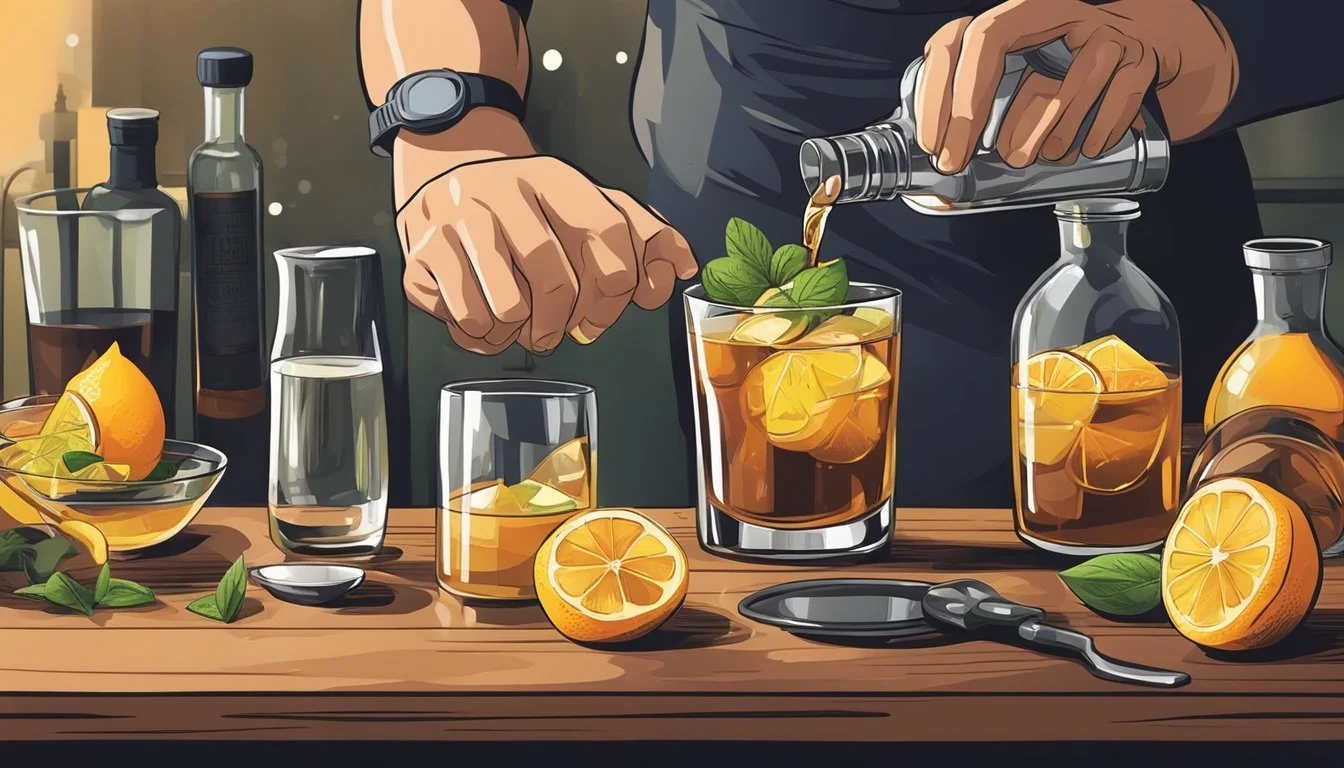
To craft an exceptional low-ABV cocktail, the bartender's focus is on expanding the drink's flavor profile while minimizing alcohol content. Carefully selected components bring complexity, balance, and intrigue to each glass without relying on strong spirits.
Favoring Flavor over Strength
The craftsmanship emerges in the selection of ingredients that offer a robust taste without high alcohol volume. Bartenders often utilize amari, such as Cynar or Amaro Montenegro, for their herbaceous and bitter notes. Absinthe can be used in a wash or a sparing dash to contribute its unique anise flavor without overpowering the drink.
Popular Low-ABV Spirits and Aperitifs
Vermouths and aperitifs like Aperol and Campari stand as cornerstones in the low-ABV arena. These spirits, generally ranging between 15-25% ABV, provide a foundational layer. Sherry and Cocchi Americano are also excellent for adding depth with their nuanced and slightly fortified profiles.
Fresh Juices and Sweeteners
Freshly squeezed citrus juices—lemon, lime, and grapefruit juice—are essential for their ability to cut through sweetness and add a refreshing zing. Simple syrup is a bartender's go-to for sweetness, while honey syrup offers a more complex sugar profile.
Herbs and Bitters
The inclusion of herbs like mint or basil can transform a beverage with their aromatic properties. Angostura bitters and other bittering agents only require a few dashes to impart a significant flavor shift. Such additions craft a layered drinking experience that emphasizes quality and taste.
By carefully balancing these key ingredients, Texas bartenders ensure their low-ABV cocktails are flavorful and satisfying while allowing patrons to socialize responsibly.
Classic and Contemporary Low-ABV Recipes
Low-ABV cocktails offer the perfect blend of taste and moderation, delivering sophisticated flavors without a high alcohol content. Texas bartenders emphasize using quality ingredients to create a balance between the spirit and other components.
Timeless Low-ABV Cocktails
Classic cocktails have stood the test of time due to their delightful taste and simple yet balanced ingredients. The Sherry Cobbler, a quintessential low-ABV cocktail, combines fino sherry, fresh fruit, and crushed ice adorned with a sprig of mint for a refreshing drink. Orange bitters may be added for an aromatic touch. Another perennial favorite, the Aperol Spritz, brings together Aperol, prosecco, and soda water creating a bubbly, bittersweet experience.
Sherry Cobbler: Fino sherry, fruit, mint, optional orange bitters
Aperol Spritz: Aperol, prosecco, soda water
Innovative Low-ABV Creations
Cutting-edge Texas bartenders craft low-ABV cocktails intertwining traditional recipes with modern twists. The Diplomat, typically made with vermouth, maraschino, and orange bitters, stands as a perfect example of subtlety and complexity. On the creative frontier, Lo-Fi aperitifs are being used for their herbal infusions, paired often with gentian amaro to whip up inventive spritzers.
The Diplomat: Vermouth, maraschino, orange bitters
Lo-Fi Spritzer: Lo-Fi aperitif, gentian amaro, tonic water
Seasonal Low-ABV Specialties
Bartenders in Texas take advantage of seasonal ingredients to craft low-ABV cocktails that cater to the shifting palate of the year. A summer hit is the gin-based French 75, lightened with lemon and prosecco for a fizzy touch. For cooler months, a Bourbon Highball with a splash of ginger ale serves as a refreshing yet comforting choice, maintaining a low ABV while highlighting the bourbon's warm undertones.
Summer: French 75: Gin, lemon, prosecco
Winter: Bourbon Highball: Bourbon, ginger ale
Techniques and Presentation

Crafting low-ABV cocktails requires precise technique and thoughtful presentation. Texas bartenders emphasize balancing the flavors and textural components, the decision between stirring and shaking, innovative garnishing, and glassware choice, as well as strategizing for serving these cocktails in larger volumes.
Balancing Flavors and Textures
Balance is crucial in low-ABV cocktails as the reduced alcohol content puts more focus on the flavors and textures. Bartenders recommend using ingredients like ginger for a spicy kick or blood orange for a tart yet sweet profile. A well-crafted low-ABV cocktail might introduce vanilla to smooth out sharper notes or a splash of pamplemousse (grapefruit liqueur) to bring a pleasant, citrus bitterness.
Stirred versus Shaken
The method of mixing can greatly affect the outcome of a low-ABV cocktail. Stirring is often used for spirits like cognac to maintain clarity and a silky mouthfeel, whereas shaking introduces effervescence and aeration, creating a lighter texture suitable for session cocktails with ingredients like fresh juices or egg whites.
Garnishing and Glassware
Garnishes and glassware are more than an afterthought; they contribute to the overall experience of the cocktail. A simple mint sprig can add aroma and a pop of color, enhancing both the presentation and the taste. Choosing the right glassware not only complements the visual appeal but can also influence the temperature and dilution of the drink, ensuring optimal enjoyment.
Serving Low-ABV Cocktails in Volume
When serving low-alcohol cocktails in volume, maintaining consistency is key. Texas bartenders utilize precise measurements and replicate the balance and flavor profile in each batch. Techniques like pre-batching and using dispensers can streamline the process while still delivering high-quality, flavorful cocktails to a larger audience.
The Impact of Low-ABV Cocktails on Bar Culture

Low-ABV cocktails have reshaped bar offerings and consumer habits, reflecting a move towards health-conscious choices and fostering an environment ripe for innovation and education.
Health and Social Trends
The introduction of low-ABV cocktails into Texas bar culture resonates deeply with health-conscious consumers and those participating in the "sober curious" movement. These beverages cater to patrons seeking social experiences typical of a bar setting without the commitment to high alcohol content. Texas bartenders acknowledge that this trend is not just a fleeting fad but a lasting shift towards more mindful drinking practices.
Expanding the Cocktail Menu
Low-ABV offerings have proven to be a wellspring of innovation on the cocktail menu, encouraging bartenders to experiment with a wider array of ingredients, including vermouths and amaros. The versatility of these beverages also paves the way for alcohol-free options, with some mocktails designed so that the addition of spirits can be optional. This flexibility allows Texas bars to broaden their appeal and cater to a diverse clientele.
Educating Consumers
Integral to the rise of low-ABV cocktails is the role of Texas bartenders in educating consumers about this downshift in alcohol by volume. Bartenders are taking the lead in highlighting the rich flavors and complex profiles that low-ABV cocktails offer, dismantling the misconception that "stronger is better." Through consumer education, bars help patrons appreciate a nuanced approach to cocktail consumption that prioritizes taste and experience over potency.
Best Practices for Bartenders
When crafting low-ABV cocktails, bartenders should emphasize balance and creativity. Knowledge and experimentation go hand in hand; it's essential for bartenders to understand the classic cocktails and then apply this foundation to create new variations with a lower alcohol content.
Balance is Key
-The cornerstone of any great cocktail, low-ABV or otherwise, is balance. Bartenders must measure ingredients accurately, ensuring that the sweetness, acidity, and alcohol are harmonious. Fresh lemon juice, for example, can provide vibrant acidity that complements the subtle kick of a low-alcohol spirit.
Freshness Matters
-Using fresh ingredients is non-negotiable. Fresh lemon juice, as opposed to bottled, can elevate a cocktail with its brightness and zesty flavor profile.
Creativity in Experimentation
-Bartenders should feel empowered to experiment with flavors and textures when designing low-ABV cocktails. This can include infusing spirits with herbs or incorporating unexpected elements like club soda for effervescence.
Ingredient Purpose
Fresh Lemon Juice Adds freshness and acidity
Club Soda Provides effervescence and dilution
Educational Approach
-Being knowledgeable about drink components and the reasons behind each choice allows bartenders to share this insight with curious patrons, enhancing the overall experience.
In summary, bartenders crafting low-alcohol cocktails should focus on balance, use fresh ingredients, and not shy away from experimenting with new concoctions. With the right approach, even cocktails with less punch can leave a lasting impression.
Non-Alcoholic Alternatives
In the realm of cocktails, Texas bartenders emphasize the growing popularity of non-alcoholic substitutes that mimic the complexity of their alcoholic counterparts. They advocate for skillful blending of flavors to achieve a satisfying cocktail experience without the alcohol content.
Mocktails and their Place
Mocktails have solidified their position in the cocktail world as a respectable alternative for those who abstain from alcohol. Bartenders craft these non-alcoholic beverages with care, often using a combination of seltzers, watermelon juice, and a variety of other fresh ingredients to create a multi-layered taste profile. These drinks provide a sophisticated option for social settings where alcohol might traditionally be present.
Low-ABV versus No-ABV
When comparing low-alcohol by volume (ABV) to no-ABV drinks, Texas bartenders point out that low-ABV cocktails often contain spirits like Dolin Dry Vermouth or Lo-Fi Dry Vermouth that have a lower alcohol content than standard spirits. These provide a hint of alcohol's warmth and complexity, without overwhelming the senses. In contrast, no-ABV cocktails forego alcoholic ingredients entirely, relying instead on robust and nuanced non-alcoholic alternatives such as botanical infusions and spiced syrups to satisfy the palate.
Sourcing and Sustainability

Sustainability in bartending has become a guiding principle for Texas mixologists who aim to reduce waste while creating delightful low-ABV cocktails. Bartenders prioritize sourcing local and seasonal ingredients, ensuring freshness and supporting community agriculture. They frequently use citrus fruits like lemon, lime, orange, and grapefruit, not just for their juice but also their peels and rinds to add flavor and garnish to cocktails.
Fresh and Local Produce:
Citrus Fruits: Lemons, limes, oranges, and grapefruits for juice and zest.
Pineapple: Used fresh for juice and garnish with minimal waste.
Bartenders also look to incorporate sustainable practices by featuring ingredients like rye from local distilleries, which often have a lower carbon footprint due to reduced transportation emissions.
Sustainable Spirits:
Rye: Locally distilled rye brings a spicy kick to cocktails without the environmental impact of long-distance transport.
Emphasizing the importance of full utilization, bartenders creatively repurpose all parts of their ingredients. The juice of citrus fruits adds a necessary acidity to balance cocktails, while the peels serve as aromatic garnishes. The leftover pulp can be used in syrups or composted, embodying a closed-loop mindset.
Texas bartenders understand that the essence of flavor in low-ABV cocktails lies in the quality and sustainability of the ingredients used. By embracing local sourcing and minimizing waste, these professionals create cocktails that are not only enjoyable but also environmentally responsible.