The Art of Sabering Champagne Texas-Style
A Guide to Bold Celebrations

Sabering champagne has become a dramatic flourish at events, combining age-old tradition with showmanship. Texas, with its rich history and unique culture, has embraced this spectacle with its own flair. It's not just opening a bottle; it's performing an act rooted in history with a style befitting the grandiosity of the Lone Star State. This technique, which originated in France during the time of Napoleon, involves sliding a saber along the seam of a champagne bottle to ceremoniously pop the cork. Texans have taken to this tradition with gusto, often using it to commemorate significant celebrations or to add a memorable twist to gatherings.
In Texas, the art of sabering champagne is more than just a nod to tradition; it embodies the state's larger-than-life persona and the spirit of celebration that runs deeply through Texan culture. It’s a fusion of elegance and rustic charm, much like the state itself. The practice respects the protocol of using a proper saber and executing the movement with precision. While sabering is indeed a skill that can impress and entertain, it also speaks to the value placed on heritage and ceremonial significance in Texas festivities.
Texan enthusiasts of sabering often integrate local customs and symbols in their approach, paying homage to the state's history and cultural pride. Whether at a ranch gathering under vast skies or during a sophisticated soiree in one of Texas's metropolitan hubs, the act of sabering champagne encapsulates a sense of reverence for the past while celebrating the present moment. It demonstrates that even the most global of traditions can take on unique regional character when embraced by the spirit of a place like Texas.
History of Sabering Champagne

Champagne sabering is a storied tradition with European military origins that has since traversed the Atlantic, taking hold in Texas with its own distinctive flair.
European Origins
Sabering champagne began in France during the Napoleonic wars where it became synonymous with victory. It is said that Napoleon’s soldiers would open bottles of champagne with their sabers to celebrate their conquests, transforming a military custom into a theatrical and opulent gesture. This practice utilized a saber to slide along the seam of the bottle, effectively removing the cork and collar with a clean strike.
Texas Adoption
When European immigrants, including those from Spain, brought the tradition to Texas, it merged with the state's rich cultural tapestry. Texans, known for their love of spectacle and grandeur, embraced this dramatic method of opening champagne, incorporating it into their own celebrations. The art of sabering champagne melded seamlessly with the Texas spirit, symbolizing both a nod to historical European elegance and the boldness of the Texan identity.
The Texan Twist on Tradition

Champagne sabering takes on a bold character in Texas, combining the state's renown for unique and rustic charm with a flamboyant flair for celebrations, especially in the picturesque Texas Hill Country.
Sabering Techniques
Texans have adapted the art of sabering champagne with a distinctive flair that mirrors the state's larger-than-life reputation. They typically employ robust sabers with handles that might be engraved with local motifs or crafted from native materials like Texas Mesquite wood. The key to a successful sabrage lies in the technique: the saber must follow a smooth, confident motion along the bottle's seam, targeting the lip at its neck. Texas weather, often warmer than champagne's ideal chilling temperature, requires extra care in chilling bottles to ensure the glass is suitably brittle.
Step Technique
1 Chill the champagne to the perfect Texas chill—between 38°F and 42°F
2 Remove the foil and cage confidently, Texas-style
3 Find the seam of the bottle with assurance
4 Hold the bottle at a 20-40 degree angle
5 Slide the saber along the seam in a swift, firm slide
Local Variations
The Texas Hill Country adds a unique backdrop to the tradition of sabering champagne. Local variations might include using a saber forged by a Texan artisan or even using unconventional tools in a pinch—including, on occasion, the well-honed edge of a cowboy's spurs. The spectacle is typically performed outdoors against the rustic Texan landscape, under expansive skies that make any gathering feel grander. EXEMPLARY ENTITY
While the act of sabering is rooted in tradition, Texans infuse the practice with local customs that contribute to the state's rich tapestry of celebrations. These variations ensure that each sabrage is not just about opening a bottle, but also a toast to Texan heritage and gusto.
Equipping the Texan Saber
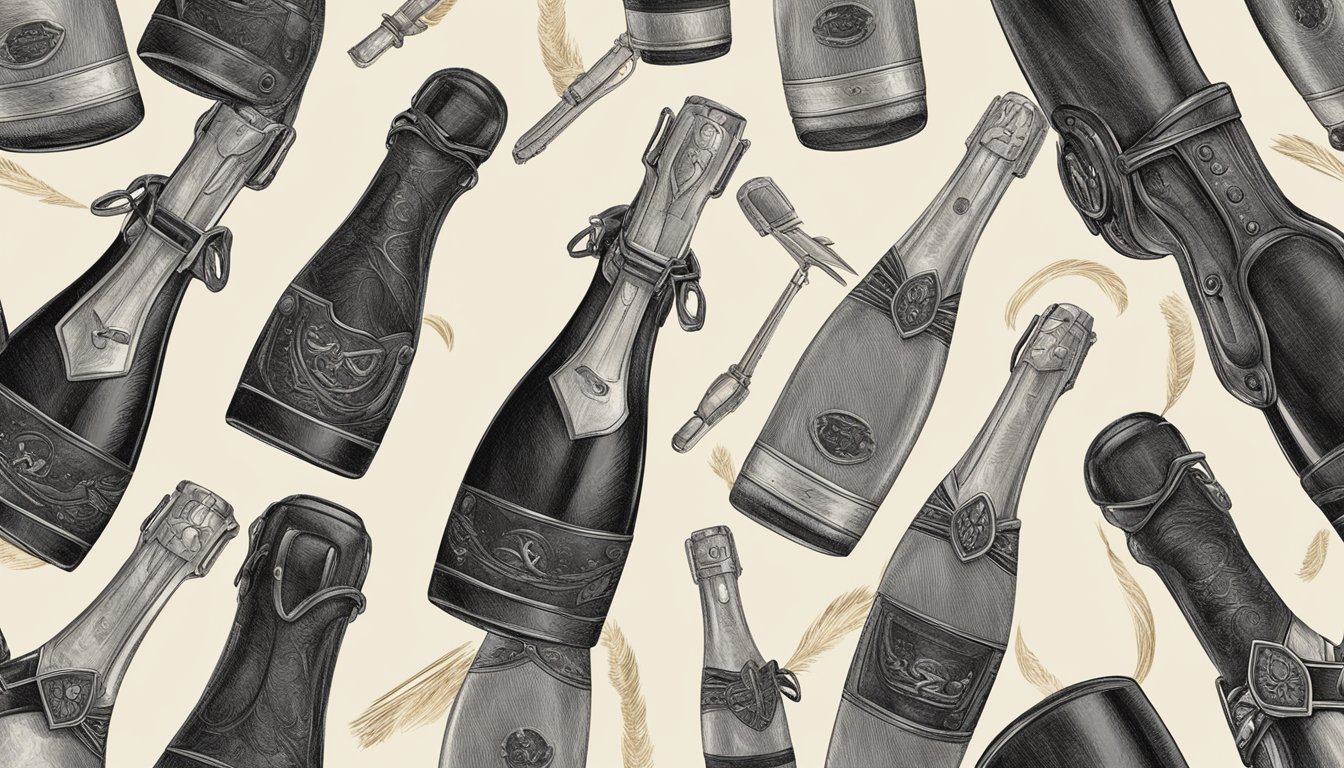
When one opts for the theatrical flourish of sabering Champagne in Texas, the paramount aspects to consider are precision and simplicity, paying homage to the Texas ethos of no-nonsense functionality. The equipment used must therefore not only reflect Texan tradition but also incorporate the appropriate technology for the task at hand.
Choosing the Right Equipment
A Texan's choice of saber is less about ornate appearances and more about a utilitarian approach that still maintains a connection to the storied past of the state. The equipment recommended for a sabering activity includes:
The Saber: Opt for a robust, but well-balanced blade. It should feel natural in the hand, as if it's an extension of the Texan spirit.
Cowboy Touch: While not essential, adding a handle fashioned from materials like leather or Texas Longhorn bone can infuse a personal touch resonating with the cowboy tradition.
Precision Technology: The edge of the blade need not be razor-sharp, as the technique relies on striking the bottle at the right point with confidence and precision.
Protective Gear: Safety must always be a consideration. Protective gloves and eyewear are advisable.
Maintaining Your Gear
To ensure the equipment endures over time, maintaining one's gear is essential. Follow these simple steps to keep the saber in top condition:
Regular Cleaning: After each use, it's crucial to clean the saber with a damp cloth to remove any Champagne residue.
Storage: Store the saber in a dry place, ideally in a custom-fitted scabbard or display case that boasts Texan craftsmanship.
Periodic Checks: Inspect the saber for any signs of damage or wear, such as chips in the blade or looseness in the handle.
The Role of Texas Climate

The climate in Texas presents unique opportunities for the art of sabering champagne, a theatrical method of opening a bottle with a blade. Texas' varied weather conditions inspire adaptations for sabering and foster an ideal environment for outdoor celebrations.
Weather Adaptations
Texas weather ranges from hot, arid conditions in the west to humid and subtropical in the east. Champagne sabering enthusiasts must adapt to these extremes to ensure the tradition thrives in the Lone Star State. Hot weather demands that champagne bottles be chilled to a lower temperature before sabering to compensate for rapid warming. In contrast, cooler climates in areas like the Texas High Plains appellation may require less chilling time, preserving the carbonation and integrity of the champagne upon sabering.
When chilling champagne for sabering, Texans often use a bucket of ice or refrigeration rather than relying on the inconsistent outdoor temperatures. The ideal temperature is around 38-40 degrees Fahrenheit, which ensures the glass is brittle enough for a clean break while maintaining the champagne's effervescence.
Outdoor Sabering Events
Texas offers a vast array of outdoor venues, from spacious backyards to expansive vineyards, where sabering can take center stage. Texans take advantage of their large outdoor spaces to host Sabering Events, turning the act of opening champagne into a performance. The spectacle of sabering champagne perfectly complements the state's culture of big celebrations.
Backyard events in Texas are common, and the practice of sabering champagne adds an air of elegance. Participants must ensure that the area is clear and the bottle is pointed away from guests for safety. Due to Texas' generally mild winters and warm evenings, outdoor events can occur year-round, making sabering champagne a popular activity during such gatherings.
Spirits of Texas
In the vast landscape of Texas, the spirited heritage is as rich as its history, with craft beer and local wineries and distilleries carving out distinct identities. Each subsection delves into the notable contributions of these spirited crafts to the Texan culture and lifestyle.
Craft Beer Influence
In recent years, Texas has seen a surge of craft beer enthusiasm, coloring the state with a diverse range of locally brewed ales, lagers, and pilsners. Texas craft breweries often take inspiration from the state's size and diversity, incorporating local flavors and embracing community involvement. Seasonal offerings, such as those released for Oktoberfest, have become eagerly anticipated events within the Texas craft beer scene.
Community Engagement: Craft brewers in Texas actively foster a sense of community, hosting events and collaborating with local businesses.
Beer Varieties: Texans enjoy a wide array of craft beers, from hoppy IPAs to smooth stouts. The state's brewers have shown particular skill in crafting traditional lagers and pilsners, which are often enjoyed during hot Texan summers.
Local Wineries and Distilleries
The landscape of local wineries and distilleries in Texas is a testament to the state's dedication to spirit craftsmanship. Texas winemakers take pride in a range of vintages that capture the unique terroir of the region, while artisan distillers craft spirits that rival the best in the world.
Wine Production: Texas boasts a number of acclaimed wineries producing premier red and white wines, with a focus on varietals suited to the state's climate.
Distilled Spirits: Texan distilleries have garnered praise for their bourbons, whiskeys, and vodkas, each distilled with a commitment to quality and a touch of Texas tradition.
Through these beloved libations, Texans celebrate their heritage and the shared experience of finely crafted beverages.
Cultural Significance of Sabering
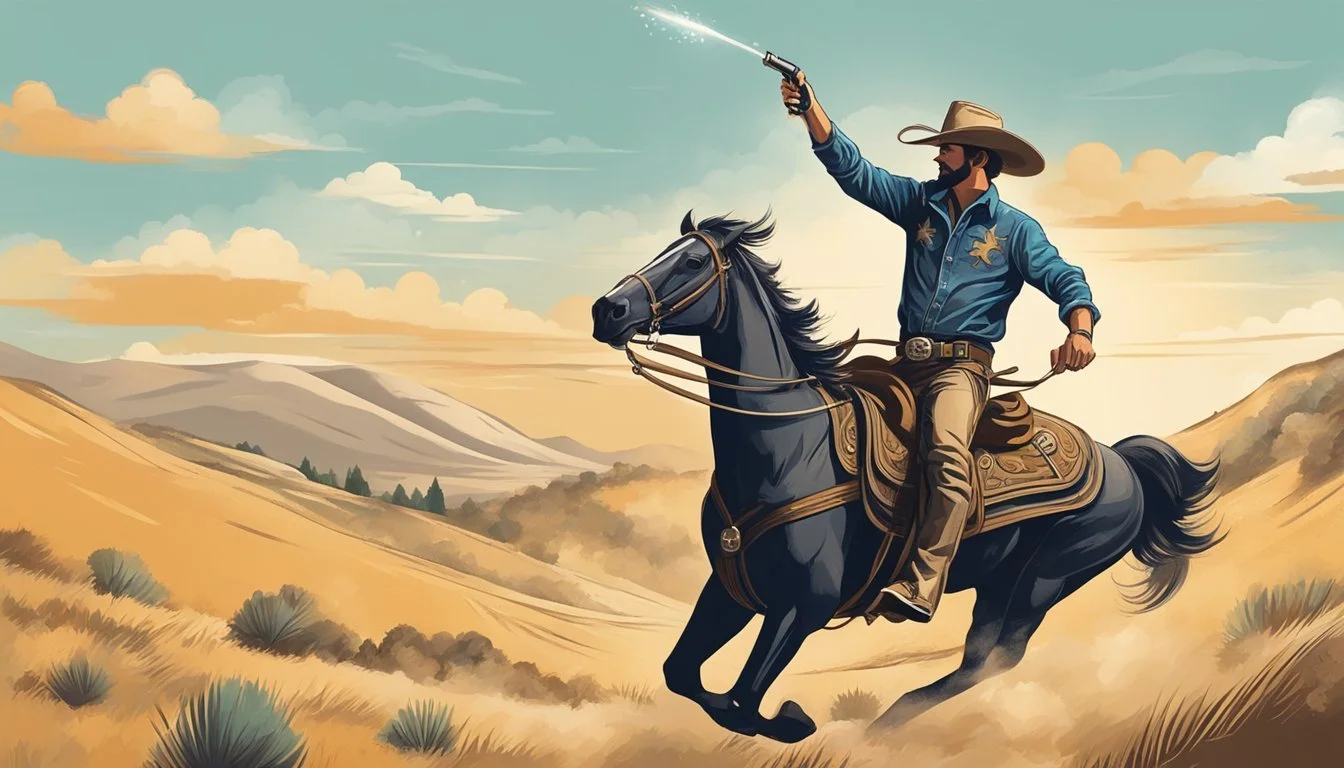
The art of sabering champagne harnesses a certain cultural cachet, especially in Texas where customs are deeply interwoven with celebration and community. This showy yet skilled feat is not only about opening a bottle; it's a nod to Texas's larger-than-life ethos and its affection for unique traditions.
The Texan Way of Celebration
In Texas, sabering champagne is more than an action—it's a performance that ties back to the pride Texans take in their celebrations. Rooted in a sense of community and spectacle, sabering is often performed with a flourish to mark significant occasions. Utilizing a saber or even something more characteristically Texan—like a carefully chosen, longhorn-handled knife—it becomes an embodiment of the Texas lifestyle brand, a representation of both luxury and ruggedness.
Dress: Traditional Texan gear, such as cowboy hats and boots
Setting: Ranging from outdoor barbecues to upscale events
Audience: Gatherings of friends, family, or the wider community
Incorporation in Texan Events
At Texan events, sabrage frequently finds its way into the program, becoming a focal point of the celebration. Whether at a wedding, gala, or a significant sporting event, the act of sabering champagne is observed with anticipation and often serves to kick off proceedings.
Events: Weddings, anniversaries, public festivities, rodeos
Tools Used: Custom-made sabers or local artisan-crafted knives
Moment: Signifies the start or the high point of an event
Texan events have carved out a niche for sabering, showcasing how a historic tradition merges with Texas culture to create a vibrant, communal experience centered around celebration.
Texas Architecture and Ambiance

Texas architecture exudes a dynamic blend where tradition meets inventiveness. It sets the stage for the art of sabering Champagne, combining old-world elegance and modern flair.
Historic Venues
Tudor: These structures offer an Old World charm, where heavy timber frames and steeply pitched roofs echo through the state's various historic venues. The intricate masonry and arched doorways often serve as a stately backdrop for sabering celebrations.
Spanish Colonial: With roots in Texas's early history, Spanish Colonial architecture is marked by its thick stucco walls, red tile roofs, and rounded arches, providing a picturesque scene for a Champagne toast.
Georgian: The symmetry and classic lines of Georgian architecture in Texas's historical buildings offer a refined setting. It is a testament to the state's ability to preserve the past, lending an air of formality to any Champagne sabering occasion.
Prairie Style: One can find Prairie Style influences in Texas, with its emphasis on horizontal lines and flat or hipped roofs with broad overhanging eaves. These venues reflect the spirit of the state with a touch of sophistication.
Contemporary Spaces
Italian Renaissance: Newer spaces in Texas might adopt the Italian Renaissance style, showcasing grandiose designs and a nod to classical elements—perfect for making a statement with a saber and a bottle of bubbly.
Art Deco: Contemporary venues often draw on the sleek, geometric lines of Art Deco, incorporating this style into modern buildings. Its emphasis on luxury and exuberance aligns seamlessly with the celebratory act of sabering.
Pueblo Revival: In Texas, even modern spaces can borrow from Pueblo Revival elements, marked by earthy materials and rounded exteriors. It can often provide an intimate and rustic ambiance for Champagne-themed events.
Farmhouse Style: The simplicity and warmth of the Farmhouse style resonate in some of Texas's contemporary venues, embodying a relaxed, yet elegant atmosphere ideal for a celebratory saber strike.
Craftsman: Featuring handcrafted authenticity and natural materials, Craftsman architecture in Texas offers a homey yet distinguished setting for commemorating milestones with a sabered Champagne bottle.
Sabering in Texan Cuisine
In Texas, the dramatic technique of sabering champagne integrates seamlessly with the state's larger-than-life culinary traditions. It provides an entertaining performance in restaurants and catering events, especially when paired with signature Texan dishes.
Pairing with Tex-Mex
Tex-Mex cuisine, with its bold flavors and hearty dishes, provides an excellent backdrop for the spectacle of champagne sabering. Restaurants might saber a bottle to celebrate the unveiling of a new dish or to enhance a special dining event. An ice-cold bottle of champagne, when expertly sabered, can complement the spiciness of Tex-Mex staples such as fajitas or enchiladas, adding a luxurious twist to the dining experience.
Champagne in Texas BBQ
At a Texas BBQ, where the food is all about the smoky flavors and slow cooking, champagne might not be the first beverage that comes to mind. However, the crispness of sabered champagne can offer a refreshing counterpoint to the richness of barbecued meats. (What wine goes well with barbecued meats?) It's not uncommon for catering services to provide champagne sabering to toast at large outdoor gatherings or to mark the culmination of a competitive BBQ event, marrying the sophistication of the saber with the rustic charm of Texas BBQ.
Prominent Texan Personalities
In Texas, sabering champagne has been embraced by local figures who contribute to the lively tradition with their personal flair and community engagement.
Lee and Roper
Lee and Roper stand as notable personalities within the Texan community, each making their mark through the elegant and celebratory practice of champagne sabering. Lee, a renowned host known for his exuberant events, often showcases his sabering technique at galas across Texas.
Lee: Known for his precision in champagne sabering, he elevates local events with a touch of spectacle.
Roper: Roper is celebrated for her skill in seamlessly integrating sabering into Texas' social gatherings, making the ritual a staple of communal celebrations.
Local Sabering Champions
The Local Sabering Champions are a testament to Texas’ enthusiasm for both tradition and competition. These champions are not only skilled in the art of sabering but also embody the spirit of Texas by sharing their expertise with the community through exhibitions and teaching.
Community Engagement: Champions often hold demonstrations at community events, fostering a shared appreciation for this unique tradition.
Role Models: They serve as role models for aspiring sabreurs, upholding a sense of camaraderie and excellence within the Texas champagne sabering milieu.
Legal Considerations

When indulging in the dramatic flair of sabering champagne in Texas, enthusiasts must adhere to state regulations and ensure safety, as well as obtain necessary permissions.
Regulations and Safety
Texas law requires individuals to prioritize safety when handling any sort of weapon, including those used for sabering champagne. It is essential that:
Sabers are used responsibly, with the handler being of legal age and sound mind.
Safety gear such as eye protection is recommended to prevent accidents.
Bystanders should be at a safe distance during the act of sabering.
Safety training or briefings are advisable to mitigate the risk of injury. Texas does not have specific laws regulating champagne sabering, but general public safety laws apply, and reckless behavior may be prosecutable.
Permits and Permissions
In Texas, there is no explicit permit required for the ceremonial sabering of champagne bottles. However:
If the activity is conducted in a public setting such as a restaurant or outdoor event, one must ensure it aligns with the venue's policies.
For private events, permission should be obtained from the property owner or manager.
When selling or serving alcohol, appropriate liquor licenses must be in compliance with the Texas Alcoholic Beverage Commission (TABC) regulations.
One should also verify that the act of sabering does not contravene any local ordinances. Observance of these legal aspects guarantees that the theatrical tradition of sabering champagne can be appreciated without legal interruptions.
Mastering the Art of Sabering
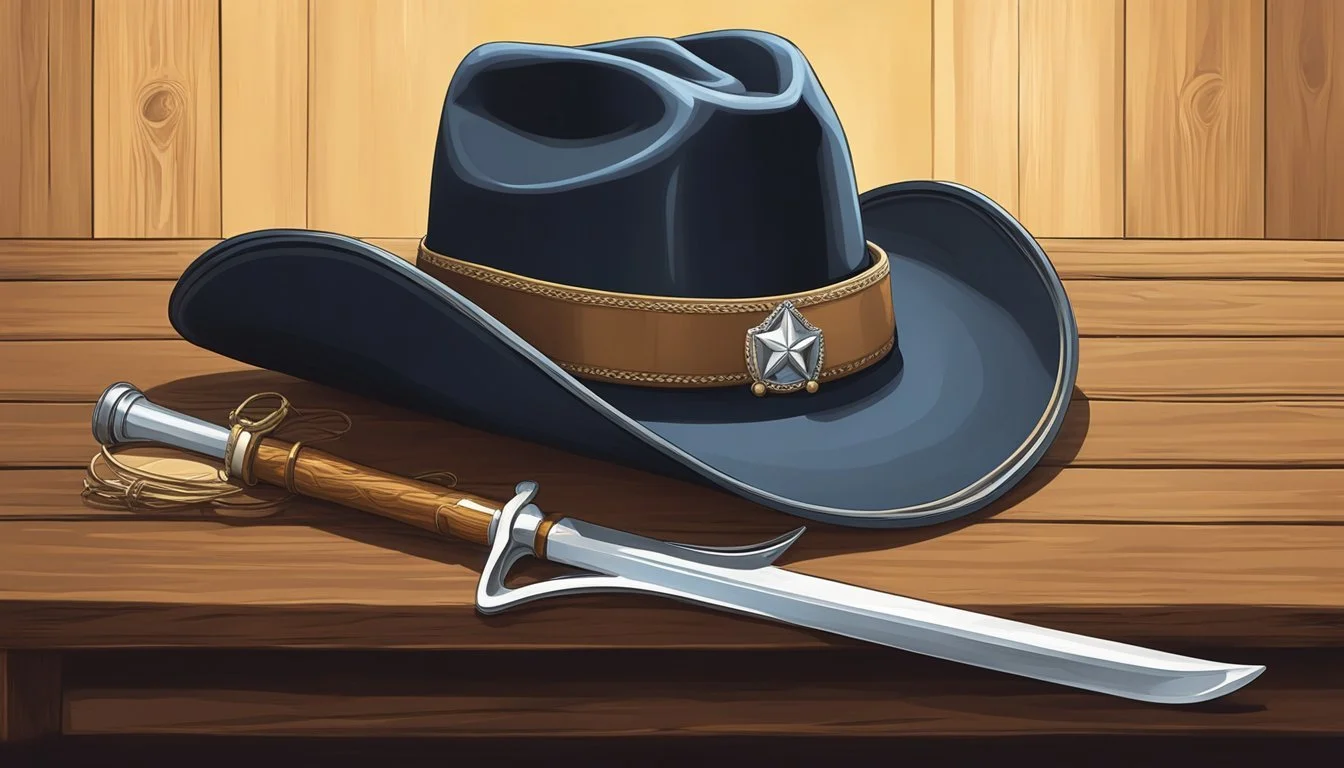
Sabering champagne is a skill that combines tradition with technique, where precision is key and the texture of the bottle's neck plays a crucial role. It adds volume, both in sound and spectacle, to any event.
Step-by-Step Guide
To begin sabering champagne, one must first ensure that the bottle is chilled to between 38 and 42 degrees Fahrenheit as this reduces the risk of the glass shattering. The bottle's seam is the weakest part and serves as the guide for the saber’s edge. It is important to note that although any sturdy blade may be used for sabering, the following steps detail the process using a traditional champagne saber:
Remove the foil and the wire cage from the bottle, uncovering the cork and the top of the bottle's neck.
Locate the seam of the bottle which runs from top to bottom.
Dry the bottle; a slippery bottle is more difficult to handle.
Safety first: Ensure that the area is secure and that there are no obstructions or bystanders in the trajectory of the cork.
Hold the bottle at a 30-45 degree angle, with the seam facing upwards.
Firm grip: Hold the bottle firmly in one hand, with the thumb in the punt (indentation at the bottom) for control.
Slide the blade: Using your other hand, place the flat side of the saber against the bottle, and in a confident, swift motion, slide the blade firmly along the seam towards the lip where the cork and bottle meet.
When executed correctly, the lip of the bottle, along with the cork, will break away cleanly.
Advanced Techniques
While mastering the basic technique is essential, advanced sabering can include nuances that add flair to the performance:
Blade Angle: Experimenting with the angle of the blade upon impact can achieve different effects, but one must always prioritize safety and precision.
Follow-through: A fluid and controlled follow-through ensures a cleaner break.
Type of Blade: Enthusiasts might explore using other tools, such as a chef's knife or even a glass, practicing to achieve the same result.
Successful sabering relies on the understanding of the bottle's texture and composition, recognizing that the quality of the glass and the correct amount of force are integral to a seamless performance.
Texas Beer and Brewery Scene
Texas' beer culture combines a respect for historic brewing traditions with a vibrant craft beer movement. Here, legendary institutions coexist with innovative microbreweries, creating a diverse and dynamic beer landscape.
Historic Breweries
Texas is home to venerable breweries that have withstood the test of time, contributing to the state's rich brewing heritage. Spoetzl Brewery, established in 1909, is the oldest independent brewery in Texas. It is renowned for its Shiner Bock, a beer that, despite its creation in 1913, did not become a year-round offering until 1973. The brewery's longevity and adherence to tradition have earned it a place of honor in Texas beer history.
Alongside these historic players stands Pearl Brewing Company, originally founded in the late 19th century. With deep roots in Texas, Pearl's name remains a symbol of Texas brewing history, despite having undergone ownership changes over time, including being acquired by larger breweries like Pabst.
Modern Craft Breweries
The contemporary Texas beer landscape is marked by an upsurge of modern craft breweries that are pushing the boundaries with unique and daring flavors. Austin Beerworks represents this new wave of brewing culture in Texas, where quality and innovation are key. They produce an eclectic range of beers, embracing both creativity and modernity while still nodding to tradition.
Other craft breweries, such as Freetail Brewing Co. in San Antonio, demonstrate Texas' current ethos toward beer—bold and adventurous. These breweries are not just about producing beer but also about offering an experience, one that invites beer enthusiasts to explore a world of new tastes.
The spirit of the Texas brewery scene is captured in these efforts, blending time-honored methods with experimental approaches, epitomizing the state's forward-thinking yet rooted approach to beer.