Wutsupbaby Organic Sprouted Brown Rice Cereal
A Nutrient-Rich Option for Infants

WutsupBaby Organic Sprouted Brown Rice Cereal offers a nutritious option for infants beginning their solid food journey. This cereal is made from sprouted brown rice, which undergoes a process that enhances its nutritional profile compared to regular brown rice. Sprouted brown rice contains more fiber, protein, vitamin E, B vitamins, and magnesium than its un-sprouted counterpart, providing essential nutrients for a baby's growth and development.
The cereal's ingredients are carefully selected to support infant health. WutsupBaby uses high-quality, organic ingredients to ensure purity and safety for sensitive young digestive systems. The sprouting process makes nutrients more bioavailable and easier for babies to digest, which is particularly beneficial for those with delicate stomachs.
Parents seeking alternatives to traditional rice or oatmeal cereals may find WutsupBaby Organic Sprouted Brown Rice Cereal an appealing choice. Its neutral flavor and smooth texture make it a versatile base for introducing various tastes to infants. The cereal can be mixed with breast milk, formula, or water to achieve the desired consistency for different stages of feeding.
Overview of Organic Sprouted Brown Rice
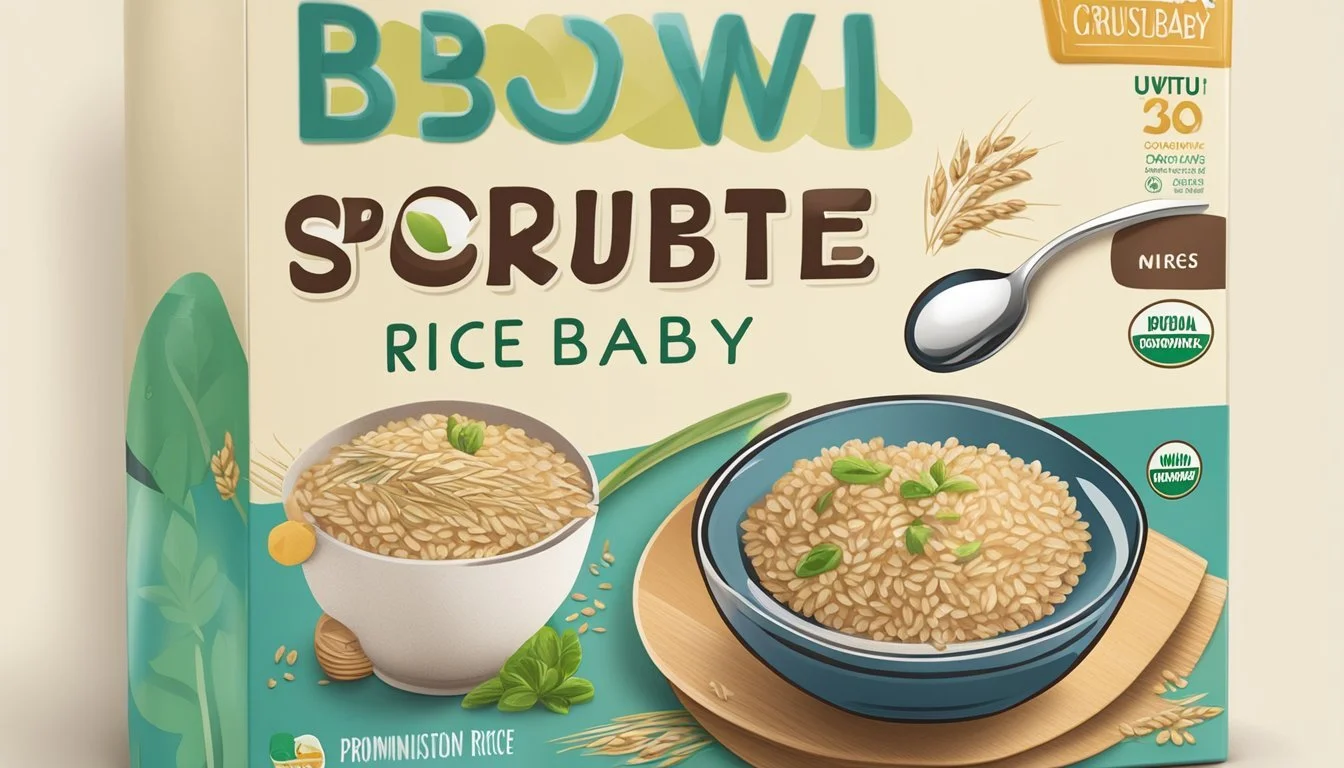
Organic sprouted brown rice combines the nutritional benefits of whole grain rice with enhanced bioavailability through sprouting. This process retains the bran and germ layers while activating enzymes that increase nutrient content and digestibility.
The Sprouting Process and Its Benefits
Sprouting brown rice involves soaking and germinating the grains under controlled conditions. This activates enzymes that break down antinutrients like phytic acid, making minerals more accessible. The process increases levels of gamma-aminobutyric acid (GABA), an important neurotransmitter. Sprouted brown rice contains higher amounts of vitamins, especially B vitamins, compared to unsprouted rice.
The germination process softens the bran layer, making sprouted rice easier to digest. It also slightly reduces cooking time. Sprouted grains have a mildly sweet flavor due to the conversion of complex carbohydrates into simpler sugars during germination.
Organic Farming Practices
Organic sprouted brown rice is grown without synthetic pesticides or fertilizers. Farmers use natural methods like crop rotation and composting to maintain soil health. Organic certification prohibits the use of genetically modified organisms (GMOs).
Organic farming practices focus on sustainability and environmental stewardship. They promote biodiversity and soil conservation. Water management techniques in organic rice farming often include methods that reduce methane emissions compared to conventional flooded paddies.
Organic sprouted brown rice must meet strict certification standards throughout its production and processing. This ensures the integrity of the organic label from farm to table.
Nutritional Profile
WutsupBaby organic sprouted brown rice cereal offers a nutrient-dense profile tailored for infants and young children. This cereal provides essential macronutrients and micronutrients to support healthy growth and development.
Macronutrients and Calories
The cereal contains a balanced mix of carbohydrates, proteins, and fats. A typical serving provides around 160-170 calories. Carbohydrates make up the majority, with about 35 grams per serving. This includes 2 grams of dietary fiber, supporting digestive health.
Protein content is approximately 3-4 grams per serving. This helps meet the growing protein needs of infants and toddlers. The fat content is relatively low at 1.5 grams per serving, with no saturated fats.
The sprouting process may enhance the availability of these macronutrients, potentially making them easier for young digestive systems to process and absorb.
Vitamins and Minerals Content
WutsupBaby organic sprouted brown rice cereal is rich in essential micronutrients. It contains significant amounts of B vitamins, particularly thiamin, niacin, and vitamin B6. These support energy metabolism and nervous system function.
The cereal is a good source of minerals like iron, magnesium, and zinc. Iron is crucial for cognitive development and preventing anemia in infants. Magnesium supports bone health and muscle function. Zinc plays a vital role in immune system development.
Vitamin E, an important antioxidant, is also present in the cereal. The sprouting process may increase the bioavailability of these vitamins and minerals, potentially enhancing their nutritional impact.
Health Benefits of Sprouted Brown Rice Cereal
Sprouted brown rice cereal offers numerous health advantages due to its enhanced nutrient profile and increased bioavailability. This nutritious food supports digestive health, cardiovascular function, and mental wellbeing.
Improving Digestive Health
Sprouted brown rice cereal contains higher levels of fiber compared to regular brown rice. This increased fiber content promotes healthy digestion and regular bowel movements. The sprouting process also breaks down some of the complex carbohydrates, making the cereal easier to digest.
Germination activates enzymes that reduce phytic acid levels in the rice. This allows for better absorption of minerals like iron, zinc, and calcium. The improved nutrient availability can support overall gut health and strengthen the digestive system.
Sprouted rice may also act as a prebiotic, feeding beneficial gut bacteria. This can help maintain a balanced microbiome and support immune function.
Cardiovascular and Nervous System Support
The enhanced nutrient profile of sprouted brown rice cereal contributes to heart and nervous system health. It contains higher levels of gamma-aminobutyric acid (GABA), an important neurotransmitter.
GABA has been linked to lower blood pressure levels. Regular consumption of sprouted brown rice may help maintain healthy blood pressure and support cardiovascular function.
The cereal's fiber content can aid in managing blood cholesterol levels. It may help reduce LDL (bad) cholesterol while supporting healthy HDL (good) cholesterol levels.
Sprouted brown rice is rich in antioxidants. These compounds protect cells from oxidative stress, benefiting both heart and brain health.
Mental Wellbeing and Stress Reduction
Sprouted brown rice cereal may positively impact mental health and stress levels. The increased GABA content plays a crucial role in promoting relaxation and reducing anxiety.
Studies suggest that consuming sprouted brown rice can help improve sleep quality. Better sleep contributes to reduced stress levels and improved overall mental wellbeing.
The cereal's nutrient density, including B vitamins and magnesium, supports brain function. These nutrients are essential for neurotransmitter production and regulation of mood.
Incorporating sprouted brown rice cereal into a balanced diet may help stabilize blood sugar levels. This can lead to more consistent energy throughout the day, potentially reducing stress and improving focus.
Comparison with Other Grains
Sprouted brown rice cereal offers unique nutritional advantages compared to other grain options. Its sprouting process enhances nutrient availability and digestibility.
Brown Rice vs. White Rice
Brown rice retains its bran and germ layers, providing more fiber, vitamins, and minerals than white rice. A quarter-cup serving of brown rice contains approximately 170 calories, 1.5 grams of fat, and 4 grams of protein.
White rice, in contrast, has had these nutrient-rich layers removed. This processing strips away much of the fiber, vitamins, and minerals found in brown rice.
Brown rice is a better source of magnesium, phosphorus, and B vitamins. It also has a lower glycemic index, meaning it causes a slower rise in blood sugar levels compared to white rice.
Sprouted Brown Rice vs. Regular Brown Rice
Sprouting activates enzymes in brown rice, breaking down some of the starches and proteins. This process can increase the bioavailability of nutrients like vitamin C, folate, and certain B vitamins.
Sprouted brown rice may be easier to digest due to the partial breakdown of complex carbohydrates. Some studies suggest it has higher levels of gamma-aminobutyric acid (GABA), a compound associated with various health benefits.
The sprouting process can also reduce levels of phytic acid, a compound that can interfere with mineral absorption. This may lead to better absorption of iron, zinc, and calcium from sprouted brown rice.
Comparison with Other Whole Grains and Seeds
Sprouted brown rice compares favorably to other whole grains in terms of nutrient density. It offers a good balance of protein, fiber, and essential minerals.
Quinoa, often considered a superfood, provides a complete protein profile and is rich in iron and magnesium. However, sprouted brown rice may be easier to digest for some individuals.
Compared to other whole grains like barley or oats, sprouted brown rice is gluten-free, making it suitable for those with gluten sensitivities or celiac disease.
Sprouted brown rice generally has a milder flavor than some other whole grains, potentially making it more appealing to young children or those with sensitive palates.
Culinary Uses and Recipes
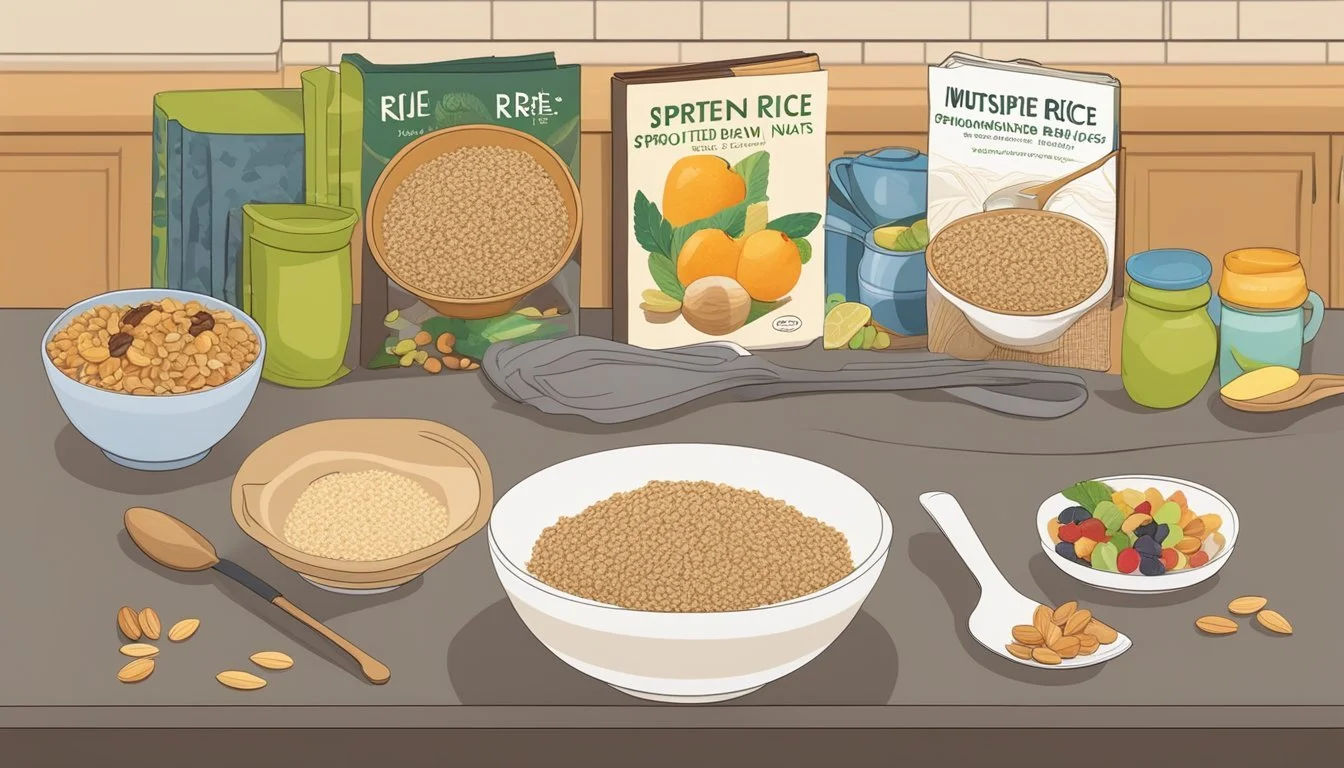
Wutsupbaby organic sprouted brown rice cereal offers versatility in the kitchen. Its mild flavor and soft texture make it adaptable for various dishes and recipes.
Incorporating into Meals
Sprouted brown rice cereal can be easily mixed into smoothies for added nutrition. It blends well with yogurt and fresh fruits for a quick breakfast or snack. The cereal also works as a thickening agent in soups and stews.
For savory dishes, it can be used as a breadcrumb substitute in meatballs or veggie patties. Sprinkle it over salads for extra crunch. The cereal can be incorporated into baked goods like muffins or energy bars.
Mix it with warm milk or plant-based alternatives for a comforting porridge. Add cinnamon, honey, or berries for flavor. It's an excellent first food for babies starting solids.
Creative Recipe Ideas
Try making sprouted brown rice cereal pancakes by combining the cereal with flour, eggs, and milk. Cook on a griddle for a nutritious breakfast option. Create no-bake energy balls by mixing the cereal with nut butter, honey, and dried fruits.
Use it as a coating for baked chicken tenders or fish fillets. The cereal adds a crispy texture without deep frying. Make a healthier rice pudding by cooking the cereal with milk, vanilla, and a touch of sweetener.
Blend it into homemade granola mixtures for added nutrients. Use as a base for homemade baby food purees. Mix with mashed avocado or sweet potato for a nutrient-dense meal for infants.
Preparation and Cooking Tips
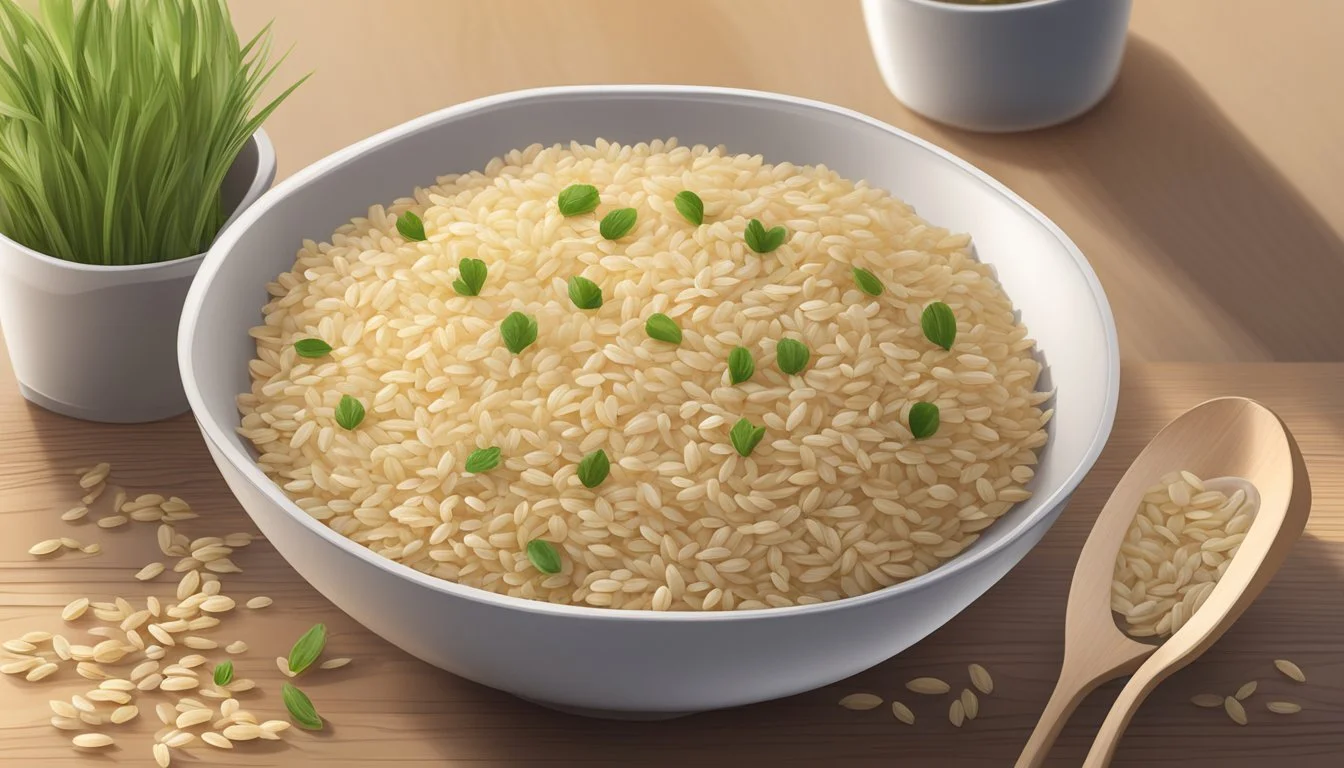
Proper preparation and cooking techniques are essential for maximizing the nutritional benefits of sprouted brown rice. These methods enhance digestibility and nutrient absorption while preserving flavor and texture.
Best Practices for Sprouting at Home
Rinse 1/2 cup of brown rice thoroughly. Place in a jar with a sprouting screen. Cover with water and soak for 12 hours. Drain and rinse the rice.
Invert the jar at an angle for proper air circulation. Rinse and drain every 12 hours. Repeat this process for 2-3 days until tiny sprouts appear.
Keep the sprouting jar in a warm, dark place. Avoid direct sunlight to prevent mold growth.
Once sprouted, refrigerate the rice or use immediately. Sprouted rice stays fresh for up to a week when refrigerated.
Cooking Techniques for Optimal Nutrition
Use a 2:1 ratio of water to sprouted rice. Bring to a boil in a saucepan. Reduce heat, cover, and simmer for 30 minutes.
Remove from heat and let steam for 10 minutes. Fluff with a fork before serving.
For added flavor, cook in broth instead of water. Add herbs or spices during cooking.
Sprouted rice can be ground into flour for baking. Use a food processor or grain mill for best results.
Steam sprouted rice to retain maximum nutrients. Place in a steamer basket over boiling water for 20-25 minutes.
Buying and Storing
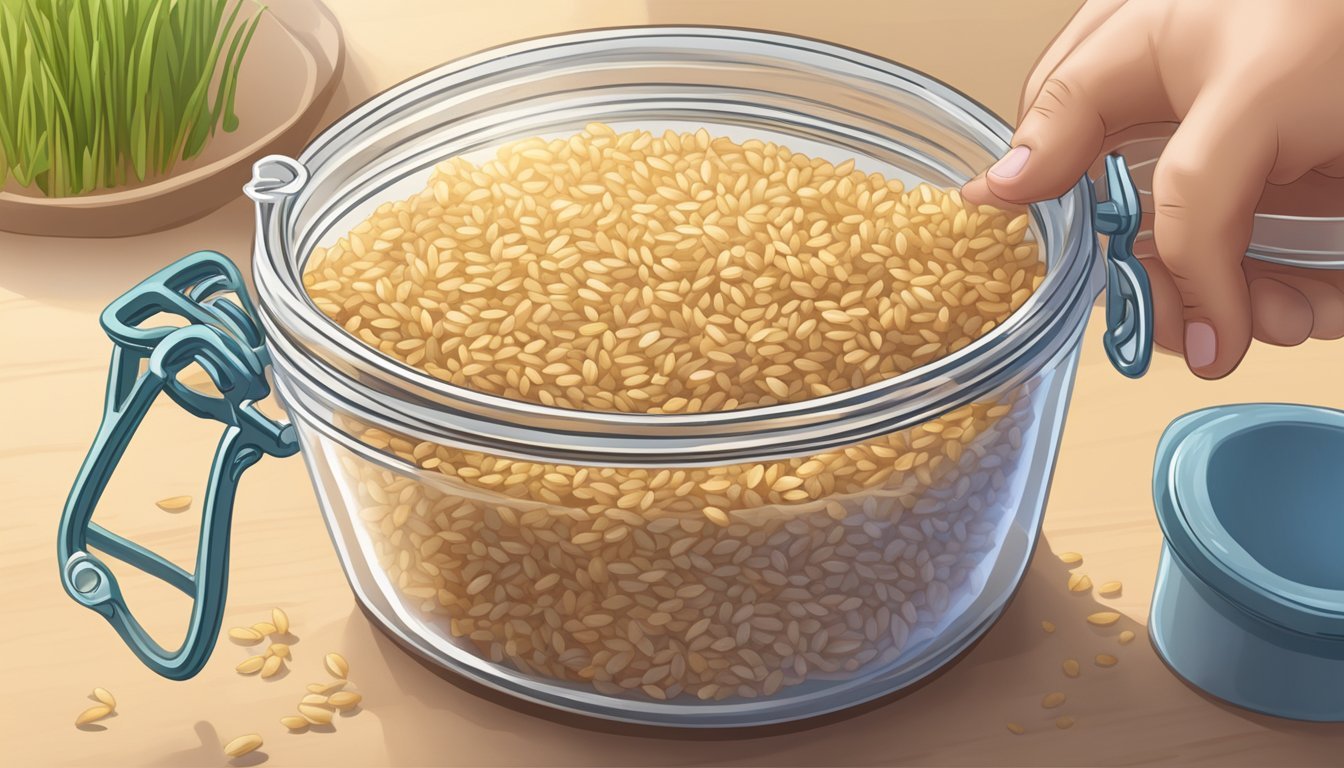
Proper selection and storage of WutsupBaby organic sprouted brown rice cereal ensure optimal nutrition and freshness. These practices maximize the product's shelf life and maintain its quality.
Choosing the Right Product
Look for WutsupBaby organic sprouted brown rice cereal in health food stores or online retailers. Check the packaging for an organic certification seal to verify its authenticity. Examine the expiration date and choose the latest date available.
Inspect the container for any signs of damage or tampering. A sealed, intact package helps preserve the cereal's nutritional value and prevents contamination.
Consider purchasing smaller quantities initially to ensure your family enjoys the taste and texture before committing to larger amounts.
Storage and Preservation
Store unopened containers of WutsupBaby organic sprouted brown rice cereal in a cool, dry place away from direct sunlight. A pantry or kitchen cupboard works well for this purpose.
Once opened, transfer the cereal to an airtight container to protect it from moisture and pests. Glass or BPA-free plastic containers are suitable options for home storage.
Keep the cereal at room temperature and use it within 3-4 months of opening for best quality. Avoid storing near strong-smelling foods, as the cereal may absorb odors.
Check periodically for any signs of spoilage, such as off-odors or visible mold growth. Discard the product if you notice any unusual changes in appearance or smell.