
How Cooking Time Affects Substitute Success
Key Factors for Recipe Adjustments
Cooking with substitutions is a useful skill, but it’s important to understand how swapping ingredients can change the amount of time a dish needs to cook. Cooking time plays a key role in whether a substitute works well or leads to an unexpected result. Different ingredients, like whole grains or non-dairy creams, often require either more or less time to cook compared to their originals.
Many home cooks focus on flavor when making substitutions but overlook the science behind how ingredients react to heat. Changing from white rice to brown rice or from heavy cream to a non-dairy version often means the timing must be adjusted for the dish to turn out right. Small changes in timing, even just a few minutes, can affect texture, taste, and overall success.
Being aware of these differences helps avoid undercooked or overcooked meals. It also boosts confidence when trying new substitutes, leading to more successful and enjoyable results in the kitchen.
The Role Of Cooking Time In Ingredient Substitution

Cooking times influence how successfully a food substitution works and whether the final result meets expectations. Understanding the differences in qualities such as texture, moisture content, and chemical reactions between original and substitute ingredients is crucial.
How Cooking Times Impact Substituted Ingredients
Cooking times directly affect how both the original ingredient and any substitute behave during food preparation. For example, substituting chicken breast with tofu in a stir-fry requires adjusting the cooking time since tofu releases moisture more quickly and can overcook easily. The protein structure, water content, and fat composition of food substitutions may cause them to react differently under heat.
A common example is using non-dairy cream instead of heavy cream. Non-dairy creams may thicken or separate faster due to different fat and stabilizer content, potentially changing the final texture of sauces or soups. Monitor substitutes closely to avoid undercooking or overcooking, as this can impact food safety, texture, and flavor.
Even when using common ingredient substitutions like plant-based proteins for meat, it is rarely effective to keep cooking times identical. Adjustments are generally needed to achieve comparable results.
Timing Differences Between Original and Substitute
Timing differences often arise because few ingredient substitutions share exactly the same properties as the original. Starches, proteins, and fats respond at varying rates when exposed to heat.
Below is a table highlighting how cooking times can differ for several common swaps:
Original Ingredient Substitute General Timing Difference Heavy cream Non-dairy cream Shorter; heat gently, watch for separation Chicken breast Tofu Shorter; tofu cooks and browns faster Wheat flour Almond flour Shorter; almond flour browns more quickly Butter Margarine Similar, but margarine can burn faster
Anticipate these timing shifts to avoid gritty sauces, tough textures, or unwanted flavors. Always check doneness early when working with unfamiliar substitutes, and be prepared to make further adjustments if needed.
Texture And Flavor Profile Changes With Cooking Time
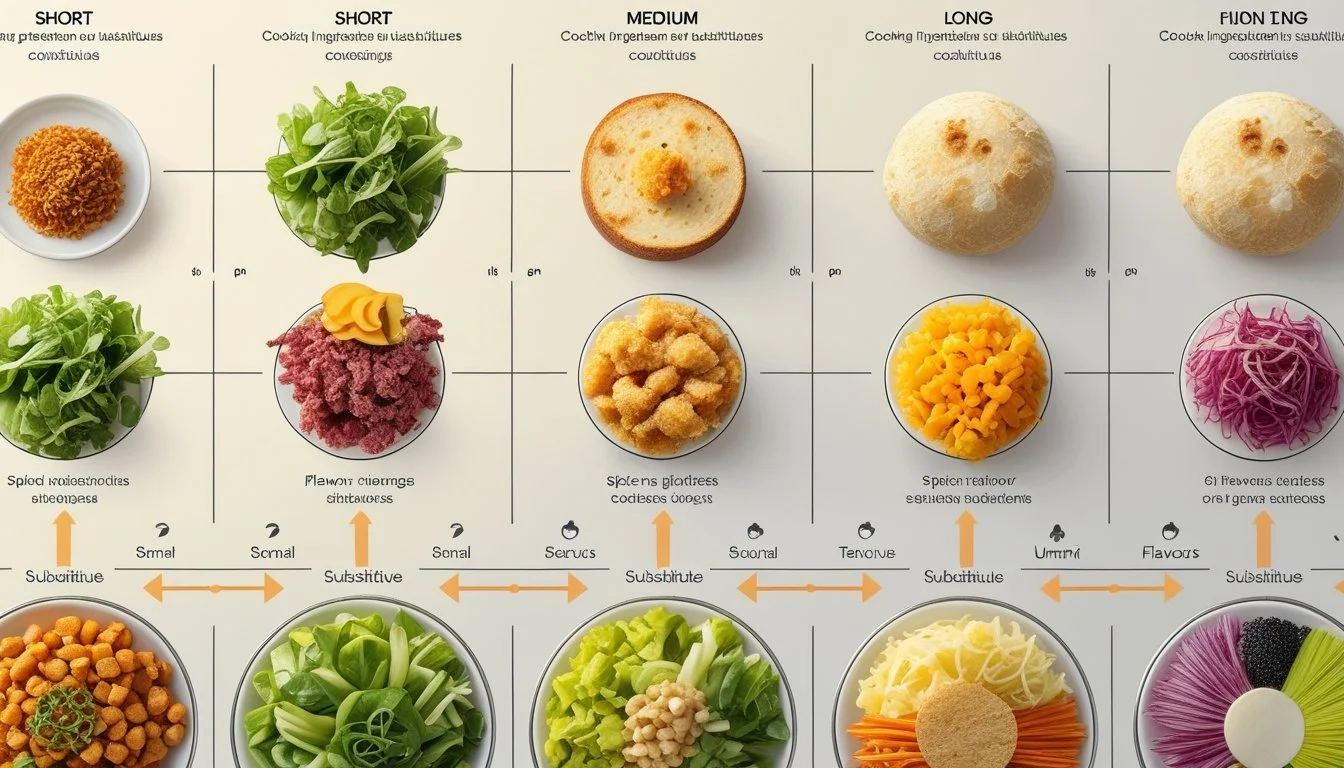
Cooking time has a direct impact on both the texture and flavor profile of dishes, especially when using substitutes. Adjustments are necessary to achieve a desirable end result that maintains the appeal of the original recipe.
Texture Variations With Substitutes
Substitutes often react differently to cooking times than the original ingredients. For example, plant-based proteins may become dense or rubbery with prolonged heat, while tofu can lose its structural integrity if overcooked.
In starchy dishes, swapping potatoes for cauliflower or parsnip can alter how quickly the dish softens. Cauliflower tends to break down faster, so shorter cook times prevent a mushy texture.
Common Textural Outcomes with Substitutes:
Substitute Too Short Optimal Too Long Tofu Spongy Firm, tender Crumbly, dry Cauliflower (for potato) Hard, crunchy Soft, slightly firm Mushy, watery Almond flour (for wheat) Gritty Moist, cohesive Dry, crumbly
Flavor Profile Adjustments
Cooking time also influences the release and development of flavors in substitutes. For plant-based meats, brief cooking helps preserve natural flavors, while extended cooking may dull them or introduce bitterness.
Vegetable-based substitutes, such as zucchini noodles, can lose subtle flavors when cooked excessively. Conversely, legumes like lentils benefit from longer simmering, which unlocks umami notes and smooth texture.
Balancing seasonings is important, as substitutes may require more or less salt, herbs, or spices. For example, jackfruit absorbs marinades quickly, so shorter cook times still yield pronounced flavors.
Managing Moisture In Substituted Dishes
Substitutes handle moisture retention and loss differently than traditional ingredients. For instance, mushrooms and eggplant release substantial moisture if cooked too long, potentially resulting in a watery dish. Grain substitutes like quinoa and rice each absorb and retain moisture uniquely, affecting final texture.
Techniques such as draining, patting dry, or sautéing to remove excess moisture before adding other components can enhance texture outcomes. Covering or uncovering during simmering also helps manage moisture adjustments.
Keeping an eye on moisture control allows for more precise management of both texture and flavor when using substitutes, ensuring the dish is neither soggy nor too dry.
Cooking Methods And Their Effects On Substitute Success
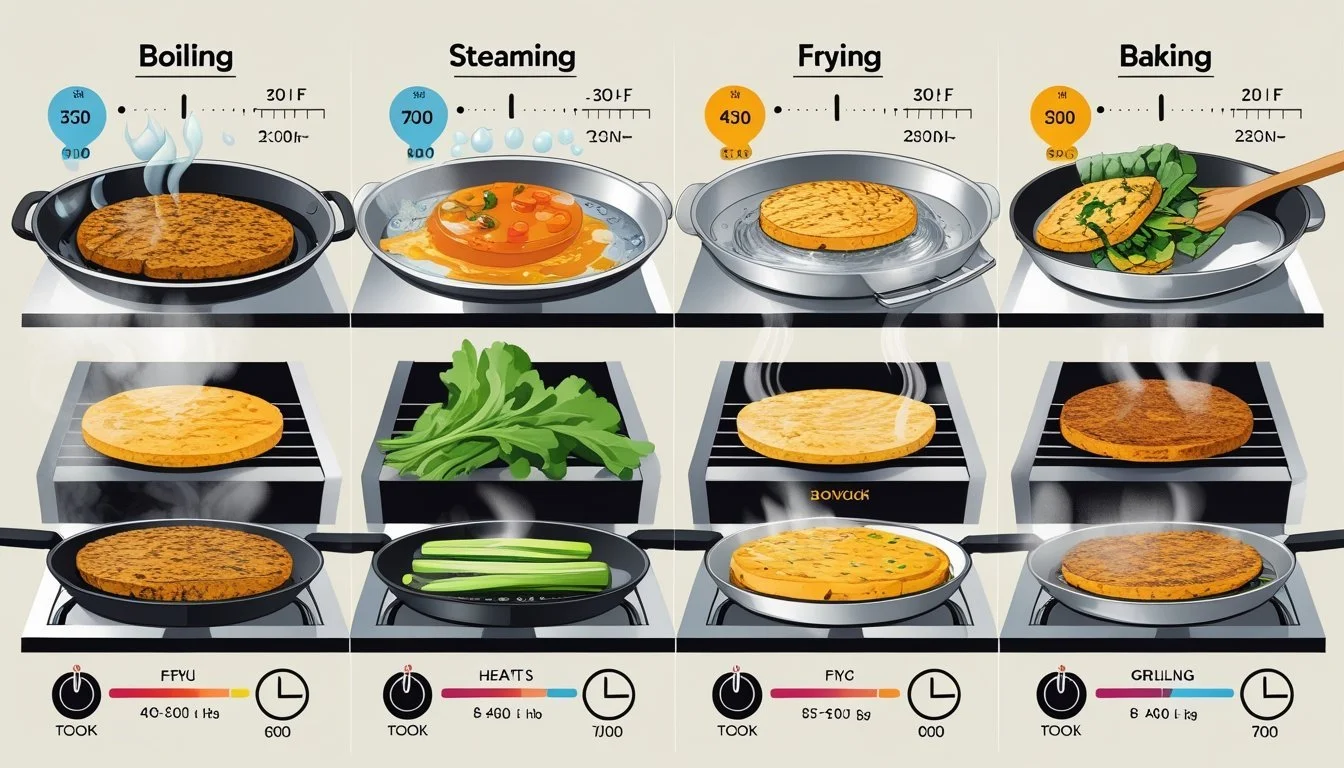
The way heat is applied through different cooking techniques can make or break a substitute’s performance. Each method—baking, boiling, pan-frying, grilling, and roasting—presents unique challenges for ingredient replacements.
Baking Versus Boiling And Pan-Frying
Baking often requires precise chemical reactions among fats, leaveners, and flours. Using alternatives, like non-dairy cream instead of heavy cream or white-whole wheat flour instead of all-purpose, may alter texture and moisture retention. For instance, dairy substitutes can bake faster and lead to a drier crumb, so bakers may need to adjust cooking time or moisture levels.
Boiling is gentler, submerging substitutes in liquid. Grains, pasta, and protein alternatives like tofu often hold up well. Unlike baking, the focus is on maintaining structure and flavor leaching. With pan-frying, substitutes (like plant-based fats for butter) can behave differently under high heat, affecting browning and crispness. Monitoring the pan’s temperature closely is especially important to prevent burning or uneven cooking.
Grilling And Roasting With Substituted Ingredients
Grilling exposes food directly to high heat, creating a distinctive char and flavor. Substituting ingredients—such as using plant-based burgers or fat substitutes—can impact moisture loss, grill marks, and texture. For example, plant-based patties sometimes require lower heat or shorter grill times to avoid drying out or sticking to the grill grates.
Roasting subjects substitutes to dry, even heat that enhances caramelization. Swapping oils or fats can influence the browning of vegetables or meats. Cubic fat substitutes or vegetable-based oils may not melt or brown the same way as animal-based fats, altering both appearance and mouthfeel. Monitoring the look and internal temperature can help achieve the closest result to traditional roasting.
Ingredient Substitution Considerations In Baking
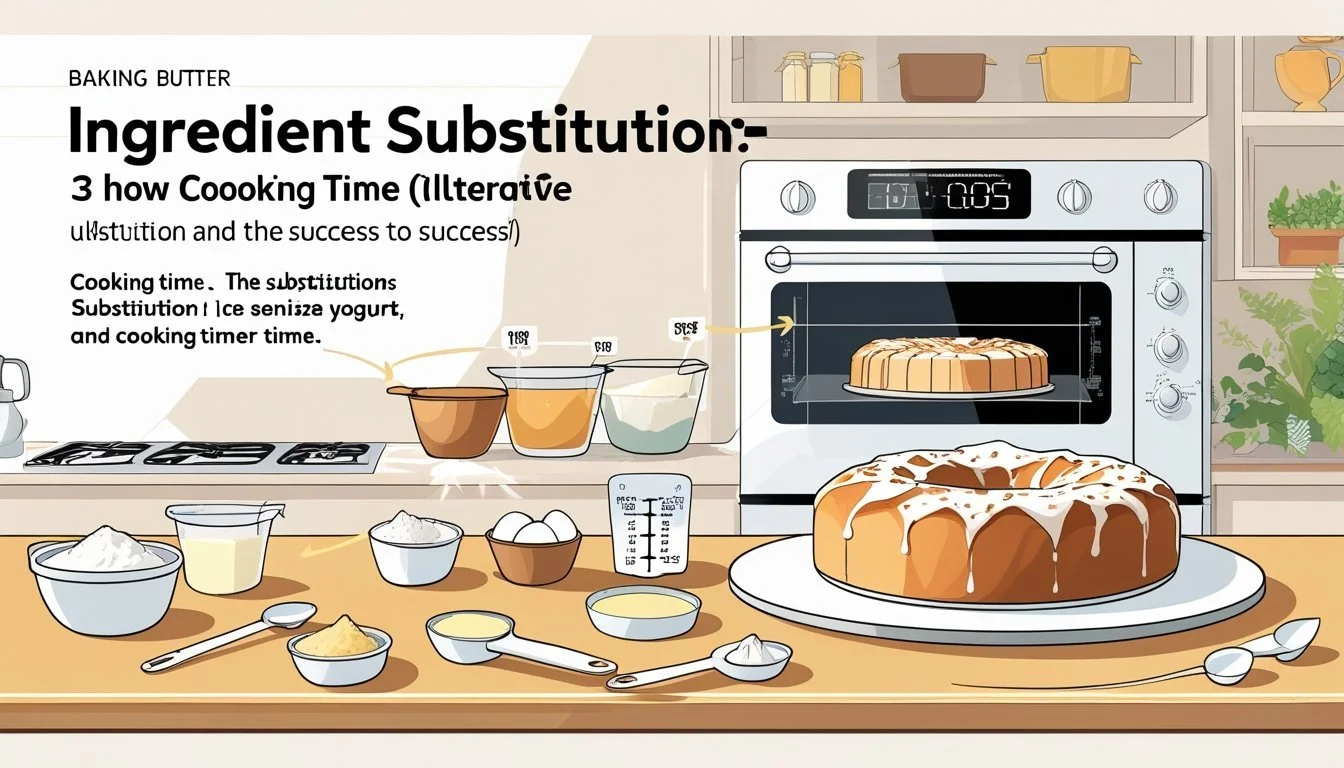
The specific properties of each ingredient in baking recipes affect both the process and the final result. When substituting, it is important to consider how texture, structure, and taste may change, especially with flour, dairy, and eggs.
Flour Substitutes And Gluten-Free Baking Tips
Different flours provide varying levels of protein and starch, which influence structure and crumb. For those seeking gluten-free options, substitutes like almond flour, coconut flour, or certified gluten-free oat flour are common. However, gluten-free flours often need additional binding agents such as xanthan gum or psyllium husk to mimic gluten's elasticity.
When replacing all-purpose or bread flour with a substitute, the conversion ratio may not be 1:1. For example:
Substitute Flour Typical Ratio to All-Purpose Flour Almond Flour 1:1, but denser, often needs more egg Coconut Flour 1:4, plus additional liquid needed Oat Flour 1:1, may need extra binding agent
Adjusting baking powder or other leavening agents is sometimes necessary because gluten-free batters often rise differently. Mixing flours (such as brown rice flour with potato starch) can also improve both texture and flavor.
Dairy And Egg Substitutions In Baking Recipes
Milk, butter, and eggs each have specific roles in developing structure, moisture, and richness. For dairy substitutions, options include plant-based milks like soy, almond, or oat milk. Unsalted margarine or coconut oil can stand in for butter, but the water content and flavor differ.
Eggs serve as binders, leaveners, and emulsifiers. To replace eggs, bakers often use flaxseed meal (1 tablespoon flaxseed with 3 tablespoons water per egg), unsweetened applesauce (1/4 cup per egg), or commercial egg replacers.
Some recipes may require additional baking powder when eggs are omitted, especially for lighter cakes. It's crucial to avoid swapping more than one main ingredient at a time in a single recipe to keep results predictable and closer to the original texture.
Vegetable And Pulses Substitutions: Cooking Time Impacts
Cooking time is one of the most important factors when substituting vegetables or pulses in recipes. Differences in how quickly ingredients cook can affect texture, nutrition, and meal timing.
Leafy Greens: Spinach, Kale, And Chard
Spinach, kale, and chard can often be used interchangeably in cooked dishes, but their cooking times vary. Spinach cooks the fastest, wilting in about 1-2 minutes. Chard usually takes 3-5 minutes, while kale, especially the curly or mature varieties, may need 5-7 minutes or more to become tender.
If swapping spinach into a recipe written for kale or chard, it should be added at the end of cooking. Overcooking spinach results in a soggy texture and nutrient loss. Conversely, using kale where spinach is called for requires extra cooking time and possibly additional moisture.
For best results, finely chop tougher greens like kale or remove stems to ensure even cooking. Adjusting these factors helps maintain the intended texture and color in the finished dish.
Starchy Vegetables: Potatoes, Winter Squash, Carrots
When substituting among starchy vegetables, cooking times can shift the overall dish outcome. Potatoes typically need the longest time to soften—boiled cubed potatoes cook in 10-15 minutes, while carrots will be just tender in 5-10 minutes, depending on thickness.
Winter squash, such as butternut, cooks at a similar rate as carrots if diced, generally softening within 10-15 minutes. To substitute potatoes for squash or carrots, expect a firmer texture unless cooking is extended. Cutting all vegetables to a similar size helps align cooking times.
Roasting these vegetables typically takes longer than boiling or steaming. Pre-cooking or parboiling can save time and ensure even doneness when substituting one for the other.
Protein-Rich Pulses: Lentils And Peas
Lentils and peas offer plant-based protein but differ widely in cooking time. Split red lentils can become soft in as little as 10-15 minutes, while whole green or brown lentils may require 25-30 minutes. Dried split peas fall in the middle, often softening after 20-25 minutes of simmering.
Dishes that call for quick-cooking red lentils can become mushy if green or brown lentils are substituted without increasing the cooking time. The same rule applies to swapping whole pulses for split ones.
Presoaking reduces cooking time for both lentils and peas and also helps retain nutrients. Adjust liquid amounts as needed, since some pulses absorb more water than others.
Table: Approximate Cooking Times (Unsoaked)
Ingredient Cooking Method Time (minutes) Red Lentils Simmer 10-15 Brown Lentils Simmer 25-30 Split Peas Simmer 20-25
Low-Carb Substitutes: Zucchini And Others
Zucchini is a popular low-carb alternative to higher-carb ingredients like potatoes or pasta. When used in soups, sautés, or as "zoodles," zucchini cooks rapidly—usually in 3-5 minutes. Overcooking leads to water release and mushy textures.
Other low-carb vegetables, such as cauliflower or eggplant, cook at different rates. Cauliflower florets need about 5-7 minutes boiling, while eggplant cubes may take up to 10 minutes to turn soft.
Substituting zucchini or similar vegetables for traditional starches requires watching cooking times carefully to prevent sogginess or loss of texture. Because these vegetables have high water content, cooking uncovered or quickly over high heat improves results.
Tip: For dishes like fried "rice," swapping in riced cauliflower for brown rice reduces carbohydrate content and the cooking time to just a few minutes.
Dairy And Non-Dairy Substitutes: Time And Functionality
Cooking and baking with dairy alternatives can change how ingredients function and how long they need to cook. Slight differences in fat, protein, and moisture content can impact the behavior of non-dairy milk or yogurt substitutes compared to traditional dairy.
Non-Dairy Milk And Milk Substitutes
Non-dairy milks like almond, soy, oat, and coconut milk have distinct properties that affect recipes. Their water content and viscosity vary, often leading to faster absorption or evaporation when used in sauces, soups, or baking.
Baking times may be reduced with some milk substitutes because they often contain less protein and fat than cow’s milk. For example, almond milk can make batters and doughs set more quickly, requiring a careful eye to avoid overcooking.
Table: Approximate Baking Adjustments for Milk Alternatives
Substitute Check Sooner? Typical Adjustment Almond Milk Yes Reduce by 3-5 minutes Soy Milk Slightly Similar to cow's milk Coconut Milk Yes Reduce by 5 minutes, rich fat Oat Milk Yes Reduce by 2-4 minutes
In stovetop dishes, thinner non-dairy milks may not thicken as easily as dairy milk. Recipes sometimes benefit from adding a thickener, or extending the simmer time slightly for the right texture.
Greek Yogurt, Dairy Alternatives, And Their Timing Needs
Greek yogurt provides body and moisture in both sweet and savory dishes. Non-dairy alternatives like coconut yogurt or soy-based yogurt have different fat and protein levels, impacting how quickly they set or break down when heated.
Heating plant-based yogurts too quickly or for too long can lead to separation or curdling. Gentle heat and shorter cooking times are usually recommended for these substitutes. For instance, when using non-dairy yogurt in sauces or soups, it is best to add it at the end of cooking to help maintain texture.
Some dairy-free yogurts are not as thick as Greek yogurt and may require the use of thickeners, such as starches, to mimic the same consistency. This can add a few extra steps but helps maintain the expected viscosity in finished dishes.
Quick Tip: Always taste and check the texture before finishing the cooking process, as substitute yogurts can react differently than dairy when exposed to heat.
Oils, Sugars, And Other Common Swaps
When making recipe substitutions, the behavior of oils and sugars can change with cooking time. Understanding these changes helps avoid unwanted outcomes like off flavors or poor texture.
Vegetable Oils And Their Substitutes
Vegetable oils, such as canola, corn, and olive oil, are often swapped for melted butter or coconut oil. When making these substitutions, cooking time influences both the taste and final structure of the dish.
Butter tends to brown more quickly than most vegetable oils, which can alter flavor profiles when cooked for long periods. Coconut oil will solidify at cooler temperatures and can give a dish a denser texture if cooling happens too quickly.
The table below summarizes some common swaps:
Oil Used Typical Substitute Best Cooking Time Notes Canola Melted butter Short to moderate Butter browns faster Olive Avocado oil Any Similar smoke point Veg. oil Coconut oil Short to moderate Coconut oil adds flavor
Choosing oils with similar smoke points prevents burning. For curries or dishes using curry powder, neutral oils like canola help preserve the intended spice profile without adding unwanted flavors.
Sugar Substitutes And Cooking Time
Swapping granulated sugar for sugar substitutes—such as honey, maple syrup, or stevia—changes how mixtures caramelize or brown as cooking progresses.
Sugar alcohols (like erythritol) and non-nutritive sweeteners may not brown at all, resulting in cookies or baked goods with pale color even after extended baking. Honey and maple syrup retain moisture and can make baked items extra soft, but prolonged baking is needed to avoid undercooked centers.
Quick-cook recipes are generally more forgiving of sugar swaps. In longer bakes, using liquid sweeteners may require reducing other liquids in the recipe to prevent soggy results.
When using sugar substitutes, monitoring doneness by texture—rather than just color—is essential. Pre-measuring and adjusting liquids allows the best structure and flavor in the final product.
Adapting For Dietary Restrictions And Allergies
Choosing substitutes for vegan or allergy-friendly needs requires careful attention to both ingredient function and cooking time. The success of substitutes often relies on how they interact under heat and within a recipe’s overall structure.
Vegan And Plant-Based Substitutions
When adapting recipes for a vegan diet, animal-based items like eggs, butter, and milk must be replaced with plant-based ingredients. Common egg replacements include flaxseed meal mixed with water or commercial egg replacers such as Ener-G. These work well in baked goods but may need longer baking times to set properly.
For dairy, soy, oat, and almond milk can be used in most recipes, but each brings a slightly different taste and texture. Coconut oil or vegan butters are suitable alternatives to butter. In savory dishes, nutritional yeast can provide a cheesy flavor without dairy.
Cooking times may need adjustment when thickening or binding agents change. Starches like cornstarch or tapioca might thicken quicker or slower compared to eggs or gelatin. Monitoring consistency during cooking ensures the best results, especially with cakes, muffins, or sauces.
A quick comparison of common vegan substitutes:
Animal-Based Ingredient Vegan Substitute Notes Egg Flaxseed + water Thickening, binding Butter Coconut oil, vegan butter Flavor, texture Milk Oat, soy, or almond milk Adjust liquids
Gluten-Free And Allergy-Friendly Choices
Replacing wheat flour to accommodate gluten intolerance or celiac disease requires attention to structure and timing. Blends of rice flour, potato starch, and tapioca starch are often used to mimic the properties of wheat flour. Additional xanthan gum or guar gum helps bind gluten-free batters and doughs.
When using gluten-free flours, batter and dough may require slightly more resting time before baking to absorb liquid. Baking times also might differ; gluten-free breads often need extra time to cook through completely and avoid a gummy texture.
For other common food allergies such as nuts, dairy, and soy, it’s important to check all substitute labels for cross-contamination. Sunflower seed butter and coconut-based products often work well for nut and dairy allergies, but they may change the flavor.
Tips for allergy-friendly substitutions:
Always verify product labels for hidden allergens.
When in doubt, choose certified allergen-free brands.
Note that moisture and fat content may need adjustment when substituting, so watch closely during cooking and baking.
Common Mistakes And How To Avoid Them
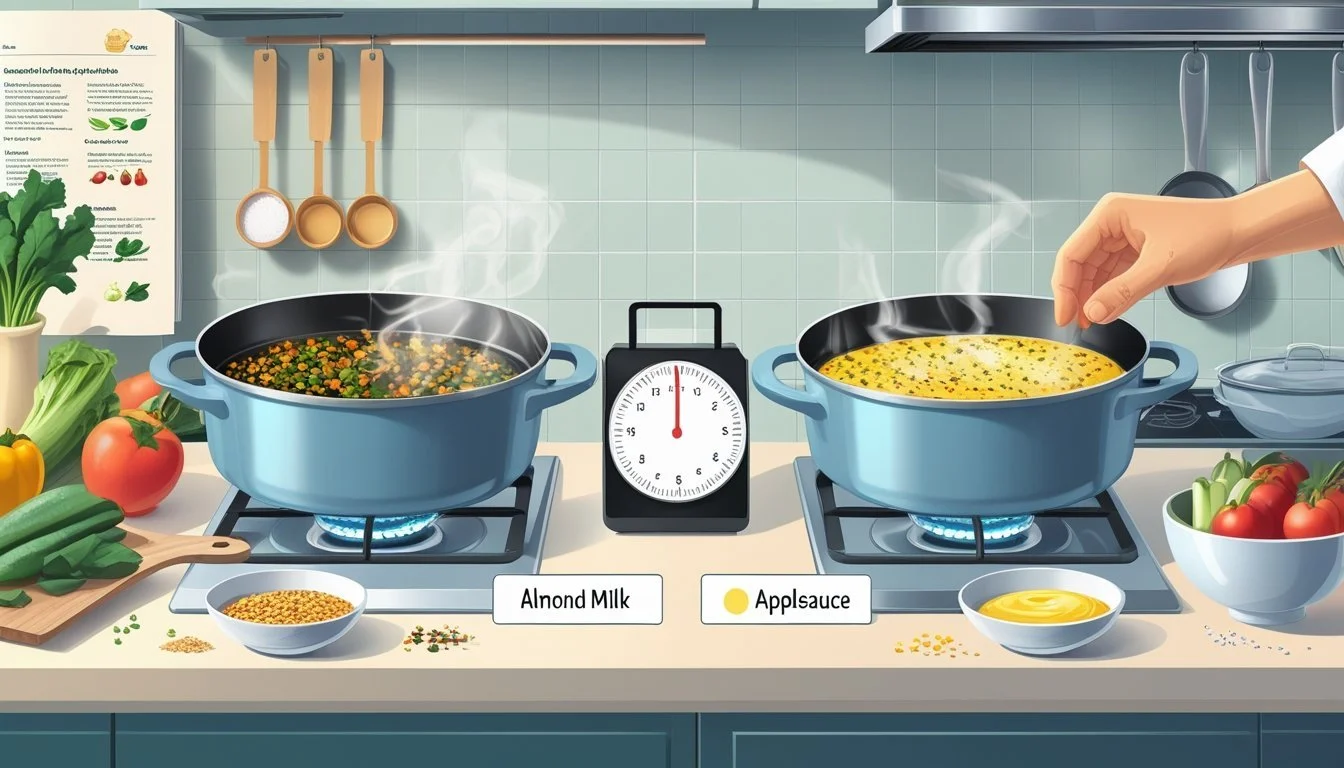
Mistakes with ingredient substitutions often arise from improper cook times, misunderstanding the ingredient's function, or neglecting personal tastes and textures. Attention to these areas can help ensure substitutions work seamlessly and deliver acceptable results.
Overcooking Or Undercooking Substituted Ingredients
Many substitutes require different cooking times and temperatures than the original ingredient. For example, swapping bone-in chicken for boneless cuts means less cooking time is needed. Overcooking a substitute can lead to dryness or bitterness, while undercooking may create safety concerns, especially with proteins.
Vegetables also vary widely; starchy potatoes take longer to soften than zucchini. It is important to check doneness early and adjust cooking as needed. Use visual cues and tools like a food thermometer for accuracy.
A practical approach is to compare the density and moisture content of the substitute against the original. When in doubt, test the substitute separately the first time to understand its cooking behavior.
Ignoring Functionality In Substitutions
Not all ingredients play the same role in a recipe. Substituting flour with almond meal, for example, impacts gluten structure and binding. This can result in poor texture if not accounted for. Similarly, swapping baking soda and baking powder can disrupt leavening, leading to dense baked goods.
Functionality issues are common with fats and liquids. Butter adds flavor and structure, while oils do not set as firmly. To avoid functionality mistakes, review the role each ingredient plays:
Leavening (rising)
Binding
Thickening
Moistening
Check whether a substitute can provide similar effects, and adjust quantities if needed. Reading a recipe fully and researching substitutions helps prevent these errors.
Adapting For Personal Preferences
Personal preferences such as taste, texture, and dietary needs should guide substitution choices. However, over-substituting can lead to a result that is unrecognizable from the original recipe. For instance, using multiple low-fat or dairy-free alternatives may affect mouthfeel and flavor.
To avoid this, limit the number of changes per recipe. Make one swap at a time, and taste as you go. If the substitute brings a different flavor profile (e.g., coconut oil for butter), consider how it will affect the dish as a whole.
Keep a record of what works for future reference. Adjust seasonings if the substitute has a milder or stronger flavor than the original ingredient. This ensures better alignment with personal ingredients and flavor expectations.
Reducing Food Waste Through Smart Substitution
Utilizing the art of substitution can significantly reduce food waste by making the most of leftover or unused ingredients. Making mindful swaps not only prevents spoilage but also ensures meals remain fresh, flavorful, and resource-efficient.
Choosing The Right Substitute For Leftover Ingredients
Selecting an appropriate substitute starts with considering which ingredients are already available and close to expiring. For example, using wilted spinach instead of fresh kale in a soup or casserole helps avoid discarding produce.
A useful table for common swaps includes:
Leftover Ingredient Suitable Substitution Stale Bread Homemade breadcrumbs or croutons Overripe Bananas Banana bread, pancakes Sour Cream Plain yogurt or crème fraîche
Reviewing what’s on hand before shopping helps reduce food waste. Incorporating these ingredients into recipes extends their life and keeps cost low. Swapping based on functionality—like using applesauce for eggs in baking—lets cooks use up leftovers while maintaining recipe success.
Balancing Flavor And Sustainability
Balancing flavor with sustainability means evaluating both taste impact and environmental benefits of substitutions. Ingredients that would otherwise be wasted often blend well into soups, stews, or baked goods where texture and precise flavor are less critical.
When making a substitution, cooks should ask:
Will the flavor profile change?
Does the swap retain dish integrity?
For instance, using leftover vegetables instead of buying new can keep greenhouse gas emissions lower, as supported by research showing that even a 10%–50% food waste reduction provides measurable environmental benefits. Smart substitution aligns kitchen creativity with responsible food management.

