
Substitution for Texture Allergies: Seeds, Nuts, and Gluten-Free Alternatives for Safe Eating
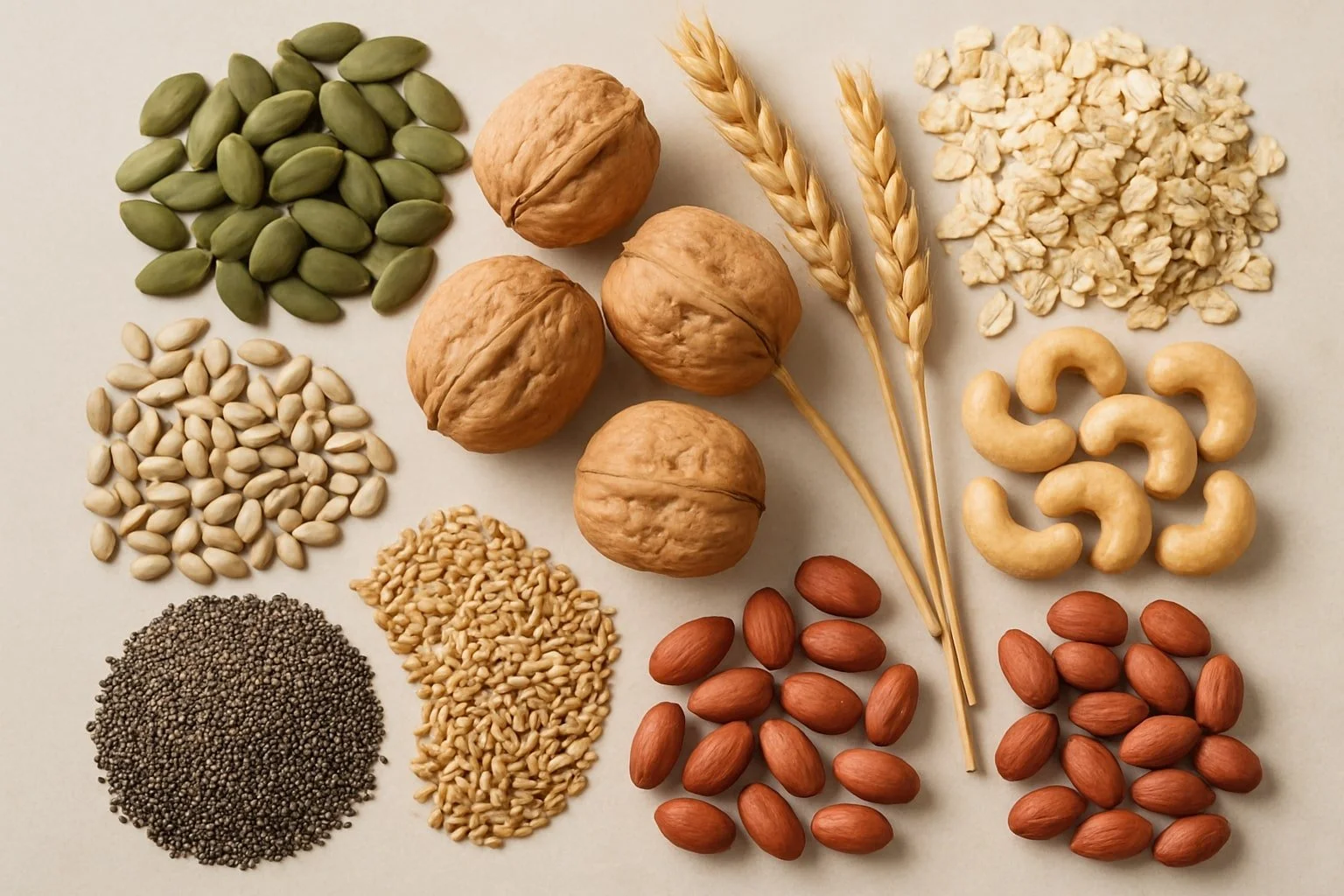
Navigating food allergies can be challenging, especially when it comes to finding replacements for nuts, seeds, or gluten that offer the right texture without triggering an allergic reaction. There are several safe substitutions for major food allergens like nuts and gluten that deliver both texture and flavor, allowing individuals with food allergies to enjoy a wide range of dishes. Whether someone is allergic to tree nuts, seeds, or gluten, there are allergy-friendly alternatives such as seed butters, roasted beans, or gluten-free grains that can be incorporated into everyday recipes.
Understanding which food allergens need to be avoided is key to creating dishes that are both safe and appealing. Those seeking nut substitutes might consider sunflower or pumpkin seeds, which can mimic the crunch and richness of nuts. For gluten, various gluten-free flours and pasta options provide similar structure in baked goods and meals. By using strategic substitutions, people with food allergies can confidently recreate familiar textures and flavors in their cooking.
Understanding Texture Allergies and Food Allergens
Texture allergies can make everyday eating challenging, especially when common foods like nuts, seeds, and gluten are involved. Identifying what causes a reaction, recognizing symptoms early, and checking food labels are critical steps in managing these allergies.
Common Food Allergy Triggers
A food allergy occurs when the immune system reacts to certain proteins. Nuts, both peanuts and tree nuts (such as cashews, almonds, and walnuts), are among the most frequent triggers. Wheat is another common allergen and a source of gluten, which can cause reactions for those with a wheat allergy or celiac disease.
Eggs and soy are also major food allergens, particularly in children. Seeds such as sesame or sunflower are becoming more recognized for causing allergic reactions, especially as they are used more frequently in processed foods and alternative diets.
The following table highlights some major food allergens and examples:
Allergen Examples Tree nuts Almonds, cashews Peanuts Peanut butter, snacks Wheat/Gluten Bread, pasta Seeds Sesame, sunflower Eggs Baked goods, sauces Soy Tofu, soy milk
Recognizing Allergy Symptoms
Symptoms of food allergies can vary in severity and may occur within minutes to a few hours after eating. Mild symptoms often include itching, hives, tingling around the mouth, or mild swelling of the lips or face.
Severe symptoms can involve difficulty breathing, throat tightness, abdominal pain, vomiting, or even anaphylaxis, which is life-threatening and requires immediate medical attention. Those with known allergies should carry prescribed medication, such as an epinephrine auto-injector, at all times.
Individuals may mistake mild or delayed reactions as intolerance, but it's important to monitor any new or unusual symptoms. Prompt recognition and response can help prevent more serious outcomes.
Cross-Contamination and Food Labels
Cross-contamination happens when allergenic foods come into contact with allergy-friendly food, surfaces, or equipment. Even trace amounts of an allergen can trigger a reaction in sensitive individuals, making prevention a priority.
Reading food labels is essential. Manufacturers are required to list major allergens clearly, but terms like "may contain" or "produced in a facility with" signal higher risk. It is important to check labels on every purchase, as ingredients and manufacturing practices can change.
Those with allergies should avoid unpackaged foods unless the preparation process and ingredients are confirmed to be safe. Informing restaurant staff or hosts about allergies can help reduce the risk of accidental exposure.
Safe Substitutions for Nut Allergies
People with nut allergies have a range of safe alternatives to choose from for texture and nutritional value. Seeds, legumes, and dried fruit each offer unique benefits and help avoid exposure to major food allergens such as peanuts and tree nuts.
Seed-Based Alternatives
Seeds are commonly used as nut substitutes in a wide variety of foods. Sunflower seeds and pumpkin seeds are two of the most popular options for those avoiding peanuts and tree nuts. Both seeds provide a satisfying crunch, healthy fats, and protein, making them a strong replacement for nuts in salads, baked goods, and snack mixes.
Seed butters—such as sunflower seed butter and pumpkin seed butter—mimic the texture of peanut or almond butter. Sunflower butter is especially popular due to its mild taste and spreadable consistency. These butters can be used for sandwiches, baked recipes, or as dips for fruit and vegetables.
It is important to check product labels because some seed products are processed in facilities that handle nuts. Look for options labeled "nut-free" or manufactured in dedicated nut-free facilities for extra safety, especially for those with severe allergies.
Example Table: Seed-Based Substitutes
Seed Type Common Uses Nut-Free? Sunflower seeds Bars, salads, baking Yes* Pumpkin seeds Breads, granola, snacks Yes* Sunflower seed butter Spreads, dips, recipes Yes*
*Always check for may-contain warnings.
Legume-Based Options
Certain legumes are suitable as nut replacements for texture and nutritional value. Chickpeas—either whole, roasted, or as chickpea butter—offer a crunchy bite and can be seasoned for snacks or blended for spreads.
Soy nut butter (from roasted soybeans) is another option, but is not suitable for those with soy allergies. Roasted legumes can be added to trail mixes or salads, giving a similar mouthfeel to nuts.
Chickpeas are the base for hummus, which is a popular savory spread that naturally contains no nuts. People with peanut allergies or tree nut allergies should still verify that legume-based products are produced in nut-safe environments to avoid cross-contact.
Dried Fruit and Other Nut-Free Ingredients
Dried fruits do not replicate the crunch of nuts but add chewy texture and sweetness. Options such as dried cranberries, cherries, apricots, and raisins can be mixed into granola, yogurt, or trail mixes for added flavor and fiber.
Other ingredients to consider are toasted coconut flakes, crisped rice, or pretzel pieces for those wanting more texture. Using combinations of dried fruit and nut-free crunchy ingredients allows for creative, nut-free recipes.
When choosing dried fruit or processed snacks, confirm that they are packaged in nut-free facilities to reduce the risk of allergen contamination. Always check ingredient lists and allergy statements for added safety.
Practical Substitutes for Gluten Allergies
People with gluten allergies or wheat allergies rely on a variety of alternatives to mimic the structure, texture, and taste that gluten provides. These options range from gluten-free flour choices to naturally gluten-free grains and certified products designed for safety and ease.
Gluten-Free Flours and Flour Blends
Gluten-free flour has become a kitchen staple for those unable to eat wheat. Common choices include rice flour, corn flour, millet flour, and quinoa flour. Rice flour is neutral in flavor and works well in baking and frying. Corn flour adds color and sweetness to batters and breading.
Gluten-free flour blends combine several flours and starches—often including brown rice flour, potato starch, and tapioca flour—to mimic the function of wheat flour. Many blends also include xanthan gum or guar gum to help develop structure and elasticity that gluten would usually give. Custom blends allow for versatility in cakes, muffins, and bread.
Grains and Starches for Texture
Beyond flours, whole gluten-free grains recreate the desired texture in many recipes. Quinoa, millet, brown rice, and rolled oats (specifically labeled gluten-free) deliver both fiber and substance. Quinoa and millet cook quickly and have a mild, slightly nutty taste, which makes them appealing for salads, pilafs, and side dishes.
For added texture or binding in gluten-free recipes, starches such as potato, arrowroot, or tapioca starch are frequently used. These starches lighten batters and create chewiness in baked goods or crispness in coatings. Mixing different grains and starches can help match the mouthfeel of traditional gluten products.
Gluten-Free Certified Products
To manage risk, many consumers look for gluten-free certified products. Certification labels verify that the food contains less than the regulated threshold of gluten, protecting those with celiac disease or severe wheat allergy. Many packaged foods, such as baking mixes, cereals, and pastas, are now clearly marked with a gluten-free seal.
Certified products reduce cross-contamination concerns that home cooks may encounter. Gluten-free rolled oats, pasta, sauces, and snacks undergo careful processing and testing. It is important to check labels for changes in ingredients or manufacturing, as wheat can sometimes appear in unexpected products.
Replacing Dairy and Egg Ingredients for Texture
Dairy and eggs play key roles in baking and cooking, often providing structure, moisture, and creaminess. Finding suitable substitutes is essential for those managing allergies without compromising on taste or texture.
Plant-Based Milks and Creams
Plant-based milks are central to dairy-free substitutions, with each type offering unique properties for texture.
Almond milk has a mild flavor and light texture, making it a good choice for cakes and pancakes.
Soy milk is higher in protein, closely resembling cow’s milk in baking performance.
Rice milk is thin and often used in recipes where a very light texture is desired.
Coconut milk (canned) provides richness and is especially useful in creamy desserts and sauces.
For heavy cream, blends of soy or coconut milk with a thickener like cornstarch can mimic the viscosity and mouthfeel. It’s important to note that unsweetened varieties provide the most neutral base for savory dishes.
Egg Substitutes
Replacing eggs requires mimicking binding, moisture, and leavening.
Flax egg: 1 tablespoon flaxseed meal mixed with 3 tablespoons water. After sitting, it forms a gel suitable for binding in muffins, pancakes, and cookies.
Aquafaba (liquid from canned chickpeas): 3 tablespoons equal one egg. It can be whipped for meringues or folded into batters for a light texture.
Silken tofu: Provides density and moisture. Typically, 1/4 cup blended tofu replaces one egg in brownies or dense cakes.
Mashed banana or applesauce: 1/4 cup of either for one egg adds moisture and a subtle sweetness, ideal for quick breads.
Each substitute varies in taste and suitability, so matching them to the specific need—binding, leavening, or moisture—is crucial.
Vegan Cheese and Butter Alternatives
Dairy-free cheese and butter are now widely available, with varied results depending on the brand and ingredients.
Vegan cheese products use bases such as nuts (cashew, almond), soy, or coconut oil. They can melt and stretch for pizza or add creaminess to sauces but may differ in texture from traditional cheese. Checking ingredients is important for those with nut or soy allergies.
Plant-based butters are usually made from oils (coconut, olive, canola, or blends) and mimic dairy butter in baking and spreading. When baking, ensure the substitute is labeled as suitable for high-heat or baking applications. Some vegan butters are salted, so adjusting the salt in the recipe may be necessary.
A simple table summarizes some choices:
Alternative Best For Allergen Considerations Almond milk Cakes, muffins Nut allergy Soy milk Puddings, baking Soy allergy Rice milk Light batters, drinks None (common) Coconut milk Creamy sauces, desserts Coconut sensitivity Vegan cheese Melting, sauces Nut/soy allergy Vegan butter Baking, spreading Varies by brand
Substituting for Multiple Texture Allergies Simultaneously
Managing recipes for people allergic to seeds, nuts, and gluten at the same time requires careful ingredient choices and knowledge about product options. Creating both sweet and savory dishes means sourcing alternatives that do not sacrifice texture or safety.
Combined Allergy-Friendly Baking
Baking with allergies to seeds, nuts, and gluten involves avoiding almond flour, nut butters, sesame, sunflower, and many commercial gluten-free mixes that contain seeds. Popular substitutes include gluten-free all-purpose flour blends relying mostly on rice, tapioca, or potato starch.
Binders like xanthan gum or psyllium husk can help mimic a cohesive, chewy structure. For richness and moisture, try coconut oil, dairy-free margarine, or apple sauce.
Egg is a common concern. Safe egg replacements include flax-free commercial egg replacers (such as Ener-G) or a chia seed-free mixture like puréed pumpkin. For extra lift in cakes or muffins, baking soda and vinegar can help with leavening.
Common substitutes table:
Ingredient Substitute Nut flour Rice flour, sorghum flour Seed butter Sunflower-free soy butter* Gluten flour Potato/tapioca starch blends Egg Puréed pumpkin, applesauce
*Check for cross-contamination warnings on soy butter.
Savory Dishes Without Seeds, Nuts, or Gluten
Savory cooking with multiple texture allergies centers on grains like rice, corn, or quinoa as safe bases. Rice noodles, polenta, and corn tortillas are widely available in grocery stores and do not contain seeds, nuts, or gluten.
For protein, safe choices include legumes (if tolerated), chicken, beef, pork, or fish. Avoid seed-based dressings (tahini, sesame oil), and opt for olive oil or avocado oil for cooking.
Sauces thickened with cornstarch or arrowroot work well and do not rely on allergenic thickeners. Vegetable purées such as carrot or potato add creaminess without allergens.
Always check ingredient lists for hidden seeds, nuts, or gluten to reduce risk of allergic reaction and ensure every dish stays safe.
Creative Texture-Building Ingredients
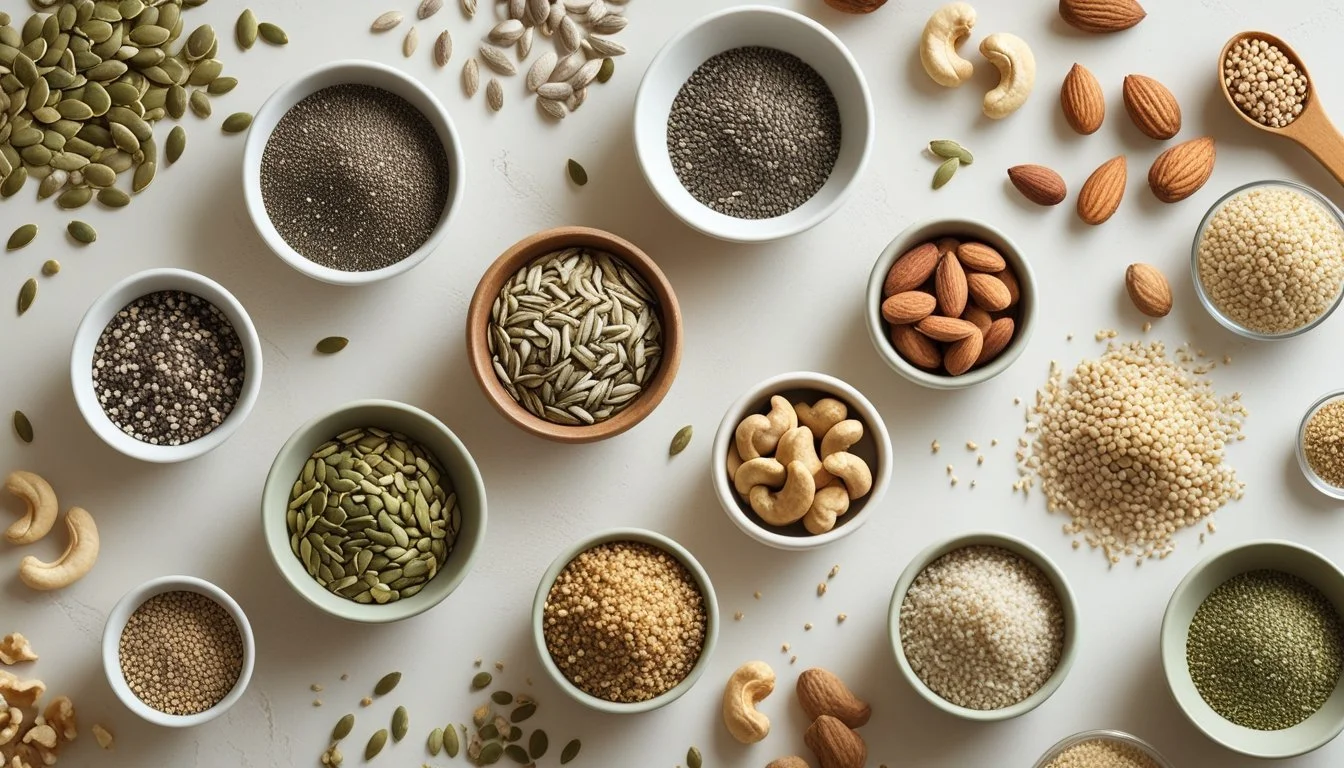
Many common foods provide satisfying mouthfeel in place of nuts, seeds, or gluten. These alternatives help replicate the structure and bite of traditional ingredients while being suitable for those with allergies or sensitivities.
Vegetable-Based Options
Vegetables offer unique textures and can act as direct substitutes in a range of recipes. Grated carrots are often used in baking and savory dishes for their slight crunch and moisture retention. Finely diced cucumbers add firmness and a slight crispness in salads, salsas, and chilled soups. Roasted and chopped vegetables like zucchini or bell peppers also provide body without introducing common allergens.
Avocado oil can be used to enhance mouthfeel thanks to its rich, creamy viscosity. Mash or cube avocado can replace chunks of nuts in dishes like salads or stir-fries for a softer, buttery bite. These ingredients combine to give texture without relying on nuts, gluten, or seeds, making them adaptable for various dietary needs.
Chia and Other Seeds
Chia seeds are valued for their ability to absorb moisture and create a gel-like texture. When soaked, they become chewy and thick, mimicking the consistency of some baked goods or puddings. Sunflower seeds offer a nutty crunch and can be blended into spreads or left whole in granola bars for added bite.
Pumpkin seeds serve well in both savory and sweet applications, offering protein and fiber along with texture. Toasted seeds can be sprinkled over salads, baked into breads, or processed into seed butter for a creamy spread. For a comparative guide, see the table below:
Seed Type Texture Contribution Common Uses Chia Seeds Gel-like, thickening Puddings, smoothies Sunflower Seeds Crunchy, slightly nutty Bars, spreads, toppings Pumpkin Seeds Crunchy, chewy Salads, baking, snacks
Each option provides a clear way to introduce texture without the risks linked to nuts or gluten.
Snack and Spread Substitutions
For individuals managing allergies to nuts, seeds, or gluten, accessible snack and spread alternatives can help maintain variety and safety in the diet. Careful ingredient selection ensures both taste and texture without compromising allergen avoidance.
Nut-Free Snack Ideas
A wide range of nut-free snacks can easily replace traditional nut-based options. Pretzels made from wheat or gluten-free grains offer a satisfying crunch. For sweetness, dried fruit such as raisins or apricots is convenient, naturally sweet, and easy to transport.
Chocolate chips labeled allergen-free provide chocolate flavor in snack mixes or on their own. Air-popped popcorn is another popular choice, delivering crunch without common allergens. Roasted chickpeas or lentils offer a crispy texture and protein.
When looking for safe alternatives, always check labels for possible cross-contamination warnings, especially with seeds and dried fruits. Combining apple slices with safe spreads or pairing gluten-free crackers with sliced cucumber can further expand snack choices.
Allergy-Friendly Spreads
Many spreads serve as alternatives for those unable to eat nuts. Sunflower seed butter and pumpkin seed butter offer creamy textures and mild flavor, making them suitable for sandwiches and as dips. Coconut butter is another option, lending a subtly sweet note and smooth consistency.
For even simpler choices, apple sauce spreads easily on toast or rice cakes, adding natural sweetness without allergens. Some chocolate spreads are now made without nuts or gluten; always double-check ingredient labels to verify safety.
Seed butters provide an alternative, but some individuals may also react to seeds. Always introduce new spreads cautiously and in consultation with a healthcare provider if multiple allergies are present. These spread options create a safe variety for most allergy-friendly diets.
Sauces, Seasonings, and Umami Replacements
Umami and savory undertones are sometimes lost when popular sauces or seasonings must be avoided for allergy reasons. Careful substitutions ensure flavor remains balanced when replacing common gluten, soy, or fish-based ingredients.
Soy and Fish-Free Sauces
For those with soy or fish allergies, alternatives can be found without sacrificing depth of flavor. One of the most direct substitutes is coconut aminos. Made from fermented coconut sap, coconut aminos is both soy-free and gluten-free while providing a subtle, slightly sweet umami note. It can be substituted in equal amounts for traditional soy sauce.
Gluten-free Worcestershire sauce can provide a tangy-salty layer too, though not all brands are fish-free; check labels carefully. For additional complexity, mushrooms (especially dried shiitake) can be steeped in warm water, then the broth used as a seasoning base.
Tofu and seitan are sometimes used as textural replacements for meat in sauces, but for those with soy or wheat allergies, avoid these and look instead to options like lentils, chickpeas, or even finely chopped scallops if shellfish is tolerated. These ingredients can absorb savory sauces well.
Smart Seasoning Alternatives
Building flavor without conventional seasonings starts with pantry staples. For umami, consider mixing smoked paprika, tomato paste, and nutritional yeast. This combination can mimic depth and savoriness usually supplied by soy or fish sauces.
Homemade spice blends using garlic powder, onion powder, and herbs like thyme or rosemary provide aromatic intensity. When texture is important, lightly toasted seeds such as sunflower or pumpkin add crunch, and their oils can lend extra richness.
A simple comparison table:
Allergen Try Instead Use For Soy Coconut aminos Marinades, stir-fry Fish Mushroom broth Sauces, soups Gluten Tamari (gluten-free) Dipping, cooking
Seasoning blends work best when tasted and adjusted frequently to avoid overpowering the dish. Always review pre-mixed seasoning ingredients for hidden allergens or gluten.

