
Replacing Animal-Derived Coloring Agents
Sustainable Alternatives for Modern Industry
Replacing animal-derived coloring agents with plant, mineral, or microbes-based alternatives offers manufacturers a way to address growing consumer demand for natural and ethical ingredients. Traditional food colorants sourced from animals, such as carmine or cochineal, have raised concerns due to allergen risks, dietary restrictions, and sustainability issues.
More companies are turning to biocolours—natural pigments from vegetables, fruits, and minerals—as effective substitutes for animal-based dyes. These options not only align with plant-based and vegetarian preferences but also avoid some of the health concerns linked to artificial additives. As research and innovation continue, the availability and reliability of non-animal colorants are increasing, providing clear benefits for brands and consumers alike.
Overview Of Animal-Derived Coloring Agents
Animal-derived coloring agents are widely used in food manufacturing due to their stability and vibrancy. However, concerns related to ethics, health, and product labeling are driving the search for suitable plant-based or synthetic alternatives.
Types Of Animal-Origin Colorants
The most well-known animal-derived food colorant is carmine (also called cochineal or E120). Carmine is obtained from the dried bodies of the female Dactylopius coccus insect, which is native to regions of Central and South America. It imparts a deep red to pink hue and is valued for its color stability.
Other lesser-known examples include certain fish-derived pigments used rarely in specific regional foods. However, carmine remains the only widespread animal-origin colorant in large-scale food production. Unlike plant or artificial colorants, animal-derived pigments are usually obtained through extraction and processing of animal tissues or excretions.
These substances are regulated as food additives and fall under stringent guidelines regarding purity and allergenicity. Their use is often indicated on ingredient lists as either carmine, cochineal extract, or by their additive code.
Applications In The Food Industry
Animal-derived colorants are found in various products across the food industry due to their strong coloring power. They are commonly used in yogurts, candies, ice creams, beverages, baked goods, and processed meats.
Carmine offers excellent heat and light stability compared to some natural plant-based colorants, making it attractive for processed foods that undergo significant manufacturing steps. Its intense color means that only small quantities are necessary to achieve the desired visual effect.
In product labeling, the use of animal-derived coloring agents can affect claims such as “vegan,” “vegetarian,” or “plant-based.” This limits their marketability among consumers who avoid animal products for dietary, health, or ethical reasons.
Limitations And Concerns
The use of animal-derived colorants generates notable limitations and concerns. Ethical and religious dietary restrictions—including veganism, vegetarianism, halal, and kosher diets—often prohibit or discourage their consumption.
Some individuals may experience allergic reactions to carmine, ranging from mild to severe. Regulatory agencies require clear labeling and, in some regions, even warnings for allergenic potential.
There are also increasing consumer demands for “clean-label” products, which leads manufacturers to reconsider animal-based additives. Issues of sustainability and animal welfare further discourage their continued use when viable alternatives—such as plant-based or artificial colorants—exist or are being developed. This creates a strong motivation for the food industry to transition away from animal-origin coloring agents.
Need For Replacing Animal-Derived Coloring Agents
Replacement of animal-derived coloring agents is driven by concerns over health, safety, ethics, and shifting market demands. Scientific scrutiny and consumer interest in cleaner ingredients are shaping the future of food colorants.
Health Effects And Safety Concerns
Animal-derived coloring agents have raised questions about their impact on human health. Some individuals may experience hypersensitivity or allergic reactions, which can range from mild skin irritation to more serious proinflammatory responses.
Food safety regulations vary by region, yet not all coloring agents are rigorously evaluated for long-term effects. Reports have linked certain additives to potential neurobehavioral issues in children.
Switching to plant-based or mineral color alternatives can reduce exposure to these risks. Clean-label products aim to use ingredients with a clear safety record, reflecting growing demand for transparent and safe food processing.
Ethical And Cultural Considerations
For many consumers, ethical concerns are paramount. The use of animal-derived dyes, such as carmine from cochineal insects, raises questions for vegetarians, vegans, and certain religious groups.
There are also cultural dietary restrictions, as some coloring agents may not align with Kosher, Halal, or other dietary laws. This can limit product accessibility and inclusivity.
Moving toward non-animal colorants addresses these ethical dilemmas. It opens the market to wider audiences, respecting diverse beliefs and moral choices regarding animal use in food.
Market Trends Toward Clean-Label Products
Market research shows a significant trend toward clean-label products, where consumers seek minimal processing and recognizable ingredients. There is increased preference for color additives derived from plants, fruits, and minerals instead of animal sources.
Manufacturers are responding by reformulating products and labeling them as "free from artificial or animal-based dyes." This shift is aimed at improving transparency and satisfying market demand for safer alternatives.
Retailers and food service companies now favor suppliers who offer clean-label, animal-free colorants. This supports both food safety and consumer trust, driving further innovation in the food additive industry.
Natural Alternatives To Animal-Derived Coloring Agents
Natural colorants from plants, microbes, and marine sources now offer reliable, safe ways to add vibrant color to foods without relying on animal derivatives. These alternatives provide a wide range of hues and meet increasing demand for clean label ingredients.
Plant-Derived Colorants
Plants are the primary source of natural pigments used in modern food coloring. Extracts from fruits, vegetables, flowers, and roots yield a spectrum of colors.
Common plant-derived colorants include carotenoids (orange-red pigments such as beta-carotene and lycopene), anthocyanins (reds, purples, and blues from berries and purple vegetables), betalains (reds and yellows from beets), and chlorophyll (green from leafy greens). These pigments are often listed on ingredient labels as “color from [plant source]”.
Curcumin, derived from turmeric, gives a bright yellow shade and is used in both culinary and processed foods. Plant pigments like these not only enhance food appearance but may also provide some antioxidant activity, depending on the compound and concentration.
Microbial And Fungal Pigments
Microbes and fungi are increasingly used to create natural food colorants, often referred to as biocolourants. Advances in fermentation and biotechnology allow for large-scale, controlled production of specific pigments.
Monascus pigments, produced by the Monascus fungus, offer a range of reds and oranges popular in traditional Asian cuisines. Riboflavin (vitamin B2) from microbes gives a yellow color and is found in a variety of foods and supplements.
Bacteria and fungi can produce unique pigments not easily sourced from plants, such as prodigiosin (red) from certain bacteria. Fungal pigments are valued for their stability in food processing, making them suitable for baked goods, beverages, and confections.
Marine And Algae-Based Pigments
The use of marine and algae-based coloring agents is growing, thanks to their vivid color profiles and sustainability. Spirulina, a blue-green algae, produces natural blue and green colorants widely used in beverages, dairy, and confectionery.
Other marine pigments include astaxanthin, a red-orange compound found in microalgae and widely used in aquaculture and food applications. Seaweed extracts provide a variety of hues and are considered safe and allergen-friendly.
Microalgae such as Galdieria are recent additions, offering high protein and antioxidant-rich colorants. These pigments fit well in plant-based and allergen-free product formulations, supporting consumer preferences for both vibrant appearance and clean labels.
Extraction Techniques For Natural Coloring Agents
Different extraction techniques have a direct impact on yield, color stability, and safety of natural coloring agents. Each method influences the purity, quality, and scalability of dye production, affecting their suitability for industrial and food applications.
Solvent Extraction
Solvent extraction is the most widely used method for obtaining plant-based pigments such as anthocyanins, carotenoids, and chlorophylls. It uses traditional solvents like ethanol, methanol, or acetone to dissolve the target compounds from plant matrices.
Key factors include solvent polarity, extraction time, and temperature. These variables affect how efficiently the natural dye is transferred from plant material into solution.
An advantage of this method is its simplicity and scalability for routine processing. However, residual solvents and the environmental impact of chemical use can be concerns, making food-grade or GRAS (Generally Recognized as Safe) solvents preferable. Solvent extraction often precedes further purification or encapsulation steps to improve pigment stability.
Microwave-Assisted Extraction
Microwave-assisted extraction (MAE) uses microwave energy to rapidly heat plant material and solvent, breaking down cellular structures for efficient pigment release. This technique reduces extraction time and often leads to higher yields compared to conventional methods.
Temperature and power settings must be optimized to prevent thermal degradation of sensitive pigments, particularly betalains and carotenoids. MAE typically uses water or ethanol, making it suitable for natural dye applications in food processing.
Benefits include lower solvent consumption, improved colorant purity, and the ability to process heat-sensitive compounds quickly. In some cases, microwave techniques are paired with nanoencapsulation to enhance pigment stability and delivery in finished products.
Innovative Extraction Methods
Recent advances focus on "green" and sustainable extraction techniques, such as enzyme-assisted extraction, ultrasound-assisted extraction, and the use of deep eutectic solvents (DESs). These methods aim to minimize environmental impact while maximizing pigment yield and activity.
Enzyme-assisted extraction uses specific enzymes to break down plant cell walls, releasing dyes with minimal solvent use. Ultrasound-assisted methods apply sonic waves to disrupt tissues, increasing extraction efficiency with mild conditions.
Deep eutectic solvents, composed of natural or biodegradable components, offer a customizable and environmentally friendly alternative for extracting both hydrophilic and lipophilic dyes. These innovative techniques are often combined with downstream processing like nanoencapsulation to protect and stabilize natural pigments for application in foods and cosmetics.
Color Stability And Preservation Challenges
Ensuring stable and vibrant color is a persistent challenge when replacing animal-derived colorants in food products. Factors like pH, temperature, light, and the need for specific preservation and stabilization strategies all play key roles in the success of natural alternatives.
Effect Of PH, Temperature, And Light
Natural colorants, including plant-based pigments, are highly sensitive to processing and storage conditions. pH level has a direct impact; for example, anthocyanins typically appear red in acidic conditions but turn blue or colorless at higher pH levels. Betalains tend to degrade rapidly under alkaline pH, limiting their use to specific products.
High temperatures, common in food processing, accelerate pigment breakdown. Heat treatment can cause color fading or conversion to brown degradation products, especially in pigments like betalains and chlorophylls. Light exposure also contributes to pigment instability. Ultraviolet and visible light can trigger oxidation or photodegradation, resulting in significant color loss during storage.
To address these weaknesses, it is common to control processing environments by minimizing exposure to high temperatures and light and by adjusting product formulations to favor stable pH ranges.
Stabilization Of Betalains
Betalains, mostly extracted from sources like beetroot, are attractive for their vivid red-violet color. However, they show limited stability outside narrow pH and temperature ranges. They degrade rapidly at pH levels above 7 and deteriorate with exposure to heat and oxygen.
Manufacturers often add antioxidants and oxygen scavengers to help preserve betalain color. Packaging under low-oxygen conditions can also reduce degradation. Some products use chelating agents or encapsulation techniques to provide an additional barrier against heat and light, supporting longer shelf life without significant color loss.
Preservatives such as ascorbic acid or citric acid are sometimes used to reduce oxidative stress, but any additives must be food safe and not negatively affect flavor or regulatory compliance.
Copigmentation And Formulation Strategies
Copigmentation is a method by which color stability is enhanced through the interaction of pigments with other compounds, commonly phenolics. By forming copigment complexes, anthocyanins and other colorants become less susceptible to pH and light-induced degradation.
Developers may adjust formulations by including natural stabilizers or using tailored packaging materials that reduce light and oxygen exposure. Controlled blends of colorants or use of microencapsulation can protect pigments from harsh processing environments.
A few common techniques include:
Adding food preservatives to inhibit microbial activity and slow breakdown
Using thickeners or emulsifiers to protect pigments in food matrices
Modifying packaging to block light or maintain low-oxygen atmospheres
These holistic formulation strategies are vital for achieving color consistency and extending shelf life in products colored with animal-free pigments.
Functional And Health Benefits Of Natural Colorants
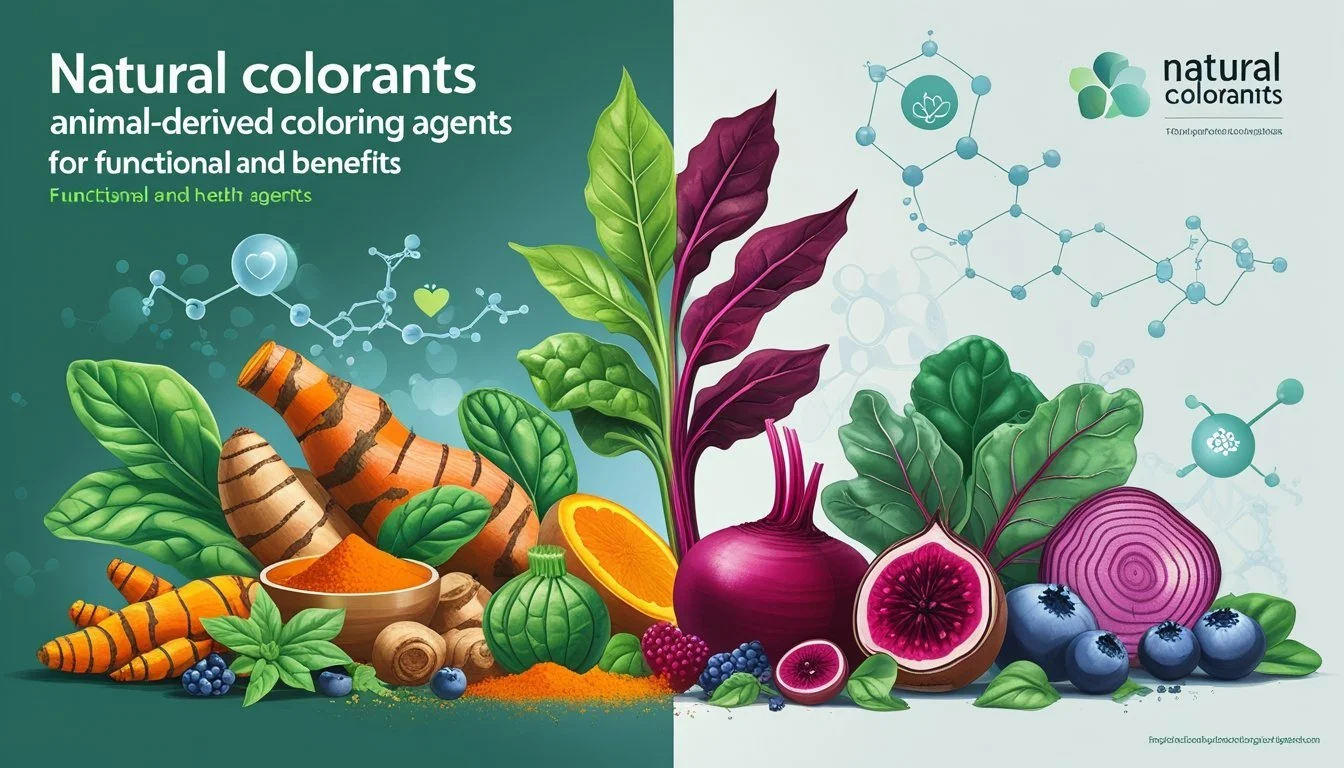
Natural colorants not only serve to provide vibrant hues to food and products, but also offer distinct biological activities. Many of these compounds are associated with protective health effects rooted in their molecular structures and origins.
Antioxidant Properties
Natural colorants, especially those derived from plants, often contain flavonoids and other polyphenolic compounds. These molecules can neutralize reactive oxygen species (ROS), which are unstable molecules that can cause damage to cells and tissues over time. By scavenging ROS, natural colorants may help reduce oxidative stress linked to aging and chronic diseases.
A number of natural pigments—such as anthocyanins (found in berries and red cabbage) and carotenoids (like beta-carotene in carrots)—have shown notable antioxidant activity in laboratory studies. Research continues to explore their effectiveness in the human diet, but they stand out for supporting cellular health.
Applications in food systems extend beyond visual appeal. The antioxidant effects of these pigments can also help preserve food quality by slowing lipid oxidation, which in turn may enhance shelf life.
Anti-Inflammatory Properties
Many plant-based pigments show potential in modulating inflammation pathways in the body. For example, curcumin, the yellow pigment in turmeric, has been studied for its ability to affect multiple inflammatory mediators.
Flavonoid-rich colorants, such as those found in citrus fruits and tea leaves, may help inhibit production of pro-inflammatory cytokines. This action could benefit individuals with conditions characterized by chronic inflammation.
Clinical studies are ongoing, but in vitro and animal research highlight that these compounds often operate at the molecular level to reduce signals that trigger inflammation. As a result, natural colorants may play a role in diets or supplements aimed at supporting long-term health.
Nutritional Value
Natural colorants contribute more than just color. Many are sources of vitamins, minerals, or unique plant compounds that have nutritional benefits. For instance, chlorophyll-based colorants from green plants may provide magnesium, while carotenoids supply provitamin A.
The inclusion of these pigments in foods can augment overall nutritional value. Some natural colorants, such as those from spirulina or beetroot, provide amino acids, phytonutrients, or dietary fiber.
Below is a table highlighting some examples:
Colorant Source Key Nutrients/Compounds Nutritional Contribution Spirulina Protein, B-vitamins, carotenoids Supports immune function Beetroot Dietary nitrates, betalains Blood pressure regulation Turmeric Curcumin Anti-inflammatory support
Including natural colorants in foods thus aligns with both aesthetic and nutritional goals.
Regulatory Considerations For Food Colorants
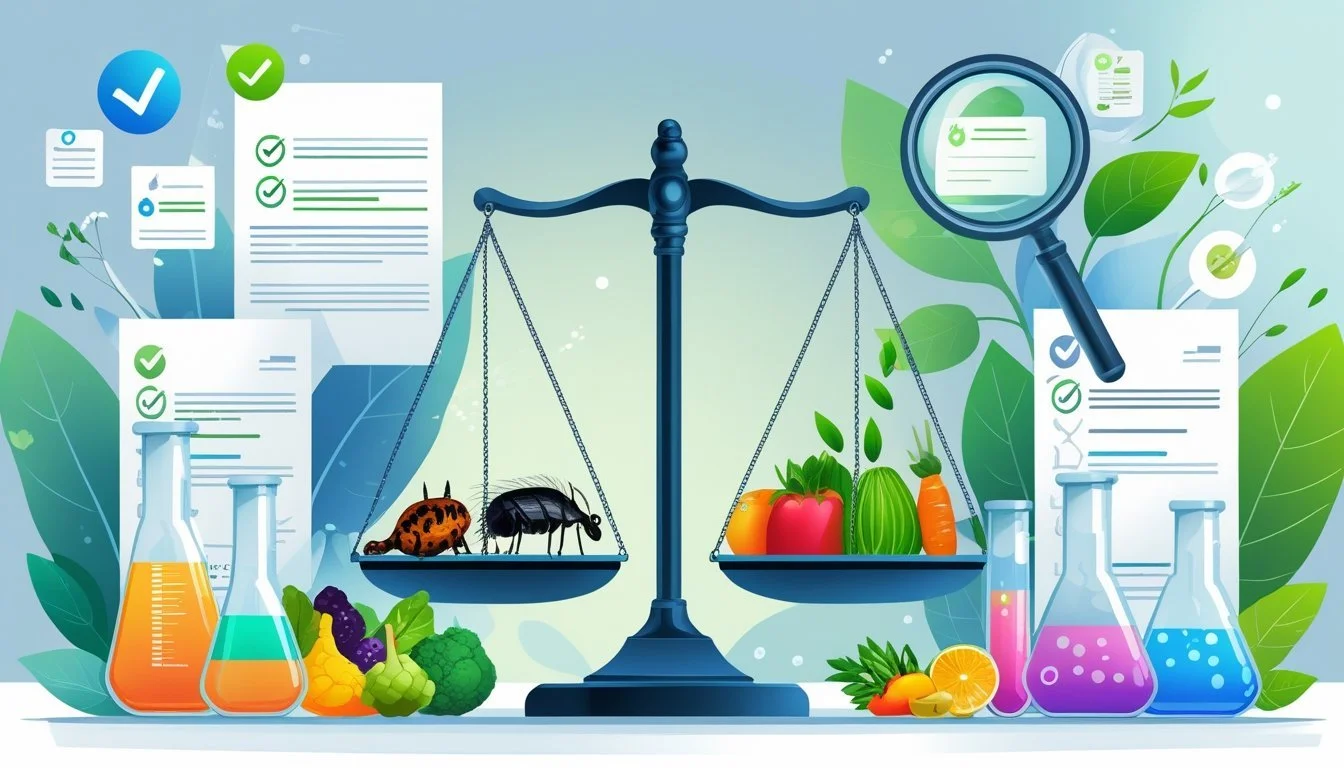
Food colorants are regulated by multiple agencies to ensure consumer safety, ingredient transparency, and legal compliance. Approval, use levels, and the ongoing review of both natural and synthetic color additives are closely scrutinized in established markets.
EFSA And FDA Guidelines
The European Food Safety Authority (EFSA) and the U.S. Food and Drug Administration (FDA) are two of the most influential regulatory bodies for food colorants. Both have some overlapping requirements but also differences in assessment criteria and approval pathways.
The FDA divides food colorants into two main categories: certifiable synthetic colors and exempt, mostly natural colors. EFSA evaluates both synthetic and natural additives, with stricter labeling and safety requirements, especially for animal-derived substances. While the FDA recently started accelerating the approval of natural alternatives, especially in response to the phase-out of petroleum-based dyes, EFSA places emphasis on allergenicity and source disclosure in addition to toxicological data.
Manufacturers must ensure that food coloring agents comply with all requirements, including batch certification (for FDA-regulated synthetic colors) or full compositional disclosure (required by EFSA). This is crucial when substituting animal-derived agents or introducing new natural sources.
Acceptable Daily Intake (ADI)
Acceptable Daily Intake (ADI) is a foundational concept in color additive regulation. ADI is the maximum amount of a substance, usually expressed in mg per kg of body weight, considered safe for daily consumption over a lifetime without appreciable health risk.
Both EFSA and FDA base approval on toxicological studies, including those examining carcinogenicity, genotoxicity, and reproductive effects. If animal-derived colorants are used, additional safety data may be needed because of potential allergen risks.
ADI values are routinely reviewed and revised as new scientific information emerges. This can lead to changes in permitted use levels, which manufacturers must monitor, especially during transitions from animal-derived to non-animal colorants.
JECFA And Global Regulatory Landscape
The Joint FAO/WHO Expert Committee on Food Additives (JECFA) assesses food additives at an international level. JECFA establishes safety benchmarks and ADIs recognized by many countries as guidance for their own regulations.
Globally, color additives are governed by a patchwork of national standards. For example, JECFA recommendations may be adopted into Codex Alimentarius standards, referenced by importing and exporting countries in trade.
Regional differences affect which colorants, including animal-derived ones, are allowed or require additional labeling (e.g., for allergies or dietary restrictions). Manufacturers replacing animal-derived coloring must be aware of these cross-border regulatory complexities to ensure compliance and market access.
A summary table for key regulatory bodies and their main focus areas:
Regulatory Body Region Key Focus Areas FDA United States Certification, compositional purity, ADI EFSA European Union Allergenicity, labeling, toxicology, ADI JECFA International ADI, safety assessment, global harmonization
Challenges And Limitations Of Natural Alternatives
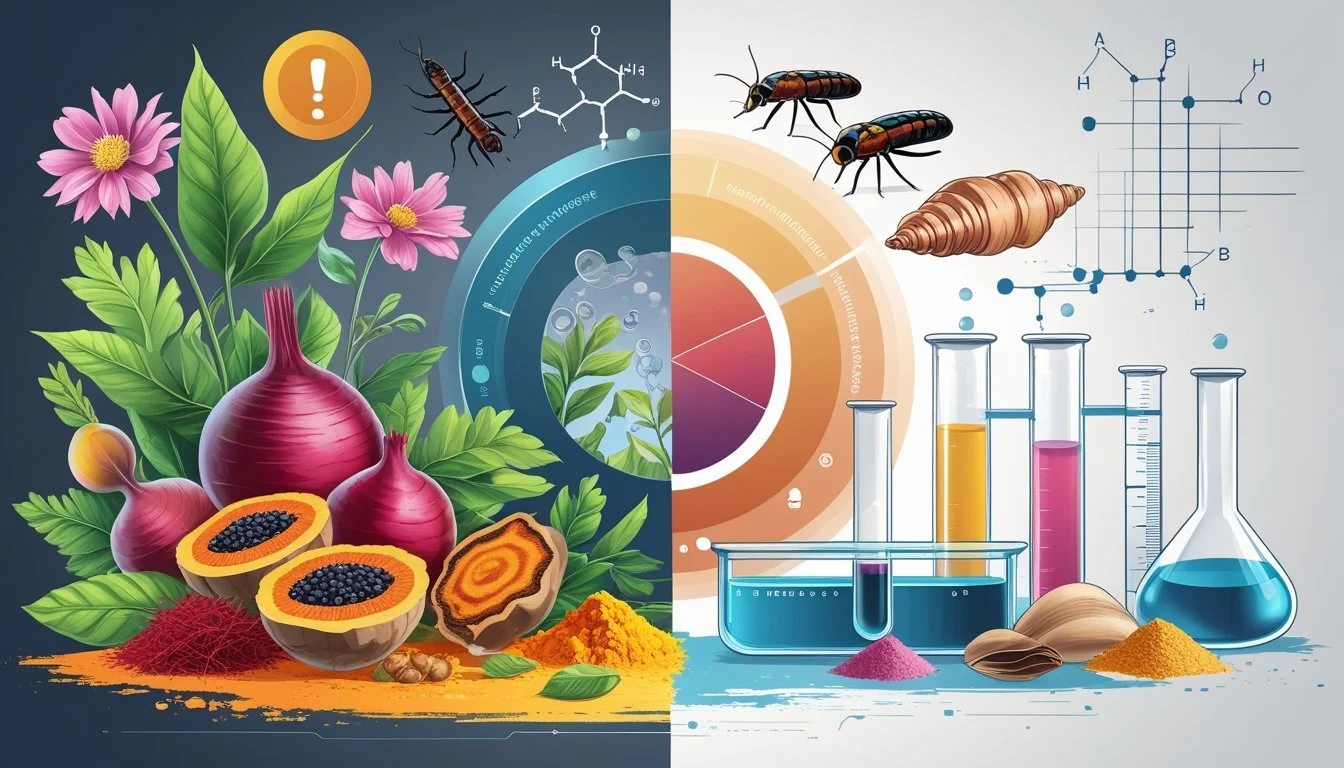
Natural alternatives to animal-derived coloring agents present several practical hurdles. These challenges include economic factors, logistical concerns, and specific health risks that differ from those seen in synthetic counterparts.
Cost Considerations
Natural colorants are often more expensive to produce and process than synthetic additives. Extraction from plant, algae, or microbial sources tends to involve labor-intensive steps and lower yields per volume. This raises costs for food manufacturers, especially at scale.
For example, pigments like betalains from beetroot or phycocyanin from spirulina face sourcing and refinement costs that can exceed synthetic dyes. Fluctuations in raw material availability due to seasonal or regional changes can further impact price stability.
In comparison, synthetic counterparts usually have lower production costs, higher purity, and more predictable pricing, making them economically appealing. These cost differences influence decisions in markets where profit margins are narrow or regulatory pressures are limited.
Supply Chain And Scalability
Reliable supply of natural colorants depends on factors such as crop yields, harvesting seasons, and environmental variability. Weather events, pests, and land use changes can restrict availability, affecting production schedules for food and beverage companies.
Meeting the growing demand for plant-based products requires a robust supply chain. At present, scaling up the production of natural alternatives to match synthetic additives remains a significant challenge. Algae or plant cultivation operations need consistent quality control and investment.
Variations in pigment concentration and quality between batches pose challenges for creating standardized, repeatable products. This makes it harder to ensure uniform coloring in applications requiring high visual consistency.
Potential Side Effects And Toxicity
Although natural colorants are generally regarded as safer than synthetic additives, they are not free from risks. Some compounds can cause allergic reactions or sensitivities in certain individuals. For instance, annatto may provoke allergic responses, and high doses of certain plant pigments can lead to gastrointestinal discomfort.
Proper safety evaluations are still needed for some newer alternatives, especially those from less-studied sources such as bacteria or certain algae. Cross-contamination with other substances during the extraction process can introduce unintended side effects or contaminants.
Regulation of natural colorants may differ between regions, leading to uneven oversight and potential gaps in safety assessments. Regular monitoring and updated research are required to ensure their continued safe use in consumer products.
Application Of Natural Colorants In Different Food Matrices
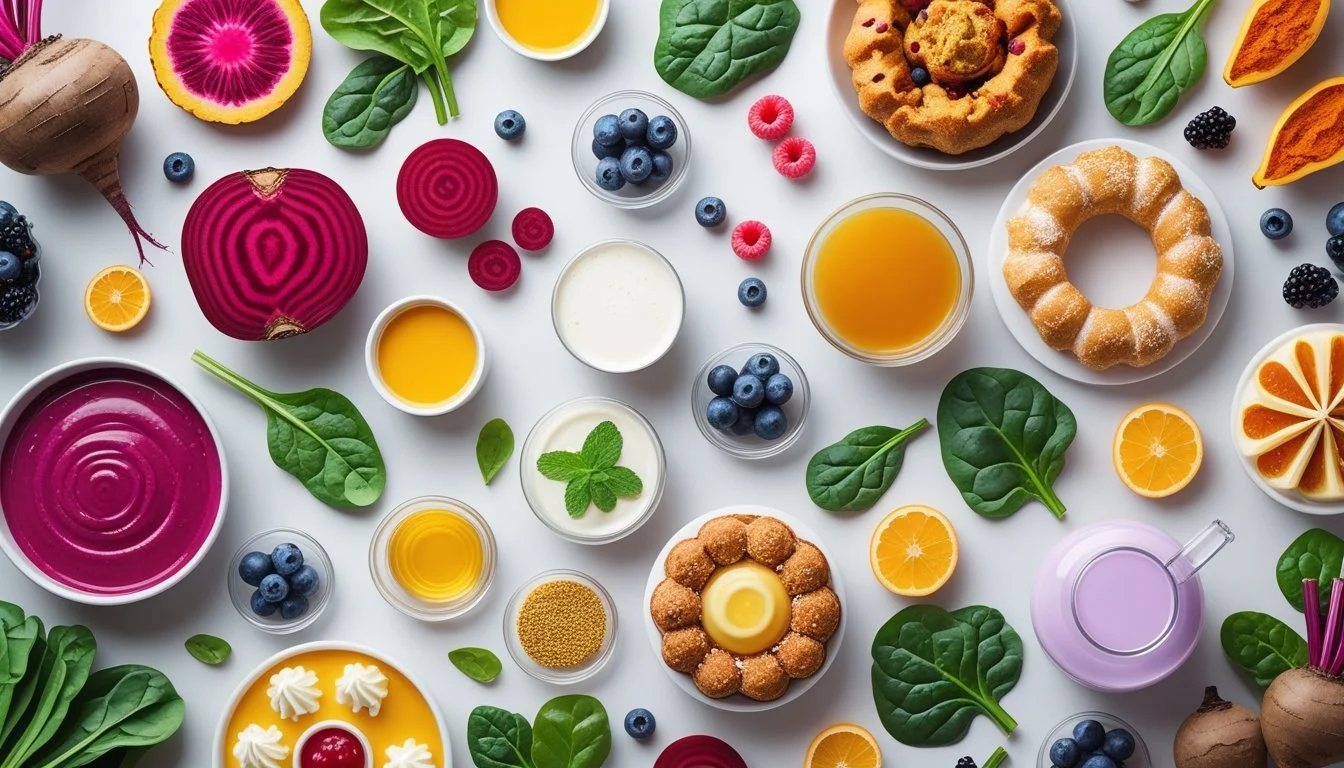
Natural colorants are increasingly used to replace animal-derived dyes, driven by consumer demand and advancements in extraction technology. The effectiveness of these pigments depends on their compatibility with diverse foods, such as beverages, dairy, processed meats, and bakery products.
Beverages And Dairy Products
The beverage industry often uses colorants for visual appeal and to indicate flavor. Plant-based pigments like anthocyanins, betalains, and carotenoids are widely adopted for fruit juices, soft drinks, yogurts, and other dairy products. For example, anthocyanins from berries provide shades of red and purple, while β-carotene from carrots imparts yellow and orange hues.
Dairy products, including flavored milk and ice cream, benefit from natural pigments due to their stability in pH ranges typical of these foods. Table 1 below summarizes common natural colorants used in beverages and dairy:
Colorant Source Common Uses Anthocyanin Berries Yogurt, drinks β-Carotene Carrots Milk, ice cream, juices Betalains Beetroot Smoothies, flavored milk
Using natural food dyes helps avoid synthetic counterparts and aligns with clean-label trends in the beverage and dairy sectors.
Processed Meats And Alternatives
Processed meats have historically used carmine and other animal-derived pigments. Alternatives now include paprika oleoresin and beetroot extracts for cured meats and sausages. These offer red and pink shades, replacing traditional sources while maintaining product appeal.
For plant-based meats, colorants are essential for mimicking real meat. Beet juice and leghemoglobin (from soy fermentation) are key ingredients, providing a convincing red color that simulates the appearance of cooked and raw beef. Leghemoglobin, in particular, is notable for its heme content, resembling the color profile of animal-based myoglobin.
Maintaining color stability during cooking and storage remains a challenge, especially for plant-derived pigments, but ongoing research is improving their performance in both conventional and alternative meat products.
Confectionery And Baked Goods
The confectionery and bakery industries often rely on vibrant, appealing colors to attract consumers. Natural food colorants like spirulina extract for blue, carotenoids for yellow to orange, and anthocyanins for red and purple are popular options.
These ingredients suit sugar-based candies, icings, and cakes, offering a range of hues without the health concerns linked to synthetic dyes. Heat stability and pH sensitivity are important considerations for baked goods, requiring careful selection of pigments depending on the product.
List of Common Natural Colorants in Bakery & Confectionery:
Spirulina (blue)
Beetroot (red)
Curcumin (yellow)
Paprika (orange)
Natural pigments support allergen-free claims and meet growing consumer preferences for cleaner ingredient lists in sweets and bakery goods.
Comparing Synthetic And Natural Colorants
The choice between synthetic and natural colorants impacts food safety, consumer health, and environmental sustainability. Key differences emerge in chemical composition, potential effects on human health, and ecological consequences.
Synthetic Dyes And Azo Colorants
Synthetic dyes, including azo colorants, are widely used in the food industry for their strong coloring power, stability, and low production cost. Azo dyes, a major group within synthetic colors, feature nitrogen-nitrogen bonds and provide a broad range of vivid hues.
These dyes are valued for their uniformity and reproducibility from batch to batch. Synthetic colorants are chemically engineered, which allows precise color matching and consistency across large-scale food manufacturing.
Regulation varies by country, but many azo colorants face restrictions due to health concerns. Several synthetic dyes have been linked to allergic reactions or intolerance in sensitive individuals. Despite these issues, synthetic and azo dyes remain prevalent due to their manufacturing benefits.
Artificial Food Colorants And ADHD
Research over the past several decades has raised questions about possible links between artificial food colorants and attention deficit hyperactivity disorder (ADHD) in children. Studies have suggested that certain artificial dyes, such as tartrazine (Yellow 5) and sunset yellow (Yellow 6), may exacerbate hyperactivity symptoms in susceptible children.
Some government bodies, including the European Union, require warning labels on foods containing specific synthetic dyes due to behavioral concerns. Major reviews have found mixed evidence; while not all children react, some may experience heightened ADHD-related behaviors.
Although artificial dyes are considered safe by regulatory agencies when consumed within set limits, ongoing vigilance and research remain important to address public concerns and ensure consumer safety, especially for children with sensitivities.
Sustainability And Environmental Impact
Synthetic colorants, by their chemical nature, do not readily biodegrade in the environment. Waste from dye production and disposal can contribute to water pollution and ecological harm, raising sustainability concerns.
Natural colorants, often derived from plant or microbial sources, tend to be more biodegradable and can have a lower environmental footprint. However, natural dyes may require more agricultural land and resources if produced on a large scale.
As consumer demand shifts toward eco-friendly ingredients, the future prospects for sustainable alternatives to synthetic dyes are strong. Companies are investing in research to improve the stability, vibrancy, and cost-effectiveness of natural colorants, balancing sustainability with food industry needs.
Future Prospects And Innovations In Coloring Agents

Industry and research continue to drive the development of next-generation coloring agents driven by consumer demand for natural and sustainable alternatives to traditional dyes. Improving extraction, stabilization, and global integration of biocolorants are crucial for meeting regulatory, economic, and sensory requirements.
Emerging Biocolorant Technologies
New biocolorant technologies leverage plant sources, fungi, algae, and microbes to yield a broader color palette and enhanced sustainability. Notable innovations include the use of genetically engineered yeast and bacteria to produce pigments like betalains and anthocyanins, minimizing reliance on animal sources.
Advanced extraction methods, such as pressurized liquid extraction and ultrasound-assisted extraction, improve pigment yield and purity while reducing environmental impact. These methods are adaptable for both small and large-scale production.
Microbial fermentation offers precise control over pigment production. For example, microbial biosynthesis of leghemoglobin enables the creation of red hues in plant-based meats without using animal hemoglobin. This technological diversification accelerates the shift toward animal-free colorants.
Advancements In Stabilization Methods
Stabilizing natural biocolorants against oxidation, pH shifts, and temperature changes is a critical challenge. Companies are applying encapsulation with food-grade polymers and microemulsions to shield pigments during processing and storage.
Encapsulation techniques, including spray drying and liposomal delivery, are increasingly used to maintain color intensity and extend shelf life. These help prevent degradation in challenging environments, such as ready-to-eat meals or acidic beverages.
Research into antioxidant co-pigmentation—combining biocolorants with natural antioxidants—shows promise for further improving pigment stability without synthetic additives. These approaches help ensure natural colorants meet or surpass the performance of animal-derived counterparts.
Expanding Acceptance In Global Markets
Regulatory frameworks are gradually accommodating biocolorants as evidence supports their safety and efficacy. The adoption of harmonized safety standards between regions, including the EU and North America, is facilitating wider entry into global supply chains.
Consumer acceptance is increasing as awareness grows about synthetic additives and animal-derived ingredients. Clear labeling, transparent sourcing, and certification schemes (such as vegan and non-GMO) play a key role in market growth.
Major food manufacturers are investing in biocolorant formulations tailored for regional dietary preferences and regulations. This fosters the uptake of innovative colorants across diverse applications, from dairy alternatives to confectionery.

