
Ingredient Substitution in Space or Submarine Missions
Strategies for Overcoming Supply Challenges
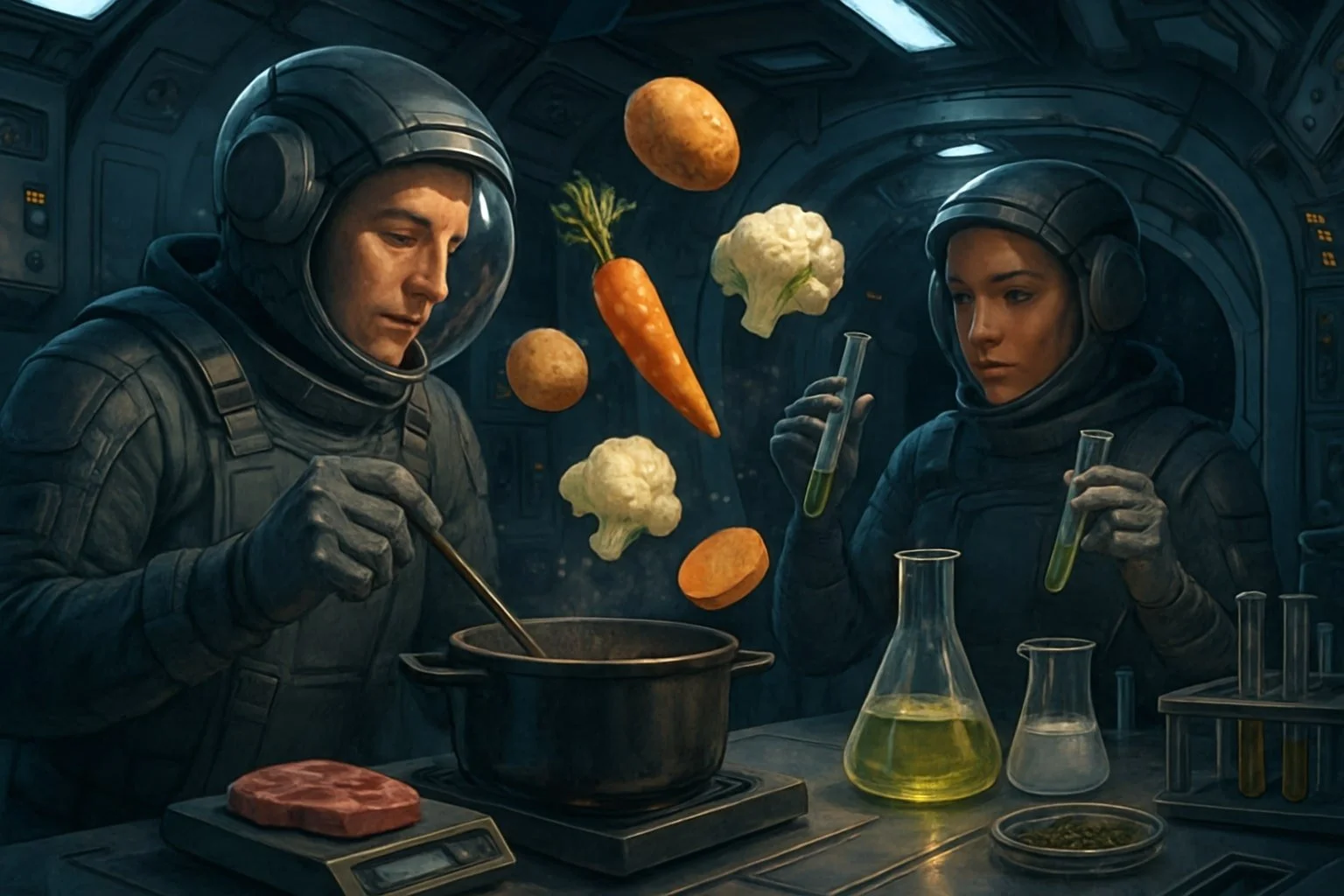
Ingredient substitution is a vital strategy for maintaining nutrition and meal variety during long-duration space or submarine missions, where resupplying supplies is impossible or highly limited. Successfully substituting ingredients helps crews address shortages, dietary restrictions, and food fatigue, all while ensuring essential nutrient intake and supporting mission performance.
Confined environments and limited storage mean that every food item must be carefully selected, packed, and rationed. When something runs out or isn’t available, creative and efficient substitutions become essential to keep meals safe, palatable, and balanced.
Astronauts and submariners rely on carefully planned substitutions that meet nutritional needs while minimizing waste and maintaining morale. Understanding how and why these substitutions are made provides insight into the unique challenges of eating well in some of the world’s most isolated environments.
The Importance of Ingredient Substitution in Space and Submarine Missions
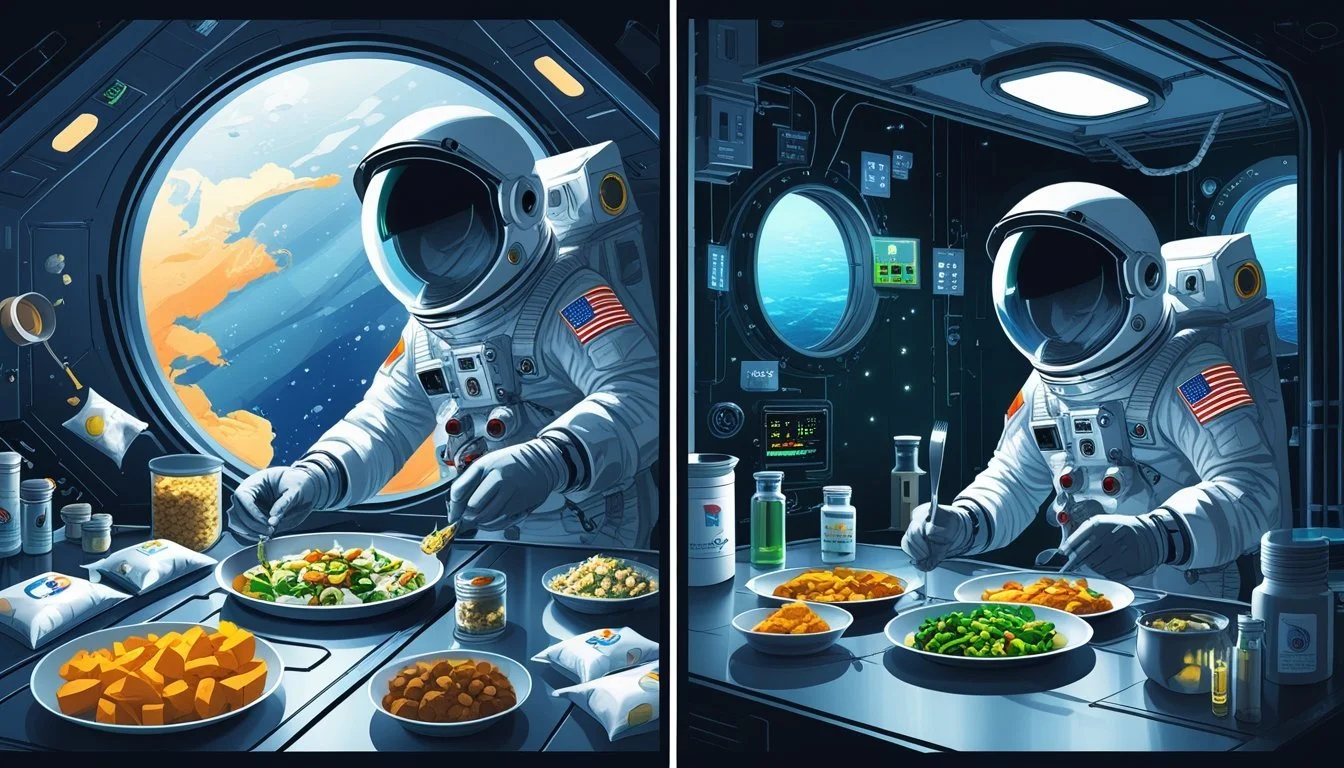
Ingredient substitution is essential for maintaining nutrition, supporting crew health, and addressing the inevitable unpredictability in confined or remote environments. Reliable substitutions can reduce risk, increase flexibility, and ensure that operations are not disrupted by missing or unsuitable ingredients.
Ensuring Mission Success
Ingredient substitution directly supports the continuity of mission operations by allowing meal preparation to adapt to inventory changes, spoilage, or unexpected shortages.
Missions to deep space or long-duration submarine deployments may extend beyond planned durations or encounter supply disruptions. The ability to substitute ingredients helps mitigate the risks of running out of critical items, preventing disruptions to crew routines or morale.
Flexible substitution protocols can turn potential setbacks—such as an expired or contaminated ingredient—into manageable situations. Standard operating procedures for substitutions, including quick-reference tables or lists, can provide immediate alternatives to maintain meal variety and quality.
Scenario Risk Without Substitution Solution with Substitution Lost supply shipment Food shortages Use alternative ingredients Spoiled or allergic ingredients Meal omission Substitute safe options
Impact on Human Health
Maintaining proper nutrition is vital for human health during prolonged isolation. Ingredient substitution plays a central role in compensating for unavailable nutrients or critical dietary components during space and submarine missions.
Without appropriate substitutions, missing key micronutrients can increase the risk of health problems, such as weakened immune response or decreased bone density—concerns already heightened in microgravity or confined environments. Chronic conditions may worsen if dietary management is interrupted, making it crucial to substitute ingredients that meet specific nutrient profiles.
Substitution strategies should prioritize nutritional equivalence wherever possible. For example, swapping protein sources like beans for meat ensures continued intake of amino acids, while alternative fortified foods can replace lost vitamins if fresh produce is unavailable.
Addressing Dietary Needs and Restrictions
Crew members may have allergies, ethical dietary preferences, or medical requirements that mandate ingredient avoidance. Effective substitution protocols allow meal options to accommodate these needs without compromising safety or nutrition.
Food allergies introduce a serious risk in isolated environments. If traditional menu items are not suitable, quick and reliable substitutes avoid unintentional exposure to allergens. Similarly, for chronic conditions—such as celiac disease or diabetes—substitution supports ongoing health management.
Clear labeling and substitution guides help kitchen staff identify safe alternatives. For instance, oat-based products can replace wheat for gluten intolerance, and plant-based milk can substitute for dairy allergies. Such measures prevent accidental exposure and ensure no crew member is left without nutritious meal options.
Operational and Logistical Challenges
Limited storage, unpredictable resupply timelines, and packaging constraints all create significant challenges in supporting a diverse food supply in space or submarine missions. Ingredient substitution becomes a practical response to these operational realities.
Fresh foods are often limited by shelf life and storage capacity. The risk of spoilage or depletion can be minimized by using dehydrated, freeze-dried, or shelf-stable alternatives. Substitution protocols must consider not only nutritional content, but also weight, packaging efficiency, and preparation requirements.
Decision tools—such as digital inventory management with automatic substitution suggestions—streamline meal planning and reduce human error. Training personnel to recognize and implement safe substitutions supports mission autonomy and reduces reliance on Earth-based support.
Core Challenges of Ingredient Substitution in Confined Environments

Ingredient substitution in space or submarine missions is shaped by confinement, resource limitations, and the necessity to meet strict nutrition and safety standards. Limited storage space, waste management, and health risk control are constant factors during planning and operation.
Availability Constraints
Confined environments such as spacecraft or submarines present unique limits on ingredient availability. Every item must be transported in or generated from stored resources, reducing access to fresh produce, varied proteins, and other perishable goods.
Storage space is extremely limited, so stocking a broad range of backup ingredients is not feasible. Even staple substitutes like eggs, milk, or flour often come in powdered or freeze-dried forms, which may not directly mimic properties of fresh originals.
Resupply opportunities are infrequent and sometimes impossible for months. This leads to a system where substitutions must be carefully pre-selected for versatility and stability over time. For example, a space pantry may include protein bars or shelf-stable legumes that can replace meat when necessary.
Food Security and Safety
Food safety is prioritized, as contamination or spoilage on a mission can pose significant health risks. Ingredient substitutions must be shelf-stable, minimally processed to avoid unnecessary additives, and rigorously tested before selection.
Cross-contamination risks in closed environments can amplify consequences, so all substitute foods must follow strict packaging and handling standards. Items such as rehydratable meals reduce microbial growth and extend shelf life but must still maintain sensory and nutritional quality.
Food security also involves ensuring all needed nutrients remain accessible, especially if primary ingredients become unavailable. Each substitute should be vetted not only for its safety, but also its ability to preserve the integrity of the food system during isolation.
Nutritional Content and Caloric Requirements
Calories and core nutrition requirements must be met regardless of ingredient changes. Each substitution is evaluated on how well it supplies protein, essential fatty acids, vitamins, and minerals, preventing nutritional deficiencies that can arise in isolated settings.
For instance, if a substitute lacks vitamin C, crews risk scurvy over time. Submarine and space crews have meticulously designed meal plans supported by nutritionists to match energy expenditure, which can be higher due to factors like microgravity or increased physical activity.
Nutritional content of substitutes must be clearly labeled and monitored. Routine health checks and inventory tracking help ensure all crew members receive balanced, adequate daily intake despite changes in individual food choices. Every proposed substitution undergoes rigorous analysis before being approved for critical missions.
Technological Approaches to Ingredient Substitution
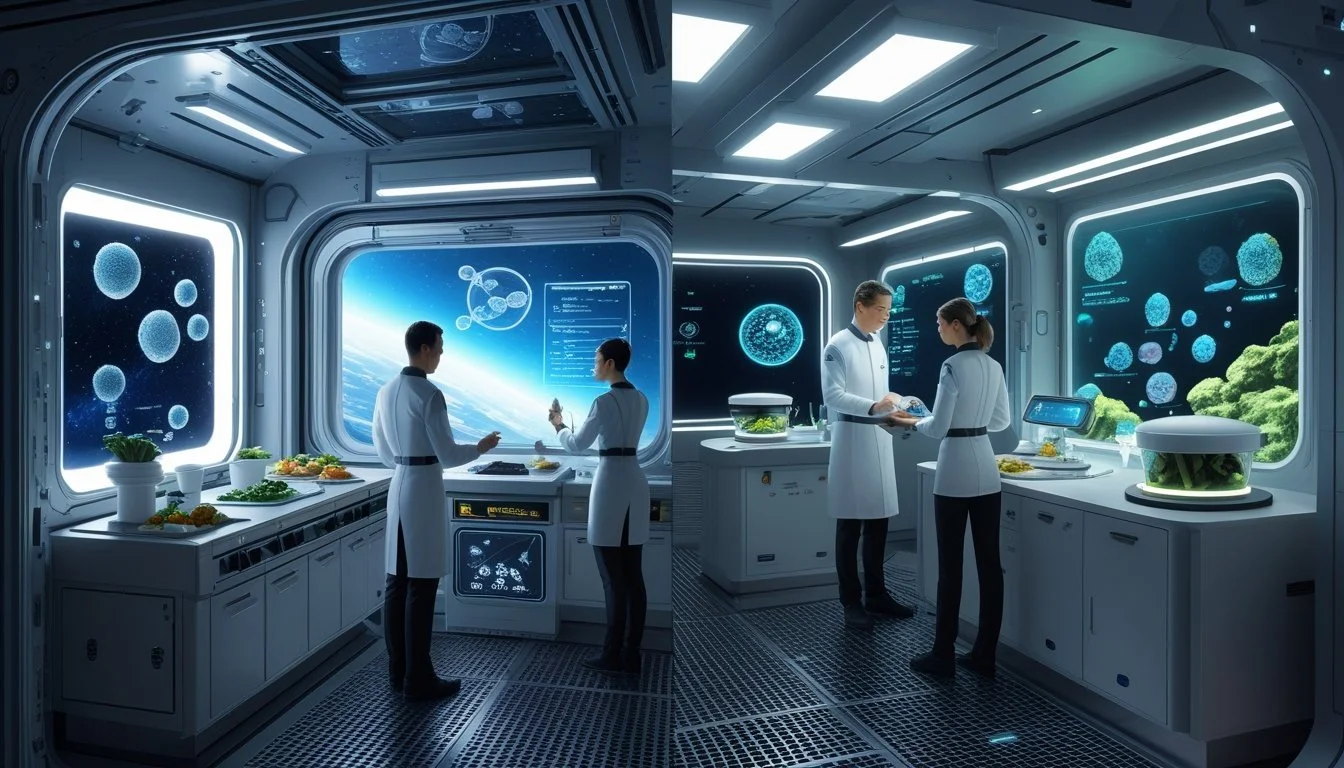
Ingredient substitution for space and submarine missions depends heavily on technology to handle strict constraints like resource limitation, food safety, and nutrition balance. Advances in artificial intelligence (AI), computational tools, and modern data resources are transforming substitution strategies beyond what traditional manual methods can provide.
Artificial Intelligence and Computational Approaches
AI helps analyze and identify suitable ingredient substitutes by processing large volumes of food data. Machine learning and deep learning models can predict functional, sensory, and nutritional outcomes when certain ingredients are swapped.
Knowledge graphs map the relationships between ingredients, substitutes, and their nutritional profiles, supporting quick decision-making. These techniques are especially important in closed environments, such as submarines and space stations, where ingredient availability is unpredictable and adaptation is critical.
Computational approaches integrate constraints such as shelf-life, storage requirements, and dietary needs. This capability helps crews maintain meal variety and safety without relying solely on stored manuals or individual expertise. AI-driven recommendation systems can be built into onboard food management platforms.
Datasets and Data Sources
Reliable substitution decisions require comprehensive, well-curated datasets. Datasets aggregate information about ingredient properties, flavors, nutrition, and culinary functions. Public databases, scientific literature, and reports from past missions serve as primary sources.
Key datasets often include sensory profiles, allergen data, and compatibility with existing meal systems. Space and submarine missions also use proprietary mission logs and real-time inventory data to track stock levels and past substitutions.
Recent advances are integrating crowd-sourced data and structured information from knowledge graphs. This hybrid approach improves confidence in substitution suggestions by drawing from diverse data points and historical outcomes.
Substitution Models and Neuro-Symbolic Techniques
Substitution models combine symbolic reasoning with statistical learning to produce context-aware recommendations. Neuro-symbolic techniques integrate neural networks with explicit knowledge representations, improving both reasoning and transparency.
For example, a neuro-symbolic model may propose ingredient alternatives by balancing nutrition, taste, and storage stability, then explain the rationale in clear terms. This builds user trust by justifying each recommendation using explicit rules and learned associations.
Some models allow users to input specific constraints, such as allergies or culinary traditions, customizing suggestions for mission-specific needs. The combination of rule-based logic and deep learning achieves a flexible, adaptive system aligned with operational realities in isolated environments.
Developing and Adapting Food Technologies
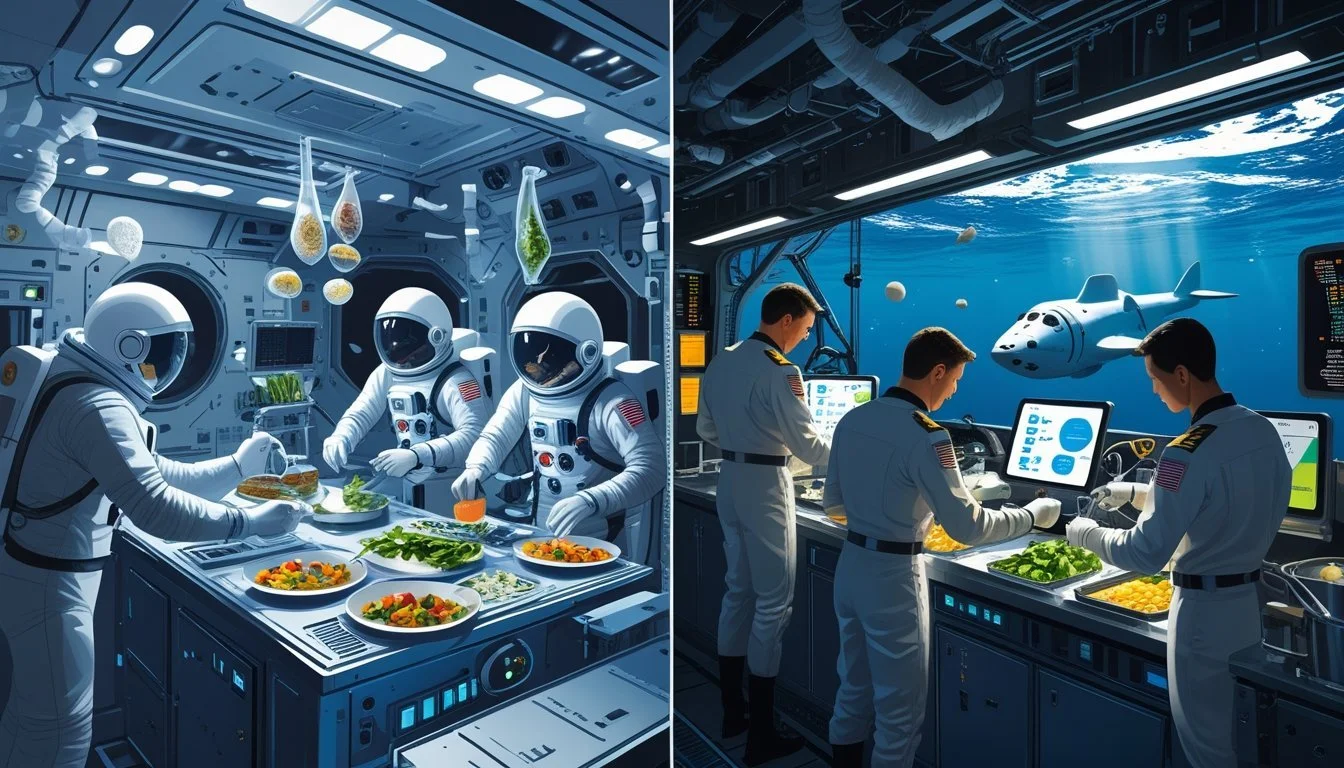
Food systems for space and submarine missions require innovative approaches to ensure variety, nutrition, and safety. Solutions include advanced production systems, biotechnological applications, and optimized preservation techniques to address limited resources and extended mission durations.
3D Printing and Food Production Systems
3D printing enables customized meal production using a variety of ingredient cartridges, allowing for on-demand meal assembly in compact living spaces. It provides flexibility for dietary preferences and supports efficient use of stored or produced ingredients.
Space farming and hydroponic systems can supply printable food components, such as plant proteins or purees. These systems also reduce reliance on resupply missions, making food production more sustainable in isolated environments.
In missions where ingredient substitution is required, 3D printers can adapt recipes based on available stocks. This ability minimizes food waste and makes it easier to meet the nutritional and psychological needs of crew members.
Emerging Technologies and Biotechnology
Biotechnology plays a foundational role in developing alternative protein sources, such as cultured meat or single-cell proteins like algae and mycoprotein. These options are important when traditional ingredients run out or need to be substituted due to storage limitations.
Fermentation technologies are being adopted for producing essential nutrients onboard, including vitamins and amino acids. Engineered microbes can synthesize food components in bioreactors, supplementing or replacing conventional supplies.
Genome editing and breeding approaches can optimize crops for rapid growth, compact size, or enhanced nutrient content. This ensures the crops are better adapted for closed environments, such as spacecraft or submarines, with limited space and resources.
Food Processing and Preservation Methods
Food processing methods such as freeze-drying, thermal stabilization, and high-pressure processing extend shelf life while maintaining nutritional quality. Freeze-dried foods are lightweight, easy to store, and can be quickly rehydrated, making them ideal for long missions.
Packaging innovations, such as multi-layer pouches and oxygen barriers, help preserve flavor and prevent spoilage without relying on refrigeration. This is especially critical when storage space is limited and power must be conserved.
Preservation methods allow for more flexibility in ingredient substitution, because preserved ingredients maintain stability and safety over time. This supports meal planning and adaptation, even when freshly grown or original ingredients are unavailable.
Functional and Sensory Considerations
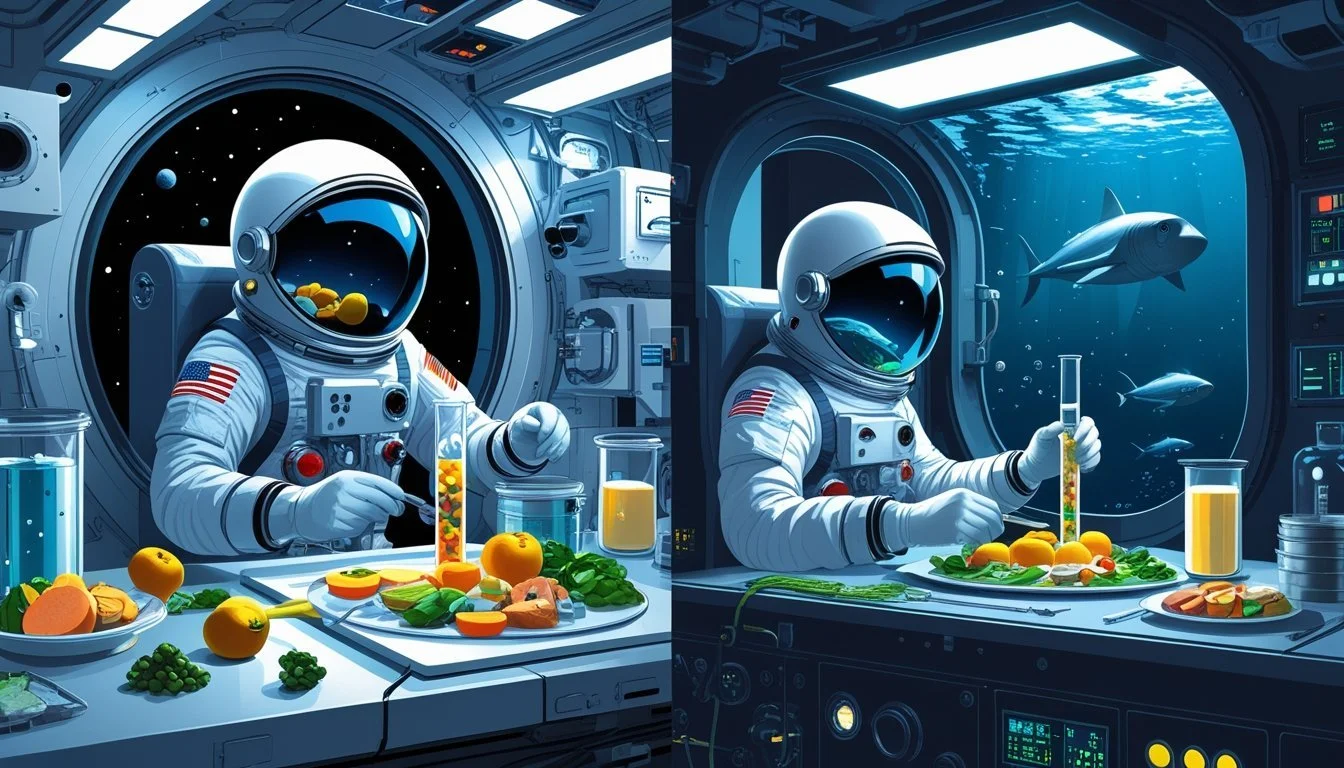
Ingredient substitution in space or submarine environments is shaped by the need to maintain both the functional properties of food and its impact on nutrition and sensory experience. The interplay between taste, texture, and health value is central when developing substitutes for mission recipes.
Flavor and Texture in Substitutes
Flavor and texture are critical for menu acceptance during long missions. Space and submarine environments can alter taste perception, making it necessary to adapt seasonings or intensify flavors when substituting ingredients.
Food systems may employ shelf-stable flavor enhancers such as freeze-dried herbs, spice blends, or umami powders. These can help compensate when fresh ingredients are unavailable. Modified starches, hydrocolloids, or plant-based proteins can be used to replicate the texture of meats or dairy.
Texture is also impacted by preservation techniques including dehydration or irradiation, which are used to extend shelf life but may change mouthfeel. Careful selection of substitute ingredients helps retain a sense of normalcy and improves morale.
Health Suitability and Suitability for Space Nutrition
Substitutes must address the stringent nutritional demands imposed by space or underwater environments. Nutritional adequacy is prioritized; replacements are chosen to meet protein, vitamin, and mineral targets established by nutritional science.
To reduce health concerns such as bone density loss and muscle atrophy, substitutes often provide added calcium, vitamin D, and high-quality amino acids. Functional foods, like fortified snacks or beverages, are favored for their dual role in supporting immunity and minimizing deficiencies over time.
Suitability extends to ingredient safety. Foods must be non-toxic, lightweight, and have stable packaging that prevents nutrient loss during storage and use. Ingredient selection also avoids allergens and additives that could cause adverse reactions or complicate recipes in the closed environment.
Organizational Roles and Space Research Initiatives

Ingredient substitution in space and submarine missions relies on coordinated efforts from government agencies and private industry. Leading organizations contribute research, technology, and operational expertise to manage challenges unique to closed environments.
NASA-Led Innovation
NASA leads in space research on biomanufacturing, food technology, and resource utilization to support long-duration missions. Projects such as in-situ resource utilization (ISRU) aim to produce life-support ingredients, including food components, from local sources or limited supplies.
NASA’s partnerships extend to academia and industry. For example, collaborative initiatives at Kennedy Space Center involve students and engineers working on sustainable food production in microgravity. These programs are designed to optimize the use of available resources, such as recycling water and nutrients.
NASA uses the International Space Station (ISS) as a testbed. The ISS hosts experiments in ingredient processing, hydroponics, and closed-loop systems. Data from these studies informs protocols for both space and submarine crews facing supply restrictions.
European Space Agency Contributions
The European Space Agency (ESA) plays a significant role in food system research for spaceflight. ESA funds projects on alternative proteins, controlled-environment agriculture, and novel preservation methods suitable for spacecraft and underwater habitats.
ESA’s MELiSSA (Micro-Ecological Life Support System Alternative) initiative simulates closed-loop life support systems, directly addressing ingredient constraints. The MELiSSA loop is tested in both space and analog submarine missions to recycle nutrients and minimize waste.
Collaboration with international partners, including NASA and national research centers, strengthens ESA’s approach. European-led experiments frequently focus on tolerant crop development and robust food processing methods tailored for long missions.
The Role of SpaceX and Private Sector
SpaceX and other private companies bring agile development cycles to ingredient substitution challenges. SpaceX provides commercial crew and cargo transport to the ISS, delivering freeze-dried meals and experimental food technologies for NASA and partner agencies.
The private sector also explores alternative proteins, bioreactors, and in-space manufacturing. Public-private partnerships—highlighted through collaborations with the ISS National Lab—advance ingredient replacement solutions for both orbital and undersea scenarios.
Companies develop shelf-stable, nutrient-dense foods evaluated under real mission conditions. They also invest in systems for rapid prototyping and deployment of new food production hardware, supporting ongoing upgrades as real-world needs emerge.

