
Smart Swapping for Dehydrated and Canned Food Recipes
Enhance Meals with Simple Ingredient Substitutions
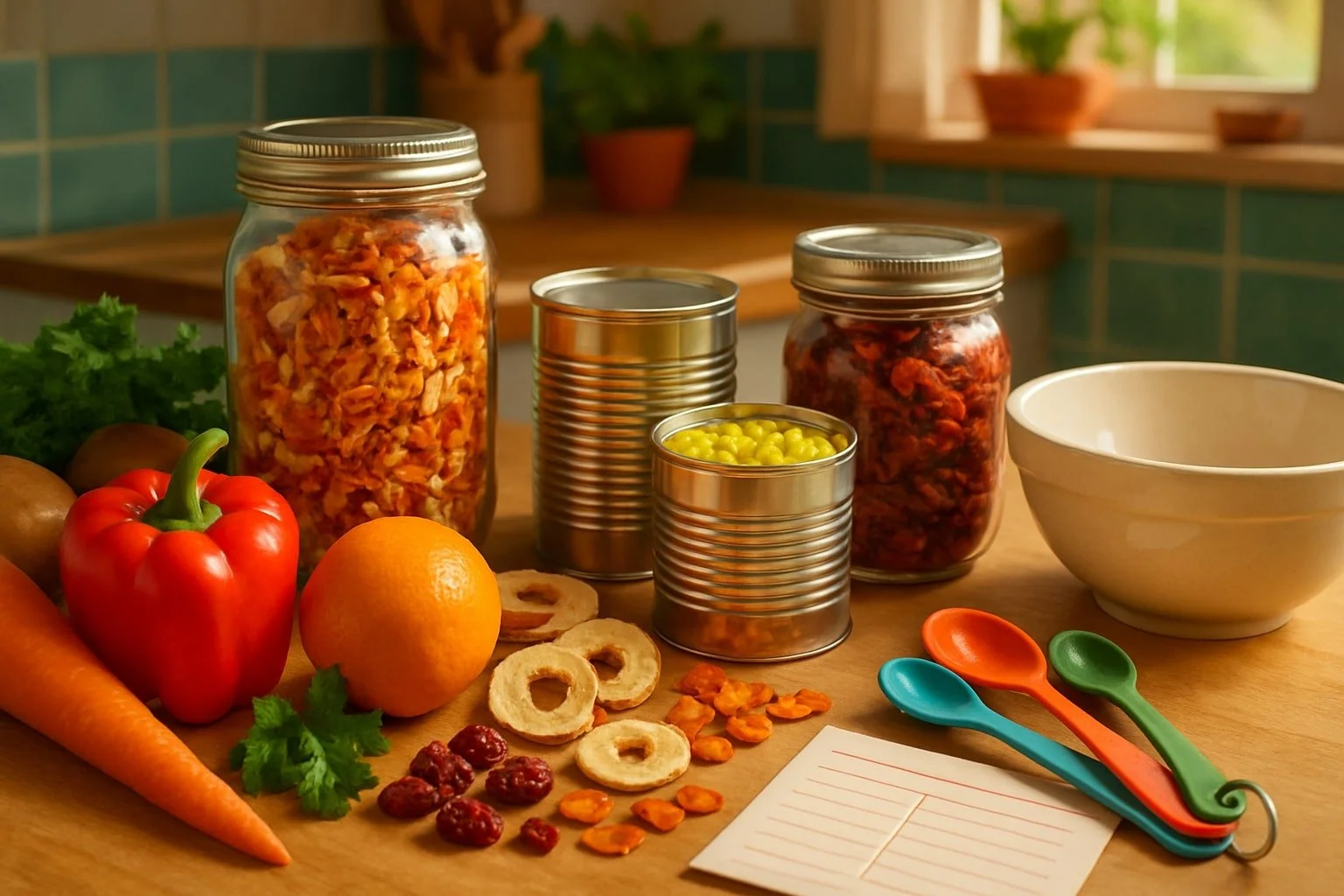
Smart swapping allows anyone to make healthier, tastier meals when using dehydrated and canned ingredients. Simple ingredient substitutions—like choosing low-sodium canned vegetables or using herbs and citrus instead of salt—can make a significant difference in nutrition and flavor. These small changes help reduce excess salt, sugar, and unhealthy fats without sacrificing taste or convenience.
Many pantry staples, from beans to fruits and soups, can be swapped or enhanced to better suit dietary needs and preferences. For example, draining and rinsing canned foods lowers sodium, and adding spices or lemon juice boosts flavor naturally. Swapping with intention gives home cooks more control over their meals, making nutritious choices possible even with shelf-stable foods.
Understanding Smart Swapping in Dehydrated and Canned Food Recipes
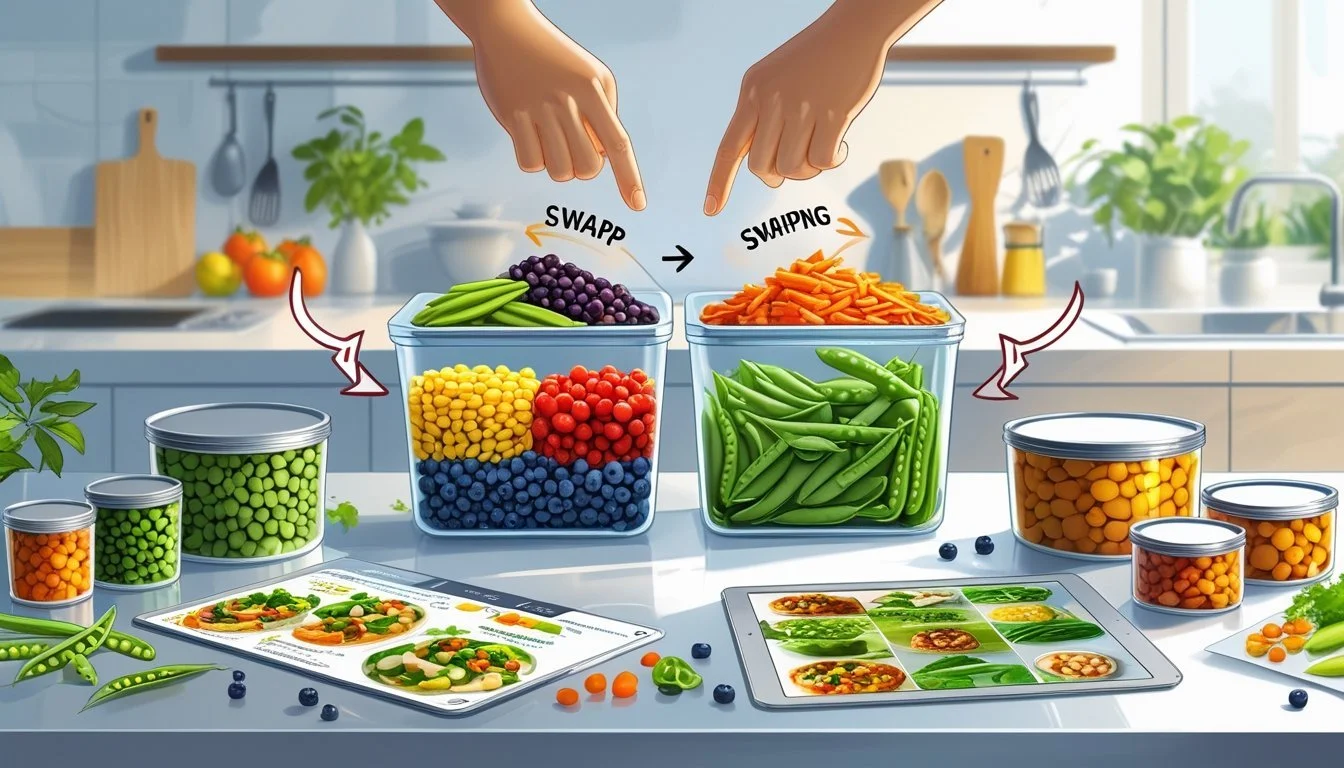
Smart swapping allows for healthier and more practical meal preparation by replacing certain ingredients with better alternatives. With the right swaps, it's easier to manage sodium, fat content, and preserve food quality without compromising on taste or nutrition.
What Is Smart Swapping?
Smart swapping is the practice of choosing alternative ingredients to improve nutrition, taste, or storage needs in recipes. In the context of dehydrated and canned foods, this often means replacing high-sodium or high-sugar items with lower-sodium, no sugar added, or fresher choices.
For example, using "no salt added" canned beans instead of regular beans can significantly lower sodium intake. Swapping butter for olive or canola oil offers healthier fats while maintaining texture and flavor. These adjustments help align canned and dehydrated foods with specific dietary preferences and health goals.
Smart swapping also extends to flavor enhancers. Herbs, spices, garlic, and fresh citrus juice can boost flavor in place of commercial sauces or seasoning mixes that are often high in preservatives and sodium.
Benefits of Ingredient Swaps
Swapping ingredients has direct health, storage, and taste benefits. Nutritional improvements are immediate—lower sodium levels, reduced saturated fat, and increased fiber are common outcomes of choosing alternatives for canned and dehydrated goods.
Health-related benefits include:
Lower blood pressure risk by reducing sodium.
Decreased saturated fat from using plant-based oils.
Fewer calories by substituting lower-fat dairy or yogurt in recipes.
Food swaps can also extend shelf life. Using dehydrated foods like powdered milk or legumes prevents spoilage and allows for long-term pantry storage. Safe and effective swaps help preserve food freshness and reduce waste, making meal planning simpler.
Swapping can maintain or even improve taste, especially when using fresh herbs or spices. This approach enables tailored recipes that suit individual nutritional needs without sacrificing flavor or convenience.
Overview of Dehydrated and Canned Foods
Dehydrated foods are preserved by removing most of their moisture, which results in lightweight products with a significantly extended shelf life. Common dehydrated items include fruits, vegetables, beans, and some dairy products like powdered milk.
Canned goods are foods packed in airtight containers and heated to destroy microbes, providing storage stability for months or years. Examples include beans, tomatoes, fish, and soups. However, canned items can contain added salt, sugar, or preservatives.
Both dehydrated and canned foods are pantry staples due to their convenience, availability, and long storage times. Proper ingredient swaps can make these foods more nutritious while maintaining their primary benefits, ensuring balanced meals even with preserved ingredients.
Choosing Healthier Ingredients

When preparing recipes that use dehydrated or canned foods, ingredient selection has a direct impact on nutrition, antioxidant content, and added preservatives. Making thoughtful choices can help maximize the health benefits of shelf-stable meals.
Identifying Nutritional Value
Examining the nutrition labels on dehydrated and canned foods is critical. Foods labeled as “no salt added,” “low sodium,” or “unsweetened” generally contain fewer added preservatives and sugars, making them better options.
Compare the macronutrient content—look for products higher in fiber and protein, and lower in saturated fat and added sugars. Opt for canned beans and vegetables that are packed in water rather than syrup or brine to avoid extra sodium and calories.
A simple table makes it easy to compare choices:
Ingredient Example Better Option Less Healthy Option Canned beans No salt added, rinsed before using Regular with added salt Canned fruit Packed in natural juice, drained Packed in heavy syrup Dehydrated soup mix No added flavor enhancers or MSG Contains artificial additives
Spotlighting Antioxidants
Dehydrated and canned foods can still provide important antioxidants, though processing methods matter. Opt for products that retain their natural color and texture, as these often indicate higher vitamin and phytochemical content.
Select canned tomatoes, red beans, and colorful fruits like peaches and apricots—these are generally rich in antioxidants such as lycopene, anthocyanins, and vitamin C. Avoid options with significant color loss or those stored in heavy syrup, as sugar can interfere with antioxidant absorption.
When possible, choose ingredients with minimal processing and few added ingredients. These are more likely to have preserved their original antioxidant levels, contributing to better cellular protection and overall health.
Reducing Unhealthy Additives
Processed foods often contain preservatives, excess sodium, and unwanted additives to extend shelf life or enhance flavor. Scan ingredient lists for terms like “hydrogenated oils,” “monosodium glutamate (MSG),” and “artificial flavors.”
Rinsing canned beans and vegetables can cut sodium by up to 40%. Prefer products with ingredient lists that are short and recognizable, such as whole tomatoes or plain chickpeas.
When seasoning, skip the added salt and instead use herbs, garlic, or citrus juices for flavor. This strategy improves the nutritional profile of the final dish while still making the most of convenient dehydrated and canned foods.
Swapping Grains and Carbohydrates

Replacing refined grains with nutrient-dense alternatives can boost fiber intake, support healthy blood sugar levels, and add variety to everyday meals. Many common comfort foods made with dehydrated or canned ingredients can be upgraded by swapping out regular carbohydrates for more wholesome choices.
Replacing Regular Pasta
Switching from regular pasta to options like whole wheat, chickpea, or lentil pasta increases dietary fiber and protein. These alternatives are often available in dried form and can be stored alongside other pantry staples. They cook similarly but provide slower-releasing energy.
For those looking to reduce carbohydrate intake, spiralized zucchini or dehydrated shirataki noodles offer low-calorie, low-carb swaps. These choices work well in both hot and cold pasta dishes, holding sauces just as effectively as traditional pasta. Below is a comparison:
Pasta Type Fiber (g/serving) Protein (g/serving) Approx. Carbs (g/serving) Regular Pasta 2 7 43 Whole Wheat Pasta 5 8 37 Lentil Pasta 6 13 34 Shirataki Noodles <1 0 2
Upgrading Rice and Oatmeal
Conventional white rice is easy to store but lacks the fiber and nutrients found in brown rice or quinoa. Both brown rice and quinoa are available in precooked, canned, or dehydrated forms, making them suitable for pantry-based recipes.
Quinoa supplies all nine essential amino acids and cooks quickly. Brown rice offers more fiber than white rice, improving satiety and digestive health. When it comes to oatmeal, choosing steel-cut or old-fashioned oats instead of instant increases fiber content and provides a steadier release of energy.
Cauliflower rice is another versatile swap, especially in dehydrated form. It is low in carbohydrates, quick to rehydrate, and can be stirred into soups, stews, or used as a base for stir-fries.
Alternate Pizza Crusts
Traditional pizza crusts rely on refined flour, but several alternatives offer improved nutrition and can be made from dehydrated or canned ingredients. Cauliflower crusts, for instance, use dehydrated cauliflower combined with binding agents to produce a lighter, lower-carb base.
Other options include cooked quinoa or even canned chickpeas blended and formed into a sturdy, gluten-free crust. These swaps increase fiber and micronutrient intake while reducing simple carbs.
For added convenience, seek out shelf-stable pizza crust mixes made with whole grains. These can be hydrated and baked as needed, providing a more nutrient-dense option for homemade pizza.
Using Protein-Rich Substitutes
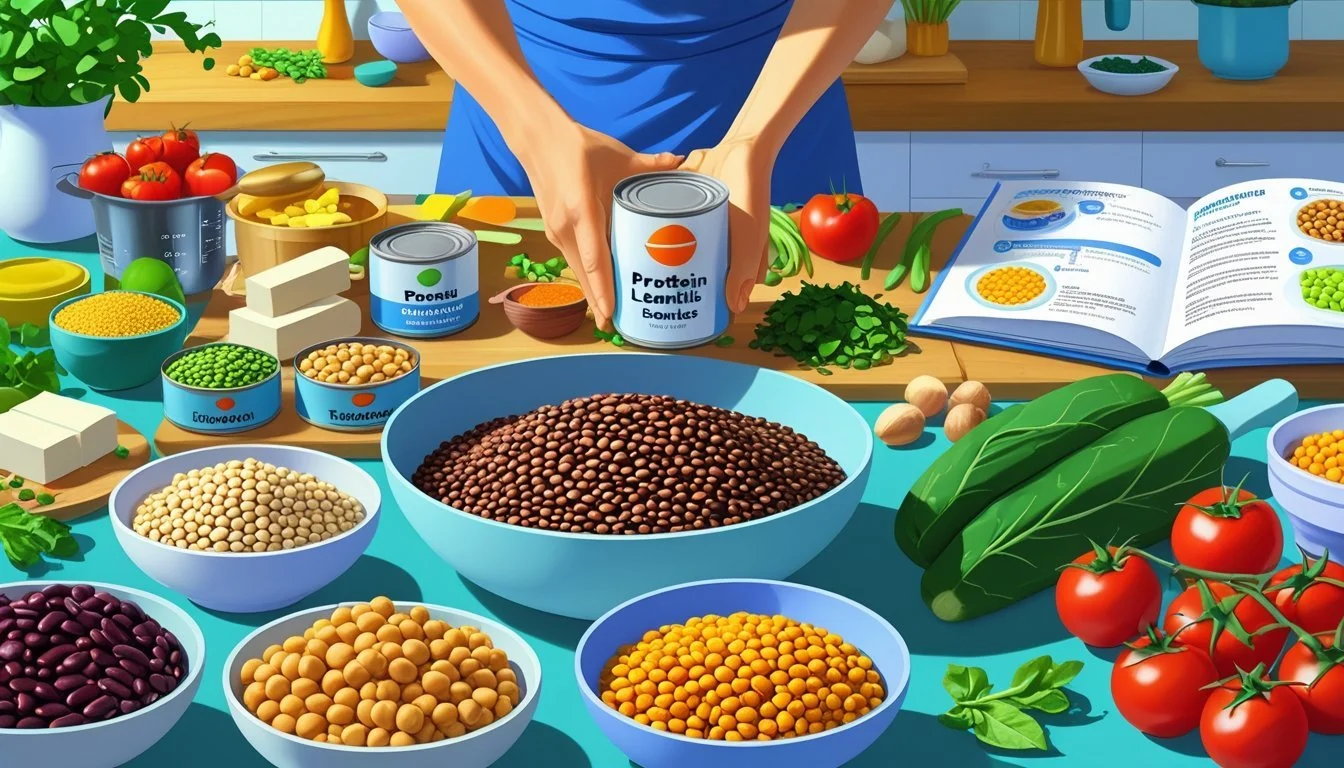
Protein-rich substitutes offer practical ways to boost nutrition without sacrificing taste in dehydrated and canned food recipes. Choosing the right swaps can help balance meals, enhance flavor, and increase the protein content using available pantry staples.
Plant-Based Meat Alternatives
Plant-based meat alternatives such as lentils and chickpeas add protein and fiber while reducing saturated fat. Lentils can replace ground beef or poultry in dishes like tacos, stews, or casseroles, offering a similar texture and a mild flavor that works well with most seasonings.
Chickpeas, whether canned or dehydrated, give an extra protein boost to salads, curries, and even pasta dishes. They also work as a binder in vegetarian patties and can be mashed for sandwich fillings. For snacks, roasted chickpeas provide protein and crunch, while pureed versions can be used in dips.
Soy-based crumbles or seitan are other options that closely mimic the texture of minced meat. This makes them useful in recipes such as bolognese or chili. Most plant-based alternatives have the advantage of longer shelf life, making them suitable for emergency or pantry-friendly meal prep.
Swapping Canned Tuna
Canned tuna is a popular protein source, but there are alternatives for those seeking variety or avoiding fish. Canned or dehydrated chickpeas can be mashed to approximate the texture of tuna in salads or sandwiches. Adding seasonings like lemon juice, celery, and a touch of vegan mayonnaise creates a filling similar to classic tuna salad.
Lentils, especially green or brown varieties, hold their shape well and can substitute for tuna in cold salads and grain bowls. They absorb dressings efficiently and provide a hearty protein source. For additional convenience, pre-cooked vacuum-sealed lentils are available in many stores.
Other plant-based options include tempeh and textured vegetable protein (TVP). When crumbled and seasoned, these ingredients closely resemble canned tuna in texture and are easy to store. They also absorb flavors well, making them a versatile replacement in recipes.
Enhancing Flavor with Herbs and Spices

Dehydrated and canned foods can lack depth in taste, but carefully chosen herbs and spices create fresher, more layered flavors. Swaps such as dried vs. fresh and different spice blends make meals healthier while maintaining taste integrity.
Essential Herbs
Essential herbs like oregano, basil, and cilantro add brightness and complexity to recipes using preserved foods. Oregano, in particular, enhances tomato-based canned sauces and soups with its sharp, slightly bitter notes. Basil pairs well with canned vegetables and beans, offering a gentle, fragrant lift. Parsley and cilantro are popular finishing herbs, adding freshness and subtle peppery or citrus-like flavors.
When substituting dried herbs for fresh, use about one-third the amount. For example, 1 tablespoon of fresh oregano equals 1 teaspoon dried. Store dried herbs in a cool, dark place to prevent loss of potency, as they can lose flavor if exposed to heat or light.
A quick-reference table for herb swaps can be helpful:
Fresh Herb Dried Equivalent 1 tbsp basil 1 tsp dried basil 1 tbsp oregano 1 tsp dried oregano 1 tbsp parsley 1 tsp dried parsley 1 tbsp cilantro 1 tsp dried cilantro
Top Spices for Smart Swaps
A wide range of spices can elevate simple pantry meals. Cumin, for example, provides deep earthy notes ideal for beans, rice, or lentil soups. Coriander brings a light, citrusy flavor that offsets the sometimes flat taste of canned vegetables. Allspice is a versatile addition to chili, stews, and tomato-based dishes and complements meats and grains.
Smoky spices such as smoked paprika or chili powder can add complexity to beans and canned vegetables. Sriracha or other hot sauces can boost flavor but should be used sparingly to avoid overwhelming a dish. When using more than one spice, start with small amounts and adjust to taste.
Blending a few spices together also allows for custom seasoning mixes. A balanced mix of cumin, coriander, and allspice can be added to stews or grain-based dishes for a richer, rounded taste profile.
Balancing Taste and Nutrition
Using herbs and spices not only enhances flavor but allows for a reduction in added salt, sugar, or fats. Fresh and dried herbs bring out the best in preserved foods, reducing the need for high-sodium seasonings. Garlic and onion powder, when used with other herbs, provide savory depth with fewer calories.
Experimenting with acid, like lemon juice or vinegar, together with herbs can enhance brightness without extra sodium. Spices like cumin or sriracha add boldness, making it easier to cut back on less healthy ingredients.
Choosing the right combination of herbs and spices can make shelf-stable foods taste fresher and more appealing, while supporting better nutrition. Small adjustments and substitutions in seasoning lead to noticeable improvements in both taste and healthfulness.
Dairy and Creamy Alternatives
For recipes using dehydrated or canned foods, finding the right dairy or creamy substitute can make meals both satisfying and healthy. Using the right replacements helps lower saturated fat, adds flavor variety, and works for a range of dietary needs.
Plant-Based Milk Swaps
Plant-based milks like almond, cashew, soy, and oat milk offer easy alternatives to traditional dairy in both savory and sweet dishes. Almond milk is mild and works well in curries, soups, and breakfast recipes. Oat milk’s creamy texture is suitable for baking and sauces.
Coconut milk, available canned or in cartons, gives a rich consistency to curries or desserts but tends to add a distinct flavor. For recipes needing thicker consistency, canned coconut milk is more effective than its boxed counterpart. When a lighter substitute is needed, rice or flax milk can also be used.
Below is a quick comparison:
Substitute Consistency Best Use Cases Almond milk Light Baking, cereals, soups Oat milk Creamy Sauces, baking, drinks Coconut milk Rich, thick Curries, desserts Soy milk Medium Coffee, sauces, baking
Healthier Spreads and Dressings
Traditional mayonnaise or cream-based dressings can be replaced with nutrient-rich options. Greek yogurt works as a base for dips and dressings, giving creaminess with less fat. Hummus or guacamole serve as spreads and creamy layers for sandwiches and wraps.
Applesauce is useful in baked goods to reduce oil or butter. For salads or canned vegetable sides, vinaigrettes made with olive oil and lemon are lighter than store-bought creamy dressings. These swaps retain flavor but lower calorie and saturated fat content.
Consider these alternatives:
Greek yogurt: Base for dressings, dips
Hummus: Spread for sandwiches, wraps
Guacamole: Topping, salad garnish
Applesauce: Baking for moisture and sweetness
Low-Fat Dairy Options
Choosing low-fat versions of milk, cheese, or sour cream can lower the fat and calorie content in recipes without sacrificing taste. Skim milk or low-fat milk is suitable for creamy soups made with canned ingredients. Low-fat Greek yogurt can be used instead of full-fat sour cream in dips, toppings, or dressings.
Using low-fat cheese in casseroles or melted into dishes reduces fat while preserving texture. These options are widely available and are easy to incorporate, making them practical for most home cooks aiming to make healthier swaps in both new and familiar recipes.
Smart Snacking and Dessert Choices
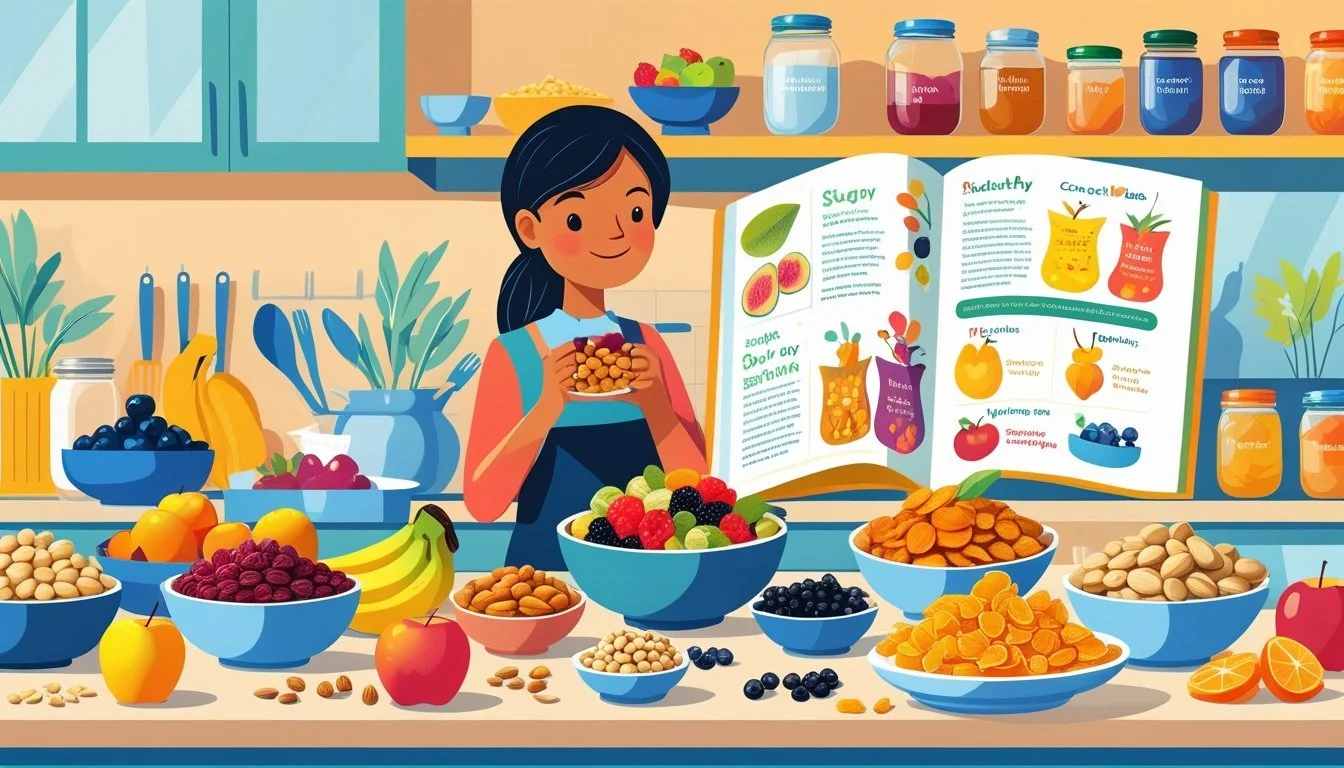
Smart swaps in snacks and desserts can help control added sugars, improve nutrition, and support better overall health. Choosing the right alternatives allows for enjoyable treats with less impact on blood sugar levels and overall calorie intake.
Dark Chocolate Versus Milk Chocolate
Dark chocolate contains more cocoa solids and less sugar than milk chocolate. This higher cocoa content means more antioxidants and lower sugar content per serving. The richer flavor of dark chocolate can also lead to greater satisfaction with smaller amounts.
People looking to manage their sugar or calorie intake often find dark chocolate (with at least 70% cocoa) to be a preferable choice. Milk chocolate typically adds more milk solids and sugar, making it sweeter but less nutritionally dense. For snacks or desserts that use chocolate, consider replacing milk chocolate chips with dark chocolate chips.
Here’s a quick comparison:
Type Sugar (per 30g) Cocoa Solids Notable Nutrients Dark Chocolate ~6-8g 70-85% Iron, magnesium Milk Chocolate ~14-17g 10-30% Calcium, more sugar
Fruit-Based Substitutes
Using fruit for sweetness offers fiber, vitamins, and minerals, in contrast to added sugars. Dried fruits like unsweetened apricots, dates, and raisins provide natural sweetness for baked goods and granolas. For canned goods, rinse fruit packed in syrup, or choose options packed in their own juice.
Mashed bananas or unsweetened applesauce can replace sugar or oil in baked recipes. Chia seeds can be added to fruit-based desserts for extra fiber and texture. For example, chia puddings use milk (or milk alternative), fruit puree, and chia seeds to make a quick, nutrient-rich dessert.
Making these swaps helps add nutrients while reducing empty calories. When using canned fruit, always drain and rinse to cut down on extra sugar.
Alternative Sweeteners
Alternative sweeteners offer ways to lower added sugar without losing sweetness. Common choices include stevia, monk fruit, and erythritol, all of which provide sweetness with low or zero calories. These are available as powders or drops and blend easily into recipes, sauces, or beverages.
It’s important to select sweeteners that have minimal aftertaste and are suitable for baking. For those who prefer more natural alternatives, consider using pure maple syrup or honey in small amounts, keeping in mind their higher sugar content.
Sometimes, a mixture of fruit (such as mashed banana) and a touch of stevia can give the desired sweetness in snacks or desserts. When choosing a substitute, factor in the texture and moisture needs of your recipe, as some sweeteners work better in certain preparations than others.
Hydration and Beverage Swaps

Simple changes to what people drink can lower added sugars and calories in their meals. Picking smarter beverage options can also help support hydration, especially when using dehydrated or canned ingredients.
Choosing Sparkling Water
Sparkling water is a carbonated beverage that provides a satisfying fizz without added sugar or calories. It can easily replace sugary sodas or sweetened drinks in recipes and at the table.
Instead of using soda in punch or mocktail recipes, try mixing sparkling water with a splash of 100% fruit juice. This blend keeps the fizz while reducing overall sugar content.
When using canned foods in meals, pair them with plain or flavored sparkling water. Choosing versions labeled as “unsweetened” or “no additives” avoids unwanted preservatives or artificial sweeteners.
Flavored varieties offer options like lemon, lime, and berry, which enhance taste without extra sugar. For a garnish, add a slice of citrus or fresh mint.
Beverage Sugar (per 12 oz) Calories (per 12 oz) Sparkling Water (unsweetened) 0g 0 Regular Soda 39g 140 Juice-Sparkling Mix (4oz juice + 8oz water) ~12g ~56
Reducing Sugary Sodas
Sugary sodas can add excessive calories and sugar to meals and snacks. They are often used as quick refreshments but contribute little nutritional value.
When cooking with dehydrated or canned ingredients, swapping soda for water or low-calorie beverages supports a healthier eating pattern. For individuals who like the sweet taste, alternatives such as diluted fruit juice or herbal teas can provide flavor with less sugar.
Reducing or removing soda from recipes is especially important for those monitoring blood sugar or sodium intake. If using canned fruit in recipes, opt for fruit packed in juice rather than syrup and avoid soda as a drink pairing.
Encourage gradual change by switching to no-sugar-added drinks or carbonated water with natural flavors. Over time, this makes it easier to cut back on sugary sodas entirely.
Cooking Tips and Recipe Adjustments
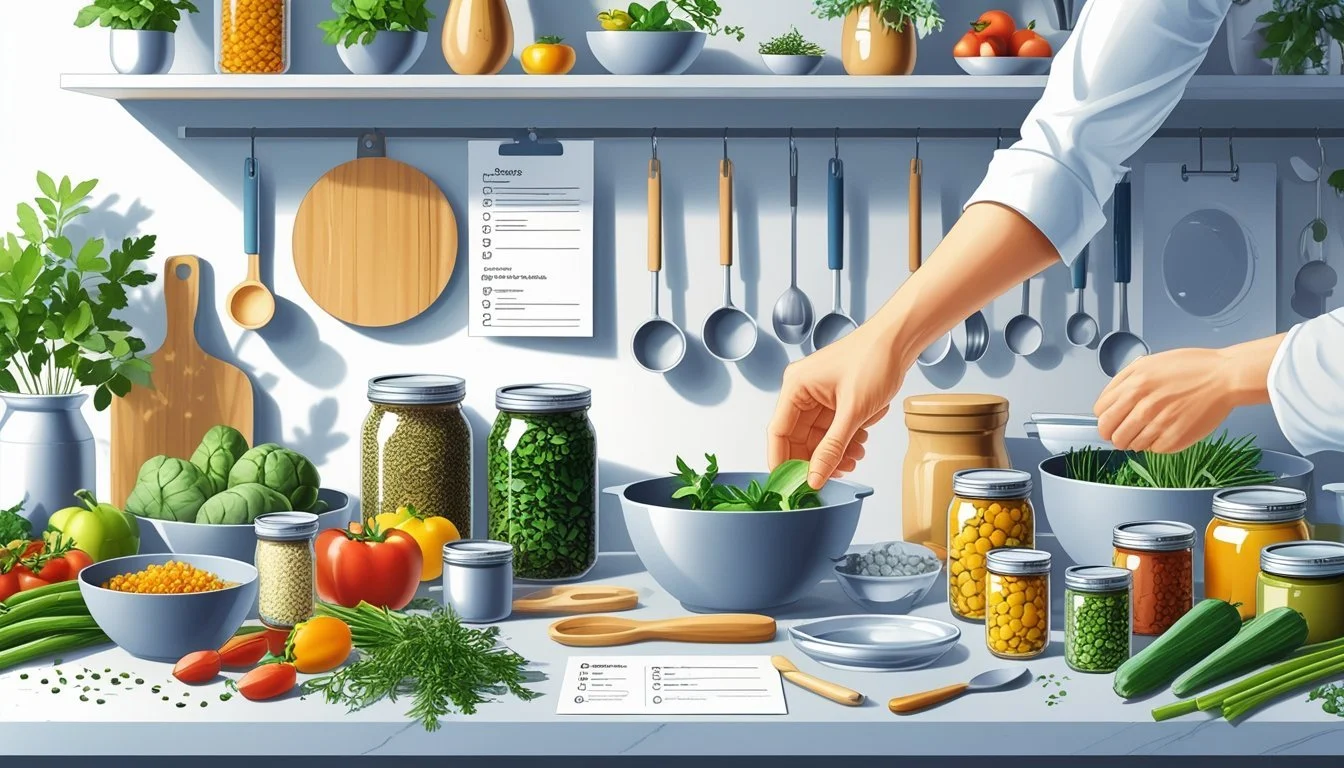
Smart recipe adjustments are critical for preserving food quality and ensuring safe, long-lasting storage. Paying attention to cooking times and ingredient choices can help maximize the shelf life of your dehydrated and canned foods.
Adapting Cooking Times
When working with dehydrated and canned foods, precise cooking times matter. Dehydrated vegetables and fruits often require rehydration before cooking. This can involve soaking in hot water for 10–30 minutes, depending on thickness and type.
With canned foods, much of the cooking is already completed during the preservation process. However, reheating should still be done to an internal temperature of at least 74°C (165°F) for safety.
Key tips:
For dehydrated beans, boil for 10 minutes after rehydration to destroy toxins.
When substituting oils, such as using coconut oil instead of butter, note that coconut oil heats faster and may shorten sauté times.
Adjust cooking duration based on the moisture level—less water content speeds up cooking or reheating. Use a timer and check for doneness, not just by time, but by texture and temperature.
Maximizing Shelf Life
To preserve food and balance flavor, ingredient choices are important. Avoid adding fresh herbs, dairy, or high-fat ingredients after canning or dehydrating, as these reduce shelf life and can cause spoilage.
Instead, use dried herbs, salt, or small amounts of shelf-stable oils like coconut oil. Coconut oil is less likely to go rancid than some plant oils and can help extend the storage period. Always store foods in airtight, moisture-proof containers to keep out humidity.
Monitor storage conditions: keep canned foods in a cool, dark place, ideally below 21°C (70°F). Label with preparation dates. Check for changes in color, odor, or texture as signals for spoilage.
Proper recipe adjustments, combined with careful storage practices, are essential methods to maximize the shelf life of preserved foods.
Theme-Based Swapping for Global Flavors
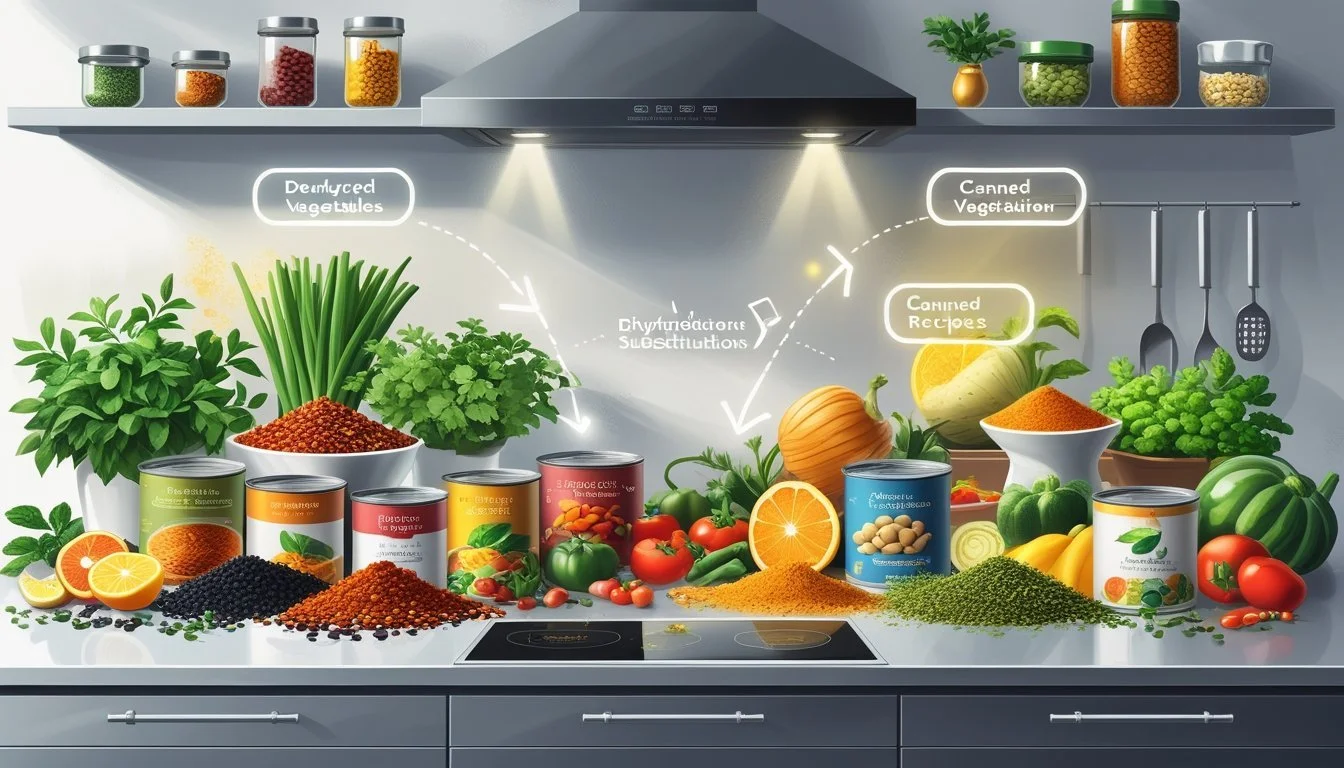
Smart ingredient swapping allows home cooks to create globally-inspired dishes using pantry staples like dehydrated and canned foods. By focusing on specific regional themes, cooks can achieve authentic taste experiences while maintaining convenience and versatility.
Mediterranean-Inspired Swaps
To evoke Mediterranean flavors, consider swapping canned chickpeas or white beans in place of fresh legumes for salads or stews. Canned tomatoes serve as a base for rich sauces—pair with dried oregano, basil, and garlic for Italian soups or Greek-style casseroles. Dehydrated mushrooms add a savory umami depth to risottos or pilafs.
For added authenticity, try:
Ingredient Mediterranean Swap Fresh bell pepper Roasted canned red pepper Olive oil Use as is, essential flavor Lemon Bottled lemon juice or dried
A sprinkle of crumbled feta or a handful of canned olives enhances theme-driven medleys. Simple substitutions maintain both simplicity and bold flavor.
Asian-Inspired Ingredients
Dehydrated shiitake mushrooms are an easy substitute for fresh varieties in stir-fries, noodle bowls, or broths, offering earthy richness and depth. Canned bamboo shoots and water chestnuts add satisfying crunch when fresh options are not available. For broth or sauce, use canned coconut milk with dried ginger and garlic to evoke Thai or Southeast Asian flavors.
Key ideas include:
Swap canned green beans for long beans in stir-fries.
Use soy sauce and rice vinegar from the pantry to mimic traditional profiles.
Dried seaweed can add umami and authenticity to soups.
Layer flavors by adding small amounts of chili crisp, sriracha, or sesame oil to elevate the finished dish, even when using shelf-stable ingredients.
Latin American Inspirations
For Latin American dishes, canned black beans, corn, and tomatoes are reliable substitutes for fresh produce. Combine them in chili, tacos, or rice bowls with cumin, coriander, and dried oregano for classic flavor. Dehydrated mushrooms can add a meaty element to vegetarian enchiladas or tamale fillings.
Quick swaps include:
Canned jalapeños or green chiles in place of fresh peppers for heat.
Use canned hominy instead of dried for pozole.
Replace fresh cilantro with dried or freeze-dried versions in salsas.
These ingredients bring traditional tastes and textures to recipes while making weeknight meals more accessible. Creative pantry swapping ensures bold Latin American flavor, even with limited fresh produce.

