
How Pet Food Substitution Mirrors Human Trends
Exploring the Parallels in Dietary Choices

Pet food choices today closely mirror the dietary trends seen in human nutrition, reflecting a shift toward higher-quality ingredients, personalized nutrition, and more deliberate transparency. As more people see their pets as family members, they're seeking options like “human-grade” food, premium meats, and gourmet recipes for their animals. The packaging of pet food is also beginning to resemble what you might find on grocery shelves for people.
Brands have responded by introducing new pet food formats that echo human health trends, such as baby food-style pouches, frozen meals, and even exotic protein options. Customization based on factors like dietary sensitivities is growing, drawing direct inspiration from similar trends among people. This close alignment between human and pet food choices is influencing the pet food industry in 2025 more than ever before.
Understanding Pet Food Substitution
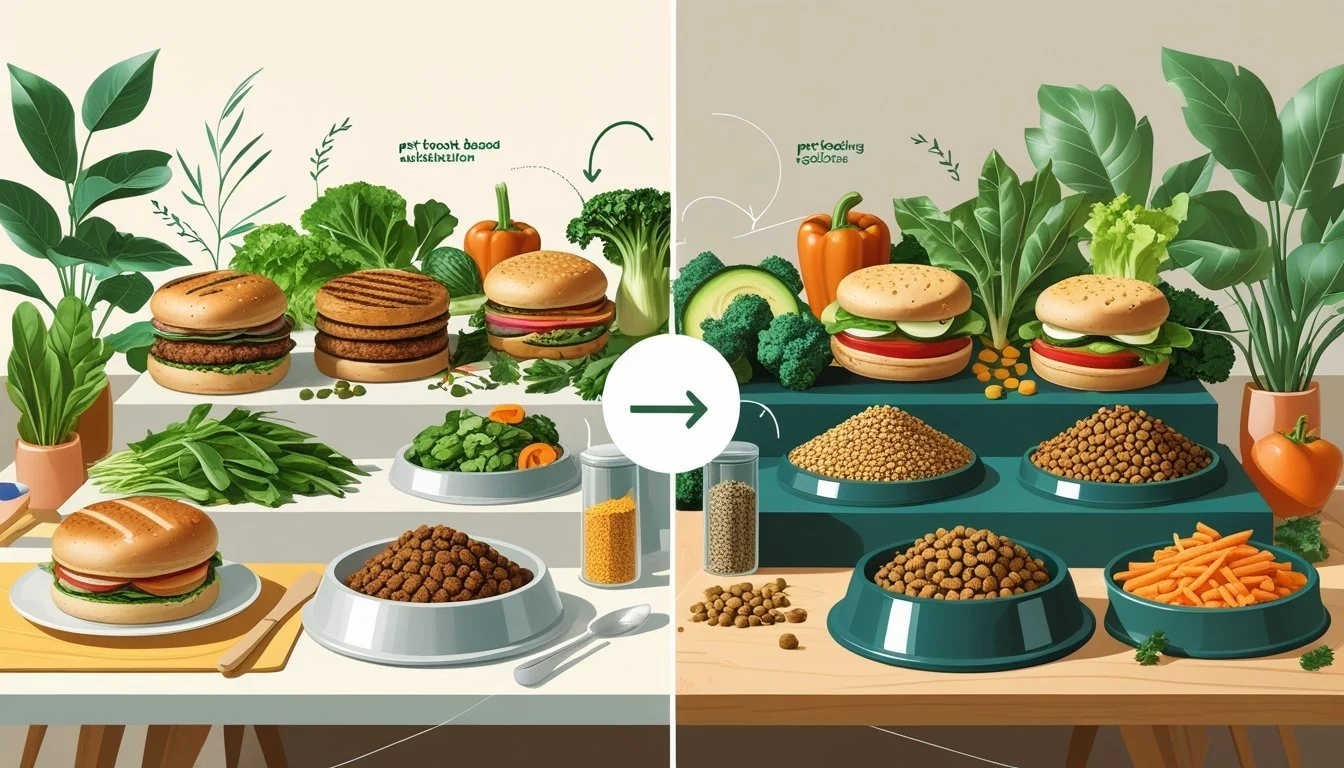
Pet food substitution is transforming the way pets are fed, connecting closely to ongoing dietary trends in human nutrition. Changing attitudes about pets, new product innovations, and a deeper emphasis on health have strongly influenced the choices of pet owners and shaped actions of pet food manufacturers.
Defining Pet Food Substitution
Pet food substitution refers to the practice of replacing conventional pet food products with alternatives that are often inspired by human diets. This may include fresh-cooked meals, raw food, freeze-dried options, or plant-based formulas usually formulated to meet specific pet nutrition standards.
Unlike traditional kibble and canned foods, these substitute products often focus on ingredient transparency, limited additives, and premium sourcing. The pet food industry has increasingly adopted human-grade ingredients, reflecting the growing expectation among pet owners for high-quality, clearly labeled food. Some pet owners also substitute or supplement commercial products with homemade dishes or alternative protein sources, motivated by health concerns, allergies, or ethical reasons.
Historical Developments in Pet Feeding
Feeding practices have changed significantly in recent decades. For many years, pets were given table scraps or inexpensive commercial blends with little emphasis on nutrition beyond basic caloric need.
Starting in the late 20th century, pet food manufacturers increased scientific research and developed formulas based on veterinary guidance. This marked the rise of products tailored for life stage, breed, and health condition. By the 2010s, the influence of human food trends—like organic produce, grain-free diets, and non-GMO ingredients—became more visible in pet food products.
Pet food trends have also shifted with cultural changes. Pet owners now view their animals as family members, with a willingness to invest in gourmet recipes, premium proteins, and even specialized diets that mimic trends in human wellness.
Drivers Behind Dietary Changes
Several factors explain why pet food substitution is on the rise. One key driver is the humanization of pets: people increasingly want pet food to reflect the same health, quality, and safety standards they expect for themselves.
Health awareness plays a major role. Pet owners are more likely to seek foods that support longevity, manage allergies or sensitivities, and prevent chronic conditions. Sustainability is also a growing concern; plant-based and insect protein pet foods have entered the market to address environmental impact.
Economic factors matter as well. While premium pet foods often cost more, they remain in demand even when budgets are tight, underlining the importance pet owners place on perceived quality and well-being. Influences from both the pet food industry and changing consumer priorities continue to drive innovation in this area.
The Influence of Human Food Trends on Pet Nutrition
Human food trends such as ingredient transparency, wellness, and eco-friendliness are shaping how pet food is developed and marketed. The demand for specific ingredients and supplements in human diets now drives formulation, product development, and sourcing decisions for the pet food industry.
Humanization and Humanisation of Pets
Many pet owners now view their cats and dogs as family members, leading to higher expectations for pet nutrition. This humanization trend means that people seek pet foods that mirror the standards of their own diets in terms of quality, safety, and sourcing. Labels such as grain-free, organic, and non-GMO have become common in both human and pet food aisles.
Manufacturers are responding by positioning their products as premium, often highlighting similarities to human food. Transparent labeling and clear ingredient lists are now typical, allowing owners to make more informed choices. The shift to seeing pets as more than just animals changes how products are marketed and developed.
Rise of Functional Ingredients and Supplements
Functional ingredients such as prebiotics, probiotics, antioxidants, and omega fatty acids are increasingly included in pet foods. This mirrors a growing interest in digestive health, immunity, joint support, and skin health seen in human nutrition trends.
Supplements, once reserved mostly for people, are now found in formats suitable for pets—like chews, powders, and fortified foods. Companies are also marketing products that target specific health needs, such as healthy aging, weight management, and dental health. Demand for these ingredients is supported by consumers who expect science-backed claims and visible health benefits for their pets.
Innovation in Ingredient Sourcing
Human food trends toward sustainability and conscious sourcing have influenced pet food ingredient choices. There is an increase in eco-friendly proteins, including insect-based meals, plant-based sources, and upcycled ingredients. These options address both nutritional value and environmental concerns.
Pet food producers are also focusing on local sourcing to reduce carbon footprints and to provide traceable origins for ingredients. Certifications for sustainability, animal welfare, and organic practices are highlighted on packaging, reflecting priorities familiar from human food products.
Human Trend Pet Food Example Plant-Based Diets Pea protein, lentil-based Clean Labeling Limited ingredient recipes Gut Health Probiotic-enriched kibble Sustainability Insect protein, upcycled grains
These changes demonstrate direct connections between consumer values in the human food sector and the approach to pet nutrition product development.
Nutrition and Health Implications for Pets
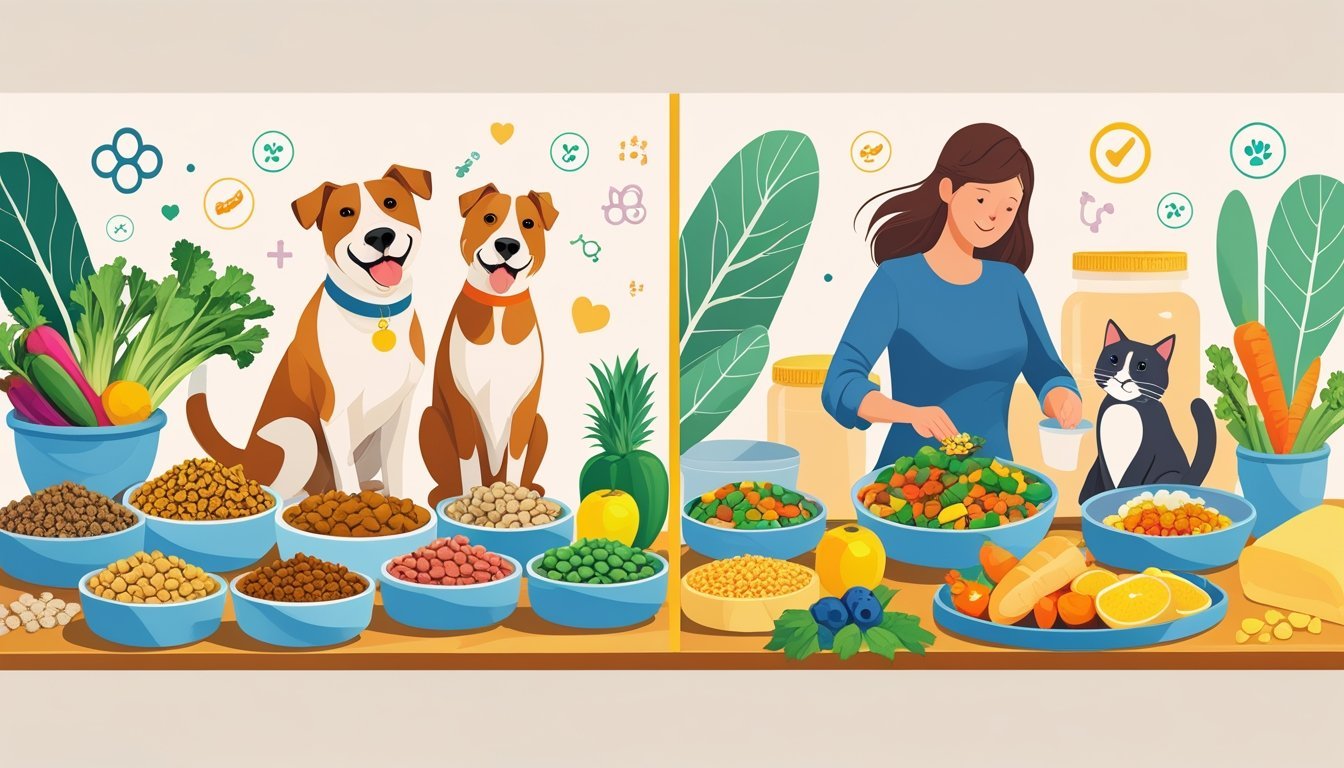
Current shifts in pet nutrition mirror a careful approach seen in human diets, emphasizing evidence-based nutritional benefits. Pet owners increasingly value tailored and functional foods that impact long-term health, not just basic nourishment.
Shifting Focus to Protein and Nutritional Benefits
Pet foods now prioritize quality protein sources, moving away from fillers. Alternatives such as insect protein, plant-based ingredients, microbe-based proteins, and even cultured meat are gaining ground.
Key nutrients highlighted in modern pet diets:
Nutrient Importance for Pets Protein Muscle maintenance, energy Omega-3 fatty acids Skin, coat, cognitive support Fiber Digestive health
Formulations also address specific health goals, including weight management and joint health. Nutritional profiles are more transparent, allowing owners to make informed choices about each ingredient’s benefits for their pets.
Personalized Nutrition for Pets
Personalized pet nutrition relies on factors like life stage, breed, health status, and activity level. Advances in pet food allow for tailored formulas designed to target the precise needs of individual animals.
Digital platforms and subscription services now offer questionnaires and DNA testing to further refine nutritional profiles. This helps address sensitivities, preferences, and risk factors such as allergies.
Common approaches to personalized nutrition:
Puppy/kitten vs. senior formulas
Diets for food sensitivities
Custom blends for weight control
As a result, pets receive food that promotes their health based on their individual circumstances rather than generalized recommendations.
Gut Health and Healthy Aging
Gut health is central to supporting overall pet wellness. Probiotics, prebiotics, and specific fibers are often added to pet food to foster a healthy digestive system.
Healthy gut function contributes to efficient nutrient absorption and a robust immune system. Nutrition addressing gut health can also benefit aging pets by promoting metabolic stability.
For healthy aging, diets increasingly include enhanced levels of omega-3 fatty acids and antioxidants. These nutrients help reduce inflammation, support joint function, and aid cognitive health as pets grow older.
Alternative and Sustainable Proteins in Pet Food
The pet food industry is adapting to sustainability demands by exploring protein ingredients that differ from conventional livestock sources. Companies are responding to owner preferences, environmental concerns, and the rise of food sensitivities in pets by introducing diverse protein options.
Plant-Based and Vegan Pet Food
Plant-based and vegan pet foods typically use protein from peas, lentils, chickpeas, potatoes, and soy. These diets are marketed to owners who want to align their pets’ diets with their own plant-based or ethical choices.
Formulas aim to meet all essential nutrient requirements, but they often require careful balancing of amino acids, vitamins, and minerals to prevent deficiencies, especially in cats. Research into the long-term health effects of fully plant-based pet diets is ongoing, and limited large-scale studies are available.
Key drivers for plant-based pet food include reduced environmental impact and the desire to avoid animal-derived ingredients. Despite its novelty, this trend continues to grow as consumer interest in sustainability increases.
Common ingredients in vegan dog foods:
Peas Lentils Brown rice Potato protein Soy protein
Insect Protein and Insect-Based Pet Food
Insect protein is gaining traction due to its high nutrient density and low environmental footprint. Black soldier fly larvae, crickets, and mealworms are the most common species used.
These proteins are rich in essential amino acids, healthy fats, and micronutrients and often hypoallergenic, making them suitable for pets with food sensitivities. Insect-based products require less land, water, and energy than traditional livestock and produce fewer greenhouse gases.
Insect protein appears in dry kibble, treats, and specialty diets. Regulatory approval and consumer acceptance are growing, especially in Europe, but the North American market is still emerging.
Lab-Grown and Alternative Protein Sources
Lab-grown or cultured meat in pet food is an emerging field. It involves producing animal muscle tissue via cell culture, without raising or slaughtering animals. This approach targets sustainability, animal welfare, and food safety.
Although commercial availability is limited due to regulatory hurdles and production costs, several pet food startups are piloting lab-grown chicken and fish-based diets. Cellular agriculture can help reduce resource use and antibiotic reliance compared to conventional farms.
Other novel protein sources include yeast, algae, and single-cell proteins. These offer high protein content and may fill nutritional gaps in future formulations as technology advances.
Meat Byproducts and Co-Products
Meat byproducts and co-products refer to organ meats and other animal parts not typically consumed by humans but are nutrient-rich for pets. They include liver, kidney, heart, and certain fats and connective tissue.
Use of byproducts reduces food waste by utilizing animal materials that would otherwise be discarded. Byproducts are an affordable and sustainable protein source, especially as pressure on meat supplies increases due to population growth.
The nutritional profile of meat co-products varies by source, but reputable manufacturers ensure they meet pet food safety and quality standards. Some consumers remain hesitant due to negative perceptions, but byproducts are nutritionally valuable and widely used in commercial pet foods.
Sustainability and Environmental Impact
Shifting pet food choices can directly affect the planet, especially through ingredient sourcing and new approaches to formulation. Changes in meat, grain, and alternative protein use in pet diets are now being considered for their environmental outcomes.
Reducing Carbon Footprint Through Ingredient Selection
The environmental impact of pet food is significant, with greenhouse gas emissions differing sharply between types. According to recent studies, wet pet food produces about 33.56 kg CO₂eq per 1,000 kcal, compared to 4.25 kg CO₂eq for dry food. Choosing dry formulas can thus reduce the carbon footprint of a household with pets.
Protein sources matter as well. Traditional animal-based proteins, particularly beef and lamb, tend to yield higher emissions and require more land. By contrast, pet foods implementing plant proteins, insect meal, and by-products from human food processing help lower associated emissions and resource use, while still meeting nutritional needs.
Below is a simplified comparison of carbon emissions
Food Type CO₂eq (kg/1,000 kcal) Wet Pet Food 33.56 Dry Pet Food 4.25
Development of Sustainable Pet Food
Sustainable pet food development now focuses on sourcing, processing, and composition. Brands increasingly use ingredients that would otherwise go to waste, such as animal by-products and surplus grains, reducing overall environmental burden. Using rendered meats and fish trimmings, for example, diverts material from landfills and minimizes the need for additional livestock production.
Manufacturers also explore alternative proteins, including insect protein and plant-based meals. Insects, for instance, require less water, land, and feed, and emit fewer greenhouse gases per kilogram of protein produced. This shift mirrors trends in human food innovation, with sustainability as a primary motivator.
Clear labeling and life cycle assessments are key for verifying environmental claims. Many brands now provide details on ingredient sourcing and publish sustainability reports to build consumer trust and drive industry-wide transparency.
Advancements and Trends in Pet Food Products
Pet food products are shifting as brands focus on health, quality, and aligning with modern consumer expectations. Key trends include a rise in refrigerated and fresh offerings, expansion of raw and premium recipes, and an emphasis on flavor and enjoyment for pets.
Refrigerated and Fresh Pet Food
Refrigerated pet food has gained traction, driven by demand for less-processed, perishable diets modeled after fresh human foods. These products typically contain recognizable ingredients like lean meats, fresh vegetables, and whole grains. The use of minimal preservatives and specialized packaging helps maintain safety and freshness during storage and transport.
Brands such as Freshpet have developed dedicated refrigerated sections in pet stores and supermarkets. Cooking methods like gentle steaming or slow-cooking further preserve nutrients. Consumers notice improvements in aroma and texture compared to traditional kibble, reinforcing the shift toward fresh pet nutrition. While these options require fridge space and have shorter shelf lives, pet parents are prioritizing nutrient density over convenience.
Raw and Premium Pet Food Innovations
Raw pet food is experiencing renewed interest, with growth in both frozen and freeze-dried formats. These products aim to emulate ancestral diets with high protein content and minimal processing. Many formulations preserve natural enzymes and micronutrients lost in cooking, catering to owners keen on whole-food approaches.
Innovations in premium dog food now extend beyond just raw or grain-free. Brands offer single-protein recipes, novel meats (duck, venison, rabbit), or “limited ingredient” foods for sensitive pets. Packaging improvements like vacuum sealing and individually portioned packs help preserve quality and reduce oxidation. This focus on premiumisation means pets are getting food closer in quality to high-end human meals, reflecting a changed perspective on pet health.
Premiumisation and Pet Food Palatability
Premiumisation describes the move toward higher-quality, more appealing pet food. This trend addresses both the nutritional profile and the sensorial experience for pets. Manufacturers are investing in flavor research, using palatability testing panels with cats and dogs to fine-tune taste, aroma, and texture.
Additions such as natural broths, gravy toppers, and high-meat content wet foods increase meal enjoyment. Ingredient sourcing now stresses traceability, organic options, and non-GMO credentials. These changes help explain the growth in premium pet food market share, as owners are motivated by both pet satisfaction and nutritional assurance. Engaging packaging and serving formats, like single-serve trays or pouches, help further boost palatability and convenience.
Role of Transparency, Technology, and Consumer Education
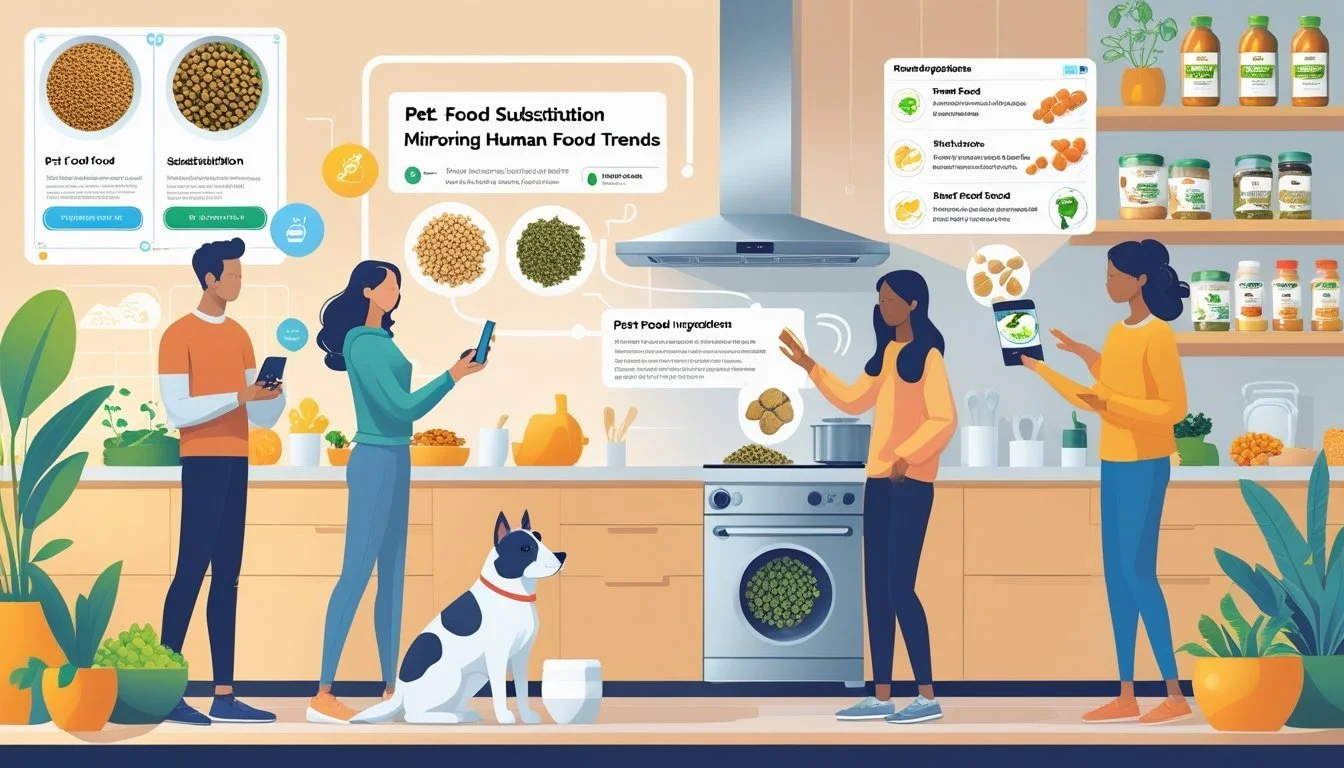
In pet food, transparency in ingredient sourcing, advances in technology, and clear consumer education all shape how products are chosen and trusted. Each factor plays an increasingly critical role in meeting higher expectations for nutritional quality and overall safety.
Transparency in Ingredients and Sourcing
Ingredient transparency has moved to the forefront of pet food purchasing decisions. Pet owners are now demanding detailed information about where ingredients come from, how they are processed, and what nutritional standards are adhered to.
A recent survey found that 9 out of 10 American pet owners want clear ingredient sourcing. Manufacturers now regularly provide detailed ingredient lists and sourcing information on packaging and company websites. This shift allows pet owners to make informed decisions and encourages brands to uphold honest communication.
Labels often explain not just what is included but why those ingredients are chosen. Brands listing country of origin, farming techniques, and quality certifications help demonstrate commitment to both safety and nutrition.
Technology’s Role in Pet Food Development
Advances in technology directly influence ingredient selection, product formulation, and manufacturing processes. Smart manufacturing equipment and improved data tracking allow for tighter quality control throughout production.
Interactive packaging, such as QR codes, lets consumers learn more about the product instantly. These features may link to sourcing documentation, nutrition analyses, or sustainability practices. Biotechnology and nutrition science have enabled tailored diets that better meet specific nutritional requirements of different breeds and life stages.
Companies also use traceability platforms to assure customers that animal proteins, grains, and supplements are responsibly sourced. Technology not only improves efficiency and food safety but also creates a more transparent supply chain for buyers.
Consumer Education and Shiny Object Syndrome
The influx of new pet food trends often leads to "shiny object syndrome," where consumers are drawn to novel ingredients or flashy marketing instead of core nutritional value. Education efforts by veterinarians, pet nutritionists, and trusted brands focus on providing balanced, evidence-based information rather than just following popular trends.
Educational campaigns may use simple graphics, comparison tables, or clear explanations of ingredient functions. This approach helps pet owners look beyond marketing buzzwords and understand what their pets truly need.
By bridging knowledge gaps, stakeholders support responsible product choices, promoting long-term pet health over chasing rapidly changing fads.

