
Substitution in Disaster Relief Cooking: Essential Strategies for Limited Resources
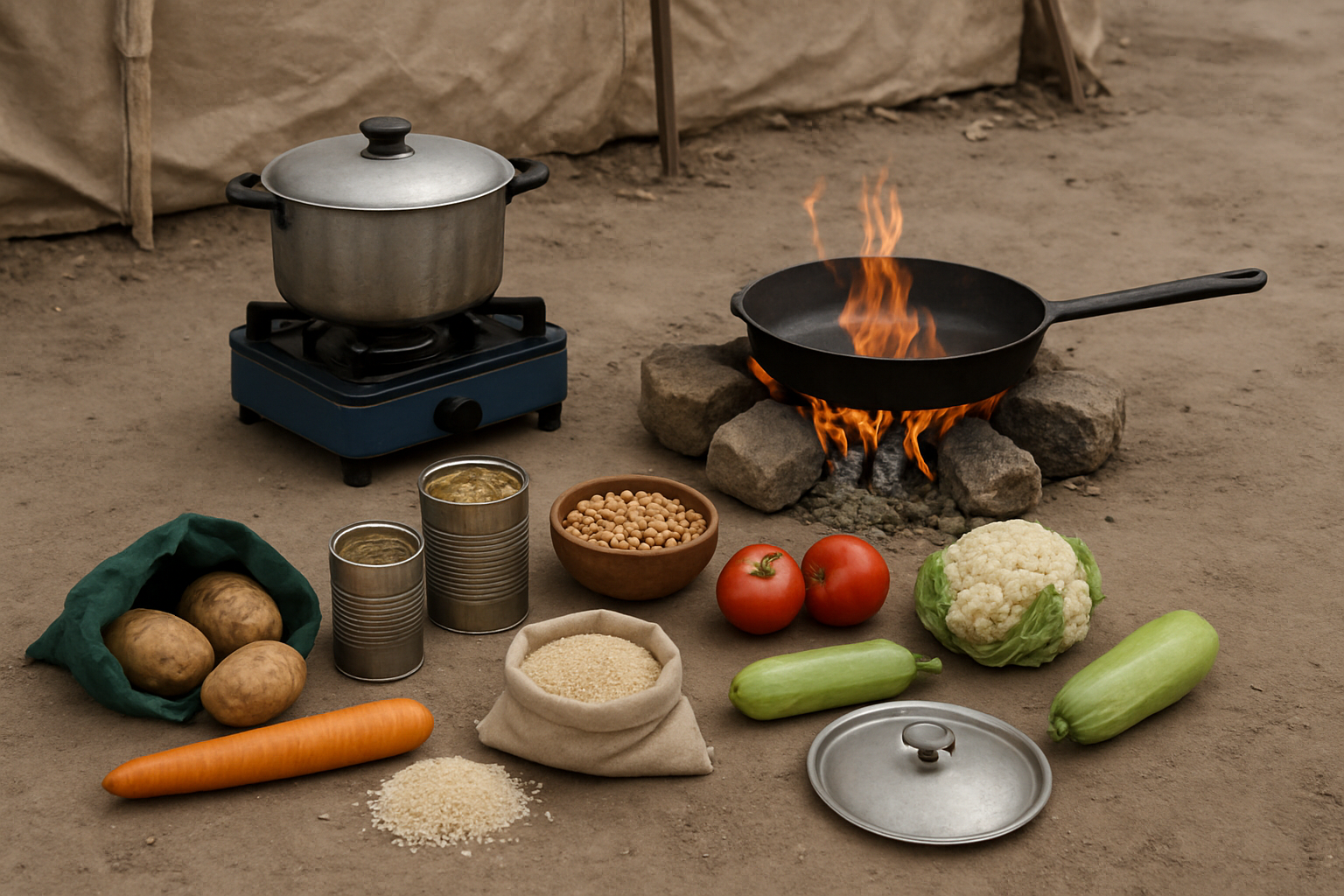
When disaster strikes, limited resources and disrupted supply chains can make regular cooking almost impossible. Knowing how to substitute basic ingredients quickly and correctly ensures that meals stay nutritious and tasty, even when the pantry is nearly empty. Emergency kitchen substitutions let cooks adapt to what’s on hand, offering flexibility in the face of shortages or unexpected challenges.
This skill is vital during power outages, severe weather, or times when grocery stores aren’t an option. By learning simple swaps—like replacing fresh herbs with dried, or using cornstarch when flour runs out—anyone can prepare satisfying meals with less stress. Substitutions make a real difference in both efficiency and morale for those handling disaster relief cooking.
Core Principles of Substitution in Disaster Relief Cooking
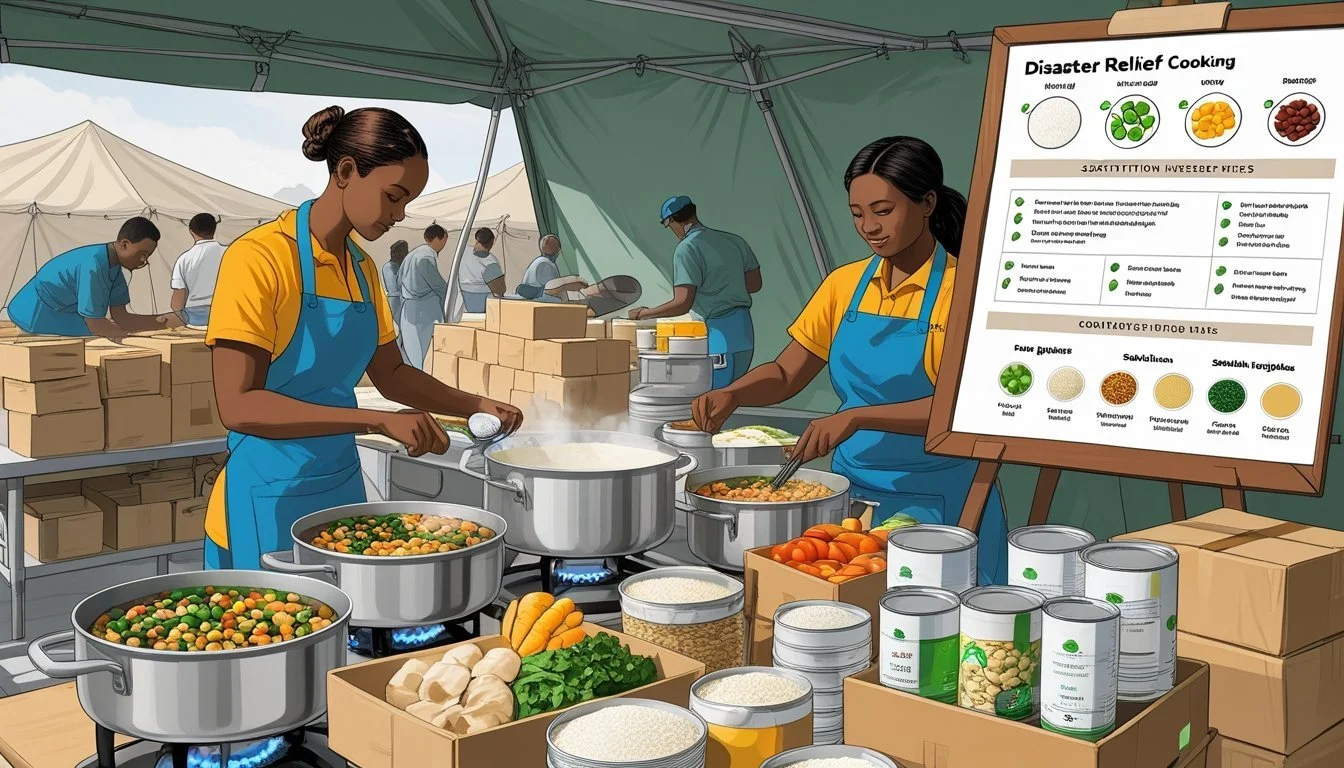
In disaster relief cooking, effective substitution allows for continued meal preparation when certain ingredients are unavailable. Success depends on knowledge of suitable replacements, understanding nutritional needs, and ensuring all food remains safe to eat.
Understanding Ingredient Substitution
Ingredient substitution involves replacing missing items with accessible alternatives that perform similar functions in a recipe.
During disasters, core staples such as eggs, milk, or flour may run out. Substitution options include using powdered milk for fresh milk or mixing ground flaxseed and water to replace eggs. The key is to find replacements that closely match the flavor, texture, and purpose of the original item.
It can be useful to keep a printed substitution chart in emergency kits for easy reference. Flexibility is important; creative combinations can help make the most of limited resources.
Common Emergency Substitutions Table
Original Substitute Eggs 1 tbsp flaxseed + 3 tbsp water (per egg) Milk Equal amount of reconstituted powdered milk Butter Vegetable oil or margarine
Assessing Nutritional Value
Substituting ingredients can change the nutritional profile of meals.
It's important to assess the macronutrients—proteins, fats, carbohydrates—provided by each substitute, as well as vitamins and minerals. For example, using canned beans instead of fresh meat maintains protein content but may alter iron and vitamin levels. Choosing enriched or fortified substitutes helps maintain nutritional balance.
Regularly rotate emergency kit foods to ensure nutritional labels are readable and products have not expired. When possible, select substitutions that replicate both calorie content and essential nutrients to support health and energy.
Simple adjustments like adding vitamin C-rich canned tomatoes or fruit can compensate for what’s lacking in shelf-stable staples.
Prioritizing Food Safety
Food safety is critical in disaster situations where sanitation and refrigeration may be compromised.
Always check the expiration date on packaged substitutes from the emergency kit. Store dry substitutes such as powdered eggs or milk in airtight, moisture-proof containers to prevent contamination. Discard canned goods that are bulging, leaking, or have damaged seals.
Practice good hygiene, using clean water for any rehydrated or mixed substitutions. When preparing high-risk items like dairy alternatives, ensure they're properly reconstituted and cooked. Never use questionable ingredients, even if options are limited, as foodborne illness can become a serious threat in these situations.
Common Substitutes for Dairy Products
Using effective dairy substitutes ensures meals remain nutritious and accessible during disaster relief. Various shelf-stable and non-dairy options can closely match the taste and function of common dairy products.
Replacing Milk and Milk Alternatives
Milk is often replaced with a variety of plant-based substitutes, especially when fresh milk is hard to source. Powdered milk (reconstituted with water) is a practical standby; it is shelf-stable and widely available. Evaporated milk provides a concentrated option and, when diluted, can serve as a substitute for fresh milk.
Non-dairy alternatives such as soy milk, coconut milk, oat milk, almond milk, and rice milk can be used in equal amounts as cow’s milk in most recipes. These alternatives differ in flavor and richness. For savory dishes, unsweetened versions are preferred to avoid unwanted sweetness.
If milk is needed for baking, both powdered and plant-based options work, but moisture and fat content may need adjusting for optimal results. In emergency cooking, shelf-stable options are prized for their portability and lack of refrigeration requirements.
Butter and Margarine Alternatives
When butter is unavailable, margarine is the most direct substitute and can be swapped at a 1:1 ratio in most recipes. For those avoiding both, neutral-flavored vegetable oils (such as canola or sunflower) are a reliable alternative for cooking or baking.
For spreads or baking, coconut oil provides a solid-at-room-temperature fat and adds a mild coconut flavor. In many baked goods, unsweetened applesauce or pureed silken tofu can be used to replace some or all of the butter, which helps retain moisture.
The following table highlights typical uses:
Original Substitute Best For Butter Margarine Spreading, baking Butter Coconut oil Baking, sautéing Butter Vegetable oil Cooking, some baking Butter Applesauce/silken tofu Moist, reduced-fat baking
Substituting Cream and Buttermilk
Cream can be replaced with a mix of evaporated milk and a bit of butter (2/3 cup evaporated milk + 1/3 cup melted butter per cup of cream). For non-dairy cream, use coconut cream or a blend of soy or oat milk with a thickener like cornstarch for a similar texture.
Buttermilk can be made by adding 1 tablespoon of lemon juice or vinegar to 1 cup of milk (dairy or nondairy). Wait about 5–10 minutes for the mixture to curdle slightly.
For a vegan buttermilk, combine soy, oat, or almond milk with acid. Alternatively, blend ¼ cup silken tofu, ¾ cup water, and 1 tablespoon lemon juice for a tangy, dairy-free option.
Using Yogurt and Sour Cream Substitutes
Yogurt and sour cream add tang and texture to dishes but are easy to replace. Plain plant-based yogurt (such as soy or coconut yogurt) closely matches dairy yogurt and can be used in equal amounts for cooking or dips.
Sour cream can be substituted with a blend of plain yogurt (dairy or non-dairy) and a small squeeze of lemon juice for extra tang. For a thicker, richer option, drain some liquid from yogurt to create a consistency closer to sour cream.
In recipes where neither is available, a combination of silken tofu blended with vinegar or lemon juice can approximate the texture and acidity of traditional sour cream or yogurt. Shelf-stable options are ideal for disaster relief to maximize food safety and storage.
Egg and Protein Substitution Strategies
Eggs and other protein sources may be limited or unavailable during disaster relief cooking. Alternative ingredients can maintain nutrition, structure, and flavor in meals without sacrificing safety or quality.
Egg Replacements in Cooking
Eggs are often used for binding, leavening, and moisture. In baking and savory dishes, several alternatives can substitute for eggs depending on the recipe’s requirements.
For binding or adding moisture, mashed banana (half a banana per egg), unsweetened applesauce (1/4 cup per egg), or silken tofu (1/4 cup per egg) are effective. When leavening is needed, a mix of 1 tablespoon vinegar with 1 teaspoon baking soda per egg can help.
Ground flaxseed or chia seeds (1 tablespoon seed + 3 tablespoons water = 1 egg) work well for holding ingredients together. In cases where powdered egg substitute is available, mix according to instructions (often 2 1/2 tablespoons powder and 2 1/2 tablespoons water per egg).
Non-Dairy Protein Sources
When fresh dairy or animal-based protein is not an option, non-dairy alternatives can fill nutritional gaps. Canned beans, lentils, tofu, and textured vegetable protein offer reliable protein content.
Nuts like almonds provide protein and healthy fats. If available, cottage cheese can supplement dishes for added texture and nutrition. Sprinkling parmesan cheese boosts protein in savory meals, but should be used if dairy is not an issue.
Soy products, such as tempeh and edamame, are shelf-stable and versatile. For varied menus, rotate between these sources to ensure balanced amino acids.
Adapting for Egg Yolks and Whites
Some recipes rely specifically on egg yolks for richness or egg whites for leavening. For yolks, mashed tofu or a small amount of cream cheese can provide creaminess.
For recipes calling for egg whites, aquafaba (the liquid from canned chickpeas) is useful—3 tablespoons of aquafaba replace one egg white. Gelatin (1 tablespoon dissolved in warm water) can also mimic the binding properties of egg whites in some baked goods.
When texture is significant, adjust the substitute type and quantity. Always monitor for changes in consistency, and be prepared to tweak the recipe to achieve the desired result.
Baking Essentials: Flour, Leaveners, and Sweeteners

Food security is often a challenge during disaster relief, making it necessary to improvise when baking supplies run low. Reliable substitution strategies help maintain nutrition and usability even when standard ingredients are unavailable.
Flour and Its Alternatives
In emergency baking, all-purpose flour is usually the default, but shortages may require switching to other options. A 1:1 gluten-free flour blend (often containing xanthan or guar gum) can replace all-purpose flour, matching both texture and structure.
For extra flexibility, combining half almond flour and half tapioca flour makes a functional stand-in for one cup of all-purpose flour. If cake flour is needed, use 1 cup all-purpose flour minus 2 tablespoons plus 2 tablespoons cornstarch, mixed and sifted together. For self-rising flour, combine 1 cup all-purpose flour, 1½ teaspoons baking powder, and ¼ teaspoon salt. Arrowroot starch can also substitute for a portion of flour, particularly in gluten-free needs.
Baking Powder and Baking Soda Substitutes
When baking powder is unavailable, mix ¼ teaspoon baking soda with ½ teaspoon cream of tartar for every teaspoon of baking powder needed. Always use this mix immediately as it loses potency rapidly.
Baking soda can be replaced with four times as much baking powder, though recipe adjustments are needed to avoid excessive leavening. If leaveners are entirely unavailable, whipped egg whites or club soda (in wet batters) can offer some lift. Cornstarch and arrowroot starch are not direct substitutes for leaveners but help lighten texture when combined with baking soda or powder.
Sugar and Natural Sweetener Alternatives
White sugar and brown sugar are the most common sweeteners but may not always be at hand. Substitute 1 cup brown sugar with 1 cup granulated sugar plus 1 tablespoon molasses for a similar flavor. If only powdered sugar is left, blend 1 cup granulated sugar with 1 tablespoon cornstarch in a blender.
Honey, molasses, and corn syrup can each substitute for part or all of the sugar, but liquids should be reduced elsewhere in the recipe. For each cup of sugar, use ¾ cup honey and reduce the liquid by 2 tablespoons. If using molasses for all the sweetener, note its strong taste and color. Natural sweeteners like maple syrup or monk fruit sweetener may also be viable but impact taste and texture.
Replacing Chocolate and Cocoa
Unsweetened baking chocolate can be made by combining 3 tablespoons cocoa powder and 1 tablespoon vegetable oil for every ounce needed. This mix provides both flavor and fat that solid chocolate would contribute.
Semisweet chocolate can usually be replaced with 1 ounce unsweetened chocolate plus 1 tablespoon sugar for each ounce in the recipe. If no chocolate is available, use carob powder or extra cocoa powder mixed with fat (butter or oil) as a last resort. Cocoa powder is indispensable, but if necessary, hot chocolate mix offers limited substitution—reduce other sugars to compensate for pre-added sweeteners.
Liquid Replacements and Broths
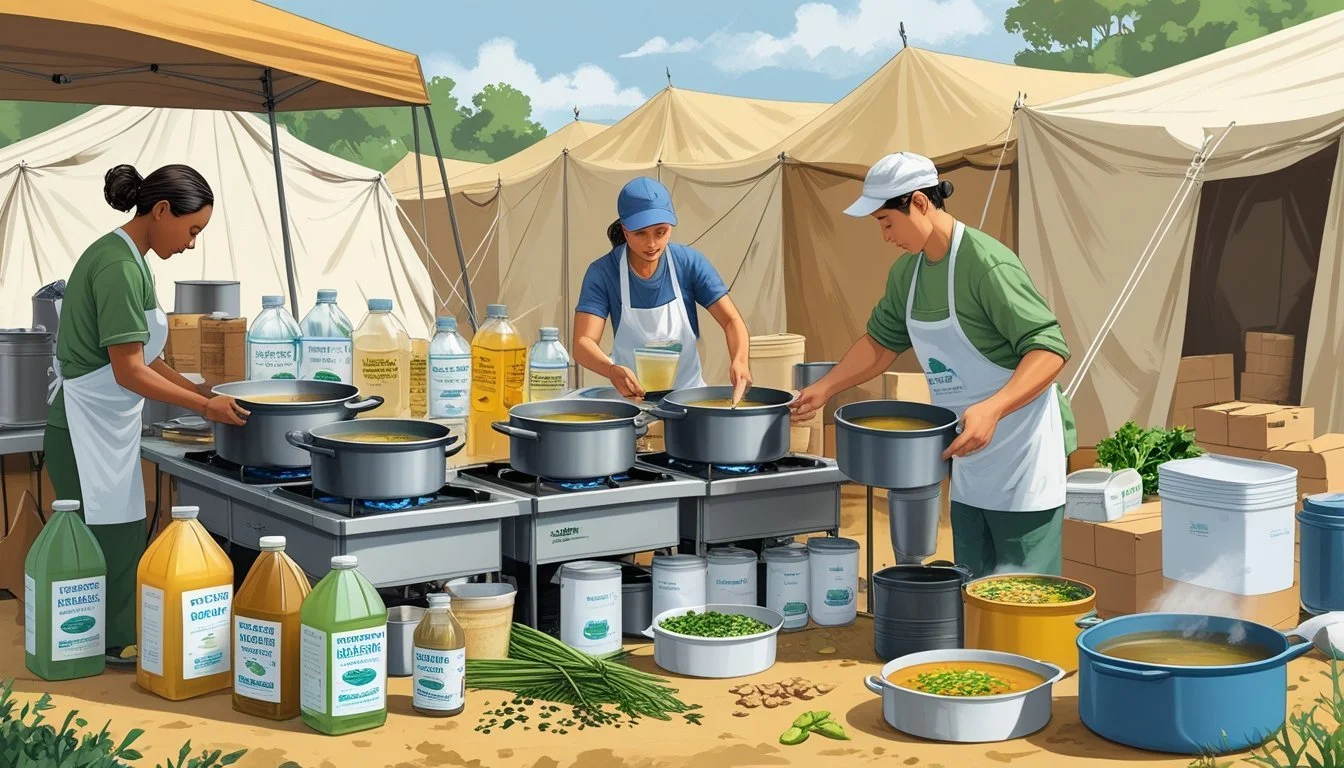
Sourcing typical broths and stocks during disaster situations can be difficult. Practical, shelf-stable alternatives help maintain recipe flavor and nutritional value when standard ingredients are unavailable.
Substituting Broth, Stock, and Bouillon Cubes
When fresh broth or stock is not available, bouillon cubes or granules offer a compact and long-lasting substitute. For each cup of broth needed, dissolve one bouillon cube or one teaspoon of granules in one cup of hot water.
Home cooks can also create a simple broth by simmering available vegetables, herbs, or small amounts of meat in water for at least 30 minutes. This creates a mild but serviceable liquid for soup bases or grains. If bouillon is unavailable, use canned or boxed broths if they are on hand, as they are direct 1:1 substitutes.
Broth Substitution Table
Needed Substitute 1 cup chicken/beef/veg broth 1 bouillon cube + 1 cup water 1 tsp bouillon granules + 1 cup water 1 cup water + leftover pan drippings or juices Simmered water with herbs/veggies/meat scraps
Alternative Liquids in Recipes
In place of standard broths, other liquids can add both moisture and flavor. Tomato juice, vegetable juice, or even beer can replace broth in savory dishes where their flavors match the recipe. Beer works well in stews, chilis, or braises, providing both acidity and complexity.
Water is always an option, but flavor can be enhanced with dried herbs, soy sauce, or a splash of vinegar. Rice or pasta cooking liquids, saved from previous meals, can enrich soups or casseroles. For making up lost umami, a small amount of miso paste or Worcestershire sauce stirred into water creates a savory broth alternative.
Alternative Liquid Suggestions:
Tomato juice for a tangy profile in soups
Beer for hearty stews or braises
Leftover vegetable cooking water for casseroles
Soy sauce or miso added to hot water for umami
Grains, Breads, and Crumbs Substitutions
Reliable substitutes for traditional grains, breads, and crumbs make it easier to prepare satisfying meals with limited supplies. Using pantry staples and common food items can help replace familiar ingredients quickly and maintain both texture and nutrition under challenging conditions.
Bread and Bread Crumb Alternatives
When bread is unavailable, whole-grain bread, cornbread, or dense rolls can stand in for standard sandwich bread. These options work well for both eating and converting into bread crumbs if needed.
For bread crumbs, rolled oats, crushed bran cereal, or finely crushed crackers are all effective alternatives. These substitute options provide a comparable texture for binding meat mixtures or topping casseroles.
A simple table summarizes some easy swaps:
If recipe calls for Use instead White bread Whole-grain bread, cornbread, dense rolls Bread crumbs (1 cup) 1 cup rolled oats, bran cereal, cracker crumbs
Stale bread, when toasted and ground, can also replace commercial bread crumbs. This minimizes waste and takes advantage of existing food stores.
Using Corn, Cracker, and Other Grain Products
Crushed crackers—plain or seasoned—offer a strong substitute for bread crumbs in meatloaf, coating fried foods, or making toppings. Salty snack crackers add both crunch and flavor, so seasoning should be adjusted as needed.
Cornmeal and masa harina can also fill in for bread crumbs when a slightly coarser texture is acceptable. These corn products are especially useful for coating proteins or adding body to stews and soups.
Ground cereal grains such as puffed rice, unsweetened cornflakes, or even plain granola can be pulsed in a food processor and used as filler or a crunchy topping. Using what is readily available can ensure continuity and variety in meal texture and taste during disaster relief cooking.
Cooking Oils and Fats: Substitution Solutions

Access to traditional cooking oils and fats often becomes challenging during disaster relief. Making informed substitutions helps maintain nutrition and food safety while adapting to available resources.
Vegetable and Olive Oil Alternatives
When vegetable oil or olive oil is scarce, other liquid fats and oils can step in. Canola oil, sunflower oil, and corn oil are common substitutes that can handle most baking and frying needs. Coconut oil works well in recipes where a mild coconut flavor is acceptable.
For sautéing and grilling, peanut oil and grapeseed oil provide high smoke points, making them safe for higher-heat cooking. In baking, applesauce or mashed bananas can occasionally replace a portion of oil to retain moisture, though these substitutes will alter flavor and texture.
In emergency cooking, using waste cooking oil is possible if it is filtered and not degraded. However, it is important to avoid oils that have been overheated or show signs of rancidity. All substitutions should focus on both safety and flavor.
Selecting Suitable Solid Fats
When liquid oils are not available, solid fats such as lard, butter, and shortening become primary alternatives. Lard is a traditional fat valued for its high-smoke point and neutral flavor, suitable for frying and baking. It also provides needed calories in low-supply situations.
Butter, while less shelf-stable, works well in recipes requiring richness, such as breads or pastries. Non-dairy margarine and vegetable shortening remain stable at room temperature and can substitute for lard or butter in most recipes.
For long-term storage, shelf-stable options like canned lard or dehydrated butter are preferable. Solid fats should be stored in airtight containers to prevent spoilage, especially in hot or humid environments. Always choose fats based on the intended cooking method and availability.
Fruits, Vegetables, and Plant-Based Additions
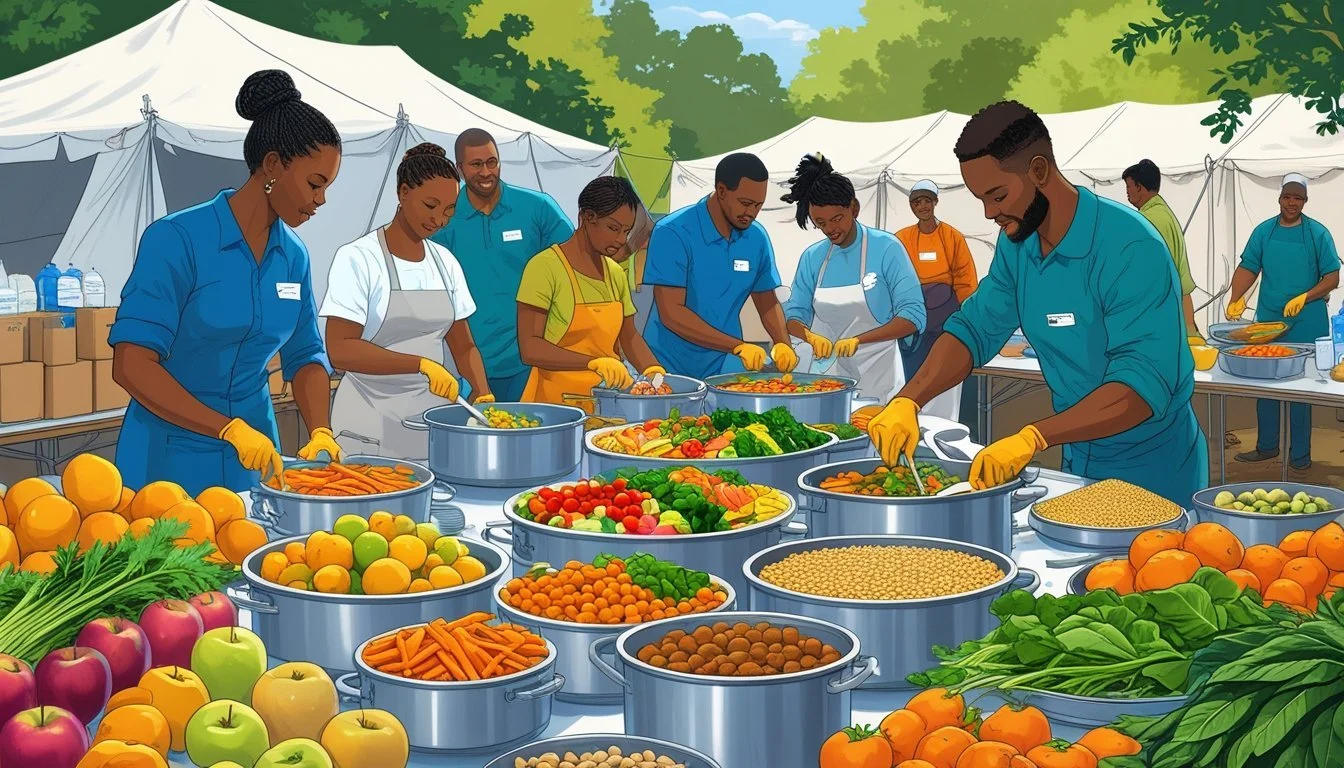
In disaster relief cooking, substitutions for fruits, vegetables, and aromatic ingredients are often necessary due to limited availability or storage options. Planned alternatives help maintain nutrition, flavor, and variety when traditional fresh produce is not accessible.
Fruit and Vegetable Substitutes
When fresh fruits and vegetables are unavailable, canned and dried versions are practical choices. For fruits, dried apricots, raisins, dates, and unsweetened packaged fruit can replace fresh varieties in recipes and snacks. These options provide essential vitamins and fiber without the need for refrigeration.
Canned vegetables, such as beans, peas, and carrots, are useful for stews, soups, and side dishes. Freeze-dried or dehydrated vegetables, like bell peppers or green onions, can add flavor and color to meals when rehydrated with water.
Storing a mix of dried and canned produce ensures a reliable source of plant-based nutrients. This approach helps meet dietary recommendations even when fresh produce is out of reach.
Fresh and Dried Herb Alternatives
Herbs like parsley, dill, mint, and chervil enhance flavor in many dishes. In emergencies, dried herbs substitute well for fresh, though their potency can differ. Generally, use one-third the amount of dried herbs compared to fresh in most recipes.
A table helps illustrate conversions:
Fresh Herb (1 tbsp) Dried Herb Equivalent Parsley 1 tsp Dill 1 tsp Mint 1 tsp Chervil 1 tsp
Crushed dried herbs maintain shelf life and contribute to both taste and aroma. Blends of mixed dried herbs can also stand in for individual fresh varieties, offering flexibility with limited supplies.
Adapting Onion and Garlic in Recipes
Onion and garlic provide foundational flavor. In disaster situations, powdered, granulated, or dehydrated forms are effective substitutes when fresh bulbs are not available. As a guideline, replace one small fresh onion with 1 tablespoon dried onion flakes or 1 teaspoon onion powder.
Garlic powder and dried minced garlic can substitute for fresh cloves. Use 1/8 teaspoon garlic powder for each clove. Dried or freeze-dried green onions are also valuable in recipes that call for fresh.
Keeping a variety of shelf-stable onion and garlic products increases menu options, preserves flavor, and compensates for shortages in perishable ingredients.
Flavor Boosters: Spices, Sauces, and Condiment Substitutions

In disaster relief cooking, flavor can suffer without the right ingredients. Quick, thoughtful substitutions keep food appetizing while working with limited supplies or unusual items.
Spice Replacement Guide
Spices transform basic ingredients into comforting meals. When a particular spice is unavailable, similar stand-ins can maintain flavor. For example, combine ¼ teaspoon each of cinnamon, nutmeg, and ground cloves to replace 1 teaspoon of ground allspice. This mimicry works well in both sweet and savory dishes.
If garlic powder is gone, use double the amount of fresh minced garlic or try onion powder. For garlic salt, combine three parts salt with one part garlic powder.
Spice Substitutions Table:
Missing Spice Substitute Idea Allspice (1 tsp) ¼ tsp cinnamon + ¼ tsp nutmeg + ¼ tsp cloves Garlic Powder 2x fresh garlic, or onion powder Ginger Equal amount ground ginger for fresh, or vice versa Chives Finely chopped green onion tops
Use small increments and taste as you go, as substitutes may be stronger or weaker in flavor.
Mustard and Hot Pepper Sauce Alternatives
If prepared mustard is missing, mix 1 teaspoon dry mustard with 1 tablespoon water, or combine turmeric and vinegar for a mild tang. Try substituting wasabi or horseradish for heat, but use smaller amounts to avoid overpowering the dish.
Hot pepper sauce is harder to mimic, but options exist. Mix cayenne pepper with vinegar and a pinch of salt for a simple substitute. Crushed red pepper flakes stirred into water or a dash of lemon or lime juice can sharpen bland meals when commercial hot sauces are gone.
Always add spicy alternatives gradually and taste between additions to match desired heat more closely and avoid waste.
Mayonnaise and Specialty Ingredient Substitutes
For mayonnaise, blend plain yogurt with a touch of oil and a squeeze of lemon or lime juice. Unsweetened Greek yogurt, mashed avocado, or silken tofu work well when yogurt is unavailable. Combine with a pinch of salt and a few drops of vinegar for added tang.
Missing specialty condiments? Mix plain yogurt or mashed beans with curry powder, lime juice, and salt to make a creamy, flavorful sauce. Use smooth pureed white beans, blended with oil and a dash of mustard, for a mayonnaise-like spread and extra protein.
Adjust seasonings based on available ingredients and intended use, making sure texture and taste serve both sandwich fillings and salad dressings reliably.
Practical Tips for Successful Substitution in Limited Resource Settings

Effective disaster relief cooking depends on making practical choices with what is available. Resourcefulness and accurate substitutions help maintain nutrition and keep meals palatable when supplies are tight.
Prioritizing Shelf-Stable Ingredients
Shelf-stable ingredients are vital because they last longer, need no refrigeration, and are often easier to store in emergency situations. Items like rice, canned beans, lentils, powdered milk, and oats form a reliable base for meals.
Using a simple table helps identify common substitutions:
Shelf-Stable Item Substitute For Powdered milk Fresh milk Canned legumes Fresh meat or protein Rice or pasta Fresh bread or grains Canned vegetables Fresh produce
Choosing shelf-stable foods that serve multiple purposes increases flexibility. For example, oats can be cooked for breakfast or used as a thickener for soups. When shortages occur, prioritizing ingredients high in calories and nutrients, such as peanut butter or canned fish, ensures energy needs are met.
Making the Most of Emergency Kits
An emergency kit is more effective when its contents are chosen with substitution in mind. He or she should include versatile foods like pasta, flour, sugar, shelf-stable milk, and canned protein sources.
Maintaining a list of possible ingredient swaps in the kit boosts confidence during meal planning. For example, applesauce or mashed bananas can replace eggs in baking. Keeping seasoning packets and simple spices allows for flavor shifts, even when core ingredients change.
Rotate emergency kit items regularly to keep them fresh. Pack simple utensils and a can opener so substitutions are actually usable. Including clear instructions or recipes helps use the kit efficiently, especially if less familiar ingredients must substitute for everyday staples.
Additional Resources and Recommendations
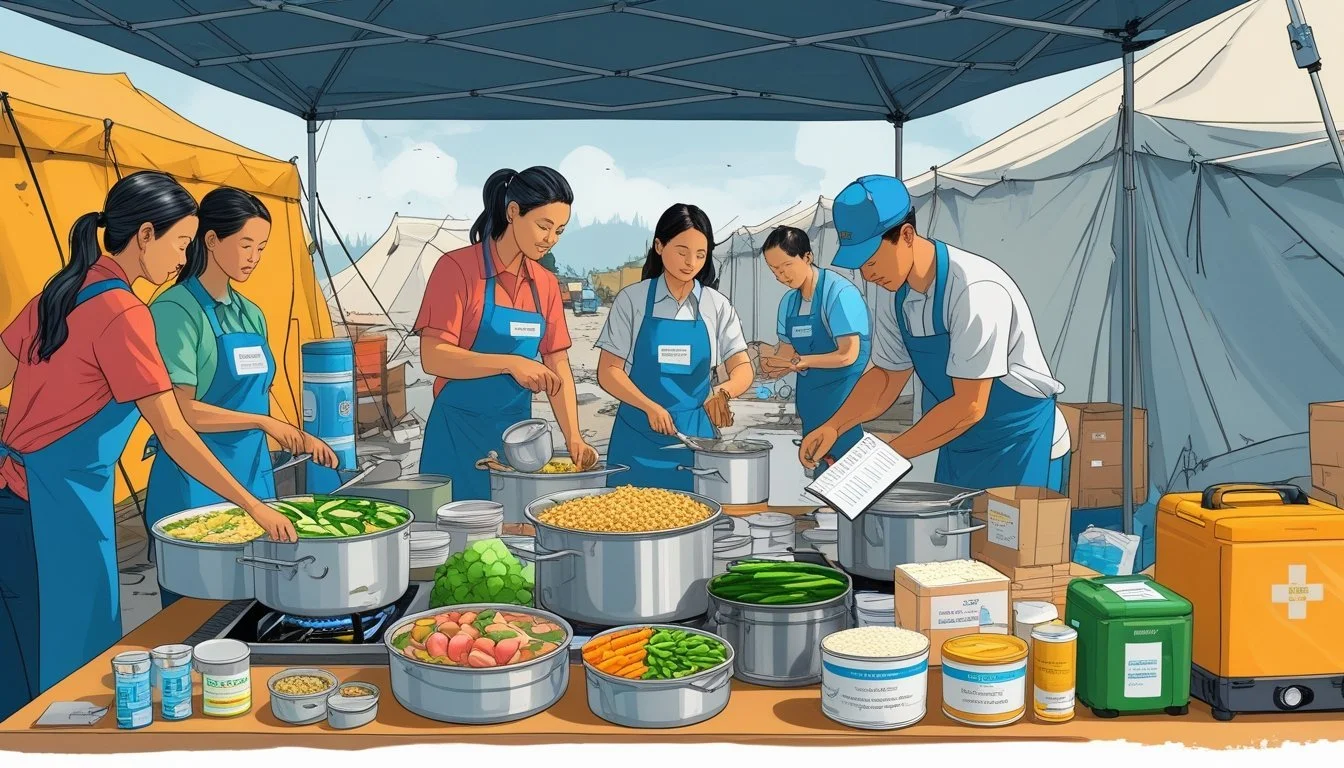
Substitution in disaster relief cooking depends on available resources, local conditions, and logistics. Consideration of travel logistics and regional ingredient availability can significantly improve meal planning and delivery.
Travel Considerations for Disaster Relief
Travel to disaster sites can limit the types and quantities of ingredients that relief workers can transport. Lightweight, shelf-stable foods such as dried beans, rice, and powdered milk help reduce transportation burdens.
Packing lists should prioritize versatile pantry staples, multi-use condiments, and basic spices that can enhance a variety of emergency meals. Portable cooking equipment, such as propane stoves or solar ovens, is also essential for preparing food where infrastructure is limited.
Customs regulations and food safety standards may restrict movement of certain food items between regions or countries. Coordinating with local authorities can prevent unnecessary delays and ensure compliance with entry requirements. Relief teams sometimes need to adapt recipes based on what survives transport or is available upon arrival.
Local and Global Ingredient Variations
Ingredient availability often changes based on location. In some areas, rice may be a more practical carbohydrate than bread or pasta due to storage and supply factors. Familiarity with regional staples—like yams in West Africa, cassava in South America, or lentils in South Asia—can enable smoother recipe substitutions.
When local dairy is scarce, plant-based alternatives such as coconut milk, soy milk, or even water mixed with peanut butter can be suitable substitutes. Utilizing indigenous herbs and spices not only preserves nutrition but can also offer culturally relevant flavors that comfort affected populations.
Consulting with local cooks or relief organizations may lead to effective substitutions based on available supplies. USDA and NGO guidelines often provide substitution charts and safety tips adapted to regional contexts, helping maintain nutrition standards in diverse environments.
Sample Ingredient Substitution Table:
Standard Ingredient Substitute Option Milk Shelf-stable or plant milks Eggs Powdered eggs, flaxseed, banana Bread crumbs Crushed crackers, ground oats Butter Oil, shortening

