
Substitution in Food Packaging Development
Key Considerations for Sustainable Materials
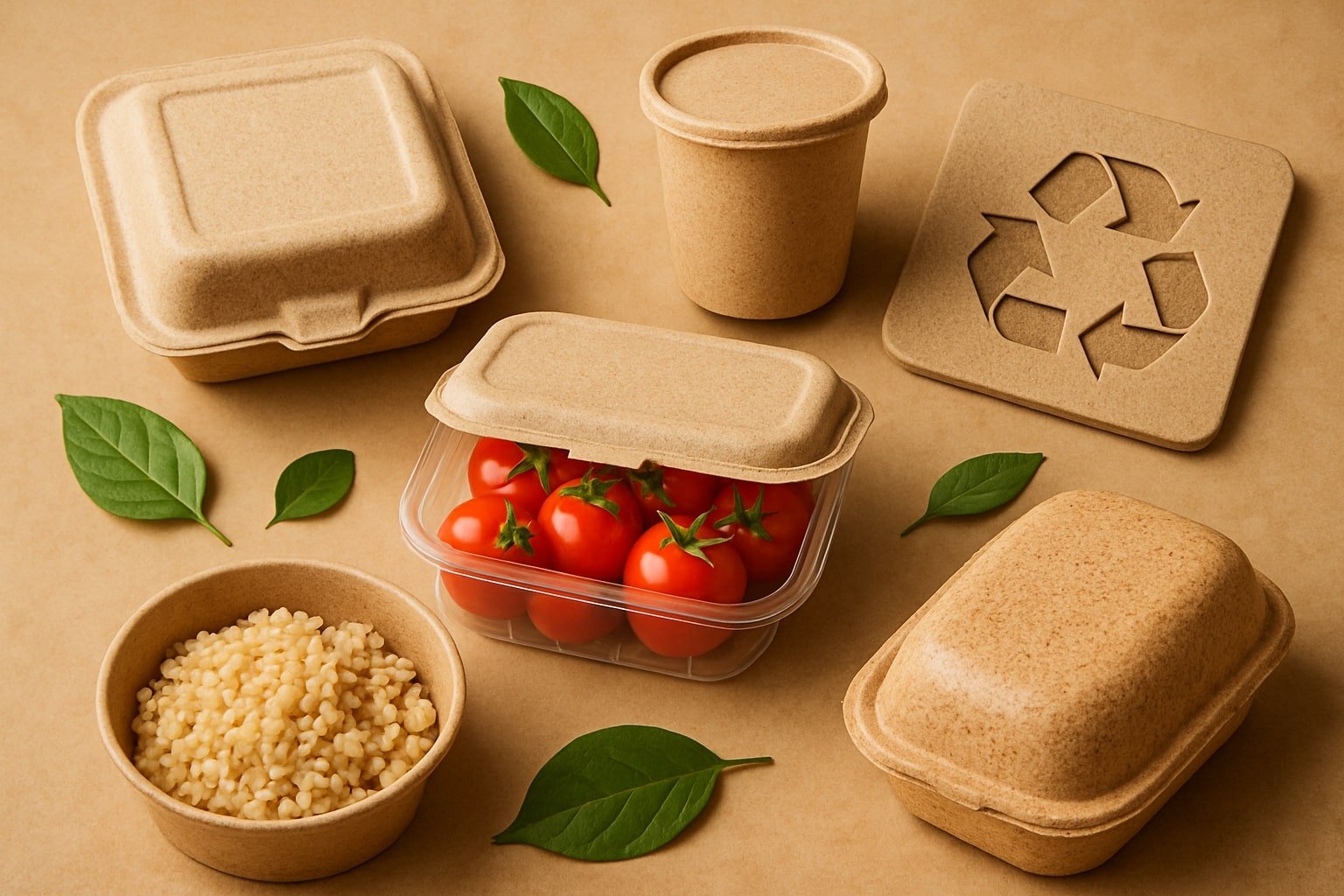
Substitution in food packaging development involves replacing traditional materials, such as petroleum-based plastics, with alternative options that aim to deliver the same essential functions while reducing environmental impact. These substitutions require careful consideration of factors like barrier properties, stackability, and chemical safety to ensure they adequately protect food and maintain quality.
Growing concerns about plastic waste and resource consumption have intensified efforts in the food industry to explore bio-based and sustainable packaging materials. While some alternatives offer environmental benefits, challenges remain regarding their mechanical strength, moisture resistance, and compatibility with existing systems.
Research continues to advance as manufacturers and scientists study the performance of new materials and develop solutions that balance food safety, sustainability, and cost-effectiveness. Readers interested in how these substitutions shape the future of food packaging can gain insights into the technical, practical, and ecological factors driving the shift.
Understanding Substitution in Food Packaging
Substitution in food packaging is driven by environmental, regulatory, and market forces. It involves replacing traditional materials with alternatives that align better with sustainability goals and consumer expectations.
Definition and Scope
Substitution in food packaging refers to the process of replacing one material or component with another that meets similar functional requirements. This can include changing from conventional plastics to biodegradable biopolymers, recycled paper, or edible films.
The scope of substitution is broad, affecting primary, secondary, and tertiary packaging across the food industry. Substitution aims to improve sustainability, reduce environmental footprint, and comply with emerging regulations.
Examples include replacing petroleum-based plastics with materials such as polylactic acid (PLA), cellulose, or compostable paper. The packaging industry evaluates substitutes by their ability to maintain food safety, increase shelf life, and support recycling or composting.
Drivers for Change
Several factors compel the packaging industry to seek substitutions. Environmental concerns are primary, as plastic waste contributes significantly to global pollution. Regulatory requirements are also tightening, with many regions banning or taxing single-use plastics.
Consumer preferences for eco-friendly packaging put additional pressure on manufacturers. Companies face reputational risks if they do not adopt sustainable alternatives.
Cost and supply chain considerations influence decisions as well. Rising oil prices and limited access to raw materials make traditional plastics less attractive financially, pushing companies toward renewable or recycled options.
Types of Substitutions
There are three main types of substitutions in food packaging:
Material Substitution: Replacing plastics with paper, glass, metal, or biomaterials.
Functional Substitution: Changing the format or design, such as using reusable or edible packaging in place of single-use wrappers.
Process Substitution: Altering manufacturing techniques, such as switching to water-based inks or adhesives for improved recyclability.
Table: Common Packaging Material Substitutions
Original Material Substitute Key Benefit PET Plastic PLA Biopolymer Compostability Polystyrene Foam Molded Pulp Biodegradability Plastic Wrap Edible Films Reduced Waste
Each substitution must be evaluated for its impact on food safety, cost, and compatibility with existing supply chains.
Motivations for Substitution in Packaging Materials
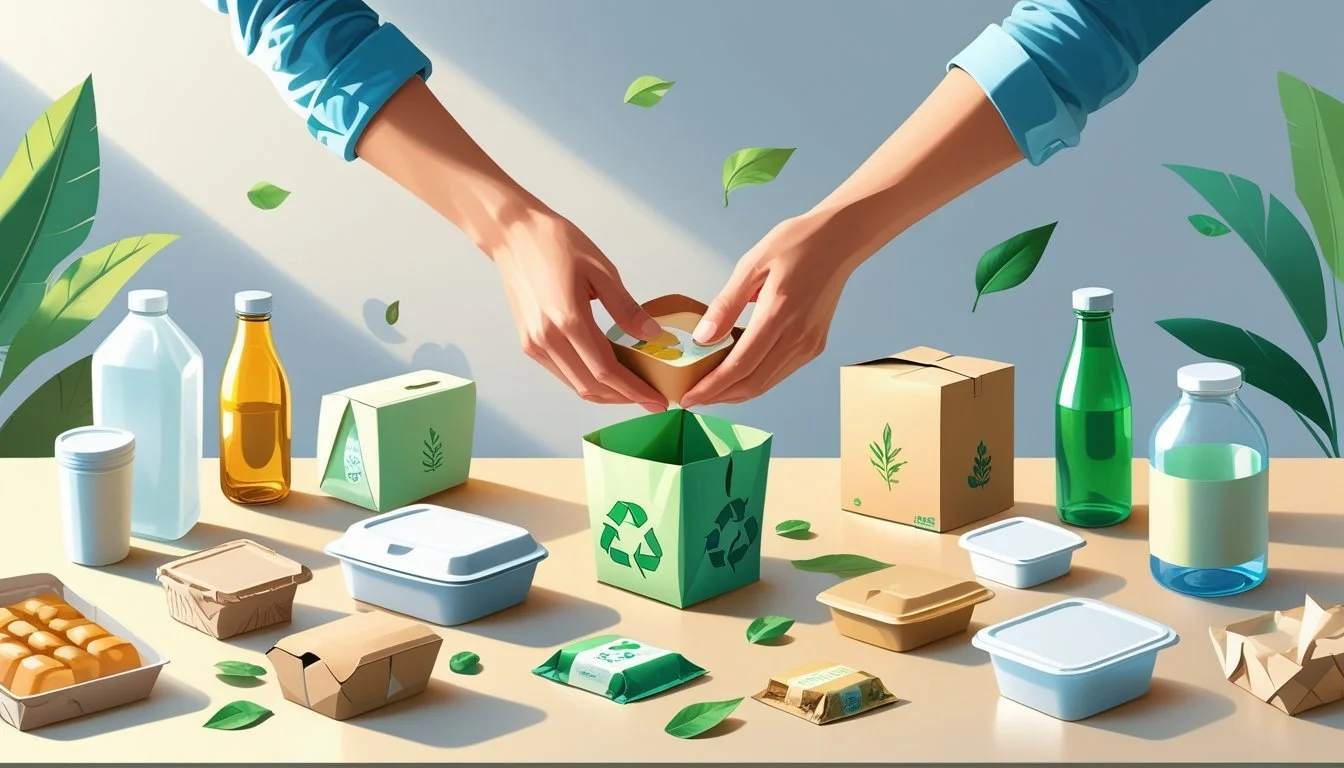
Manufacturers, retailers, and regulators are rethinking packaging choices due to mounting evidence of environmental harm, waste management challenges, and consumer demand for safer materials. Substitution efforts are driven by targeted goals to minimize ecological footprint and address specific issues like food safety and plastic pollution.
Reducing Environmental Impact
Substitution in packaging materials is often motivated by the need to reduce lifecycle environmental impacts, such as greenhouse gas emissions and resource consumption. Many traditional plastics are produced using fossil fuels, leading to a high carbon footprint during manufacturing and distribution.
Materials like paperboard, biopolymers, and compostable films can often lower emissions across these stages if sourced and processed sustainably. Companies assess the total impacts using lifecycle analysis to identify points where alternative materials make a meaningful difference.
By switching to renewable or recycled content, organizations also reduce reliance on virgin resources. This approach aligns with corporate sustainability targets and international regulations aiming to lower industrial emissions and limit ecological degradation.
Improving Food Safety
The safety of food products is closely tied to packaging material choices. Certain plastics can leach harmful chemicals like bisphenol A (BPA) into food, especially under heat or long-term storage.
Manufacturers turn to alternatives such as glass, metal, or select biopolymers to reduce contamination risks. Recent innovations include nanomaterials and active packaging, which inhibit bacterial growth and improve the shelf life of perishable foods.
Safer packaging also helps maintain the sensory quality of food by offering better barriers to oxygen and moisture. Regulatory agencies increasingly monitor and restrict the use of potentially hazardous additives, compelling industry change.
Addressing Plastic Pollution
Plastic pollution is a prominent driver for substitution, particularly as single-use plastics accumulate in landfills and the environment. Food packaging is a large source of this waste, representing a significant share of the global plastic problem.
Switching to materials that are easier to recycle or compost is seen as a critical response. For example, edible films, molded fiber, and certain bioplastics break down more readily in natural environments than conventional plastics.
Government policies, such as bans on lightweight plastic bags and mandates for recycled content, are accelerating the shift. Table: Key Packaging Waste by Material
Material Degradability Typical End-of-Life Path PET Plastic Low Landfill, mechanical recycling Paperboard High Composting, recycling PLA Biopolymer Moderate Industrial composting
Supporting Circular Economy
A circular economy seeks to reduce waste and make the most of materials by designing for reuse, recycling, and regeneration. Substitution supports this model by prioritizing renewable or recycled feedstocks and designing packaging for easy recovery at end-of-life.
Initiatives such as reusable packaging systems and deposit-return schemes are expanding in the food sector. Manufacturers also design packaging that can be easily disassembled or recycled with existing infrastructure.
Clear labeling and standardized material choices support high recovery rates, while partnerships across the value chain enable closed-loop systems. This approach minimizes resource extraction and reduces both plastic waste and carbon footprint.
Alternative Packaging Materials and Solutions
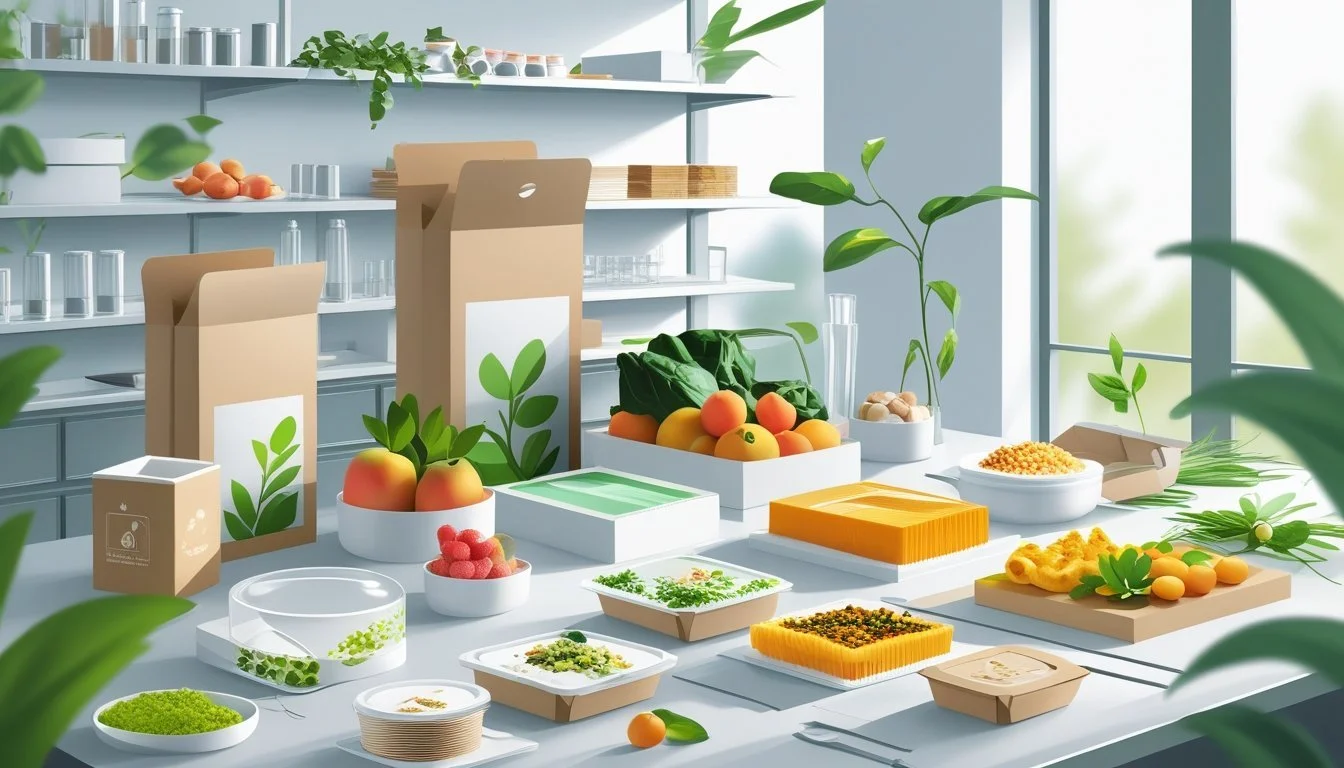
Innovative packaging options have emerged to address environmental issues caused by traditional plastic. Advances are shifting focus toward renewables, compostables, and closed-loop materials to reduce waste and dependence on fossil resources.
Biopolymers and Bioplastics
Biopolymers and bioplastics are steadily gaining ground as replacements for petroleum-based plastics. These materials are often created from renewable resources, such as corn, sugarcane, or cellulose.
Polylactic acid (PLA), a bioplastic derived from cornstarch or sugarcane, is commonly used in disposable cutlery and food containers. Other examples include polyhydroxyalkanoates (PHA), which are produced by bacterial fermentation of plant-based feedstocks.
A key feature of bioplastics is the ability to tailor their properties for specific packaging applications. However, not all bioplastics are biodegradable, and their end-of-life handling must be considered. Industrial composting systems may be required for optimal disposal.
Bio-Based and Plant-Based Materials
Bio-based and plant-based packaging materials are designed to replace conventional plastics with sustainable options. These materials are typically made from agricultural by-products or rapidly renewable resources.
Examples include bamboo, seaweed, and molded fiber from sugarcane bagasse. Bamboo packaging is valued for its strength and fast renewability, while seaweed is used in both edible and non-edible films.
Compared to petroleum-based plastics, plant-based options usually produce less residue and have a smaller carbon footprint. Companies are investing in scaling up production to increase adoption across various food industries.
Compostable and Biodegradable Packaging
Compostable packaging is engineered to break down fully into non-toxic components under specific composting conditions, often in industrial settings. Common compostable materials include PLA, bagasse, and certain types of paperboard coated with compostable films.
Biodegradable packaging refers more broadly to materials that break down by natural processes, though the timeframe and conditions can vary widely. Compostable options must meet strict standards, while biodegradable packaging may degrade in home or industrial environments.
A table outlining differences:
Feature Compostable Biodegradable Decomposition Time Short (weeks-months) Varies (weeks-years) End Product Nutrients/biomass CO₂, water, biomass Required Conditions Industrial/Home Compost Varies
Edible and Recyclable Materials
Edible packaging provides a zero-waste approach, allowing packaging to be consumed along with the food. Materials such as seaweed, rice, and potato starch form edible films or coatings for snacks, fruits, and prepared foods.
Recyclable packaging solutions focus on single-material designs or easily separable layers, simplifying the recycling process. Many bio-based plastics like polyethylene made from sugarcane are recyclable alongside traditional plastics.
Products are being developed that combine recyclable and renewable aspects, encouraging circular material flows. High recyclability depends on regional collection and processing capabilities, so infrastructure remains a key consideration.
Managing Environmental Impacts of Substitution
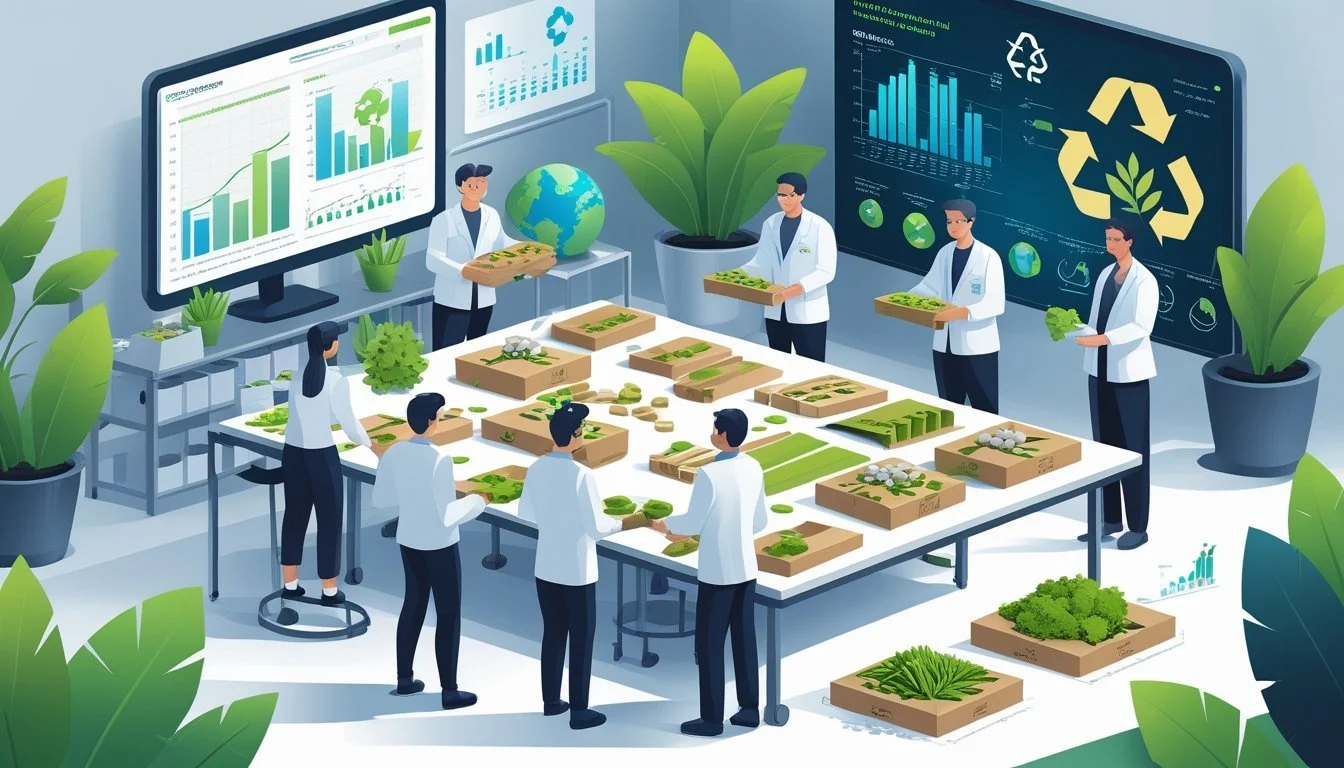
Substituting materials in food packaging can influence energy use, greenhouse gas emissions, and waste generation. Analyzing environmental performance requires looking at the entire product lifecycle and the potential for pollution, including microplastics.
Assessing Life Cycle Impact
A comprehensive assessment of new packaging materials considers the entire life cycle, from raw material extraction to end-of-life disposal. Life Cycle Assessment (LCA) helps quantify impacts such as carbon footprint, resource consumption, and pollutant emissions.
Material substitution often shifts environmental burdens. For instance, replacing conventional plastics with biodegradable options may reduce fossil fuel use but could increase water or land use.
It is important to compare functional performance alongside environmental metrics. A substitute that uses more material for the same product protection could generate more waste or higher emissions over its life cycle.
Use of LCAs allows companies to make informed decisions and ensure that substitutions provide genuine environmental benefits rather than shifting problems elsewhere.
Reducing Packaging Waste
Changes in packaging materials should directly address total packaging waste generated. Substituting single-use plastics with recyclable or compostable alternatives can help, but only if local waste management systems can process these materials.
Designing for source reduction—using less material per package—is often the most impactful step. For example, lightweighting packaging or optimizing the shape can cut down on waste without compromising food protection.
Some companies also use reusable packaging systems to further minimize waste. However, reuse models need careful evaluation; the environmental benefit depends on the number of reuse cycles and the efficiency of the reverse logistics system.
Implementation of eco-design principles aligns packaging design with circular economy goals, promoting recyclability and reduced landfill waste.
Plastic Usage and Microplastics
Substitution away from traditional plastics may reduce the long-term issue of microplastics and associated environmental pollution. Standard plastics can break down into small particles, contaminating soil, water, and food chains.
Alternative materials such as bioplastics or paper-based composites are less likely to generate persistent microplastics if managed properly at end-of-life. However, these substitutes must be carefully tested for comparable barrier and safety properties.
Plastic reduction strategies also focus on decreasing virgin plastic content and increasing the share of recycled material. This lowers the risk of plastic leakage into the environment and reduces overall greenhouse gas emissions associated with plastic production.
Monitoring and testing for microplastics in packaging and post-consumer waste streams is essential to understand the true environmental impact of substitution strategies.
Recycling and End-of-Life Considerations
Material choices in food packaging directly influence environmental impacts at disposal, especially through recycling pathways, chemical processes, and regulatory strategies. Close attention to recyclability and producer responsibilities can reduce waste and promote a more circular packaging economy.
Recyclability of Alternative Materials
Food packaging made from biobased and fiber-based alternatives offers benefits, but recyclability often depends on design and infrastructure. For instance, fiber-based packaging may include coatings or laminates for food resistance, but these barriers can hinder recycling efficiency in standard facilities.
Plastics derived from renewable sources, such as PLA, behave differently in recycling streams compared to conventional PET or HDPE. These differences can cause contamination or require separate collection systems. Users should evaluate local recycling guidelines and compatibility of new materials with current processes.
Table: Typical Recyclability of Alternative Packaging
Material Recyclability Key Challenges PLA Low in standard bins Melts at lower temps, contaminates streams Paperboard Moderate to high Coatings and food residue Bio-PET Comparable to PET Separation required
Clear labeling and standardized design help improve sorting and recycling rates, supporting better end-of-life outcomes.
Role of Chemical Recycling
Chemical recycling allows for the breakdown of complex or contaminated plastics into their original monomers. This process is especially important for multi-layer or mixed-material packaging that cannot be processed through standard mechanical recycling.
Although promising, chemical recycling remains limited by cost, scale, and technical barriers. The energy input is higher than that of conventional recycling, and not all polymers are compatible with current systems. Regulatory approval is also required for recycled outputs intended for direct food contact.
Some companies invest in chemical recycling to handle difficult streams, but collaboration across supply chains is needed to align design, collection, and end-processing for these materials.
Extended Producer Responsibility
Extended Producer Responsibility (EPR) assigns the responsibility of post-consumer packaging management to manufacturers. This approach incentivizes producers to design packaging that is easier to recycle, reduce unnecessary materials, and support collection systems.
Under EPR schemes, producers may fund recycling infrastructure or participate in returnable packaging programs. Well-designed EPR can drive innovation in packaging materials, leading to higher recycling rates and less landfill waste.
Key EPR mechanisms include:
Producer take-back programs
Eco-modulation fees based on recyclability
Mandatory recycling content standards
Careful integration of EPR principles encourages companies to consider the entire packaging life cycle, from raw materials through end-of-life recovery.
Functional Requirements in Food Packaging Substitution

Successful substitution in food packaging development requires meeting key functional criteria such as maintaining necessary barrier properties, ensuring food safety, and preserving the distinct roles of primary, secondary, and tertiary packaging. Any material change must address these needs to uphold product quality and regulatory compliance.
Barrier Properties and Food Preservation
Barrier properties are fundamental in food packaging, as they limit the transfer of gases, moisture, and light. Substitution efforts often focus on materials like biopolymers (e.g., PLA) or coatings (e.g., SiOx on PET) to match or exceed traditional plastics' performance. This is critical for products sensitive to oxygen or humidity, such as dairy or chilled foods.
Evaluating oxygen transmission rate (OTR), water vapor transmission rate (WVTR), and UV resistance is essential. Ineffective barrier qualities may cause spoilage, off-flavors, or loss of texture. Specialized multilayer structures or coated films are used to enhance performance, preserving food freshness over intended shelf life.
Ensuring Safety and Risk Management
Food packaging substitutions must demonstrate that new materials do not create safety risks. All materials need to comply with regulations regarding food contact and migration levels. Testing for potential contaminants and ensuring functional barriers are in place when using recycled or novel materials is essential.
Risk management protocols assess changes to packaging and production lines. Any switch to alternative substrates, including bioplastics or recycled content, requires a documented assessment of physical, chemical, and microbial risks. Barriers in multilayer packaging often serve as critical control points to prevent contamination and meet food safety standards.
Primary, Secondary, and Tertiary Packaging
Each packaging level—primary, secondary, and tertiary—has unique requirements in substitution scenarios:
Primary packaging directly contacts food, so its barrier and safety functions are critical.
Secondary packaging groups primary packages and may focus on communication, branding, or additional protection.
Tertiary packaging facilitates bulk handling and logistics, with emphasis on mechanical strength and transport safety.
Material substitution should support the functional roles at each level. For example, lightweight trays made from mono-materials must protect contents while allowing recycling, and new secondary cartons may need to withstand automated packing systems. Selection must be tailored to application needs, not just material properties.
Market Drivers and Consumer Influence
Substitution in food packaging is shaped by evolving market forces and informed consumer preferences. Changes in demand, heightened awareness, and concerns about waste are directly affecting decisions within the packaging sector.
Shifting Market Demand
Market demand for alternative packaging materials is increasing, especially as sustainability becomes a central issue. Food and beverage companies are adjusting product lines to incorporate recyclable, compostable, or reusable solutions.
Rising regulatory pressures and shifting retailer requirements are accelerating this shift. For example, some supermarket chains now specify minimum recyclable content in packaging to align with consumer expectations.
Price and perceived quality remain important drivers in packaging selection. However, growing sensitivity to environmental impact is steadily influencing purchasing decisions across different markets.
Businesses are also looking at producer responsibility and supply chain transparency to meet new standards.
Consumer Awareness and Choice
Consumers are making more informed choices about packaging, valuing transparency in sourcing and manufacturing. Public education campaigns and labeling efforts promote understanding of materials, disposal methods, and the direct links to environmental benefits.
Awareness of issues like microplastics, excessive packaging, and food contamination is affecting buying habits. Many consumers now look for eco-labels or packaging certifications when selecting products.
A study highlighted in recent research notes that hygiene concerns and the convenience of packaging return systems can still deter adoption of reusable packaging, underscoring the complexity of influencing behavior.
List of consumer-driven packaging preferences:
Biodegradable or compostable materials
Clear labeling of recyclability
Reduced use of single-use plastics
Minimalist or reduced packaging designs
Impact on Food System and Waste
Packaging choices significantly affect the food system by determining shelf life, transportation efficiency, and overall waste volumes. Switching to more sustainable packaging can help lower the environmental footprint of food supply chains.
Poorly chosen substitutes can lead to increased food spoilage or contamination, contributing to higher rates of food waste. Manufacturers must weigh the trade-offs between material properties, costs, and waste reduction.
Collaboration between regulators, industry, and consumers is required to balance packaging innovation with food security and environmental goals. The outcome affects the entire system from production to end-of-life disposal.
Challenges and Barriers to Substitution
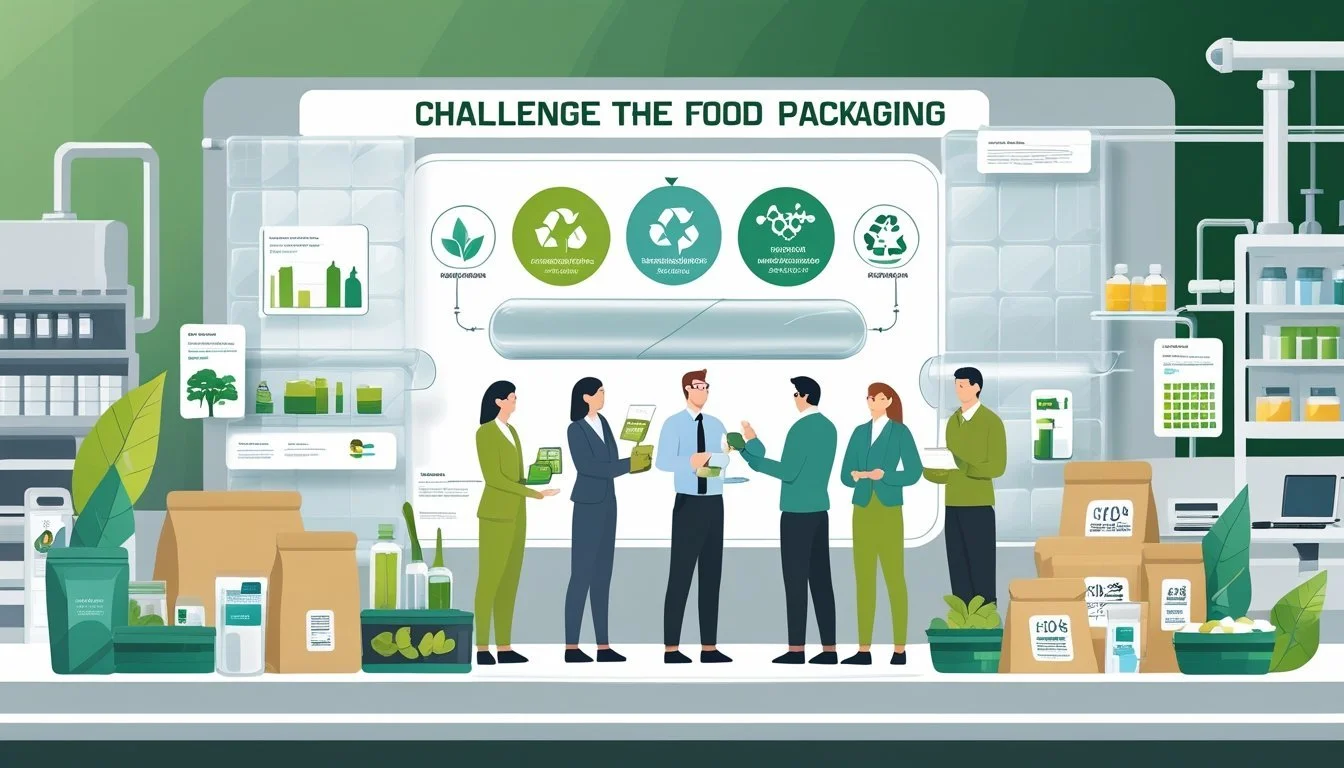
Substituting traditional food packaging materials involves balancing cost, functionality, safety, and changing regulations. Companies face complex decisions as they consider alternatives to conventional materials in a rapidly evolving market.
Cost and Supply Chain Factors
Substitution efforts often encounter higher costs for new materials and processes. Alternative packaging materials, such as bioplastics or recycled content, usually have higher production and procurement costs compared to established plastics.
Supply chain complexities can lead to delays or inconsistencies in obtaining critical materials. Limited availability of raw materials can disrupt manufacturing timelines and increase dependence on a smaller set of suppliers.
Companies may also face challenges integrating new materials into existing processing equipment. This can require retrofitting or new investments, further increasing costs. Unexpected supply chain risks, such as changes in logistics or unforeseen shortages, can impact business continuity.
Material Availability and Performance
The range of alternative packaging materials with acceptable performance is limited. Many viable replacements may not offer the same barrier protection, durability, or shelf-life extension as current plastics. This can lead to reduced food quality, higher spoilage rates, or increased packaging waste.
Some alternatives, such as multilayer flexible films made from renewable sources, provide only partial solutions. They may not be widely available or cost-competitive at scale. Switching materials could also increase package weight or volume, resulting in higher transportation emissions.
Food products have diverse requirements regarding protection from moisture, oxygen, and light. Matching these needs with the performance attributes of substitutes requires significant research and careful selection from a narrow set of options.
Potential Toxicity Concerns
Switching to new materials brings possible toxicity issues. Some bio-based or recycled materials could introduce unintended contaminants or create new chemical interactions with the food. Stakeholders must conduct comprehensive risk assessments to evaluate migration, stability, and possible leaching of hazardous substances.
Testing for toxicity can be resource-intensive and time-consuming. Small companies may lack the expertise or resources needed for in-depth toxicological review.
Regulations and scientific consensus on the safety of new materials may lag behind innovation. This increases uncertainty for manufacturers, who must still ensure consumer safety and maintain compliance with food safety standards.
Policy and Regulatory Changes
Governments and international bodies regularly update policies to address sustainability or food safety concerns. The absence of harmonized regulations, particularly concerning the use of substitutes and recycled content, can create confusion across supply chains.
Changes in labeling, recyclability requirements, or allowed substances may force sudden reformulation or repackaging, leading to increased costs. Regulatory approval processes for new materials are often slow, which can stall market entry and delay innovation.
Manufacturers operating in multiple regions must adapt to a patchwork of standards and approval processes. The lack of clear guidance on acceptable substitutes may discourage investment and slow the shift to more sustainable packaging.
Innovations and Future Directions
The field of food packaging development is rapidly evolving as new technologies and practices address safety, sustainability, and efficiency. Emphasis is placed on solutions that not only extend shelf life and improve food safety but also encourage industry-wide learning and ecological responsibility.
Smart and Active Packaging
Smart packaging integrates sensors and indicators that monitor properties such as temperature, freshness, and contamination. This technology helps ensure the safety and quality of food throughout the supply chain. QR codes and near-field communication (NFC) can also provide traceability and product information directly to consumers.
Active packaging interacts with the product or environment. Examples include oxygen scavengers and antimicrobial films that reduce spoilage and extend shelf life. These innovations minimize food waste by reacting dynamically to changes inside the package.
Industry adoption depends on both cost-effectiveness and regulatory compliance. Manufacturers are increasingly focused on developing scalable smart packaging materials that function reliably without introducing safety risks.
Collaborative Efforts and Data Sharing
Progress in packaging innovation often results from coordinated actions among manufacturers, regulatory agencies, and research institutions. Sharing data—such as migration studies and consumer behavior insights—can accelerate the development of new materials and technologies.
Joint projects and consortia help avoid duplicated efforts and establish common standards. For example, standardized testing protocols make it easier to evaluate the performance and safety of substitute materials. Collaborative platforms can also facilitate real-time updates on best practices.
Data sharing also allows for better tracking of packaging waste and material recovery. This fosters improvements in lifecycle assessments and resource use across the supply chain.
Workshops and Knowledge Exchange
Workshops play a vital role in the spread of new packaging technologies and safety protocols. These events bring together academic researchers, industry experts, and regulators for hands-on demonstrations and case studies.
Interactive sessions focus on practical troubleshooting and real-world applications. Participants can examine the performance of innovative films, test smart sensor capabilities, or compare sustainable substitutes. Feedback gathered in these sessions often informs the next phase of research.
Workshops also support ongoing professional development by disseminating the latest scientific findings. They enable rapid knowledge transfer and help organizations respond efficiently to new regulatory or technological challenges.
Trends in Sustainable Packaging Solutions
Sustainable packaging solutions are gaining traction as companies respond to environmental concerns and new regulations. Biodegradable materials derived from sources like seaweed, starch, and cellulose are replacing petroleum-based plastics.
Circular economy initiatives emphasize the use of recycled materials and encourage reuse or recovery at end-of-life. Certifications and labels now allow consumers to make informed choices regarding environmental impact.
Digitalization has led to better material tracking and waste reduction strategies. Investments in sustainability are increasingly seen as essential for long-term competitiveness and compliance within the global market.
Conclusion

The food packaging industry continues to shift toward environmentally responsible materials. Substitution processes now focus on integrating biodegradable and bio-based alternatives to traditional plastics.
These materials, often derived from renewable biomass, are designed to reduce long-term environmental impact. Yet, there are persistent challenges such as ensuring adequate mechanical strength and moisture resistance.
Manufacturers evaluate substitutions using several factors:
Criteria Significance Environmental Impact Lower pollution and waste Functional Performance Product protection Cost Efficiency Feasibility for scaling Regulatory Compliance Health and safety
Investment in research and rapid advances in eco-friendly polymers are expanding available options. Sustained innovation remains necessary for these solutions to compete with petroleum-based packaging on both performance and cost.
Industry, consumers, and policymakers play critical roles. Each group influences the pace of change by demanding, developing, or regulating new packaging solutions.

