
Substituting With Fermented Ingredients:
Enhancing Flavor and Nutrition in Recipes
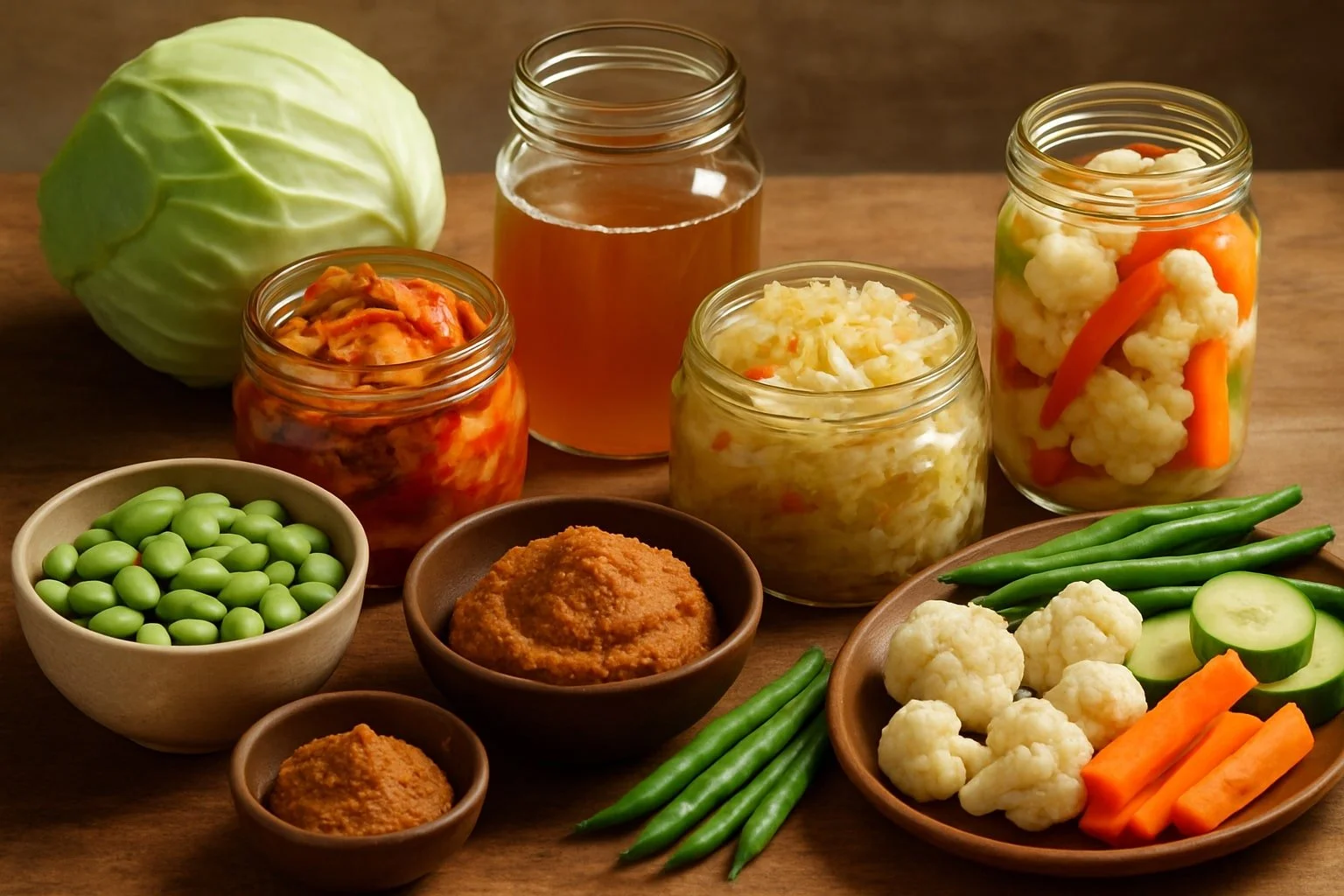
Fermented ingredients are becoming increasingly popular as substitutes in recipes, thanks to their unique flavors and health benefits. Using fermented foods like miso paste, buttermilk powder, or even sauerkraut brine can boost taste and add beneficial bacteria to a variety of dishes. These alternatives are not only practical when original ingredients aren't available but can also enhance recipes with subtle tanginess and depth.
Choosing the right fermented substitute depends on the flavor profile and texture a cook wants to achieve. For example, miso paste can stand in for fermented black beans, adding complexity to sauces and marinades. Buttermilk powder offers a creamy, tangy touch to baked goods, while brine from previous ferments can be swapped into recipes for added acidity.
Understanding Fermentation and Its Role in Ingredient Substitution
Fermentation is a controlled process that changes raw ingredients on a chemical and microbial level, giving rise to new flavors, textures, and enhanced shelf stability. Substituting with fermented ingredients requires clear knowledge of how they differ nutritionally and functionally from their unfermented counterparts.
Defining Fermentation
Fermentation is a biological process driven by microorganisms, such as bacteria, yeast, or molds. These microbes convert sugars and other organic compounds into products like acids, alcohols, and gases.
The primary outcomes of fermentation include the formation of lactic acid, ethanol, and carbon dioxide. For instance:
Lactic acid fermentation is common in yogurt and sauerkraut.
Ethanol fermentation is found in bread, beer, and wine production.
Fermentation can improve food preservation, modify taste, and enhance digestibility. The biochemical transformations often increase certain nutrients and create unique flavor profiles not present in raw ingredients.
Types of Microorganisms Used
Various microorganisms are responsible for fermentation, each contributing to the final product's character. Yeasts (such as Saccharomyces cerevisiae) are central to bread, beer, and some vinegar fermentations, producing carbon dioxide and ethanol.
Lactic acid bacteria (Lactobacillus, Streptococcus, Leuconostoc, etc.) are critical in making cheese, yogurt, kimchi, and pickles. They specialize in converting sugars into lactic acid, which lowers pH and preserves food.
Some fermentations use molds, like those in tempeh or certain cheeses, where they break down proteins and fats, altering texture and flavor. The chosen microorganism, along with temperature, time, and substrate, directly impacts the properties of the resulting fermented ingredient.
How the Fermentation Process Changes Foods
The fermentation process transforms foods both nutritionally and physically. Microbial metabolism can break down complex carbohydrates and proteins, making fermented foods easier to digest for some people.
Nutritional changes: Levels of B vitamins, bioactive peptides, and other nutrients often increase. Some anti-nutrients may be reduced or eliminated.
Flavor and texture: Acids, ethanol, and other compounds enhance flavors, increase tanginess, and contribute to food stability.
Functional properties: Fermentation can prolong shelf life and improve safety by outcompeting spoilage organisms or pathogens.
When substituting with fermented ingredients, bakers, cooks, or product formulators must account for these changes, as they can alter not just taste, but also behavior in recipes.
Benefits of Substituting With Fermented Ingredients
Substituting with fermented ingredients can change the nutrient profile, bring beneficial microbes into the diet, and create new flavors. Using these ingredients in place of non-fermented options also supports digestive health and adds depth to meals.
Enhanced Nutritional Value
Fermented foods often provide greater nutritional value compared to their unfermented versions. The fermentation process can increase the availability and absorption of certain vitamins, such as B vitamins and vitamin K. Microbes involved in fermentation break down compounds that inhibit nutrient absorption, like phytic acid found in grains and legumes.
Table: Nutritional Differences
Nutrient Unfermented Fermented Vitamin B12 Low Higher (kefir, tempeh) Vitamin K2 Absent/minor Higher (natto) Mineral Absorption Often lower Improved
Fermentation may also add beneficial enzymes, making it easier for the body to digest the food. As a result, recipes using fermented products can deliver more nutrients per serving.
Probiotic and Functional Health Benefits
Many fermented foods contain probiotics—living beneficial bacteria such as lactobacillus and bifidobacteria. These microbes contribute to a balanced gut microbiome when consumed regularly. Eating fermented ingredients is associated with supporting digestive health and maintaining intestinal balance.
Probiotics can promote regularity, help produce short-chain fatty acids, and play a role in synthesizing certain vitamins (including some B vitamins). These bacteria may support the immune system and can help break down lactose and other complex compounds.
Lactic acid produced during fermentation can create an environment that discourages the growth of harmful bacteria. Foods like yogurt, kimchi, and sauerkraut are key sources of these probiotics.
Flavor Development
Fermentation produces unique flavor compounds that are not present in raw or unfermented foods. Lactic acid, acetic acid, and various esters and alcohols are generated, resulting in tangy, savory, and sometimes umami notes that can enhance the complexity of a dish.
Using fermented ingredients can introduce new sensory experiences into familiar recipes. For example, sourdough bread has a more complex taste than standard white bread due to lactic acid bacteria.
List: Flavor Effects of Common Fermented Ingredients
Sauerkraut: Tangy, slightly sour
Miso: Savory, umami
Kefir: Creamy, tart
Soy sauce: Salty, rich, umami
These flavor changes can help reduce the need for added salt or artificial flavor enhancers, making meals both tasty and satisfying.
Common Fermented Food Replacements in Recipes
Using fermented ingredients in place of standard components can add complex flavors, increase probiotics, and enhance the depth of a dish. Certain fermented foods reliably substitute for common items while also introducing beneficial acidity and tang.
Fermented Vegetables in Cooking
Fermented vegetables like sauerkraut, kimchi, and pickles add tangy notes and crunchy texture to recipes. They can replace raw or cooked vegetables to give salads, sandwiches, and noodle dishes a more robust flavor profile.
Chopped sauerkraut is a classic addition to potato salads or sausages, delivering both salt and acid. Kimchi, with its garlic and chili notes, works well in fried rice, tacos, and even as a pizza topping.
Pickled cucumbers can stand in for fresh cucumbers in cold dishes, giving extra depth. When using fermented vegetables, rinse lightly to adjust saltiness or tang as needed.
A quick reference for replacing standard vegetables:
Classic Ingredient Fermented Substitute Raw cabbage Sauerkraut Fresh cucumbers Pickles Shredded carrots Fermented carrots Sliced radish Kimchi or pickled radish
Replacing Vinegar With Fermented Alternatives
Vinegar is common in dressings, sauces, and marinades. Fermented alternatives like sauerkraut juice, kimchi brine, or pickle brine can replace vinegar, providing acidity while contributing unique flavor compounds from fermentation.
A typical swap is 1 tablespoon of vinegar = 1 tablespoon of brine from sauerkraut or pickles. Sauerkraut brine works well in potato salad or coleslaw dressings, while pickle brine adds a sharper flavor to tartar sauces or deviled eggs.
Brines from fermented vegetables often include extra seasonings, such as garlic cloves or dill. Adjust recipe salt and acidity to taste, since brines can be both stronger and more nuanced than plain vinegar.
When using brines, avoid heating them over high temperatures, as heat may dull the fermented notes and beneficial bacteria.
Acidity With Lemon Juice and Ferments
Lemon juice is valued for its bright, acidic taste in a range of dishes. Fermented foods like kimchi, sauerkraut liquid, or pickle brine can substitute for lemon juice by providing similar acidity and tang, paired with complex, savory undertones.
In recipes calling for fresh lemon juice—such as salad dressings or marinades—substitute with an equal measure of sauerkraut or pickle brine. Fermented brines work especially well where garlic cloves or herbal flavors are already present, as they amplify these tastes.
When using fermented substitutes for lemon juice in baking or desserts, select mild options such as a light brine, taking care not to overwhelm delicate flavors. Always taste and adjust quantities based on the strength and saltiness of the fermented ingredient.
Innovations in Fermentation Technology for Ingredient Substitution

Recent advancements in fermentation technology are making it possible to substitute conventional ingredients with more sustainable and functional alternatives. Key approaches include the use of precision fermentation, non-GMO applications, and the development of environmentally friendly ingredients that address both supply chain and consumer concerns.
Yeast Oils as Drop-In Replacements
Yeast oils produced through fermentation offer practical and sustainable alternatives to traditional oils like palm and coconut. These oils can be tailored for specific applications by modifying the yeast strain or adjusting the fermentation conditions. The result is a drop-in replacement—an ingredient that can be used in existing formulations without changes to texture, taste, or processing equipment.
Some yeast oils are already being produced at industrial scale, matching the performance of animal and plant-derived fats in products such as margarine, baked goods, and confectionery.
They also offer clear benefits in terms of supply security and lower land use compared to tropical oils. These features make them attractive options for companies seeking reliable, ethical, and scalable fat sources.
Comparison of Yeast Oils and Conventional Oils
Feature Yeast Oils Palm/Coconut Oils Source Fermented yeast Oil palm/coconut Land Required Low High Allergen Risk Very low Medium Customizability High Limited
Non-GMO Yeast Applications
Non-GMO yeast strains are being explored as versatile tools for ingredient production, appealing to brands and consumers concerned about genetically modified organisms. These yeast strains are used to create flavor enhancers, vitamins, and texturizing agents without recombinant DNA techniques.
Methods such as selective breeding and optimized culture conditions allow for enhanced productivity while meeting non-GMO certification requirements. Food makers are increasingly turning to non-GMO yeast-derived proteins and enzymes for use in clean-label products, where transparency and minimal processing are essential.
These applications expand the possibilities for ingredient substitution while maintaining consumer trust and fitting within strict regulatory frameworks in regions with tight GMO restrictions.
Nopalm Ingredients and Sustainable Alternatives
The push for sustainability has accelerated the innovation of nopalm ingredients, which substitute palm oil with alternatives made through precision fermentation. These ingredients reduce environmental pressures, such as deforestation and biodiversity loss, commonly associated with palm oil cultivation.
Nopalm products produced from microbial fermentation offer similar fat profiles and physical characteristics as palm oil, enabling seamless transition in processed foods and cosmetics. Their production is not limited by geography or climate, reducing supply chain risks and price volatility.
Sustainable alternatives extend beyond fats to include proteins, sweeteners, and emulsifiers, broadening the range of functional substitutes available. Companies utilizing nopalm and other fermentation-derived solutions are better positioned to meet sustainability targets and respond to evolving consumer expectations.
Impact of Fermentation on Sustainability and the Environment
Palm oil production is a major contributor to global deforestation, while the search for sustainable alternatives is reshaping ingredient sourcing. Issues such as price parity and distribution challenges also play significant roles in the widespread adoption of fermented substitutes.
Palm Oil Production and Deforestation
Palm oil covers about 40% of the world’s vegetable oil demand, with top producers including Indonesia and Malaysia. Its cultivation is closely tied to large-scale deforestation, as forests are cleared to make way for plantations.
This process destroys habitats, threatens biodiversity, and releases stored carbon from trees into the atmosphere, increasing greenhouse gas emissions. Deforestation linked to palm oil impacts endangered species like orangutans and tigers.
According to recent studies, unsustainable palm oil production remains a critical driver of land degradation and loss of ecosystem services. These environmental costs bring renewed focus to alternative, environmentally friendly ingredients.
Sustainable Palm Oil Alternatives
Fermentation offers a route to develop sustainable alternatives to conventional palm oil. Companies are using microbial fermentation to create oil substitutes from yeast, algae, or even waste agricultural products.
This approach requires less land and avoids deforestation, significantly reducing the risk of habitat destruction. Fermented oils can be produced closer to market, cutting transportation-related emissions.
Examples of fermentation-based oils include those made with Yarrowia lipolytica, a yeast capable of converting sugar into structured fats. This process can utilize local feedstocks and minimize reliance on tropical agriculture, improving overall sustainability.
Price Parity and Market Access
A key barrier with fermented palm oil alternatives is achieving price parity with conventional palm oil. Conventional palm oil is inexpensive due to economies of scale and established supply chains.
Fermented oils often have higher production costs, especially during initial scale-up. Investments in process optimization, infrastructure, and technology are required to lower these costs.
Market access is another challenge. Large-scale buyers may be hesitant to switch unless new oils are competitively priced and available in sufficient quantities. Ongoing improvements in yield and production efficiency are essential for fermented oils to compete at scale.
Popular Fermented Ingredients for Substitution
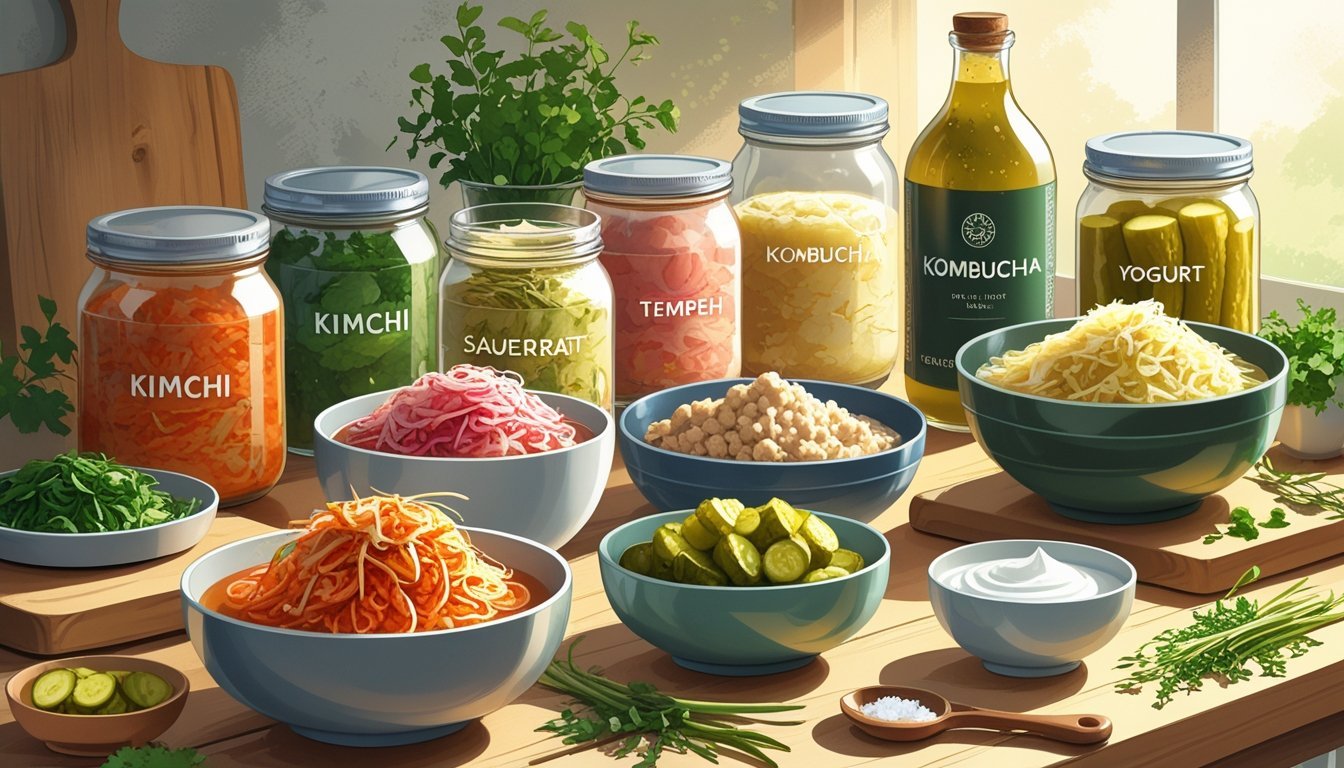
Fermented ingredients such as kefir, sauerkraut, kimchi, and various pickles offer unique flavors and textures that improve dishes while also serving as suitable replacements for traditional ingredients. They contribute probiotics and acids that can enhance palatability and provide functional benefits in recipes.
Using Kefir in Dairy-Free Recipes
Kefir is a fermented milk product with a tangy flavor and creamy texture. It works well as a substitute for buttermilk, yogurt, or even sour cream in recipes that require fermentation or acidity.
For dairy-free applications, water kefir or coconut milk kefir may be used. These versions provide probiotic benefits without dairy. Chefs often use kefir in pancakes, salad dressings, or smoothie bases. Its acidity helps create tender baked goods and can enhance marinades for meats or vegetables.
When using kefir, substitute it one-to-one for the dairy ingredient listed in a recipe. If a thicker texture is needed, strain kefir with cheesecloth to remove some whey. Its versatile character and availability make kefir a reliable choice in both sweet and savory dishes.
Application of Sauerkraut and Kimchi
Sauerkraut and kimchi are fermented vegetables primarily based on cabbage, but their unique seasonings set them apart. Sauerkraut offers a milder, tangy flavor, while kimchi is spicier and more robust. Both can be used as substitutes for slaws, pickled vegetables, or condiments.
They make excellent toppings for sandwiches, burgers, tacos, or grain bowls, providing crunch and acidity. Finely chopped, they can replace relish or pickled onions in many recipes. Both support gut health through live cultures.
When substituting, consider the saltiness and strong flavors; rinse or drain if needed to balance dishes. Use sauerkraut for milder pairings, and kimchi when bold spice is desired. Avoid adding extra salt at first, as both ingredients can be fairly salty.
Incorporating Pickles and Brines
Pickles include cucumbers and other vegetables preserved in brine or vinegar, sometimes with a fermentation period that introduces lactic acid bacteria. Pickled vegetables substitute well for fresh, raw, or cooked vegetables in sandwiches, salads, and charcuterie boards.
Brines from fermented pickles add tang and complexity to salad dressings, sauces, and marinades. Tables below show recommended substitutions:
Ingredient to Replace Fermented Alternative Notes Vinegar Fermented pickle brine Use equal parts Fresh cucumbers Sliced fermented pickles Adds acidity and crunch Green olives Fermented sour pickles For a sharper profile
Use the brines judiciously, as their salt content can affect taste. Experiment to balance acidity and seasoning in recipes. Pickles and their brine are practical options for enhancing savory dishes and reducing waste by reusing fermenting liquids.
Challenges and Considerations When Substituting With Fermented Ingredients

Using fermented ingredients such as those containing probiotic strains or lactobacilli offers new flavor and nutritional benefits but introduces technical and safety complexities. Careful formulation and management are necessary to ensure product consistency and consumer safety.
Texture and Flavor Adjustments
Substituting with fermented ingredients often changes both the texture and flavor profile of foods. Fermentation produces a wide range of metabolites—including organic acids, esters, and alcohols—that can enhance, but also overpower, key sensory attributes.
Balancing these metabolites is challenging. For example, introducing lactobacilli can lead to increased acidity that affects mouthfeel, while certain probiotic cultures may create subtle or strong flavors not present in the original recipe.
Texture can become softer or crumblier due to breakdown of plant proteins, which may require adjusting binders or starch levels in plant-based formulations. It's also essential to review ingredient compatibility, since fermented components can interact differently with gums or emulsifiers compared to their unfermented counterparts.
Food Safety and Storage
Fermented ingredients, particularly those containing live cultures such as probiotics, require strict temperature and humidity controls to maintain safety and viability. Contamination risks increase if conditions favor spoilage organisms rather than beneficial microbes like lactobacilli.
Shelf life may be shorter than with conventional ingredients, or may require special packaging to prevent oxygen and moisture ingress. Some products need refrigeration, limiting distribution and increasing costs.
Manufacturers must conduct careful microbial testing throughout processing. Proper labeling is also necessary to inform consumers of any allergen risks or live microorganism content. These safety measures help ensure regulatory compliance and maintain product integrity.