
The Ethics of Imitation Foods
Navigating Consumer Trust and Industry Responsibility
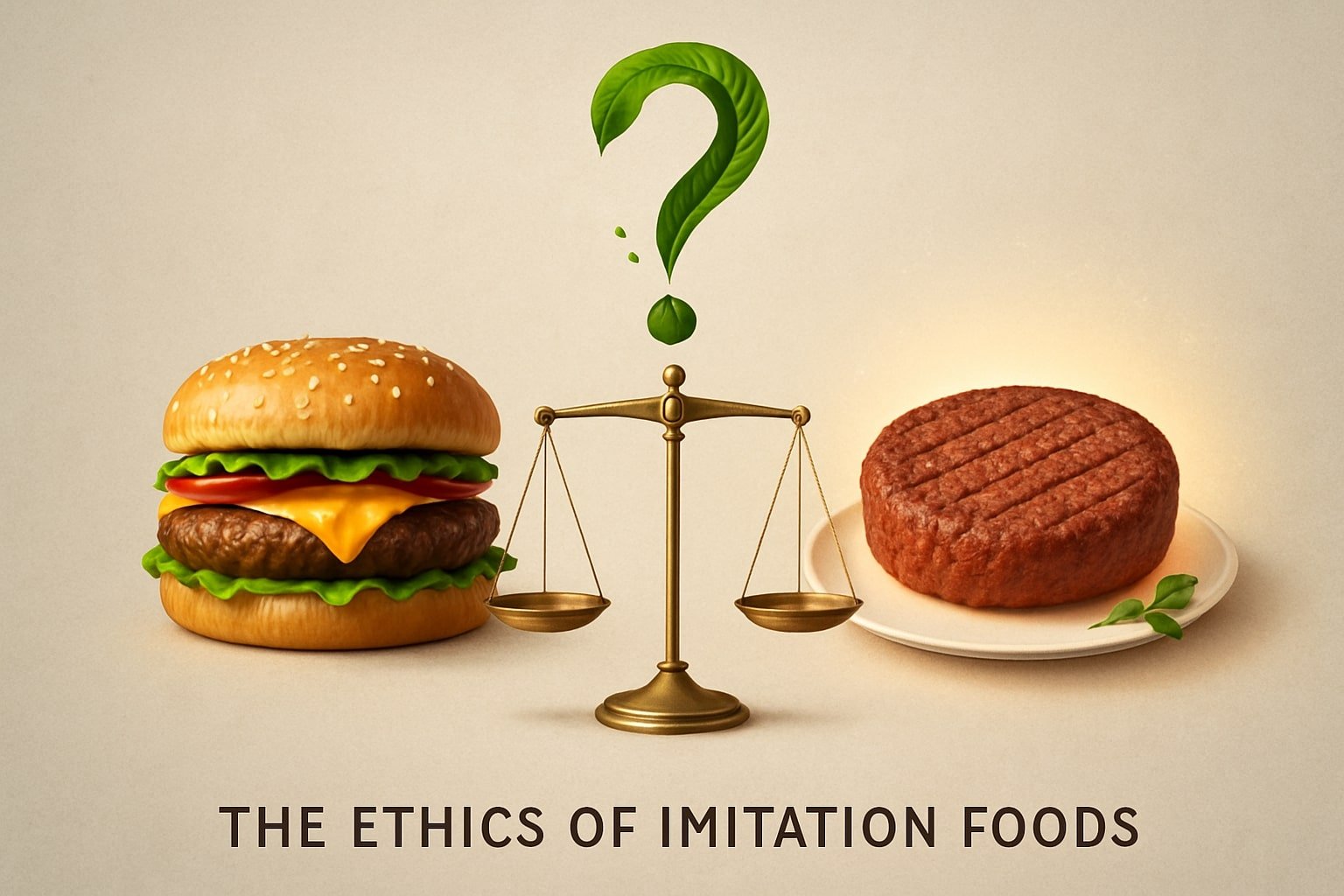
Imitation foods, especially alternatives to traditional meat, raise important ethical questions about health, the environment, and our responsibilities to animals. As these products become more common, they invite debate about whether simulating the sensory qualities of meat is a morally better choice compared to conventional animal products.
Some argue that imitation foods can reduce environmental harm and animal suffering, offering direct benefits that traditional agriculture cannot match. Others question if closely imitating meat is truly honest or necessary, and whether producing these foods fulfills ethical responsibilities or just creates new dilemmas.
As the food industry evolves, consumers and policymakers are increasingly called to consider not just what foods are eaten, but the ethical implications of why and how these foods are designed to imitate. The discussion surrounding imitation foods is complex, practical, and relevant to anyone who cares about what ends up on their plate.
Defining Imitation Foods
Imitation foods are designed to closely resemble traditional foods in appearance, taste, or texture, but they often use different ingredients or production methods. Understanding their types, origins, and key distinctions from conventional foods is essential for evaluating their role in modern diets.
Types and Categories of Imitation Foods
Imitation foods fall into several categories based on what they aim to replicate. Meat analogs such as plant-based burgers and sausages use ingredients like soy, pea protein, or mycoprotein to mimic animal flesh. Dairy alternatives—including imitation cheeses, milk, and yogurts—use plant extracts such as almond, oat, or soy.
Other common examples include imitation seafood made from konjac or jackfruit, and mock eggs produced from mung beans or chickpeas. These products are often labeled as "vegan," "plant-based," or "non-dairy." Some imitation foods are created for dietary preferences, while others address allergies or ethical considerations.
Category Common Ingredients Examples Meat Analogs Soy, pea, wheat protein Burger patties, nuggets Dairy Alternatives Almond, oat, soy Milk, cheese, yogurt Seafood Substitutes Konjac, jackfruit Crab sticks, fish fillets Egg Replacers Mung bean, chickpea Liquid eggs, scrambles
Historical Context of Food Imitation
Food imitation is not a new trend. In the early 1960s, products such as tofu and tempeh became popular meat substitutes, particularly in vegetarian and Eastern cuisines. These plant-based analogs provided affordable alternatives to animal products and became staple foods in many cultures.
Food shortages, economic factors, and religious practices have fueled the development of imitation foods for centuries. During wartime and in regions with scarce resources, substitutes like margarine for butter or soy meat for beef became widespread. These innovations were often driven by necessity rather than lifestyle choice.
Technological advancements and global trade have expanded both the variety and quality of imitation foods. Modern production techniques focus on replicating not just nutritional profiles but also the sensory experiences associated with traditional foods.
Comparison With Conventional Foods
Imitation foods differ from their conventional counterparts in composition, nutrition, and regulatory standards. While both can serve similar culinary roles, imitation foods use alternative sources to achieve comparable taste, texture, and appearance. Regulatory bodies often require imitation foods to be clearly labeled to prevent confusion among consumers.
Nutrition is a key point of comparison. Imitation foods may be lower in cholesterol or saturated fat but are sometimes higher in sodium or additives. Conventional foods, such as cow’s milk or animal-based meats, contain nutrients like heme iron or vitamin B12 that are not always present in plant-based replacements.
Ethical and environmental factors also set imitation foods apart. For many, these foods offer benefits such as reducing animal use or mitigating environmental impacts from livestock farming. However, not all imitation products are nutritionally equivalent or universally perceived as superior to the foods they replace.
Ethical Foundations of Food Imitation
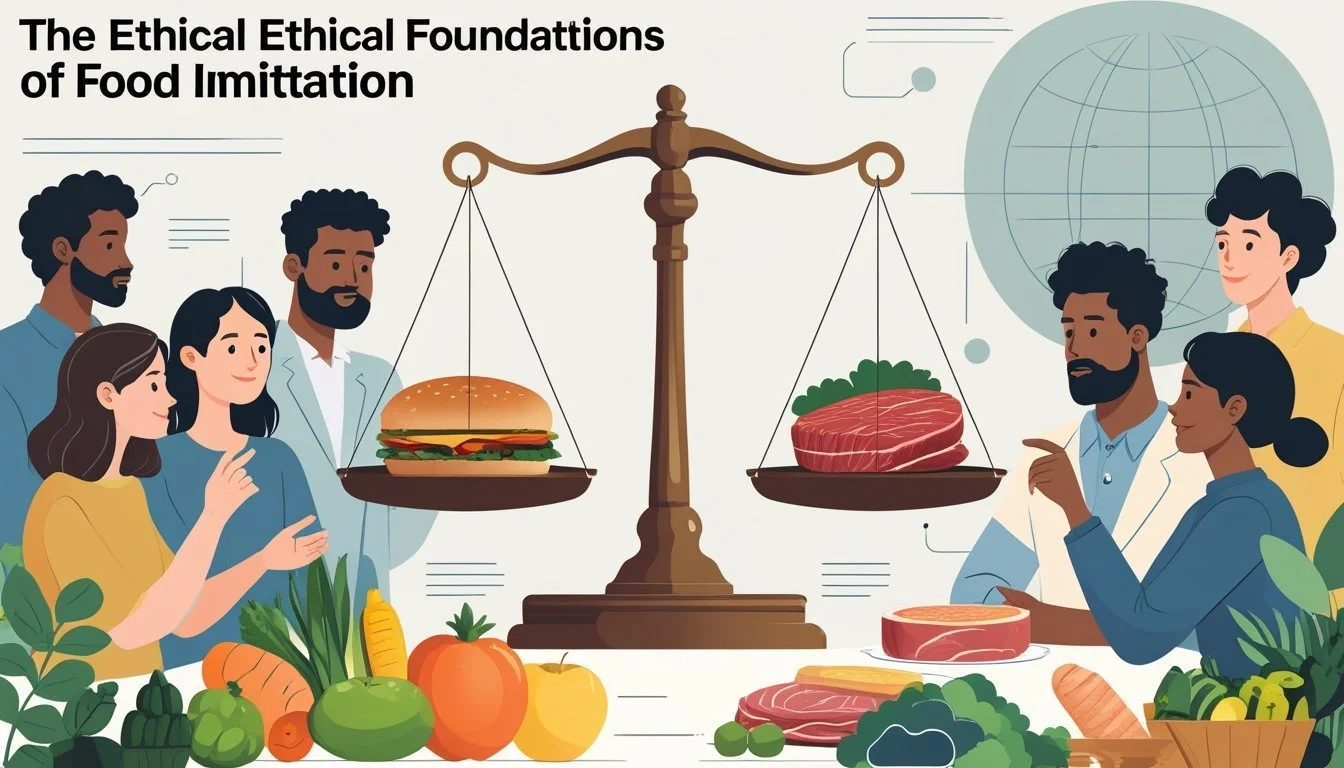
Food imitation prompts ethical debates that touch on animal welfare, environmental sustainability, and individual choice. These issues are shaped by how societies define moral responsibility, cultural authenticity, and the value of tradition in foods.
Moral Considerations in Food Production
Imitation foods, especially those designed as alternatives to animal-based products, directly address concerns about animal welfare and environmental impact. By replacing conventional meat with plant-based or cultured alternatives, producers seek to minimize harm to animals and reduce resource consumption.
Environmental studies highlight that many imitation foods have a lower carbon footprint than their animal-derived counterparts. Ethical concerns also involve food security and access, as imitation foods can be engineered for efficiency and affordability, potentially aiding populations facing food scarcity.
However, critics note issues such as ingredient sourcing, labor practices, and the potential for industrial monopolies in the alternative protein sector. Some question whether the focus on imitation distracts from promoting truly sustainable whole foods.
Philosophical Approaches to Food Ethics
Philosophers examine food imitation using different ethical frameworks. Consequentialist views often support imitation foods for their potential to decrease suffering and negative environmental effects. By reducing demand for animal agriculture, these products are seen as ethically preferable on utilitarian grounds.
Non-consequentialist perspectives, such as deontology, consider whether imitation itself might be morally questionable, regardless of positive outcomes. Some argue that imitating familiar foods could mislead consumers or compromise values of honesty and transparency.
Virtue ethics adds another dimension by considering the intentions behind food innovation. For some, creating foods that mimic meat reflects a commitment to compassion and environmental stewardship, while others see it as eroding food integrity.
Cultural Perspectives on Authenticity
Cultural attitudes toward imitation foods are shaped by notions of tradition, identity, and authenticity. In many societies, traditional foods carry symbolic significance that imitation products may lack. Authenticity is often linked to the use of traditional ingredients, techniques, and flavor profiles.
There is debate over whether imitation foods can be integrated into cultural and culinary practices without undermining heritage. Some consumers embrace imitation products for ethical or health reasons, while others view them with skepticism, perceiving them as artificial or disconnected from cultural roots.
Acceptance varies widely across regions and communities, often reflecting differing values about innovation versus preservation in food. The perception of authenticity has implications for labeling, marketing, and regulation of imitation foods globally.
Consumer Protection and Transparency
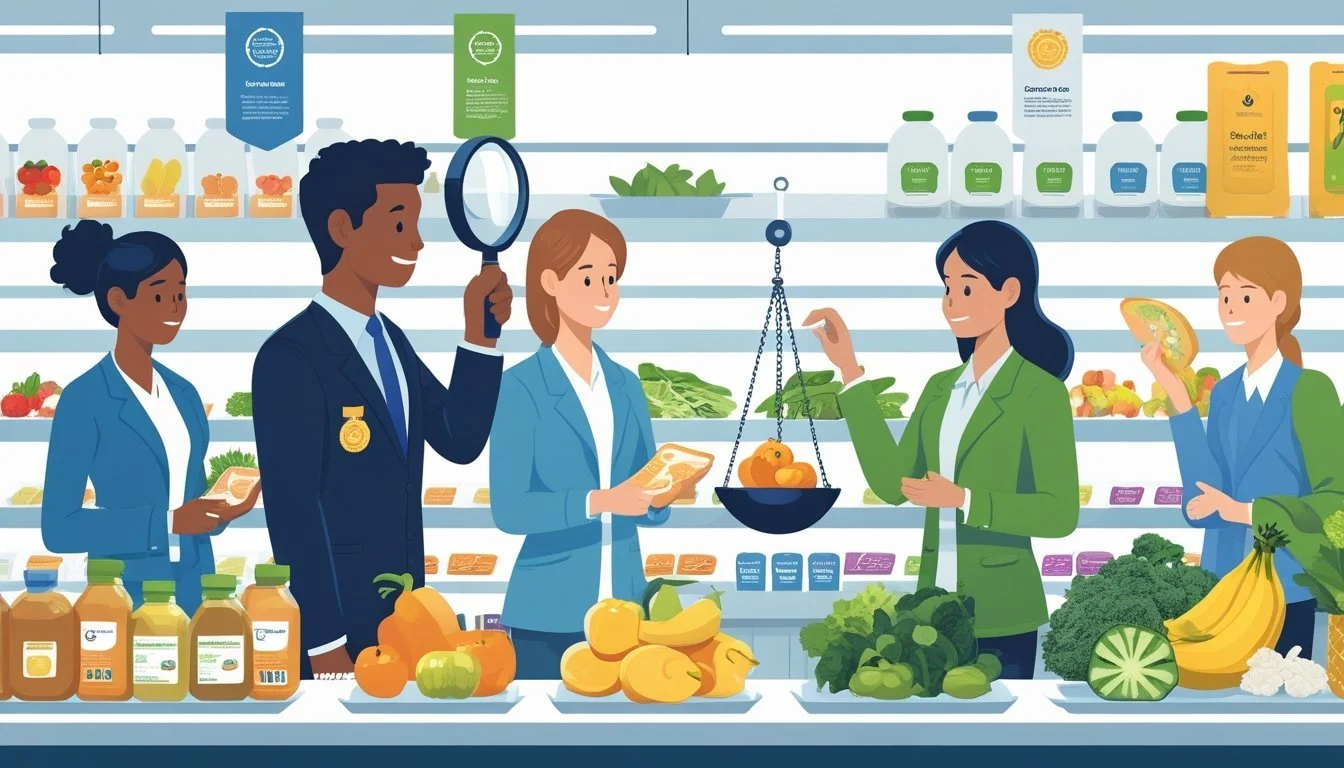
Clear and accurate representation of imitation foods is essential for maintaining consumer trust and supporting informed decision-making. Practical measures, including labeling standards, transparent marketing, and safeguards against deceptive practices, play a significant role in protecting consumers.
Labeling and Disclosure Standards
Labeling standards require companies to clearly indicate when a product is an imitation, especially when the ingredients or processing differ from the authentic version. For example, front-of-package labels must use names that make these differences obvious to consumers.
Transparent ingredient lists and allergen disclosures are necessary to help consumers with dietary restrictions or allergies. Regulations may also mandate additional information, such as country of origin or genetic modification status.
Table: Key Labeling Elements for Imitation Foods
Requirement Description Product Name Clarity Indicates food is an imitation Transparent Ingredients Lists all components, including additives Allergen Disclosure Identifies potential allergens Origin/Processing Info May include GMO or country of origin disclosures
Risk of Consumer Deception
Imitation foods carry a risk of confusing consumers, especially if packaging or names closely resemble established products. Visual similarities and ambiguous terminology may lead some buyers to unknowingly purchase alternatives instead of the original.
Some studies suggest that consumers expect clear distinctions between authentic and imitation foods. If those distinctions are blurred, trust in the brand or entire category may suffer. Regulators address these risks by setting requirements for how imitation products are displayed and described.
Deception is also a concern when imitation products do not disclose significant differences, such as nutritional content or allergen risks. Transparency measures are intended to reduce misunderstandings and potential harm.
Role of Marketing and Advertising
Marketing strategies for imitation foods often highlight similarities to popular products, sometimes using packaging, imagery, or advertising language that mimics originals. While this can help consumers find alternatives, it raises ethical questions if it obscures important differences.
Advertising regulations focus on preventing misleading claims about taste, health benefits, or nutritional equivalency. Authorities monitor for tactics that could confuse consumers, such as using side-by-side product comparisons without declaring differences clearly.
Best Practices
Present imitation foods honestly in marketing materials.
Avoid direct imitation of packaging and logos.
Highlight distinctions between the imitation and the authentic product.
Environmental and Sustainability Impacts
Imitation foods, especially plant-based meat alternatives, have been cited for reducing environmental strain through lower resource use and emissions. However, production methods and product lifecycles can present challenges for sustainability.
Resource Efficiency
Imitation foods typically require fewer natural resources than traditional animal agriculture. For example, plant-based burgers use significantly less land and water than beef per serving.
According to current data, animal agriculture consumes about 70% of agricultural land worldwide. In contrast, leading meat alternatives can use 47-99% less land.
Water use presents a similar contrast. Producing one kilogram of beef can require up to 15,000 liters of water, while plant-based equivalents often need less than 1,000 liters. These differences highlight why some researchers consider imitation foods more efficient regarding basic resource use.
Carbon Footprint and Emissions
Greenhouse gas emissions are an area where imitation foods show clear benefits compared to their animal-based counterparts. Livestock, especially cattle, are major sources of methane and other greenhouse gases.
For example, producing a plant-based burger can result in 80-90% fewer emissions than a beef burger, according to recent life-cycle assessments. Dairy alternatives also generate substantially less carbon dioxide equivalent per liter compared to cow’s milk.
However, the picture becomes less clear for ultra-processed mock meats and dairy, which can have a higher carbon footprint than minimally processed whole foods. Factors such as transportation, packaging, and the use of certain ingredients may affect the final emissions tally.
Waste Management Concerns
Imitation foods often involve industrial processing, leading to unique waste streams beyond those typical in animal agriculture. Manufacturing can generate packaging waste, industrial byproducts, and leftover ingredients.
Many plant-based products on the market rely on plastic-intensive single-use packaging. The logistics of collecting, sorting, and recycling this waste can create additional environmental burdens.
Furthermore, while food scraps from livestock production can sometimes be used as animal feed or fertilizer, byproducts from highly processed imitation foods are often not as easily repurposed. Producers and regulators face ongoing challenges in developing sustainable waste management solutions for this rapidly growing sector.
Health and Nutritional Considerations
Imitation foods are often developed to appeal to health-conscious and ethically motivated consumers, but their effects on nutrition and safety can vary widely. The following explores the differences in nutrient profiles and looks at potential risks related to ingredients and allergens.
Nutritional Content of Imitation Foods
Imitation foods such as plant-based meats and dairy alternatives often differ from their animal-based counterparts in macronutrient and micronutrient content. Many plant-based meats, for instance, are formulated to match the protein levels of real meat but may contain higher sodium and less iron or vitamin B12.
The table below summarizes common differences:
Nutrient Animal-Based Plant-Based Imitation Protein High Comparable Saturated Fat Higher Lower or Similar Sodium Lower Often Higher Iron Heme (high) Non-heme (lower) Vitamin B12 Present Often Absent
Some products are fortified to address these gaps, but not all brands add essential nutrients. Consumers should check labels for additives and fortifications to avoid missing out on key vitamins and minerals.
Food Safety and Allergen Risks
Imitation foods, especially those based on soy, wheat, or nuts, may introduce allergen concerns not present in the original foods. Soy and gluten, for example, are among the top eight allergens in many countries and can cause significant reactions.
Processing methods for imitation foods sometimes involve numerous additives, preservatives, and novel ingredients. These compounds can raise questions about tolerability for sensitive individuals and may bring unintended side effects.
Food safety regulations for novel ingredients vary between countries. It is important for consumers to review ingredient lists since cross-contamination can also occur during manufacturing, especially in facilities that process both allergenic and non-allergenic foods.
Economic and Social Implications

Imitation foods create shifts in how food is produced and distributed. These changes can have far-reaching effects on employment, access to food, and household spending.
Impact on Traditional Agriculture
Imitation foods, such as plant-based and cultured meats, challenge conventional farming by offering alternatives that do not rely on animal husbandry or large-scale crop production for livestock feed. This shift can impact the livelihoods of farmers, especially those specializing in animal agriculture, as demand for meat from slaughtered animals may decrease.
In regions where agriculture is a significant part of the economy, job losses in animal farming and related industries could arise. However, new opportunities may emerge in supply chains, research, and manufacturing for alternative proteins. Some agricultural sectors, like pulse and legume producers, could benefit from rising demand for key ingredients in imitation foods.
Economic adjustments may vary by region. For example:
Region Primary Impact Emerging Opportunities Midwest US Dairy, cattle industries Pea, soy farming Western Europe Pork and poultry sectors R&D, tech-driven farming
Local economies dependent on traditional livestock agriculture may face the greatest pressure to adapt.
Access and Affordability
Imitation food products often debut at higher prices than conventional options due to research, production technology, and lower initial scale. This can make them less accessible to lower-income consumers, especially where traditional animal proteins remain more affordable and familiar.
As production methods scale up and companies achieve greater efficiencies, costs are likely to fall. Increased competition usually leads to price decreases and wider availability in mainstream markets. Some producers focus on making plant-based foods available in public cafeterias, schools, and community programs.
Household spending patterns may change as consumers weigh the costs and perceived benefits of imitation foods. Price, taste, and cultural preferences play key roles in shaping overall accessibility.
Regulatory and Policy Challenges

Imitation foods face differing legal hurdles and definitions across regions. Regulatory inconsistencies pose challenges for both consumer transparency and international trade.
Legal Definitions and Standards
Imitation foods often occupy a vague spot in food law, particularly in the United States. Under Section 403(c) of the Food, Drug, and Cosmetic Act, any food that is an imitation of another must be labeled specifically as "imitation [name of food]." This aims to prevent consumer deception and ensure clear labeling.
However, the meaning of "imitation" can be unclear. Some products are nearly nutritionally identical to the foods they imitate, while others differ significantly. U.S. law mainly focuses on preventing confusion and maintaining honesty in marketing, rather than dictating what can or cannot be sold. Agencies like the FDA provide guidance but often struggle to keep up with rapidly evolving food technologies and trends.
Labeling requirements remain central. For example, the word "imitation" cannot be omitted unless the product is nutritionally equivalent and clearly named. These legal standards impact product naming, packaging, and even advertising.
International Perspectives on Regulation
Legal approaches to imitation foods vary widely. In the European Union, the General Product Safety Regulation (EU) 2023/988 addresses food-imitating products explicitly, carrying over rules from the older Directive 87/357/EEC. Article 6(f)(i) prohibits products that look like food but are inedible, to prevent accidental ingestion.
Countries in Asia and South America have their own standards. Some base definitions on ingredient sources, while others focus on manufacturing processes or target nutritional gaps. International trade can become complicated if one region's standards are stricter or more precise than another's.
Regulatory differences affect compliance strategies for multinational food companies. Companies must often adapt ingredients, labels, and marketing for each market, as there is no universal standard for imitation food regulation. These discrepancies can slow innovation and contribute to consumer confusion on a global scale.
Future of Imitation Foods
The future of imitation foods is shaped by advances in food technology and changes in consumer priorities. Ongoing research aims to improve the taste, texture, and nutritional profile of these products.
Key drivers of development include:
Environmental concerns
Ethics of animal welfare
Health considerations
As plant-based and cultivated meat alternatives become more refined, market competition is expected to increase. This may lead to lower prices and greater accessibility.
Aspect Potential Future Direction Ingredient Innovation Enhanced use of plants, fungi, and cells Processing Improved methods for texture and flavor Regulation Clearer labeling and safety standards
Imitation foods will likely face ongoing debates about their cultural acceptance and authenticity. Ethical discussions may expand as these products more closely mimic traditional foods.
Producers continue to address concerns about processing levels and potential health impacts. Market trends indicate that choices will broaden, giving consumers more options that align with their values.
Technological advances may also influence supply chains and reduce reliance on conventional animal agriculture. These shifts have the potential to affect both global food systems and local dietary habits.

