Alcohol and Drinking Laws in Panola County, Texas
A Comprehensive Overview

Alcohol and drinking laws vary by location, and in Panola County, Texas, these regulations reflect the state's approach to managing the sale and consumption of alcoholic beverages. Texas delegates considerable authority to counties and municipalities to control alcohol sales within their respective territories. In Panola County, which includes the city of Carthage and the community of Gary City, these laws determine where, when, and how alcohol may be purchased and consumed.
The Texas Alcoholic Beverage Commission (TABC) oversees the state's regulations, ensuring that individuals and businesses comply with the laws set forth in the Texas Alcoholic Beverage Code. Panola County adheres to these rules, with specific stipulations for its jurisdiction. For instance, within county limits, the sale of packaged liquor may be restricted, a common practice in several Texas counties aimed at limiting the availability of higher-alcohol content products.
For businesses and consumers alike, understanding these local regulations is crucial. Retailers must follow state laws concerning alcohol purchases for resale, which involves adhering to cash and credit law requirements. Meanwhile, individuals must be cognizant of the consequences of providing alcohol to minors, as Texas imposes strict liability on such actions. In summary, Panola County's alcohol and drinking laws serve as a framework for legal sales and responsible consumption within the Texas legal landscape.
History and Context of Alcohol Laws

Panola County's alcohol regulations are part of a complex legal framework that reflects Texas' unique historical stance on the sale and consumption of alcoholic beverages. The local laws align with state provisions, allowing for diverse regional control that impacts the sale of alcohol within its jurisdiction.
Origins of the Alcoholic Beverage Code
The Alcoholic Beverage Code in Texas has its roots in the post-Prohibition era. The state's original laws governing alcohol were established in the 1930s after Prohibition was repealed. These laws created a structured system for the production, distribution, and sale of alcoholic beverages that continues to evolve.
Dry vs. Wet Counties
In Texas, counties have the autonomy to determine their status as either "dry" or "wet":
Dry counties prohibit the sale of alcohol.
Wet counties permit alcohol sales under regulated conditions.
Panola County, like others in Texas, adheres to these designations, which are often decided through local-option elections. They allow communities to make decisions that reflect their preferences and values regarding alcohol sales and consumption.
Significant Amendments
Over time, significant amendments have been made to the Alcoholic Beverage Code. Texas legislation allows local elections to fine-tune alcohol laws, tailoring them to community standards. This might include:
On-premise beer and wine sales.
Off-premise beer and wine sales.
On-premise liquor sales.
Off-premise liquor sales.
These amendments ensure that the state's laws remain relevant and responsive to changing social and business environments, while maintaining control at the local level.
Overview of Alcohol Regulation
Alcohol regulation in Panola County, Texas is dictated by a complex interplay between state legislation and local governance. This section will focus on the nuances of these regulations as enforced by the Texas Alcoholic Beverage Commission, county-level authorities, and city governments.
Texas Alcoholic Beverage Commission (TABC)
The Texas Alcoholic Beverage Commission (TABC) is the primary state agency responsible for overseeing and enforcing the Texas laws and regulations pertaining to alcoholic beverages. It grants licenses and permits for alcohol sales and has set statewide policies to maintain community safety. The TABC’s regulations ensure that businesses comply with legal hours of operation and sales restrictions.
Licenses and Permits: Entities must obtain the appropriate license or permit from TABC to sell or distribute alcoholic beverages.
County-Level Authorities
In Panola County, local authorities hold the power to implement and modify alcohol regulations beyond the state's mandates through local-option elections. The sale of packaged liquor is prohibited in unincorporated areas of the county; however, businesses may sell packaged beer and wine under certain conditions.
Sales Timeframe:
Beer and wine: Noon to midnight on Sundays
7:00 a.m. to midnight, Monday through Friday
7:00 a.m. to 1:00 a.m. on Saturday
Involvement of City Governments
City governments within Panola County may influence alcohol regulation through local-option elections that allow communities to decide the types of alcoholic beverages permitted for sale and the methods by which they can be sold. Each individual city can shape its alcohol policies, which can lead to variations in alcohol regulations across different cities within the same county.
Local Elections: Cities may hold elections to determine specific alcohol policies that impact business operations within their jurisdiction.
Licensing and Permits
In Panola County, Texas, the rules for licensing and permits for alcoholic beverage businesses are informed by Texas state law and overseen by the Texas Alcoholic Beverage Commission (TABC).
Types of Licenses and Permits
Texas offers a variety of licenses and permits for the sale of alcoholic beverages. Businesses must obtain the correct type of license or permit to legally sell alcohol within the state. The most common license types include:
Mixed Beverage Permit: Allows the sale of spirits, beer, and wine.
Private Club Permit: Issued to private clubs for the sale of alcoholic beverages to members.
Beer and Wine Permit: Permits the sale of beer and wine, excluding distilled spirits.
Licensing Process
To obtain a license or permit, businesses must:
Ensure the chosen license or permit is available in their area of operation.
Create an account in the Alcohol Industry Management System (AIMS).
Complete the required application within AIMS.
Each application is subject to the rules set forth by the Texas Alcoholic Beverage Code, which mandates compliance with various state regulations.
Special Provisions for Panola County
Panola County, Texas, has specific regulations that businesses must adhere to, including restrictions on the sale of packaged liquor in unincorporated areas. These regulations are:
No sale of packaged liquor is permitted outside of municipal bounds.
Hours of sale may vary for liquor stores, gas stations, and supermarkets.
Businesses are required to comply with these local provisions in addition to state laws to maintain their licenses and permits for the sale and distribution of alcoholic beverages.
Operating Hours and Sales Restrictions
Understanding the operating hours and sales restrictions for alcohol in Panola County, Texas is crucial for both business owners and consumers. The laws dictate specific times during which alcoholic beverages can be sold, varying on weekdays and weekends, and observing Sunday-specific regulations known as Blue Laws.
Weekday and Weekend Sales
In Panola County, the sale of packaged beer and wine is allowed from 7:00 a.m. to midnight, Monday through Friday. On Saturday, the hours extend slightly, allowing sales from 7:00 a.m. until 1:00 a.m. the following Sunday morning.
For bars and restaurants where alcohol is consumed on-premises, sales follow similar patterns. They are allowed to sell alcoholic beverages within the same time frames during the weekdays and Saturdays. The end-of-week extension accommodates patrons staying out later on Saturday evenings.
Sunday Blue Laws
Sunday alcohol sales are subject to what are commonly called "Blue Laws," which traditionally restrict certain activities on Sundays due to historical religious influences. In Panola County, these laws impact the sale times for alcoholic beverages.
Packaged beer and wine may only be sold between noon and midnight on Sunday.
On-premises establishments have a bit more flexibility, with sales permitted from noon to midnight.
For locations offering a “Sunday Brunch,” sales can begin at 10:00 a.m., catering to the brunch crowd looking to enjoy alcoholic beverages earlier in the day.
Panola County's alcohol laws reflect a balance between regulating alcohol sales and providing ample opportunity for commerce in hospitality and retail settings. For both patrons and businesses alike, it’s vital to adhere to these restrictive hours to ensure compliance and avoid penalties.
Legal Drinking Age and Minor Regulations

In Panola County, Texas, the legal framework surrounding alcohol consumption enforces strict age limits and provisions for minors. Compliance with these laws is critical for both individuals and establishments.
Underage Drinking Laws
In Texas, the legal drinking age is set at 21 years. However, minors under that age are prohibited from attempting or purchasing alcohol. A minor is legally defined as an individual under the age of 21. They commit an offense if they engage in behavior that goes beyond mere preparation to obtain alcohol, with the intent to break the law.
Offenses by Minors:
Attempting to purchase alcohol
Consuming alcohol
Possession of alcohol
Adults other than parents or guardians can face liabilities if they knowingly provide alcohol to a minor or allow a minor to be served on their premises.
Guardian and Spouse Provisions
Texas law has specific provisions concerning minors consuming alcohol under the supervision of a guardian or spouse. A family member over the age of 18 must be present when the minor consumes alcohol. The guardian or spouse must be visibly present, thus legalizing the consumption in particular circumstances, like within the confines of a private home.
Legal Supervision Required:
Adult parent, guardian, or spouse over 18
Visible presence during consumption
It's important to note that these provisions do not grant a minor the right to purchase alcohol, nor do they allow public consumption outside of these defined situations.
Alcohol Consumption and Public Conduct
In Panola County, Texas, the laws governing alcohol consumption and public conduct are strict and clear-cut. Regulations address public intoxication, the possession of open containers in public spaces, and consumption in certain public areas.
Public Intoxication
Individuals in Panola County may face legal consequences if found to be publicly intoxicated. An individual is considered publicly intoxicated if they appear to be a danger to themselves or others due to alcohol consumption. This applies to all public areas, including streets and establishments, even if they don't have a license to serve alcohol. Local law enforcement vigilantly upholds these regulations to maintain public safety and order.
Location: Applies to all public places
Definition: Danger to oneself or others
Enforcement: Done by local law enforcement
Open Container Regulations
In Panola County, possession of an open container with alcoholic beverages in a public space is illegal. The term 'public space' extends to vehicles and the central business districts, where the regulations are most strictly enforced. Additionally, alcohol sales from liquor stores, gas stations, and supermarkets are tightly controlled, with specific hours for when alcohol sales are permitted.
Open Container: Illegal in public spaces
Vehicles: Also considered public spaces for open container laws
Sale Hours: Regulated for alcohol-related businesses
Enforcement and Violations

In Panola County, Texas, the enforcement of alcohol laws and the handling of violations are critical components of maintaining public safety. They involve systematic procedures for fines and convictions, and a defined role of law enforcement.
Fines and Convictions
When a business or individual fails to comply with the Texas Alcoholic Beverage Code, they may face administrative violations, such as improper advertising or illicit relationships within the alcohol industry tiers. Upon conviction of such violations, the Texas Alcoholic Beverage Commission (TABC) may impose fines. For example, as of March 1, 2021, the TABC has adopted a new methodology for calculating penalty amounts. Specific to driving offenses related to alcohol, a conviction for driving while intoxicated (DWI) — such as operating a vehicle while intoxicated under Section 49.04 of the Texas Penal Code — can result in a Class B misdemeanor, leading to a minimum of 72 hours of confinement. Convictions can also affect the individual's driver's license, including suspensions or revocations.
Role of Law Enforcement
Law enforcement agencies in Panola County, including the local police and the TABC, are responsible for the enforcement of alcohol regulations. These agencies conduct investigations, ensure compliance with laws among vendors and consumers, and take necessary actions against violators. Officers can arrest individuals for DWI, which directly impacts their driving privileges. Additionally, law enforcement works collaboratively with administrative bodies to regulate the alcohol industry and prevent violations that may compromise public health and safety.
Special Events and Temporary Provisions
In Panola County, Texas, special events, festivals, and community gatherings that involve the sale or service of alcoholic beverages require adherence to specific regulations. Entities must secure the appropriate permits and licenses to ensure legal compliance.
Festivals and Community Gatherings
Panola County hosts a variety of festivals and community gatherings throughout the year, many of which may offer alcoholic beverages. Organizers of these events must obtain a temporary permit from the Texas Alcoholic Beverage Commission (TABC) to legally serve alcohol. This is crucial for events that are held at locations which do not have a permanent license to sell alcohol. The temporary event authorizations are designed to ensure that the sale and consumption of alcohol at these events are conducted responsibly and legally.
Caterer's Permits and Temporary Licenses
Caterers and event organizers in Panola County can apply for a caterer's permit or a temporary license if they wish to provide alcohol service at events. These permits are particularly useful for businesses that already hold a TABC-licensed premises and seek to extend their services to off-site events. Additionally, certain nonprofit organizations may be eligible for a temporary permit for fundraising activities. The temporary permits allow for the sale or service of alcoholic beverages at locations separate from the TABC-licensed premises for a specified duration, often coinciding with the event dates.
Entities seeking these permits must ensure that their applications align with TABC's outlined requirements, including the necessary fees, to avoid delays or legal complications.
For Festivals and Community Gatherings: Temporary permits must be secured.
For Catering Services: Caterer's permits are necessary for off-site events.
Alcohol Education and Training

Education and training programs are integral to maintaining compliance with Texas alcohol regulations. They play a critical role in the alcoholic beverage industry, ensuring that individuals and entities are well-versed in lawfully selling, serving, and distributing alcoholic beverages.
TABC Certification Programs
The Texas Alcoholic Beverage Commission (TABC) mandates specific certification programs for those seeking to work within the alcoholic beverage industry. These certification programs are designed to educate sellers and servers on responsible alcohol service, the legal aspects of alcohol sales, and public safety. A major benefit of these programs is that they can potentially mitigate penalties against the holder in case of alcohol law violations.
Certification courses may cover topics such as:
Checking IDs to prevent underage drinking
Understanding Texas alcohol laws and regulations
Intervening to prevent intoxication and alcohol-related incidents
Certification Process:
Complete a TABC-approved training course
Pass the certification examination
Keep the certification current by renewing as required
Host Responsibility Training
Host responsibility training focuses on establishments hosting events where alcohol is served. This specific type of training emphasizes the importance of hosts understanding their obligations and liabilities when serving alcohol at their venues. It delves into topics like:
Monitoring guest behavior for signs of overconsumption
Implementing strategies to reduce alcohol-related harms
Collaborating with local authorities and adhering to TABC rules
These training sessions are pivotal in encouraging safe alcohol consumption practices and fostering a safer drinking environment for patrons. They often highlight preventive measures and best practices that can help reduce alcohol-connected emergencies.
Regulatory Considerations for Businesses
Businesses in Panola County, Texas, must understand specific regulations for the sale and service of alcoholic beverages. Adherence to these laws is crucial for operational compliance and maintaining business licenses.
Compliance for Bars and Restaurants
Bars and restaurants are legally bound to obtain the appropriate licenses to serve alcoholic beverages. The Texas Alcoholic Beverage Code mandates this for all establishments. Furthermore, they must ensure their employees receive proper training, such as the Texas Alcoholic Beverage Commission (TABC) certification, to responsibly serve patrons. Specific hours of alcohol service are also regulated: service is permitted from noon to midnight on Sundays, from 7:00 a.m. to midnight, Monday through Friday, and from 7:00 a.m. to 1:00 a.m. on Saturdays.
Sales in Retail and Grocery
Retail and grocery stores engaged in the sale of alcohol must follow the state's Cash/Credit Law for purchasing alcohol for re-sale. They should ensure that sales transactions are conducted during state-regulated hours and that all employees handling transactions comply with Texas law. The permanent law allowing alcohol-to-go sales now enables customers to purchase alcoholic beverages for consumption off-premises, which extends the sales opportunities for businesses within this industry.
Legal Repercussions and Remedies
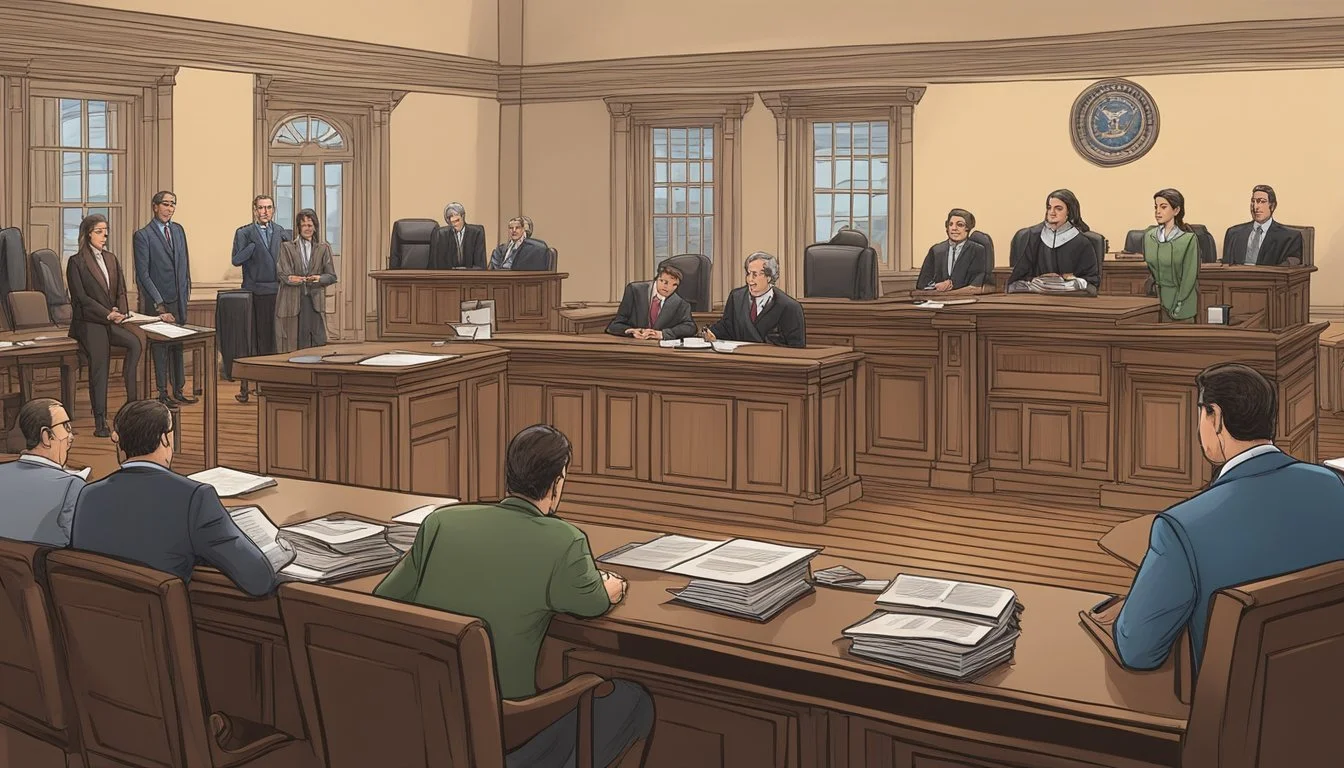
In Panola County, Texas, noncompliance with state alcohol laws can lead to serious legal consequences and various remedies are provided through the court system to address such violations.
Dealing with Violations
Violations of alcohol laws in Panola County can result in civil penalties or criminal charges, depending on the severity of the offense. Entities that operate without a proper license or sell alcohol during prohibited hours could face fines or suspension of their alcohol sales permissions. Individuals who sell alcohol to minors or are involved in DUI offenses may face harsher penalties, including incarceration.
Civil Penalties: Fine amounts can vary, often depending on whether it is a first-time or repeat offense.
Criminal Charges: May include jail time and are typically pursued in more severe cases.
Court Processes and Legal Support
When an alcohol law violation occurs, the case is often heard in a court that has jurisdiction over such matters in Panola County. The court process will adhere to state law regarding alcohol-related offenses. Available legal support may include public defenders for those unable to afford private counsel.
Court Hearings: Involve the presentation of evidence, witness testimonies, and legal arguments.
Legal Support: Defendants are entitled to representation, and Panola County provides resources for those seeking legal assistance.
Entities and individuals are expected to be aware of and adhere to the rules set forth by Texas law. Legal repercussions serve as a deterrent and a means of upholding the regulations designed to promote community safety and order.
Future Changes and Legislative Outlook

In Panola County, Texas, the landscape of alcohol and drinking laws is poised for transformation, with strategic amendments to state legislation and pivotal discussions at the Texas Alcoholic Beverage Commission (TABC) meetings charting the course for future regulations.
Projections for State Law Amendments
Legislative amendments to the Texas Alcoholic Beverage Code are evaluated periodically, with significant changes usually stemming from the legislative sessions. Considering the alterations instigated by the 88th Legislative Session, stakeholders anticipate further revisions that could modernize and streamline alcohol-related regulations. Experts predict that the next wave of amendments may focus on balancing regulatory control with economic growth, particularly because prior changes have left both retailers and consumers expectant of more accessible alcoholic beverage purchasing options.
Key Points to Watch:
Consumer Access: Legislation could expand on the ease of purchasing and delivery services for alcoholic beverages.
Licensee Regulations: Adjustments may address the complexities of licensing for sellers, potentially simplifying the process.
Health and Safety: Amendments will likely continue to prioritize public health and safety while accommodating the interests of businesses.
Impact of Commission Meetings
The outcomes of TABC commission meetings are crucial, as they not only reflect on past legislative changes but also foreshadow potential shifts in enforcement and interpretation of the laws. The recent Jan. 23 Commission Meeting highlighted this dynamic, with discussions on enforcement actions, community impacts, and the future direction of the Alcoholic Beverage Code. Whether through the formalization of guidelines or the consideration of public and industry sentiment, these meetings offer a glimpse into the regulatory future.
Areas Influenced by Commission Meetings:
Enforcement Tactics: Deliberations on how to effectively enforce the current laws while preparing for upcoming legislative changes.
Industry Feedback: The commission often integrates feedback from industry representatives that could influence future policies.
Public Health Concerns: Discussions may lead to new initiatives focused on responsible consumption and addressing public health trends related to alcohol use.
By keeping a close eye on the legislative sessions and the TABC commission meetings, interested parties can gain insights into the evolving framework of alcohol laws in Texas.
Community Impact and Societal Issues
Panola County's efforts to address alcohol-related concerns reflect the significant impact that alcohol consumption can have on local communities. These initiatives underscore the multi-faceted nature of alcohol’s influence, ranging from economic considerations to social welfare and public health.
Effect on Local Economy
In Panola County, the regulation of alcohol sales and consumption is closely tied to the local economy. Efforts such as the "Sticker Shock" campaign—where warning stickers are placed on alcohol packages—to curb underage drinking can impact alcohol sales revenue but are often seen as a necessary measure to prevent long-term economic costs associated with alcohol misuse. The county has to balance the immediate financial benefits derived from alcohol sales against potential costs, such as law enforcement, healthcare expenses, and loss of productivity resulting from alcohol-related incidents.
Social Considerations
The societal issues around alcohol use in Panola County extend far beyond economics. Alcohol misuse is associated with a range of negative outcomes including increased aggression, violence, and detrimental effects on families. The community has a vested interest in preventing such outcomes, which is why public health strategies are employed. These strategies reflect a response to alarming statistics demonstrating rises in heavy drinking across various demographic groups, indicating a compelling need to address the broader societal impacts of alcohol. Volunteers and coalitions play a crucial role in fostering awareness and promoting healthier choices regarding alcohol consumption within Panola County.
Appendix of Counties and Special Rulings
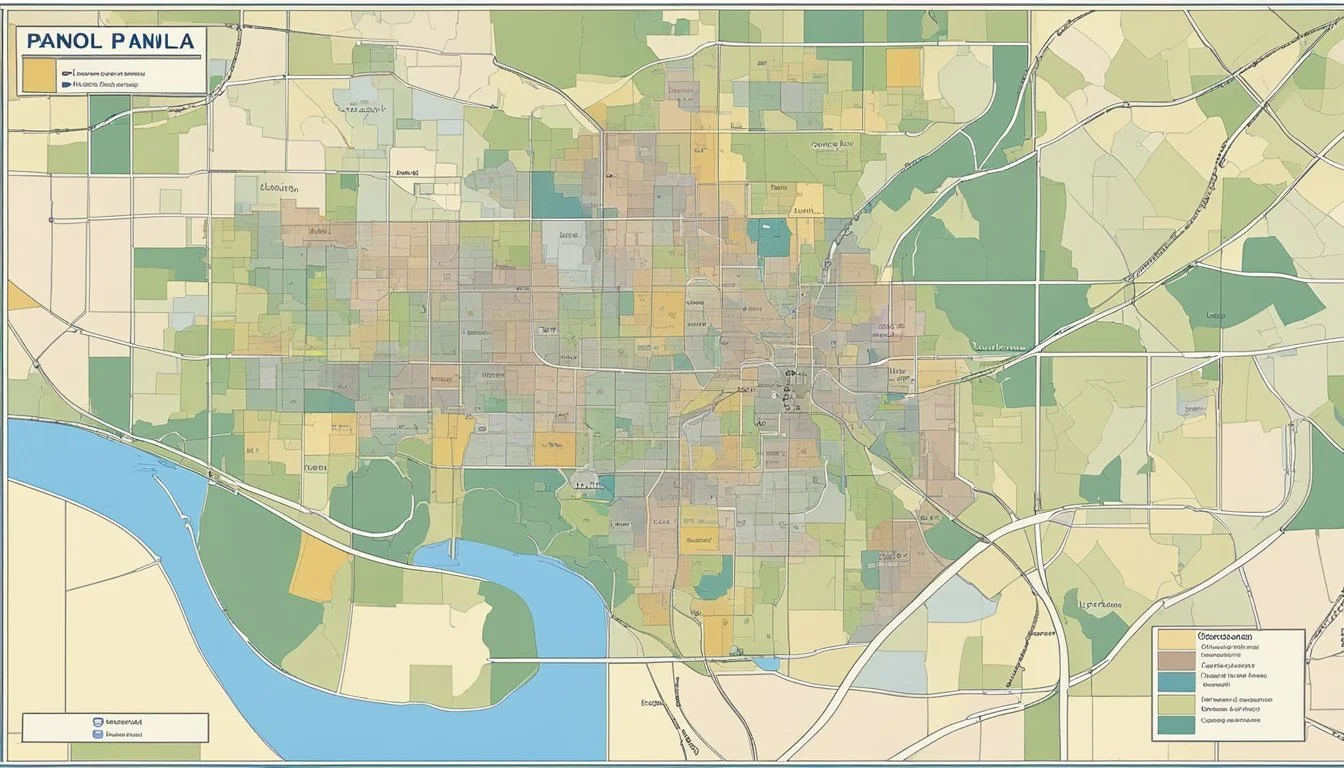
This section provides an overview of the varying alcohol laws across different counties in Texas. It includes information on those counties that are considered "dry", and the special rulings for counties with exceptions to general state alcohol laws.
Dry County Listings
In Texas, a "dry county" is one where the sale of alcohol is prohibited. Below is a list of counties that have such restrictions:
Aransas
Bexar
Culberson
Kent
These counties do not allow the sale of alcoholic beverages within their jurisdiction. Some may permit the sale of alcohol in private clubs or establishments, but general sales are prohibited.
Wet County Exceptions
Contrasting the dry counties, there are counties in Texas that have "wet" statuses but with certain exceptions. The table below outlines these counties:
County Special Rulings Brooks Sale of beer and wine for off-premises consumption only Goliad Mixed beverage in restaurants with food sales constituting more than 50 percent of gross receipts Guadalupe On-premises consumption only in certain areas Midland Sale of alcohol permitted within city limits; outside city limits is dry
It is important for residents and visitors to be aware of these special rulings since they determine the availability and type of alcoholic beverages that can be sold and consumed within these counties.