The Ultimate Guide to Making Breakfast Rye
Explore 10 Unique Recipe Inspirations

Rye has long been treasured for its distinctive taste and health benefits; it offers a hearty texture and a rich, tangy flavor that complements a variety of dishes. When it comes to breakfast, incorporating rye can transform the first meal of the day into a delightful and satisfying experience. Fueled by its popularity in traditional European cuisines, rye bread (What wine goes well with bread?) has secured its place at the breakfast table, offering a versatile base for both sweet and savory toppings.
Utilizing rye in breakfast recipes is not only about enjoying its unique flavor but also about benefiting from its nutritional profile. Rye is a whole grain, which is known to be richer in fibers, vitamins, and minerals compared to refined grains. It provides a steady source of energy, which is ideal for starting the day. For those looking to introduce rye into their breakfast routine, there is an array of creative recipes to explore that go beyond the classic sandwich or toast. These recipes span from simple no-knead rye breads that fill the kitchen with a pleasant aroma to elaborate dishes that incorporate rye flour into pancakes, waffles, or even pie crusts, proving that rye's versatility shines through in the morning menu.
Getting Started with Rye Bread
Embarking on the journey to master rye bread begins with a solid foundation of understanding its key ingredients and the techniques that bring out its best qualities. This section will guide readers through the essentials of rye bread, from the grain itself to the pivotal role of a sourdough starter.
Understanding Rye
Rye is a hearty grain known for its ability to thrive in harsher conditions than wheat. Its robust nature translates into a dense, flavorful bread that offers a departure from the lighter wheat-based loaves. When baking with rye, one must remember that it contains less gluten than wheat, which affects the bread's structure:
Whole Rye Flour: More nutritious with a darker color and intense flavor.
White Rye Flour: Milled from the center of the rye grain, yielding a lighter color and flavor.
Types of Rye Flour
Selecting the appropriate rye flour is vital to the success of the bread. It comes in various grades that each contribute a unique texture and taste to the finished loaf:
Light Rye Flour: Refined and sifted to remove bran and germ; ideal for a milder rye flavor.
Medium Rye Flour: A moderate level of bran and germ remaining; strikes a balance in flavor.
Dark Rye Flour or Pumpernickel Flour: Contains all of the bran, germ, and endosperm; produces a very dense and hearty bread.
The choice of rye flour has a direct impact on the dough's hydration levels, fermentation time, and eventual taste and texture of the rye bread.
The Role of Sourdough Starter
A sourdough starter is a mix of flour and water inhabited by wild yeast and bacteria. It's crucial when making rye bread for both leavening and flavor development:
Wild Yeast: Present in the sourdough starter, these organisms help the dough rise naturally.
Bacteria: Also in the sourdough starter, contribute to the bread's distinct sour taste.
A well-maintained starter ensures a strong rise and robust flavor in rye bread, particularly important due to rye flour’s lower gluten content. Traditional rye bread recipes often rely solely on sourdough starter for leavening, but some may include additional yeast to guarantee a good rise. The starter should be active and bubbly before use, generally achieved after a few days of regular feedings.
Preparing Your Dough

Crafting the perfect breakfast rye bread begins with diligent dough preparation. Mastery of this process will ensure a loaf with a delectable flavor and an ideal texture, setting the tone for the entire baking experience.
Measuring Ingredients
To achieve a consistent and high-quality bread, precise measurement of ingredients is crucial. One should use a digital scale for accuracy, as volume measurements can lead to variability. The typical breakfast rye will involve a blend of rye flour and bread flour to balance flavor and texture.
Flours: Typically a mix of rye and bread flour.
Liquids: Water or milk, measured in grams or milliliters.
Leavening Agents: Yeast or starter, monitored for activity level.
Salt: A critical ingredient for flavor and dough structure.
Mixing Techniques
The mixing stage develops the dough's gluten network, which will influence the bread's final crumb and structure. A stretch and fold technique can be used in place of intense kneading, which involves folding the dough over itself several times at intervals during bulk fermentation. This method is gentle on the dough and promotes a tender crumb.
First mix: Combine dry and wet ingredients until just incorporated.
Stretch and Fold: Perform every 30 minutes during fermentation.
The Importance of Hydration
Hydration significantly affects the dough's texture and the bread's final crumb. Rye breads tend to have a denser structure and may require a higher hydration level. A typical rye dough hydration ranges from 65% to 85%, depending on the desired texture. A wetter dough will contribute to a lighter, airier loaf.
65%-75% hydration for a denser crumb.
75%-85% hydration for a lighter, airier loaf.
Bulk Fermentation
Bulk fermentation is the period after mixing when the dough rests at room temperature to allow the yeast to ferment and the dough to rise. This is a pivotal step in bread making, as it directly impacts the bread's flavor and texture. The dough should roughly double in size, and the process typically lasts from 1 to 4 hours depending on the temperature and yeast activity.
Temperature: Bulk fermentation proceeds ideally at room temperature.
Duration: Lasts until the dough has roughly doubled in size.
By adhering to these precise steps in dough preparation, one will craft a breakfast rye with excellent flavor and texture. The care taken in measuring, mixing, hydrating, and fermenting will result in a loaf that is both delicious and satisfying.
Shaping and Baking
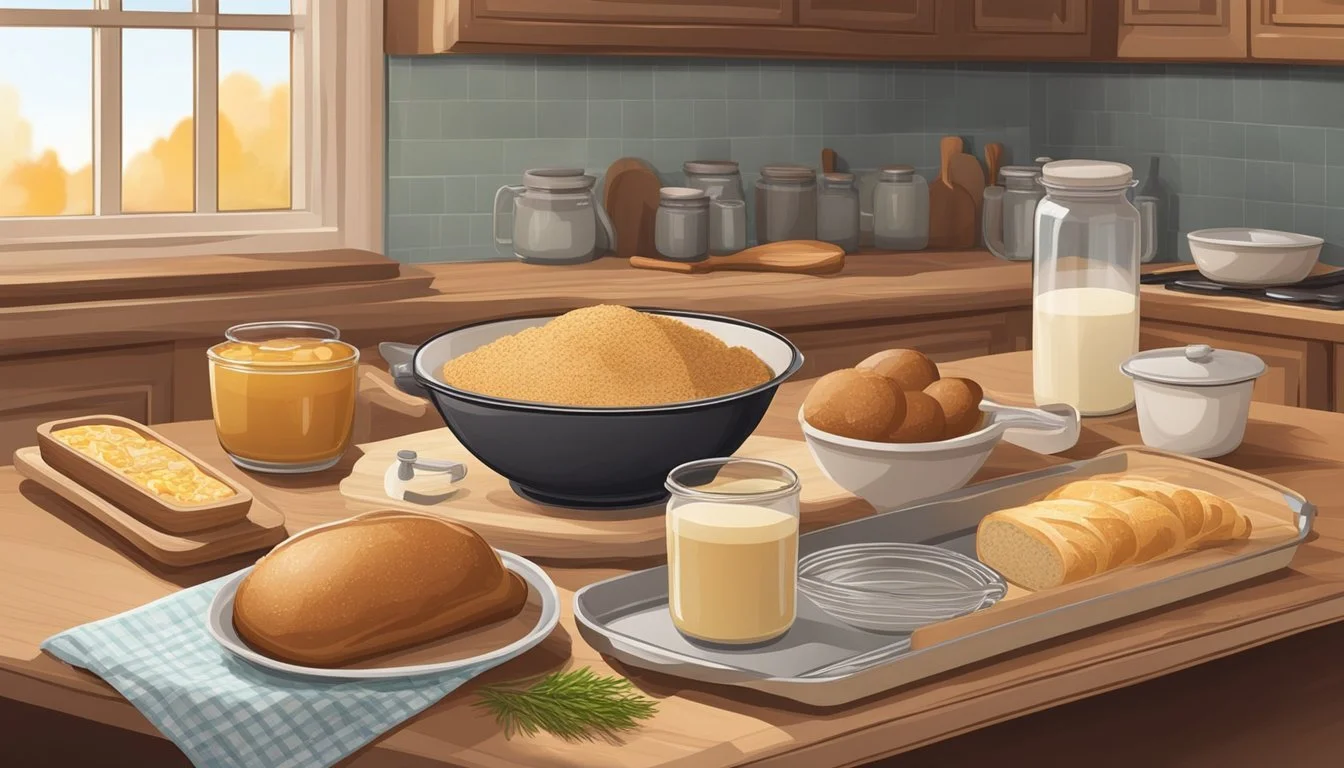
This section delves into the crucial stages of shaping your rye loaf, scoring the surface for controlled expansion, and employing the right baking method to achieve a perfect crust.
Shaping Your Loaf
The art of shaping begins with transferring the risen dough onto a floured surface. One should fold the dough onto itself to form a tight ball, creating tension but being careful not to deflate it. Shaping is more than aesthetics; it's essential for structural integrity and even baking. A baking sheet lined with parchment paper can be used to hold the shaped loaf before scoring.
Scoring with a Lame
Prior to baking, scoring with a sharp lame is vital for directing the dough's expansion in the oven. The baker makes shallow cuts on the loaf's surface, allowing it to open up predictably during the baking process. The depth of the score should be about 1/4 inch, done swiftly to avoid dragging the dough. This action isn't purely functional; it also adds an artisanal touch to the loaf's appearance.
Using a Dutch Oven
A Dutch oven is a preferred tool for baking rye bread due to its ability to mimic a professional oven's steam and heat retention, which are key for developing a thick and crispy crust. The loaf is carefully placed inside a preheated Dutch oven, and the lid is used to trap steam, ensuring an even rise and a well-developed crust. One can also use a combination of a baking sheet and a vessel of water to create steam if a Dutch oven is unavailable. After the initial baking period, the lid is removed, allowing the loaf to achieve a rich color. The bread should be transferred to a wire rack immediately after baking to prevent a soggy bottom and to allow the crust to stay crisp as it cools.
Flavor Variations and Add-Ins
Breakfast rye bread offers a canvas for an array of flavor additions, allowing one to tailor the bread to sweet or savory preferences. Incorporating different ingredients can transform the taste and texture of the rye bread, making each recipe unique.
Savory Combinations
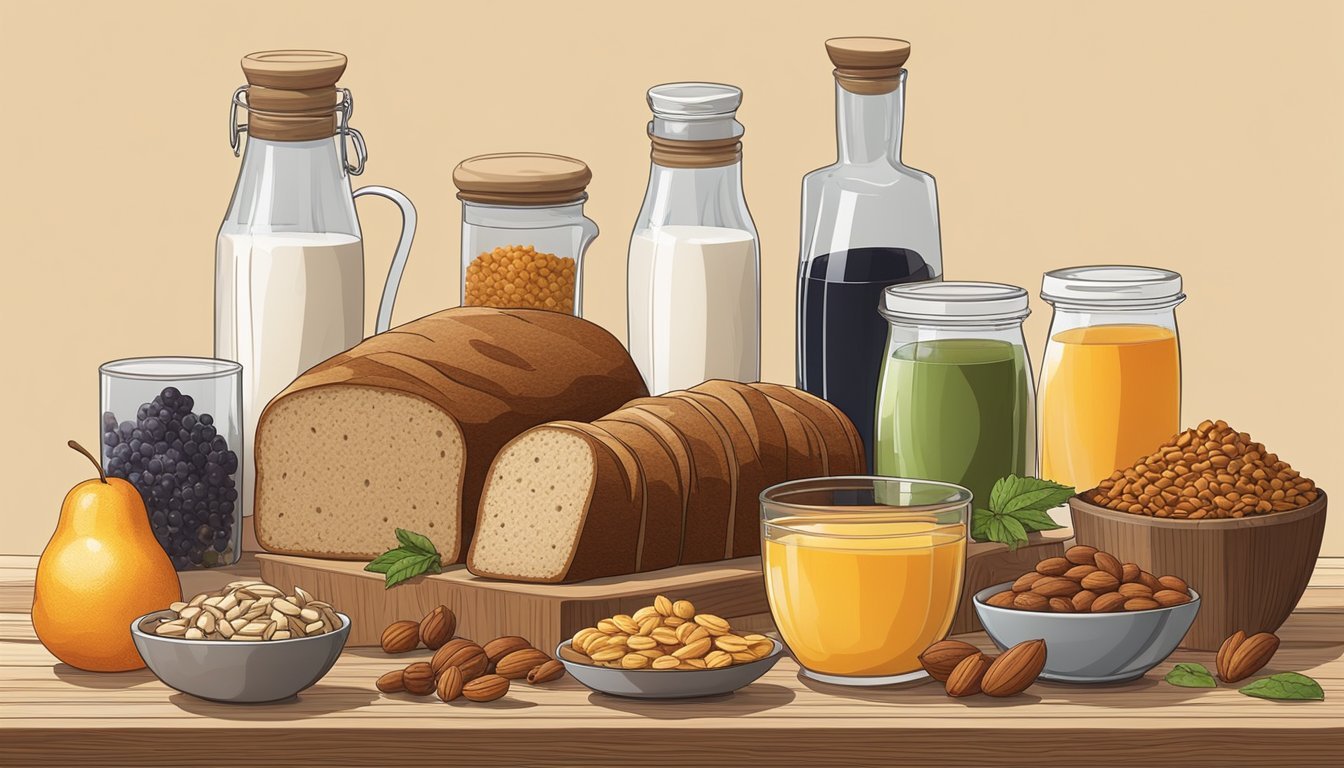
One can enhance the inherent tartness of rye with savory ingredients. Bacon adds a smoky richness, perfect for a hearty breakfast. For an aromatic touch, caraway seeds impart a distinct earthy flavor that's traditional in rye breads. Pairing these with a sharp cheese creates layers of savory delight.
Suggested Savory Combos:
Bacon & Cheddar Cheese
Caraway Seeds & Caramelized Onions
Sun-dried Tomatoes & Feta
Sweet Inspirations
For those with a sweet tooth, rye's complexity complements sweet ingredients well. Honey or maple syrup can soften the sharpness of rye with their natural sweetness. Apple pieces bring a juicy crunch and a hint of tartness. Chocolate chips offer a contrasting indulgence that melts into the bread, creating a delectable treat.
Suggested Sweet Add-Ins:
Chocolate Chips & Cinnamon
Honey-Swirled & Raisin-Studded
Grated Apple & Nutmeg
Nuts and Seeds Enhancements
Nuts and seeds contribute texture and nutritional value to breakfast rye. Walnuts or almonds provide a satisfying crunch and a boost of healthy fats. Sunflower seeds or pumpkin seeds can be sprinkled on top for a nutty flavor and a visually appealing finish. Berries, such as blueberries or raspberries, can be added for a burst of fruity flavor and a vibrant pop of color.
Suggested Nuts & Seeds Combinations:
Walnuts & Dried Cranberries
Almonds & Blueberries
Pumpkin Seeds & Sunflower Seeds
By experimenting with these ingredients, one can easily customize rye bread to suit any palate, whether it leans towards the sweet or the savory.
Creative Recipes
In this section, the focus is on elevating the humble rye bread into versatile culinary delights that range from savory sandwiches to sweet treats and fulfilling alternative meals.
Sandwiches and Toasts
New York Breakfast Toast: Begin with a slice of toasted rye bread, spread a layer of cream cheese, and top with smoked salmon, cucumber rings, diced tomatoes, and thinly sliced red onions. A squeeze of lemon juice and a garnish of chopped chives complete this classic.
Grilled Mushroom and Cheese Sandwich: Sauteed mushrooms layered with your choice of cheese between two slices of rye bread create a rich and satisfying sandwich. Grill until the cheese is perfectly melted and the rye crust is crispy.
Rye-Based Treats and Sweets
Apple Cheddar Rye Pie: Combine nutty rye flour with sharp cheddar cheese to form a unique pie crust. This savory-sweet twist on the classic apple pie leverages the heartiness of rye to contrast the tartness of the apples, thickened with a bit of tapioca starch.
Sourdough Rye Bread Pudding: Turn day-old sourdough rye bread into a delectable bread pudding by soaking it in a rich custard. Baking it until it's golden-brown on top yields a dessert with a delightful contrast in textures.
Alternative Rye Meals
Rye Bread Salad: Cube rye bread and toss with fresh veggies, herbs, and a tangy vinaigrette to create a rustic bread salad. The sturdy texture of rye bread holds up well to dressings and sauces, making it an ideal base for this dish.
Rye and Mushroom Soup: A hearty rye and mushroom soup is a comforting alternative meal. The earthiness of mushrooms pairs well with the depth of flavor found in rye bread, which can be either integrated into the soup or served on the side for dipping.
Finishing Touches

In the quest for the perfect breakfast rye bread, the final steps are crucial for achieving that delectable balance of flavors and textures that elevate a simple bread to an artisanal masterpiece.
The Perfect Crust
The crust is the first point of contact and can make or break the bread-eating experience. To achieve the ideal crust, bakers aim for a crispy, slightly blistered exterior that encases the soft bread within. For a nutty, malty flavor in the crust that rye is renowned for, one should consider the oven temperature and steam. The crust develops its distinct aroma and rich, complex flavors through caramelization and the Maillard reaction which occur during baking. A hot oven, preheated to at least 450°F (232°C), is essential. Additionally, introducing steam during the first few minutes of baking, either with a pan of water at the bottom of the oven or by spritzing the oven walls with water, helps the crust achieve its distinguished crispy texture.
Cooling on a Wire Rack
Once baked, cooling rye bread properly is essential to preserve the crust's integrity. The bread should be transferred to a wire rack immediately after baking. This allows air to circulate all around the loaf, preventing the bottom from becoming soggy. The cooling process is not just a waiting period; it is an essential phase where the crust firms up and the interior crumb sets. For rye bread, cooling can take a significant period, often up to an hour, during which the flavors mature and the aroma becomes more pronounced. Rushing this step may result in a gummy texture, so patience is advised to let the bread reach its full potential.
Storage and Preservation

When it comes to preserving rye bread's freshness and its nutrients, proper storage methods are critical. Rye, a grain rich in fiber and minerals, is celebrated for its health benefits and versatility in various recipes. To retain these qualities, here's how to effectively store rye bread.
Room Temperature Storage:
Keep rye bread in a cool, dry place.
Use a bread box or wrap it tightly in a paper bag.
Store away from direct sunlight to avoid drying out.
Refrigeration:
Refrigeration can extend shelf life.
Wrap the bread in a plastic bag to prevent moisture loss.
Consume within a week to enjoy optimal freshness.
Freezing Tips:
For long-term storage, freezing is effective.
Slice the bread before freezing for convenient use.
Wrap slices in foil or plastic wrap and place in a freezer bag.
Label the bag with the date to track freshness.
Thaw at room temperature when ready to eat.
Storage Method Shelf Life Tips Room Temperature 2-4 days Store in a dry place; use a bread box Refrigeration 7 days Keep in plastic bag to retain moisture Freezing Up to 3 months Slice before freezing; thaw as needed
When preserving rye bread, one must ensure it retains its fiber content and minerals to maintain its health benefits. By following these methods, consumers can enjoy rye bread at its best, retaining its versatile qualities for a wide array of breakfast recipes.
Rye Bread for Dietary Needs
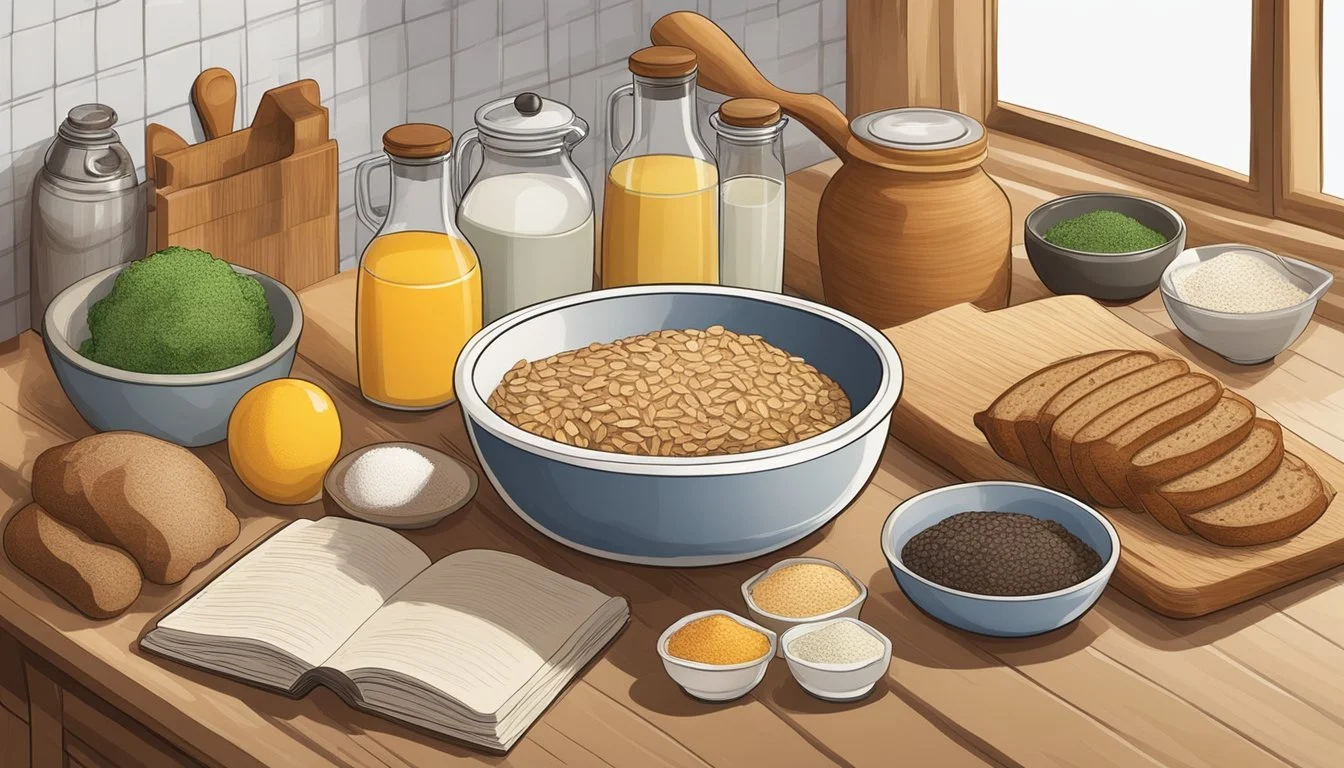
Rye bread can serve as a beneficial component of a diet, especially for those attentive to their dietary needs. It is often high in fiber and can contain more vitamins than white bread, making it a health-conscious choice. However, individuals with specific dietary restrictions such as gluten intolerance require tailored options to incorporate rye bread into their meals.
Gluten-Free Options
For individuals who are gluten intolerant or have celiac disease, traditional rye bread—which contains gluten—is not a suitable option. Nevertheless, they can still enjoy the dense texture and distinctive taste of rye bread by seeking gluten-free alternatives.
Gluten-free rye bread is achievable by substituting bread flour with gluten-free flour blends that often include a mix of whole grains. These whole grains provide a spectrum of nutrients and maintain a high fiber content, which is essential for digestive health. Certain gluten-free whole grains that may be used include:
Brown rice flour
Buckwheat
Amaranth
Quinoa
Millet
When preparing gluten-free rye bread, one should ensure that:
All ingredients, including additives and flavorings, are certified gluten-free.
Cross-contamination with gluten-containing products is strictly avoided during preparation.
By employing gluten-free grains and following careful practices, individuals with gluten intolerance can also benefit from rye bread's nutritious profile, including its dietary fiber and vitamin content.
Tips and Techniques for Perfecting Rye

When diving into the art of rye bread making, one needs to grasp the balancing act of hydration, yeast activity, and dough elasticity. Mastery of these elements is key to overcoming the usual challenges.
Troubleshooting Common Challenges
Hydration: Rye flour absorbs more water than wheat, making proper hydration crucial. A common ratio is 75% to 85% water to flour. Beginners should start at the lower end to manage dough consistency easier.
Elasticity: Due to less gluten, rye doughs are less elastic. This necessitates a gentler kneading process to avoid tearing, using a bread machine or other kitchen tools to maintain consistency.
Fermentation: Slow and steady wins the race with rye. Fermentation times can be longer to ensure full flavor development. Temperature control is vital, with a sweet spot typically between 70-75°F (21-24°C).
Yeast Bread Recipes: Recipes often include a mix of rye and wheat flours to help with the dough structure. Pure rye recipes require precise yeast or sourdough starter measurements for optimal rise.
By keeping these specifics in mind, one can navigate the intricacies of rye bread making with confidence. Whether employing a bread machine for convenience or kneading by hand, attention to these details makes all the difference.