
How Pet Food Shelf Life Is Engineered Differently to Ensure Freshness and Safety
Pet food shelf life is engineered differently through a combination of scientific controls, such as managing water activity, pH levels, and oxygen exposure, to ensure products stay safe and maintain quality over time. Unlike many human foods, pet foods must remain stable across varied environments and long distribution chains, which requires advanced preservation techniques and regular testing. Textural changes, fat separation, and ingredient interactions are all considered during formulation to reduce spoilage risks and extend usability.
Manufacturers constantly balance nutrition, safety, and palatability while leveraging technologies such as extrusion or baking and additives designed to retard spoilage. The approach to shelf life isn’t just about making food last longer, but about ensuring that what pets eat remains consistent and safe from production to the bowl.
These processes highlight the responsibility companies bear in bringing pet food to market, reflecting a blend of food science, regulation, and quality management that sets pet nutrition apart from other types of food manufacturing.
Understanding Shelf Life in Pet Food
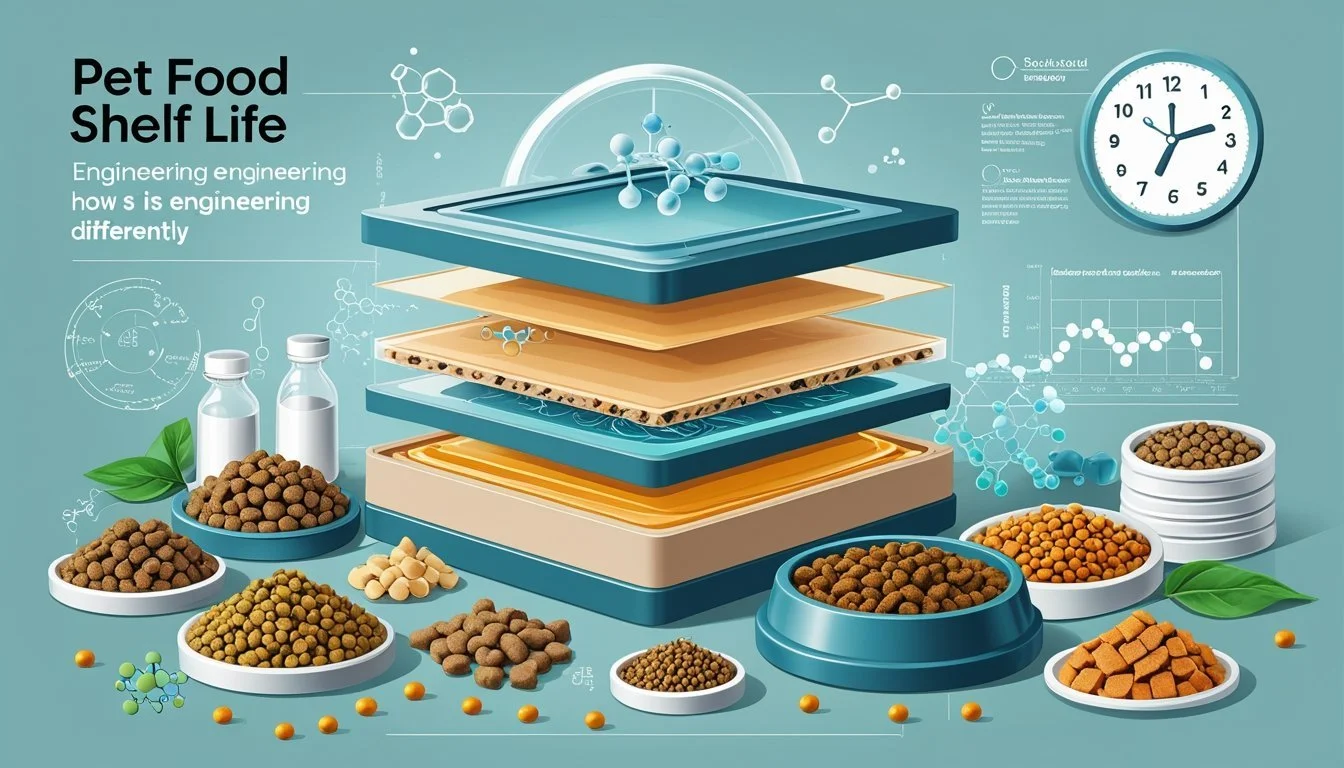
Shelf life in the pet food industry depends on several interrelated factors, including ingredient quality, moisture content, packaging, and storage conditions. Effective shelf life management helps preserve freshness, prevent spoilage, and ensure safety for pets.
Defining Shelf Life in the Pet Food Industry
Shelf life refers to the length of time a pet food product remains safe and nutritionally intact under recommended storage conditions. In this industry, shelf life is typically measured from the date of manufacture until the product is no longer fit for consumption due to spoilage, nutrient loss, or sensory changes.
Manufacturers calculate shelf life by analyzing chemical, physical, and microbiological stability. For pet food, this often involves accelerated shelf life testing and real-time aging studies. Common benchmarks for deterioration include changes in color, odor, taste, and the growth of harmful microorganisms.
Dry pet foods may have a shelf life extending from 12 to 24 months, while wet foods and raw-frozen products usually have a much shorter shelf life due to higher moisture or fat content. Shelf life guidelines are indicated on packaging and usually appear as a "best by" or "use by" date.
Key Factors Impacting Pet Food Longevity
Multiple factors influence how long pet food can be stored without loss of quality or safety. Moisture content plays a significant role; dry kibble, with low water activity, resists microbial growth longer than wet or semi-moist foods. Ingredient selection is also critical, as higher fat and protein levels can speed up spoilage if not properly stabilized.
Packaging technology affects shelf life by providing a barrier to oxygen, moisture, and light. Materials like multi-layer pouches and cans help extend product longevity. Proper sealing, combined with preservatives such as Vitamin E or mixed tocopherols, helps minimize oxidation and rancidity.
Storage conditions, including temperature and humidity, further impact shelf life stability. Exposure to excessive heat or moisture can accelerate spoilage. Manufacturers often recommend storing pet food in cool, dry environments and in original, sealed packaging.
Importance of Product Stability
Product stability ensures that pet food maintains its intended nutritional value, palatability, and safety throughout its shelf life. Instability may lead to nutrient degradation, rancidity, or contamination by bacteria and molds, which can pose health risks to pets.
Maintaining stability starts with high-quality raw materials and controlled manufacturing processes. Regular testing for residual moisture, oxidation rates, and microbial growth helps verify ongoing product quality. Failure to maintain stability could result in off-odors, visible mold, or loss of essential nutrients.
Table: Common Risks of Reduced Product Stability
Risk Possible Consequence Moisture increase Mold growth, spoilage Oxidation Rancid odors, nutrient loss Microbial contamination Foodborne illness Light exposure Loss of vitamins, discoloration
Effective engineering of pet food shelf life focuses on both extending and monitoring stability to protect animal health and product quality.
Formulation Strategies for Enhanced Shelf Life
Key decisions in ingredient selection and recipe design strongly influence how long pet food remains safe, nutritious, and appealing. Both the chemical stability of ingredients and preservation methods are central to achieving optimal shelf life.
Selecting Stable Pet Food Ingredients
Choosing ingredients that resist degradation is fundamental for longer shelf life. Meat and bone meal is widely used due to its protein content, but can be susceptible to oxidation, leading to loss of nutritional value. Including sources with more saturated fatty acids can help, as these fats are generally more stable than polyunsaturated fats.
Manufacturers often prefer grains or starches which offer better microbial resistance. Pet food formulas may also incorporate hydrocolloids, such as alginates, to stabilize moisture and limit spoilage. Preservatives and antioxidants—like mixed tocopherols—are routinely added to prevent lipid oxidation and preserve product quality.
Ingredient stability is monitored during shelf-life studies. Spoilage indicators include color changes, off-odors, or fat separation, especially in wet and semi-moist products.
Role of Ingredients and Formulation in Preservation
Formulation choices impact bacterial stability and nutrient retention. Adjusting the water activity through humectants or reducing moisture with drying processes can slow microbial growth. Ingredients are mapped to barrier requirements to minimize contact with oxygen and moisture, as these accelerate spoilage.
Pet food engineers consider interactions between vitamins, minerals, and fats. Careful balance is needed—too much iron, for example, may increase fat oxidation. Including antioxidants and chelating agents helps stabilize sensitive nutrients and extend the useful life of proteins, fats, and vitamins in the product.
Label claims on nutritional value require ensuring nutrient stability over the entire shelf life. Formulation strategies are designed to maintain these targets until the very end of the declared period.
Preservatives and Antioxidants
Preserving pet food involves the use of both preservatives and antioxidants, each with a specific role in maintaining freshness, preventing spoilage, and extending shelf life. Manufacturers carefully engineer formulations, balancing ingredient safety and efficacy to achieve the desired stability.
Natural vs Synthetic Antioxidants
Natural antioxidants, such as mixed tocopherols (vitamin E compounds), rosemary extract, and ascorbic acid, are used to slow oxidation in pet foods without introducing synthetic chemicals. They appeal to consumers seeking labels with fewer artificial ingredients. However, they may be less effective or provide a shorter shelf life compared to synthetic options.
Synthetic antioxidants, including BHA, BHT, and ethoxyquin, deliver longer-lasting oxidative stability. These compounds are regulated and used in precise amounts to prevent fat and oil rancidity, preserving nutrients. While synthetic antioxidants are effective, there is ongoing debate over their longtime safety, leading some manufacturers to reduce or replace them in certain product lines.
Natural and synthetic antioxidants are sometimes combined in formulations. This approach leverages the rapid action of natural compounds with the sustained protection of synthetics.
Role of Tocopherols and Ethoxyquin
Tocopherols, especially mixed tocopherols, are widely used as natural preservatives in both dry and wet pet foods. They are derived from vegetable oils and help delay the oxidation of fats, protecting flavor and nutritional value. Tocopherols are less robust than some artificial stabilizers but are favored for their safety profile.
Ethoxyquin is a synthetic antioxidant effective at preventing rancidity in protein and fat-rich foods. It is highly efficient at extending shelf life and is often used in fish meal and some dry pet foods. Regulatory limits exist for its usage due to health concerns from prolonged exposure, leading to increased scrutiny and shifts toward alternatives in some regions.
A comparison table might look like this:
Compound Type Primary Use Regulation/Concern Tocopherols Natural General preservation Few concerns Ethoxyquin Synthetic High-fat/protein foods Regulated, some controversy
Application of Organic Acids and Humectants
Organic acids such as citric acid, lactic acid, and sorbic acid are used to lower the pH in pet foods, creating an environment that inhibits microbial growth. These acids also work synergistically with other preservatives and antioxidants to bolster food safety.
Humectants like glycerin and propylene glycol reduce water activity, preventing mold and bacterial growth in semi-moist and soft pet treats. While humectants do not act as traditional preservatives, they play a critical role in shelf life extension by controlling moisture.
Combining organic acids and humectants with antioxidants helps manufacturers address both microbial spoilage and oxidative rancidity. Ingredient selection is closely tailored to food type, desired texture, and target shelf life.
Impact of Processing on Shelf Life
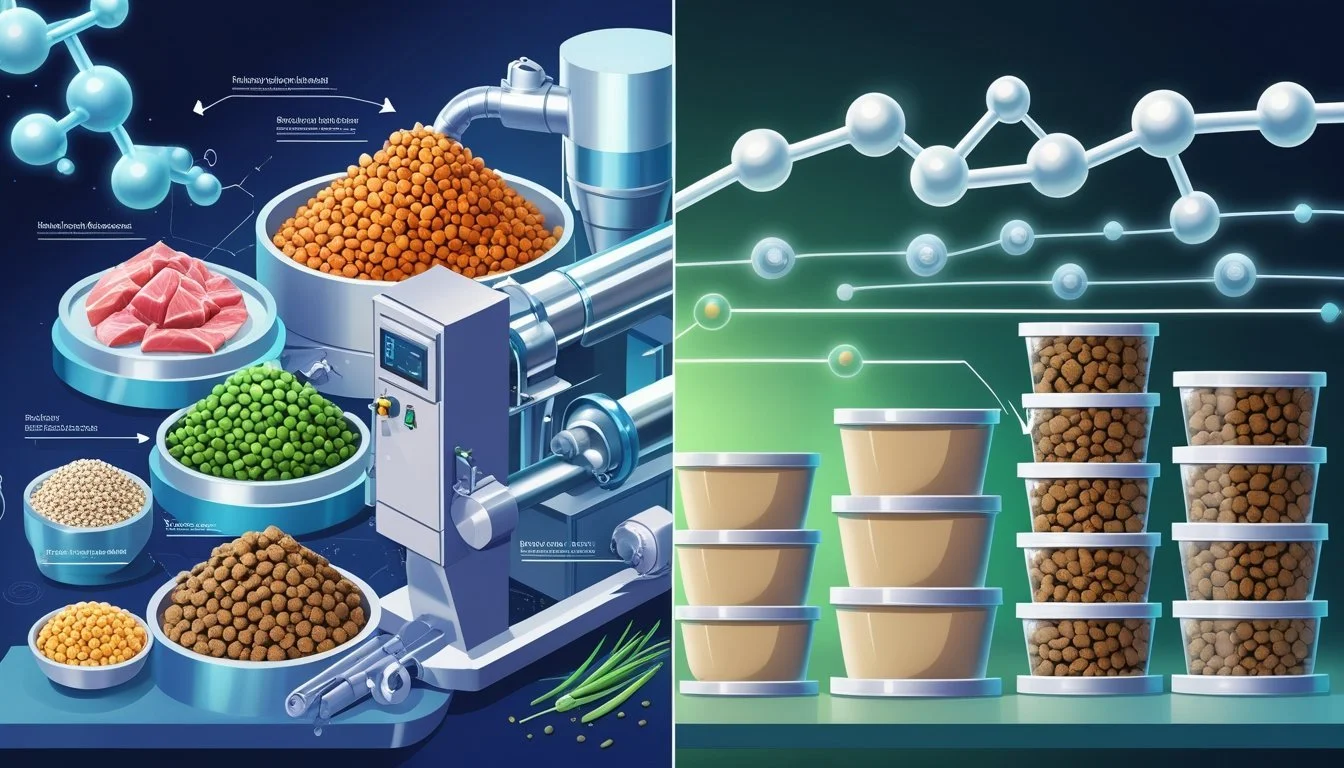
Processing steps play a direct role in determining how long pet food products remain safe and nutritious. Controlled processes and robust quality management are used to guard against spoilage, contamination, and loss of product integrity.
Overview of Pet Food Manufacturing
Pet food manufacturing uses several methods—including extrusion, canning, freeze-drying, dehydration, and baking—to alter the shelf life of products. Thermal processing (like canning or extrusion) subjects ingredients to high temperatures, killing most pathogens and inactivating spoilage enzymes.
Moisture content is a key factor. Dry foods typically have a longer shelf life than moist or semi-moist options due to lower water activity, which limits microbial growth.
Packaging also has a major impact. Vacuum sealing and oxygen-barrier materials help protect food from oxidation and rancidity. The choice of process and packaging is driven by product type, target shelf life, and consumer expectations.
Quality Control Measures During Production
Quality control measures are implemented throughout production to align with good manufacturing practices (GMPs). These include routine inspection of raw ingredients, monitoring of processing parameters, and verification of critical control points.
Hygiene protocols reduce risk of microbial contamination. Many plants use real-time shelf life testing and accelerated trials to evaluate product stability under different storage scenarios.
Regular testing monitors for off-odors, texture changes, and nutrient degradation. Strict record keeping, traceability, and staff training further support product safety and quality across every batch.
Packaging Technologies for Extended Freshness
Pet food manufacturers use specialized packaging technologies to maintain quality and extend shelf life. Choices in materials, sealing methods, and packaging designs are tailored to protect against moisture, oxygen, and contaminants.
Modern Packaging Solutions
Modern pet food packaging is engineered to tackle threats like oxygen and moisture, which can cause rapid spoilage. Common materials include multi-layer laminates, metalized films, and polyethylene terephthalate (PET). These materials are chosen for their barrier properties and ability to withstand either dry or moist environments.
A typical dry kibble bag uses airtight seals to prevent air and humidity from entering. For wet food, packaging is often thicker or includes metal cans with hermetic seals. Containers for pet food are accurately placed under form-fill-seal machines to ensure consistent sealing during high-speed production.
Table: Common Packaging Materials and Functions
Material Function PET Oxygen barrier Multi-layer films Moisture barrier Metalized films Light protection Hermetic cans Microbial barrier
Material choice and sealing technology directly influence how long pet food stays fresh on the shelf and how well it keeps out contaminants.
Benefits of Vacuum Packaging
Vacuum packaging is often used for wet food or premium products. This technology involves removing air before sealing, reducing oxidation and growth of spoilage organisms. It also helps preserve the natural flavor and nutrient content by limiting exposure to oxygen.
When air is removed, the risk of mold, bacteria, and fat rancidity decreases. This approach is especially important for ingredients with high fat or moisture content. Vacuum-sealed packaging also helps minimize bulging or damage during handling and shipping.
Many manufacturers use vacuum packing in combination with high-barrier films. This ensures that once sealed, neither moisture nor air can compromise the contents. The result is extended product freshness and reduced waste due to spoilage.
Moisture Control and Water Activity
Engineered pet food shelf life relies heavily on carefully managing moisture and water activity. Both factors influence the likelihood of spoilage, bacterial growth, and texture changes in finished products.
Humidity’s Role in Pet Food Spoilage
Ambient humidity is a major factor that affects how quickly pet food spoils. When finished pet foods are exposed to humid environments, moisture can be absorbed from the air, raising their internal water content. This elevation in water content can support the growth of spoilage organisms like molds, yeasts, and bacteria.
Foods with higher water activity are particularly vulnerable, leading to faster deterioration and reduced shelf life. Even dry or semi-moist kibbles, if not stored in low-humidity conditions or sealed packaging, can absorb enough moisture to degrade prematurely. Packaging that provides a reliable barrier can significantly reduce these risks, helping preserve product quality and safety.
Managing Water Activity for Shelf Stability
Water activity (aw) is a measure of the available water in a product that microorganisms can use. For pet food to be shelf stable, industry guidelines specify a water activity below 0.86 aw to prevent pathogenic bacterial growth, and ideally below 0.85 to further reduce spoilage risks.
Manufacturers often dry or bake pet food to achieve lower water activity levels, but reducing water too far can affect texture and palatability. Organic acids or preservatives are sometimes used to help control microbial growth at borderline water activity levels.
Key Control Measures:
Targeted drying to specific water activity levels
Controlled packaging environments
Using moisture barriers in packaging
Adding natural acids for additional microbial protection
Consistent testing and monitoring ensure finished products meet safety specifications and maintain their intended shelf life.
Types of Pet Food and Their Shelf Life Challenges
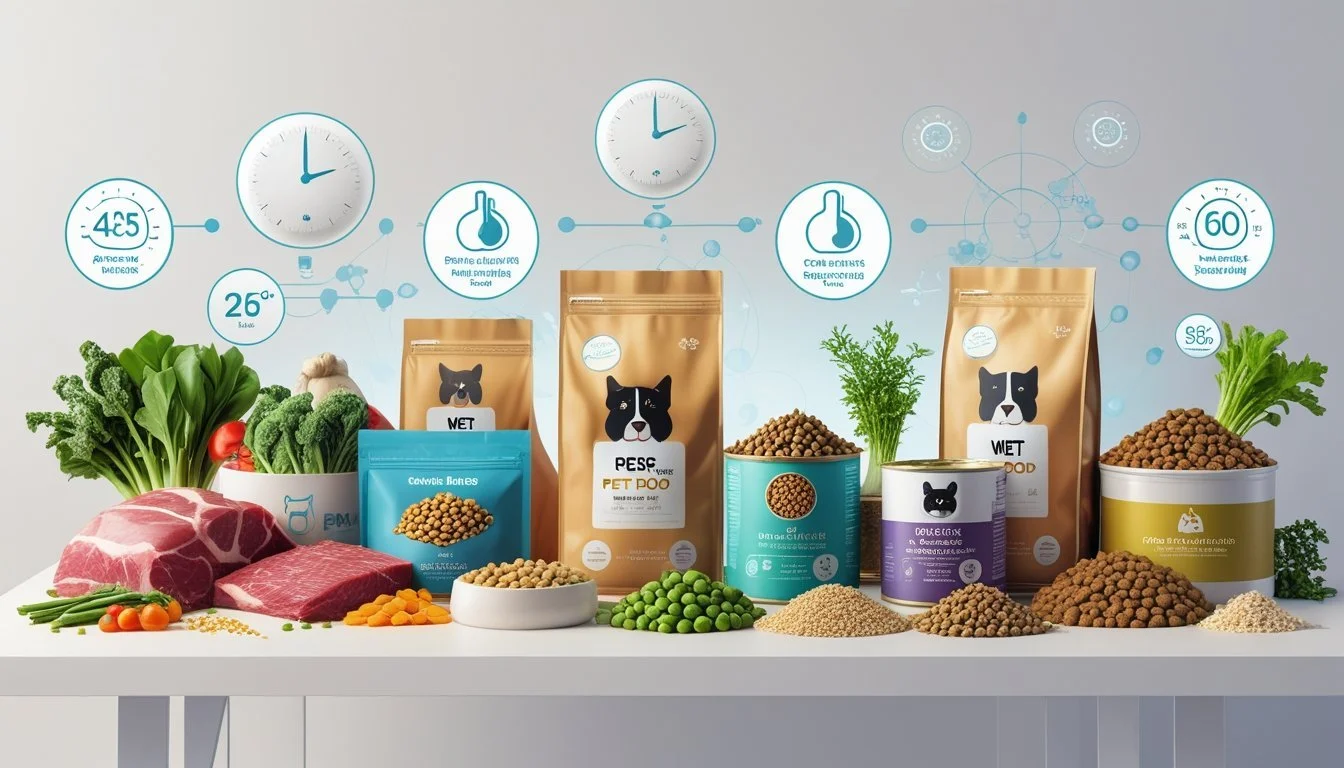
Shelf life is determined by product type, formulation, packaging, and storage conditions. Each format faces unique issues that impact freshness, nutrient retention, and spoilage risks.
Dry Pet Food
Dry pet food, often called kibble, is engineered for extended shelf stability. The low moisture content—typically below 12%—slows microbial growth and spoilage. Manufacturers use antioxidants like tocopherols or synthetic preservatives to protect fats from becoming rancid.
Oxygen exposure is a major challenge. Most packaging includes barriers such as metallized films or nitrogen flushing to reduce oxidation. Once the bag is opened, air and humidity can degrade the product more quickly, emphasizing the need for resealable packaging.
Temperature and light also affect shelf life. If stored in a cool, dry, and dark place, unopened dry foods can last up to 12–18 months. After opening, recommended use periods drop to about 4–6 weeks, as exposure accelerates quality loss.
Wet Pet Food
Wet pet food contains much higher moisture, usually 70% to 85%. This increases the risk of bacterial and mold growth, so sterilization and airtight packaging, like cans or pouches, are essential. These processes allow unopened wet foods to be shelf-stable for up to two years.
The biggest challenge is maintaining sterility and preventing contamination. If packaging is compromised—such as a dented can or a leaky pouch—the product can spoil rapidly. Once opened, wet pet food must be refrigerated and used within a few days, as spoilage happens quickly in a moist environment.
Nutrient degradation can also occur during high-heat sterilization, requiring careful formulation to ensure both safety and nutritional adequacy.
Chemical and Physical Deterioration Mechanisms
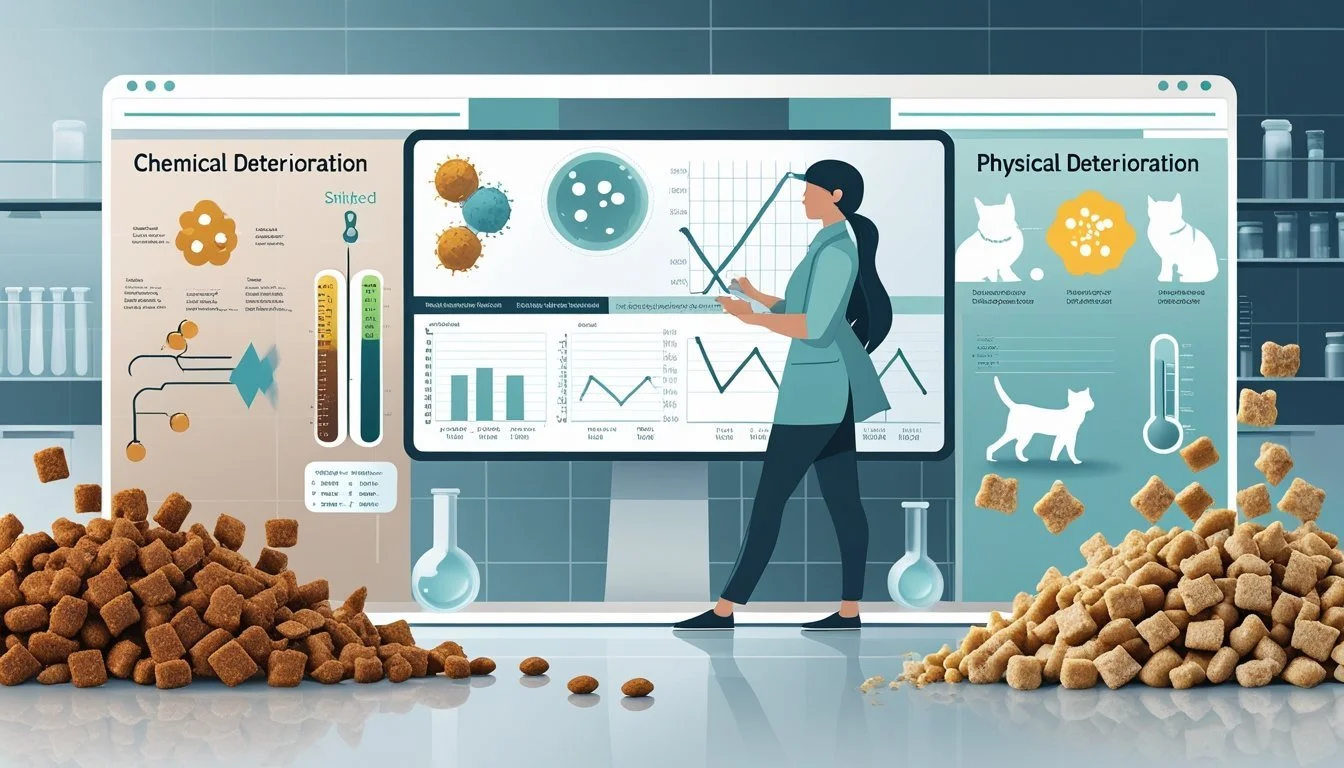
Pet food stability is influenced by chemical and physical changes that begin soon after manufacturing. Key deterioration mechanisms include oxidation of fats and loss of nutrient quality driven by environmental and intrinsic product factors.
Understanding Lipid Oxidation and Rancidity
Lipid oxidation is the primary cause of rancidity in pet food. This process involves the reaction of oxygen with the fats in pet food, particularly unsaturated fatty acids. The result is the formation of peroxides and aldehydes, which contribute to off-flavors and odors.
Factors such as temperature, exposure to light, and the presence of metal ions accelerate oxidation. High-fat formulas, especially those using fish oils or poultry fats, are more prone to rancidity. Antioxidants like tocopherols (Vitamin E) and synthetic compounds (e.g., BHA/BHT) are commonly added to slow down this reaction and extend shelf life.
Table: Lipid Oxidation Influencers
Factor Impact on Oxidation Oxygen Increases rate Light Increases rate Metal Ions Acts as catalyst Antioxidants Inhibit oxidation
Nutrient Degradation and pH Effects
Nutrient degradation refers to the breakdown or loss of essential vitamins, amino acids, and minerals during storage. Water-soluble vitamins like Vitamin C and some B vitamins are especially sensitive to heat and oxidation. Amino acids can also degrade, affecting the protein quality of the product.
pH plays a significant role in both nutrient stability and microbial growth. Most dry pet foods are slightly acidic to neutral, which helps preserve nutrients but can vary depending on formulation. Lower pH can inhibit bacteria, but it may accelerate the loss of certain vitamins. Manufacturers often select ingredients and processing conditions to balance pH, thereby optimizing both safety and nutrient retention.
Shelf Life Testing and Regulatory Oversight
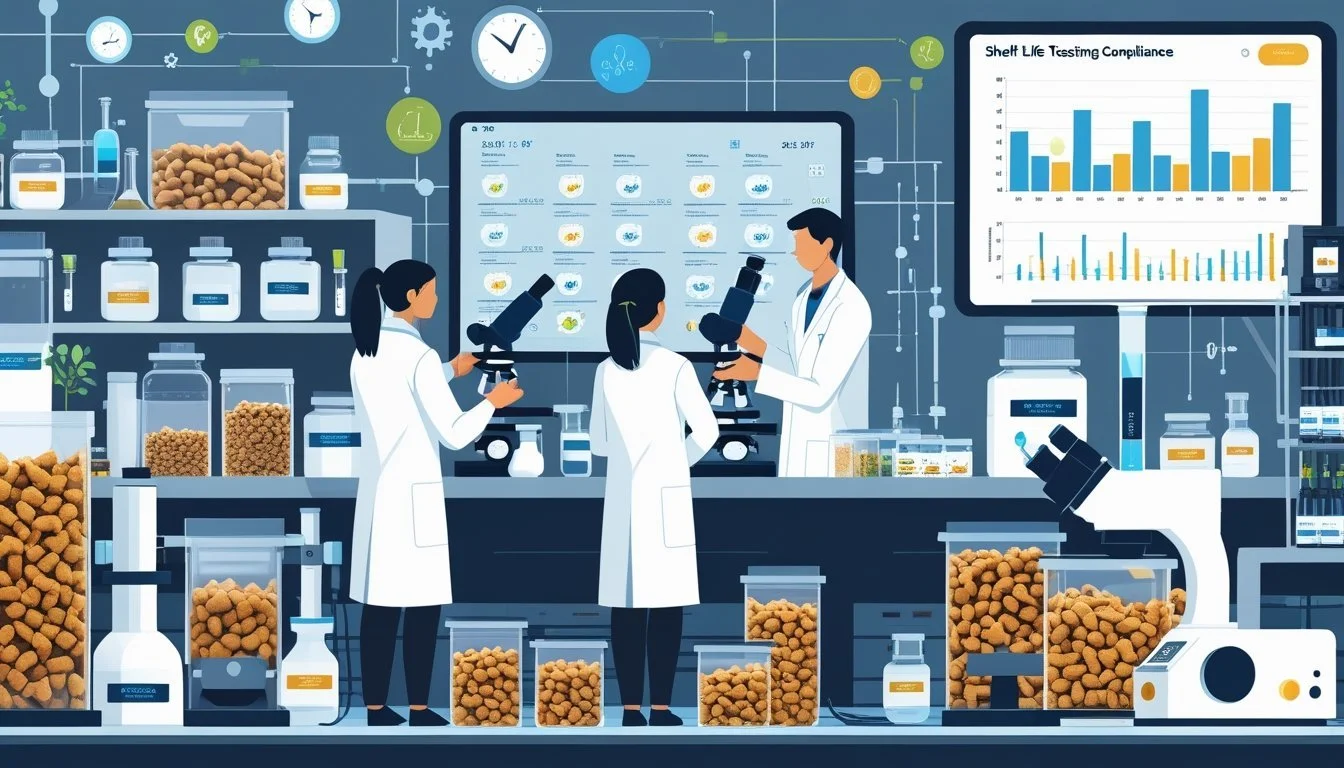
Shelf life for pet food is established through targeted testing methods and must meet specific regulatory standards. Proper oversight ensures safety, nutrition, and quality across a product’s lifespan.
Shelf Life Testing Methods in Pet Food
Pet food shelf life testing typically involves evaluating physical, chemical, and microbiological stability. Laboratories use controlled environments, such as stability chambers, to simulate storage conditions over time. These chambers regulate temperature and humidity to mimic real-world scenarios.
Core indicators monitored during tests include microbial growth, rancidity, and nutrient degradation. Textural changes, like fat separation in wet foods or treat hardening, are also assessed. Analytical testing often includes measuring moisture content, pH, and preservative effectiveness.
Accelerated shelf life studies use elevated conditions to predict product longevity faster. Results help manufacturers establish expiration dates that reflect actual product stability and safety under normal storage.
Regulatory Standards and Compliance
Pet food shelf life is subject to regulatory requirements that vary by country. In the United States, the Food and Drug Administration (FDA) and state feed control officials oversee standards for pet food safety, labeling, and shelf life declarations. Foods must remain safe and maintain nutritional integrity through the labeled date.
Manufacturers often partner with certified labs to validate shelf life and document compliance. Regulatory agencies expect accurate labeling and strong evidence that products meet safety and quality benchmarks. Failure to comply with standards can lead to recalls or legal action.
Quality assurance programs ensure continued compliance, regularly auditing both laboratory practices and manufacturing processes.
Best Storage Practices for Pet Food Longevity
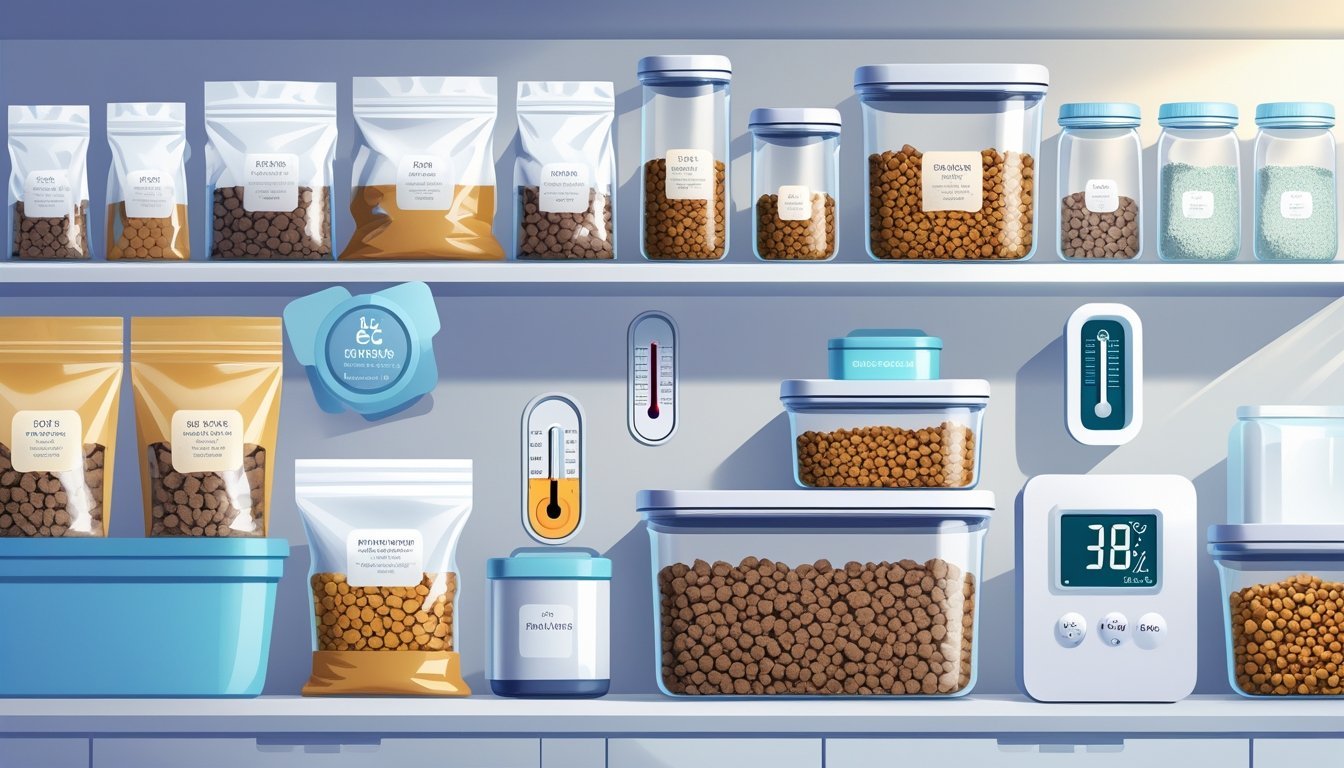
How pet food is stored affects both its shelf life and the nutritional benefits for cats and dogs. Effective storage can prevent spoilage, keep food safe, and help maintain crucial nutrients.
Managing Storage Conditions
Temperature, humidity, and exposure to air each play a central role in pet food shelf life. Dry food should be kept in a sealed, airtight container to block moisture and pests. Manufacturers recommend original packaging because it acts as a barrier against environmental changes.
Wet or canned food must be stored at room temperature in a cool, dry place until it is opened. After opening, refrigerate unused portions in a sealed container and use within a few days. Avoid storing any type of pet food near direct sunlight, stoves, or areas prone to high humidity.
Table: Storage Recommendations
Type Unopened Storage After Opening Dry Food Cool, dry, airtight Sealed, 2-3 weeks Wet/Canned Cool, dry Refrigerate, 2-5 days
Tips for Maintaining Nutritional Value
Exposure to air, moisture, and heat can accelerate nutrient loss in pet food, especially vitamins and fats. Sealing bags tightly after each use prevents oxidation, which can degrade both taste and nutrients vital to cats and dogs.
When transferring food to another container, always choose one that is food-grade, airtight, and opaque. This reduces light exposure, which can damage sensitive nutrients like vitamin A. Mark the date when pet food is opened to ensure it is used within the manufacturer’s recommended timeframe.
Feeding portions should be measured—return unused kibble to airtight conditions instead of leaving it in bowls, where it will lose freshness more quickly. Always check labels for information about storage and "best by" dates.
Trends and Innovations Shaping the Future
Pet food shelf life is evolving as companies seek new ways to preserve freshness and meet consumer expectations for quality and transparency. The industry is also influenced by research insights and standards provided by organizations such as the American Pet Products Association.
Emerging Preservation Technologies
New technologies for extending pet food shelf life focus on maintaining nutritional value and preventing spoilage. Advances include modified atmosphere packaging (MAP), which replaces oxygen with gases like nitrogen or carbon dioxide to slow oxidation and microbial growth.
Natural preservatives are increasingly being used instead of synthetic additives. Ingredients such as tocopherols (Vitamin E), rosemary extract, and citric acid help delay rancidity while satisfying demand for cleaner labels.
High-pressure processing (HPP) is gaining traction in ready-to-eat and raw pet foods. This method inactivates bacteria without the use of heat, preserving flavor and nutrients more effectively than traditional thermal methods. Some companies are also experimenting with edible coatings that form barriers to moisture and oxygen for extended shelf stability.
Industry Insights from the American Pet Products Association
According to the American Pet Products Association (APPA), consumer focus on ingredient quality and transparency continues to direct innovation in the pet food sector. The APPA reports that brands are responding by developing packaging and preservation strategies that prioritize ingredient integrity and sustainability.
Sustainable packaging trends, such as recyclable materials and reduced plastics, are becoming more common as highlighted by APPA surveys. Brands are also investing in methods to improve shelf life without compromising on freshness, including smart packaging features that indicate spoilage or freshness.
APPA’s market findings show that as human food trends influence pet food, there is increased adoption of technologies first used in grocery products, such as vacuum sealing and oxygen absorbers. Companies are benchmarking shelf life standards in line with these developing preferences, continually seeking approval from regulatory organizations to maintain trust with pet owners.

