
The Problem with Overextending Shelf Life
Risks for Food Quality and Safety
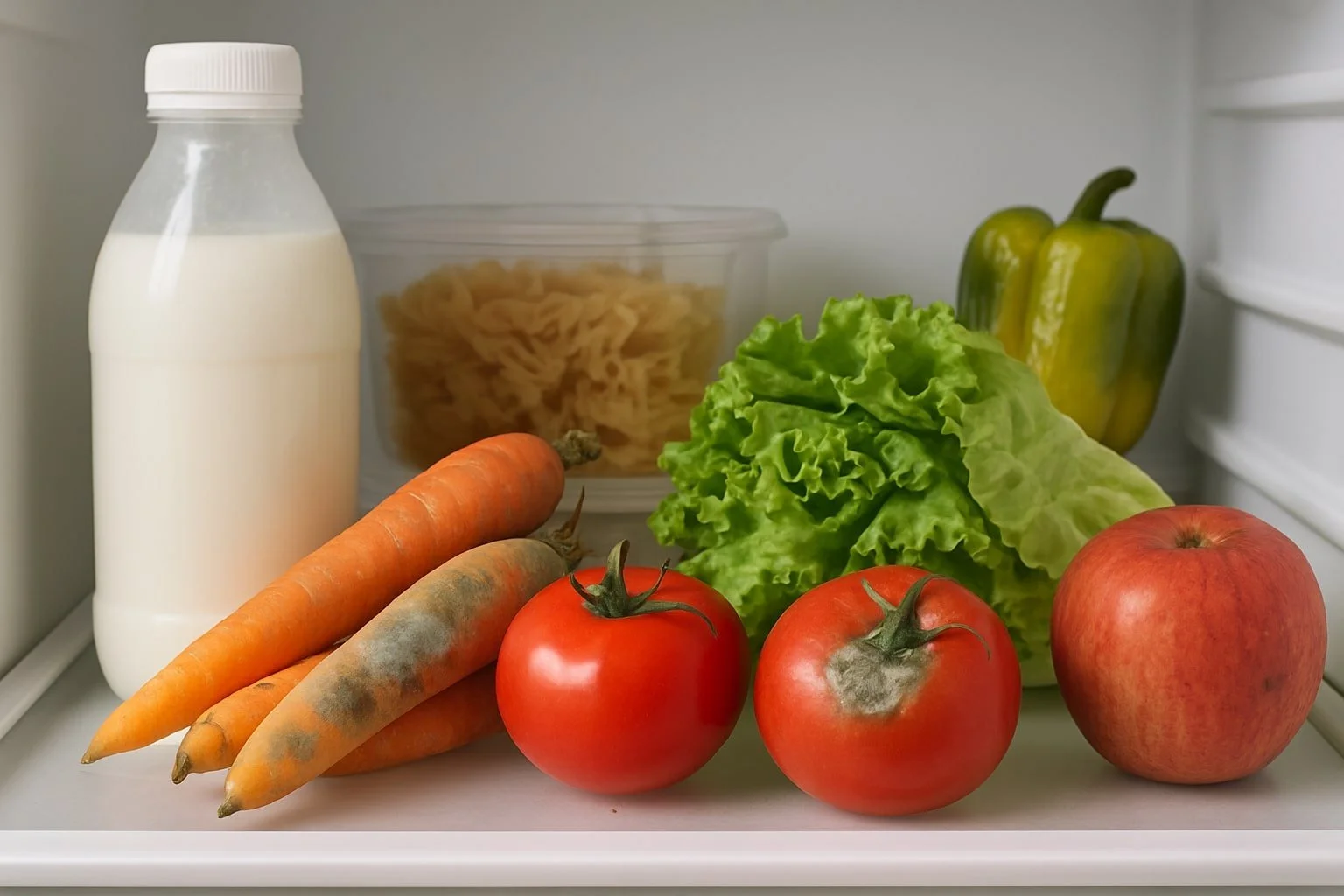
Extending the shelf life of food is often seen as a win for convenience and reducing waste, but there are significant drawbacks when this practice is pushed too far. The use of additives, preservatives, and advanced packaging can keep products on the shelf longer, yet these measures can compromise nutritional quality and introduce ingredients that may impact health over time.
Longer shelf life doesn’t always mean better food. Products designed to last months or even years frequently rely on elevated levels of salt, sugar, or artificial additives, which have been linked to health issues like hypertension, heart disease, and type 2 diabetes. As shelf life increases, the freshness, taste, and actual nutritional value of the food may decline.
This blog post explores why the push to maximize shelf life can create hidden problems for both consumers and the food system. It will also look at the trade-offs involved in keeping food fresh longer, providing valuable insights for anyone interested in making informed choices about what they eat.
Understanding Shelf Life and Its Importance
Shelf life determines how long food products remain safe and high in quality under specified conditions. Knowing what impacts food shelf life helps prevent waste, ensures safety, and supports effective inventory practices.
Defining Shelf Life
Shelf life is the period during which a food product maintains its desired sensory, chemical, physical, and microbiological characteristics. This period is measured from production to the point when quality or safety significantly deteriorates.
Labels such as use-by and best-before help consumers and retailers distinguish between foods that are unsafe after a certain date and those that simply lose quality. Use-by dates are related to food safety, while best-before dates indicate peak quality.
A product's shelf life depends on its formulation, packaging, and storage environment. These factors are set by manufacturers through testing and regulatory guidance to protect consumers.
Factors Affecting Shelf Life
Several factors influence food shelf life:
Intrinsic Characteristics: Water activity, acidity (pH), fat content, and nutrients impact spoilage rates.
External Conditions: Temperature, humidity, and exposure to light or air can accelerate food degradation.
Packaging: Effective packaging provides barriers against oxygen, moisture, and contaminants, slowing spoilage.
Manufacturers monitor these variables to set accurate shelf life periods. Inadequate control of storage or packaging can cause premature spoilage or misleadingly extended shelf life. For example, higher humidity can raise mold risk, even within the stated shelf life.
Types of Food Products and Shelf Life Variations
Shelf life varies widely by product type:
Perishable Foods: Meat, dairy, and fresh produce have short shelf lives (often a few days to weeks) and require refrigeration.
Semi-Perishable Foods: Breads, cheeses, and eggs last longer, usually at room temperature for several weeks.
Non-Perishable Foods: Canned goods, dried pasta, and grains can remain safe for months or even years with proper storage.
The extended shelf life of some products is achieved through pasteurization, preservatives, or advanced packaging. These methods can make foods last significantly longer, but do not guarantee indefinite freshness or safety. Always check storage guidelines and expiration labels to reduce risk and waste.
Drivers Behind Shelf Life Extension
Extending shelf life is influenced by a range of practical considerations. These include minimizing food waste, adapting to global distribution systems, and addressing specific goals of food manufacturers.
Reducing Food Waste
Food wastage is a significant concern at each stage of the supply chain. By extending shelf life, retailers and consumers have more time to use products before they become unsuitable for consumption. This can help limit the amount of food that is discarded due to expiration dates.
Studies highlight that consumer and retailer practices, such as discarding food solely based on "best by" or "sell by" dates, drive unnecessary loss. Longer shelf life allows inventory to be managed more efficiently, decreasing the frequency of product disposals. This benefits both the environment and the economy by reducing the resources needed for production and waste management.
Key Ways Shelf Life Extension Reduces Food Waste:
Delays spoilage, leading to fewer expired goods.
Provides flexibility for transportation and storage.
Lessens pressure on retailers to rotate stock rapidly.
Demands of Modern Food Supply Chains
Today’s food supply chains often span countries or continents, increasing the need for products that can endure long shipping and storage times. Perishable goods face risks of spoilage during transport, especially when logistics are complex and delays occur.
Shelf life extension is a strategic response to these challenges. It allows food suppliers to meet year-round demand, maintain consistent product availability, and support global trade. Technologies such as modified atmosphere packaging and natural preservatives are frequently used to slow spoilage and maintain quality.
Food supply chain drivers:
Global distribution requires products to remain viable for weeks or months.
Longer storage times help suppliers supply distant markets more reliably.
Extension techniques support just-in-time delivery systems.
Food Manufacturers' Objectives
For food manufacturers, longer shelf life supports profitability and efficient operations. Products with extended usability can be produced in larger batches, reducing production costs and streamlining logistics.
Manufacturers can also respond to consumer demands for convenience and choice by offering products with convenient shelf times. This reduces risks of unsold inventory, limiting economic losses from food waste. To achieve this, manufacturers often employ ingredient innovation, advanced packaging, and strict process controls.
Typical manufacturer goals:
Minimize returns and wasted stock.
Increase market reach and product offerings.
Maintain product quality while meeting regulatory and safety standards.
The Science of Shelf Life Extension
Shelf-life extension relies on a range of scientific principles in food preservation, modern processing, and packaging advancements. Achieving longer shelf life depends on targeting spoilage factors through a combination of methods that address microbial growth, oxidation, and other degradation processes.
Preservation Methods and Processing Techniques
Traditional preservation methods include canning, drying, salting, and fermentation. These processes limit microbial activity and enzyme actions that spoil food. Thermal treatments, like pasteurization, remain common but may reduce some nutritional or sensory qualities.
Modern food processing techniques add to these older methods. High-pressure processing (HPP) uses intense pressure instead of heat, minimizing nutrient loss and keeping flavors intact. Pulsed electric field (PEF) technology also deactivates microbes without significant heating.
Below is a quick comparison of preservation techniques:
Method Main Target Impact on Food Quality Canning Microbes, enzymes Alters texture, flavor Drying Water removal Texture changes, light High-pressure Microbes Better retention of quality Pulsed electric field Microbes Minimal heating, fresh taste
Emerging Technologies in Shelf-Life Extension
Recent advances include nanotechnology and cold plasma treatments. Nanomaterials can be applied as coatings to slow spoilage and control the release of antimicrobials. These coatings, such as those using chitosan, have shown promise in keeping fruits and vegetables fresh for longer periods.
Cold plasma involves ionized gases that can disinfect food surfaces quickly and without chemicals, reducing microbial contamination with little impact on food structure. Modified atmosphere packaging (MAP) adjusts the composition of gases inside packaging to slow spoilage in products like meat, leafy greens, and fruits.
Novel approaches, such as edible coatings and packaging materials embedded with active compounds, seek to maintain both safety and sensory quality while extending shelf life.
Role of Packaging and Storage Conditions
Food packaging now plays a critical role in extending shelf life. Modified atmosphere packaging and vacuum sealing remove or replace air, slowing both spoilage and oxidation. Vacuum packaging, in particular, creates a low-oxygen environment to inhibit aerobic bacteria and delay rancidity.
Proper storage conditions are equally essential. Low temperatures in cold storage can extend shelf life but can also cause chilling injuries in some produce if not controlled carefully. Packaging materials are increasingly engineered to regulate moisture, oxygen, and light exposure, which helps keep food fresher for longer.
Effective shelf-life extension combines packaging solutions and storage practices with preservation technology to delay spoilage while maintaining product quality.
Risks of Overextending Shelf Life
Extending the shelf life of food can save money and reduce waste, but it also introduces real risks. When food is pushed past its natural lifespan, food safety can be compromised through increased microbial activity and a greater risk of foodborne illness.
Food Safety Concerns
Food safety is often the first casualty when shelf life is pushed too far. Manufacturers sometimes rely on chemical preservatives or advanced processing methods to increase shelf life, which can mask early signs of spoilage.
Some preservatives and additives, such as trans fats and certain synthetic chemicals, have been linked to adverse health effects when consumed frequently. These substances extend product stability but may contribute to chronic illness in the long term.
Consumers may trust expiration dates and fail to notice changes in texture, taste, or appearance. This misplaced trust can lead to the consumption of foods that are potentially unsafe.
Microbial Growth and Spoilage
Microbial activity increases over time, even in foods designed to last. While preservatives slow down the process, they cannot eliminate all bacterial or fungal growth.
Common spoilage organisms include bacteria (like Pseudomonas or Listeria) and molds. Low-level growth may not always produce visible changes but can still affect food quality and safety.
Packaging and storage conditions play a critical role. Modified atmosphere packaging slows microbial growth but can fail if the seal is broken or the storage temperature fluctuates. Relying solely on these methods increases risk as shelf life is pushed further.
Potential for Foodborne Illness
As shelf life is prolonged, the risk of foodborne illness rises. Minimal spoilage indicators can sometimes allow pathogenic microorganisms to multiply undetected.
Pathogens such as Salmonella, E. coli, and Clostridium botulinum are concerns for foods kept beyond their regular shelf life. These microbes can cause severe disease even in small amounts.
Elderly individuals, young children, and those with compromised immune systems are most at risk. Consumption of overextended foods can lead to outbreaks and hospitalizations, especially if food safety practices are not strictly observed.
Impact on Food Quality and Nutritional Value
Prolonging the shelf life of food can cause gradual changes that weaken its quality and alter its nutritional balance. These changes affect physical structure, decrease key nutrients, and may influence how the body uses certain compounds.
Changes in Physicochemical Properties
As food sits for long periods, physicochemical properties often shift. Moisture migration may cause dryness or sogginess, depending on packaging and storage. Proteins can denature, while fats may oxidize, leading to rancidity and off-flavors.
Table: Examples of Physicochemical Changes by Food Type
Food Type Common Changes Baked goods Staling, hardness Dairy products Separation, curdling Fats/oils Rancidity, odor Fruits Browning, softening
Oxygen and light exposure during extended storage may also discolor food and trigger chemical reactions that degrade sensory quality. This decreases product appeal and can cause consumers to reject food, even if it is still technically safe.
Reduction in Nutritious Food Content
Extending shelf life often leads to nutrient losses. Vitamins such as vitamin C and B-complex are sensitive to light, heat, and oxygen, and may degrade quickly over time. Prolonged storage, especially in suboptimal conditions, results in lower concentrations of these nutrients.
Heavily processed or shelf-stable foods sometimes use treatments—like heat sterilization, irradiation, or preservatives—that safeguard food safety but also break down essential nutrients. The end result is food that may look the same but delivers fewer health benefits.
For consumers aiming to maximize their nutrient intake, long shelf life can mean receiving a product with diminished nutritional value. This can be especially significant when staple foods are relied on for micronutrient supply.
Effects on Digestibility and Bioactive Compounds
Long-term storage and processing can change the way food is digested and how well the body can absorb beneficial compounds. Certain proteins and starches may become less digestible as their structure alters over time, affecting the food's utilization by the digestive system.
Many bioactive compounds—including antioxidants, flavonoids, and phytochemicals—are sensitive to heat, light, and oxygen. Their effectiveness can decline as foods remain on shelves for extended periods. This affects not only nutritional content, but also potentially reduces positive health impacts linked to these compounds.
Consumers may unknowingly receive food products that look similar to their fresher counterparts but offer less support for health and well-being due to reduced bioactive components and digestibility.
Challenges with Specific Food Categories
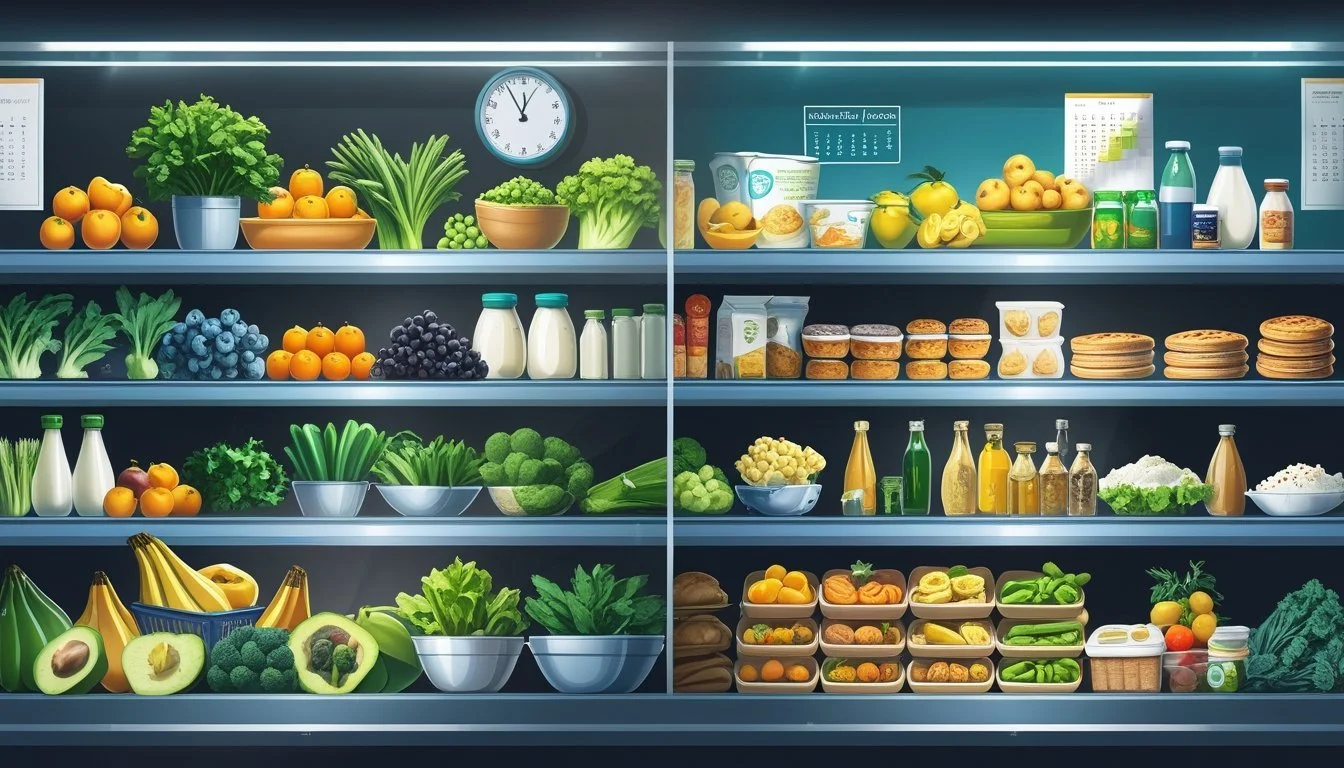
Shelf life impacts food safety, nutritional quality, and product waste. Overextending shelf life can create risks unique to each food type, from changes in taste to increased spoilage and loss of value.
Baked Goods and Bread
Bread and most baked goods are particularly susceptible to staling and the growth of mold when shelf life is extended beyond typical standards. Extended shelf life can require the use of additives or improved packaging, but these measures do not fully halt quality loss. Texture changes—such as drying or hardening—are common, making products less appealing.
Key issues when shelf life is pushed too far:
Increased risk of mold development, even with preservatives
Loss of freshness and taste, especially in artisan or unprocessed products
Declining nutritional value, particularly in whole grain or fortified goods
Shorter shelf lives ensure better texture, taste, and safety without heavy reliance on preservatives. For retailers and consumers, evaluating expiration or best-by dates remains important to avoid subpar baked products.
Fresh Produce and Perishables
Fresh produce has a natural and relatively short shelf life due to high moisture content and rapid enzymatic activity. When shelf life is artificially extended through refrigeration, modified atmosphere packaging, or chemical treatments, it may slow visible decay but can't stop loss of flavor and nutrients.
Common outcomes of overextension:
Degradation of vitamins (e.g., loss of vitamin C in cut fruit)
Decline in sensory quality such as texture and aroma
Potential increases in spoilage if cold storage is disrupted
A table of risk factors:
Product Primary Risk Typical Shelf Life (days) Leafy Greens Wilting, nutrient loss 5-7 Strawberries Mold, off-flavors 3-5 Tomatoes Loss of firmness, flavor 7-10
Stored produce that looks acceptable may have already lost much of its quality. Monitoring conditions and selling or consuming produce at its peak remain the best approach.
Wine, Olive Oil, and Sensitive Products
Wine, olive oil, and similar products rely heavily on their chemical stability for shelf life. Wine’s quality declines after peak maturity; oxidation leads to spoilage and unpleasant flavors if stored too long or improperly. Olive oil suffers from rancidity, especially after extended storage or exposure to heat and light.
Critical challenges:
Wine: Loss of aroma and taste, increased risk of spoilage organisms, rapid decline after bottle is opened
Olive Oil: Oxidative rancidity, formation of off-flavors, reduction in healthy polyphenol content
Best practice for these products is to store them as recommended (cool, dark conditions, limited air exposure) and use them within manufacturer guidelines. Pushing shelf life increases the risk of serving a product that fails both in flavor and health benefits.
Role of Packaging, Temperature, and Storage in Shelf Life
Effective shelf life management relies on controlling several environmental and material factors. The quality of packaging, maintenance of correct temperatures, and regulation of humidity are all critical in preserving product safety and minimizing spoilage.
Innovations in Food Packaging
Food packaging now serves beyond simple containment—it is engineered to address oxygen, moisture, and light exposure. Advanced barrier materials, modified atmosphere packaging (MAP), and vacuum sealing reduce oxidation and microbial growth.
Packaging often uses multilayer films or nanotechnology to create stronger barriers. These barriers protect sensitive foods such as meat and dairy, significantly delaying spoilage.
Active packaging uses oxygen absorbers or antimicrobial agents to slow degradation. Packaging also provides physical protection against shocks and contaminants during transport and storage.
Feature Preservation Role Oxygen barriers Prevent oxidation Moisture control Regulate water activity Light-blocking Reduce nutrient loss Antimicrobial films Inhibit microbial growth
Properly designed packaging is a crucial line of defense against factors that can reduce shelf life.
Importance of Refrigeration and Freezing
Temperature control is central to preserving food quality. Low temperatures slow enzymatic reactions and inhibit growth of spoilage organisms. Refrigeration maintains perishable products like dairy and meats at temperatures just above freezing, typically 0°C to 4°C (32°F to 39°F).
Freezing stops microbial activity almost entirely by turning water into ice, preventing bacteria and mold from growing. However, improper freezing can cause freezer burn or texture changes.
Frequent temperature abuse or improper storage can lead to faster spoilage and foodborne illness. A consistent, properly maintained cold chain extends shelf life and maintains nutritional quality.
Effects of Humidity and Temperature Fluctuations
Humidity and temperature fluctuations can lead to spoilage and reduced product quality. High humidity may result in mold growth or soggy textures in foods like cereal and chips. Low humidity can dry out products, causing staleness or texture loss.
Frequent temperature swings can cause condensation, especially in products stored in plastic or paper packaging. This moisture can promote microbial contamination.
Controlling both humidity and keeping temperatures steady is essential for items such as pharmaceuticals, baked goods, and dried products. Improper management can negate the benefits of advanced packaging and refrigeration, leading to reduced shelf life.
Environmental and Sustainability Implications
Extending food shelf life can lower food losses and offer sustainability benefits, but it can also introduce new environmental challenges. Assessing impacts requires weighing reduced waste against resource use and potential unintended consequences.
Food Waste Reduction Opportunities
Prolonging the shelf life of food helps prevent premature spoilage throughout the supply chain. Longer-lasting products mean that less food ends up discarded by retailers and consumers. According to environmental studies, decreasing spoilage can contribute to a notable reduction in food waste volumes.
Less waste translates into reduced need for production, harvesting, and distribution, which conserves resources such as land, water, and energy. For example, extending shelf life of perishable items like dairy and produce can directly cut food losses from retailers and households. However, the effectiveness of shelf life extension in reducing waste depends on careful alignment with storage, transportation, and consumer behavior.
Environmental Impact of Extended Shelf Life Products
While shelf life extension curtails waste, environmental costs may arise if it leads to increased resource consumption elsewhere. The production of advanced packaging materials or chemical preservatives needed for longer shelf lives can generate significant greenhouse gas emissions and consume more raw materials. Table 1 outlines some key impacts:
Factor Potential Benefit Potential Risk Reduced food waste Less landfill, emissions None Added packaging Product protection Extra plastic, energy use Preservative use Prolong shelf life Chemical runoff, pollution
If packaging is not recyclable or compostable, it can contribute to environmental pollution. Overuse of preservation technologies may also result in emissions and persistent waste, emphasizing the importance of holistic lifecycle evaluation.
Sustainable Preservation Technologies
Sustainable preservation methods seek to balance shelf life extension with minimal environmental harm. Innovative techniques such as modified atmosphere packaging, edible coatings, and bio-based materials reduce reliance on single-use plastics and synthetic chemicals. These methods can offer comparable shelf life benefits with lower ecological footprints.
For example, shifting toward biodegradable or recyclable packaging materials helps limit plastic pollution. Employing natural antimicrobials and non-thermal processing technologies further reduces chemical inputs and energy consumption. Selecting preservation technologies based on their full environmental impact supports broader food sustainability goals.
Balancing Shelf Life with Safety and Quality
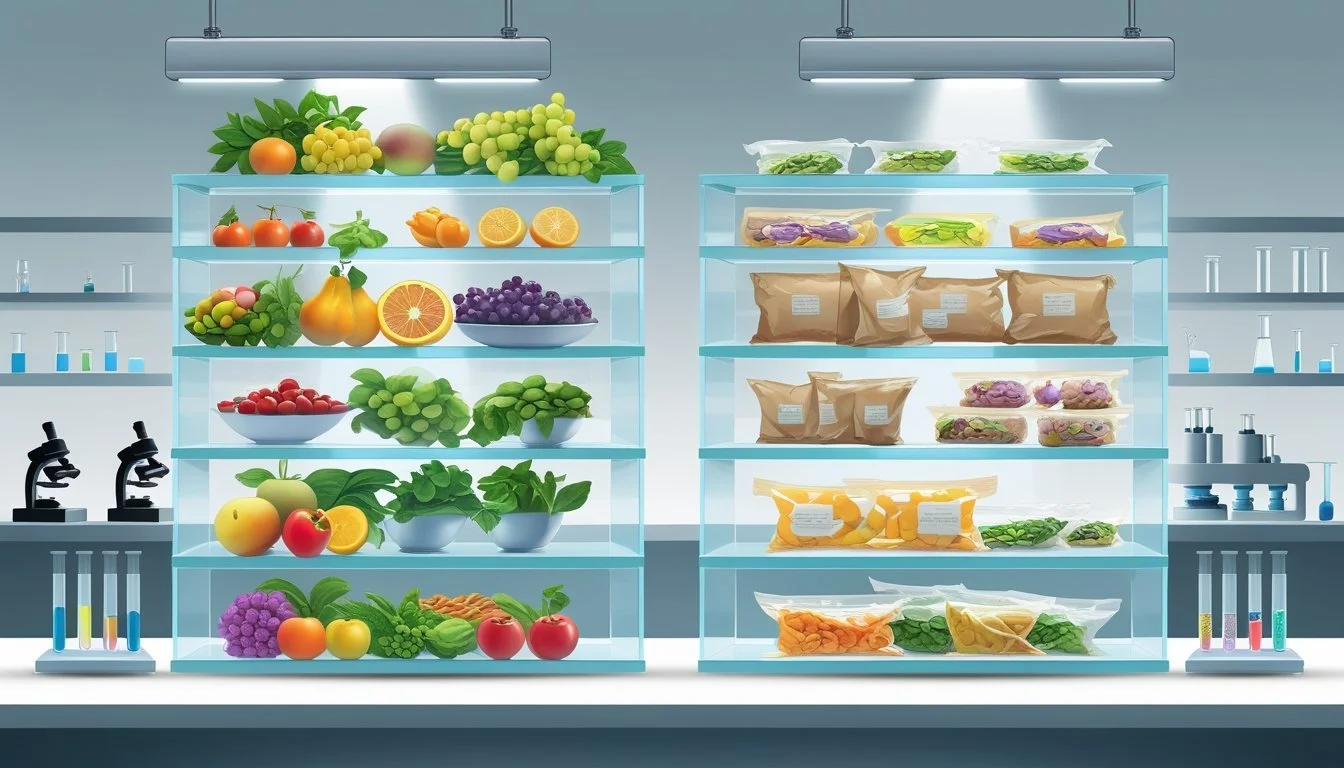
Shelf life extension can reduce waste but must not compromise food safety or sensory characteristics. Strategies such as antimicrobial agents and established preservation methods play critical roles in achieving this balance.
Natural Antimicrobial Agents and Preservatives
Natural antimicrobial agents—including essential oils, plant extracts, and fermentation by-products—offer effective means to control microbial spoilage while avoiding synthetic chemicals. These substances target bacteria, molds, and yeasts that can cause food to spoil or become unsafe. For example, nisin (a bacteriocin) and certain rosemary extracts inhibit Gram-positive bacteria in meats and dairy products.
Using natural preservatives allows food producers to meet consumer demand for clean labels. However, not all natural agents are equally effective on all foods or pathogens. Their impact on taste, odor, and texture must be evaluated to ensure that product quality remains high.
A table comparing common natural antimicrobial agents:
Agent Typical Foods Main Action Nisin Dairy, Canned Meats Inhibits Gram-positive bacteria Garlic Extract Sauces, Dressings Broad-spectrum antimicrobial Rosemary Fats, Oils Antioxidant and antimicrobial
Dehydration, Canning, and Traditional Methods
Dehydration removes water, which inhibits microbial growth. Methods such as air-drying, freeze-drying, and sun-drying are used for fruits, vegetables, and meats. Dehydrated foods remain shelf-stable for months or years but can lose flavor and nutrients if not carefully processed.
Canning preserves food through heat treatment and sealed containers, which destroy pathogens and prevent recontamination. This method is effective for vegetables, fruits, meats, and fish. However, improper canning poses safety risks like botulism, so it requires strict temperature and sealing controls.
Traditional preservation methods—such as salting, pickling, and fermenting—still play a critical role. These techniques use salt, vinegar, or beneficial bacteria to create environments where harmful microbes cannot thrive. While reliable, not every method is suitable for all products, and careful formulation is needed to maintain both safety and desired sensory properties.
Conclusion

Efforts to extend food shelf life offer both benefits and trade-offs. While advancements such as antimicrobial films, cold storage, and new packaging methods can reduce spoilage and food waste, they may also introduce health and nutritional concerns.
Some shelf-life extension methods rely on additives, preservatives, and processing steps that may affect product quality. Common additives like emulsifiers, stabilizers, and artificial flavors can alter the nutritional profile and potentially contribute to health risks for certain people.
Key considerations:
Prolonging freshness can support sustainability by reducing waste.
Health impact varies, depending on the specific methods and substances used.
Consumers and producers must balance convenience with nutrition and safety.
Advantage Potential Drawback Reduced food waste Increased reliance on additives Fresher products for longer Possible loss of nutrients Logistics optimization New packaging waste
The challenges of overextending shelf life require thoughtful evaluation of both technological and health impacts. Ongoing research and transparent labeling can help guide both industry practices and consumer decisions.

