
The Rise of Shelf Life Tech Startups Transforming Food Preservation and Safety
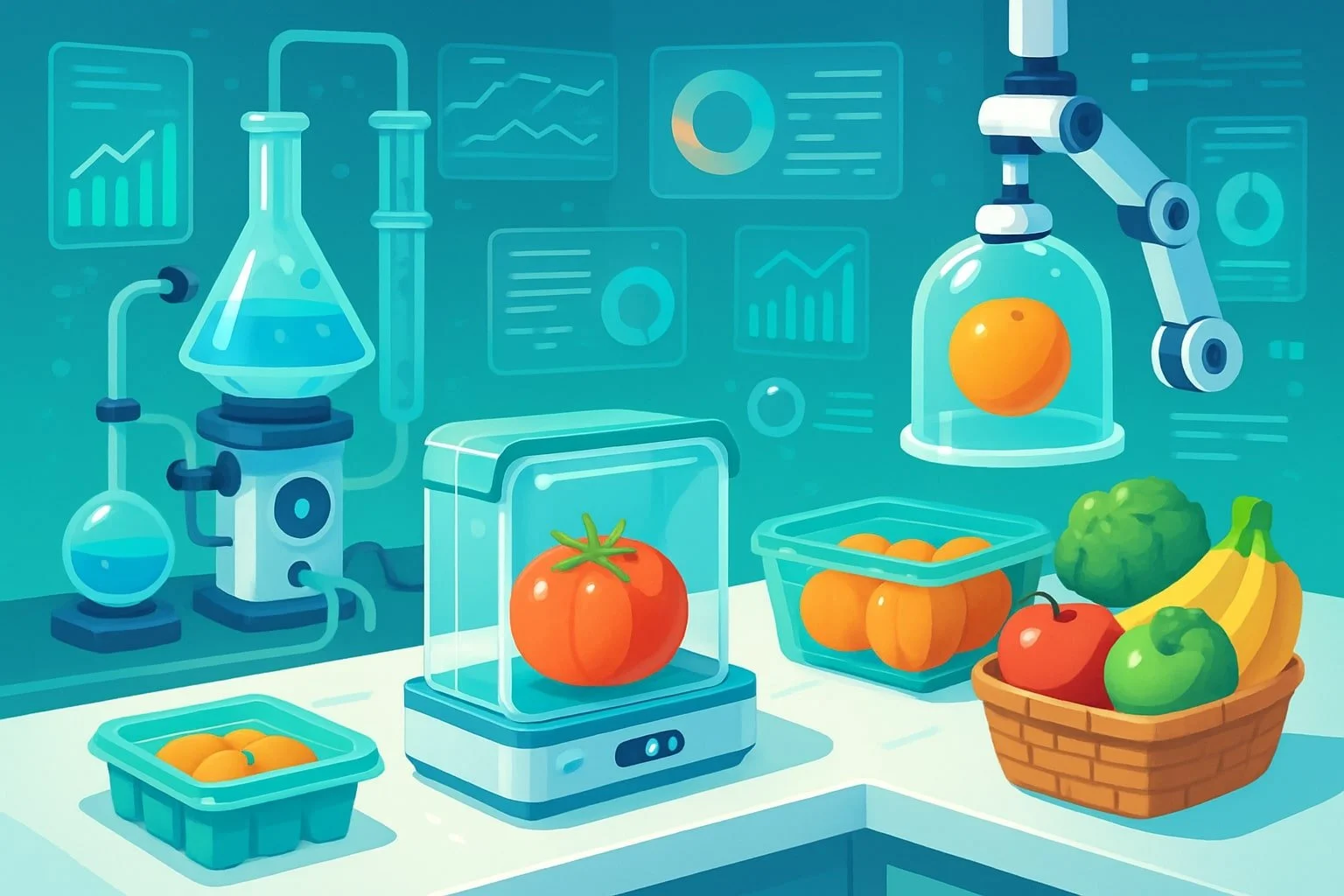
Shelf life technology startups are reshaping how food and other perishable goods are stored, tracked, and sold, directly addressing the global challenge of food waste and efficiency. With about 40% of global food waste linked to inadequate shelf life management, these innovators are moving well beyond traditional packaging and expiration dates.
Companies are leveraging sensors, AI, and nature-inspired coatings to extend shelf life, monitor real-time freshness, and reduce unnecessary spoilage. Startups such as Apeel, Evigence, and Neolithics demonstrate that these solutions can not only reduce waste but also improve profitability and supply chain transparency for retailers and producers.
Consumers and businesses are watching closely as these technologies become more mainstream, signaling a significant shift in the way society approaches food preservation and waste reduction.
Understanding Shelf Life Technology
Shelf life technology is transforming how the food industry manages preservation, freshness, and waste. By leveraging specific innovations, startups are introducing new solutions that support safer, more efficient food supply chains.
Defining Shelf Life in Modern Markets
Shelf life refers to the length of time a product remains safe and suitable for consumption. In modern markets, it encompasses not only safety but also sensory qualities such as taste, texture, and nutritional value.
Factors influencing shelf life include microbial growth, chemical changes, and environmental exposure during storage and transport. Shelf life applies across various segments, including fresh produce, packaged goods, and pharmaceuticals.
Accurate shelf life measurement enables retailers and manufacturers to reduce spoilage and meet consumer expectations. It plays a direct role in regulatory compliance and inventory planning.
The Need for Shelf Life Tech Startups
Challenges Addressed by Startups:
Up to 40% of global food waste is linked to spoilage and expired products (source).
Consumer demand for fresher, safer, and longer-lasting food continues to rise.
Traditional preservation methods, such as refrigeration and chemical additives, are not always adequate. Supply chains have grown more complex, making real-time monitoring and prediction more challenging.
Shelf life tech startups use data-driven tools to address these pain points. They provide solutions that minimize waste, improve traceability, and optimize logistics for producers and retailers.
Core Technologies Powering Shelf Life Solutions
Key innovations include:
Technology Description Example Use Case Smart Sensors Track temperature, humidity, gases Real-time monitoring of cold chains Digital Labels Dynamic expiration date tracking Automated stock management Advanced Packaging Oxygen absorbers, antimicrobial films Slowing spoilage of fresh produce Data Analytics Predict shelf life using AI Forecasting spoilage risks
Companies integrate these technologies for tailored shelf life management systems. For example, Evigence employs freshness sensors that extend shelf life by about 20%, reducing waste by a third. Innovations are also emerging in microbial control and natural preservation agents.
Impact of Shelf Life Innovation on Food Systems
Shelf life advancements reshape the agtech and food supply chain sectors. By improving visibility into product freshness, these technologies enable suppliers to make data-backed logistics decisions and reduce unnecessary waste.
Retailers benefit from more accurate inventory data and fewer out-of-date products on shelves. There is also a measurable reduction in disposal costs and improved sustainability metrics.
Startups are helping to close the gap between production and consumption cycles, resulting in more efficient resource use. This has direct implications for food security, profitability, and environmental impact.
Types of Shelf Life Tech Startups
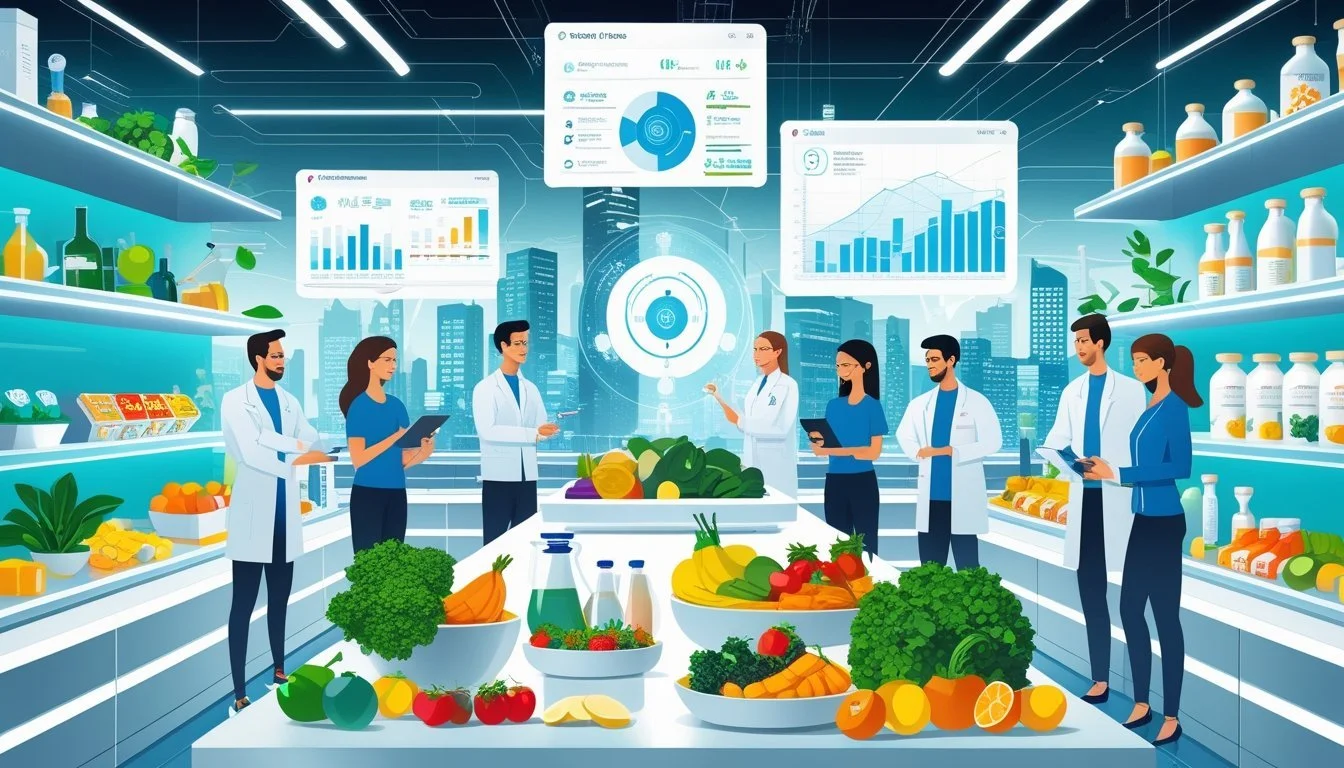
Shelf life technology startups are driving innovation in food packaging, waste reduction, and quality preservation. These companies target spoilage, sustainability, and logistical efficiency using a range of distinct approaches.
Edible Coating and Biodegradable Solutions
Startups in this niche are addressing plastic waste by developing edible or biodegradable coatings that preserve food freshness. Companies like Saveggy have created plant-based coatings that replace plastic wrap and extend the shelf life of fresh produce.
These coatings function as invisible barriers, reducing moisture loss and slowing the growth of spoilage organisms. For example, natural polysaccharides or proteins form thin, tasteless layers around fruits and vegetables.
Some startups focus on solutions that decompose naturally, ensuring minimal environmental impact if coatings are not consumed. These advancements support both waste reduction and compostable packaging initiatives.
The sector appeals strongly to eco-conscious manufacturers and retailers who want practical, scalable sustainability solutions without sacrificing food quality.
Active and Smart Packaging Startups
Active packaging startups develop materials that interact directly with food products or their environment. These technologies can release antioxidants, control humidity, or absorb ethylene to slow down ripening.
Smart packaging companies, like those using time-temperature indicators, help track product conditions along the supply chain. Some solutions incorporate antimicrobial agents within the packaging matrix to inhibit bacteria or mold growth.
Evigence, for example, has advanced solutions that extend shelf life while providing clear, visual cues about food freshness. Packaging can be customized for specific food categories, including dairy, produce, and meats.
These innovations contribute to significant waste reduction by increasing usable shelf life and reducing consumer uncertainty about food safety.
Sensing Technology and Food Monitoring
Sensing startups focus on real-time monitoring through embedded or external sensors. These sensors detect gases, temperature shifts, or microbial changes, offering actionable data for logistics and retail operations.
Chinova Bioworks integrates sensors that monitor microbial activity and alert users about spoilage risk. Other companies provide wireless sensors that transmit freshness data directly to inventory systems or mobile devices.
Technologies include RFID tags, colorimetric strips, and electronic noses. Each allows for precise shelf life assessments that surpass traditional expiry-date labeling.
Such monitoring empowers distributors, retailers, and even end consumers to make informed decisions, helping further reduce food waste.
Platform-Based and Service Models
This segment includes startups offering software and data-driven services focused on optimizing shelf life. Platforms may track freshness across supply chains, provide shelf life predictions, or support quick-commerce businesses reliant on accurate perishability data.
Some companies employ subscription models, supplying ongoing analytics or toolkits for monitoring and extending shelf life. These platforms often integrate with existing inventory management systems for seamless adoption.
Key features can include waste tracking dashboards, automated alerts for product rotation, and APIs for connecting to point-of-sale or e-commerce systems.
By combining predictive analytics with logistics, these startups help clients reduce losses and improve fulfillment efficiency across grocery, food service, and delivery sectors.
Key Players in the Shelf Life Tech Ecosystem
Advances in shelf life extension are being driven by both established brands and new disruptors. These organizations use proprietary materials, data analysis, and biological solutions to slow spoilage and optimize food safety.
Leading Shelf Life Startups and Brands
Apeel is known for its plant-based coatings that reduce water loss and oxidation in fresh produce. Retailers have adopted Apeel to decrease shrinkage and waste, establishing it as a leader in the commercial produce sector.
Saveggy specializes in sustainable packaging alternatives. Its products target fruits and vegetables and use edible coatings to block moisture and oxygen, aligning with the push for eco-friendly supply chain solutions.
Magic leverages advanced material science to create packaging that absorbs ethylene gas and delays ripening. Their technology has scaled in both North America and Europe.
Uni offers digital shelf life management software used by retailers to track freshness and automate restocking. The software integrates with POS systems, giving businesses real-time inventory data for perishable goods.
These brands focus on practical solutions and offer clear benefits for food retailers, distributors, and consumers.
Emerging Innovators and Disruptors
Exa is developing sensor-based systems that monitor environmental conditions affecting shelf life. Their IoT-powered technology is gaining traction with supply chain companies seeking granular control over product quality in transit.
Oura and Profound are investing in biotech techniques to modify natural preservation pathways in perishable goods. Profound’s microbe-focused solutions aim to reduce spoilage, while Oura uses gene editing to slow ripening.
AgTech startups are advancing methods such as microbial management and AI-driven predictive analytics. These innovations help identify early spoilage indicators and optimize shelf life for a wider range of products.
Each of these emerging companies contributes novel approaches, expanding the capabilities and reach of shelf life technologies.
Technologies Transforming Shelf Life
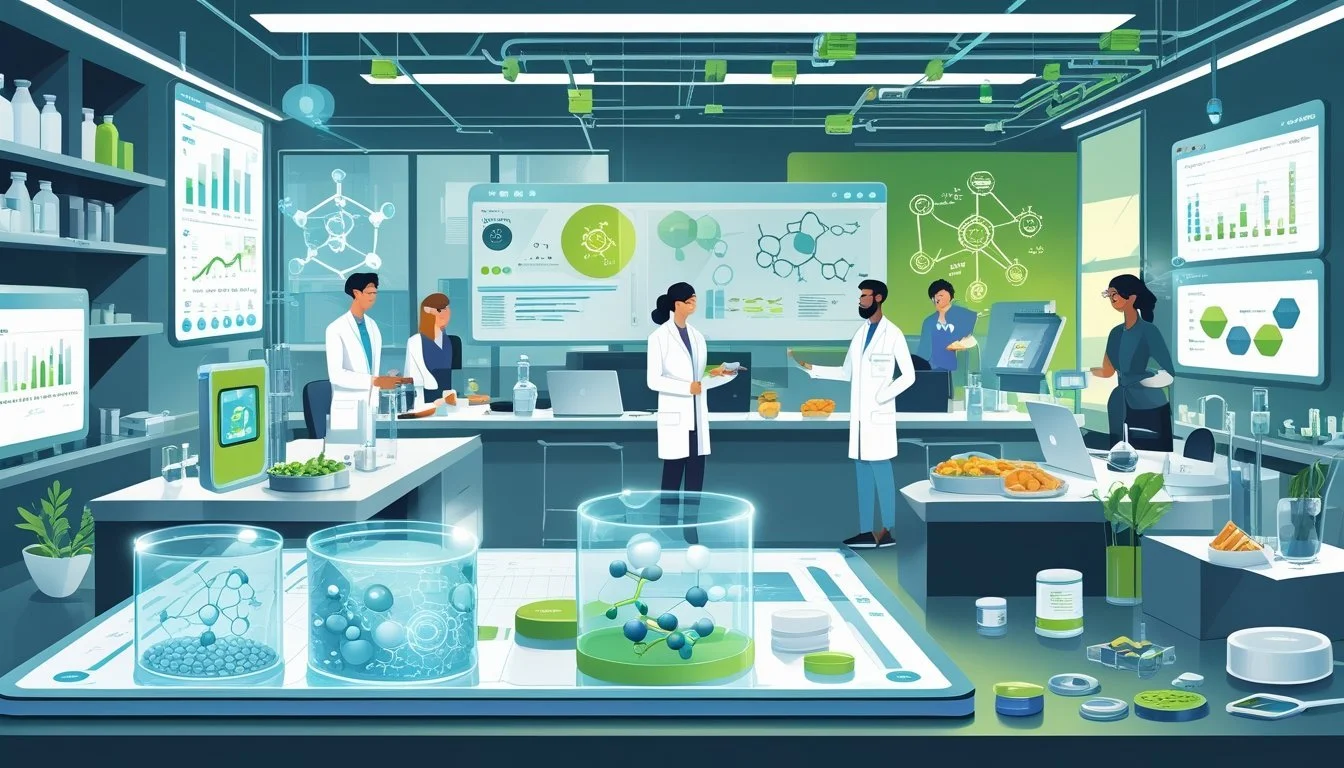
Food shelf life is being extended through a range of science-driven and data-backed approaches. Innovations in packaging, preservation, monitoring, and logistics are reducing waste and maintaining food quality across global supply chains.
Advances in Edible Coatings and Natural Preservatives
Recent advances allow startups to create edible coatings that form an invisible barrier on fruits, vegetables, and other perishables. These coatings slow moisture loss and reduce oxidation, helping maintain freshness for a longer period.
Natural preservatives, such as plant extracts and enzymes, are increasingly replacing synthetic chemicals. These alternatives work to inhibit microbial growth without leaving harmful residues or impacting taste. Key ingredients may include fermented compounds, essential oils, and antimicrobial peptides.
A comparison of common natural preservatives:
Preservative Source Main Function Nisin Bacteria-derived Antimicrobial Rosemary Extract Plant-based Antioxidant Chitosan Shellfish waste Edible coating Natamycin Fungi-derived Anti-mold
Startups are rigorously testing these approaches to meet regulatory standards and consumer demands for clean-label products.
Smart Sensors and Quality Control
Smart sensors monitor food freshness, humidity, temperature, and gas concentrations in real time. This data helps pinpoint when a product is approaching the end of its shelf life, allowing suppliers to prioritize distribution or remove compromised items.
Quality control platforms use AI-based image analysis and chemical sensors to detect contamination or spoilage before visible signs are present. AI tools can identify subtle changes in color, surface texture, or odor that traditional inspections might miss.
A typical implementation includes:
Wireless RFID-based time-temperature indicators
Gas sensors detecting ethylene production
Vision systems for flaw detection
Robust quality control reduces recall risks and ensures that only high-quality products reach consumers.
Active and Compostable Packaging
Active packaging incorporates materials that interact with the food or environment to absorb moisture, capture oxygen, or release antimicrobials. For example, sachets containing oxygen scavengers slow down spoilage in packaged snacks.
At the same time, compostable packaging solutions are gaining traction to address environmental concerns. Made from materials such as polylactic acid (PLA) and cellulose, these packages break down naturally after use.
An overview of features:
Active Functions: Moisture absorbers, oxygen scavengers, antimicrobial films
Compostable Materials: PLA, cellulose, starch blends
These packaging innovations help preserve food and reduce plastic waste, supporting a more sustainable supply chain.
Cold Chain and Logistics Innovations
Maintaining consistent cold temperatures is crucial for perishable foods. New cold chain solutions feature real-time temperature tracking, automated alerts, and predictive analytics to minimize spoilage during transport.
Startups are deploying IoT devices and cloud-based platforms that provide 24/7 visibility into storage and transit conditions. Advanced insulation materials and phase change materials extend cooling periods without increasing energy use.
By integrating these logistics technologies, companies can reduce food waste, optimize inventory turnover, and meet strict safety regulations throughout global supply chains.
Applications and Use Cases
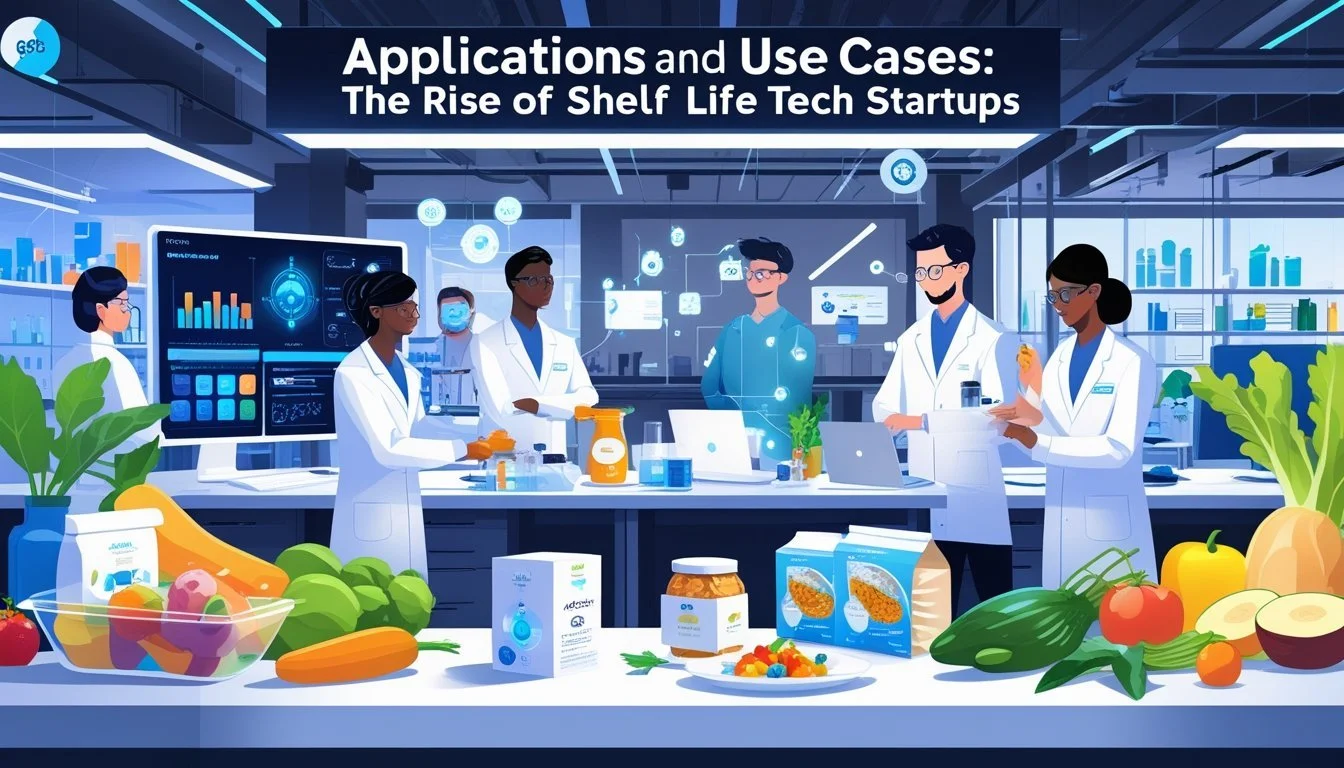
Shelf life technology startups are targeting a range of industries with solutions designed to reduce waste, optimize quality, and cut costs. These advancements address specific pain points, from keeping produce fresher longer to safeguarding high-turnover categories like clothing rentals.
Fruits and Vegetables Shelf Life Extension
Multiple startups are developing coatings, films, and storage technologies to slow the spoilage of fruits and vegetables. Technologies such as natural edible coatings can reduce moisture loss, protect against pathogens, and delay ripening.
For example, cucumbers and leafy greens benefit from breathable film wraps that help maintain humidity without encouraging mold. Smart sensors can track ethylene gas levels, signaling when produce is nearing the end of its optimal freshness.
Such innovations directly help grocers, farmers, and logistics firms cut losses from spoiled stock. Solutions also support domestic consumers, extending the window for safe and tasty consumption at home.
Perishable Food Protection
Shelf life startups are applying preservative systems and antimicrobial packaging to dairy, baked goods, and meat products. These include active packaging that absorbs oxygen or releases controlled antimicrobials, slowing spoilage and bacterial growth.
Technologies harnessing natural extracts—such as polyphenols with antioxidant, antibacterial properties—are finding roles in extending the freshness of processed foods. Startups are also developing shelf sensors that alert distributors when a product's condition degrades.
Such approaches are especially valuable in cold chains where transportation delays or temperature fluctuations are common. By extending useable life, companies can reduce food waste and improve supply predictability.
Clothing and Other Categories
Beyond food, shelf life technologies are emerging in clothing rental, pharmaceuticals, and cosmetics. For clothing rental services, startups deploy garment packaging and environmental control systems that minimize microbial growth and fiber degradation.
Humidity regulation and antimicrobial treatments can keep fabrics fresh longer between rentals. In pharmaceuticals, similar preservation approaches are being adapted to control moisture and extend the shelf life of sensitive drugs.
Other sectors, such as personal care products, benefit from materials that slow oxidation and maintain product efficacy over time. These cross-industry solutions illustrate the broader relevance of shelf life innovation.
Addressing Global Challenges With Shelf Life Tech
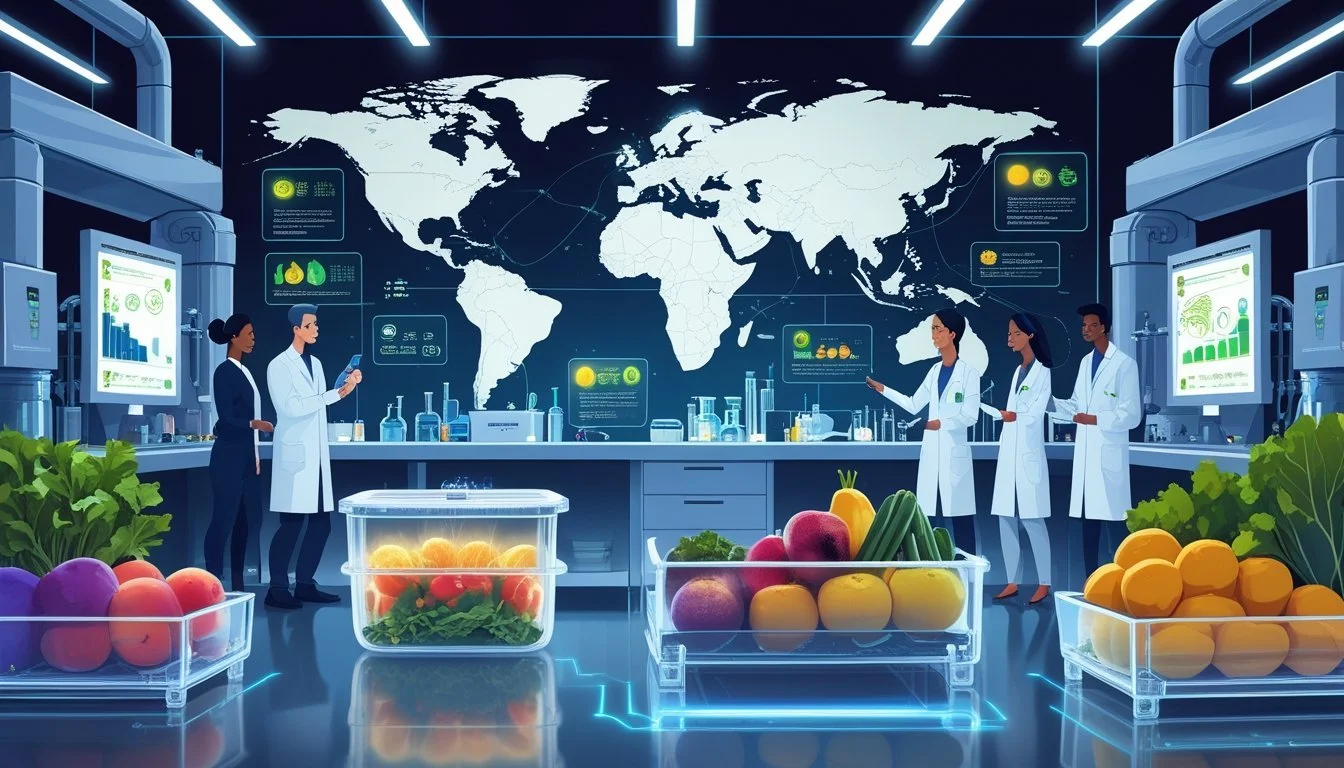
Shelf life technologies play a direct role in tackling pressing issues in the global food system. These innovations target waste reduction, help maintain food safety, and contribute to the fight against environmental degradation.
Combating Food Waste and Loss
Food waste accounts for about 40% of global production, with most losses attributed to spoilage in supply chains and households. Shelf life tech startups are developing specialized coatings, controlled-atmosphere packaging, and time–temperature sensors to extend product freshness.
Improved shelf-stable solutions mean fewer perishables are discarded before they can be consumed. This reduces landfill contributions and helps stabilize food prices by making supply chains more efficient.
The impact is measurable. Research shows that technologies extending shelf life by even a single day can make a significant dent in the amount of waste generated at retail and consumer levels.
Enhancing Food Safety and Security
Shelf life technologies are advancing food safety protocols by slowing spoilage and inhibiting the growth of dangerous microbes. Many startups use antimicrobial materials or smart packaging with real-time freshness indicators that alert consumers and retailers to safety risks.
By maintaining food quality longer, these innovations decrease the risk of foodborne illness and ensure more of the harvested crop reaches consumers safely. This stability directly supports food security, providing reliable access to nutritious food even in regions with weak infrastructure.
Examples of shelf life tech for safety:
Antimicrobial edible coatings
Oxygen-scavenging packaging
Sensors for temperature and spoilage detection
Climate Change and Environmental Impacts
The environmental impact of food waste is significant, contributing to methane emissions and the overuse of natural resources. Shelf life extensions through new packaging or preservation technologies directly address these challenges.
Longer-lasting food reduces pressure on agricultural production and lowers greenhouse gas emissions from decomposing waste. Companies emphasizing eco-friendly packaging materials add another layer of climate mitigation.
By cutting waste and encouraging efficient resource use, shelf life tech startups help reduce the agriculture sector's carbon footprint while supporting a more resilient food system.
Business Models and Growth Strategies
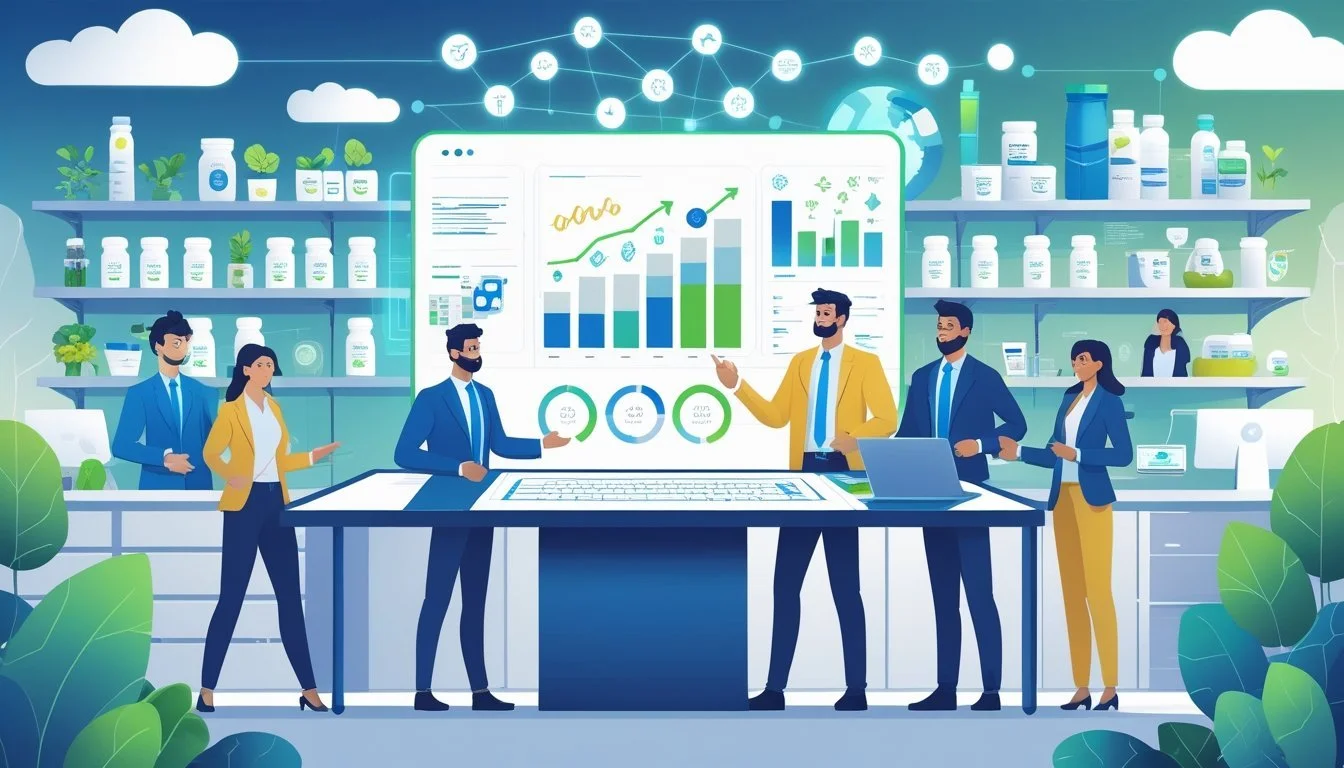
Shelf life tech startups rely on flexible business models and deliberate growth plans to capture value in rapidly changing markets. Strategic funding, robust collaborations, and scalable systems allow them to adapt and remain competitive.
Funding Rounds and Investment Trends
Shelf life tech startups typically progress through multiple funding rounds, from seed capital to Series A and beyond. Early investment is essential for product development and initial market entry. Venture capital and angel investors often seek startups with clearly defined subscription models, as these offer predictable recurring revenue.
Notably, investors value startups with adaptable business models that can pivot as markets evolve. Participation in accelerator programs or incubators can increase access to networks and additional funding sources. Convertible notes and SAFE (Simple Agreement for Future Equity) instruments are common in early rounds, offering flexibility for both founders and investors.
As they grow, some shelf life tech startups extend their capital through strategic partnerships or even venture debt, rather than relying on traditional equity financing.
Partnerships and Collaborations
Strategic partnerships play a critical role in helping shelf life tech startups accelerate growth and access new customer segments. Collaborations with established companies can grant access to global supply chains and distribution networks, reducing barriers to international expansion.
Startups frequently join innovation ecosystems, leveraging co-development agreements and shared R&D. This can minimize costs and speed up product testing cycles. Joint marketing efforts and revenue-sharing deals are common, especially when breaking into heavily regulated or competitive industries.
Key Benefits of Partnerships:
Shared resources and expertise
Faster entry to new markets
Risk and cost sharing
These collaborations help startups respond quickly to market changes and ensure their products meet shifting consumer demands.
Scalability in Global Markets
Scalability is fundamental for shelf life tech startups aiming to grow beyond their initial markets. Subscription-based models allow for smoother expansion into new geographies by stabilizing revenue streams and simplifying customer onboarding.
Startups often design their platforms to integrate with global supply chains, using cloud infrastructure and modular architectures. This enables real-time tracking and efficient inventory management. Security, compliance, and local regulatory adaptation are prioritized early to support seamless international scaling.
Many shelf life tech startups measure scalability through key metrics such as customer acquisition cost, churn rate, and average revenue per user, regularly adjusting strategies as they enter new regions.
Future Outlook for Shelf Life Tech Startups
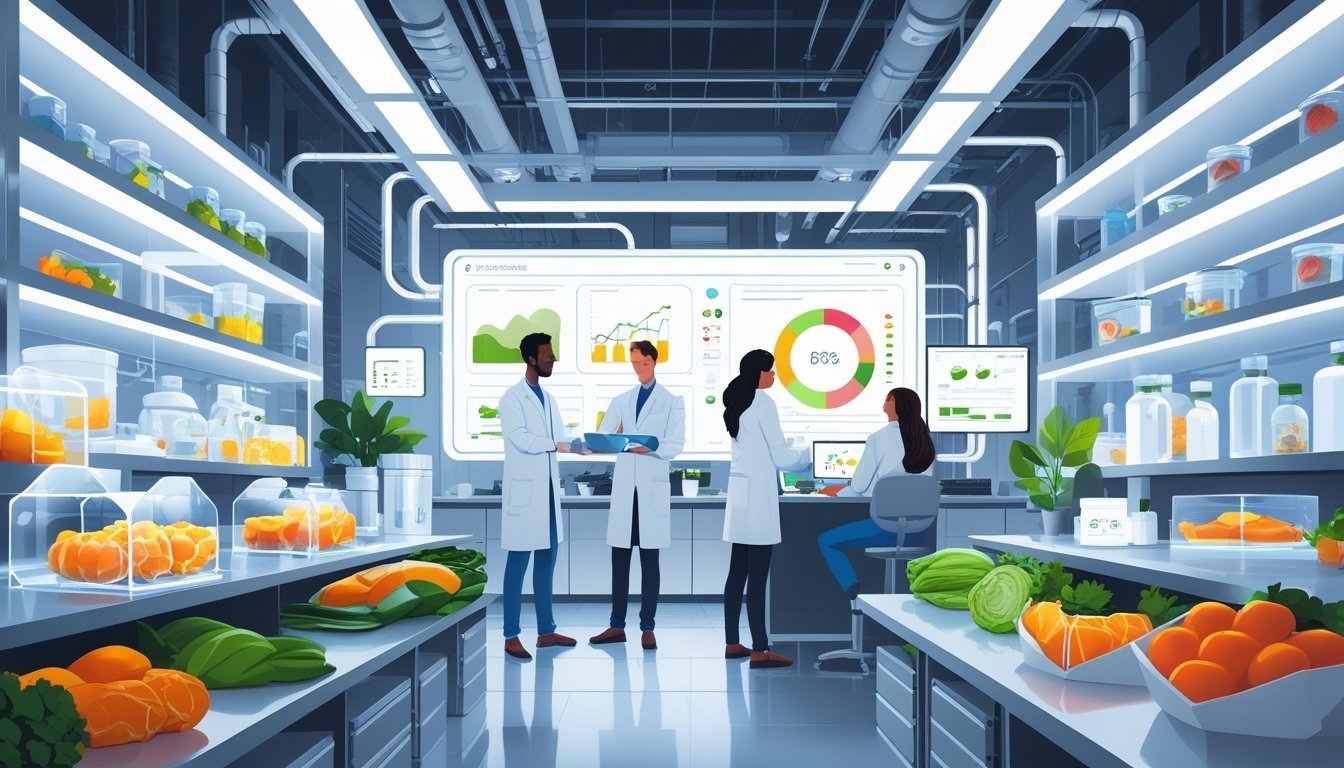
Shelf life tech startups are advancing rapidly, bringing new technology and data-driven approaches to food preservation and waste reduction. As the sector evolves, companies will encounter both major innovations and important hurdles in the coming years.
Upcoming Trends and Innovations
Startups are integrating artificial intelligence (AI) and Internet of Things (IoT) sensor networks to forecast food spoilage with greater accuracy. For example, AI-powered platforms can now track product freshness in real time and provide predictive insights to retailers. These systems use data from temperature, humidity, and gas sensors to monitor changes, identifying products at risk of early spoilage.
A growing focus on sustainability is driving startups to develop eco-friendly preservation techniques. This includes innovations such as edible coatings that extend shelf life and plant-based preservatives designed to be safer and more effective than traditional options. Partnerships between food producers and tech startups are becoming more common, streamlining the supply chain by sharing sensor data.
Table: Key Technological Advances in Shelf Life Management
Technology Primary Benefit AI-Based Prediction Improved spoilage forecasting Smart Sensors & IoT Real-time freshness data Edible Coatings Extended product longevity
Challenges and Opportunities Ahead
Regulations around food safety require startups to meet strict compliance standards, which can slow deployment of new products. Achieving scalability is another ongoing challenge, especially for solutions that depend on large datasets or extensive sensor networks.
On the opportunity side, rising demand from retailers and consumers for fresh, safe, and sustainable food is fueling investment in shelf life innovation. Startups that can demonstrate clear reductions in food waste or significant cost savings will be in high demand. Collaboration with established food producers presents a chance for wider adoption of innovative solutions.
Continued research and development will be necessary as global supply chains evolve and new preservation challenges arise. Startups that adapt quickly to technical, regulatory, and market changes are best positioned to lead the sector forward.

