Nutritional Value of Baby Gourmet Organic Rice Cereal
Essential Facts for Infant Health
Baby Gourmet organic rice cereal offers a nutritious first food option for infants starting solid foods. This gentle cereal is made with organic ingredients and fortified with essential nutrients to support healthy growth and development. Baby Gourmet organic rice cereal typically contains iron, B vitamins, and calcium to help meet a baby's nutritional needs.
Parents often choose rice cereal as an initial solid food due to its mild flavor and smooth texture. Baby Gourmet's organic version provides these benefits while also giving parents peace of mind about ingredient quality. The cereal can be mixed with breast milk, formula, or water to achieve the desired consistency for each feeding stage.
When introducing Baby Gourmet organic rice cereal, caregivers can start with a thin consistency and gradually thicken it as the baby becomes more accustomed to eating solids. This allows for a gradual transition from an all-liquid diet to more substantial foods. As with any new food, it's important to watch for any signs of allergies or sensitivities when first offering the cereal to infants.
Overview of Baby Gourmet Organic Rice Cereal
Baby Gourmet Organic Rice Cereal is a nutritious first food option for infants. This cereal combines wholesome ingredients with organic certification to provide a gentle introduction to solid foods.
Definition and Importance
Baby Gourmet Organic Rice Cereal is a finely ground rice powder fortified with essential nutrients. It serves as an ideal first solid food for infants, typically introduced around 4-6 months of age. The cereal's smooth texture makes it easy for babies to swallow and digest.
Rice cereal is often recommended by pediatricians due to its low allergen risk. It provides important nutrients like iron, which supports cognitive development and prevents anemia. Baby Gourmet's organic version ensures no synthetic pesticides or fertilizers are used in the rice cultivation process.
Understanding Organic Certification
Organic certification for Baby Gourmet Rice Cereal means it meets strict USDA Organic standards. This certification guarantees the rice is grown without synthetic pesticides, herbicides, or genetically modified organisms (GMOs).
The organic certification process involves rigorous inspections and documentation. Farmers must follow specific practices to maintain soil health and biodiversity. For parents, choosing organic baby cereal can reduce exposure to potentially harmful chemicals.
USDA Organic certification also prohibits the use of artificial preservatives, colors, or flavors in the final product. This results in a pure, natural cereal that aligns with many parents' desires for clean, wholesome baby food options.
Nutritional Profile
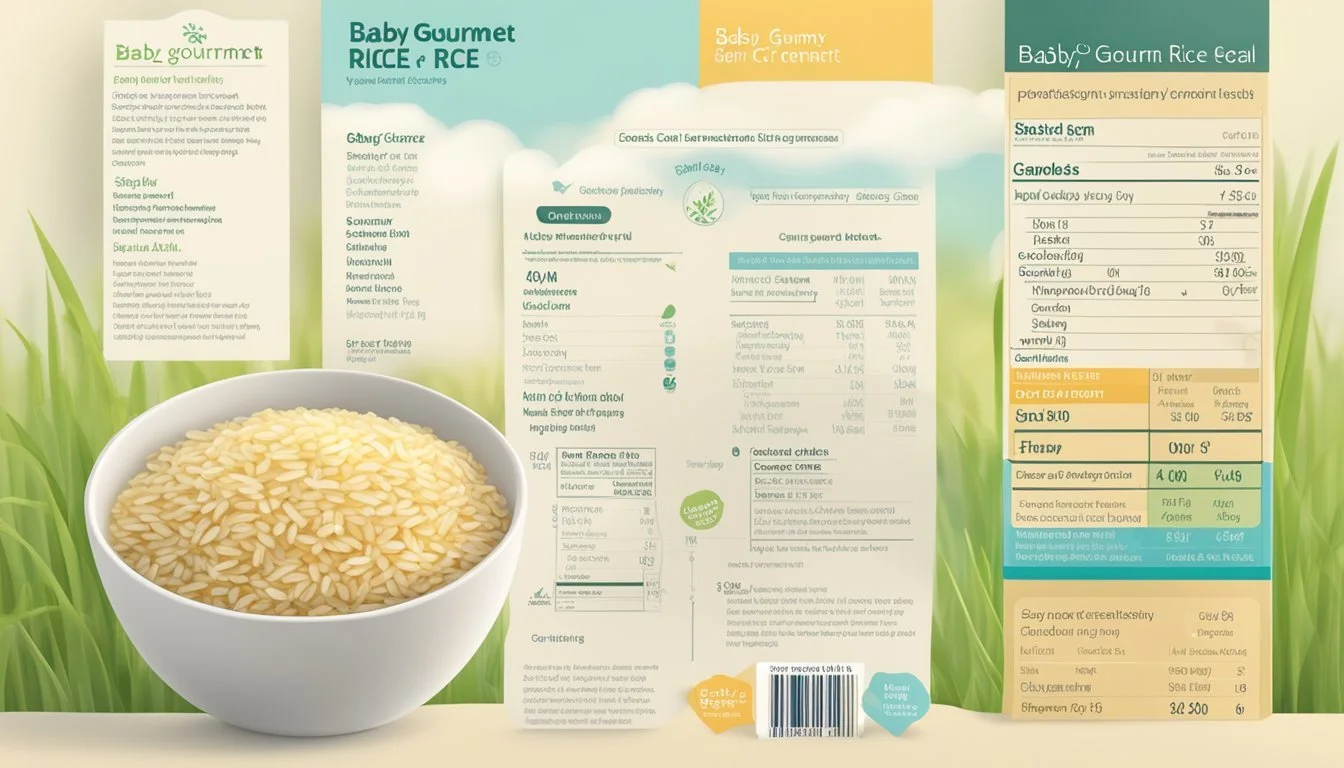
Baby Gourmet organic rice cereal provides essential nutrients for infant growth and development. Its carefully formulated blend of vitamins and minerals supports healthy early nutrition.
Key Vitamins and Minerals
Baby Gourmet organic rice cereal contains a range of important vitamins and minerals. It is fortified with iron, a crucial nutrient for infant development. The cereal provides B vitamins including thiamine (B1), riboflavin (B2), and niacin (B3).
These B vitamins support energy metabolism and nervous system function. Vitamin E, an antioxidant, is also present. The cereal contains calcium for bone development and zinc to support immune function.
Folic acid and vitamin B12 are included to promote healthy blood cell formation and brain development. The nutrient profile is designed to complement breast milk or formula feeding.
Role of Iron in Infant Growth
Iron plays a vital role in infant growth and development. It is essential for the formation of hemoglobin, which carries oxygen in the blood. Adequate iron intake supports cognitive development and motor skills.
Infants' iron stores begin to deplete around 4-6 months of age. This makes iron-fortified cereals an important early food. Iron deficiency in infancy can lead to anemia and developmental delays.
The iron in Baby Gourmet organic rice cereal is easily absorbed by infants' bodies. Regular consumption helps maintain healthy iron levels during this critical growth period.
Advantages of Iron-Fortified Cereals
Iron-fortified cereals offer several advantages for infant nutrition. They provide a consistent and reliable source of iron, which can be challenging to obtain from other early foods.
The iron in these cereals is typically more bioavailable than iron from plant sources. This means infants can absorb and utilize it more effectively. Iron-fortified cereals are easy to prepare and mix with breast milk or formula.
They serve as an ideal first solid food, introducing infants to new textures. The cereals can be gradually thickened as the infant develops eating skills. Iron-fortified cereals support overall growth, brain development, and immune function in infants.
Ingredients and Additives
Baby Gourmet organic rice cereal typically contains simple, wholesome ingredients. The focus is on using high-quality organic rice flour without unnecessary additives or preservatives.
Organic Ingredients Quality
Organic rice flour forms the base of Baby Gourmet's rice cereal. This ingredient comes from rice grown without synthetic pesticides or fertilizers. The organic certification ensures strict standards are met throughout production.
Baby Gourmet uses whole grain rice, which retains more nutrients compared to refined white rice. The rice is carefully milled into a fine flour suitable for infant digestion.
Some varieties may include additional organic ingredients like fruits or vegetables. These add flavor and nutritional variety to the cereal.
Common Additives in Baby Cereals
Baby Gourmet organic rice cereal is free from added sugars, preservatives, and artificial flavors. This aligns with recommendations for infant nutrition.
Many commercial baby cereals contain added iron and vitamins. These fortifications support infant growth and development. Baby Gourmet may include naturally-occurring or added nutrients.
The cereal is non-GMO, meaning it contains no genetically modified ingredients. This appeals to parents seeking all-natural options for their infants.
Some baby cereals use thickeners or emulsifiers. Baby Gourmet aims to keep their ingredient list simple and avoid unnecessary additives.
Health and Safety Considerations
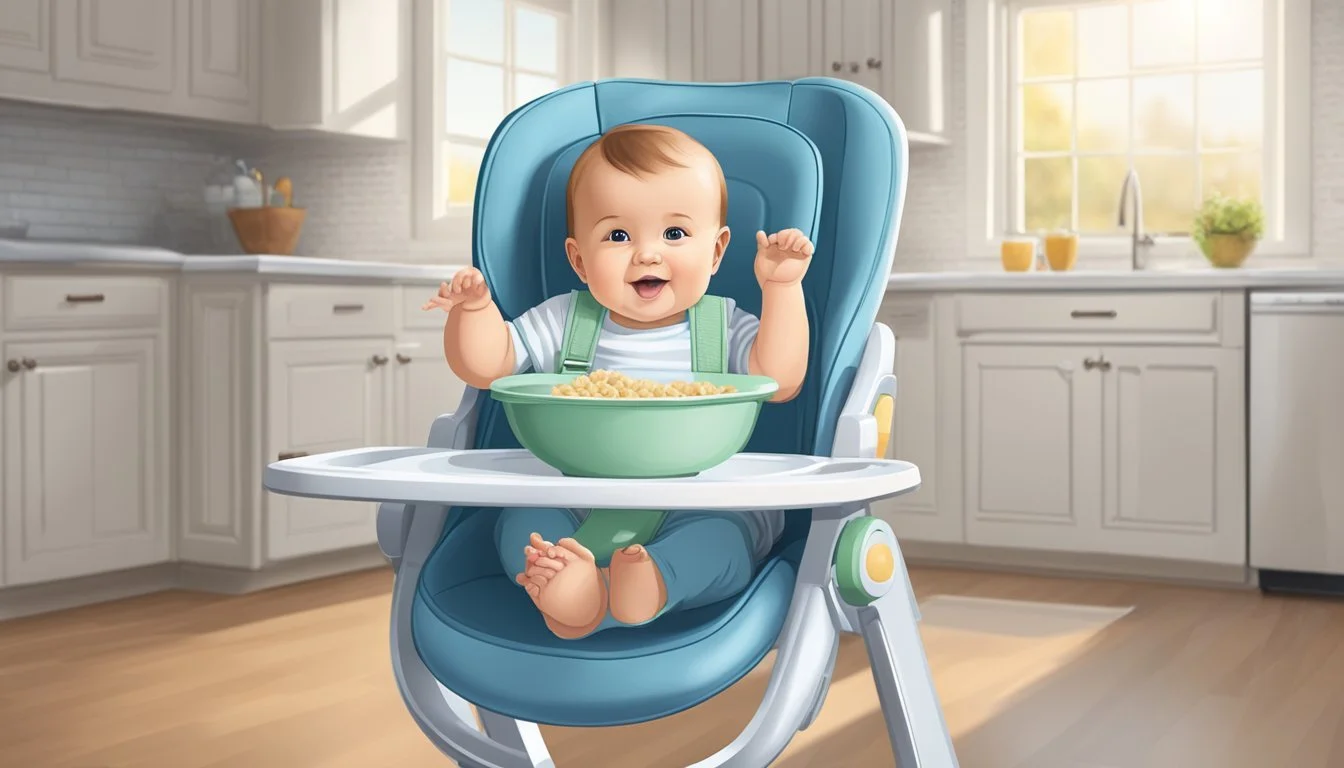
Parents should be aware of key nutrition and safety factors when introducing rice cereal to their baby's diet. Allergies, gluten content, and potential contaminants are important aspects to consider.
Potential Allergens and Gluten Content
Rice cereal is often recommended as a first food for babies due to its low allergenicity. It's generally considered hypoallergenic, making it less likely to trigger allergic reactions compared to other grains. Most organic rice cereals are gluten-free, which is beneficial for babies with celiac disease or gluten sensitivity.
Parents should still introduce rice cereal gradually and watch for any signs of allergic reactions. These may include rashes, digestive issues, or changes in breathing. If a family has a history of food allergies, consulting a pediatrician before introducing rice cereal is advisable.
Controversies Around Arsenic in Rice Cereal
Arsenic content in rice cereal has been a topic of concern in recent years. Rice naturally absorbs more arsenic from soil and water compared to other crops. Inorganic arsenic, a known carcinogen, has been found in some rice cereals at levels that have raised health concerns.
The FDA has proposed a limit of 100 parts per billion of inorganic arsenic in infant rice cereal. Many manufacturers have worked to meet or approach this limit. Parents can reduce arsenic exposure by:
Limiting rice cereal consumption
Choosing cereals made from other grains
Rinsing rice before cooking (for homemade cereal)
Balancing rice cereal with other grain options can help minimize potential risks while still providing important nutrients for infant development.
Feeding Guidelines
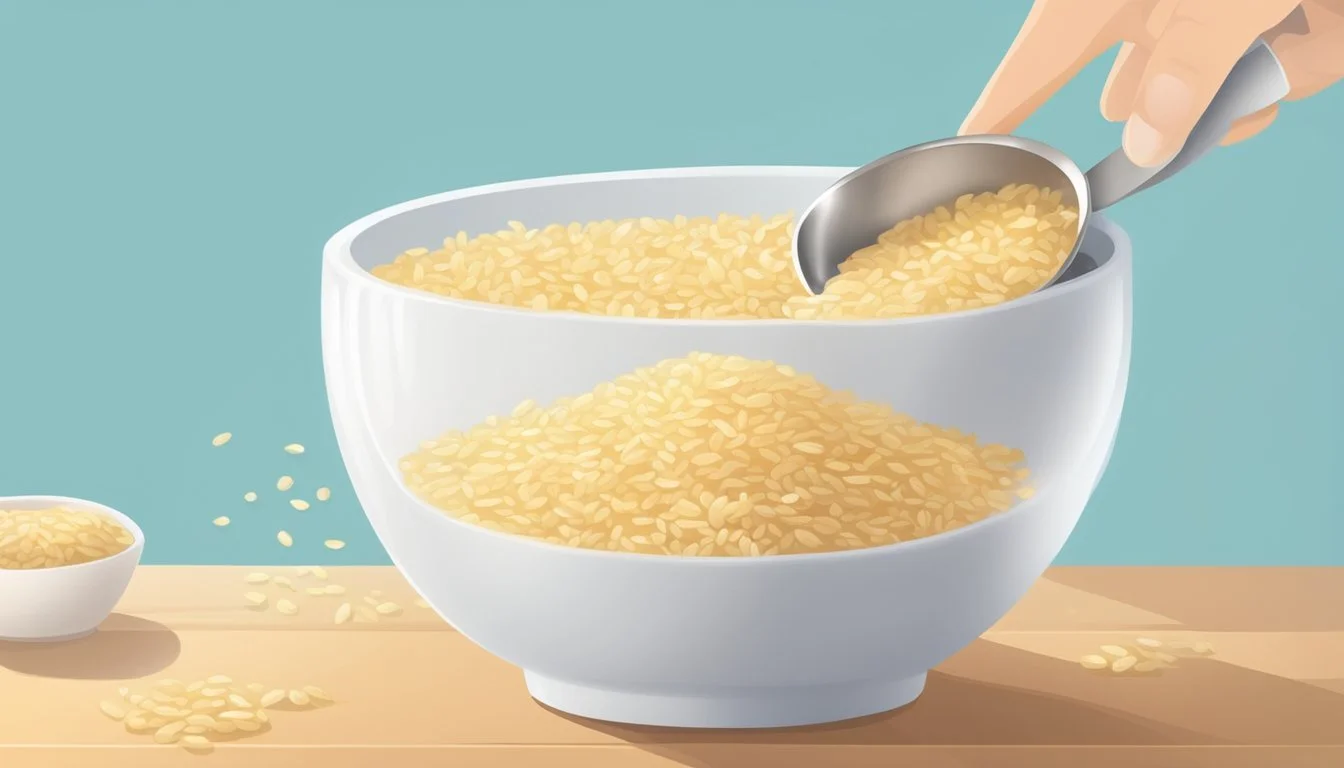
Introducing solid foods is a crucial milestone in an infant's development. Proper timing and methods help ensure optimal nutrition and healthy eating habits.
Starting Solids
Most pediatricians recommend starting solids around 6 months of age. Signs of readiness include sitting up with support, good head control, and showing interest in food. Rice cereal is often suggested as a first food due to its mild taste and easy digestibility.
Begin with a thin consistency, mixing 1 tablespoon of cereal with 4-5 tablespoons of breast milk or formula. Offer once daily, gradually increasing to 2-3 times per day. Use a soft spoon and feed slowly, allowing the baby to guide the pace.
As the infant becomes accustomed to cereal, thicken the mixture slightly. Introduce new foods one at a time, waiting 3-5 days between each to watch for allergic reactions.
Transitioning from Breast Milk to Solids
Breast milk or formula should remain the primary source of nutrition until 12 months. Introduce solids as complementary foods, not replacements. Start with small amounts after nursing or bottle-feeding.
Gradually increase solid food intake while maintaining regular breast milk or formula feedings. By 8-9 months, aim for 3 meals a day plus snacks. Offer a variety of textures and flavors to expand the palate.
Continue breast milk or formula until at least 12 months. After 1 year, whole milk can be introduced if the pediatrician approves. Transition slowly, mixing breast milk or formula with whole milk over several weeks.
Comparison with Other Grain-Based Cereals
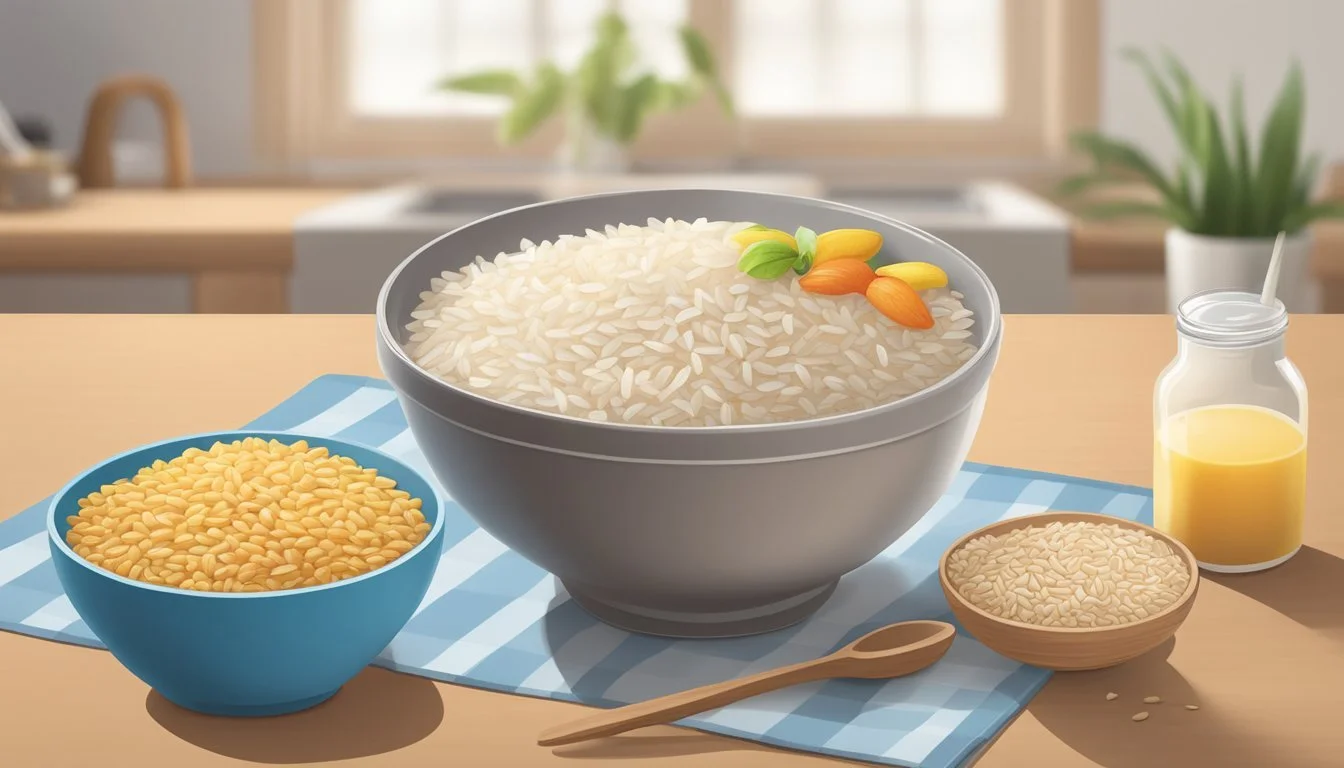
Baby cereals come in various grain options, each with unique nutritional profiles and benefits. The choice between organic and non-organic varieties also impacts nutrient content and potential exposure to pesticides.
Rice vs. Oat vs. Barley Cereals
Rice cereals have traditionally been a popular first food for babies. They are easily digestible and less likely to cause allergic reactions. However, oat and barley cereals offer higher fiber content and more diverse nutrients.
Oat cereals provide beta-glucan, a soluble fiber that supports heart health. They also contain more protein than rice cereals. Barley cereals offer similar benefits to oats, with a slightly nuttier flavor.
Wheat cereals are another option, but they're often introduced later due to potential gluten sensitivities. Buckwheat and quinoa cereals, while less common, provide complete proteins and are gluten-free alternatives.
Organic Vs. Non-Organic Grain Options
Organic grain cereals are grown without synthetic pesticides or fertilizers. This reduces potential chemical exposure for babies. Studies suggest organic crops may have slightly higher levels of certain antioxidants.
Non-organic cereals are more widely available and often less expensive. They must still meet safety standards set by regulatory bodies. The nutritional differences between organic and non-organic cereals are generally minimal in terms of macronutrients.
Some organic cereals may have lower iron fortification levels. Parents should check labels to ensure adequate iron intake, especially for exclusively breastfed infants.
Environmental and Ethical Practices

Baby Gourmet prioritizes sustainable farming and organic practices in producing their rice cereal. The company aims to minimize environmental impact while maintaining high nutritional standards.
Sustainable Farming Methods
Baby Gourmet sources organic rice from farms that employ sustainable agricultural techniques. These methods focus on preserving soil health and reducing water usage. Crop rotation and natural pest control strategies help maintain ecological balance.
The company partners with farmers who avoid synthetic pesticides and fertilizers, opting instead for organic alternatives. This approach protects local ecosystems and groundwater from chemical contamination.
Baby Gourmet's rice cereals are certified organic, meeting strict standards for production and processing. The brand has earned recognition from the Clean Label Project Purity Award for its commitment to ingredient quality and transparency.
By choosing organic rice, Baby Gourmet supports farming practices that promote biodiversity and soil conservation. These methods help sequester carbon and reduce greenhouse gas emissions associated with conventional agriculture.
Brands and Market Choices
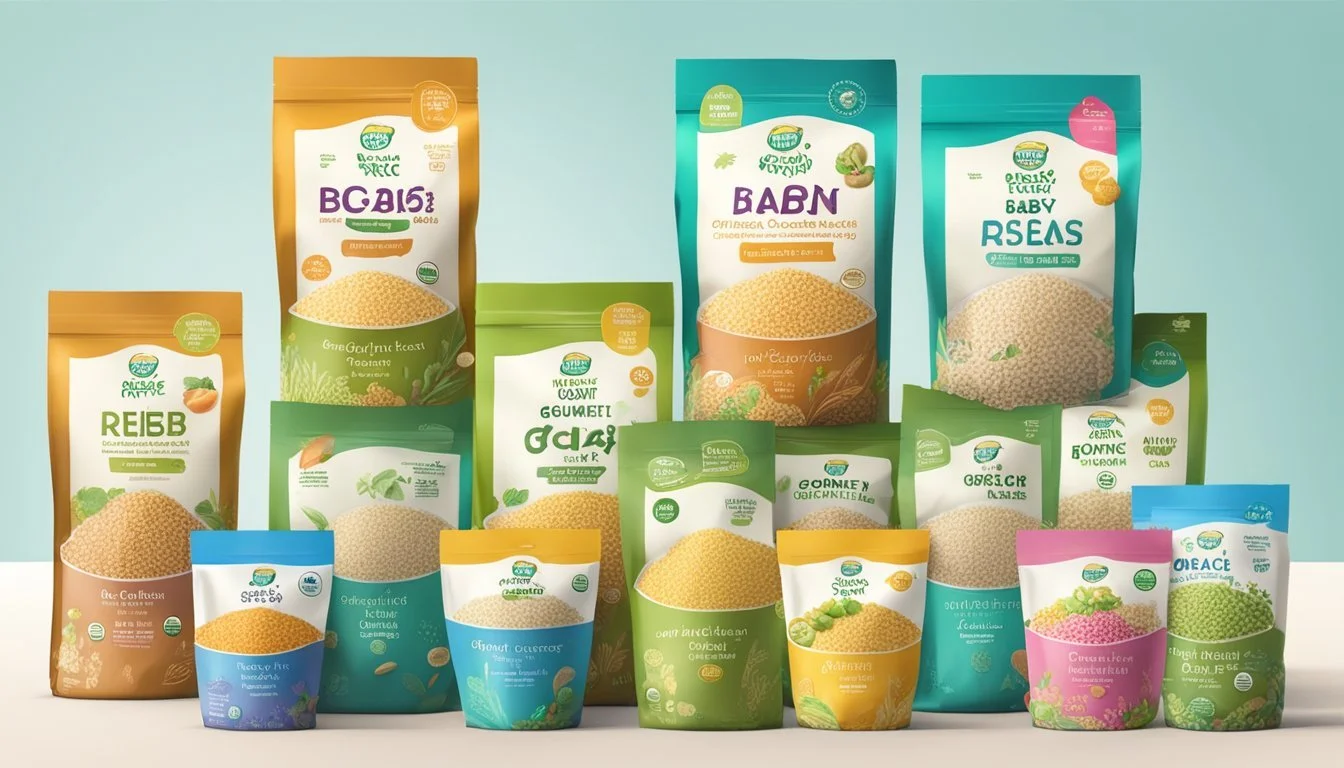
The baby cereal market offers a variety of organic rice cereal options from trusted brands. Parents can choose based on factors like nutritional content, price, and ingredient quality.
Leading Baby Cereal Brands
Gerber stands out as a prominent brand in the baby cereal market. They offer organic rice cereal options fortified with iron and other essential nutrients. Earth's Best is another well-known brand specializing in organic baby foods, including rice cereals made from whole grain brown rice.
Beech-Nut produces organic baby cereals that are gaining popularity among health-conscious parents. Happy Baby and Holle are additional brands that offer organic rice cereals with high-quality ingredients.
These brands focus on providing cereals free from GMOs, artificial flavors, and synthetic pesticides. Many also offer gluten-free options to cater to babies with sensitivities.
Considerations for Purchasing
When selecting baby cereals, parents should examine the nutritional content, particularly iron levels. Iron is crucial for infant development, and many cereals are fortified to provide 45% or more of the daily value per serving.
Price is another important factor. Organic options typically cost more than conventional cereals. For instance, some organic varieties may cost around $2.67 per serving, while others might be priced at $0.59 per serving.
Parents should also consider age recommendations. Some cereals are suitable for babies as young as 4 months, while others are designed for infants 6 months and older.
Certifications like USDA Organic and Non-GMO Project Verified can provide assurance of product quality. Additionally, some cereals are WIC-approved, making them accessible to more families.
Preparation and Storage Tips
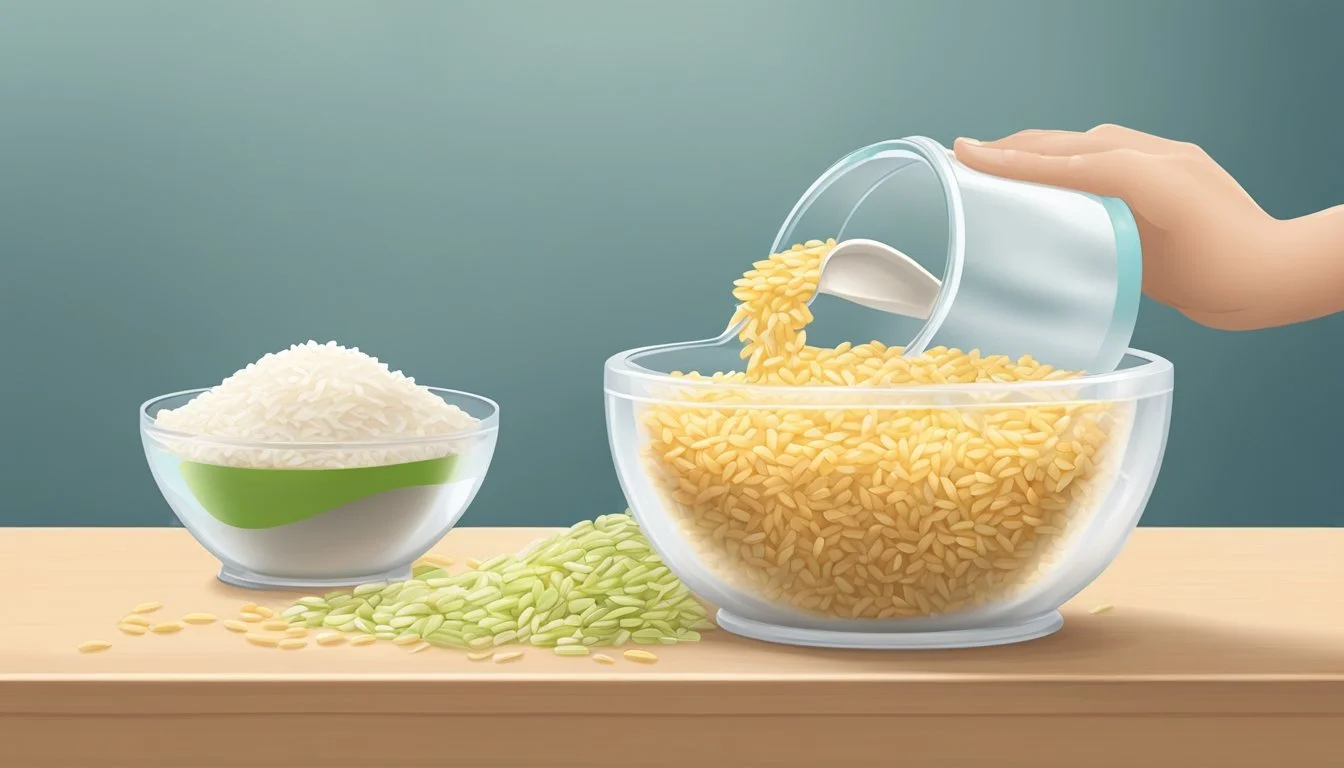
Proper preparation and storage of organic rice cereal ensure optimal nutrition and safety for babies. Following recommended practices helps maintain the cereal's quality and prevents spoilage.
Preparing Organic Rice Cereal for Babies
Start by boiling water and letting it cool slightly. Mix 1 tablespoon of organic rice cereal powder with 4-5 tablespoons of warm water, breast milk, or formula. Adjust the consistency by adding more liquid for younger babies or less for older infants.
Stir thoroughly to remove any lumps. Test the temperature on your wrist before feeding. For added nutrition, mix in pureed fruits or vegetables.
When introducing solids, begin with a thin consistency and gradually thicken it as the baby grows. This helps develop their eating skills and digestion.
Best Practices for Storing Baby Cereals
Store unopened packages of organic rice cereal in a cool, dry place. Once opened, transfer the cereal to an airtight container to maintain freshness.
Keep the container in a pantry or cupboard away from heat and moisture. Avoid storing near the stove or sink.
Check the expiration date regularly and discard any expired cereal. Use opened packages within 30 days for optimal quality.
Prepared cereal can be refrigerated for up to 24 hours. Discard any leftover cereal from a feeding session to prevent bacterial growth.
When traveling, pack single-serving portions in sealed containers to maintain freshness and convenience.
Product Reviews and Consumer Feedback
Baby Gourmet's organic rice cereal has garnered attention from parents and experts alike. Reviews highlight its nutritional content and taste, while awards recognize its quality standards.
Analysis of Consumer Reports
Parents praise Baby Gourmet's organic rice cereal for its smooth texture and mild flavor. Many report that their infants transition easily to this cereal as a first solid food. Nutritionists commend its iron fortification, essential for babies' growth and development.
Some reviews note the cereal's versatility, as it can be mixed with breast milk, formula, or water. Parents appreciate the organic certification, feeling confident about feeding their babies a product free from synthetic pesticides.
A few consumers mention the slightly higher price point compared to non-organic options. However, most agree the quality justifies the cost.
Award-Winning Products in the Market
Baby Gourmet's organic rice cereal has received recognition for its purity and quality. The brand earned the Clean Label Project Purity Award, demonstrating its commitment to producing contaminant-free baby food.
This award is given to products that undergo rigorous testing for over 400 contaminants, including heavy metals and pesticide residues. Baby Gourmet's achievement in this area sets it apart in the competitive baby food market.
Industry experts have also acknowledged the cereal's nutritional profile. Its balanced blend of organic ingredients and added nutrients has garnered positive attention from pediatric nutritionists.