Alcohol and Drinking Laws in Rusk County, Texas
A Comprehensive Guide
The regulations governing alcohol sales and consumption in Rusk County, Texas, reflect the county's commitment to maintaining orderly and lawful practices regarding alcoholic beverages. In line with Texas state law, Rusk County implements specific policies within its jurisdiction. For instance, in the unincorporated areas of the county, the sale of packaged liquor is outlawed, impacting how residents buy and sell alcoholic drinks.

Alongside restrictions on liquor sales, the rules include permissible hours for the sale of beer and wine. These beverages may be purchased from noon to midnight on Sunday, and from early morning through to midnight or slightly later during the other days of the week. These time frames are crucial for businesses and consumers alike to understand, ensuring compliance with local laws.
Additionally, Rusk County, like the broader State of Texas, enforces strict penalties for underage drinking. Minors found purchasing, attempting to purchase, possessing, or consuming alcoholic beverages face legal consequences. These include a possible fine, mandatory attendance of an alcohol awareness class, and a prescribed number of community service hours, reinforcing the state’s efforts to discourage underage drinking and maintain public safety.
Historical Context of Alcohol Laws in Texas
In the early history of Texas, alcohol laws were influenced by a movement against alcoholic beverages. This movement gained momentum as citizens recognized social issues and personal harm related to excessive alcohol consumption. As a result, a patchwork of regulations emerged, influenced by cultural, religious, and social attitudes of the time.
The Texas Constitution allowed local government entities—such as counties, towns, and cities—the power to regulate alcohol through what was known as the county-option or local option method. This decentralized approach meant that localities could independently ban or allow alcoholic beverages, leading to a diverse legal landscape across the state.
The creation of the Texas Alcoholic Beverage Code provided a framework for regulating the manufacture, sale, and distribution of alcohol. Enforcement of these laws is the responsibility of the Texas Alcoholic Beverage Commission (TABC), which was established to oversee compliance with the code.
Year Event
1840s - 1930s Prohibition Movement influence
1854 Legislation for codifying laws enacted
1856 Completion of Penal Code including alcohol regulations
1925 Reorganization of statutes, influencing current regulations
Different classifications for alcohol sales exist within the Texas Alcoholic Beverage Code, requiring separate votes for "on-premise" and "off-premise" beer and wine sales, as well as liquor sales. The specificity of these classifications reflects the state's historic preference for tightly controlled alcohol distribution.
Through these regulatory developments, Texas has maintained a balance between control and local autonomy over alcohol-related decisions, a stance reflective of its historical roots and evolving societal values.
Overview of Rusk County Alcohol Legislation
In Rusk County, Texas, local alcohol legislation is defined by a combination of state laws and county regulations. The county is categorized under local option laws, which stipulate varying levels of restrictions and permissions concerning the sale and consumption of alcoholic beverages.
Beer and Wine: These beverages can generally be sold in gas stations and supermarkets.
Liquor: The sale of packaged liquor is prohibited in unincorporated areas of the county. However, details on sales within incorporated areas vary and should be verified with local jurisdictions.
Hours of Sale:
Monday to Saturday: Sales are permissible from the morning hours until midnight.
Sunday: There is a restriction of sales, typically starting from noon and lasting until midnight.
Rusk County has historically experienced shifts between dry and wet statuses. Dry counties prohibit the sale of alcoholic beverages altogether while wet counties allow it. Rusk, while not entirely dry, does enforce certain limitations.
Affected Beverages:
Alcoholic Beverages: Includes all types of alcohol.
Ale: Treated under the same regulations as beer.
Beer/Wine: More commonly available than liquor.
Liquor: Tightly regulated, with sales often restricted or forbidden in certain areas.
Nearby Counties:
Ector, Falls, Henderson: Each have their alcohol legislation which may differ significantly from Rusk County. Individuals should confirm the laws specific to each county.
The Texas Alcoholic Beverage Commission (TABC) offers a comprehensive guide to the regulations and laws affecting the alcoholic beverage industry within Texas, including specific rules that apply to Rusk County.
Licensing and Permits
In Rusk County, Texas, specific regulations govern the sale of alcohol, requiring different types of permits for various establishments. Compliance with these laws is essential for businesses operating within the alcohol industry.
Types of Alcohol Permits
Rusk County's alcohol permits are divided into several categories to accommodate the diverse nature of the alcohol industry. The Texas Alcoholic Beverage Commission (TABC) manages these permits, which include the following:
Mixed Beverage Permit (MB): This permit is for venues that serve mixed drinks and cocktails to patrons on-premise.
Package Store Permit (P): Retailers aiming to sell liquor must obtain this permit for their operations.
Wine-Only Package Store Permit (Q): Tailored for businesses that exclusively sell wine, this permit covers retail locations.
Beer/Wine Permit: Depending on the specific license, entities may sell beer and wine for off-premise consumption.
Food and Beverage Certificate (FB): Often accompanying other permits, this certificate allows businesses to sell alcohol in conjunction with food service.
Obtaining a License in Rusk County
The process to obtain an alcohol license in Rusk County is thorough, designed to ensure that each establishment is compliant with state regulations. Applicants must:
Assess Eligibility: They must verify that their business location complies with local zoning laws and does not fall within restricted areas such as near schools or churches.
Prepare Documentation: They must gather necessary business information, including ownership details, business structure, and TABC prequalification packet.
Utilize TABC's Alcohol Industry Management System (AIMS): Applicants interact with AIMS to submit their application and track its progress.
Complete TABC Certification: They must fulfill TABC certification requirements for staff who will be handling alcohol.
Inspection and Approval: Following submission, TABC will conduct an inspection to ensure that the business adheres to all relevant regulations before issuing the license.
Meeting these requirements is crucial for any business seeking to sell alcohol in Rusk County, contributing to a well-regulated alcohol industry.
Operating Hours and Sales Restrictions
In Rusk County, Texas, the sale of alcoholic beverages is subject to strict time regulations. These laws dictate when alcohol can be sold based on the day of the week and whether it's a holiday. Understanding these rules can help both vendors and consumers remain compliant with state and local regulations.
Daily Sales Time Regulations
Monday to Saturday: Retailers are generally allowed to sell alcoholic beverages from 10 a.m. until midnight. This applies to liquor stores, gas stations, and supermarkets where the sale of beer and wine is permitted. However, it's important to note that in unincorporated areas of Rusk County, the sale of packaged liquor is outright prohibited.
Special Rules for Weekends and Holidays
Sunday: Alcohol sales face more restrictions. For instance, on Sundays, licensed premises can sell beer and wine from noon until midnight. Moreover, liquor cannot be purchased at all on Sundays from retail stores.
Holidays: The sale of liquor is banned on New Year’s Day, Thanksgiving Day, and Christmas Day. Additionally, on these holidays, as well as on Sundays, no sales are allowed before noon.
Exceptions: Certain establishments, such as bars and restaurants, may have an exemption that permits them to sell alcohol beginning at 7 a.m. Monday through Saturday and potentially on Sunday mornings for events like brunch. These locations often have on-premises consumption rules that differ from off-premises sales regulations.
Special Provisions for Establishments
In Rusk County, Texas, establishments such as bars, restaurants, and liquor stores are subject to specific regulations regarding the sale of alcoholic beverages. These regulations are enforced to maintain public safety and order within the community.
Bars and Restaurants Regulations
Bars and restaurants must comply with Texas Alcoholic Beverage Commission (TABC) laws for on-premise consumption. They can extend their selling time until 2 a.m. if they possess a late-hours permit and if the establishment is located in an area where late hours are legally permitted by the city or county. It's important to note that the sale of alcohol-to-go requires a separate certification.
Operating Hours: Until 2 a.m. with a late-hours permit
Alcohol-to-Go: Requires additional certification
Liquor Stores Requirements
Liquor stores in Rusk County operate under precise constraints. The sale of packaged liquor is banned in unincorporated areas, and these businesses must adhere to the state-mandated hours of sale.
Packaged Liquor: Prohibited in unincorporated areas
State-Mandated Hours: Must be observed
Special Case: Gas Stations and Supermarkets
Gas stations and supermarkets fall under unique stipulations for selling alcoholic beverages. They are typically allowed to sell beer and wine, but the specific hours during which these sales can take place are dictated by local regulations.
Product Limitation: Beer and wine sales permitted
Sales Hours: Governed by local regulations
Geographical Impact on Alcohol Sales
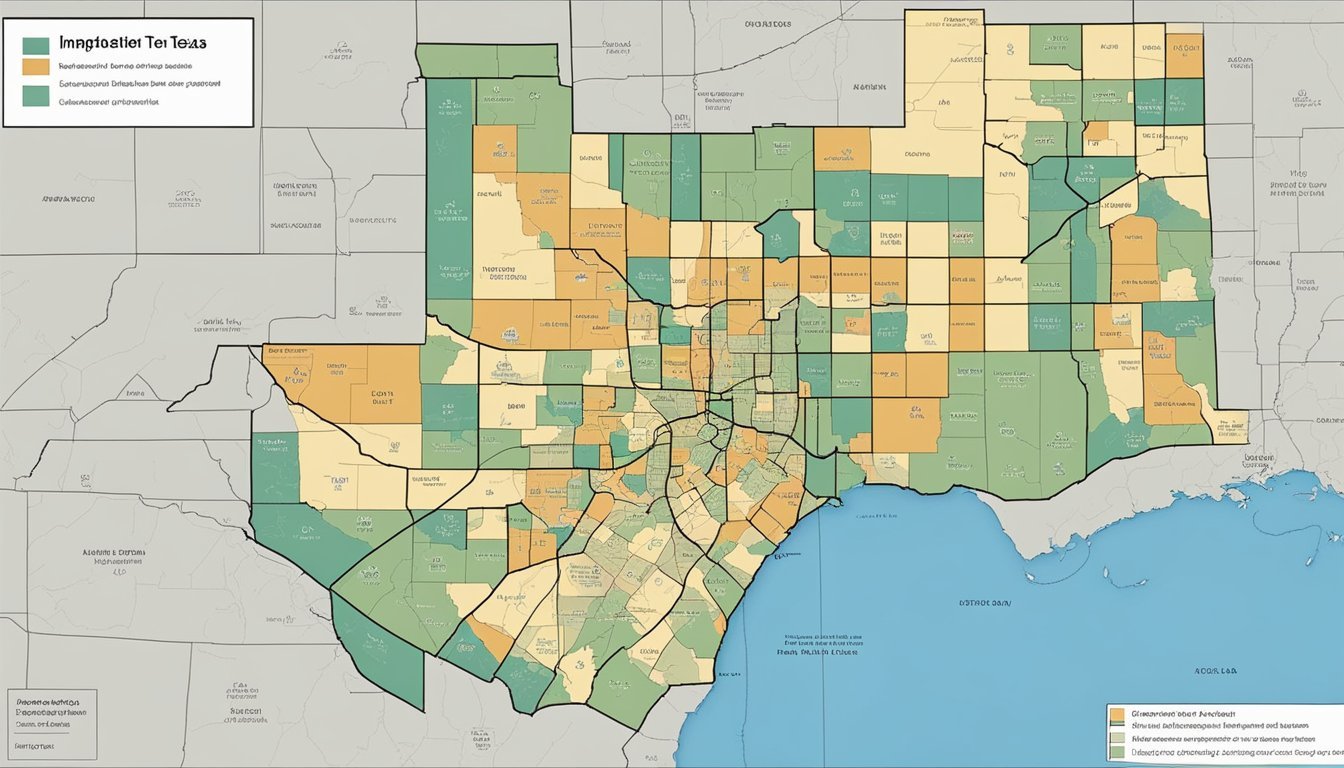
In Rusk County, Texas, as in many parts of the United States, the sale of alcohol is significantly shaped by the distinction between wet and dry areas and the outcome of local option elections.
Wet and Dry County Dynamics
Rusk County exhibits the complexities of alcohol sales regulations that vary across different geographic regions. Wet counties, like Ector and Falls, allow the sale of alcohol, whereas dry counties prohibit sales completely. Rusk County, inclusive of Henderson, operates under specific laws where parts of the county may be wet while other areas remain dry, often leading to a patchwork of regulations within the same geographical locale.
Local Option Elections for Alcohol Sales
Local option elections give residents the power to influence the alcohol sales laws in their area. In Rusk County, these elections determine whether individual precincts within the jurisdiction can become wet or remain dry. Such votes can lead to the authorization of various types of alcohol sales, including:
Package Stores: Sales of bottled liquor.
On-Premise Sales: Consumption at bars or restaurants.
Off-Premise Sales: Purchase for consumption elsewhere.
Through these elections, the residents have a direct impact on the economic and social landscape of their community, shaping how alcohol sales contribute to the region's development.
Legal Ages and Consumption Laws
In Rusk County, Texas, and throughout the state, there are laws in place that govern the consumption and purchase of alcohol to ensure public safety and regulate youth access.
Age Limits for Consumption and Purchase
In Texas, the legal age for the purchase and consumption of alcoholic beverages is 21 years. Various types of alcohol have different regulations:
Packaged liquor: Unavailable for purchase in unincorporated areas of Rusk County.
Packaged beer and wine:
Can be sold from noon to midnight on Sundays.
Monday through Friday, sales are permitted from 7:00 a.m. to midnight.
On Saturdays, sales are allowed from 7:00 a.m. to 1:00 a.m.
Preventing Underage Drinking
Texas law enforces strict penalties to deter the provision of alcohol to minors. An individual found making alcoholic beverages available to a minor faces serious repercussions:
Criminal charges: Class A misdemeanor.
Fines: Up to $4,000.
Confinement: Possible jail time for up to one year.
License suspension: Automatic driver's license suspension for 180 days upon conviction.
Alcohol Delivery and Transportation

In Rusk County, Texas, alcohol delivery and transportation are subject to specific regulations designed to align with state guidelines. Businesses and consumers should be aware of these rules to ensure compliance when delivering or transporting alcoholic beverages.
Regulations for Alcohol Delivery Services
Rusk County adheres to Texas state law for alcohol delivery services, which permits the delivery of beer, wine, and malt beverages under certain conditions. Delivery services must verify the age of the customers and ensure that deliveries are only made to individuals who are 21 years or older. Moreover, malt beverages and other alcoholic drinks must be sold during permitted hours. For alcohol sales via delivery, businesses must have appropriate licensing to legally offer pickup and delivery options.
Delivery Hours: 7:00 a.m. to midnight (Monday through Friday), and 7:00 a.m. to 1:00 a.m. (Saturday)
Sunday Restrictions: Beer and wine sales for delivery are allowed from noon to midnight.
Transporting Alcoholic Beverages in Motor Vehicles
When transporting alcoholic beverages in motor vehicles, Texas laws require that opened containers of alcohol must be stored in a locked glove compartment, trunk, or other non-passenger area of the vehicle. This law helps prevent the consumption of alcohol within the motor vehicle. Unopened alcohol can be legally transported in the cabin of the vehicle, provided it is in its original, sealed container.
Open Container Rule: Opened alcohol must not be accessible to the driver or passengers while the vehicle is in motion.
Sealed Containers: Malt beverages and other alcoholic products should remain sealed during transport within the passenger area of a motor vehicle.
Compliance and Enforcement

In Rusk County, Texas, the enforcement of alcohol laws is a critical task carried out by the Texas Alcoholic Beverage Commission (TABC) to ensure compliance by all entities involved in the sale and distribution of alcoholic beverages.
Monitoring by Texas Alcoholic Beverage Commission
The TABC actively monitors businesses to ensure adherence to state alcohol laws. This involves regular inspections and undercover operations to verify that retailers, such as liquor stores and supermarkets, follow the regulations pertaining to sales. In unincorporated areas of Rusk County, for instance, the sale of packaged liquor remains prohibited.
Inspections: Routine checks on licensed premises.
Undercover Operations: Ensuring compliance through unannounced visits.
Dealing with Violations
When a violation is detected, the TABC is equipped to handle the situation effectively. Violations can range from selling alcohol to minors to non-compliance with cash/credit laws for retail purchases of alcohol. The process of addressing such violations typically involves:
Administrative Hearings: To adjudicate alleged violations.
Standard Penalties: Fines and suspension or revocation of licenses.
Peace officers, including off-duty TABC agents, play a pivotal role in responding to alcohol-related emergencies, ensuring public safety remains uncompromised.
Local Variations and Unique Ordinances
In Rusk County, Texas, local alcohol regulations exhibit unique variations across its municipalities and unincorporated areas. Unincorporated Areas of Rusk County reflect a more restrictive approach, with the sale of packaged liquor being prohibited. This contrasts with the regulations in Texas Municipalities such as Austin and El Paso, where the sale of alcohol is subject to both city and county laws.
Austin: Known for its vibrant nightlife, follows state law allowing the sale of liquor in stores from Monday to Saturday, 10 a.m. to 9 p.m. Mixed beverages can be sold from 7 a.m. to midnight on weekdays, and on Sundays from noon to midnight.
El Paso: Permits alcohol sales with similar hours to Austin but imposes its own additional restrictions.
In counties like Bexar (where San Antonio is located) and Travis (where Austin is located), local laws may allow for extended hours for alcohol sales during special events or cater to the influx of tourists during festivals.
Below is a comparative summary for select counties:
County Packaged Liquor Sales On-Premise Sales Special Notes
Bexar Yes Extended hours* *Fiesta Week
Cameron Yes Standard hours
Hidalgo Yes Standard hours Border region considerations
Nueces Yes Extended hours* *Beachfront locations
Each jurisdiction within the state may have its own set of ordinances that can affect how alcohol is regulated. For example, Comal County is known for its tubing activities on the Guadalupe River where alcohol policies are enforced to ensure public safety.
It is essential for residents and visitors in Rusk County and other Texan locales to be aware of these local variations to comply with the unique ordinances that affect the availability and consumption of alcohol in their respective areas.