
Texas Home Cooking
Maximizing the Shelf Life of Pantry Foods
Properly storing pantry Foods like pasta, rice, crackers and flour is essential to maximize their shelf life and prevent waste. Many people aren't aware of the best practices for keeping these pantry staples fresh. This section will provide tips and tricks for optimizing storage of pantry foods and beating expiration dates. You'll learn how to preserve the freshness of items like pasta, flour and crackers through simple techniques.
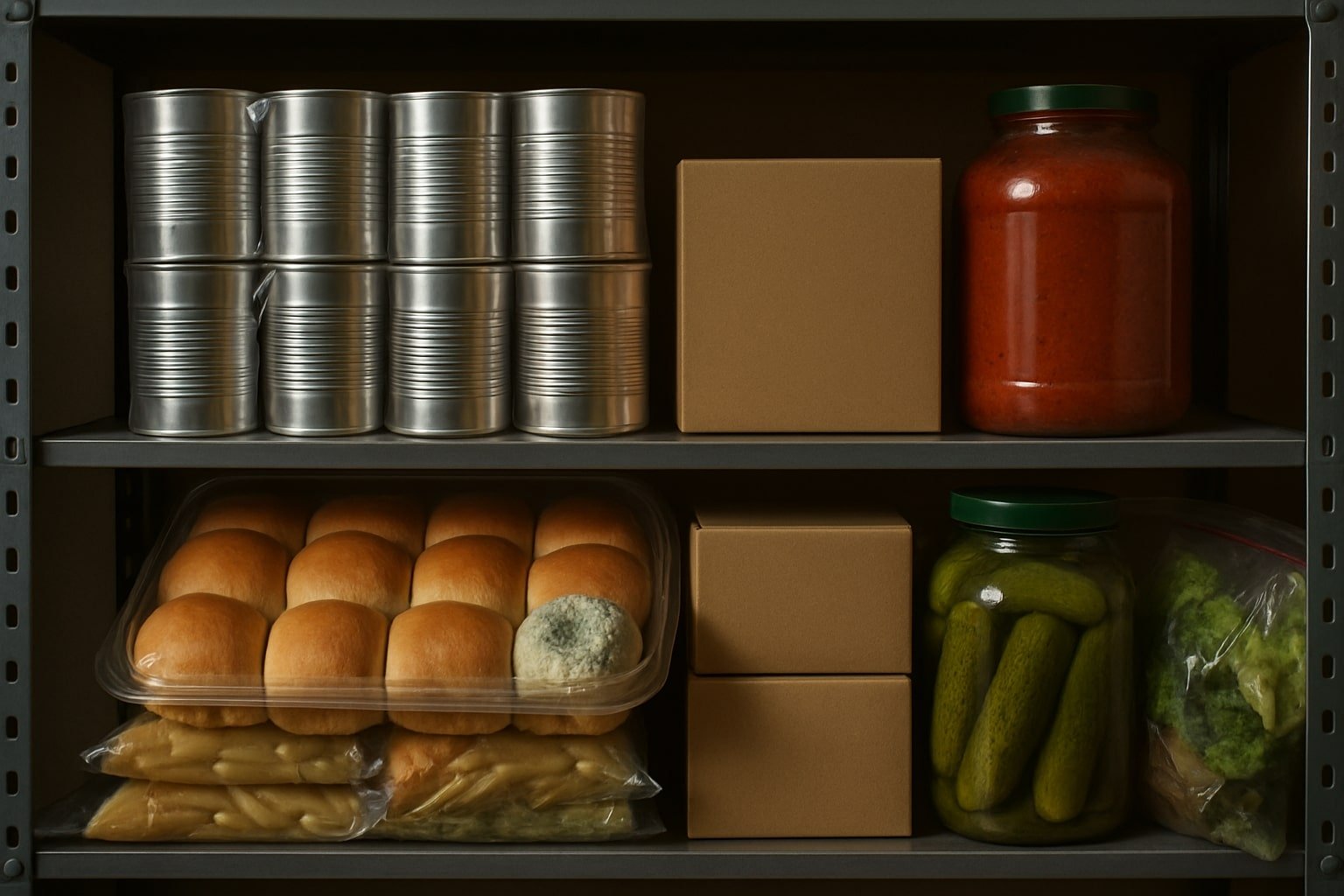
The Hidden Shelf Life Cost of Bulk Buying
Discover how the hidden shelf life cost of bulk buying can lead to wasted groceries and lost savings. Learn what shoppers need to know to buy smarter and reduce waste.
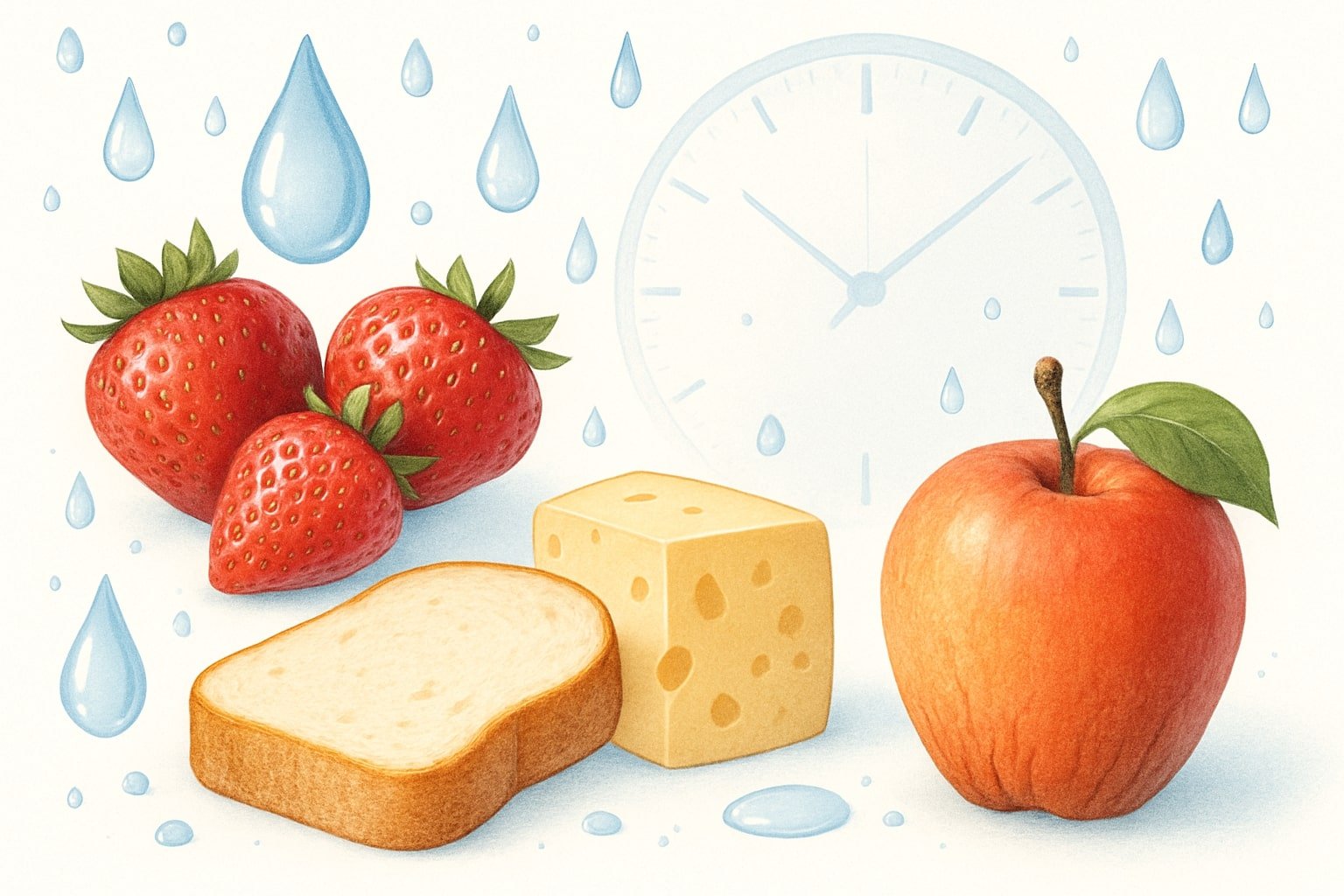
Why Water Activity Predicts Food Lifespan
Discover how water activity influences food lifespan by controlling microbial growth and spoilage. Learn why it’s a better predictor than moisture content for keeping food safe and fresh longer.
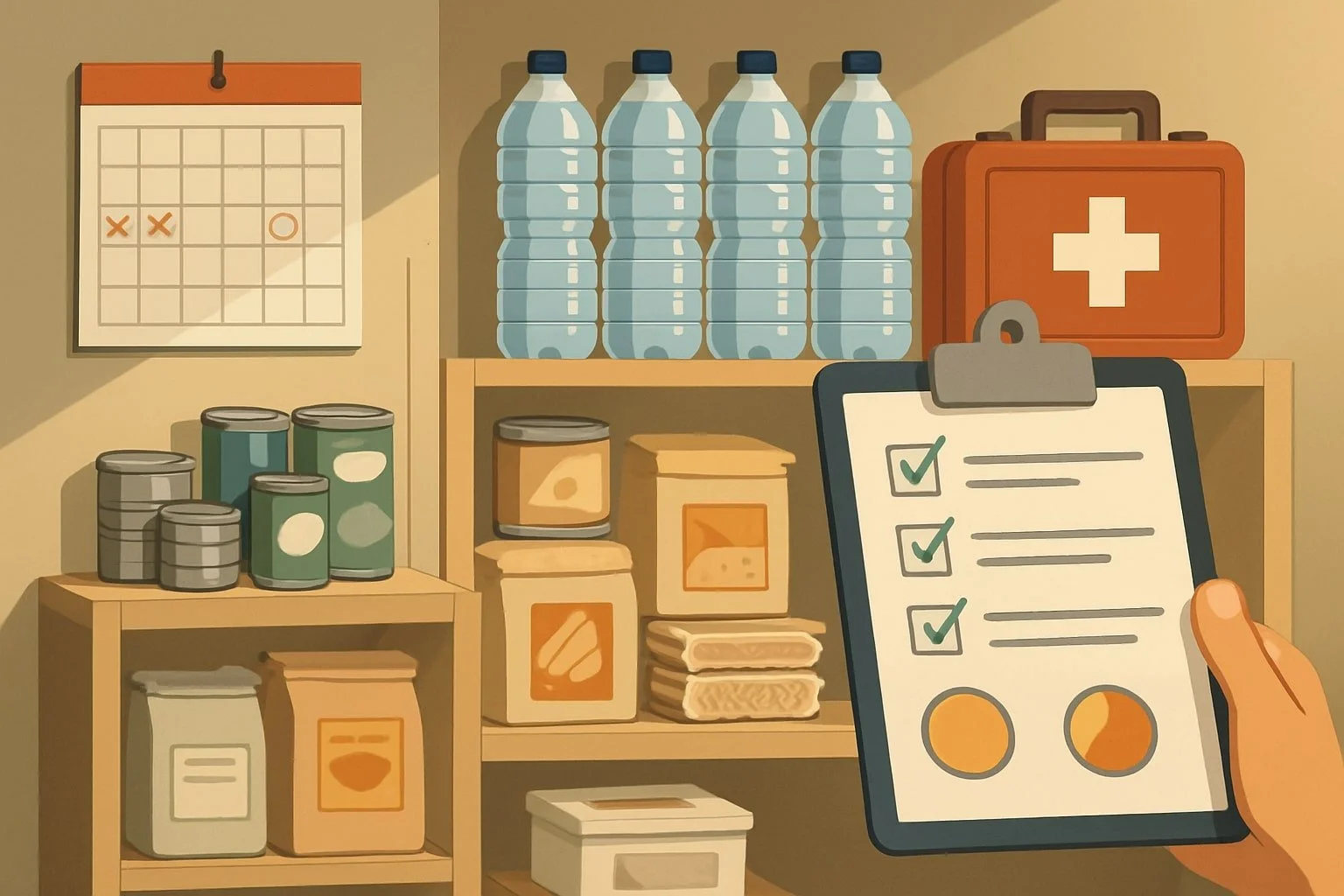
Emergency Preparedness: Calculating Shelf Life for Stockpiles to Ensure Long-Term Safety
Learn how to accurately calculate the shelf life of your emergency food stockpiles to ensure safety, prevent waste, and maintain freshness for long-term preparedness.
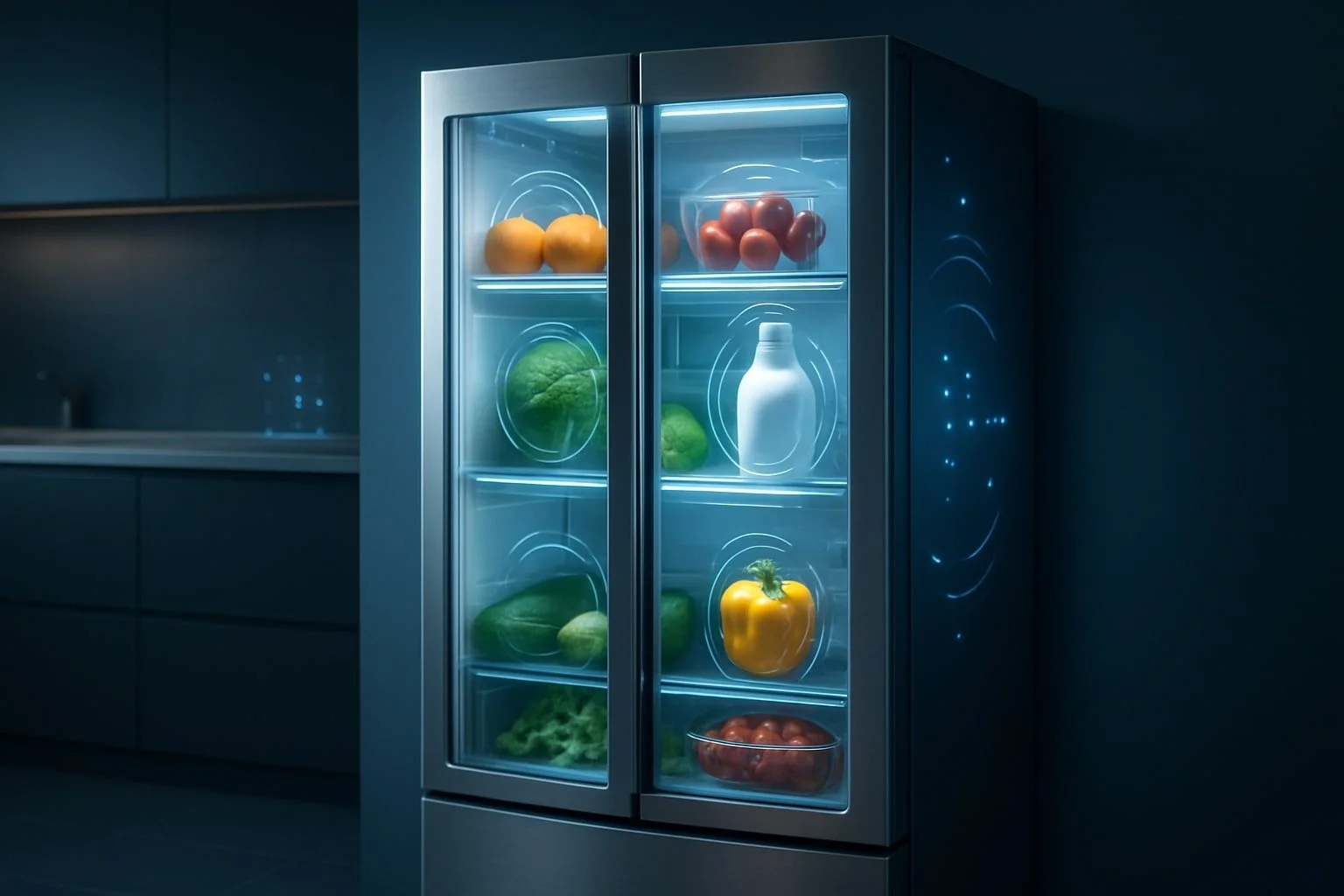
Smart Fridges and Real-Time Shelf Life Monitoring
Discover how smart fridges use real-time shelf life monitoring to track food inventory, alert you before expiration, enhance food safety, and reduce unnecessary waste. Learn how sensors and smart tech keep your kitchen smarter and fresher.

Industrial vs Home Storage: Shelf Life Differences Explained for Optimal Product Longevity
Discover how industrial storage extends product shelf life compared to home storage through temperature control, humidity management, and specialized packaging for optimal freshness and safety.
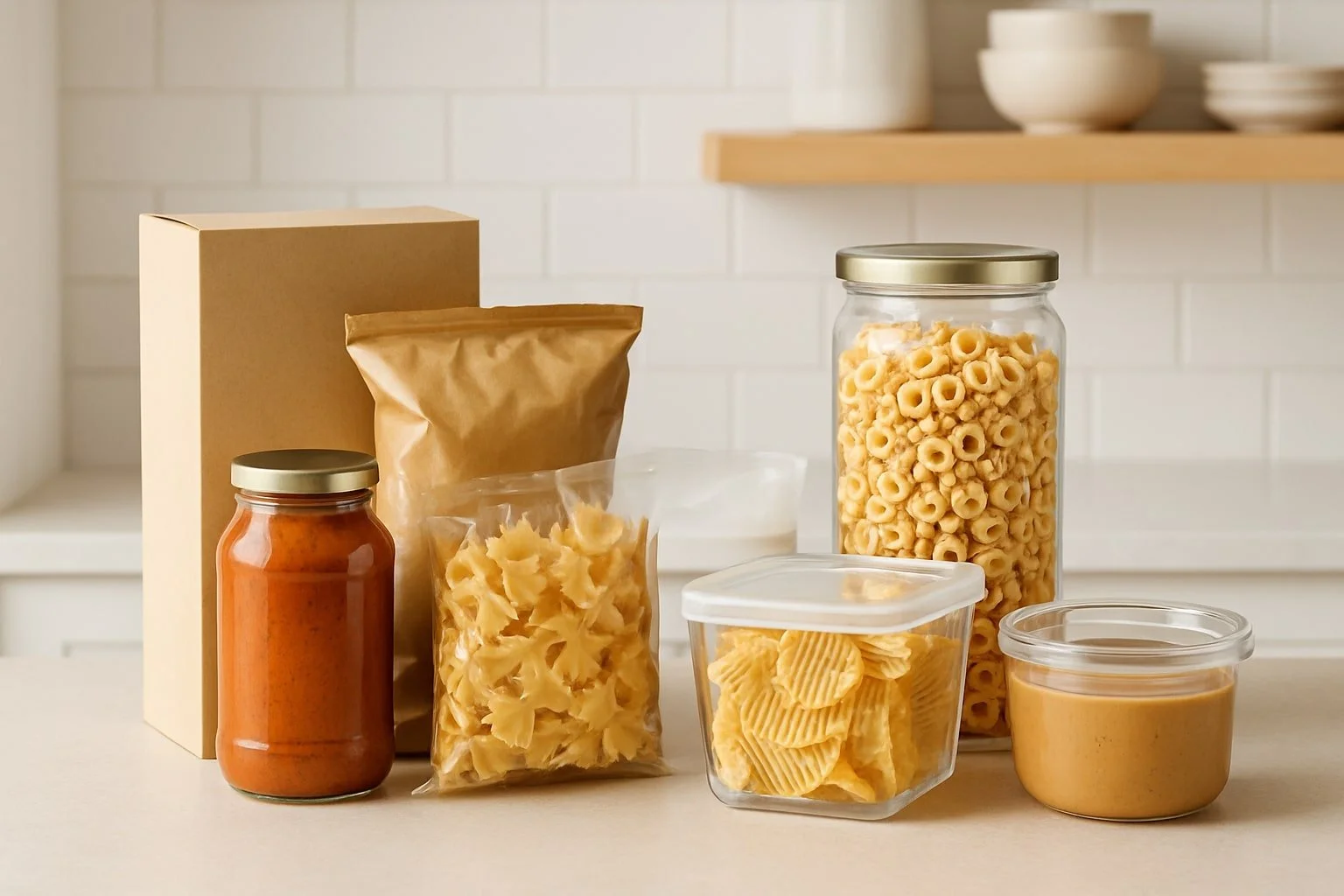
Storing Food in Original Packaging vs Containers
Discover whether storing food in original packaging or airtight containers better preserves freshness. Learn which method suits different foods and storage needs for optimal freshness and organization
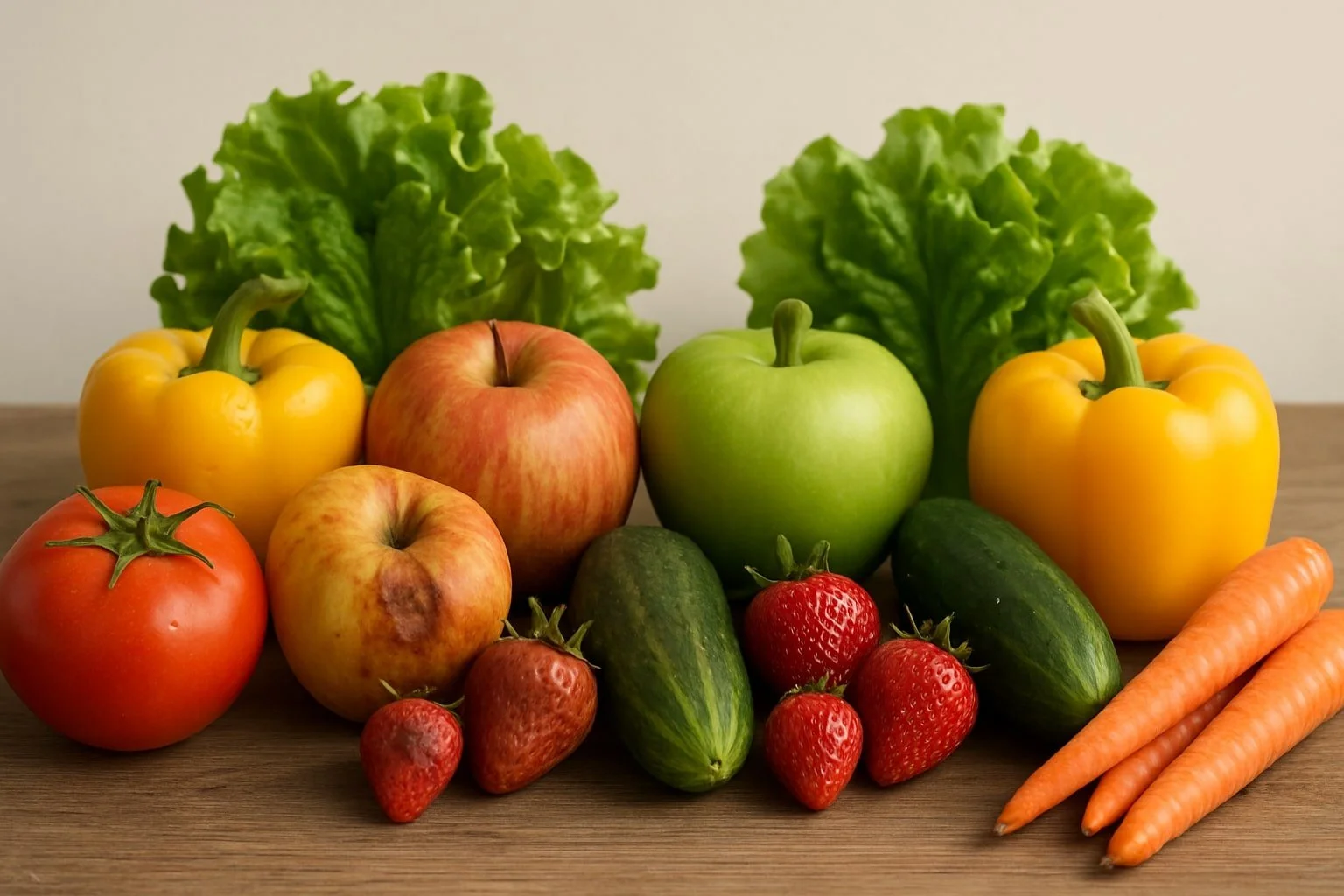
Are Organic Foods More Perishable?
Discover why organic foods tend to be more perishable than conventional ones. Learn about shelf life factors and effective storage tips to keep your organic produce fresh longer.
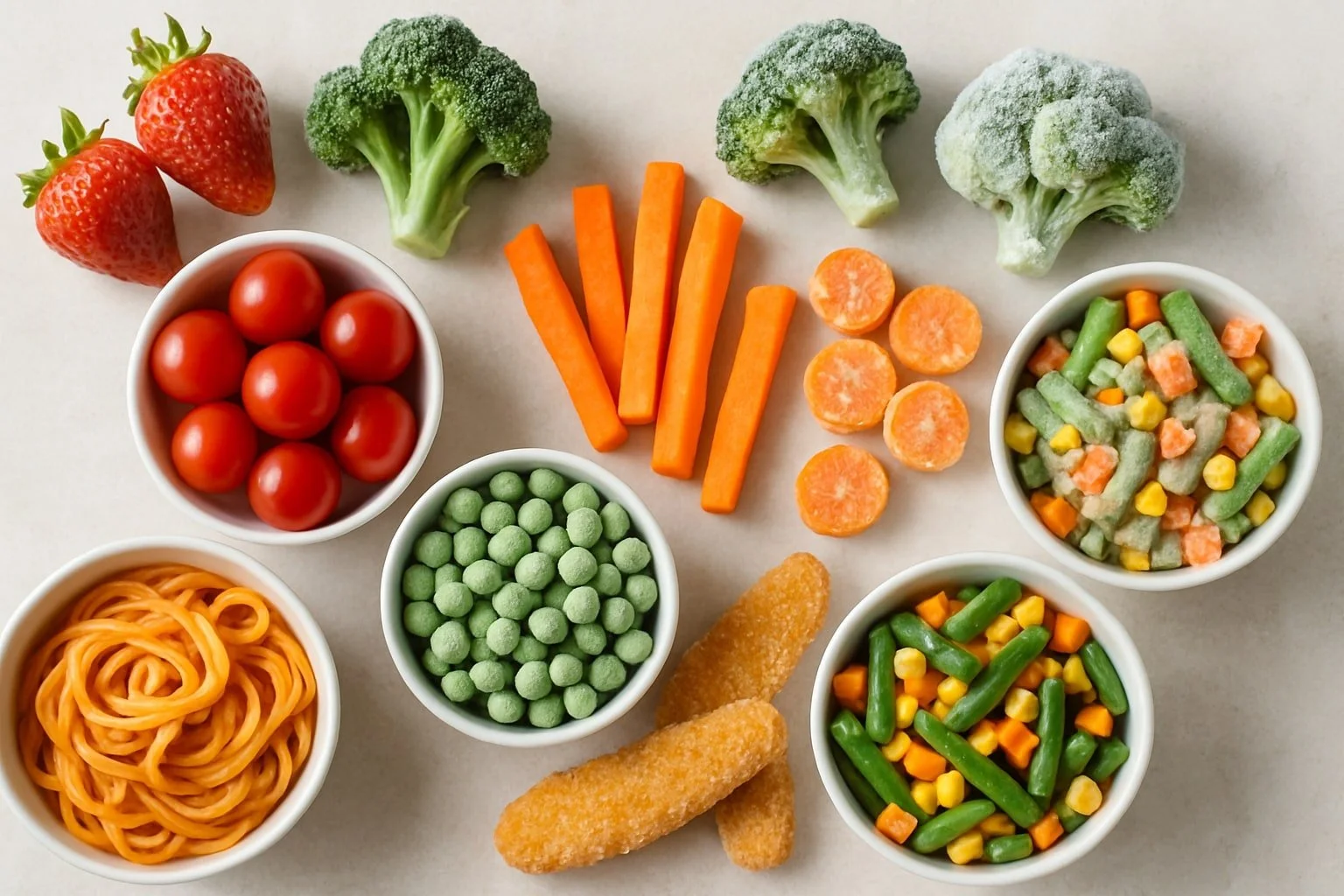
Is Frozen Always Longer Lasting?
Discover the truth about freezing and shelf life. Learn how freezing slows spoilage but doesn’t preserve food or items forever, and what affects their quality over time.
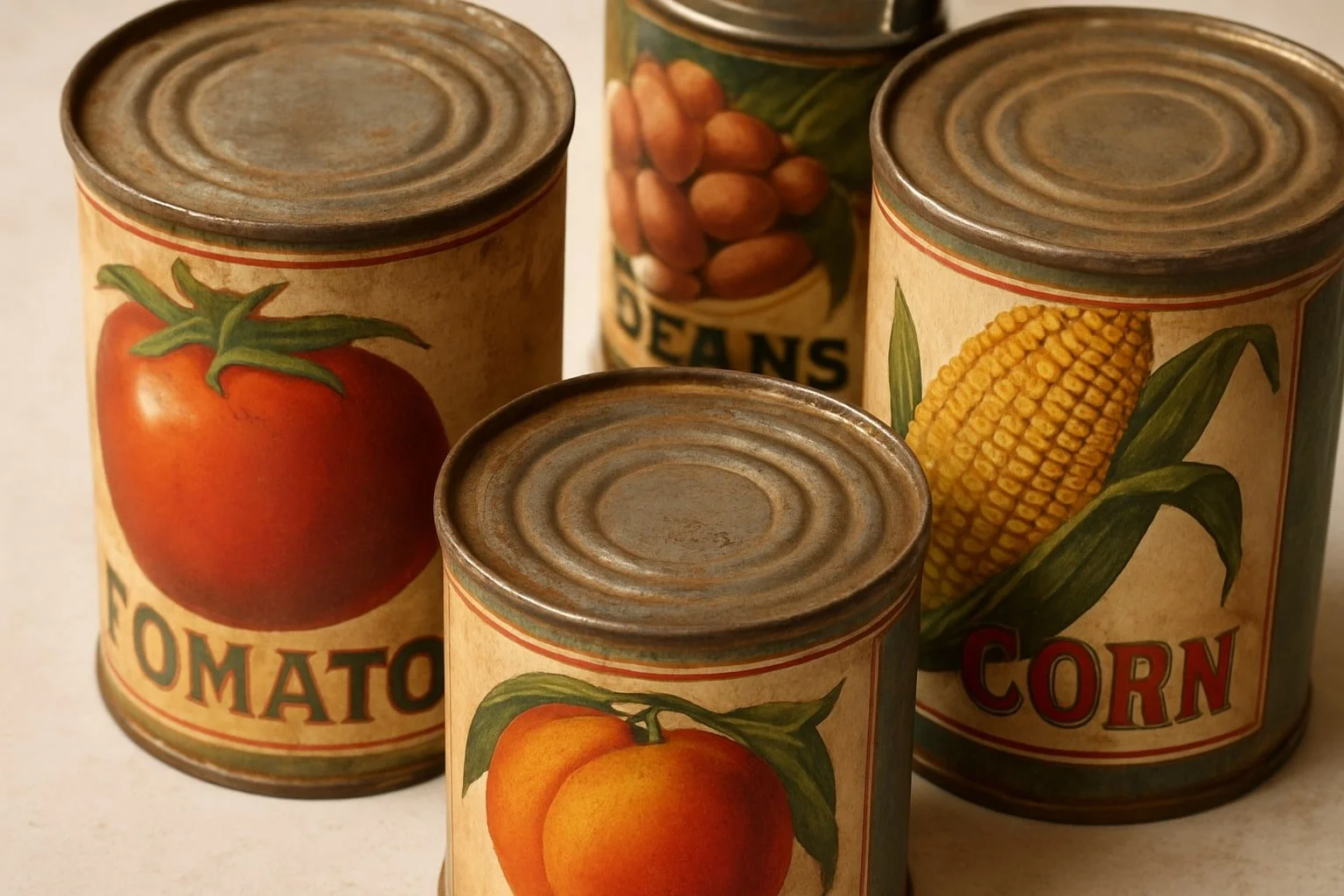
Why Some Canned Goods Last 20 Years: The Science Behind Their Longevity
Discover why certain canned foods can last 20 years or more. Learn how canning removes bacteria and seals out air, especially in low-acid foods, to keep them safe and edible for decades with proper storage.
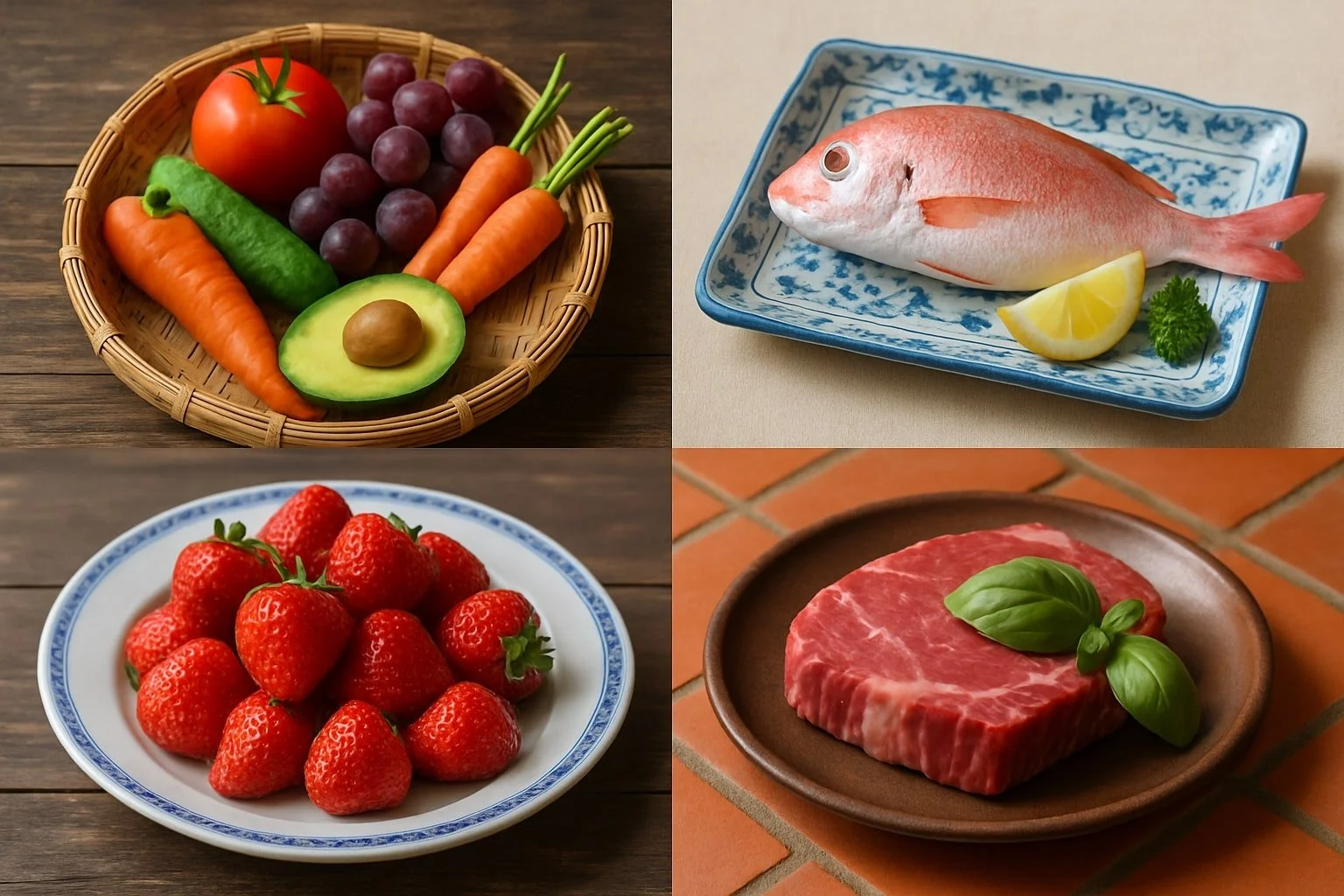
How Cultural Norms Affect Perception of Food Freshness Across Different Societies
Discover how cultural beliefs and traditions influence perceptions of food freshness worldwide. Explore how visual cues, sensory expectations, and language vary across societies to define what "fresh" truly means.
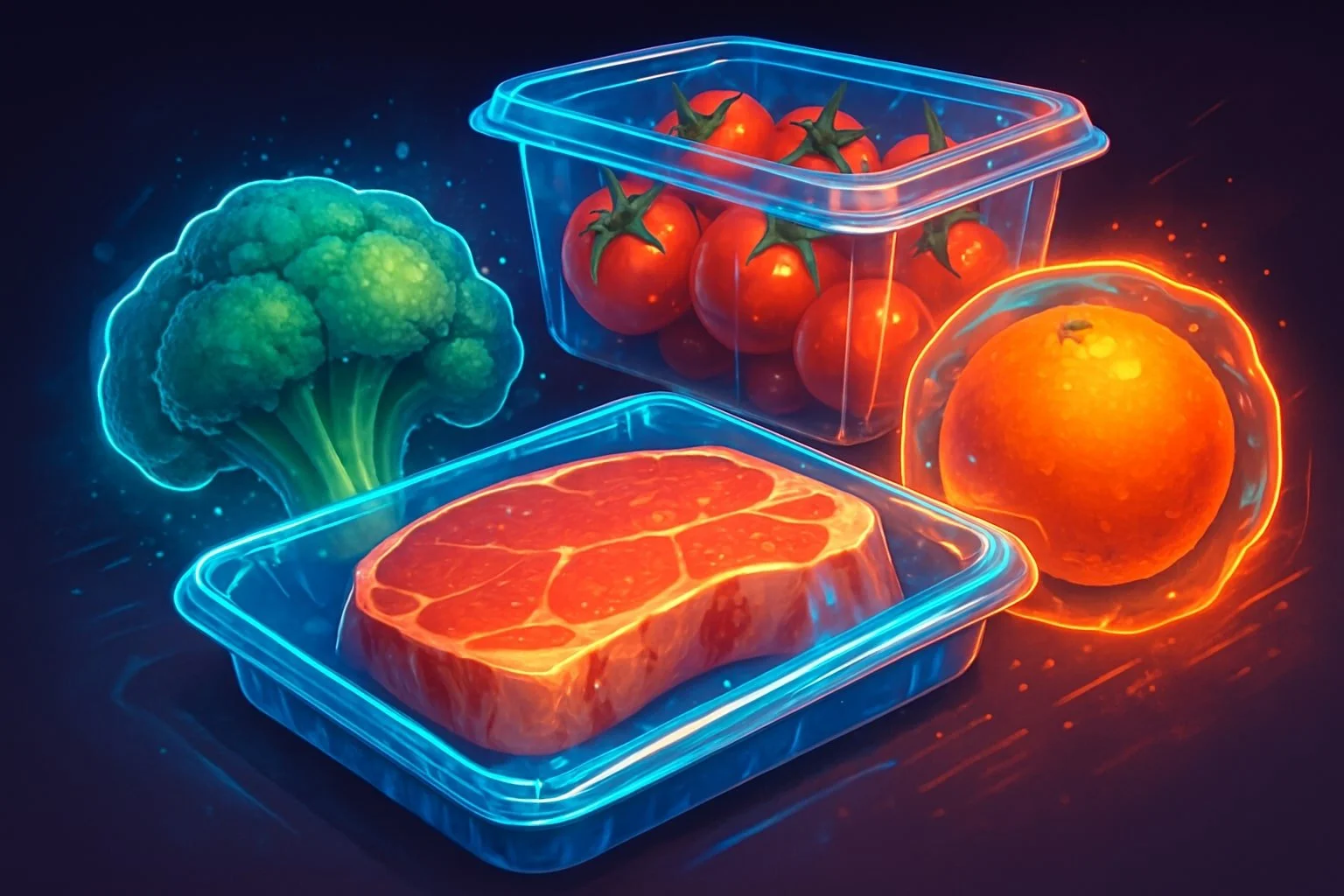
Active Packaging: The Tech That Fights Spoilage and Extends Product Shelf Life
Discover how active packaging uses advanced technology to fight food spoilage and extend shelf life by absorbing oxygen, moisture, and releasing antimicrobial agents for improved safety.
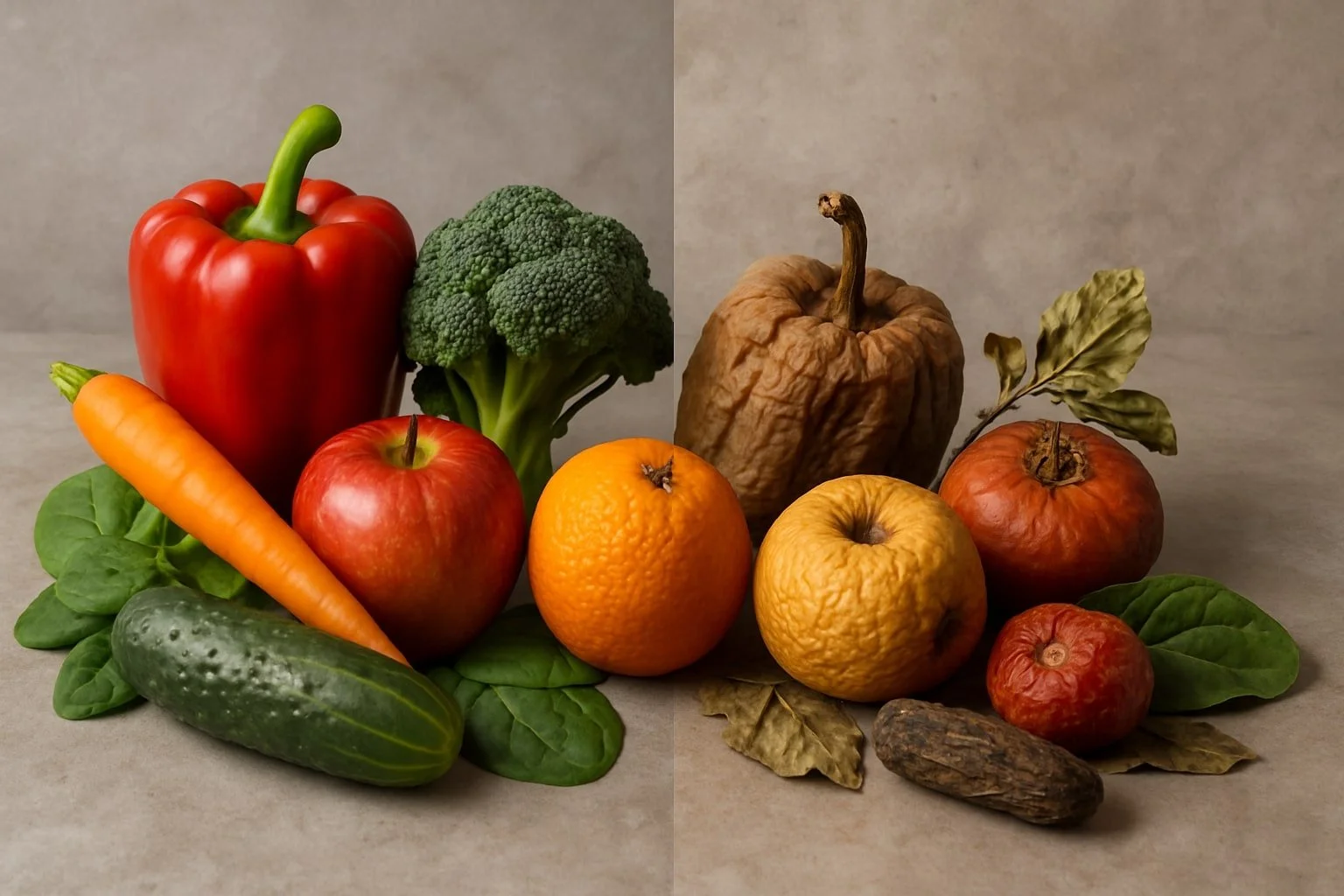
How Aging Affects Nutritional Content
Discover how aging affects nutrient absorption, metabolism, and appetite, altering the nutritional value of food and making it harder for older adults to meet their dietary needs.

The Psychology Behind Expiration Date Anxiety
Explore the psychology behind expiration date anxiety and understand why many people worry about product freshness. Learn how these fears impact daily decisions and how to manage them effectively for peace of mind.
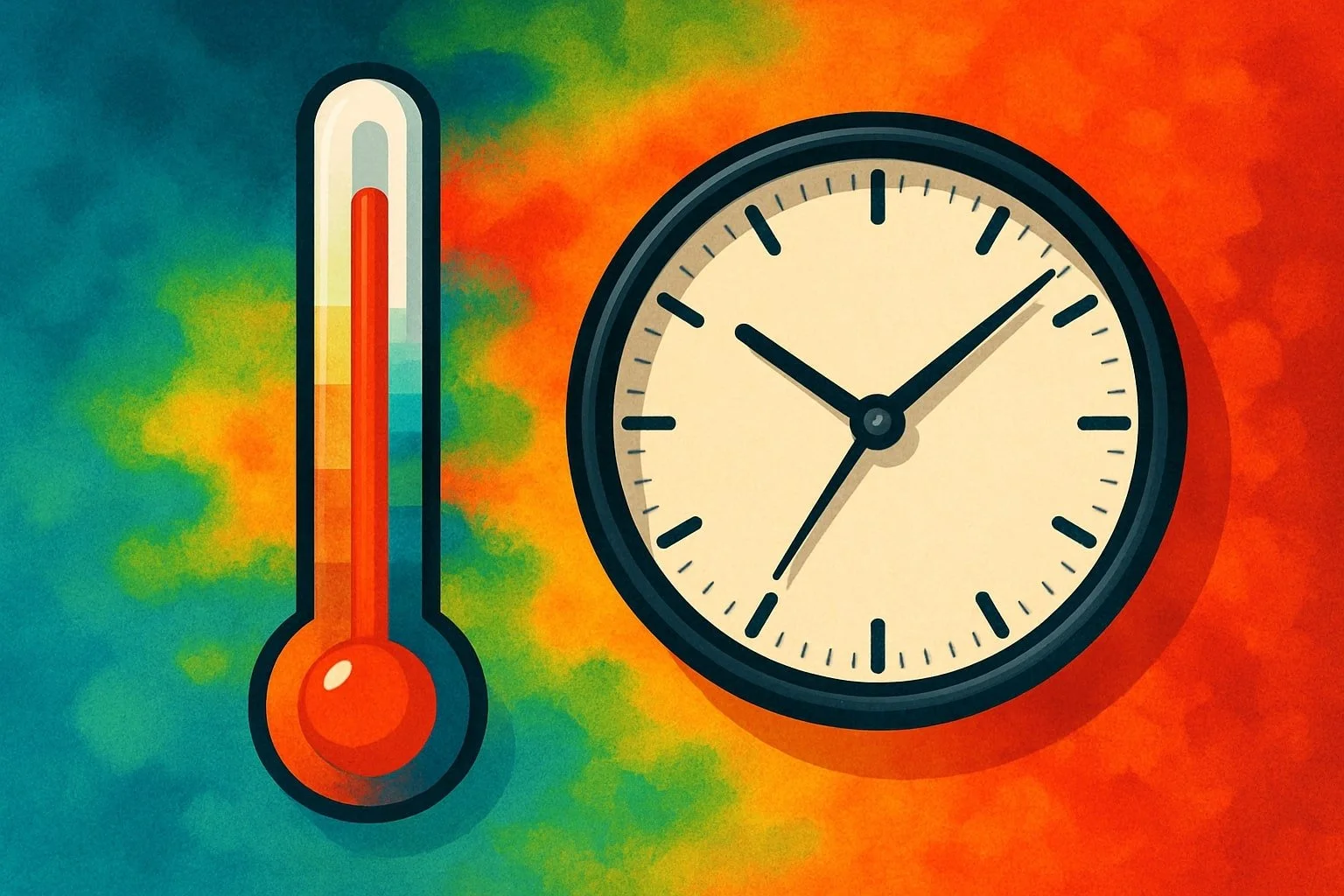
Time-Temperature Indicators: How They Work to Ensure Product Safety and Quality
Discover how time-temperature indicators (TTIs) work to monitor product safety and quality by detecting excessive temperature exposure in food, pharmaceuticals, and medical supplies. Learn why TTIs are essential for safe storage and distribution.

What Best Before Really Means for Different Countries
Discover how "best before" dates vary across countries and what they mean for food freshness and safety. Learn the difference between "best before" and "use by" to make informed choices about your food

Best Practices in Restaurant Inventory Rotation
Learn effective restaurant inventory rotation best practices to ensure freshness, minimize waste, and improve inventory management for better quality control and cost savings.
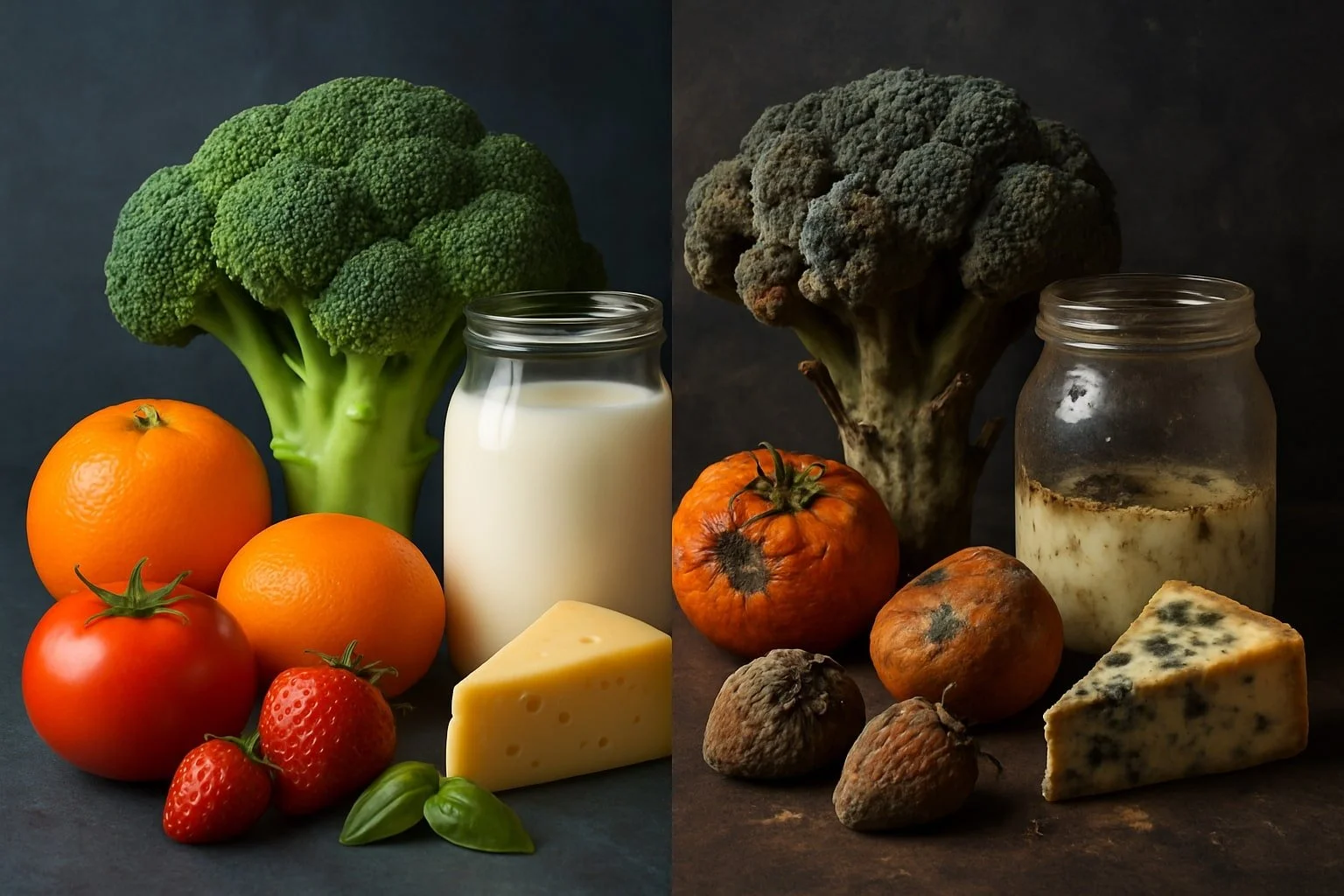
Reversible vs Irreversible Spoilage
Discover the crucial differences between reversible and irreversible food spoilage. Learn how to identify spoilage types to ensure food safety and reduce waste effectively.
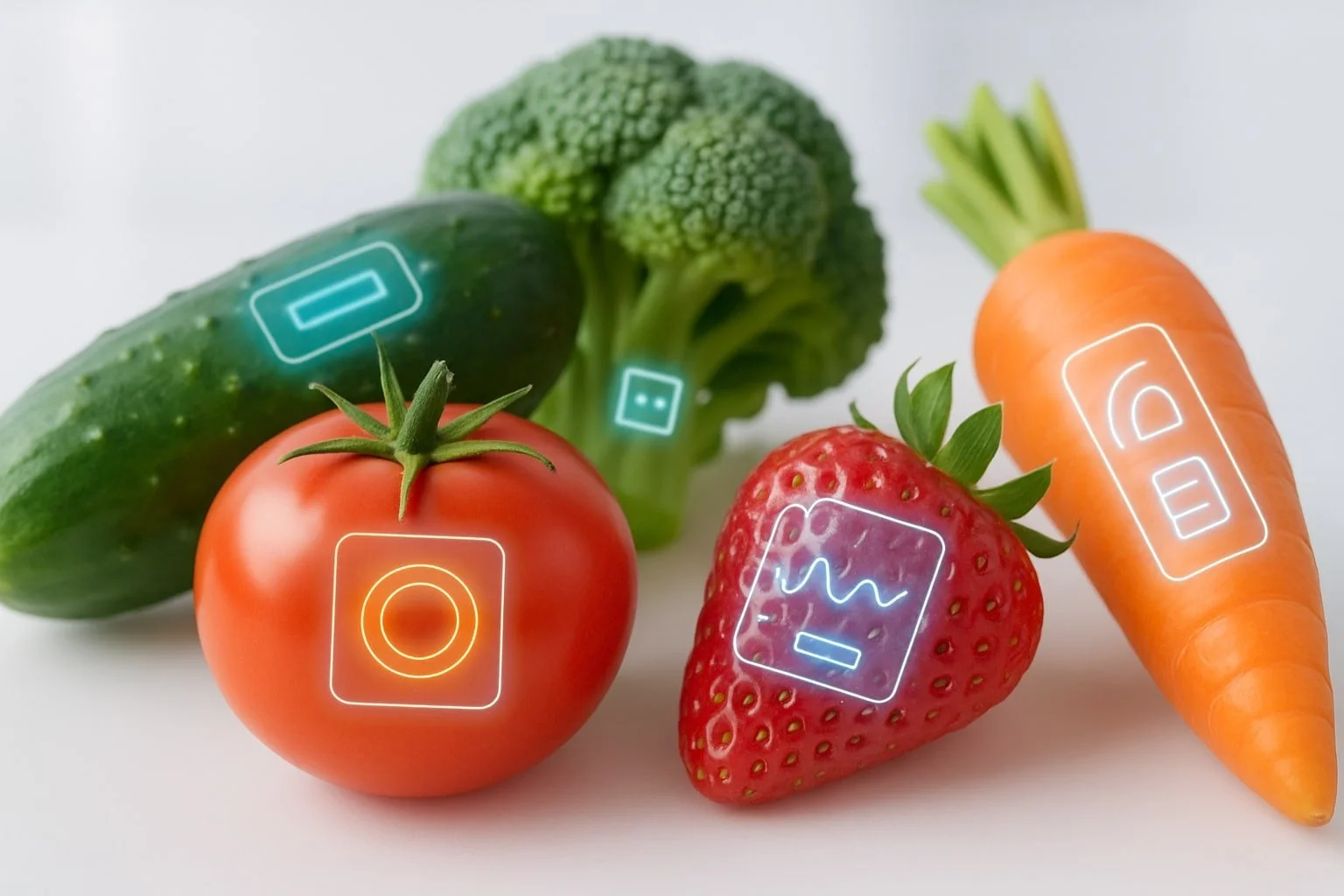
The Rise of Edible Shelf Life Sensors
Discover how edible shelf life sensors are transforming food safety and reducing waste by providing real-time freshness monitoring for households and the food industry.
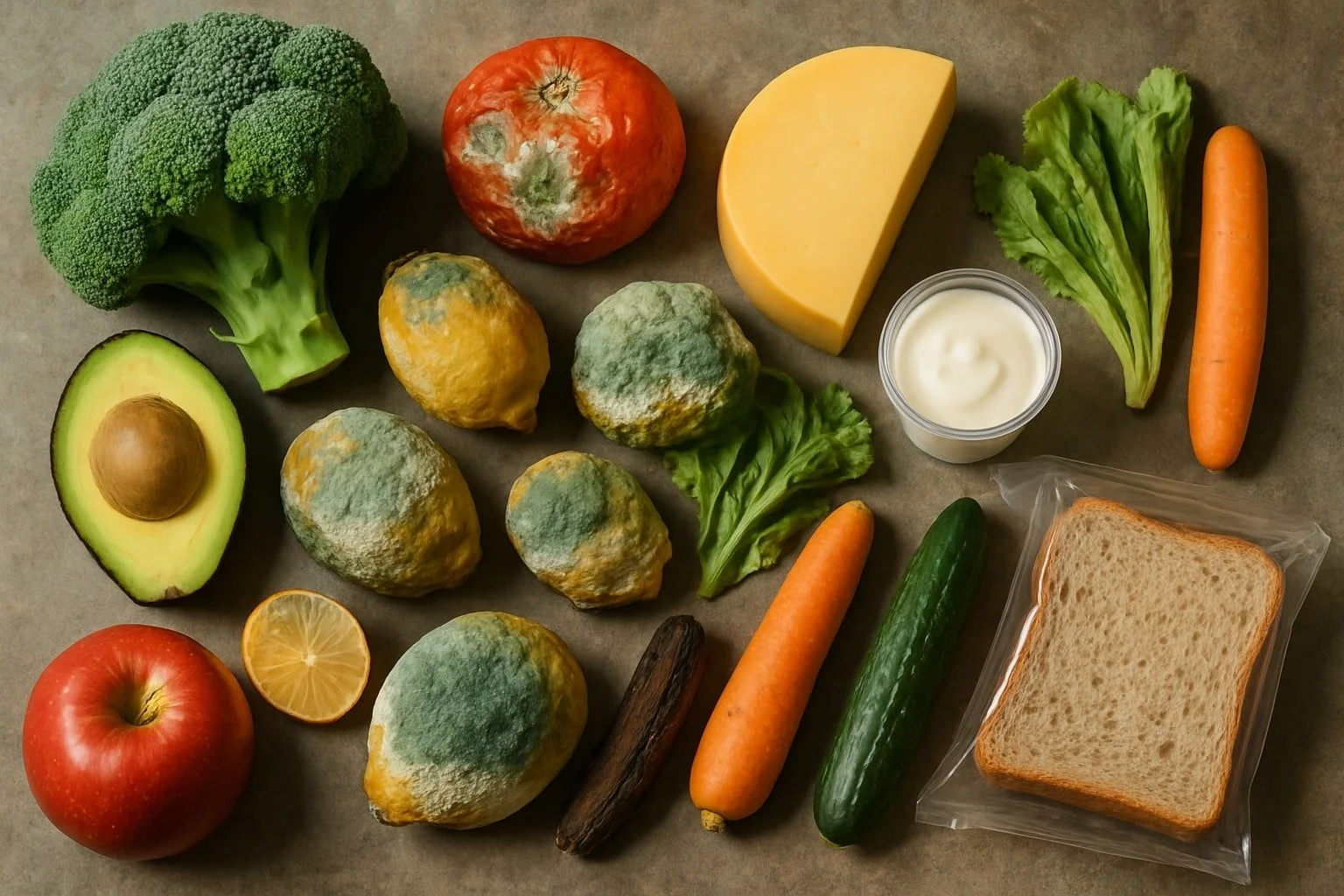
What Food Waste Tells Us About Shelf Life Assumptions and Consumer Misconceptions
Discover how misunderstandings of shelf life and expiration dates drive unnecessary food waste, impacting the environment and economy. Learn why “best before” dates indicate quality, not safety.
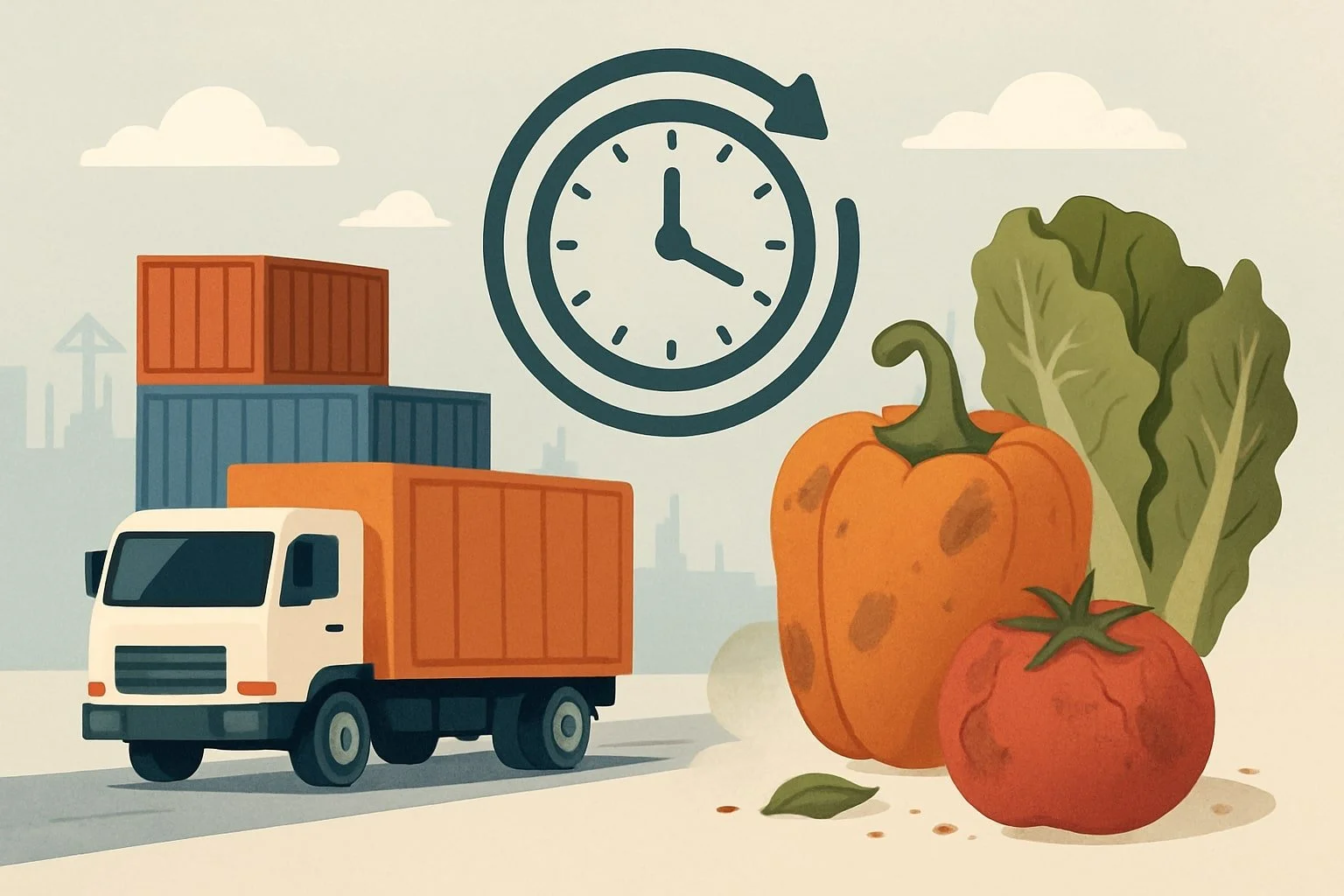
How Supply Chain Delays Impact Product Freshness and Affect Consumer Satisfaction
Discover how supply chain disruptions cause delays that reduce product freshness, increase spoilage, and negatively impact customer satisfaction in the food industry. Learn key factors behind these challenges and their effects on consumer trust.
