
Texas Home Cooking
Maximizing the Shelf Life of Pantry Foods
Properly storing pantry Foods like pasta, rice, crackers and flour is essential to maximize their shelf life and prevent waste. Many people aren't aware of the best practices for keeping these pantry staples fresh. This section will provide tips and tricks for optimizing storage of pantry foods and beating expiration dates. You'll learn how to preserve the freshness of items like pasta, flour and crackers through simple techniques.
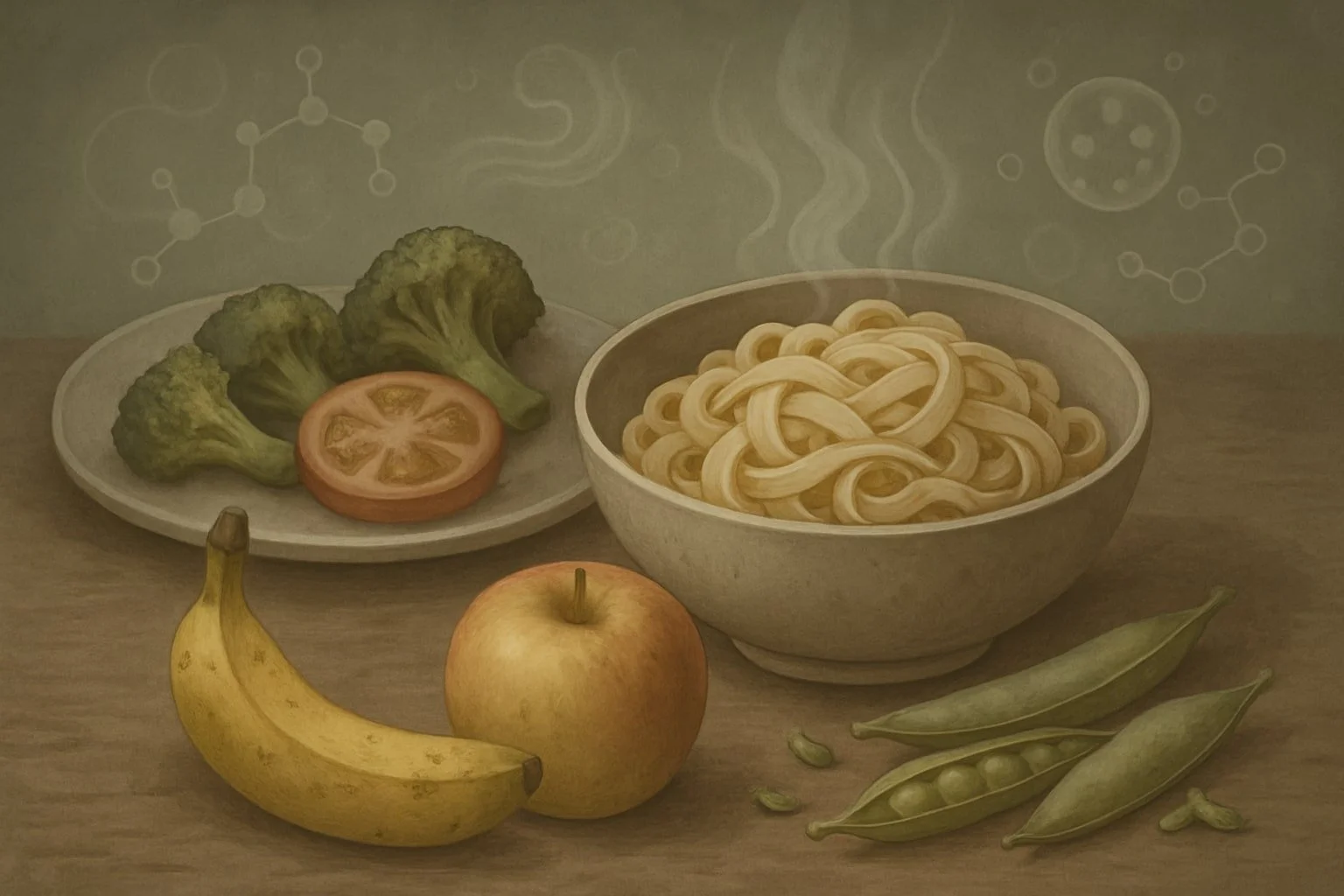
Why Food Loses Flavor Before It Spoils
Discover why food loses its flavor before it spoils. Learn how chemical changes like oxidation and moisture loss affect taste and aroma, making food bland even when it looks fresh.
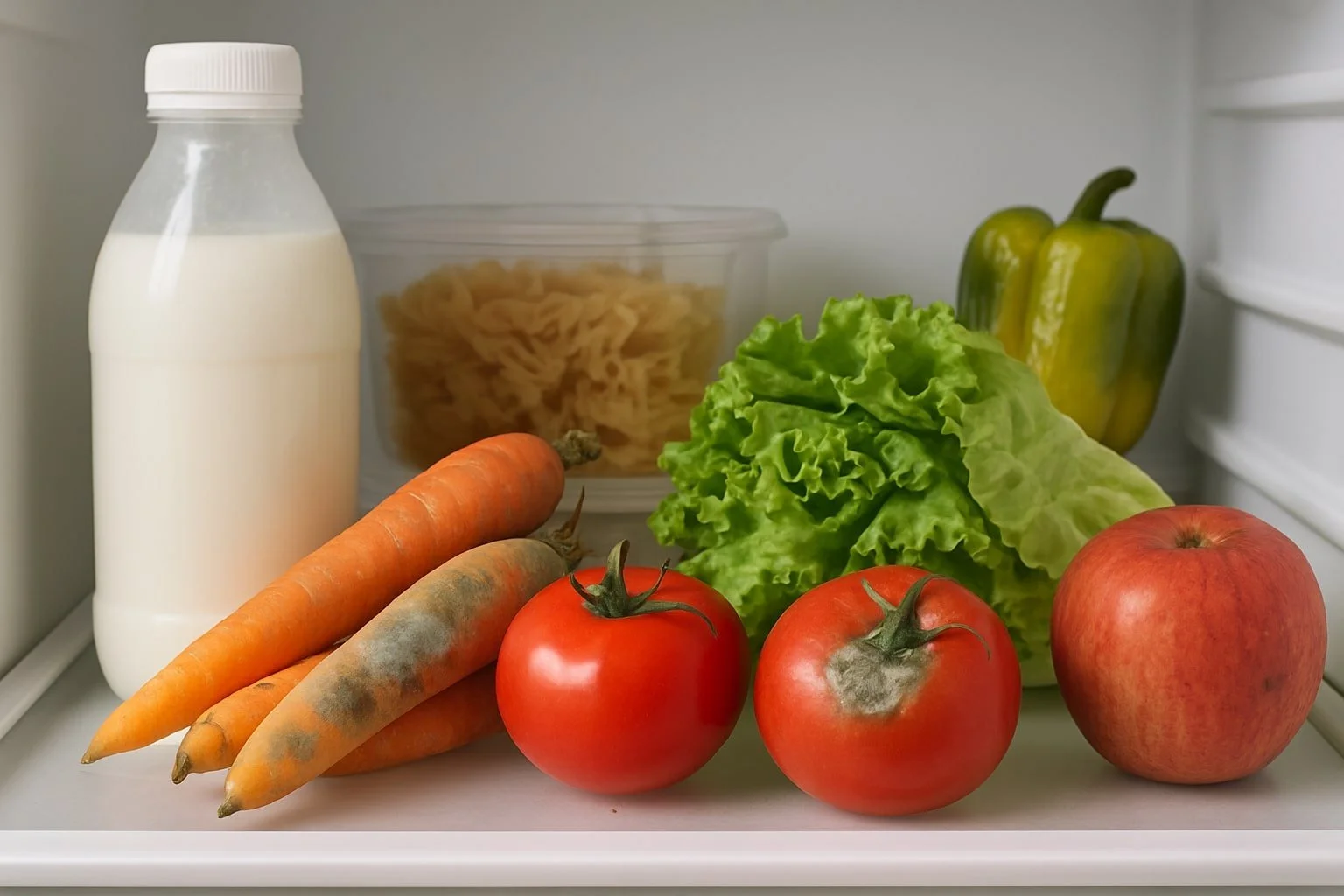
The Problem with Overextending Shelf Life
Discover the hidden risks of extending food shelf life—how additives and preservatives can affect nutritional quality and food safety despite reducing waste and boosting convenience.
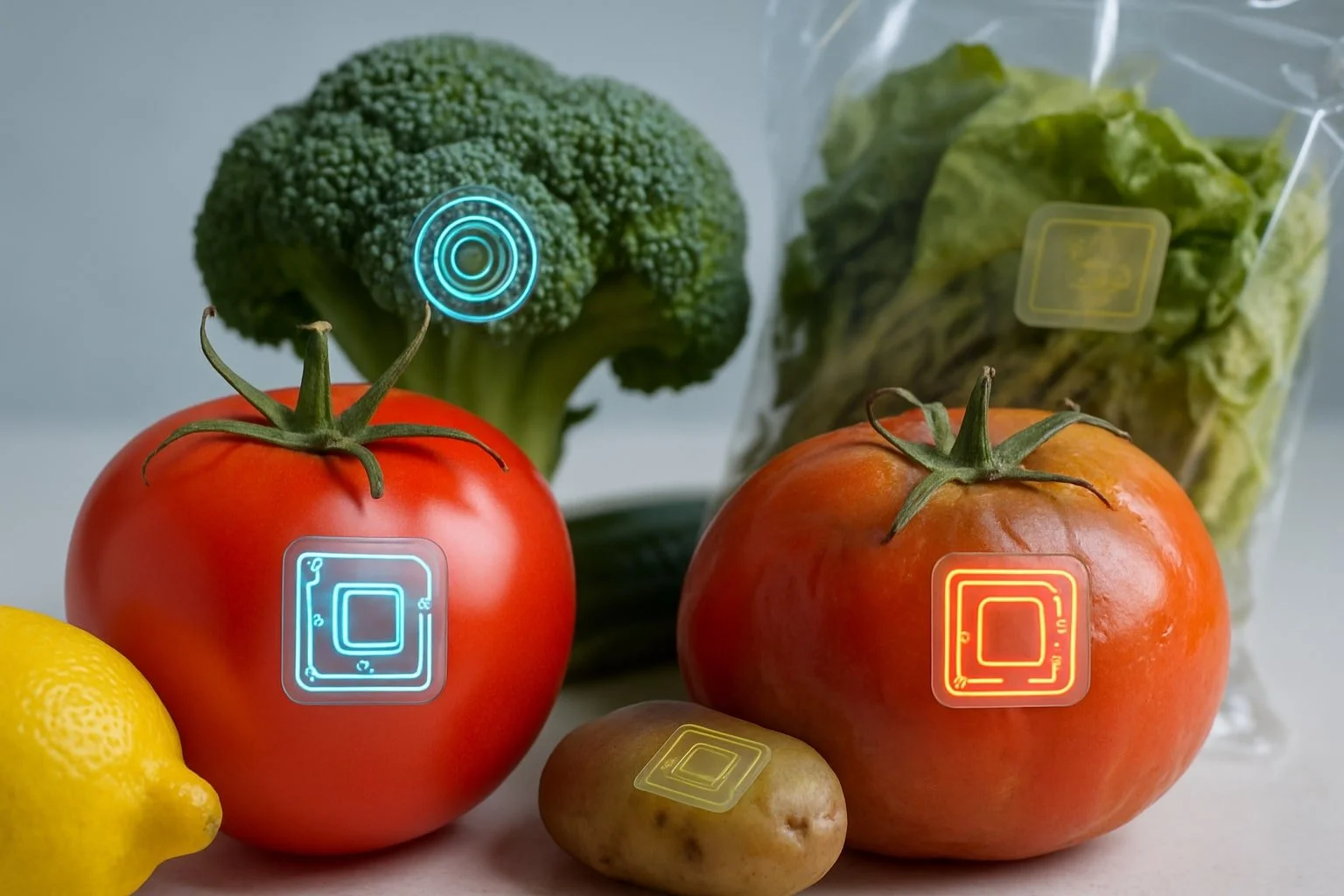
How Smart Labels Detect Food Degradation and Ensure Freshness
Discover how smart labels with built-in sensors monitor food freshness by detecting gas emissions and pH changes, providing real-time alerts to ensure safety and quality from packaging to your table
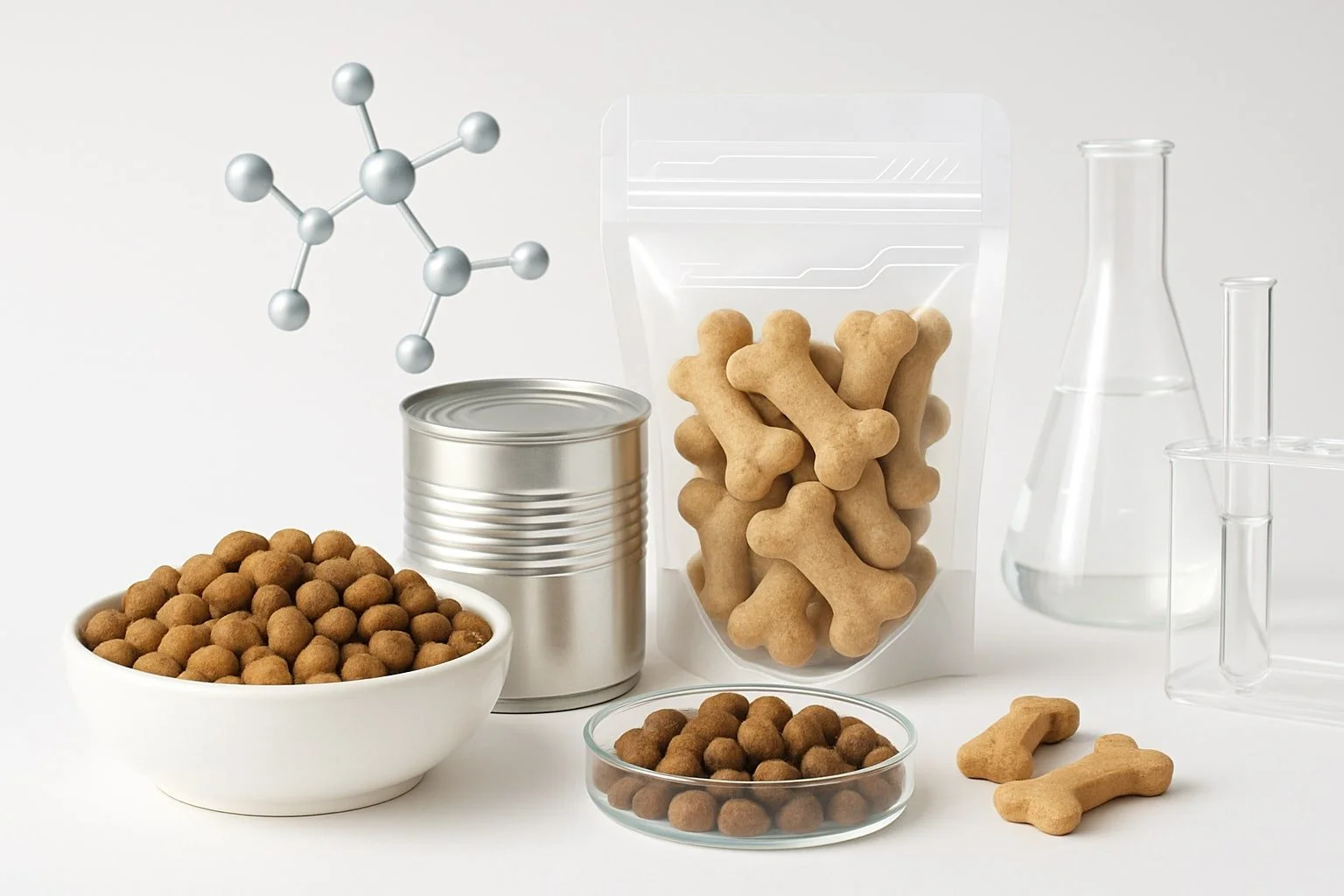
How Pet Food Shelf Life Is Engineered Differently to Ensure Freshness and Safety
Discover how pet food shelf life is engineered using scientific controls like water activity, pH, and oxygen management to ensure safety, maintain quality, and prevent spoilage throughout long distribution chains.
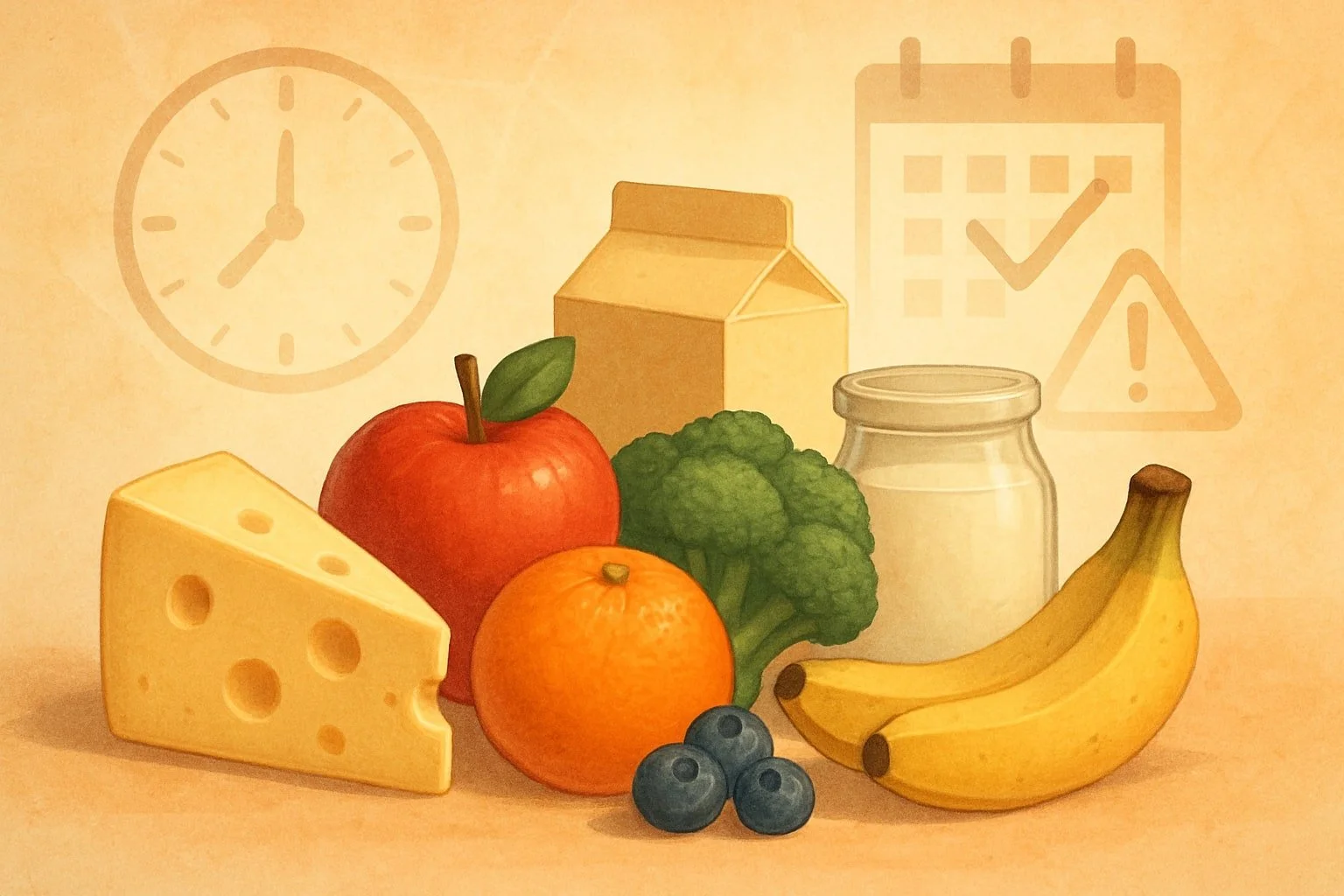
Food Shelf Life as a Risk Management Tool for Safer and More Efficient Supply Chains
Discover how food shelf life acts as a vital risk management tool to enhance food safety, reduce waste, and ensure regulatory compliance for more efficient supply chains. Learn best practices for managing shelf life to maintain product quality and safety.
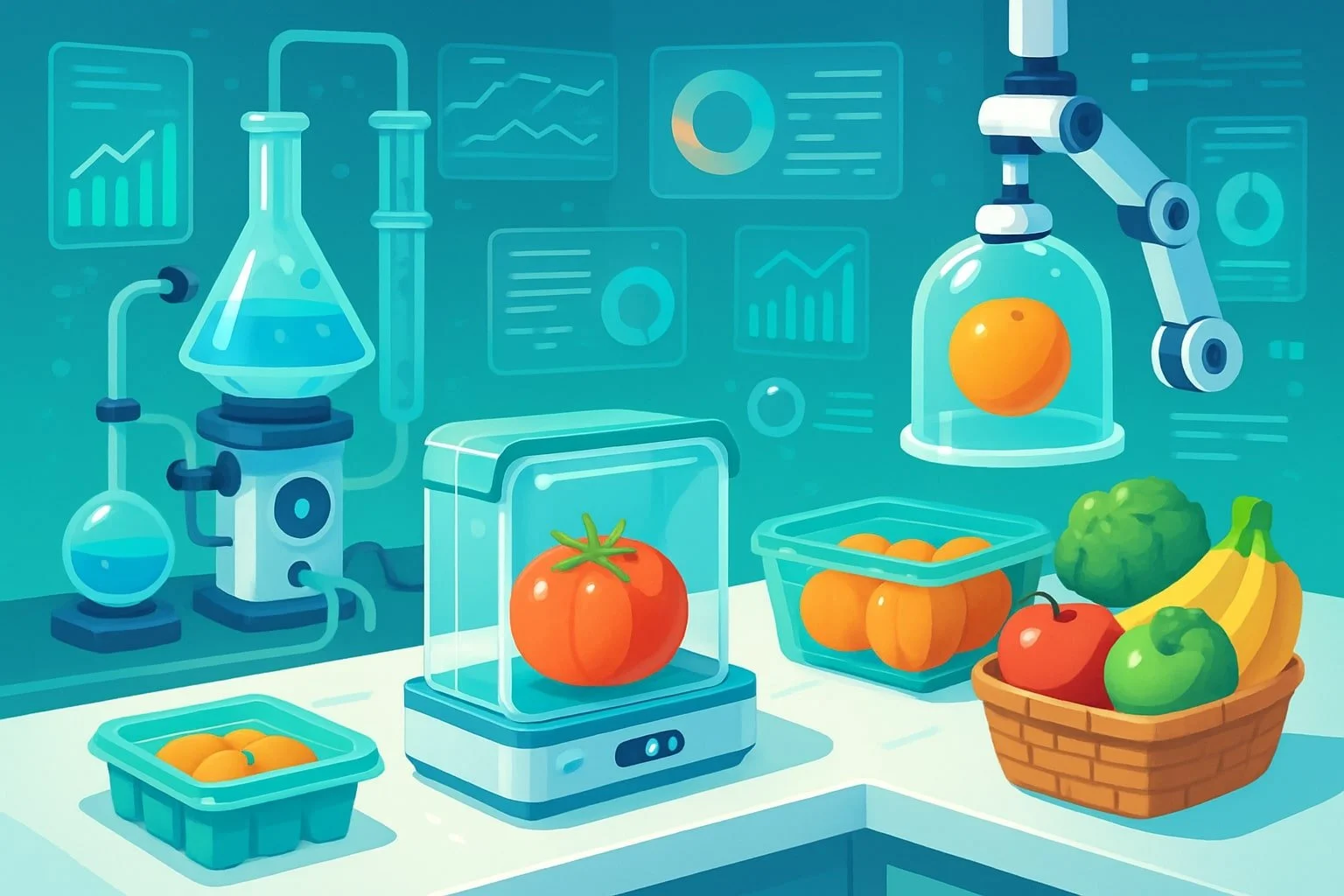
The Rise of Shelf Life Tech Startups Transforming Food Preservation and Safety
Discover how shelf life technology startups are transforming food preservation and safety, tackling global food waste by improving storage, tracking, and efficiency beyond traditional methods.

The Shelf Life of Supplements and Nutraceuticals
Discover how shelf life affects the potency and safety of supplements and nutraceuticals. Learn key factors like product type, storage, and packaging that influence effectiveness over time.
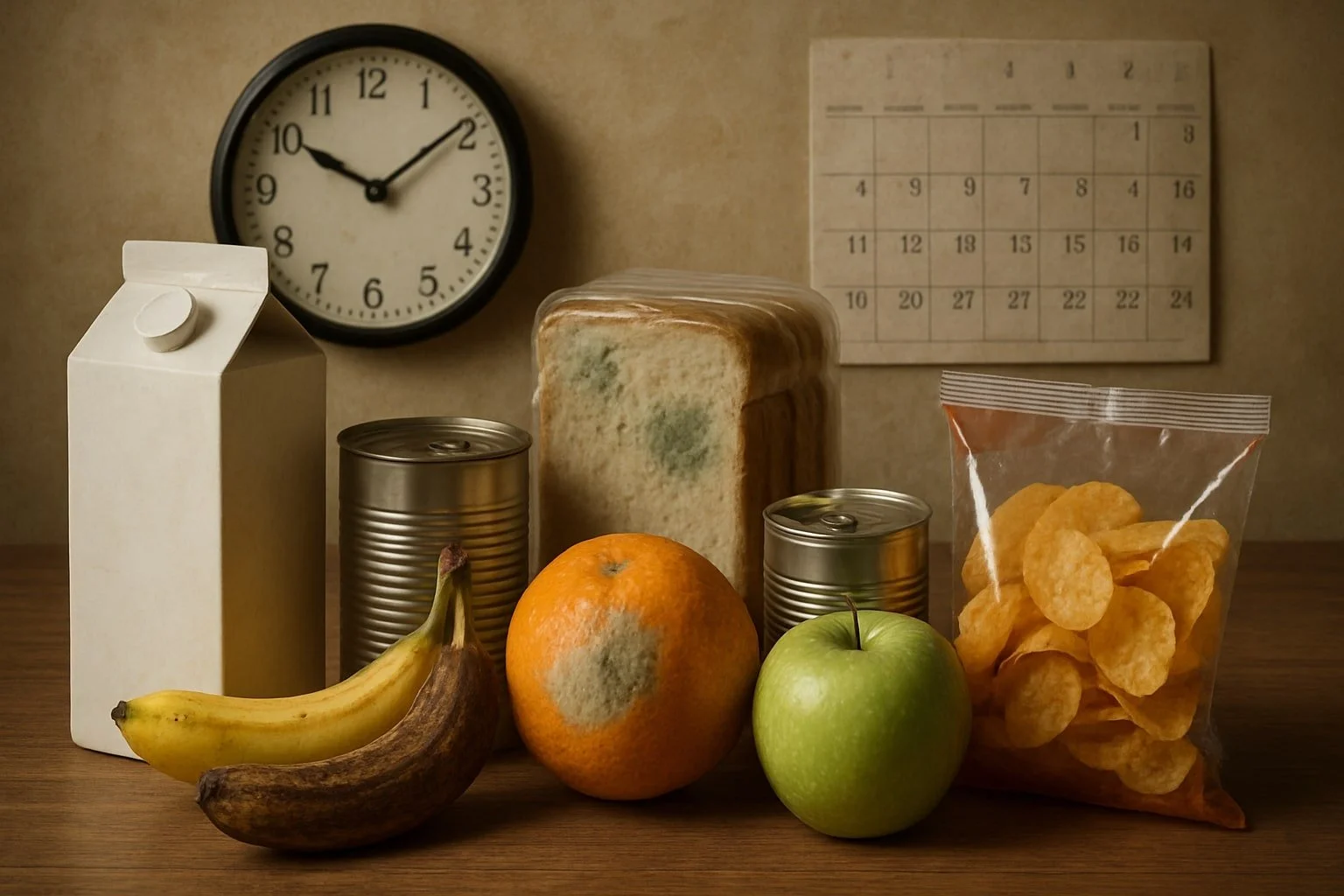
Should We Abandon Expiration Dates Altogether?
Explore the truth behind expiration dates—why they often reflect food quality, not safety—and how this impacts consumer waste and confusion. Learn the pros and cons of rethinking expiration labels.

The Role of Anti-Microbial Coatings in Modern Surface Protection
Discover how antimicrobial coatings inhibit bacteria, viruses, and fungi to promote safer, more hygienic environments in healthcare, public spaces, and industries.

Natural Products and the Shelf Life Tradeoff
Discover how natural skincare products trade longer shelf life for purity by avoiding synthetic preservatives. Learn tips to balance freshness and effectiveness in natural cosmetics.
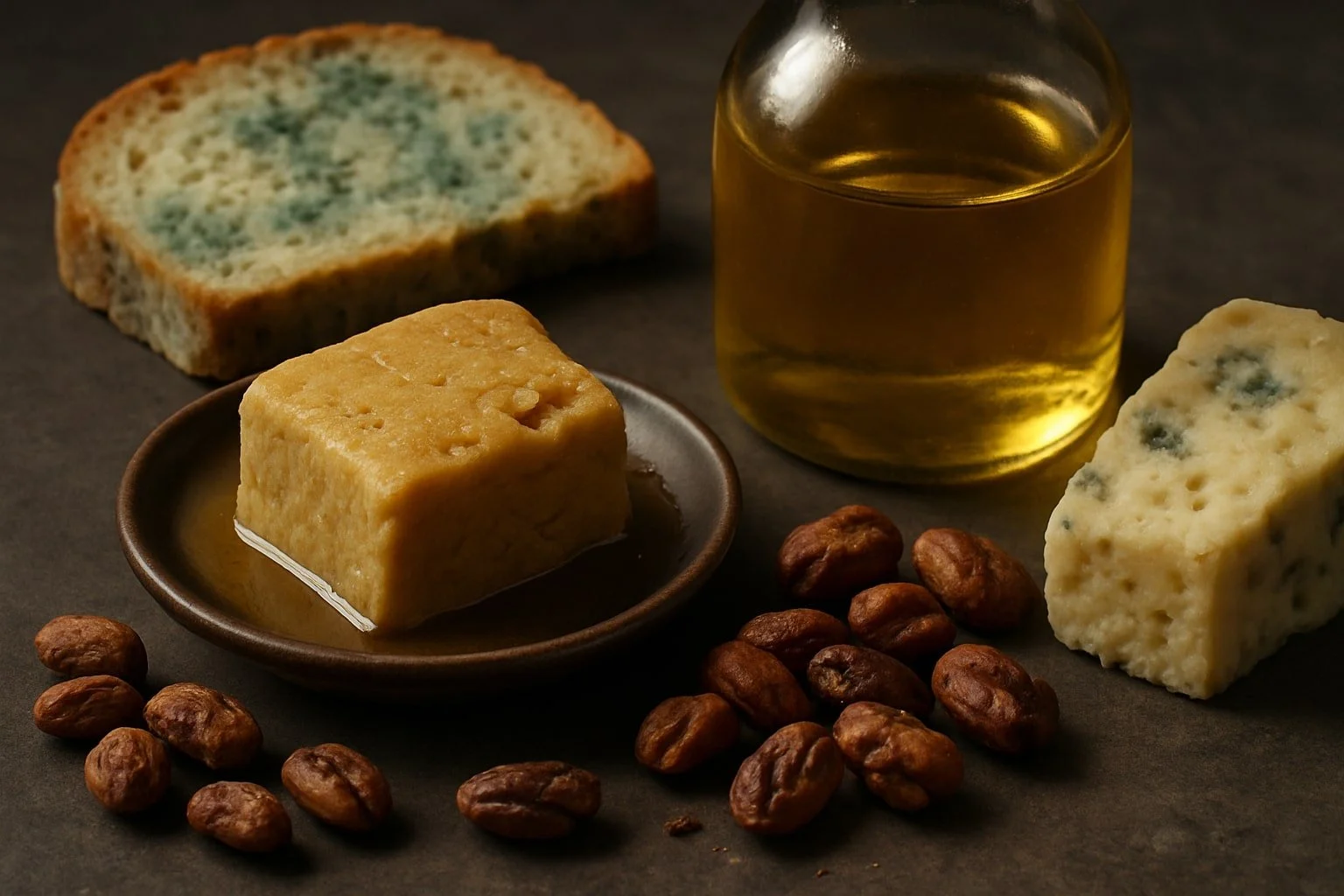
Why Some Foods Go Rancid, Not Moldy
Discover why high-fat foods like nuts and oils spoil by going rancid through chemical oxidation rather than mold growth. Learn how rancidity affects flavor and freshness before visible signs appear.
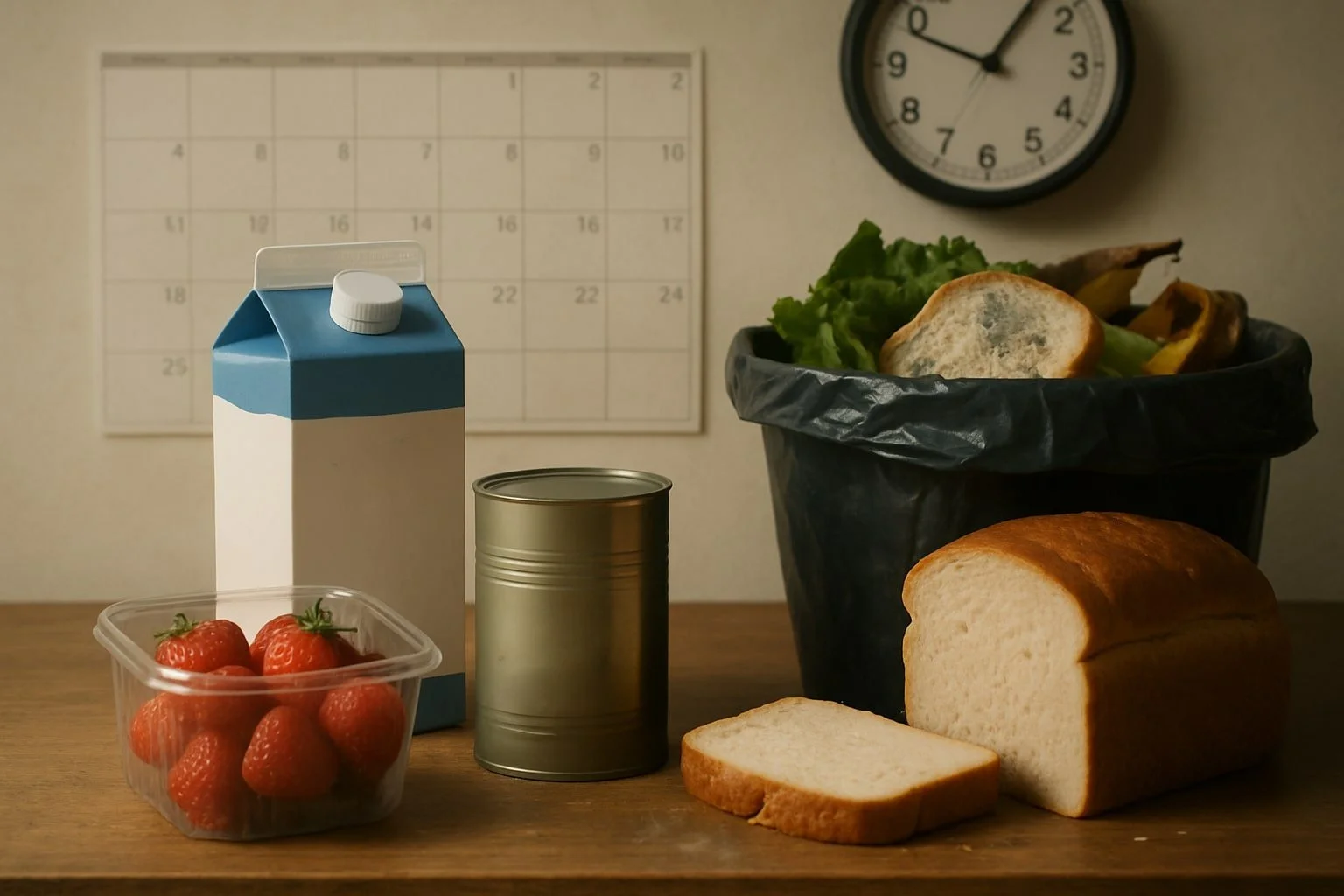
Do Expiration Dates Create More Waste Than They Prevent?
Discover how expiration dates like "best by" and "sell by" contribute to food waste by being misunderstood as safety deadlines. Learn why these dates often lead to unnecessary disposal of perfectly good food and how to reduce waste effectively.
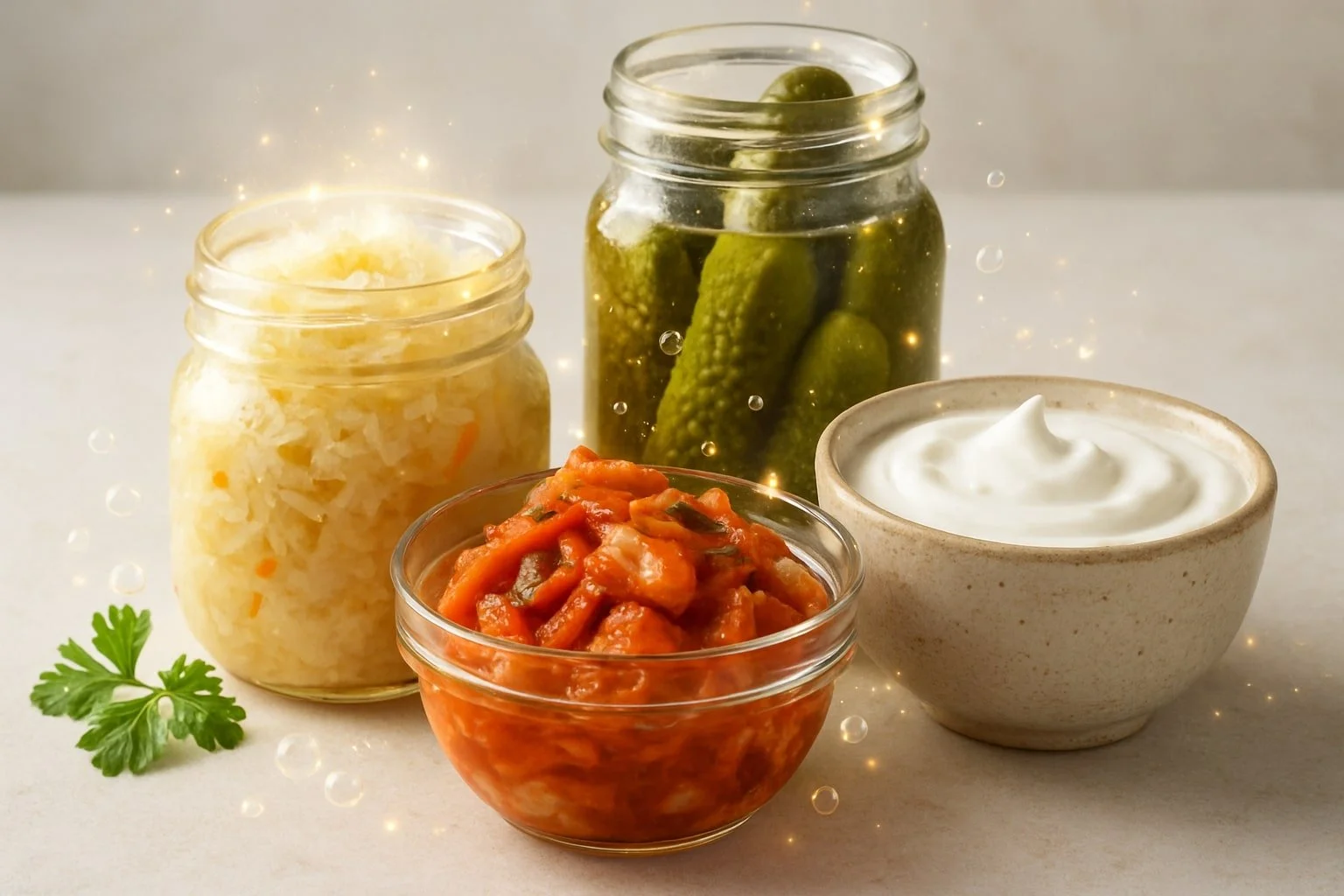
How Fermented Foods Resist Spoilage
Discover how fermentation preserves food by producing acids and beneficial microbes that inhibit harmful bacteria and molds, extending shelf life naturally without refrigeration.
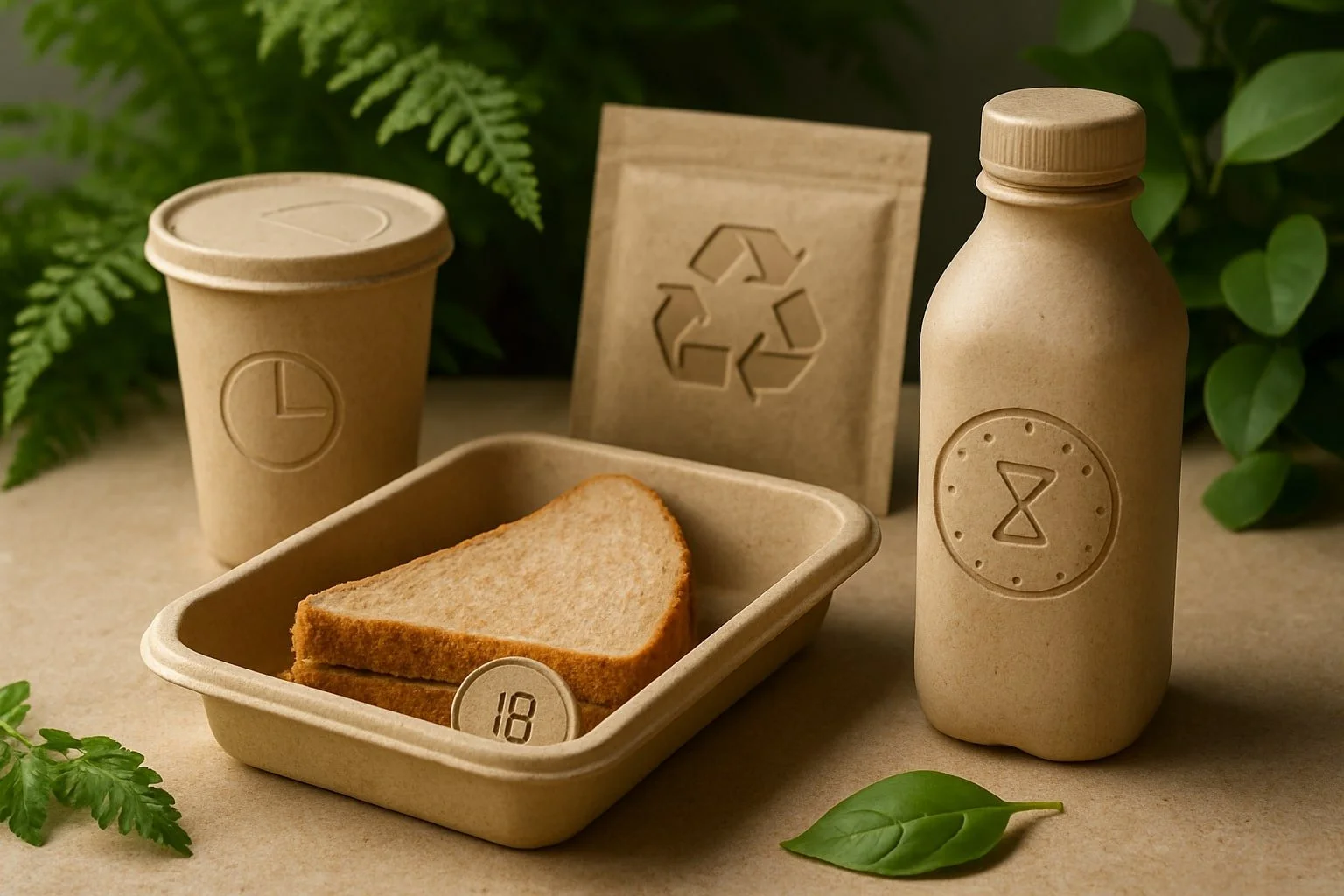
Expiry Labels in a Zero-Waste Future
Discover how advanced expiry labels improve food safety and traceability, reduce confusion, and help cut food waste in a zero-waste future by reflecting real-time freshness and storage conditions.
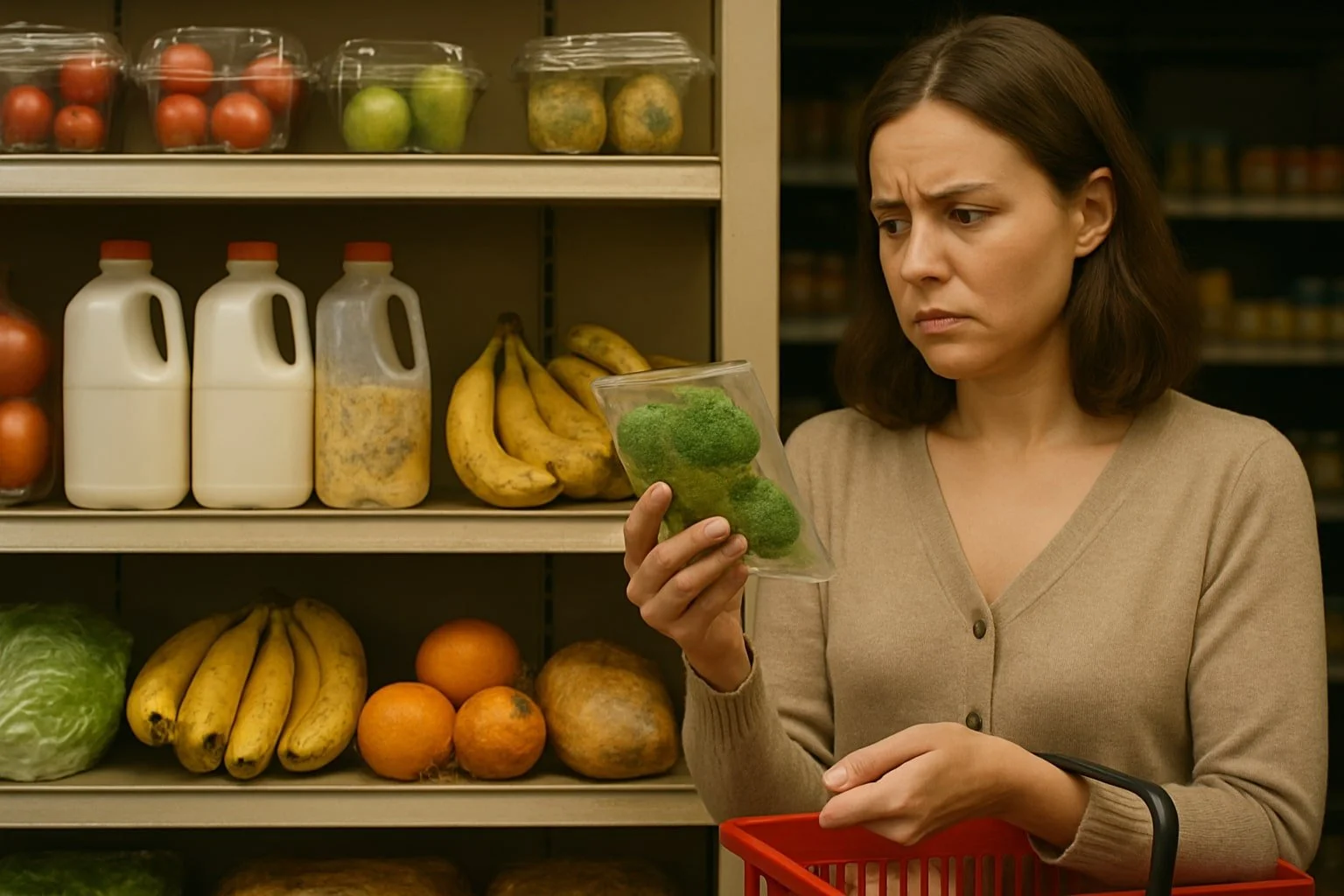
Consumer Behavior and the Fear of Old Food
Discover why consumers avoid “old” food despite safety, exploring psychological triggers and how this fear affects purchasing habits and food waste.
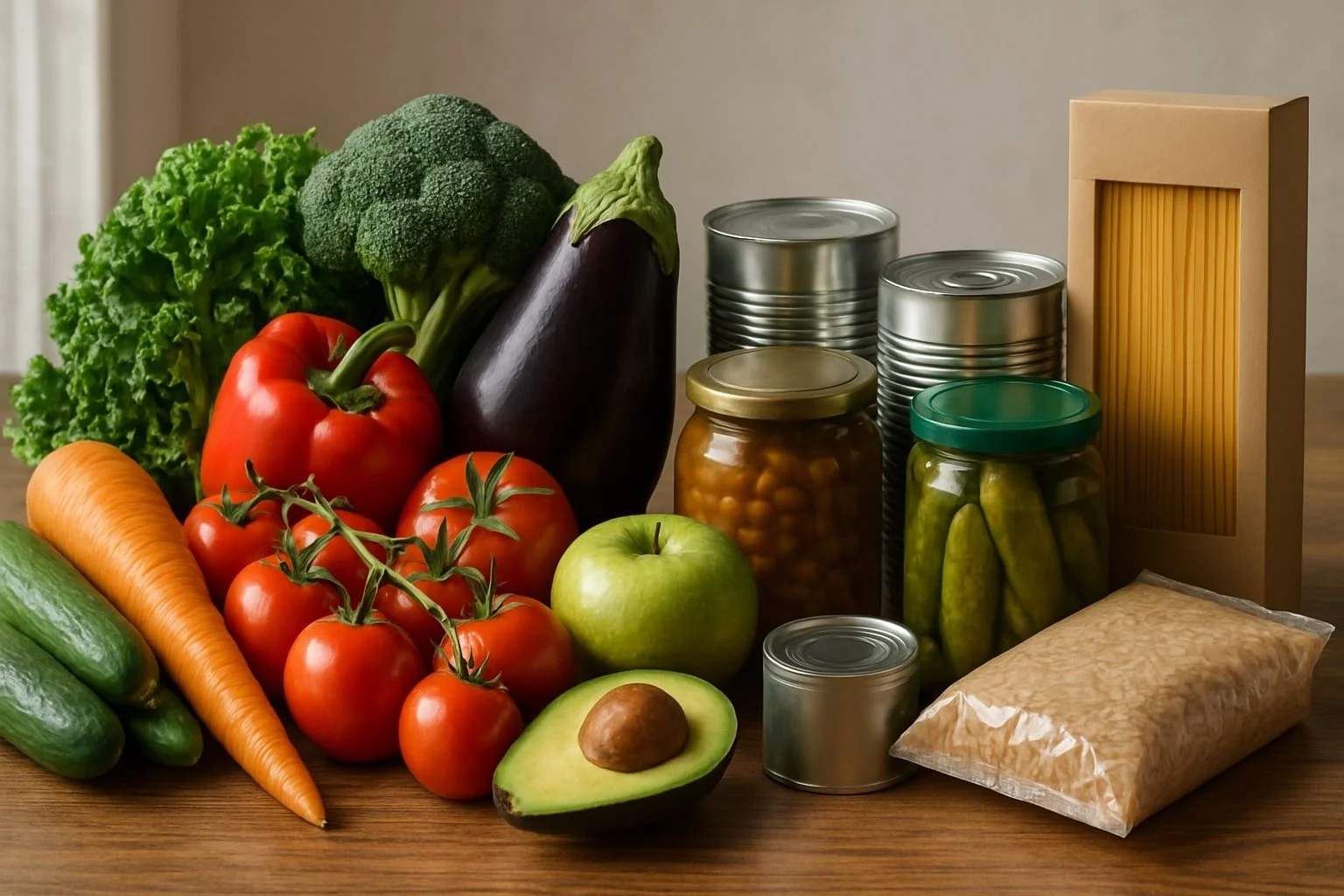
The Trade-Off Between Nutrition and Shelf Life in Modern Food Products
Explore how extending shelf life through food processing impacts nutritional value. Learn the balance between preserving food safety and maintaining essential nutrients in modern products.
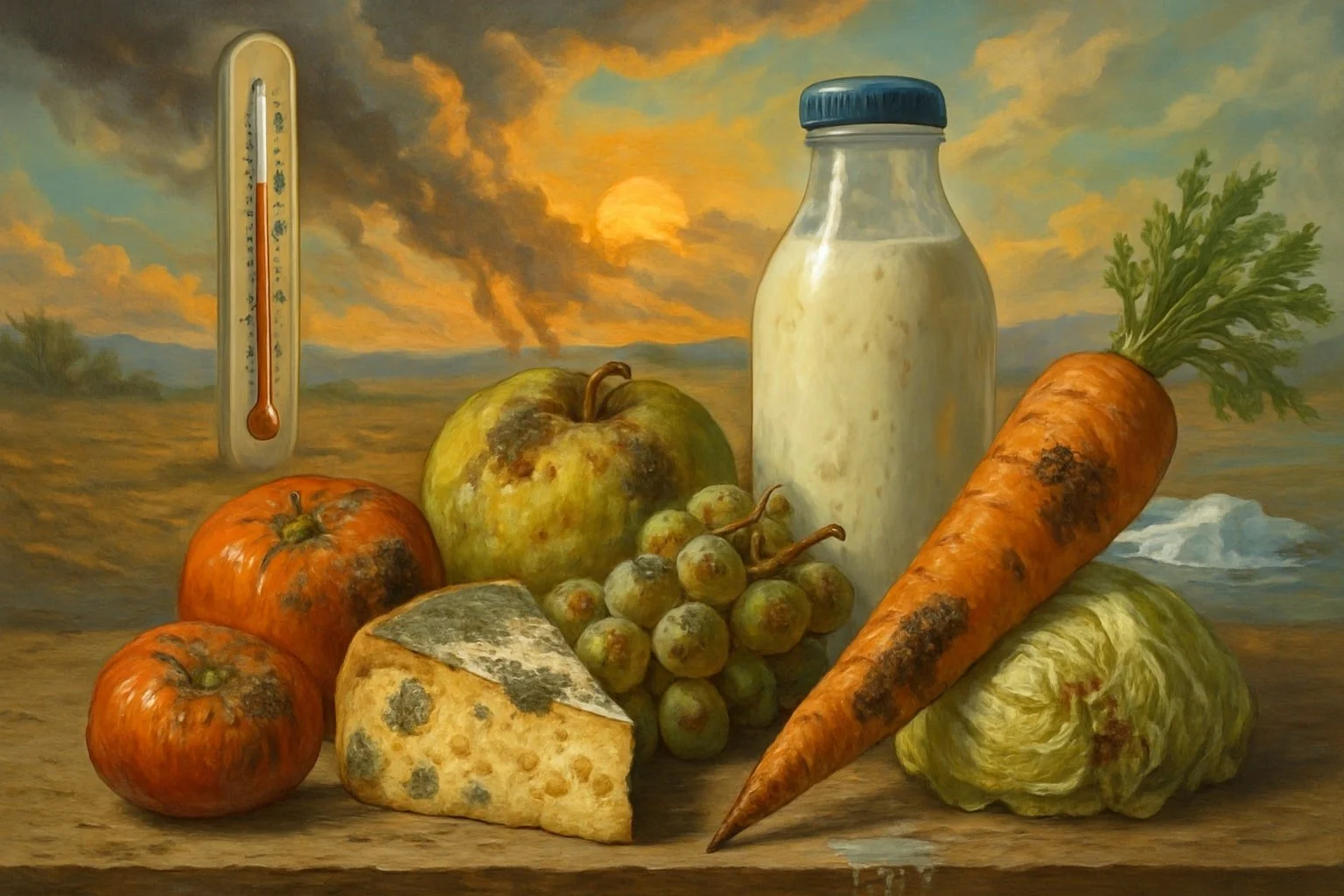
How Climate Change Is Forcing Shelf Life Reassessment in Food and Pharmaceutical Industries
Discover how rising temperatures and climate shifts are forcing food and pharmaceutical industries to reassess shelf life, spoilage risks, and safety protocols across the supply chain.
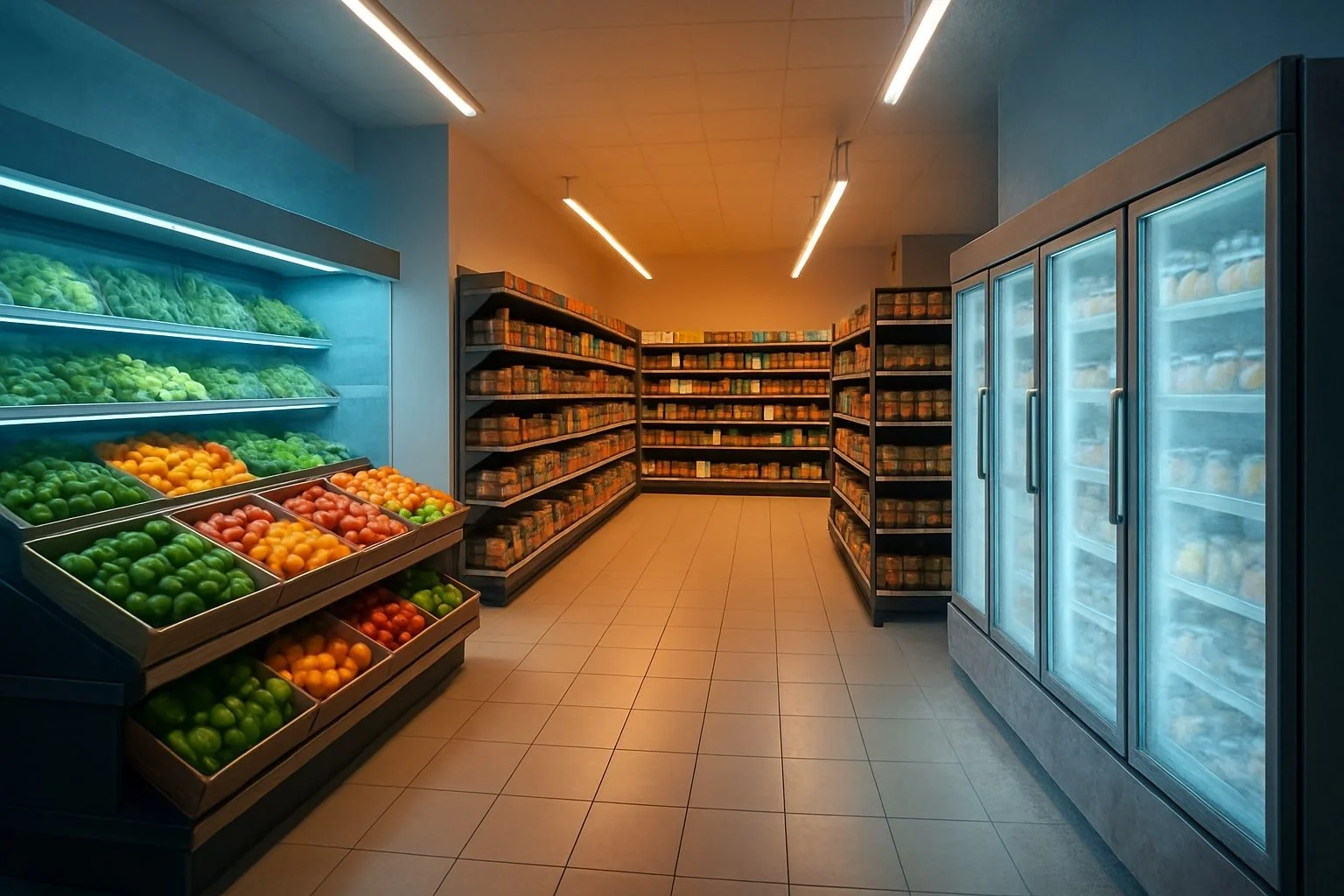
Temperature Zoning in Grocery Stores
Learn how temperature zoning in grocery stores ensures food safety by keeping cold foods below 40°F and hot foods above 135°F, while optimizing energy efficiency to reduce costs and spoilage.

Why Shelf Life Is a Moving Target
Discover why shelf life is a moving target influenced by ingredients, packaging, storage, and evolving safety standards. Learn how manufacturers adapt to changing preservation and regulatory demands.
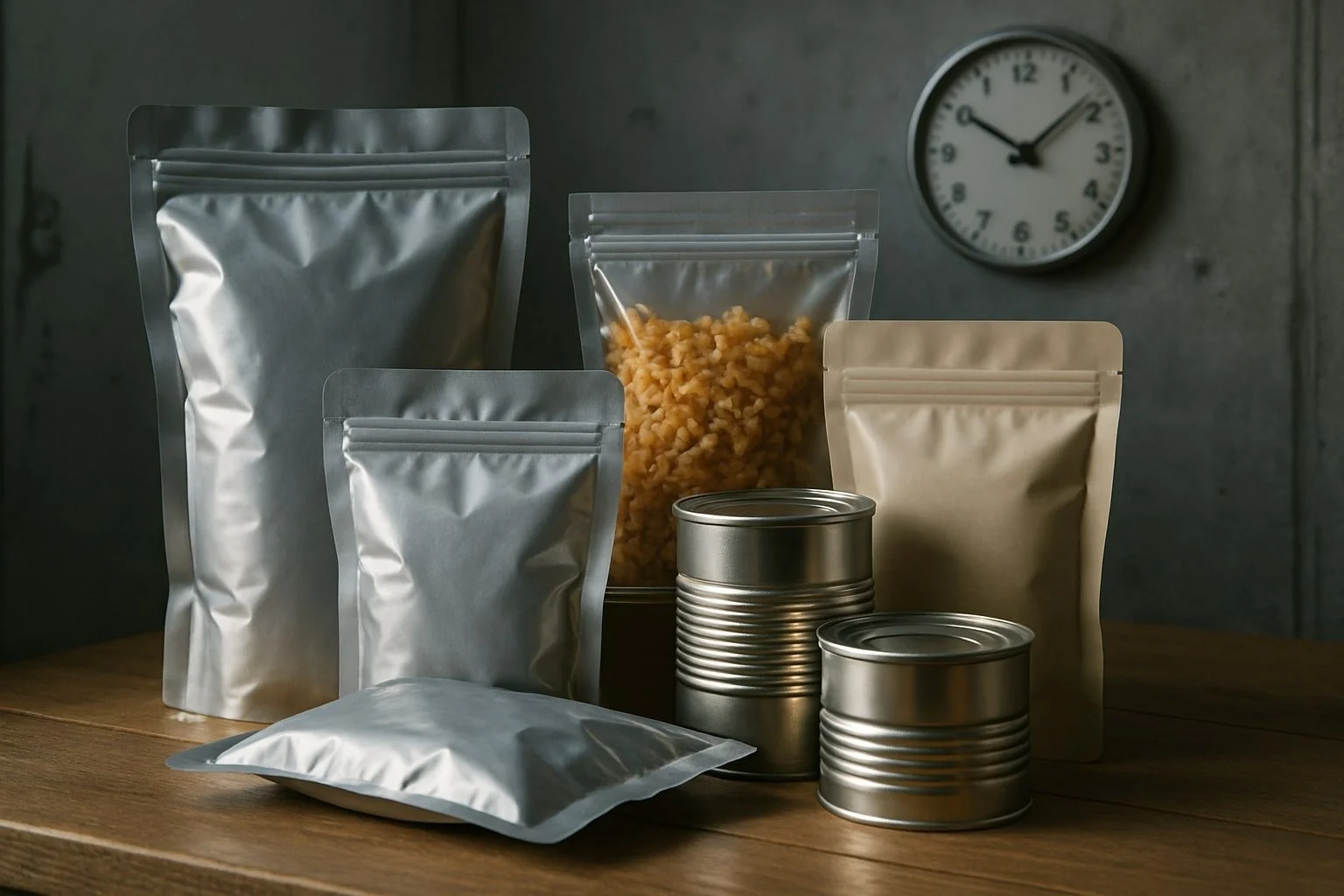
How Emergency Rations Are Shelf Life Engineered for Long-Term Storage and Safety
Discover how emergency rations use advanced preservation, airtight packaging, and quality controls to ensure safe, nutritious food that can last from 1 to 25+ years for reliable long-term storage.
